REVIEW · CUSCO
Cusco: 6-Day Andean Jewels Experience
Book on GetYourGuide →Operated by Inkayni Peru Tours · Bookable on GetYourGuide
Cusco at altitude can be a shock, yet this trip helps you get your bearings fast. I like how it mixes slow acclimation with Inca sites you can actually connect to, and I also like the in-depth Machu Picchu guide approach. One watch-out: you’ll be at some very high elevations, and the mountain days can feel tough even if you’re reasonably fit.
What makes this experience work is the pace and the planning. You start in Cusco, then move through the Sacred Valley stops that explain how the Incas farmed and lived (Chinchero, Moray, Maras), then you earn Machu Picchu with a focused, early visit. The group stays small (often up to around 10, with the wider limit listed between 2 and 12), but if you’re sensitive to early starts or heavy walking, you may feel it.
In This Review
- Key Points That Matter Before You Go
- Cusco Arrival at 11,152 ft: Get Acclimated Without Wasting the Day
- Sacred Valley Power Stops: Chinchero, Moray, Moray, Maras
- Train to Aguas Calientes: Comfort Where You Need It
- Machu Picchu With an In-Depth Guide: Temples, Terraces, and Storage
- Humantay Lake Hike: Turquoise Water at 4,200 m
- Rainbow Mountain at 5,020 m: The Most Intense Morning
- Day 6 in Cusco: A Relaxed Finish Before Your Flight
- Price, Value, and What You’re Really Paying For
- Who This Tour Fits Best (And Who Should Skip It)
- Practical Tips You’ll Be Glad You Follow
- Should You Book This 6-Day Andean Jewels Experience?
- FAQ
- What’s the total duration and how many nights are included?
- What meals are included during the trip?
- Which major attractions are covered?
- Is Huayna Picchu included?
- How do we get to Machu Picchu each day?
- What’s the group size?
- Where will transfers happen when I arrive and when I leave?
Key Points That Matter Before You Go
- Altitude comes in steps: Cusco first, then Sacred Valley, then the big mountain days.
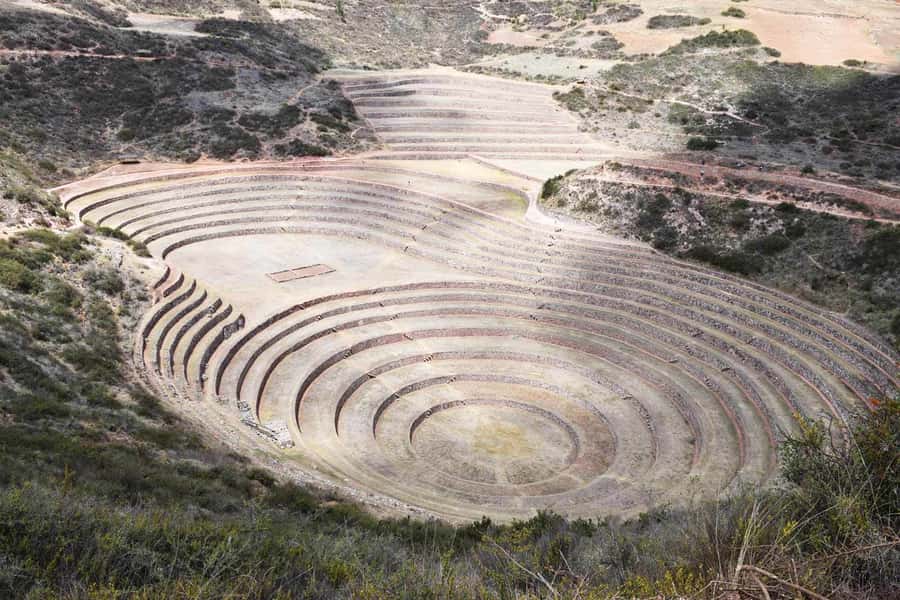
- Sacred Valley isn’t skipped: Chinchero, Moray, and Maras get real time—not a quick photo stop.
- Machu Picchu is guided for meaning: you get an in-depth walk through temples, ceremonial areas, terraces, and storage structures.
- You can add a high viewpoint: Huayna Picchu or Machu Picchu Mountain is possible if you secure an extra ticket.
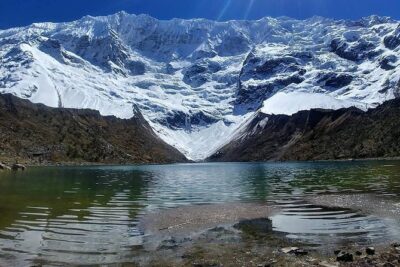
- Humantay Lake is the turquoise reward: a hike to a striking lagoon at about 4,200 m.
- Rainbow Mountain tests stamina: you reach around 5,020 m for the signature color views.
Cusco Arrival at 11,152 ft: Get Acclimated Without Wasting the Day
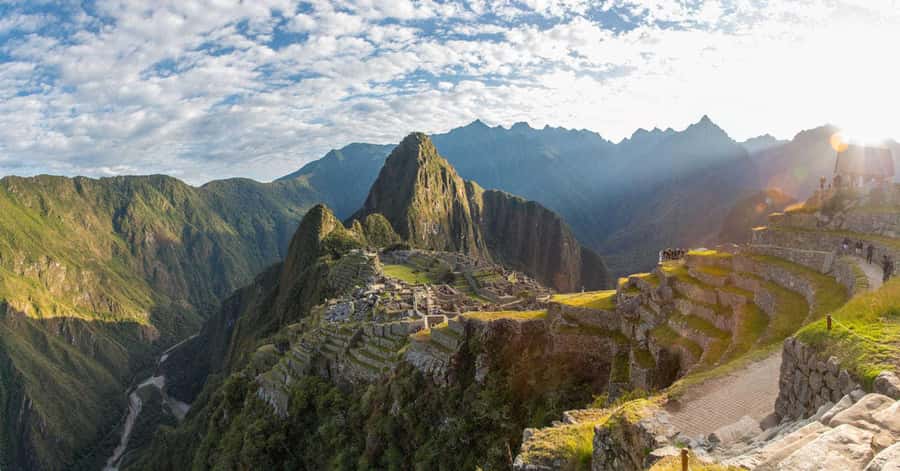
Your trip begins the moment you land in Cusco, at roughly 11,152 ft / 3,399 m. An Inkayni team member meets you with your name at the airport arrival area (or at the bus terminal if that’s your entry point), then transfers you to your Cusco hotel, usually Ayni Cusco Hotel or similar.
Then you get the right kind of free time: not just “hang around,” but a chance to explore on your own while your body adjusts. I like this setup because Cusco isn’t just a city here—it’s your altitude training ground. Walk a little, hydrate, and keep meals light the first day so you don’t spend the next morning feeling rough.
You can also read our reviews of more tours and experiences in Cusco
Sacred Valley Power Stops: Chinchero, Moray, Moray, Maras
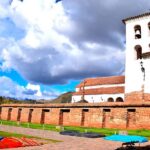
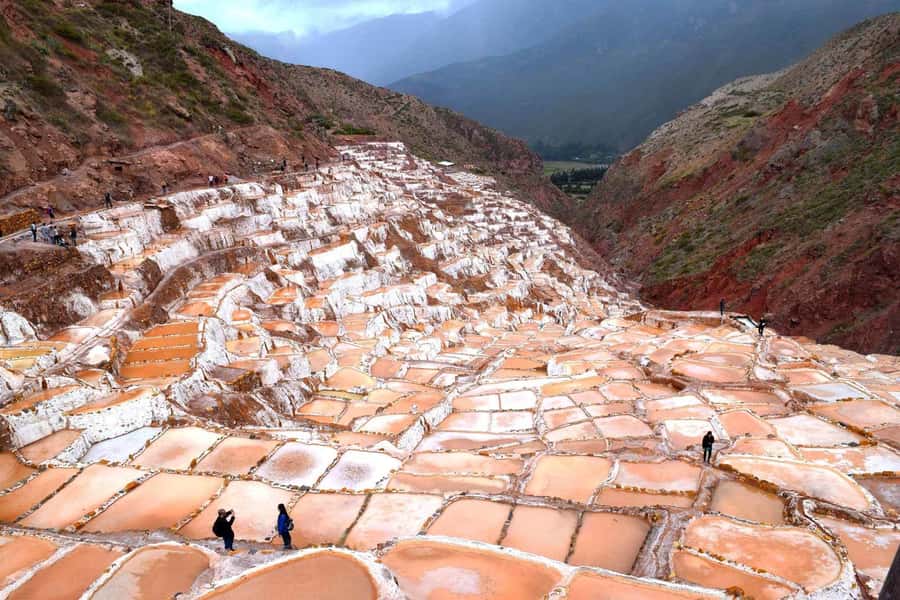
Day 2 turns Cusco altitude into a guided lesson. You start by heading to Chinchero (12,342 ft / 3,762 m), a town known for Inca-era stonework, a colonial church, and textile traditions. If you care about craft and daily life, this is one of the easiest places to “see” how culture continues rather than just staring at stones.
From Chinchero, the route continues to Moray (about 11,500 ft / 3,500 m). The big draw is the series of massive circular terraces that show how the Incas used microclimates for farming. It’s one of those sites where the guide’s explanations matter more than the photos—these terraces weren’t built for looks.
Next comes Maras (10,827 ft / 3,300 m) and the salt mines. You’ll see over 3,000 pools that are still harvested using ancestral methods. This stop gives you a different angle on the Sacred Valley: food, trade, and practical resources—things that move daily life.
At the end of the day, you arrive in Ollantaytambo and board the train to Aguas Calientes for an overnight stay, typically at Golden Sunrise Hotel or similar. This is a smart rhythm. After a full day at altitude, sleeping near Machu Picchu reduces morning stress.
Train to Aguas Calientes: Comfort Where You Need It
The train ride is part transport, part mental reset. You travel round-trip on Inca Rail (Voyager) or Peru Rail (Expedition). You won’t arrive at Machu Picchu still half-asleep and frazzled; instead you get a calmer evening where you can eat, hydrate, and prep.
In real terms, this matters because Machu Picchu is a big-ticket day with a lot of walking. If you’ve ever had to sprint from one place to the next, you know the value of removing friction. The overnight in Aguas Calientes sets you up for a morning start that actually feels organized.
Machu Picchu With an In-Depth Guide: Temples, Terraces, and Storage
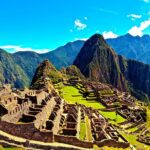
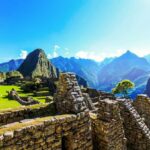
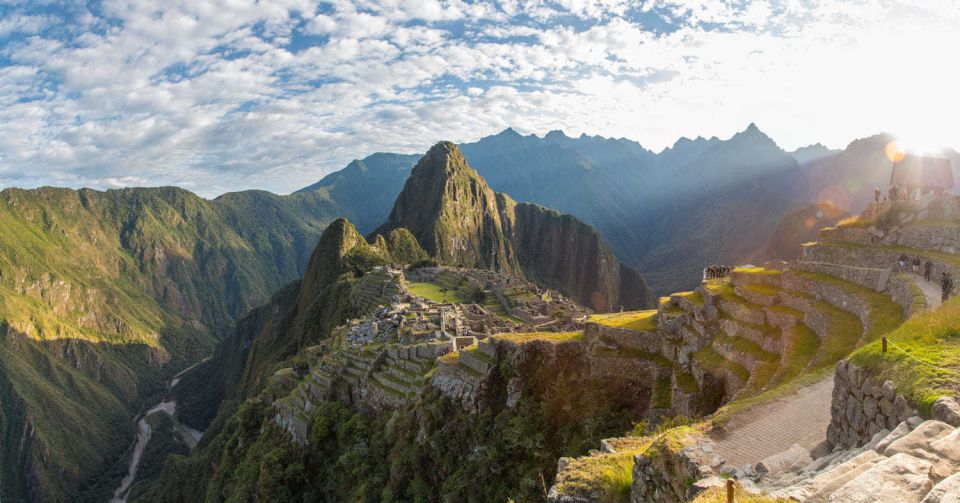
Day 3 is an early one. After breakfast in Aguas Calientes, you ride a morning bus up to Machu Picchu. Then you enter the Inca citadel and your professional guide leads an in-depth tour.
Here’s what makes this “more than sightseeing”: you don’t just look at the iconic viewpoint and move on. You get guided explanations about temples, ceremonial areas, terraces, and storage structures. Understanding those functions helps the site click. The same stone spaces look totally different once you know what they were doing.
You also have options if you’ve secured an extra ticket in advance. With the right access, you can add time at Huayna Picchu or Machu Picchu Mountain for high views over the sanctuary. If you don’t have the extra ticket, you can still enjoy a great guided circuit at Machu Picchu itself—this package keeps the main visit as the core.
After the tour, you return to Aguas Calientes for lunch and rest. Later, you board the train back to Ollantaytambo, and a private van takes you to Cusco, arriving in the evening.
A nice detail from past experiences with this company: guides such as Percy and Ronald are specifically highlighted for taking care of you and staying calm if timing gets tight. That kind of attention is worth its weight on Machu Picchu mornings when small delays can feel huge.
Humantay Lake Hike: Turquoise Water at 4,200 m
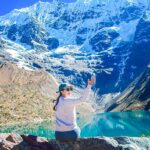
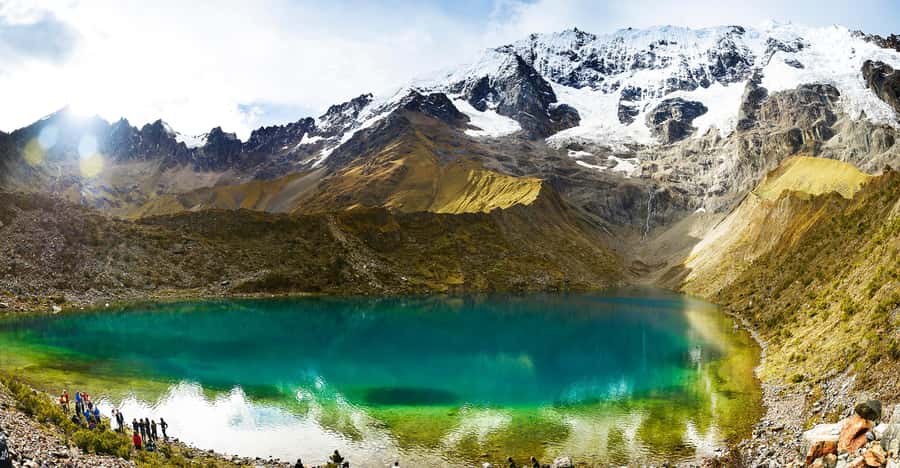
Day 4 swaps trains and temples for a mountain hike to Humantay Lake (13,780 ft / 4,200 m). You depart early, drive to Mollepata (about 9,515 ft / 2,900 m) for breakfast, then continue to Soraypampa (12,795 ft / 3,900 m), the starting point.
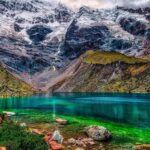
From Soraypampa, you hike uphill through Andean scenery. The route includes chances to spot native birds and high-altitude flora, then you reach the lagoon itself. The payoff is the intense turquoise color of the water, set against snow-capped peaks. It’s the kind of contrast that makes your brain go quiet for a moment.
Real talk: this day can be physically demanding because you’re starting high. Bring comfortable shoes, plan for a slower pace than you’d use at sea level, and keep moving steadily rather than sprinting every section. The package is guided, so you don’t need to figure out timing or trail decisions on your own.
After time at the lake, you descend and return to Cusco, usually staying at Ayni Cusco Hotel or similar.
Rainbow Mountain at 5,020 m: The Most Intense Morning
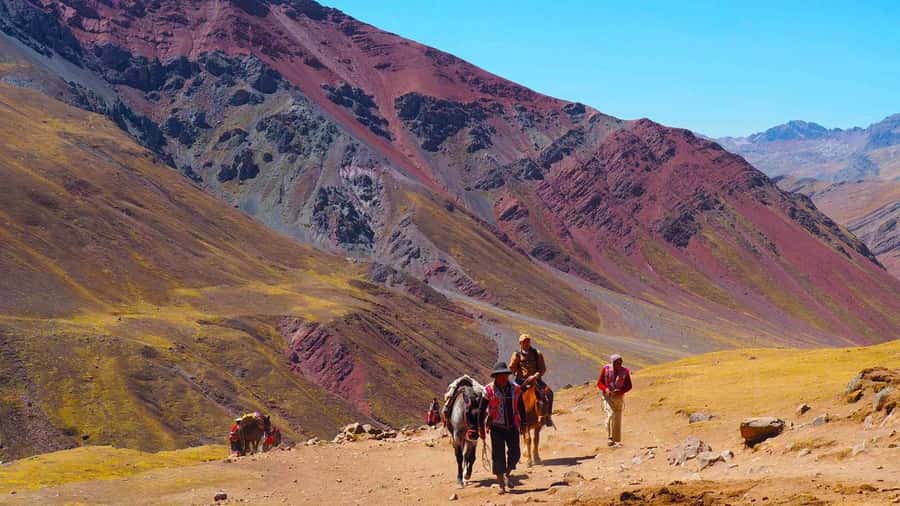
Day 5 is the toughest altitude day on paper: Rainbow Mountain at 16,466 ft / 5,020 m. You get an early pickup to Cusipata (10,499 ft / 3,200 m) for breakfast, then you head out to the trailhead.
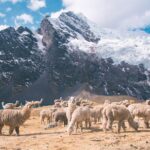
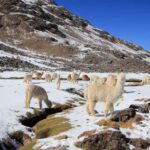
The hike offers wide panoramic views and frequent wildlife sightings, including alpacas, llamas, and vicuñas. You’ll also get glimpses of how traditional life continues in high Andean areas—small scenes that make the mountain feel inhabited rather than distant.
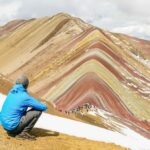
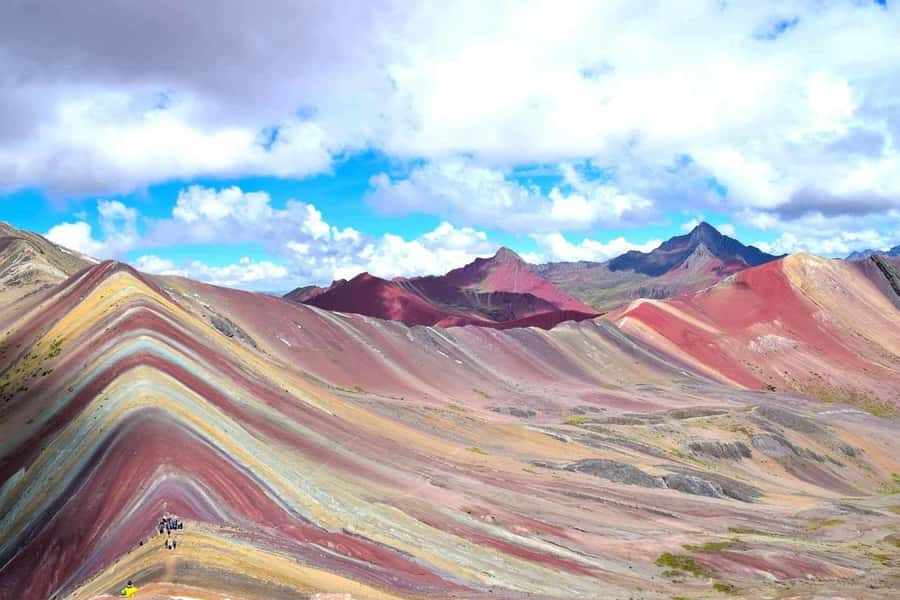
When you reach Rainbow Mountain, the mineral colors stretch across the slope. It’s one of the best “wow” moments in the Andes, and the guide’s job is to help you manage the day at altitude—where the challenge isn’t just the climb, it’s how your body handles the thin air.
After exploring, you return to Cusipata for lunch and then head back to Cusco. This is another moment where I’m glad the trip is designed with meals and timing built in, since you’ll want fuel after the effort.
Day 6 in Cusco: A Relaxed Finish Before Your Flight
On departure day, you get a more relaxed morning. You can explore or shop, then you’re transferred to the airport or bus terminal based on your schedule.
I like this kind of ending because you’re not forced into one more long activity after you’ve already done Machu Picchu plus two major mountain days. It also makes it easier to handle the small chaos of last-minute packing and getting to check-in.
Price, Value, and What You’re Really Paying For
This experience is priced at $1,318 per person for a 6-day package in the Cusco region. That price isn’t only paying for entrance fees. You’re paying for logistics that actually matter at altitude: hotel nights (5 nights total in 3-star places), guided tours, train round-trip to Aguas Calientes, and the bus up to Machu Picchu.
If you’ve done Machu Picchu independently, you know the headache: tickets, train timing, bus schedules, and the risk of getting the day wrong. Here, you trade some flexibility for a smoother flow. The small-group setup (up to about 10) is also part of the value equation. You’re not swallowed by a mass crowd while trying to hear your guide or keep your bearings.
That said, it’s not the cheapest way to see the Andes. The best way to decide is to ask yourself what you want your trip to do. If you want a guided, organized route with key highlights—Sacred Valley to explain the Inca system, Machu Picchu for the big picture, and two high-mountain hikes—this is the sort of package that makes those pieces fit together.
Who This Tour Fits Best (And Who Should Skip It)
This plan is a strong match for travelers who:
- Want guided context, not just look-and-go photos
- Are okay with early mornings and lots of walking
- Like mixing major sights (Machu Picchu) with smaller, meaningful stops (Moray and Maras)
It may not be suitable if you’re:
- Pregnant
- Dealing with back problems
- Using a wheelchair
- Living with pre-existing medical conditions
Because the itinerary reaches very high altitudes—up to around 5,020 m—you’ll want to be honest about your comfort level. If you have medical concerns, the safest move is to check with a clinician before you commit.
Practical Tips You’ll Be Glad You Follow
A few simple items make a big difference here:
- Comfortable shoes with good grip for mountain paths
- Sunglasses and sunscreen (high altitude sun is intense)
- Rain gear, because Andean weather can change fast
- Cash, since some places may not take credit cards
- A valid passport or ID card
Also, avoid alcohol and drugs during the trip. Not because anyone is being strict—because altitude days already add stress, and you’ll want your body to work the way it should.
Should You Book This 6-Day Andean Jewels Experience?
I’d book it if you want an organized route that hits the essentials without turning every day into a logistics puzzle. The combination of Sacred Valley context, a guided Machu Picchu circuit with clear explanations, and two iconic high-mountain hikes is a very efficient use of time in the Cusco region.
I would hesitate if altitude is your biggest concern. Rainbow Mountain is at 5,020 m, Humantay Lake is over 4,200 m, and the trip assumes you can handle sustained walking at elevation.
If you do have decent fitness and realistic expectations, this is the kind of plan that helps you enjoy the Andes rather than just survive it—especially with guides like Percy and Ronald who are known for patient pacing and keeping everything running on time.
FAQ
What’s the total duration and how many nights are included?
The experience runs 6 days and includes 5 nights of accommodation in 3-star hotels (based on double room occupancy).
What meals are included during the trip?
You get 5 breakfasts (in your hotels), 3 lunches, and you’ll have snacks/meals on the relevant tour days as described in the daily flow.
Which major attractions are covered?
You’ll visit Chinchero, Moray, and Maras, then go to Machu Picchu for an entrance-included guided tour. You’ll also hike to Humantay Lake and see Rainbow Mountain.
Is Huayna Picchu included?
No. Huayna Picchu is not included. You can access it only if you secure an additional ticket in advance.
How do we get to Machu Picchu each day?
After an early morning start, you take a bus to Machu Picchu, then enter the site for a guided tour.
What’s the group size?
It’s a small group, limited to 10 participants (and the overall group range is stated as between 2 and 12).
Where will transfers happen when I arrive and when I leave?
You’ll have pickup/transfer to your Cusco hotel from either the airport or the bus terminal, and on departure you’ll be dropped off at the airport, bus terminal, or within the city based on the transfer schedule you provide.