REVIEW · CUSCO
6-Day Cultural Tour to Machu Picchu
Book on Viator →Operated by Inkayni Peru Tours · Bookable on Viator
Machu Picchu at sunrise changes your mood. This 6-day cultural route strings together Cusco, the Sacred Valley, and a guided Machu Picchu visit with the kind of timing that lets you beat the chaos. I like that your day-to-day plan is handled for you, including transport and transfers, so you can focus on the sights instead of logistics.
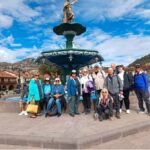
My other big favorite is the human scale: the tour keeps groups to a maximum of 15. That matters on steep streets in Cusco and on the Machu Picchu paths, where you want breathing room and time to ask questions of your English-speaking guide (names like Jonathan, Frankly, Guido, and Eddy Ninan show up in past experiences).
The one caution is the altitude and the early mornings. Cusco and several stops sit high above sea level, and Machu Picchu day starts early, so plan for slower pacing and bring a game plan for travel-day fatigue.
In This Review
- Key highlights at a glance
- Cusco altitude first, then Inca basics that pay off later
- Qorikancha + Inka Museum: why this tour starts with context
- Sacsayhuamán and the Temple of the Moon: Cusco’s big viewpoint lesson
- Machu Picchu sunrise day: guided entry, terraces, and optional mountains
- The Ollantaytambo rhythm and the train to Aguas Calientes
- Moray terraces, Maras salt mines, and Chinchero weaving
- A full free day in Cusco (and smart ways to use it)
- Day 6: Cusco center walk and airport timing
- Price and value: what you get for $999, and what you should budget extra
- Who this tour is best for (and who should rethink)
- Should you book this 6-day Cusco–Machu Picchu cultural tour?
- FAQ
- What is the duration of the tour?
- Where does the tour take place?
- Is pickup from the airport or hotel included?
- What is included in the $999 price?
- Are meals included besides breakfast?
- Do I get a guide at Machu Picchu?
- Is Huayna Picchu included?
- How do I travel to Aguas Calientes?
- Is the group small?
- If I need to cancel, do I get a refund?
Key highlights at a glance
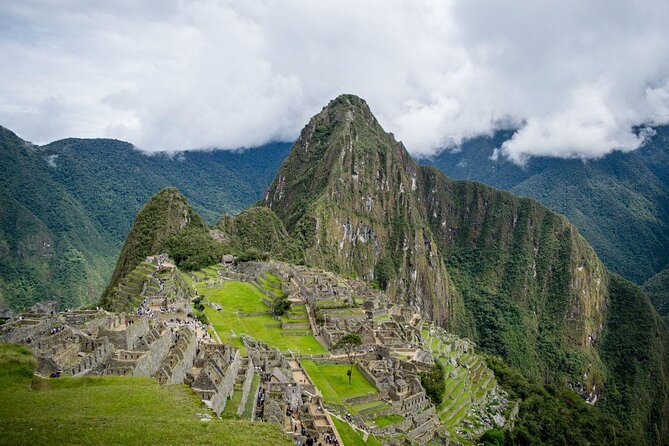
- Sunrise Machu Picchu with a private guided tour that explains temples, terraces, and storage areas
- Small-group pace (max 15 travelers) for Cusco streets and Inca site viewpoints
- Sacred Valley classics in one flow: Moray terraces, Maras salt pools, and Chinchero weaving
- Train to Aguas Calientes plus roundtrip bus up to Machu Picchu
- Cultural depth in Cusco with Qorikancha (Koricancha) and the Inka Museum
- Optional adds like Huayna Picchu (extra fee) and a hot-springs dip at Aguas Calientes
Cusco altitude first, then Inca basics that pay off later
Your trip starts in Cusco, around 3,400 meters (11,000 feet). On arrival, you get a shuttle to your hotel so you can settle in and adjust before the big sightseeing push. This is not just comfort—it’s smart. Cusco altitude can hit fast with headaches or fatigue, and if you pace yourself your whole week feels easier.
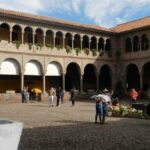
Day 1 is built to help you understand what you’ll see later. You’ll visit the Inka Museum first, then head to Qorikancha (Koricancha), the famous Sun Temple of Qosqo. Even if you’ve seen photos of Machu Picchu, Qorikancha helps you connect the dots: Inca design, spiritual meaning, and the way sacred space is planned. You’ll also learn how the Incas organized their world, including ideas around architecture and ritual.
A practical tip: keep your first day light. Hydrate, go easy on alcohol, and don’t over-schedule yourself. This tour gives you time to rest in the morning, so use it.
You can also read our reviews of more historical tours in Cusco

Qorikancha + Inka Museum: why this tour starts with context
A lot of Machu Picchu tours jump straight to the ruins. This one gives you the “translator” first. The Inka Museum covers thousands of years of Andean culture, including artifacts and Inca relics. That means when your guide points out stonework and ceremonial areas at Machu Picchu, you’ll understand what to look for.
Then comes Qorikancha. Once covered in gold, it was considered the high point of Inca organization and spiritual devotion. Today, you’re still seeing a place shaped by careful planning and religious intent. It’s also a great warm-up if this is your first time traveling in the Andes.
If you love history, this day feels like a setup course. If you’re not a history nut, it still helps. You’ll get a sense of why Inca sites aren’t just “cool rocks.” They’re engineered and designed with meaning—timing, symbolism, and practical water/terracing thinking all in the mix.
Sacsayhuamán and the Temple of the Moon: Cusco’s big viewpoint lesson
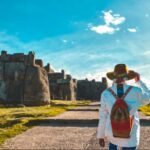
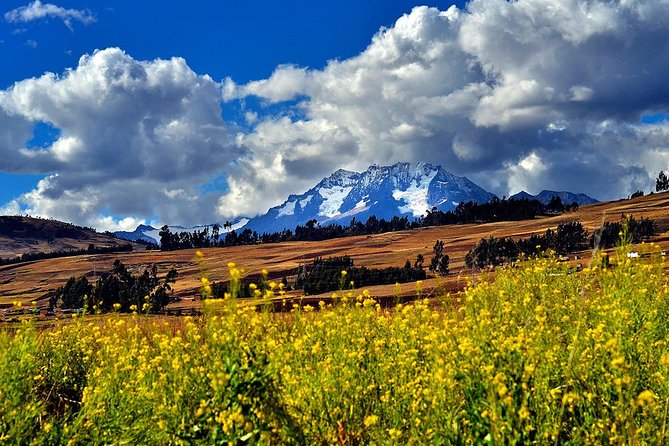
Day 2 starts with Saqsayhuamán (Sacsayhuamán) at about 3,700 meters (12,139 feet). This is one of the best places to see Cusco from above, while also learning how Inca stonework was done with precision and no mortar. Those walls look almost unreal in person. The guide’s explanations help you understand the “why” behind the engineering.
Next you visit the Temple of the Moon, carved into natural rock. It’s described as a ritual sanctuary tied to worship of the Moon Goddess, with altars and underground chambers. That mix—ceremony plus the physical shaping of the environment—is very Inca. If you like clues you can spot later, this stop gives you a mental checklist for Machu Picchu day.
The altitude is part of the story here too. You’re higher than Cusco in the morning, and then you head toward Ollantaytambo later. That descending pattern is normal in the itinerary and can actually help you feel better as the week moves on. Still, take it slow and don’t treat the second day like a normal city walking tour.
Machu Picchu sunrise day: guided entry, terraces, and optional mountains
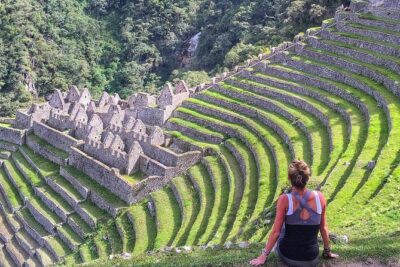
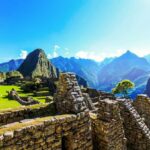
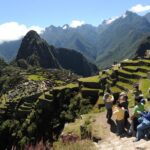
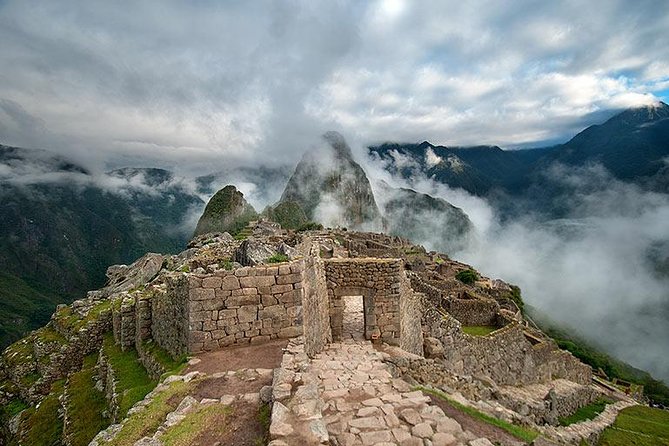
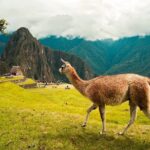
Day 3 is your Machu Picchu day, and it runs the way you want it to: early start, breakfast first, then buses up to the site. Once you arrive, your guide leads you on an in-depth tour covering the citadel’s temples, ceremonial zones, terraces, and storage structures. This isn’t a quick “photo and go” route. The point is to help you see the place as a working, planned city—not just a famous overlook.
You’ll return to Aguas Calientes after the guided portion, which matters because it keeps you from being stuck too long on the mountain without a break. From there, you have time in the area for an optional hot-springs dip.
About the optional climbs: if you’ve secured an additional ticket in advance, you can choose to explore either Huayna Picchu or Machu Picchu Mountain. Huayna Picchu’s entrance fee is not included, so plan for that cost if you want that extra viewpoint. If you’re unsure, ask your guide how it fits with your fitness and timing—steep climbs at altitude aren’t everyone’s idea of fun.
One more thing: Machu Picchu is famous for crowds, but your sunrise timing helps you feel the site before it gets full. That’s not just a comfort benefit. It changes the experience. You’ll see more calmly, hear your guide more clearly, and get your photos without constantly ducking around people.
The Ollantaytambo rhythm and the train to Aguas Calientes
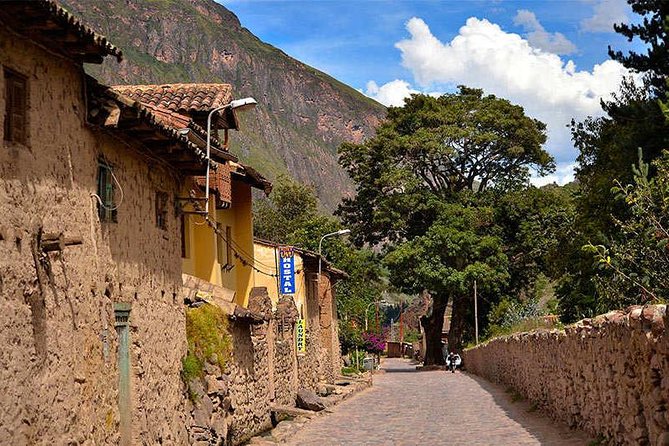
There are two key “transport beats” in this tour: the move through the Sacred Valley towns and the train ride from Ollantaytambo to Aguas Calientes. When the route is done well, travel stops being dead time. The train shift gives you views of the valley approach while you settle into the next phase of the trip.
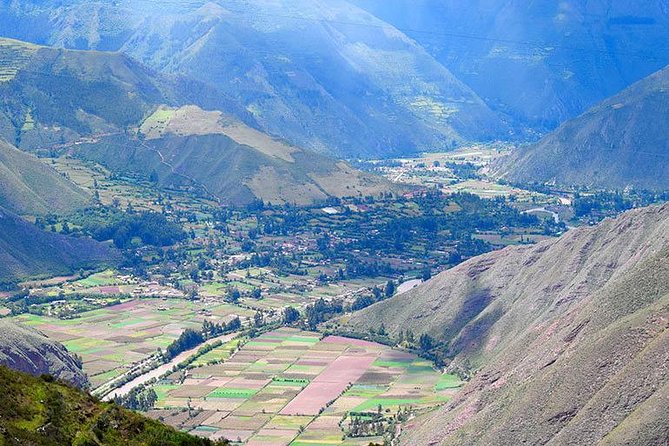
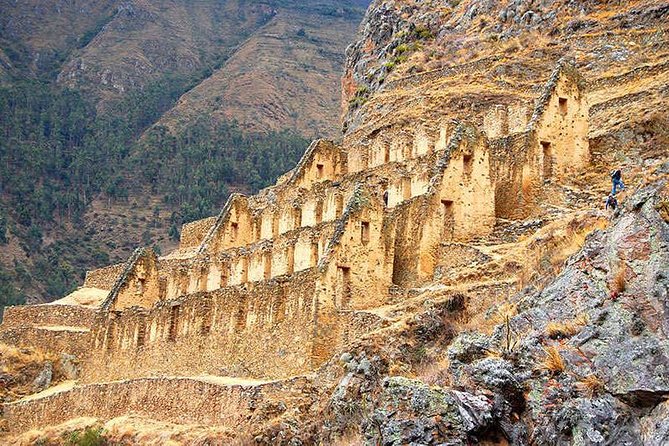
On Day 4, the itinerary starts with a train ride to Ollantaytambo and then continues deeper into the Sacred Valley. That means you’ll get the feeling of the valley in a more gradual way rather than bouncing from one stop to another with no context.
For many people, Aguas Calientes is a base for Machu Picchu, and the tour uses it that way: you go up for the experience and come back down for rest. If you want a soak, the optional hot springs are a simple add-on once you’re already in town.
You can also read our reviews of more tours and experiences in Cusco
Moray terraces, Maras salt mines, and Chinchero weaving
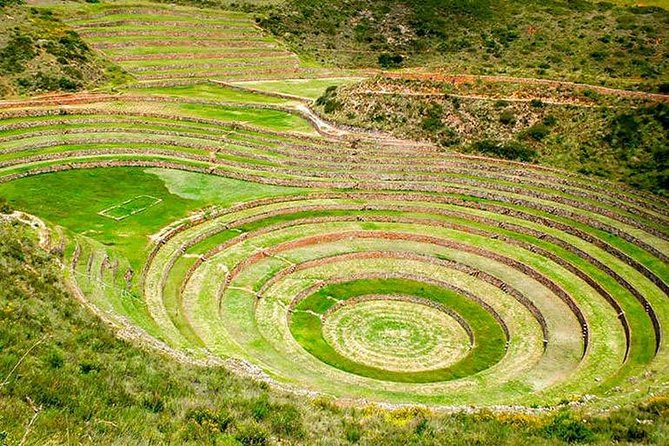
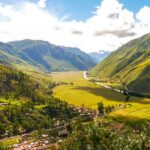
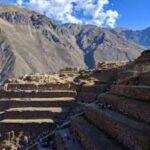
Day 4’s Sacred Valley focus is practical Inca ingenuity. You start with Moray, famous for its concentric terraces that sink down into the earth. The effect is visual and memorable: planted levels in a natural amphitheater-like setup. Your guide’s explanations help you understand why this wasn’t just art—it was an agricultural testing ground idea made real in stone and soil.
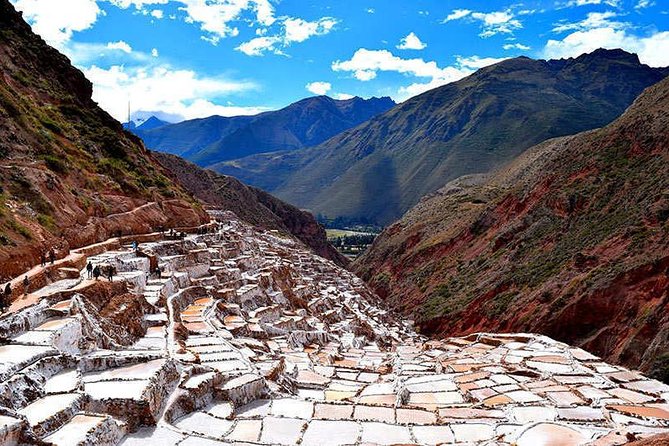
Next comes the Maras Salt Mines. You’ll see thousands of white salt pools stacked down the hillside. The description is “breathtaking,” but the best part is that you learn this isn’t a tourist set. Harvest is described as something local families have done for generations. Seeing salt production like this makes the whole region feel more connected to everyday life.
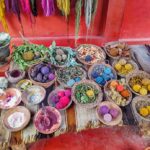
Then you finish with Chinchero, where traditional dyeing and weaving demonstrations happen. If you care about taking something home that’s more than a souvenir picture, this is where you can buy authentic items with clearer context. Chinchero is also a good place to slow down and ask questions, because weaving shows skill, materials, and symbolism all in one.
That said, Chinchero and Moray are still big sightseeing blocks, and Day 4 is shorter than it feels. Wear comfortable shoes and plan for some walking that’s mostly uphill or uneven.
A full free day in Cusco (and smart ways to use it)
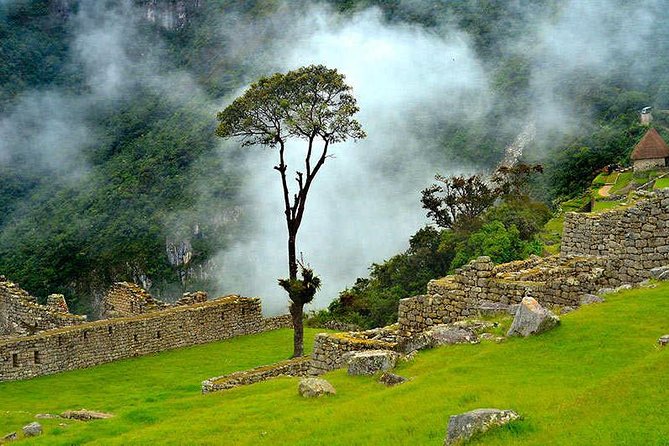
Day 5 is your “your pace” day. You get time to wander Cusco’s cobbled streets, where Inca foundations show up under colonial-era building lines, and to hang out in the city’s plazas. If you like markets, this is the day to go slow and browse. If you’re shopping for gifts, this is the best time to compare items without feeling rushed by a bus schedule.
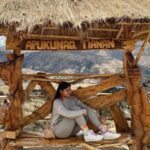
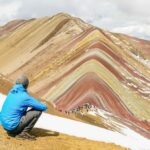
This day also includes optional activity ideas offered through the local network. The tour lists options like a Rainbow Mountain trek to Vinicunca, plus a City Tour version of Cusco sightseeing. There’s also a horseback option near Sacsayhuamán and an ATV option at Apukunaq Tianan (described as a hidden gem near Cusco).
My advice: pick only one major extra on a free day. Cusco altitude plus long days earlier in the trip can stack fatigue. If you choose Rainbow Mountain, treat it like a highlight that replaces other plans. If you choose a relaxed culture day, you’ll enjoy it more and keep your Machu Picchu-week energy for the final day.
Day 6: Cusco center walk and airport timing
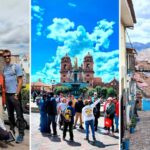
Your last day includes a quick tour of Cusco’s historical center: San Blas, charming streets, San Pedro Market, the Main Square, and more. There’s also an optional free walking tour listed as an option. If you’re tired, you can simply use this as a navigation day—get oriented and grab a final snack and photo in the places you’ll remember.
Airport transfer is scheduled according to your flight time, so you’re not stuck guessing transport windows. Still, do one practical thing: confirm your departure details with the operator when they ask for flight info. The tour notes that upon booking you should contact the email on your voucher with flight information and any requirements.
And remember: the tour is non-refundable and cannot be changed after purchase. If you’re making this trip, make sure the dates are real before you lock it in.
Price and value: what you get for $999, and what you should budget extra
At $999 per person, this tour aims to be budget-friendly by bundling the moving parts that usually blow up costs: hotels for 5 nights, transfers, a professional English-speaking guide for the whole trip, entrance fees, breakfast, and the big-ticket logistics of Machu Picchu.
Included items you should feel good about:
- 5 breakfasts
- 5 nights of accommodations (based on double occupation; the package specifies 4 nights in a 3-star hotel)
- All transport and transfers
- Expedition or Executive train to Aguas Calientes
- Roundtrip buses to Machu Picchu
- Private guided tour in Machu Picchu
- A guide throughout (professional English-speaking)
Not included (so budget ahead):
- Internal flights (Lima-Cusco and Cusco-Lima)
- Meals that aren’t stated (besides the included breakfasts)
- Huayna Picchu entrance fee (and you’ll need an extra ticket in advance to visit it)
Optional items you might add:
- Hot springs in Aguas Calientes
- Choosing Huayna Picchu or Machu Picchu Mountain
- Add-on experiences on your free Cusco day
Here’s the value logic: Machu Picchu access involves real logistics—buses, timed entry, train routing, and local coordinating. This tour packages those essentials with a guided experience, which often saves time and avoids painful day-of confusion. If you’re traveling with limited planning energy, that’s where the price starts to make sense.
Who this tour is best for (and who should rethink)
This fits you best if:
- You want a guided Machu Picchu visit with explanations, not just selfies
- You prefer a structured route through Cusco and the Sacred Valley
- You like small-group pacing (max 15)
- You’d rather pay for organization than spend hours planning transport
You might rethink it if:
- You need total freedom every day. Only Day 5 and parts of Day 6 are flexible; other days have scheduled stops.
- You’re extremely sensitive to altitude or early mornings. Cusco and Sacsayhuamán are high, and Day 3 is early.
- You’re only interested in a single attraction. This itinerary does multiple major sites, and you’ll get the most value by engaging with all of them.
If you like talking to guides and learning the “how it works” behind Inca architecture and daily life, this tour gives you that structure. Names that show up in guide feedback include Jonathan, Frankly, Guido, and Eddy Ninan—useful because it suggests consistent English support and real local storytelling.
Should you book this 6-day Cusco–Machu Picchu cultural tour?
If your goal is Machu Picchu plus a meaningful Cusco and Sacred Valley circuit, this is a solid pick. The mix of guided interpretation, included entrances, and the train + bus setup removes the biggest headache parts of the trip. For many people, that’s the difference between enjoying the Andes and constantly checking schedules.
Book it if you’re ready for altitude pacing and you like a guided plan. Skip it if you want a totally flexible itinerary or you don’t want to handle early-day timing.
If you do book: plan for comfortable walking shoes, hydrate early, and choose your Machu Picchu mountain option (if any) before you go, since Huayna Picchu has extra cost and advance ticket needs.
FAQ
What is the duration of the tour?
The tour is 6 days (about 5 nights), covering Cusco, Machu Picchu, and the Sacred Valley.
Where does the tour take place?
It takes place in Cusco and the Sacred Valley area, including a Machu Picchu visit.
Is pickup from the airport or hotel included?
Yes. The itinerary includes a shuttle transfer from Cusco Airport to your hotel, and airport transfer is also scheduled on the last day based on your flight time. Pickup is also offered.
What is included in the $999 price?
The package includes 5 nights of accommodations (double occupancy), all transportation and transfers, the train to Aguas Calientes, roundtrip buses to Machu Picchu, a private guided tour in Machu Picchu, a professional English-speaking guide during the whole trip, entrance fees, and 5 breakfasts.
Are meals included besides breakfast?
Meals are not included unless stated. Only 5 breakfasts are listed as included.
Do I get a guide at Machu Picchu?
Yes. You’ll have a private guided tour in Machu Picchu.
Is Huayna Picchu included?
Huayna Picchu entrance fee is not included. You can explore it only if you secure an additional ticket in advance.
How do I travel to Aguas Calientes?
You travel by scenic train from Ollantaytambo to Aguas Calientes.
Is the group small?
Yes. The tour has a maximum of 15 travelers.
If I need to cancel, do I get a refund?
No. The experience is non-refundable and cannot be changed for any reason. The amount paid will not be refunded if you cancel or request an amendment.