REVIEW · CUSCO
Cusco: Full-Day Sacred Valley History Tour
Book on GetYourGuide →Operated by PVTravel · Bookable on GetYourGuide
Cusco’s Sacred Valley has a rhythm you can feel. This full-day trip strings together three of the region’s best stops—Pisac, Ollantaytambo, and Chinchero—with a first scenic viewpoint, a real lunch break, and plenty of Inca-era context along the road. Expect mountain views, working villages, and craft traditions that still look like everyday life from centuries ago.
I really like the small-group size (up to 15). It keeps things manageable when you’re walking uneven stone paths. I also love that the guide is genuinely bilingual (English/Spanish), so the history and what you’re seeing actually land, not just one language half-way.
One thing to consider: timing can be a little messy at the start. Pickup has a known risk of running late or creating extra waiting, and the lunch window may feel long if you’re hungry. Build in patience for a long day.
In This Review
- Quick Hits: What Makes This Sacred Valley Day Tour Worth Your Time
- A Long Day in the Andes: Pickup, Timing, and How 11 Hours Works
- El Mirador Lookout Point: Your First Real View of Sacred Valley Farming
- Pisac Market and Inca Stonework: Colorful Crafts and Terraces That Still Matter
- Urubamba Buffet Lunch: A Real Break, With One Timing Catch
- Ollantaytambo Ruins and Wiracocha: Rock, Meaning, and a Built-In Sense of Drama
- Chinchero Textile Dyes: Natural Color and Quechua-Language Craft Traditions
- Bilingual Guides and Small-Group Pacing: English/Spanish Works Best When It’s Real
- Price and Extra Costs: Is $45 Good Value in Cusco’s Sacred Valley?
- Who This Sacred Valley Tour Fits Best
- Should You Book This Cusco Sacred Valley Day Tour?
- FAQ
- What time does pickup happen in Cusco?
- How long is the tour?
- What stops are included during the day?
- Is lunch included?
- What language is the guide?
- Is there an extra ticket cost?
- What’s the group size?
- Is the tour wheelchair accessible?
- Where do you get dropped off at the end?
Quick Hits: What Makes This Sacred Valley Day Tour Worth Your Time
- El Mirador lookout sets the stage with views of the valley and Inca irrigation logic
- Pisac market + ruins combines stone terraces with everyday craft life
- Urubamba buffet lunch gives you a break without forcing you to hunt for food
- Ollantaytambo ruins include Inca construction themes tied to Wiracocha symbolism
- Chinchero textile dyes shows how local people still make color for alpaca and wool threads
A Long Day in the Andes: Pickup, Timing, and How 11 Hours Works
This is an early start, usually picking you up from hotels in Cusco’s historic center around 7:30AM. You’ll return to Cusco around 7:00PM, so yes, it’s a long day, but it’s also how you fit multiple Sacred Valley highlights without rushing overnight.
The drive itself is part of the experience. The route heads north of Cusco, winds around mountain slopes, and often includes a stop at a famous viewpoint before you even reach the major sites. That means you’re not just “bus to ruins.” You get context first, then the stops make more sense.
Here’s the practical piece: do not schedule anything tight for the evening after return. You’ll be tired, even if you’re enjoying it, because you’re stacking viewpoints, walks, and museum-ruin-style stops in one shot.
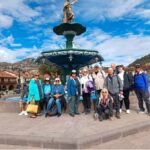
Also note the group format. This is a small group, up to 15 people, and you’ll have a bilingual guide leading you through the day. In some departures, you may share the van with other package types, especially once people branch off around Ollantaytambo (some continue toward Machu Picchu arrangements, others stay for Chinchero).
You can also read our reviews of more historical tours in Cusco

El Mirador Lookout Point: Your First Real View of Sacred Valley Farming
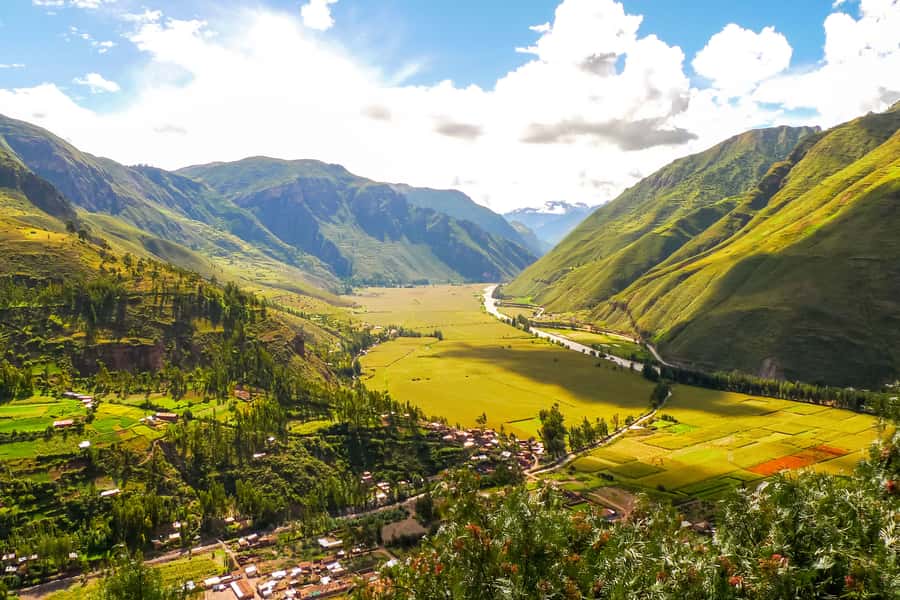
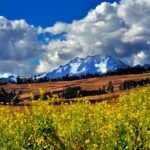
Before you get into the big names, you stop at El Mirador (Lookout Point). This is the moment where the Sacred Valley stops being a map label and becomes farmland.
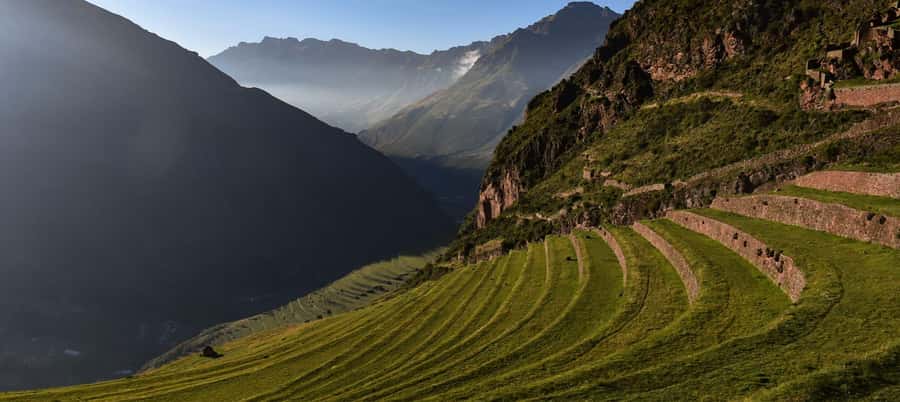
From here, you can look out over the valley and see why the Incas cared so much about this area: high-altitude land with enough fertile plain space to farm, plus the ability to build irrigation channels and terracing that turn slopes into workable fields. The viewpoint also gives you a quick history framework so when you reach places like Pisac and Ollantaytambo, you understand what you’re looking at beyond “old stones.”
If you’re sensitive to altitude or long drives, this is the easiest place to feel good about the day. You can take it slow, take photos, and let the guide’s explanation set your expectations.
Pisac Market and Inca Stonework: Colorful Crafts and Terraces That Still Matter
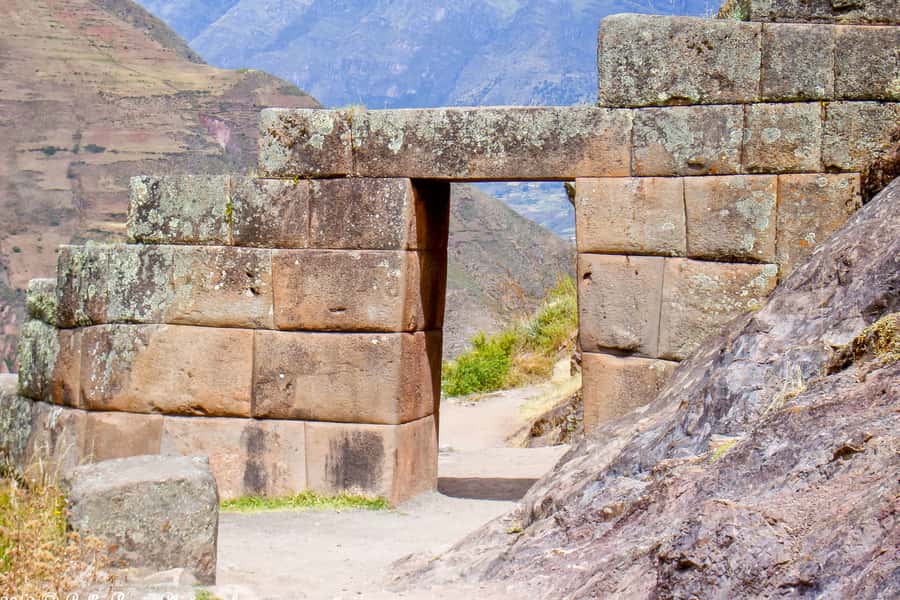
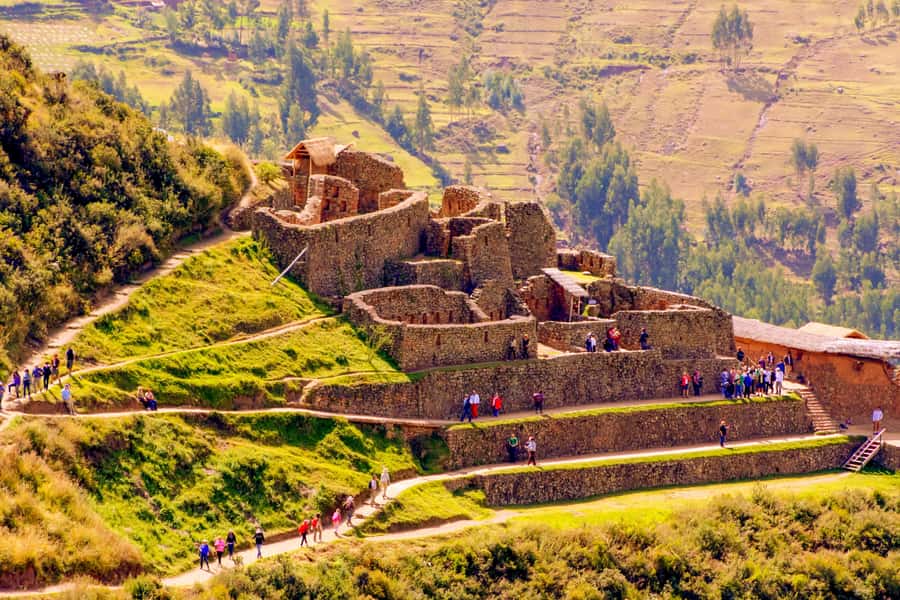
Next up is Pisac, and you get both sides of the town: the market and the archaeological ruins/terraces area.
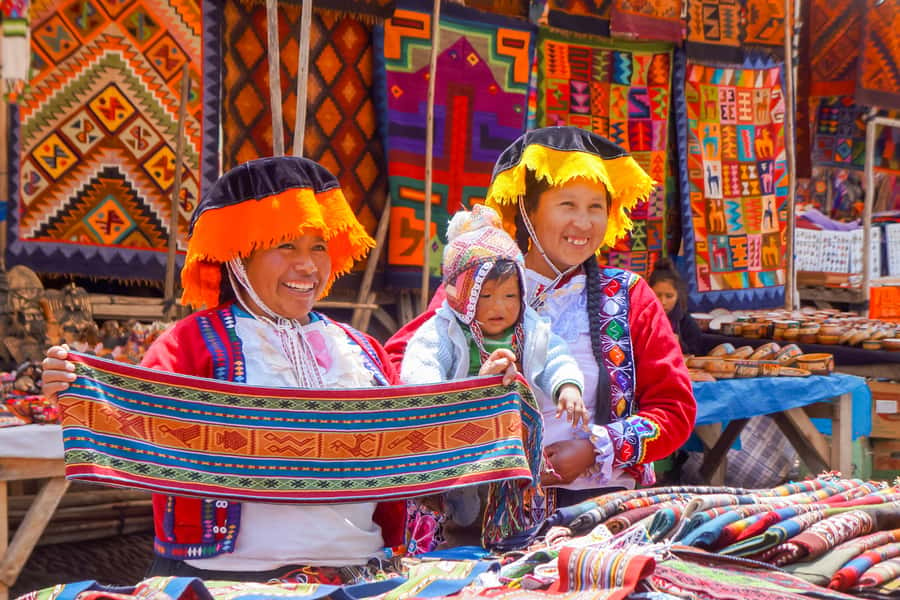
The market is where you’ll feel the valley as a living place. Expect stalls with color and local crafts. One nice detail is that the tour can include short stops that connect the market to Inca-style craft traditions, such as jewelry making. If you’re the type who likes understanding how something is made, this part usually pays off more than a quick stroll.
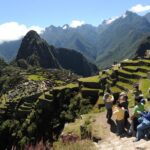
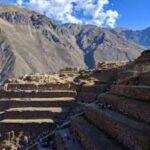
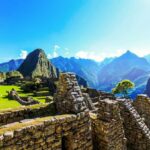
Then you move into the ruins area. Pisac is famous for stone architecture and impressive agricultural terraces, and the guide’s job here is to translate the layout. Terraces aren’t just pretty. They’re how farming was made possible on slopes. You’ll also see how stone construction works with the land, and you’ll get the sense that this wasn’t built for decoration. It was built for survival and food production.
What I’d watch for: wear shoes with grip. Some paths can be uneven or sloped, and you’ll likely spend real time walking around viewpoints and terrace areas. If you want great photos, plan to take a few minutes to find a stable spot before the next group shuffle.
Urubamba Buffet Lunch: A Real Break, With One Timing Catch
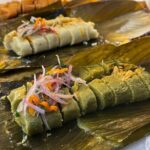
Lunch happens in Urubamba, with a buffet lunch included. You get a proper break from the van, and it’s a chance to reset before the ruins later in the afternoon.
One practical note: the buffet start time can feel later than you’d expect, and lunch can run longer than the basic “eat and go” pace. If you’re the sort who eats quickly and hates waiting, you may feel hungry before you actually sit down.
Still, it’s good value for a day tour. You’re not managing meal timing between sites, and you’re not stuck trying to find a reliable restaurant while a schedule is moving around you.
If you have preferences (spicy, vegetarian, etc.), the tour data only says buffet lunch is included, not what options are guaranteed. So come with flexible expectations, and use it as fuel for the afternoon.
Ollantaytambo Ruins and Wiracocha: Rock, Meaning, and a Built-In Sense of Drama
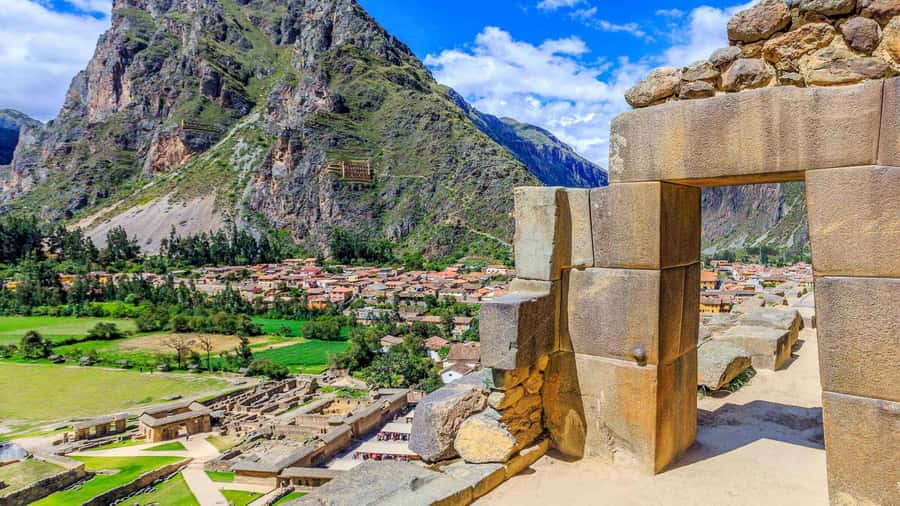
After lunch, the route follows the Urubamba River toward Ollantaytambo.
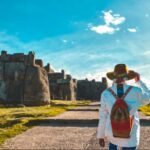
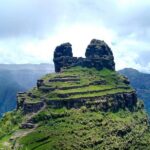
Ollantaytambo is a standout because it’s an important Incan construction site, not just a few scattered stones. The ruins feel structured and purposeful, and you’ll likely notice rock formations tied to Inca religious symbolism. In particular, you’ll learn about rock formations representing the Inca god Wiracocha.
This stop is where a bilingual guide really matters. You’re looking at architecture that doesn’t come with obvious labels. When the guide explains what the structures are meant to communicate, the ruins stop being vague and start feeling like a planned message in stone.
One heads-up: you’ll spend time walking on uneven surfaces. Comfortable footwear helps a lot, and if you’re carrying a water bottle, you’ll be glad for it.
You can also read our reviews of more tours and experiences in Cusco
Chinchero Textile Dyes: Natural Color and Quechua-Language Craft Traditions
The day ends with Chinchero, and this is the most hands-on-feeling stop of the itinerary.
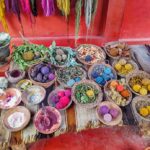
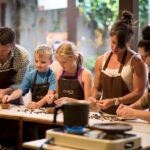
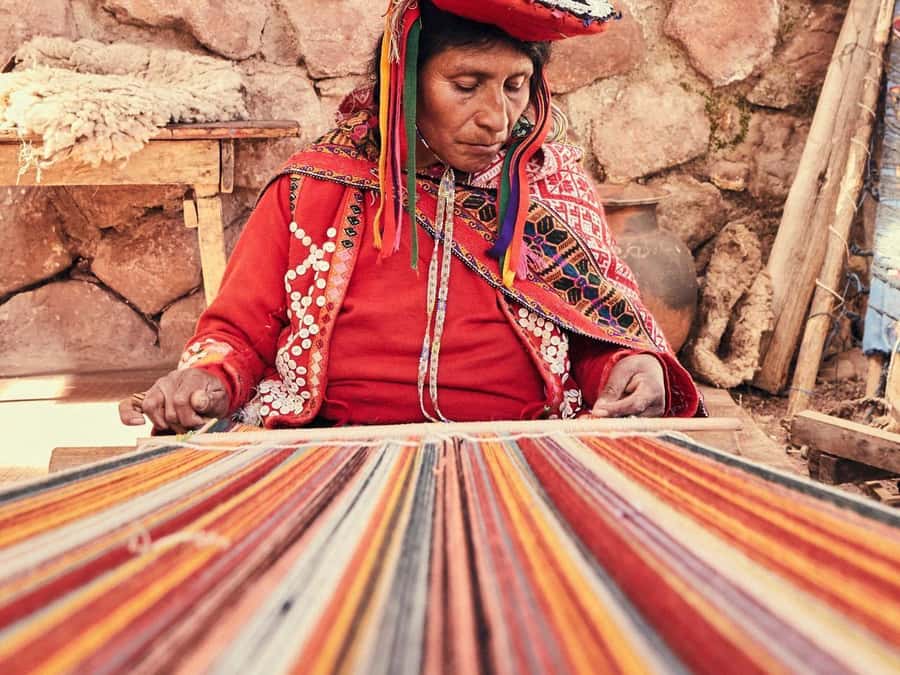
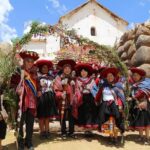
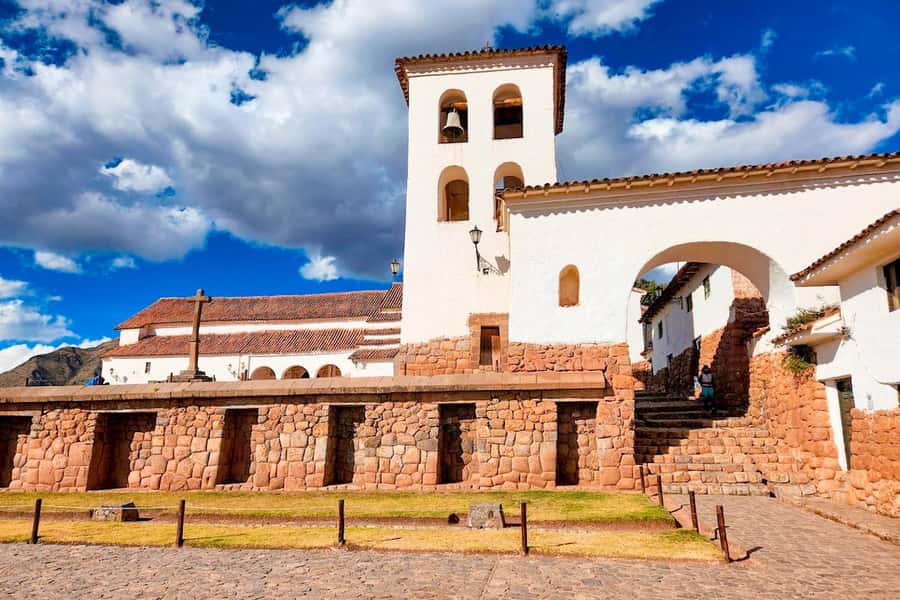
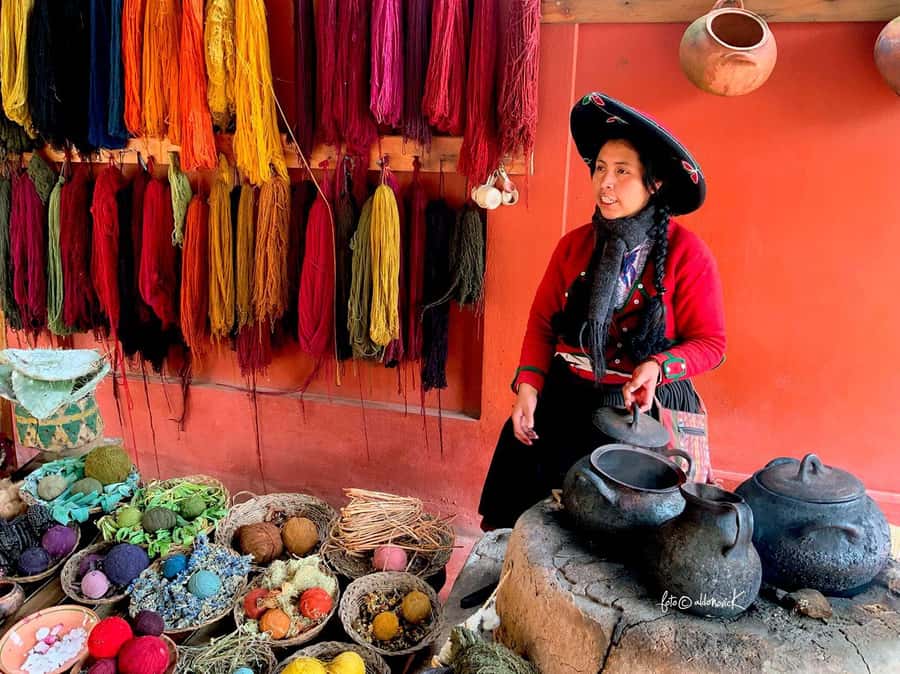
Chinchero is known for how natural dyes are made for artisanal textiles. The tour frames it as an inheritance of craft knowledge—how people create color for threads, which then becomes clothing and cultural identity. You’ll also learn about daily life and customs in the town, including the way residents maintain traditions and communicate in Quechua.
You’ll see people dressed in multicolored clothing, and the overall vibe is that this isn’t a theme park. It’s everyday village life, with craft practices that still run on familiar rhythms.
A useful tip from the tour experience: if you want to buy textiles or small crafts, bring cash. Chinchero is often where that kind of shopping is most tempting, and being prepared prevents the annoying letdown of not being able to pay.
Also, the tour notes it’s not suitable for wheelchair users. That’s because you’ll be walking through village areas and uneven terrain.
Bilingual Guides and Small-Group Pacing: English/Spanish Works Best When It’s Real
The tour’s biggest “how it feels” factor is the guide. This experience runs with professional bilingual guides (English/Spanish), and the pacing depends on how well the guide can keep each stop clear and understandable.
In practice, you might find your group is mixed—some people speak one language, others speak the other. When the guide is strong, it’s smooth: they explain the same points in both languages and you’re not left guessing. On some departures, you could even be the only English speaker, so the bilingual delivery matters even more.
You may also hear guide names like Eddy or Manuel depending on the departure. Either way, the focus is similar: you get history on the road, not just at the sites, and you’ll learn what matters about each location before you wander.
Small-group size (up to 15) helps with pacing. It’s still a busy day, but you’re not stuck with huge crowds, and questions are easier to manage.
Price and Extra Costs: Is $45 Good Value in Cusco’s Sacred Valley?
The headline price is $45 per person for an 11-hour tour. That’s a solid deal for a full-day schedule that includes transportation, hotel pickup in Cusco’s historic center, a guided bilingual experience, and a buffet lunch.
But don’t forget the extra costs:
- A touristic ticket (S/70.00 per person) is listed as not included.
- Entrances to ruins are included only if you select the option (so check what’s bundled in your booking).
So the real question isn’t just the $45. It’s what you’ll likely add on. If you still have to pay the S/70 ticket and add entrance fees, your final spend goes up. Still, compared with private drivers plus paid admission at each stop, this structure often stays good value—especially because the guide saves you the time and confusion of figuring out what you’re seeing.
Also, this tour includes a drop-off at Plaza Regocijo, which is handy for getting back into Cusco quickly after your long day.
Who This Sacred Valley Tour Fits Best
I think this is a strong match if you want:
- a single-day Sacred Valley highlights route without planning or transfers between stops
- a bilingual guide who explains context as you go
- a mix of ruins, market life, and textile craft traditions
It’s also a good fit for first-timers. You get a “big picture” view from El Mirador, then the story gets grounded at Pisac and Ollantaytambo, and finishes with living craft at Chinchero.
You might want to look elsewhere if:
- you hate waiting around at the start of the day
- you need very strict meal timing (the lunch window can feel longer than expected)
- you have mobility limitations, since it’s not suitable for wheelchair users
Should You Book This Cusco Sacred Valley Day Tour?
If you’re doing Cusco for the first time and want a balanced day—views, major Inca sites, a colorful market, and textile dye traditions—this tour is a practical choice. The price is approachable for what you get, and the bilingual guiding helps you make sense of the stones, terraces, and symbolism at Ollantaytambo.
Just go in with the right expectations: it’s a full-day schedule with potential morning pickup confusion and a lunch timeline that may not fit everyone’s pace. If you can handle a long day and you’re excited about both archaeology and living crafts, you’ll likely feel like the day was worth it.
FAQ
What time does pickup happen in Cusco?
Pickup is included from hotels in Cusco’s historic center, around 7:30AM.
How long is the tour?
The tour lasts 11 hours, with exact starting times varying by availability.
What stops are included during the day?
The itinerary includes El Mirador, Pisac (market and ruins), Urubamba for lunch, Ollantaytambo ruins, and Chinchero for textile dyeing.
Is lunch included?
Yes. You get a buffet lunch in Urubamba.
What language is the guide?
The guide is bilingual in English and Spanish.
Is there an extra ticket cost?
Yes. A touristic ticket (S/70.00 per person) is not included. Also, entrances to ruins are included only if the option is selected.
What’s the group size?
This is a small group limited to 15 participants.
Is the tour wheelchair accessible?
No. It’s not suitable for wheelchair users.
Where do you get dropped off at the end?
You’re dropped off at Plaza Regocijo.