REVIEW · CUSCO
Cusco: Half-Day Historic City Tour
Book on GetYourGuide →Operated by MPTC GETS · Bookable on GetYourGuide
Cusco works best when you move with a plan, and this tour gives you one. You start downtown with the Cathedral of Cusco and Qoricancha, then roll out by air-conditioned coach to several key ruins outside the city. It’s a fast hit of Inca and Spanish layers, plus a practical look at how people make sense of traditional textiles.
I really like two things here. First, the stops are the kind you can’t easily stitch together yourself without hopping between entrances and tickets. Second, the tour keeps a small-group feel, so your guide can actually point out details you might miss if you were just walking in on your own.
One drawback to consider: the experience can feel a bit sales-heavy and time-pressured. I’ve seen reports of brief commercial pitches during the ride and a pace that sometimes leaves you wishing for more time at one or two sites.
In This Review
- Key highlights worth marking on your map
- A smart 1 PM start: timing in Cusco that actually works
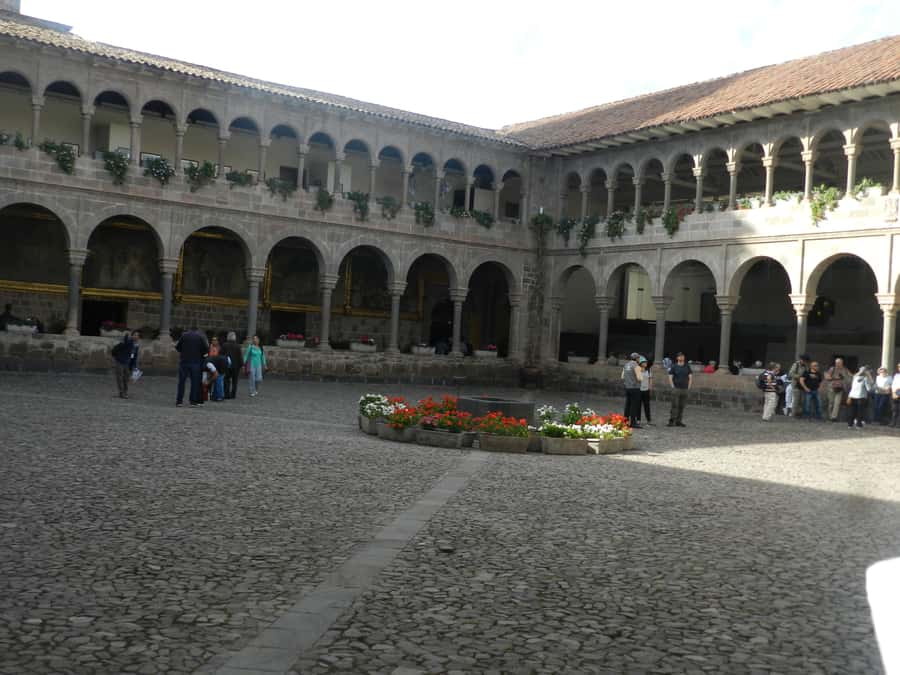
- Cathedral of Cusco and Qoricancha: where two worlds meet
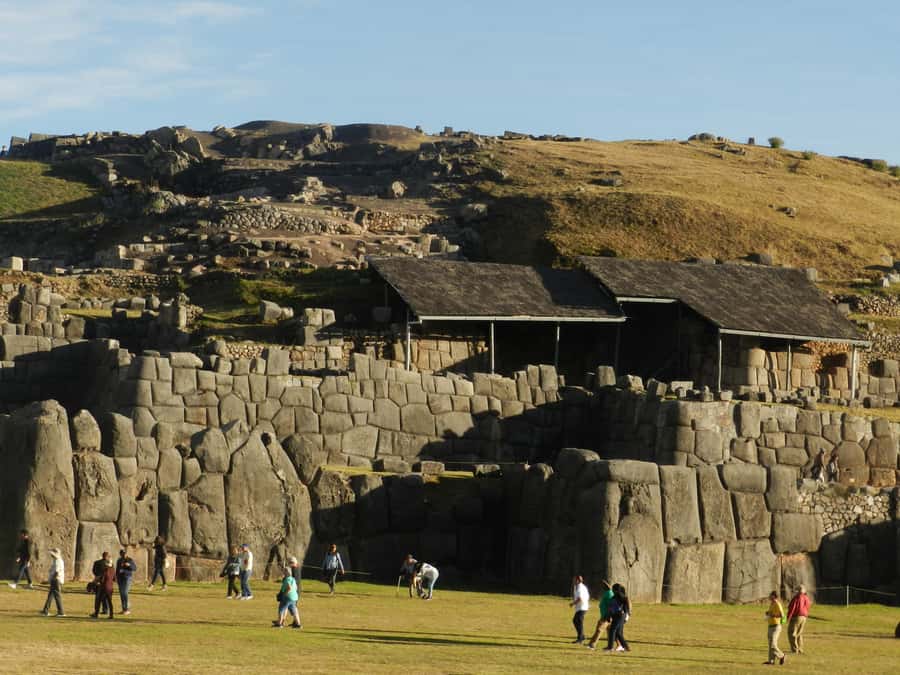
- Sacsayhuaman: massive stones and military myths
- Qenqo’s labyrinth feeling: ceremonies and stars
- Puca Pucara and Tambomachay: fort-like storage and fresh water
- The craft center: how to spot vicuña and avoid stress buys
- Price and value: $18 is only part of the real cost
- Pacing, language, and the “watch the bus” factor
- Who this tour fits best (and who should rethink)
- Should you book Cusco: Half-Day Historic City Tour?
- FAQ
- What time does pickup happen?
- How long is the tour?
- Is the Cathedral of Cusco entrance included?
- Are the Qoricancha Museum tickets included?
- Do I need to buy the tourist ticket?
- What language is the guide?
- Is the tour outdoors?
- What should I bring to the tour?
Key highlights worth marking on your map
- Cathedral of Cusco inside: paintings, carvings, and sculpture details you’ll likely never notice at street level.
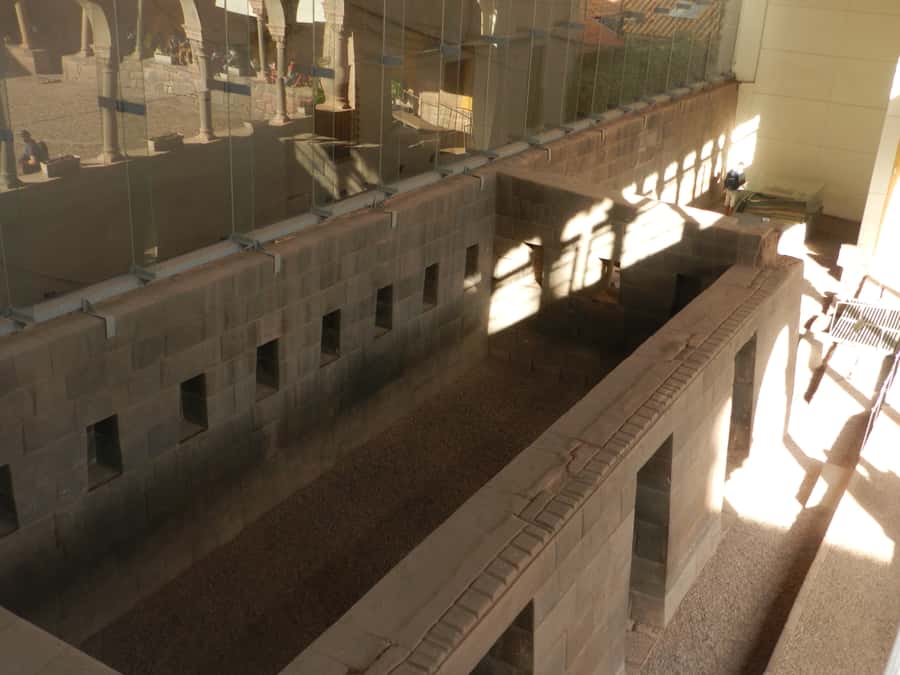
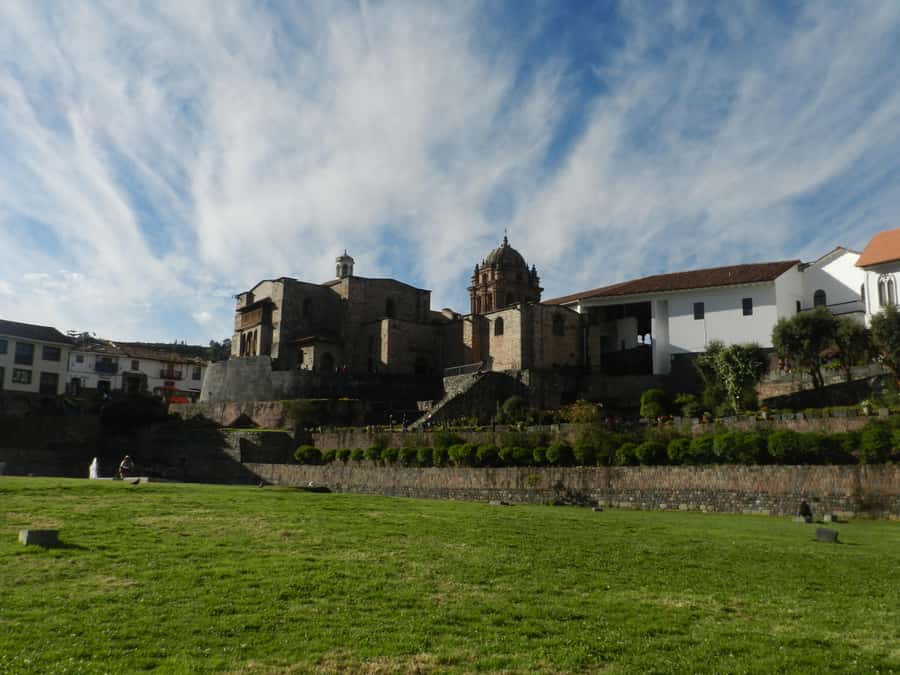
- Qoricancha’s Sun-temple past: a museum setting that helps explain what the Inca built here before the Spanish era shaped it.
- Sacsayhuaman’s scale: a huge complex with 33 archaeological sites, commonly linked to military planning.
- Sacred “labyrinth” at Qenqo: a site associated with ceremonies for the Sun, Moon, and stars.
- Tambomachay’s fresh water: a different kind of Inca site stop—more spring and water features than fortifications.
- Textile craft center: you’ll learn how to recognize traditional garments and how vicuña wool is discussed in the process.
A smart 1 PM start: timing in Cusco that actually works
This tour starts at 1:00 PM with pickup from your hotel in the city center. The route is built for daylight hours, and you’ll wrap up around 7:30 PM back near Santa Catalina Street, close to the main square area.
That timing matters. Cusco days can be chaotic—altitude mornings, tours overlapping, and the temptation to “just wander.” This itinerary gives you a solid chunk of sightseeing in the afternoon when your energy is usually steadier and daylight still covers the ruins.
You’ll also be doing a mix of indoor and outdoor time. Expect walking on uneven ground at the archaeological sites, plus stairs and viewpoints. Bring hiking shoes and plan for weather—this tour runs rain or shine.
You can also read our reviews of more city tours in Cusco
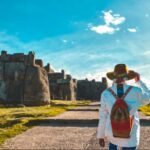
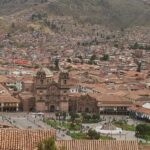
Cathedral of Cusco and Qoricancha: where two worlds meet
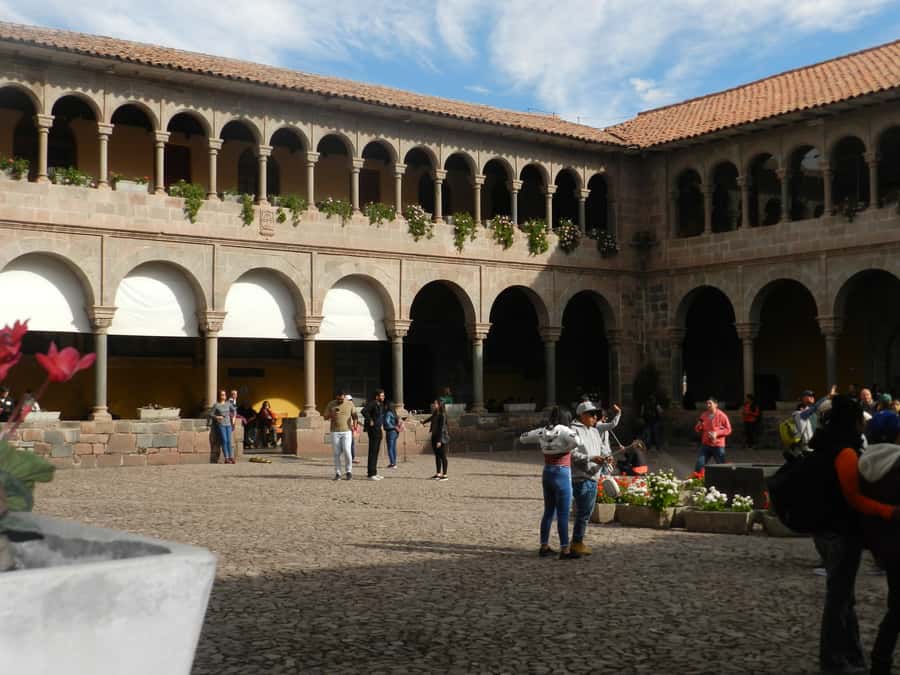
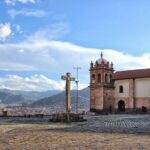
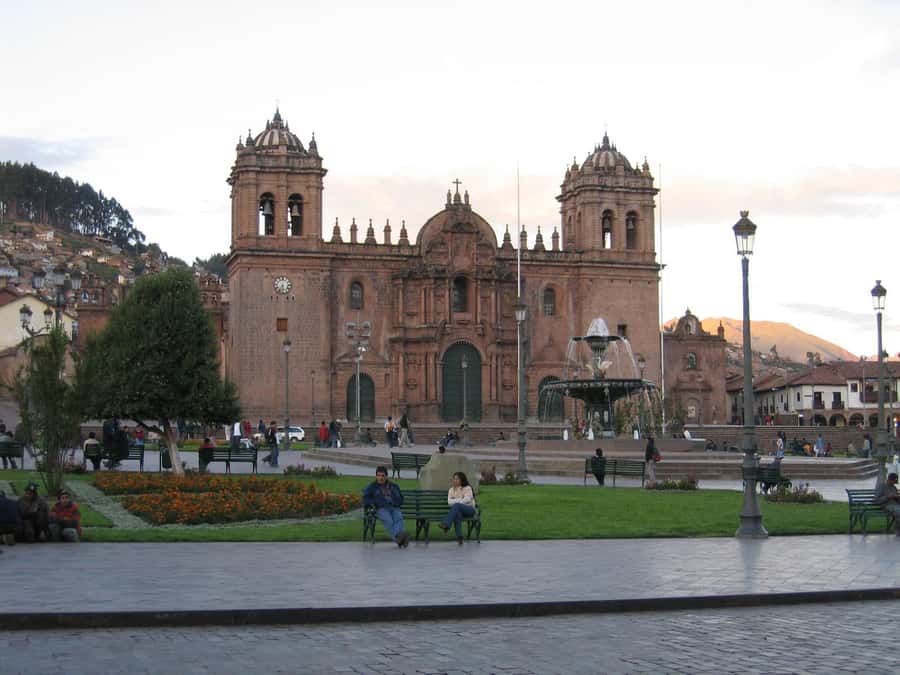
The first big stop is the Cathedral of Cusco, which is a UNESCO World Heritage Site. Inside, you’re not just looking at generic church architecture. Your guide points out the kind of artwork and carved details—paintings, sculptures, and ornamentation—that help you understand what Spanish Catholicism looked like once it landed in Cusco.
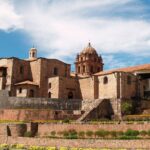
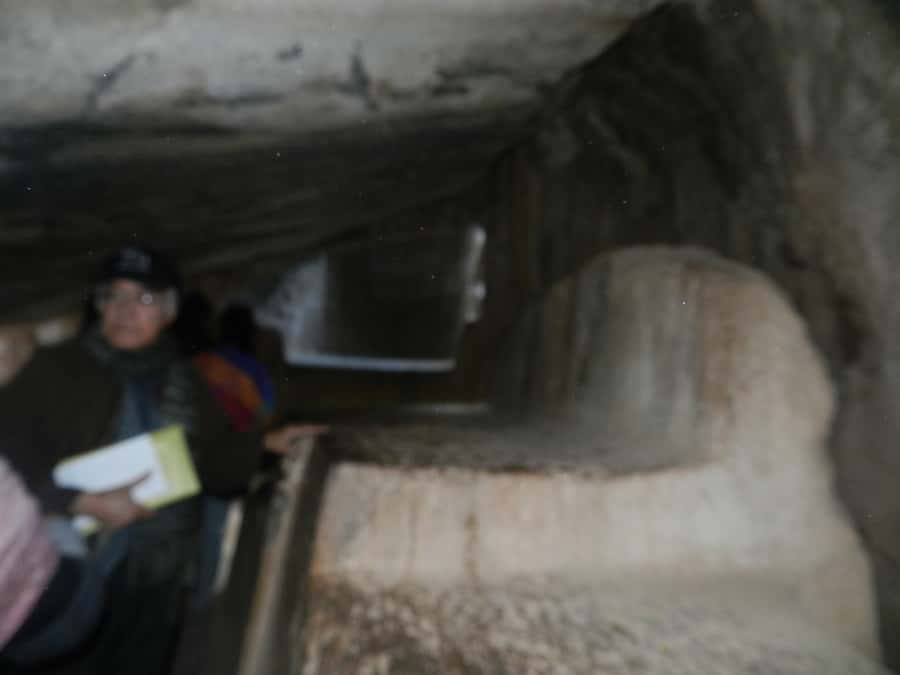
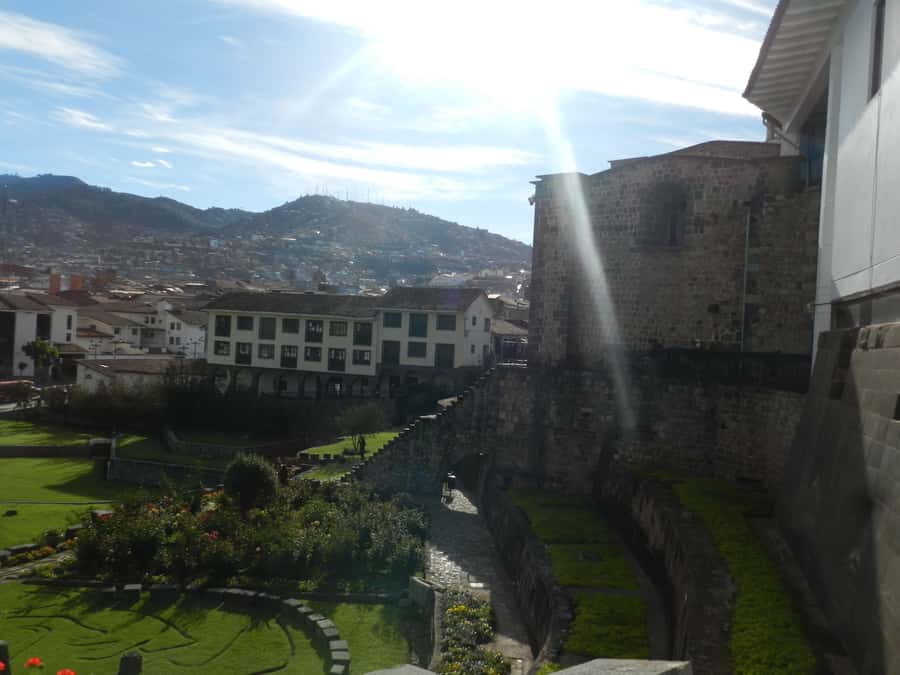
Right after, you head to the Qoricancha Museum. This is a must-see because it sits on top of an Inca-era temple area originally built to worship the Sun. Even if you’ve never studied Inca religion, the museum format helps you grasp why this location mattered so much—central to how people organized sacred space.
Practical tip: entrances are not included. You’ll need to pay the Cathedral entrance ticket and the Qoricancha entrance ticket in local currency. If you wait until the last minute, you’ll lose time you could spend inside.
Sacsayhuaman: massive stones and military myths
After the cathedral and Qoricancha, you ride about 2 km out of the city center by coach to Sacsayhuaman. This is one of those places where the scale hits you before any explanation does.
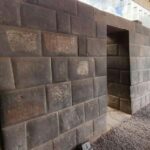
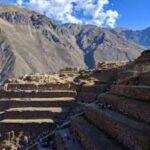
Sacsayhuaman is described as a vast complex made up of 33 archaeological sites, often tied to military purposes. You’ll see how the layout of walls and terraces shapes the sense of defense and control. Even if you can’t verify the “military” theory on your own, you’ll walk away understanding why this site gets treated as a big deal in Cusco.
This is also where pacing becomes important. The tour keeps a structured loop, so you don’t get a full “take your time” day. If you love ruins that you can linger in, go early in your head—look for the best vantage points first, then fill in details.
Qenqo’s labyrinth feeling: ceremonies and stars
Next up is Qenqo, often translated as “labyrinth.” The setting looks like a mix of stone corridors and ceremonial structures, and the guide uses that atmosphere to explain why it’s considered sacred.
In particular, Qenqo is tied to ceremonies in honor of the Sun, Moon, and stars. That’s a useful way to see the architecture: not just as shapes in rocks, but as places designed for meaning—ritual timing, celestial references, and a built-in way to gather and witness.
What to watch for: Qenqo can involve some uneven ground and walking. Wear shoes with traction and take breaks when you need them. Cusco altitude doesn’t ask permission.
Puca Pucara and Tambomachay: fort-like storage and fresh water
From the city center, you’ll travel about 7 km to Puca Pucara. This site is described as a complex of halls, inner plazas, aqueducts, watchtowers, and paths, and it’s commonly believed to have served as a military complex and a place for food storage.
This stop gives you a different angle than Sacsayhuaman. Instead of one dominant “fortress” feeling, Puca Pucara reads as a system—routes, water handling, and the logic of supplying people. It helps connect the dots between major ceremonial sites and the practical life around them.
Then you finish with Tambomachay, known for its fresh water spring. This is a nice counterweight to the fortification-and-labyrinth stops. You’ll get a reminder that Inca engineering wasn’t only about walls and temples—it also shaped water features and daily rhythms.
You can also read our reviews of more historical tours in Cusco


The craft center: how to spot vicuña and avoid stress buys
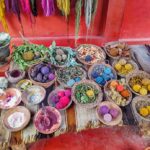
The final sightseeing block includes a craft center. Here, you’ll hear stories about ancient Incan crafts and—practically—how to identify traditional garments made from vicuña wool.
This is where your mindset helps. If you go in expecting a pressure-free lesson, you’ll enjoy it. If you go in assuming you’ll be forced to buy, you’ll hate it. Either way, you’ll come away with at least a basic framework for asking the right questions when you’re shopping later.
Based on what I’ve seen people say, textile stops can include pitches. If you’re sensitive to sales energy, treat the craft center as a learning hour, not a shopping mission. Ask how they describe fiber origin and finishing, then decide later—when you’re not rushed and you’re not standing under a sales spotlight.
Price and value: $18 is only part of the real cost
The headline price is $18 per person, and that’s good news if you’re on a budget for transport and a guide-led routing. But your total out-of-pocket spending will be higher because key entrances and the tourist access ticket are not included.
Plan for additional payments in local currency for:
- Cathedral of Cusco entrance (25 soles)
- Qoricancha entrance (15 soles)
- A tourist ticket (70 soles)
So what are you paying for with the tour price? Mainly the structure: pickup, transportation by coach, and a local guide in English. Without the tour, you’d still want to organize these sites intelligently, figure out ticketing, and manage travel time between them.
This tour feels especially good value if you:
- Want to see major Cusco-area ruins in one afternoon
- Prefer having history explained as you go
- Don’t want to wrestle with logistics while managing altitude and time
Pacing, language, and the “watch the bus” factor
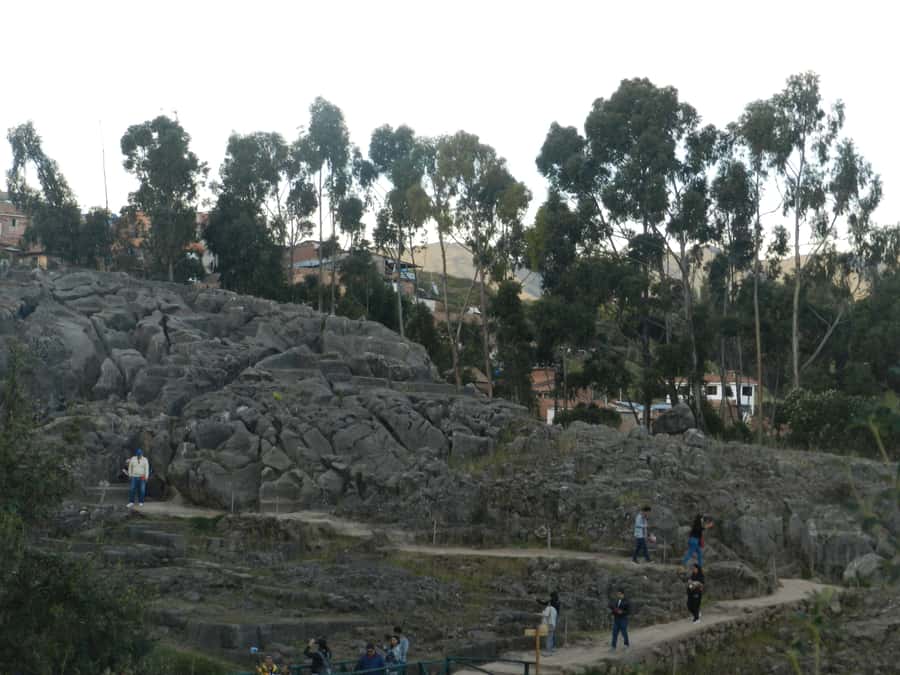
Most of the time, the core sites are worth the schedule. Still, pace is a real variable.
Some visitors describe the tour as rushed at points—brief overviews, then short windows to explore. If you’re the type who likes to take photos without deadlines, consider whether you’d be happier with a longer format.
Another practical variable: English is listed as the guide language, but there have been reports of mixed language moments when additional people joined. If you’re traveling with limited Spanish, you may want to have a “good enough” expectation and lean on the guide’s explanations plus your own reading of what’s in front of you.
Finally, keep your eyes open for sales activity. Some groups have described extra pitches during the ride (like small product sellers). It’s not the main point of the tour, but it can affect your mood if you hate interruptions.
Who this tour fits best (and who should rethink)
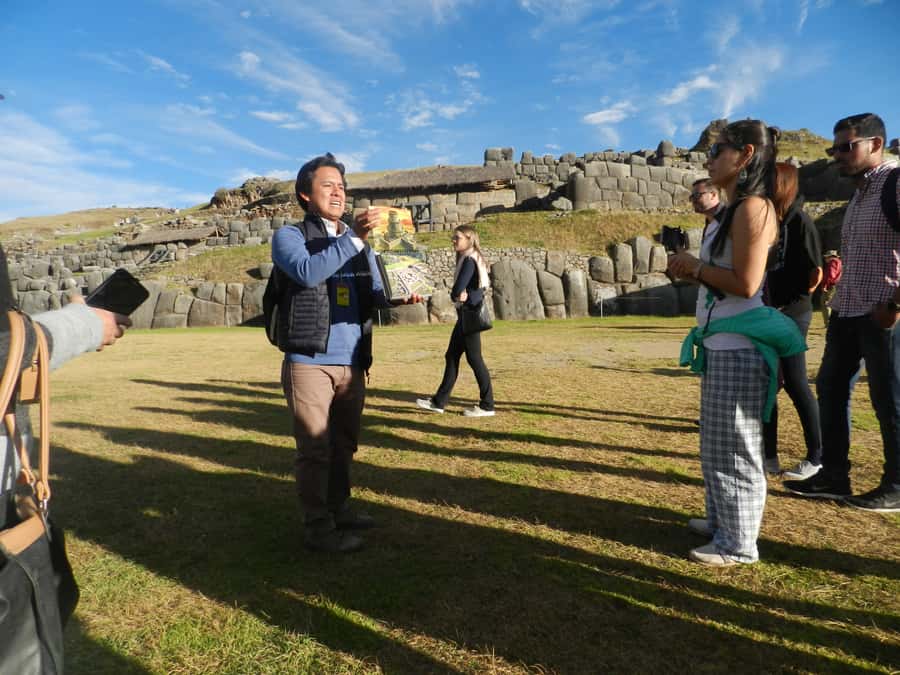
This tour is a strong match if you want a guided sampler that hits the high notes: Cathedral of Cusco, Qoricancha, and multiple archaeological stops outside town, all packaged with transportation.
It’s less ideal if:
- You rely on mobility support. The tour is not suitable for people with mobility impairments or wheelchair users.
- You want long, slow exploration at fewer sites.
- You dislike any sales-related stops or roadside/pickup interruptions.
If you’re traveling solo or as a couple, this still works well because the group size is capped (listed as limited to 12 participants in the booking details). Just remember it’s a group format—so you’ll move on the tour’s schedule, not your own.
Should you book Cusco: Half-Day Historic City Tour?
If you want a practical afternoon plan with guided context and air-conditioned rides between Cusco and the ruins, I think this is a good booking—especially at the $18 base price. You’ll see a lot of the sites that define Cusco’s Inca-era and colonial-era layers, and the craft center gives you a useful skill to carry into later shopping.
Before you book, do two things:
- Budget for the extra entrance costs (they’re the big ticket items).
- Decide how you feel about pace and sales moments. If you can treat the sales pitches as background noise and focus on the ruins, you’ll likely enjoy this format.
FAQ
What time does pickup happen?
Pickup starts at 1:00 PM from your Cusco hotel in the city center. If your hotel is outside the city center, pickup is arranged from the inka ahy statue in the main square. The tour returns at about 7:30 PM.
How long is the tour?
The tour runs for 7 hours.
Is the Cathedral of Cusco entrance included?
No. The Cathedral entrance ticket (25 soles) is not included.
Are the Qoricancha Museum tickets included?
No. The Qoricancha entrance ticket (15 soles) is not included.
Do I need to buy the tourist ticket?
Yes. The tourist ticket (70 soles) is not included, and you’ll pay it in local currency.
What language is the guide?
The tour includes a live guide in English.
Is the tour outdoors?
Part of it is outdoors at the archaeological sites, and the tour runs rain or shine.
What should I bring to the tour?
Bring passport or ID, a sun hat, hiking shoes, sunscreen, cash for entrances/tickets, and weather-appropriate clothing.