REVIEW · CUSCO
Historic/music Cusco FreeWalkingTour “free drink” Group Tour
Book on GetYourGuide →Operated by Real Cusco Walking tour · Bookable on GetYourGuide
Cusco hits you fast when the stories start. This 2-hour free walking tour turns the main sights into a clear, human timeline, with Pisco Sour and music built right into the route. You get a small group (around 10), so the guide can actually pace the conversation and keep questions flowing.
I really liked two things here: first, the way the guide makes the old Inca-meets-colonial mix make sense at places like Qoricancha and the Plaza de Armas. Second, the stop in San Blas for live Andean instruments adds texture you will not get from just looking at stone and balconies.
One possible catch: if you’re relying on the guide’s microphone, note that in at least one case the loudspeaker was reported to be hit-or-miss, so you may want to stand where you can hear well.
In This Review
- Key Highlights You Should Know
- Starting at Plaza de Armas: Where Cusco Sets the Rules
- Cathedral, Jesuits, and the Inca-to-Colony Story You Can Actually See
- Qoricancha: The Sun Temple and the Logic Behind the Ruins
- Angled Stones, a Special Balcony, and Andean Symbolism That Isn’t Just Decorative
- San Blas: Art Streets, Taller Stories, and Music You Can Hear
- 7 Borreguitos Street: Cusco’s Most Photogenic Moment (With a Reason)
- Ending at Manco Cápac: The Story Closes Where It Started
- Price and Real Value: It’s Cheap, But Tips Matter
- Who This Tour Fits Best
- Practical Tips So You Don’t Miss Anything
- Should You Book This Cusco Free Walking Tour?
- FAQ
- What is the meeting point for the tour?
- Where exactly is the meeting location?
- How long is the walking tour?
- What languages are available for the guide?
- Are drinks included?
- Is the tour really free?
- How big is the group?
- Is the tour suitable for wheelchair users?
- Is water included?
Key Highlights You Should Know
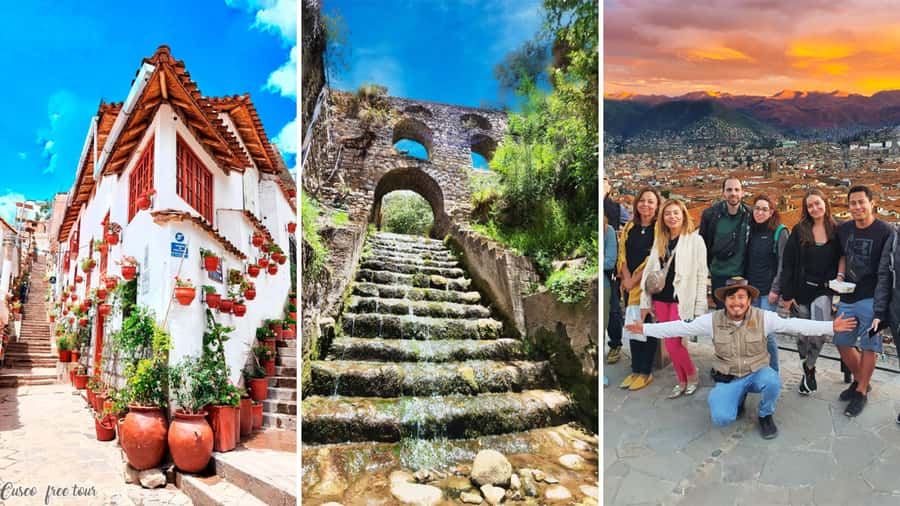
- Qoricancha (Sun Temple) explained in plain language, not just dates
- Plaza de Armas landmarks like the Cathedral and the Company of Jesus
- The legendary angled stones (12 and 13) and what they symbolize
- Andean Trilogy wall carvings with condor, puma, and snake imagery
- San Blas + live instrument performance with city views
- 7 Borreguitos Street and Manco Cápac’s temple to close the loop on Cusco’s story
Starting at Plaza de Armas: Where Cusco Sets the Rules
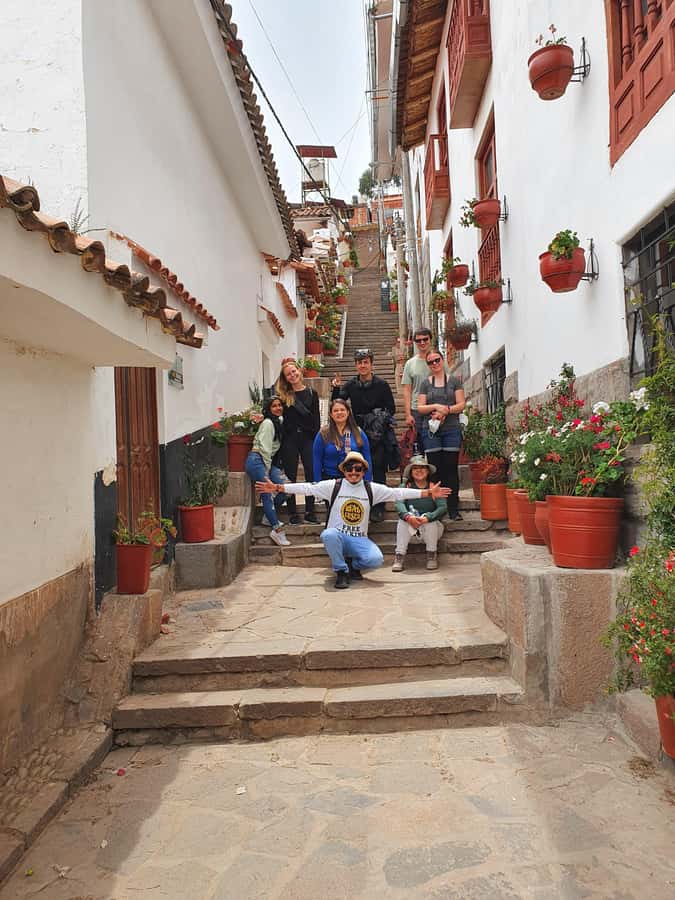
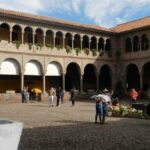
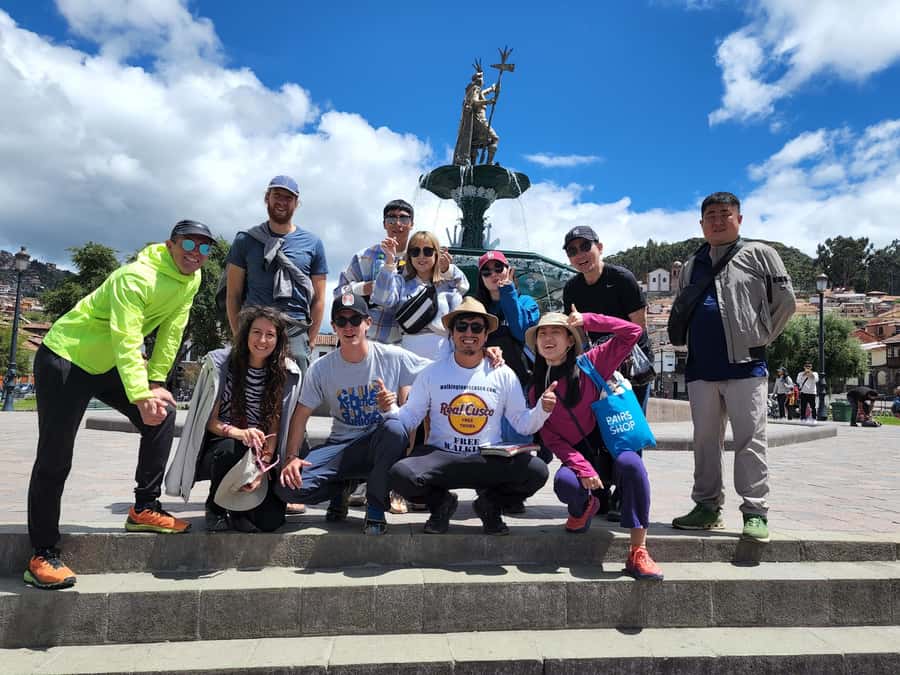
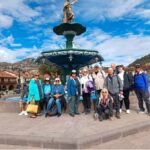
You meet at the Inca Fountain in Cusco Main Square (Plaza de Armas), at roughly -13.5167681, -71.9787795. This is a smart start. The square is the easiest place to orient yourself, and it also gives you an immediate sense of how the city organizes daily life around the historic core.
The tour typically begins by pointing out the Cathedral and the Company of Jesus buildings. You do not just pass them like background. The guide frames them as the “new layer” on top of the earlier Inca world, which matters because Cusco is never one single story. It is a stack. When you understand that, the rest of the walk clicks faster.
If you want to get value fast, arrive a touch early and take 3 minutes to look around before you fall into the lesson. The moment the guide starts connecting symbols to places, you’ll be able to picture how the square fed into the rest of your route.
You can also read our reviews of more historical tours in Cusco

Cathedral, Jesuits, and the Inca-to-Colony Story You Can Actually See
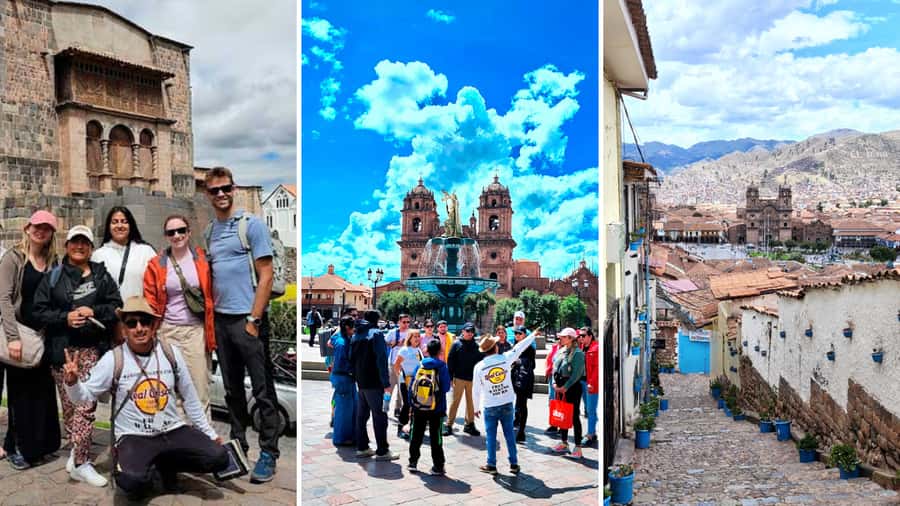
The Cathedral and the Jesuit complex are big visual anchors, but the real payoff is the interpretation. The guide’s job is to help you “read” the city: what changed, what stayed, and why it looks the way it does.
What I like about this kind of walking tour is that it avoids the usual trap of turning everything into a list. Instead, you get an explanation for why certain sites feel prominent. You start to notice how entrances, walls, and viewing points guide movement—and how power shaped that movement.
A practical note: you’ll be on your feet for the full 2 hours, and Cusco sidewalks can be uneven. Pace yourself early so you can enjoy the commentary instead of rushing between stops.
Qoricancha: The Sun Temple and the Logic Behind the Ruins
Then comes Qoricancha, the Sun Temple. This is one of those Cusco landmarks where people expect a photo and not much else. The tour changes that. You learn what Qoricancha meant in the Inca world and how its later life reshaped it.
I like that the explanation keeps you oriented: what the Inca worship context was, how the Spanish-era overlay altered the site, and why you should look for specific kinds of features instead of only dramatic angles.
If you’re the kind of traveler who enjoys meaning over just scenery, this is a great stop. You’ll leave with a clearer sense of why the guide keeps referring back to symbolism as you walk.
And yes, Qoricancha also helps you set a baseline for the day. When you understand this site, later details like carved imagery and stonework stop feeling random.
Angled Stones, a Special Balcony, and Andean Symbolism That Isn’t Just Decorative
From Qoricancha, the route typically moves toward smaller but memorable details: a famous balcony, the 12 and 13 angled stones, and the Andean Trilogy carvings.
The “12 and 13” angled stones get your attention because they are unusual—two stones cut and set in a way that feels almost too precise to be casual. The guide uses these details to teach you how Inca builders approached fit, stability, and design. Even if you do not catch every construction term, you will understand the big idea: the stonework is doing more than looking nice.
Next, the Andean Trilogy imagery—carvings of condor, puma, and snake—connects the physical site to Andean ways of explaining the world. The carvings are on an ancient Inca wall, and the guide’s commentary helps you read them as more than decoration. You get a sense of how animals show up in Andean thinking and why these images appear in places where people gather.
This is also a good moment to practice slow looking. The tour is paced, but if you rush through the stones and carvings, you’ll miss the meaning the guide is handing you.
San Blas: Art Streets, Taller Stories, and Music You Can Hear
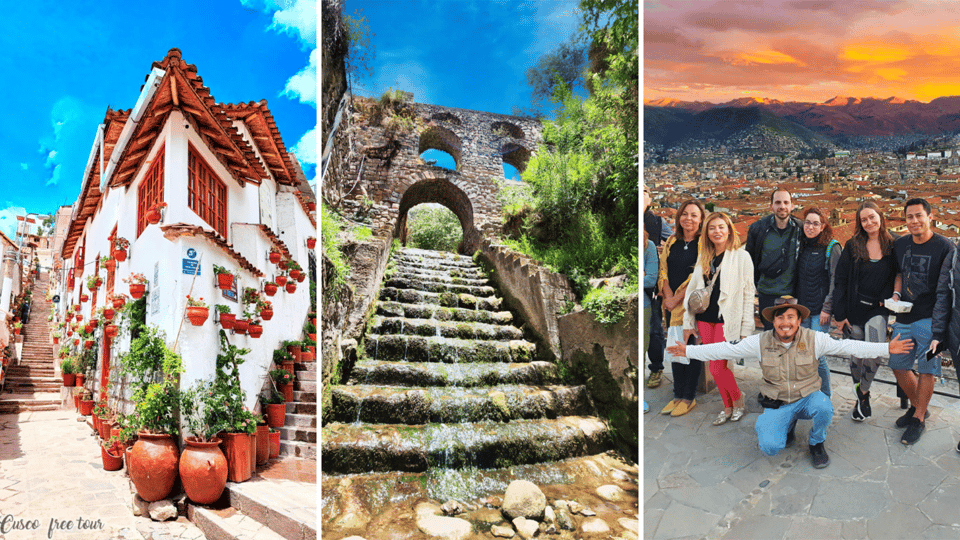
Next you head into San Blas, famous for its artistic vibe and steep, charming streets. This neighborhood stop is one of the tour’s best “energy shifts.” Cusco’s old-world center can feel dense, and San Blas gives you a different rhythm—more human-scale, more workshop-like.
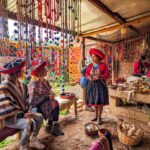
A key part of this segment is a visit to a skilled luthier (someone who makes string instruments). You’re not just watching craft from a distance. You get to see how instruments are made and why Andean music carries local identity.
After that, you hear an Andean musical performance. The bonus here is not only the music—it’s that you also get panoramic views of the city from the performance area. That mix is exactly why this tour format works: your brain can hold the cultural lesson and the visual context at the same time.
If you care about authentic sound and real craft, this is the moment that often makes the whole tour feel worth it.

7 Borreguitos Street: Cusco’s Most Photogenic Moment (With a Reason)
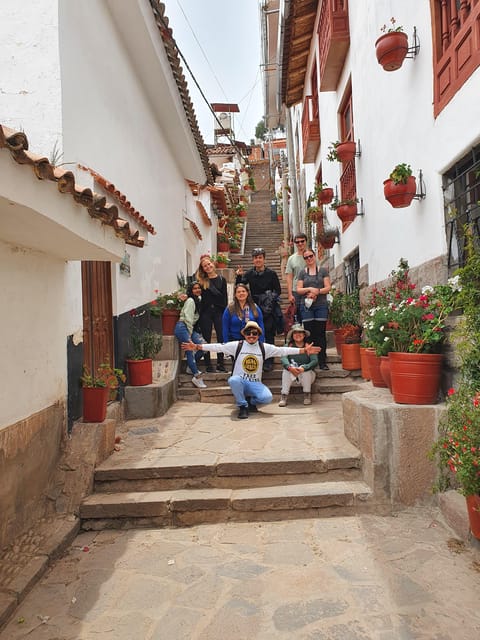
Then the tour heads toward 7 Borreguitos Street, widely known as one of Cusco’s most picturesque lanes. This stop is often where you switch from learning to documenting.
What’s useful is that the guide usually ties the setting back to what you’ve already learned: how the old city’s spaces shaped social life, where people walked, and how certain streets became landmarks.
Take the photos, yes. But also watch what happens around you. This street makes Cusco feel like a lived-in city rather than a museum.
Ending at Manco Cápac: The Story Closes Where It Started
Your walk concludes at the Temple of the First Inca Ruler, Manco Capac. Ending here is smart because it anchors the route in an origin story. It gives your walk a narrative spine: you moved through major Inca sites and colonial overlays, and you finish with the beginning of the Inca line.
If you’re visiting Cusco for the first time, this ending helps you build a mental map. You’ll remember the center, San Blas, the key stones and carvings, and then the closing origin theme.
You also get a clean “final landing” point, so you can head off afterward with less confusion about where to go next.
Price and Real Value: It’s Cheap, But Tips Matter
The stated price is $2.00 per person, and the included tastings make it feel like a deal on paper. You’ll also get a complimentary Pisco Sour tasting during the tour, and you can end with a choice between Pisco Sour or Chicha Morada (a non-alcoholic drink) at the end.
But here’s the honest value math: for this kind of free walking tour, the real cost is the tip. You should plan for a gratuity of around 30 soles (about 10 USD) for the guide service, which is explicitly part of how the guides are supported.
So the bargain isn’t just that it costs little. It’s that you’re paying an entry fee and then choosing how you reward the guide’s work at the end. If the guide clearly connects the dots, that tip feels fair. If the sound system is poor and you struggle to hear, you might consider that too—still, try to stand where you can hear first.
Also, water isn’t included, so if you’re sensitive to dry air or crowds, bring a plan for hydration.
Who This Tour Fits Best
This tour is a strong match if you want:
- a first-timer orientation to Cusco’s historic center
- a walk that explains Inca symbolism (like the Andean Trilogy) in a way you can remember
- live Andean music and a craft stop that feels local, not staged
It might not fit if:
- you need wheelchair access (it’s listed as not suitable for wheelchair users)
- you’re traveling with someone over 95 years (also listed as not suitable)
- you prefer tours that sit longer at each site. This one is a steady walk with frequent stops and explanations, built for pace.
Practical Tips So You Don’t Miss Anything
- Bring patience for a tight 2-hour schedule. You’ll cover a lot of landmarks, so listen closely during the explanation-heavy moments.
- If microphone sound is ever an issue, choose a position where you can hear the guide clearly. This is one of those tours where location matters.
- Decide in advance how you’ll handle the drink part. You get a Pisco Sour tasting included, and later you can choose Pisco Sour or Chicha Morada.
- Plan for tipping. The guide work is the product here, and the suggested gratuity is clearly part of the experience.
Should You Book This Cusco Free Walking Tour?
I’d book it if you’re in Cusco for a short stay and want a solid, story-driven orientation without paying a high fixed tour fee. The combination of Plaza de Armas landmarks, Qoricancha, angled stonework and Andean animal symbolism, plus San Blas luthier craft and live music is a smart use of your time.
Skip it only if you dislike walking, need wheelchair access, or you strongly depend on audio quality throughout (since sound issues have been reported). If that all sounds fine, this is a great way to start your Cusco days with context—and leave with more than photos.
FAQ
What is the meeting point for the tour?
You meet at the Inca Fountain on Cusco Main Square (Plaza de Armas).
Where exactly is the meeting location?
The coordinates given are -13.5167681, -71.9787795.
How long is the walking tour?
The duration is 2 hours.
What languages are available for the guide?
The live guide operates in English and Spanish.
Are drinks included?
Yes. You get a complimentary Pisco Sour tasting, and at the end you can choose between Pisco Sour and Chicha Morada.
Is the tour really free?
It’s listed with a very low price, but you should plan for a required gratuity for the guide service. The suggested amount is around 30 soles or 10 USD.
How big is the group?
The tour runs with a group of about 10 participants.
Is the tour suitable for wheelchair users?
No, it is not suitable for wheelchair users.
Is water included?
No, water is not included. You may want to bring your own.