REVIEW · CUSCO
Cusco: Historical Guided City Tour with 4 Inca Ruins
Book on GetYourGuide →Operated by MACHUPICCHU TC · Bookable on GetYourGuide
Six hours to feel the Inca pulse. This Cusco guided circuit takes in Qorikancha and the big-stone power of Sacsayhuamán, with bus rides that keep you from wasting time between sites. I like that the guide connects each stop to what it likely meant in Inca life, from Sun worship to surveillance and water rituals. I also like that the tour runs bilingual with guides such as Luis or Alfredo switching smoothly between English and Spanish. One catch: the entry fees and the Cusco Tourist Card are extra, so plan for ticket time and bring your passport.
You get a clear route either in the morning (starting around 8:55 or hotel pickup between 8:35 and 9:00) or later, with options that may include the Cusco Cathedral. The pacing is built for a first-time Cusco day—walk a bit, get transport to the next site, then return around 2:30 pm or early evening depending on the option.
In This Review
- Key highlights worth prioritizing
- Why this Cusco half-day tour fits your first days
- Qorikancha at the start: the Temple of the Sun sets the story
- Sacsayhuamán’s puma-head fortress and the weight of stones
- Qenqo (and the eucalyptus area): ceremony, sacrifice, and mummification clues
- Puka Pukara: the Red Fortress and the power of positioning
- Tambomachay: the Temple of Water and the mystery factor
- The optional Cusco Cathedral stop (midday tour options)
- Timing, pickup, and getting dropped near Plaza de Armas
- Price and real costs: what you’re getting for $23
- What you’ll actually do during the day
- What to bring so the ruins day doesn’t feel miserable
- Who should book this tour, and who should skip it
- Should you book this Cusco Inca ruins tour?
- FAQ
- FAQ
- How long is the Cusco Historical Guided City Tour?
- What are the main sites included in the tour?
- Is hotel pickup included?
- What time does the tour start in the morning?
- Does the tour visit the Cusco Cathedral?
- Are the entrance tickets included in the price?
- Do I need the Cusco Tourist Card?
- Where do you get dropped off at the end?
- What should I bring for the tour?
- Is the tour suitable for older travelers?
Key highlights worth prioritizing
- Qorikancha (Temple of the Sun) first, so the Inca sites make more sense as you go
- Sacsayhuamán’s massive stone engineering, including blocks measured in meters and up to 100+ tons
- Qenqo’s sacred setting plus the eucalyptus area, handy for photos and quick breaks
- Puka Pukara’s Red Fortress viewpoint, with a strong sense of why this mattered for control
- Tambomachay’s water features, often described as a mysterious ritual stop
- Bilingual guidance (English/Spanish) with guides like Hyame or Romulo when available
Why this Cusco half-day tour fits your first days
Cusco can hit you all at once: altitude, cobblestones, and a packed calendar if you’re heading to Machu Picchu soon. This tour is one of the smarter ways to spend limited time because you see multiple Inca sites without doing long taxi-hunting loops on your own.
At about 6 hours, it’s long enough to get meaning from the ruins, not just a photo stop-and-go. And with hotel pickup options and drop-offs near Plaza de Armas / Calle Plateros, it’s designed to reduce stress when you’re still learning the neighborhood layout.
You can also read our reviews of more guided tours in Cusco
Qorikancha at the start: the Temple of the Sun sets the story
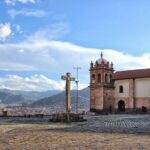
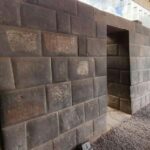
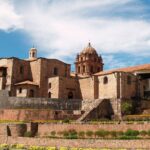
Most routes begin with Qorikancha (Koricancha), known as the Temple of the Sun and described as the most important Inca religious construction. Starting here is practical: it gives you a framework for why the later sites feel more than just archaeological remains.
Plan on about 1 hour at Qorikancha, with a guided visit that helps you interpret what you’re looking at. If you’re also the kind of person who enjoys context, this first stop helps your brain connect the dots—religion, power, and public meaning—before you move into the more fortress-and-ritual sites.
Cost note: Qorikancha has an entrance ticket listed as 15 soles, not included in the base price. You’ll also need the Cusco Tourist Card for access to the Inca sites, purchased in person with your passport.
Sacsayhuamán’s puma-head fortress and the weight of stones
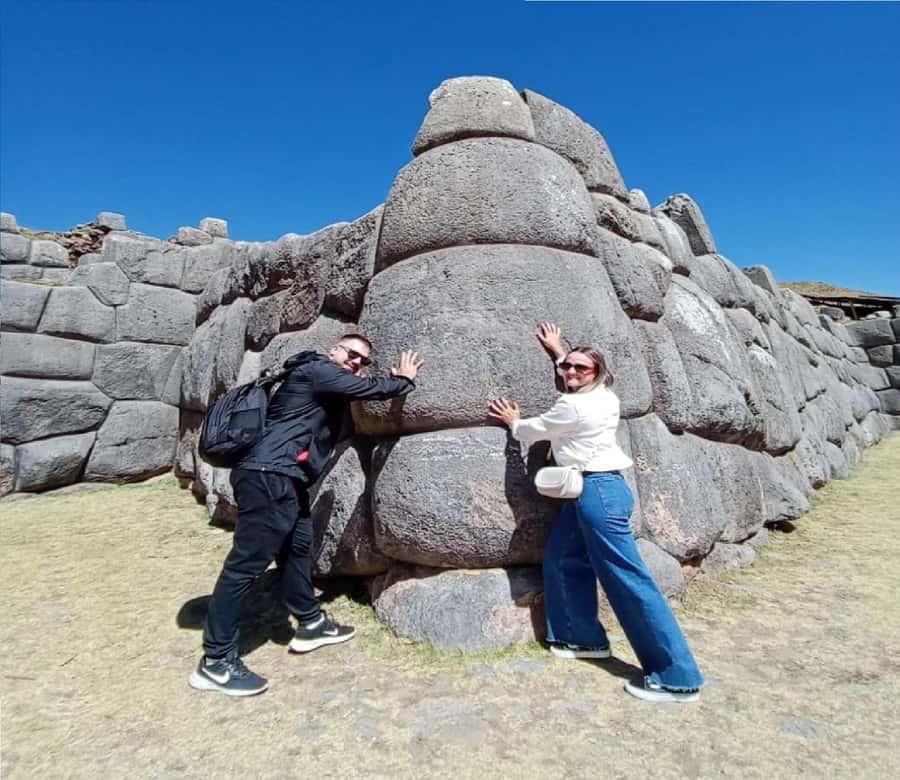
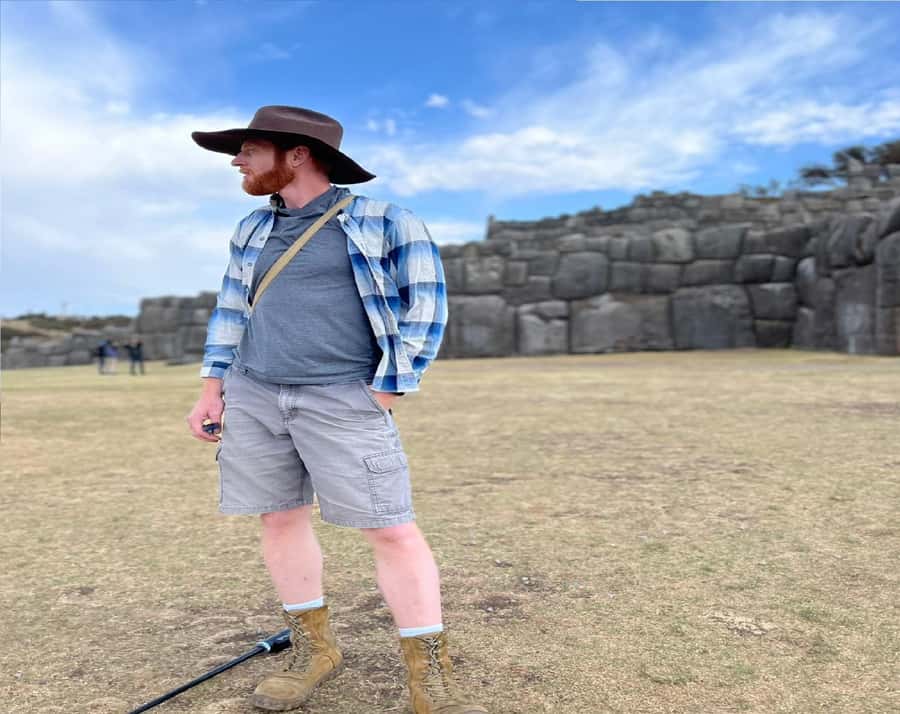
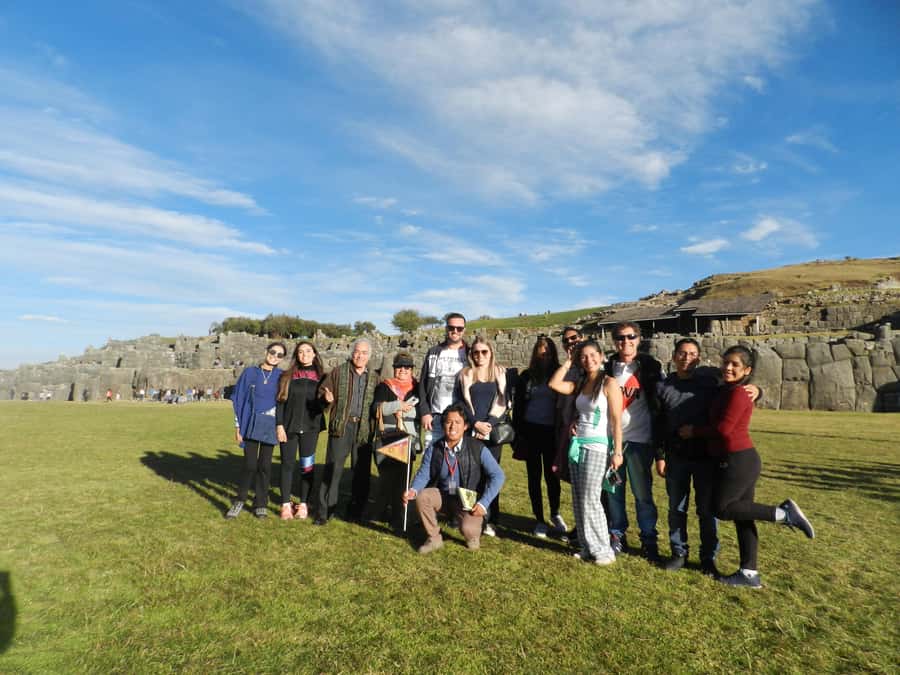
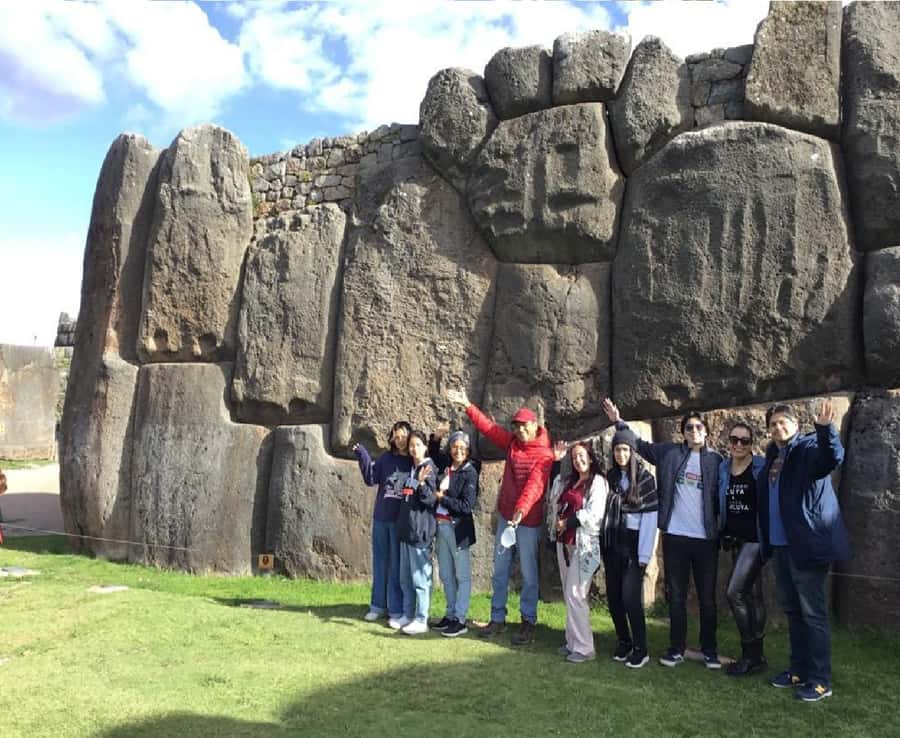
Next up is Sacsayhuamán, often explained as translating to puma head. This is the largest Inca site within Cusco, and the main draw is the stonework. You’ll see constructions made with rocks roughly 4 to 6 meters high, plus the famous engineering claim that some stone blocks can weigh over 100 tons.
This stop is perfect if you like questions like: How did they move that? Why here? Why build with such scale? A good guide turns those questions into answers you can actually picture. The tour typically gives you about 1.5 hours, so you’re not rushed across the best angles.
Practical tip: wear shoes that grip. Even when the walking is manageable, Cusco can be uneven, and you’ll want footing for photo moments and viewpoints.
Qenqo (and the eucalyptus area): ceremony, sacrifice, and mummification clues
Qenqo is the Inca ceremonial center stop on the route, with the tour describing sacrifices connected to the Sun God. It’s also presented as an ancient mummification site, which is a big reason this place feels layered: it wasn’t just for public theater, but for serious ritual practice.
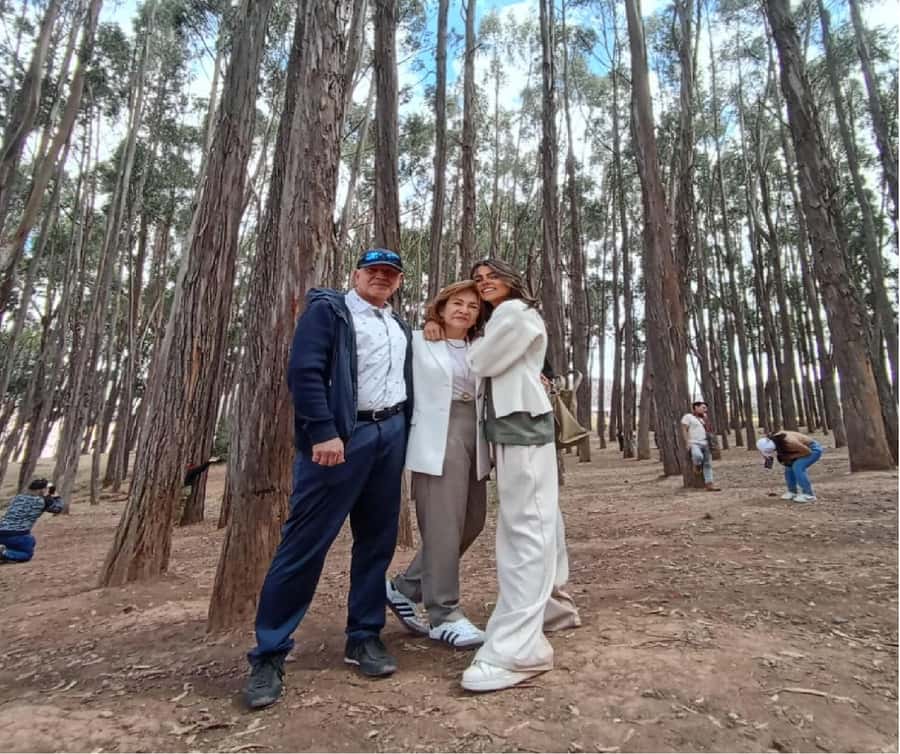
You’ll get about 1.5 hours total at Qenqo, including time for sightseeing and photos. There’s also a Qenqo eucalyptus forest area where you can take pictures and catch your breath for a moment between ruins.
What I like about this stop is how it changes your mental image of the Inca. From a distance, you might think these ruins are only about stone forts or temples. Qenqo pushes you to see the religious and ceremonial side, which makes the rest of the tour click.
Puka Pukara: the Red Fortress and the power of positioning
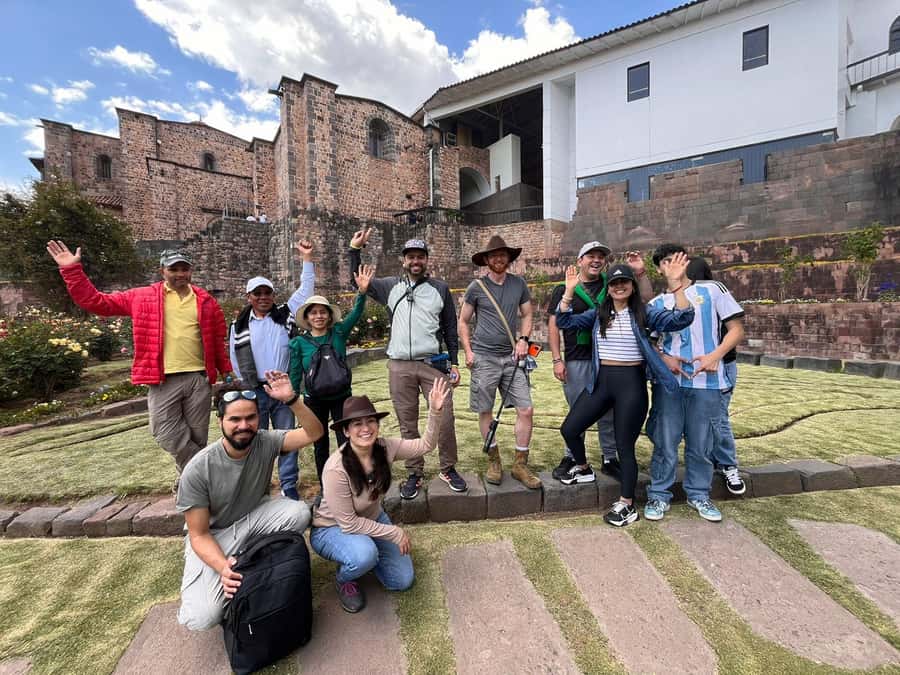
Then you head to Puka Pukara, popularly known as the Red Fortress because of the rock pigmentation used in its construction. The tour frames it as an Inca surveillance center built on higher ground to control access to the city.
This is one of those stops where you learn fastest by looking around. From the upper placement, you can understand why monitoring routes mattered. It’s not only about what the structure looked like, but why it was placed where it was.
You’ll usually get about 1.5 hours here, and the route includes time to enjoy the Andes scenery from the viewpoints. If you’re traveling light on time, Puka Pukara is a strong “why it was built” payoff.
You can also read our reviews of more city tours in Cusco
Tambomachay: the Temple of Water and the mystery factor
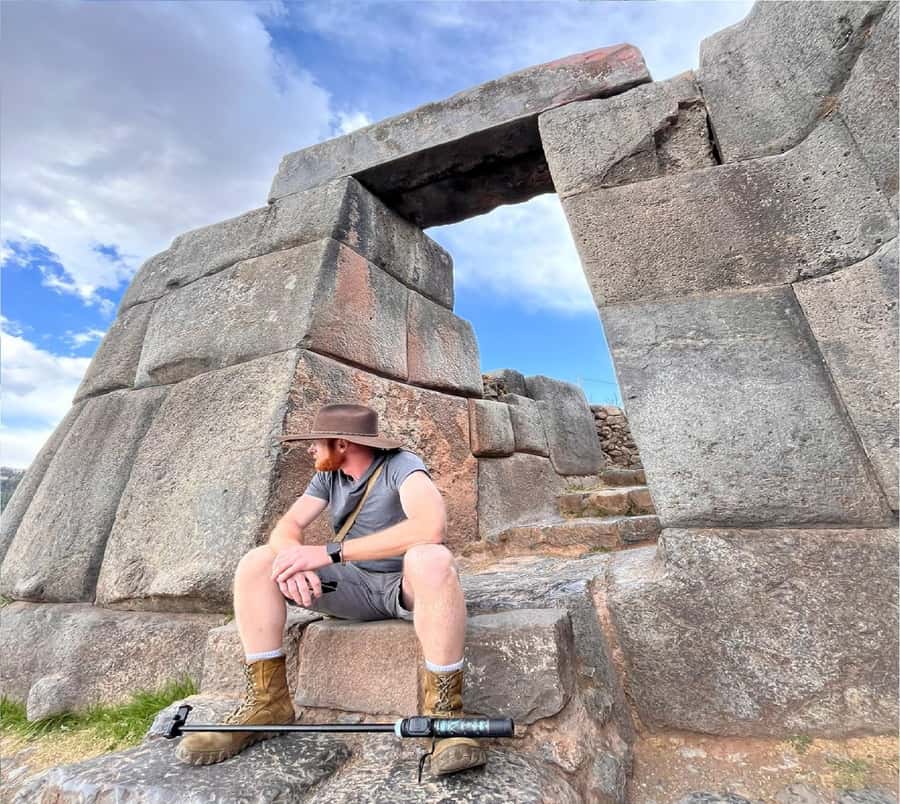
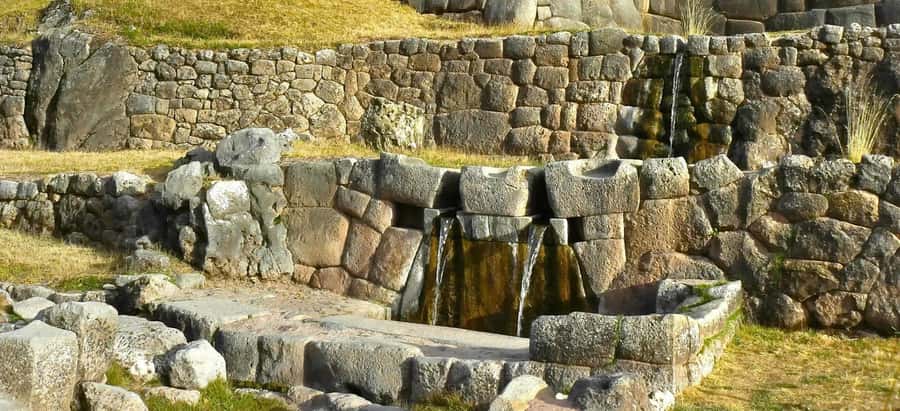
Finally, you reach Tambomachay, often called the Temple of Water. The big feature is the water fountains distributed across the site, and the tour also describes Tambomachay as mysterious.
This stop balances visual interest with atmosphere. You’re looking at stone and water features, but you’re also listening for the guide’s interpretation of how water could fit into ritual life. It’s a great counterpoint after the fortress-and-surveillance themes, and it helps round out the overall Inca picture.
Time is usually around 1.5 hours for this last site in the main loop. By then, you’ll likely feel the rhythm of the day: walk a bit, listen, take photos, then move on.
The optional Cusco Cathedral stop (midday tour options)
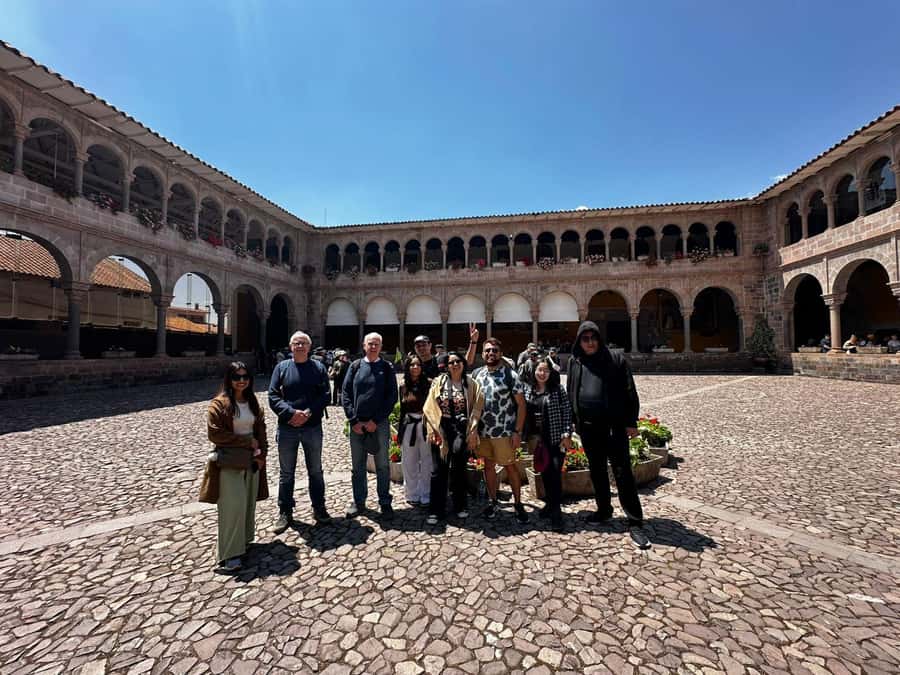
Some tour options add a Cusco Cathedral visit. The cathedral part includes impressive paintings associated with the Cusco school, but there’s an important note: you must ask for availability, and there’s an entrance ticket listed at 50 soles that isn’t included.
If your goal is purely Inca archaeology, you might skip this extra. But if you want Cusco’s story to include what came after the Inca period, the cathedral adds a different layer without derailing the half-day structure.
Timing, pickup, and getting dropped near Plaza de Armas
Logistics matter in Cusco. If you start in the morning, you’ll often begin with Qorikancha at 8:55 am, or get hotel pickup between 8:35 and 9:00 am to the meeting point and then start the city tour.
A later option starts around 11:50 am to 12:00 pm at the cathedral entrance door. With that afternoon/evening timing, the tour can end between 6:00 pm and 6:30 pm, depending on the schedule and option.
Drop-off is designed to be easy. You return near Plaza de Armas (including Plateros Street) or near the main square area. That matters because it lets you walk to lunch, adjust for altitude, or head to your next plan without scrambling for transportation.
Price and real costs: what you’re getting for $23
The base price is listed as $23 per person, and that’s where the value story is pretty strong. You’re paying for professional, accredited guiding, tour transportation, and guided visits through the key Inca stops on the route.
But you should budget for add-ons. The tour data clearly lists these entrance-related costs as not included:
- Cathedral: 50 soles (for options that include it)
- Qorikancha (Temple of the Sun): 15 soles
- Archaeological zones: 70 soles, which you can buy at Sacsayhuamán
On top of that, Inca sites require the Cusco Tourist Card, available only in person with your passport. For planning, I treat the $23 as the guided-and-transport portion, and I treat the tourist card plus entrance fees as a separate bucket.
If you compare it to paying for taxis between multiple ruins while also trying to find local guides last-minute, the math usually favors a bundled tour. You also save energy—important in Cusco—because you’re not constantly navigating between distant points.
What you’ll actually do during the day
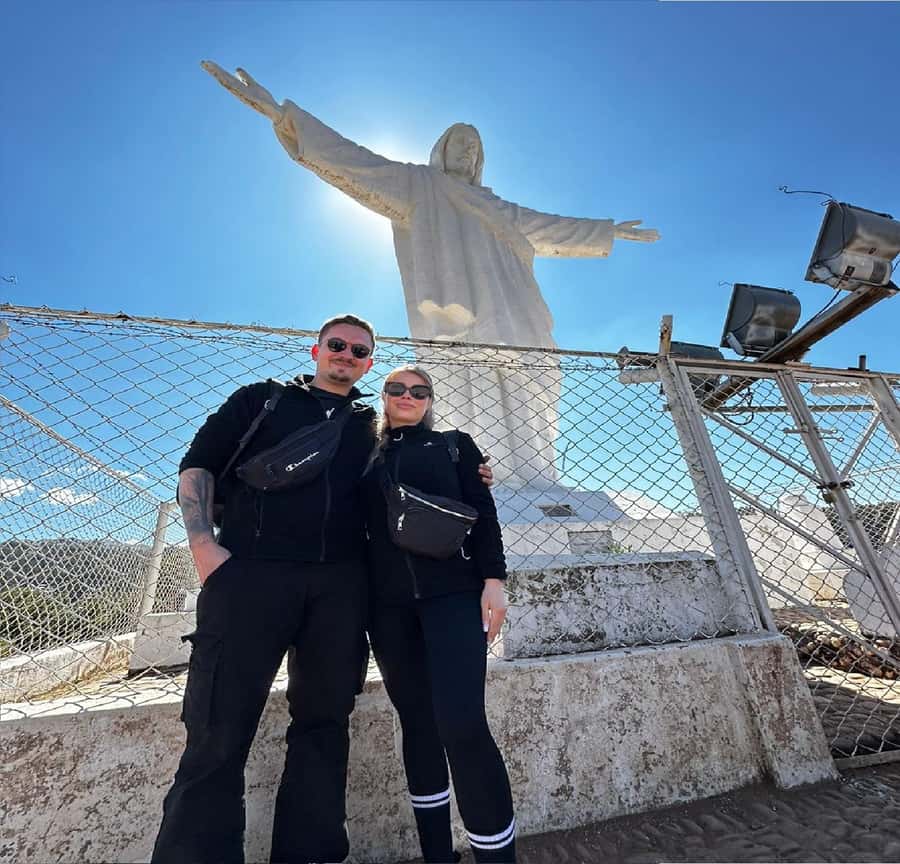
This isn’t a “stand in one spot and hope” tour. You’re taken to each site, guided through it, and given time for pictures. A special option for photography experiences may also be offered on the route (plus an option that can include Cristo Blanco Mirador del Cusco on certain versions).
The guided format is the main reason this works for different travel styles:
- If you like explanations, you’ll get them stop-by-stop.
- If you like photos, you’ll get reasonable time windows rather than a frantic sprint.
- If you’re sensitive to altitude, you benefit from the transport between locations and the fact that the total time is capped.
And from what guides are described doing well, the best versions of this tour prioritize clear communication. Guides like Luis and Alfredo are noted for excellent English and smooth English/Spanish transitions, which can really help when you want to ask questions.
What to bring so the ruins day doesn’t feel miserable
Cusco’s weather can switch fast. Come ready and you’ll enjoy the day more, period.
Bring:
- Passport or ID card (you’ll need your passport for the tourist card)
- Comfortable shoes for uneven ground
- Camera
- Sunscreen
- Water
- Rain gear
- Cash for entrance fees and tickets
One small but real tip: keep your hands free for photos and quick stops. You’ll want your camera and water accessible, but you also don’t want a heavy bag that slows you down on steeper sections.
Who should book this tour, and who should skip it
This works best if you:
- Are in Cusco for a short window and want a concentrated Inca overview
- Want guided context without committing to a full-day outing
- Prefer a plan that returns you near Plaza de Armas for food and downtime
- Are using your Cusco time as a stepping-stone before something bigger
It’s not suitable for people over 95 years (per the tour’s own guidance). If you’re traveling with mobility limits, you’ll want to consider whether you can handle walking at altitude and on archaeological paths.
Should you book this Cusco Inca ruins tour?
If you want a practical half-day that covers Qorikancha, Sacsayhuamán, Qenqo, Puka Pukara, and Tambomachay, this is an easy yes—especially because the route is built to reduce travel friction and keep the story coherent.
Book it if:
- You value a strong guide and clear bilingual explanations
- You want multiple sites in one day without stress
- You’re willing to plan for the Cusco Tourist Card and separate entrance fees
Skip or reconsider if:
- Cathedral time matters more than Inca ruins (you’d need the right option and ticket)
- You’d rather avoid any extra ticket logistics at all
FAQ
FAQ
How long is the Cusco Historical Guided City Tour?
The duration is listed as 6 hours.
What are the main sites included in the tour?
The tour includes Qorikancha (Temple of the Sun), Sacsayhuamán, Qenqo (Q’enco), Puka Pukara, and Tambomachay.
Is hotel pickup included?
Yes. There are pickup options, with pickup available from hotels close to the main square of Cusco.
What time does the tour start in the morning?
One morning option starts around 8:55 am at Qorikancha, and another morning option has pickup from 8:35 am to 9:00 am.
Does the tour visit the Cusco Cathedral?
Yes, but only for certain tour options (option 2 and 3). You also need to ask for availability.
Are the entrance tickets included in the price?
No. The Cathedral ticket (50 soles), Qorikancha ticket (15 soles), and archaeological zones ticket (70 soles) are not included.
Do I need the Cusco Tourist Card?
Yes. Access to Inca sites requires the Cusco Tourist Card, purchased in person with your passport.
Where do you get dropped off at the end?
The tour ends near Plaza de Armas and Calle Plateros (drop-off locations are listed as Plaza de Armas Cusco and Calle Plateros).
What should I bring for the tour?
Bring your passport or ID, comfortable shoes, camera, sunscreen, water, rain gear, and cash.
Is the tour suitable for older travelers?
The tour is not suitable for people over 95 years.