REVIEW · CUSCO
From Cusco: Machu Picchu Full-Day Guided Tour
Book on GetYourGuide →Operated by Peru & U · Bookable on GetYourGuide
One day can feel like three, in the best way. This Cusco-region package strings together train views and a guided walk through Machu Picchu’s key spaces. You’ll go from the Andes to the “lost city” zone with tickets and transport handled for you.
I especially like the hands-on guiding at the ruins: your guide explains what you’re seeing, including standout spots like the Temple of the Sun, the agricultural terraces, and the “lost citadel” photo viewpoint. I also like the way the day uses the train to break up the route—Aguas Calientes isn’t just a stop, it’s part of the rhythm of the trip.
One real consideration: it’s a full-on travel day. You’ll be moving by bus/train/bus with your own time to manage at several points, and a tight schedule can mean some waiting depending on timing.
In This Review
- Key things I’d watch for before you book
- Why This Machu Picchu Day Trip Feels Different Than a Typical One
- The Big Value: Tickets, Transport, and an On-Site Guide That Helps You Read the Place
- Cusco to Ollantaytambo: The Part Where Organization Saves You
- Train to Aguas Calientes: Views You’ll Actually Remember
- The Bus Up: Expect a Steep, Efficient Climb
- Machu Picchu With a Guide: What You’ll See and Why It Clicks
- Aguas Calientes on the Return Side: Use the Free Time Wisely
- The Return to Cusco: More Time on Wheels, and the Key Workarounds
- What’s Included vs. Not: The Real Meaning of the Price
- Practical Stuff You’ll Thank Yourself For
- Who Should Book This Tour (and Who Might Not Love It)
- FAQ
- FAQ
- How long is the Machu Picchu full-day guided tour?
- What parts of the trip are included in transportation?
- Is hotel pickup included from Cusco?
- What entrance fees are included?
- Do I need to bring anything?
- Is food or drinks included?
- What items are not allowed during the tour?
- Should you book this Machu Picchu tour from Cusco?
Key things I’d watch for before you book
- Guided time at Machu Picchu is the centerpiece: history-led orientation of major zones so you don’t just wander.
- Train + bus are round-trip included, with standard train category assigned based on availability.
- Aguas Calientes gets a little free time on the return side before you head back toward Ollantaytambo and Cusco.
- Pickup is seasonal (May–December) and may route you to a nearby meeting point if streets are narrow.
- Pack light and plan for rules: no large bags, no drones, no plastic bottles, plus the usual sun/comfort items.
Why This Machu Picchu Day Trip Feels Different Than a Typical One
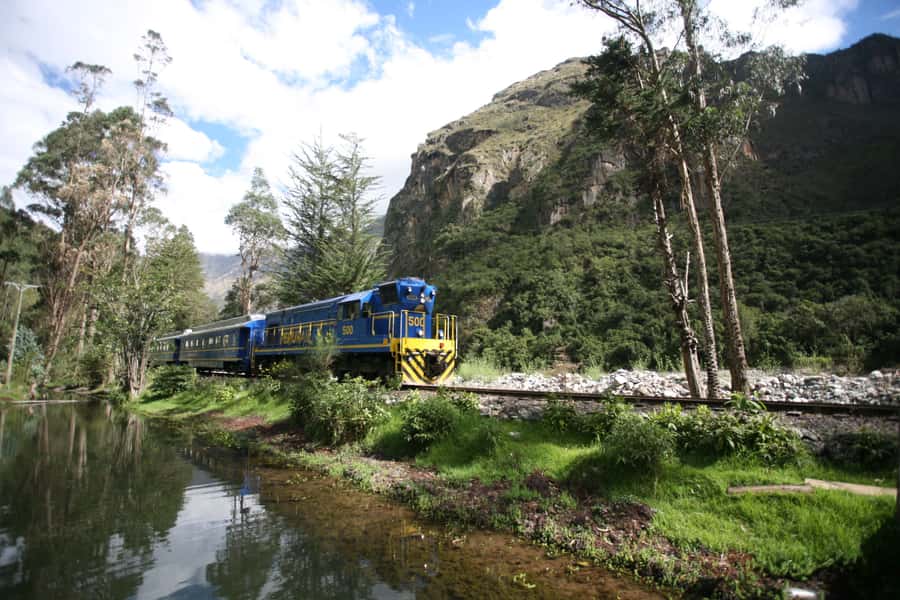
Machu Picchu is famous for a reason, but the hardest part is rarely the ruins. It’s the route: Cusco is not “next door” to the site, and getting there takes planning, ticketing, and timing.
This tour takes that pressure off your shoulders. You get organized round-trip train and bus transport, plus an English/Spanish guide for the time that counts most—at Machu Picchu itself. That changes the day. Instead of fumbling for where to go, you get a guided framework, then you can see more with confidence.
And the day has built-in contrast. You start with the highland energy around Cusco, then ride down toward Aguas Calientes, and finally climb up into the Machu Picchu sanctuary. That sequence helps the site hit harder when you first arrive—less “arrival logistics,” more “wow, I’m really here.”
You can also read our reviews of more guided tours in Cusco


The Big Value: Tickets, Transport, and an On-Site Guide That Helps You Read the Place
For $465 per person, you’re not just paying for a seat. You’re paying for the stuff that usually costs you time, stress, and mistakes: entrance included, train tickets handled in the right route (Ollantaytambo ⇄ Aguas Calientes), and the bus climb to the ruins.
The guide piece matters a lot because Machu Picchu isn’t laid out like a modern museum. There are terraces, temples, agricultural zones, and viewpoints spread across a steep layout. With a professional guide (English/Spanish), you get context while you’re standing there, not after the fact.
In the guided portion, you’ll focus on key areas such as:
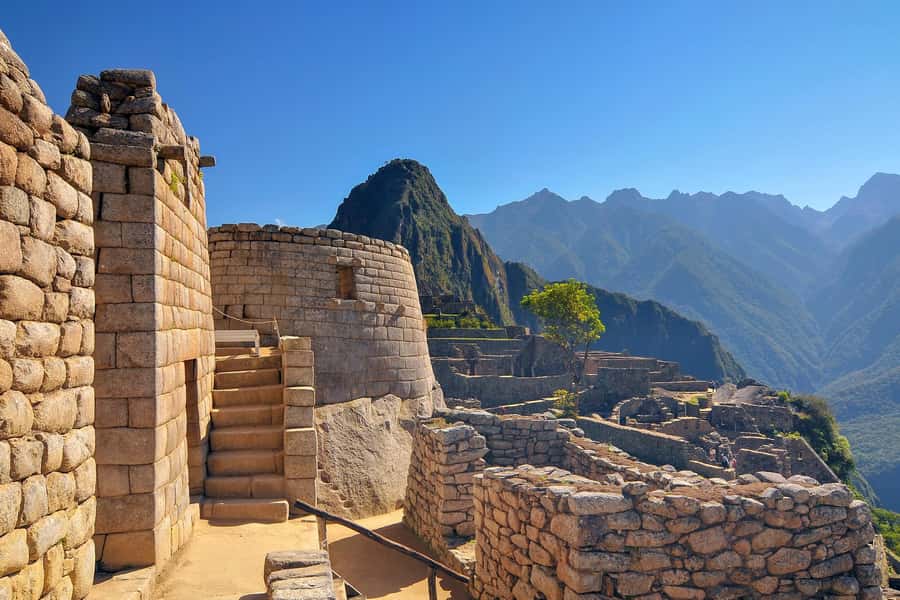
- the Temple of the Sun
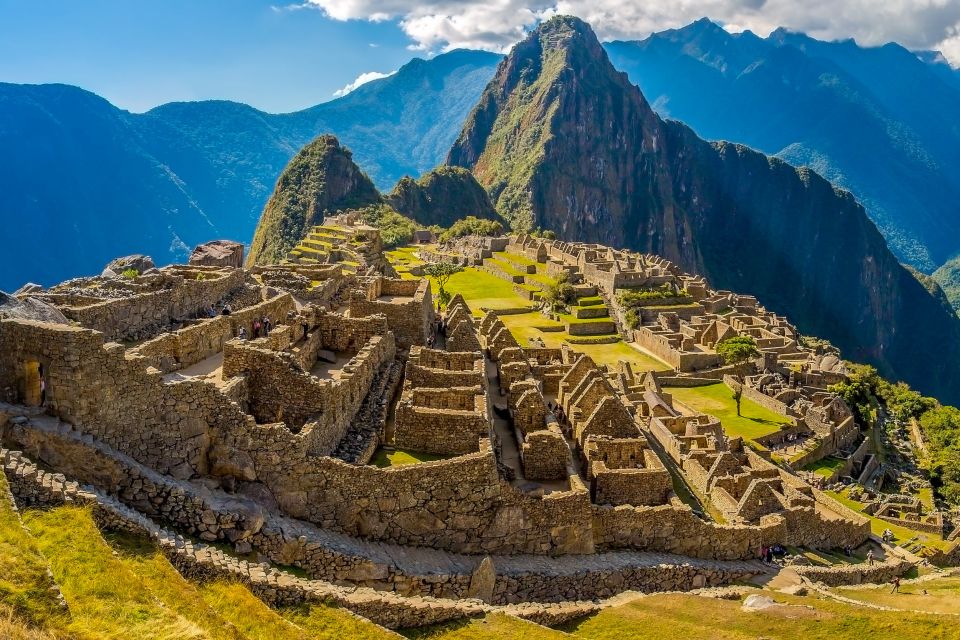
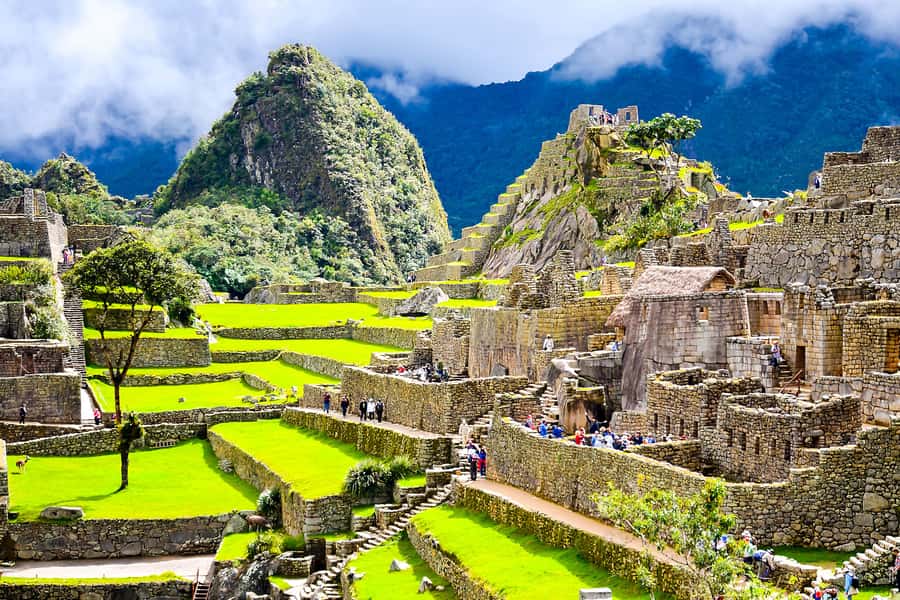
- the terraced agricultural sector
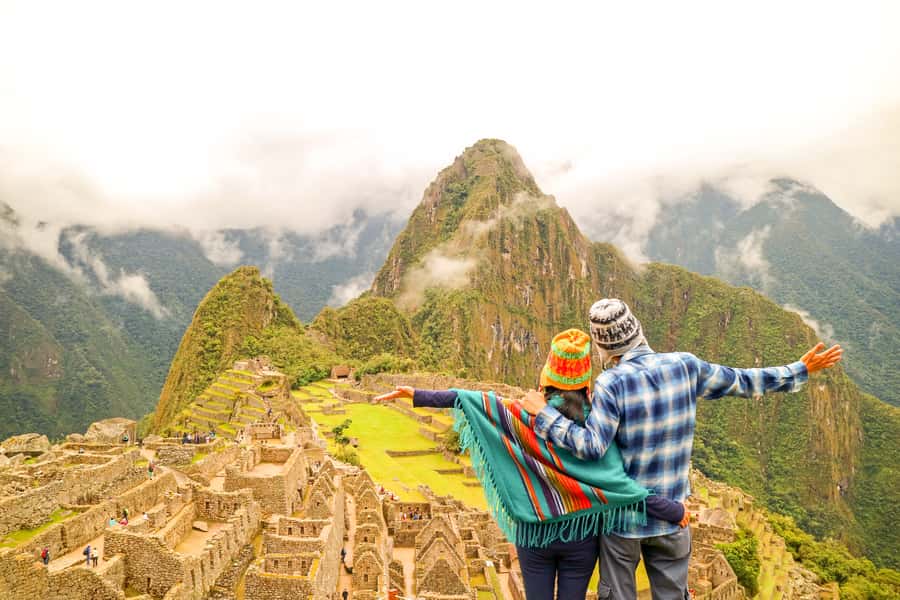
- the observatory photo viewpoint with the citadel behind
- an explanation of the site’s sacred role and Inca history
Some guides you could meet include people like Rodrigo (who, in at least one documented case, delivered tickets and an itinerary the day before) and on-site guides such as Walter, Alvin, or Jan. The point isn’t the individual name—it’s that you’re generally paired with someone who can explain the “why” behind the stones.
Cusco to Ollantaytambo: The Part Where Organization Saves You
The day starts with hotel pickup in Cusco and suburbs—but only between May and December. If your hotel sits on narrow streets where a vehicle can’t reach, the operator arranges an escort to the closest pickup point.
If you’re outside the pickup zones, you’ll be directed to the closest possible meeting point. That’s not glamorous, but it’s practical. And it’s one of the reasons this type of package works: Machu Picchu days fail when you waste energy figuring out where to be next.
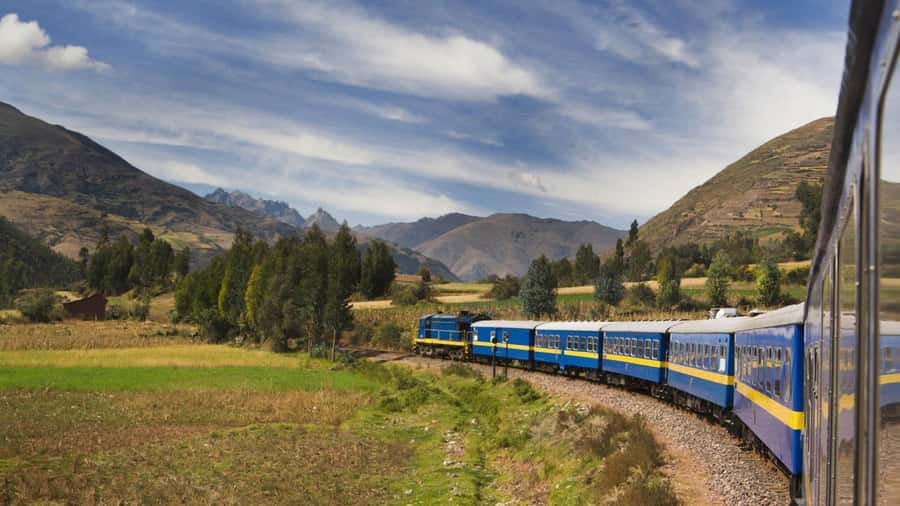
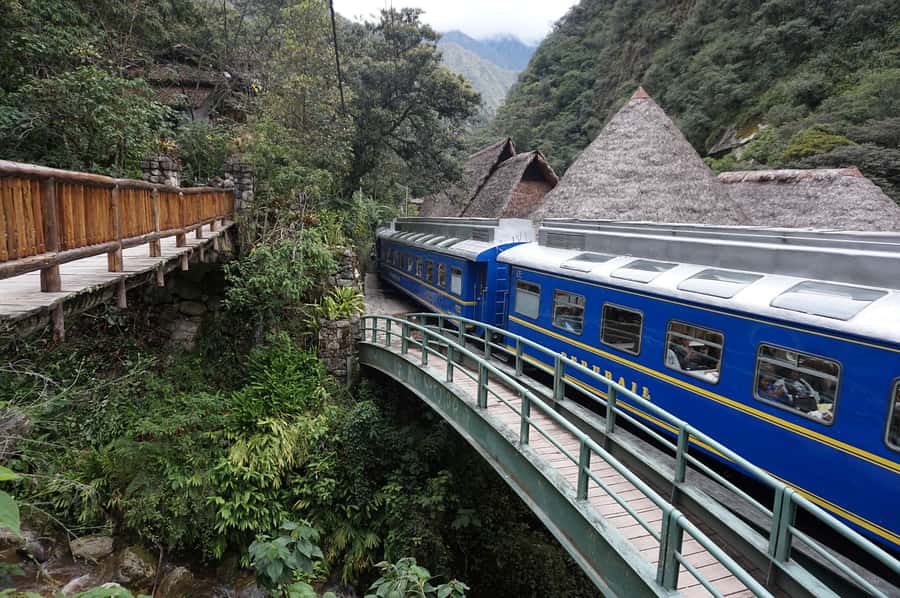
From Cusco, you’ll be transported to Ollantaytambo and board the train to Aguas Calientes. One helpful detail: the tour notes that the standard train category is subject to availability. The operator assigns the best possible option, but they can’t guarantee exact times. Translation for your planning brain: don’t build your whole day around a specific departure hour unless you’re looking at confirmed ticket times.
Train to Aguas Calientes: Views You’ll Actually Remember
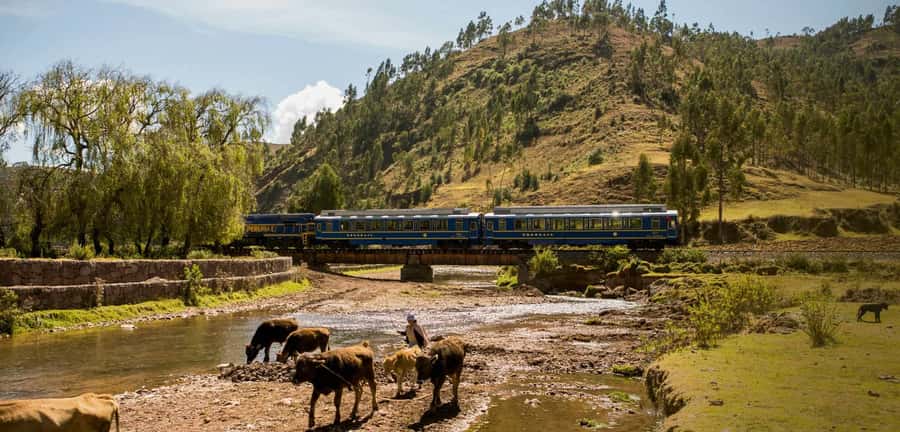
The train ride is more than a segment you endure. It’s one of the reasons this trip is worth doing as a packaged day.
You’ll arrive in Aguas Calientes, the town at the base of Machu Picchu’s mountain access. The timing typically gives you a real sense of how the terrain changes as you get closer to the ruins—more altitude drama, more cloud-and-valley mood, and generally better photo conditions than you’d get in a rushed road-only transfer.
On arrival, you’re not dropped and sent away. There’s a handoff step where a guide meets you and directs you to the next connection (including the bus that climbs toward Machu Picchu). This is exactly the kind of detail that prevents a “great day ruined by one wrong turn” situation.
The Bus Up: Expect a Steep, Efficient Climb
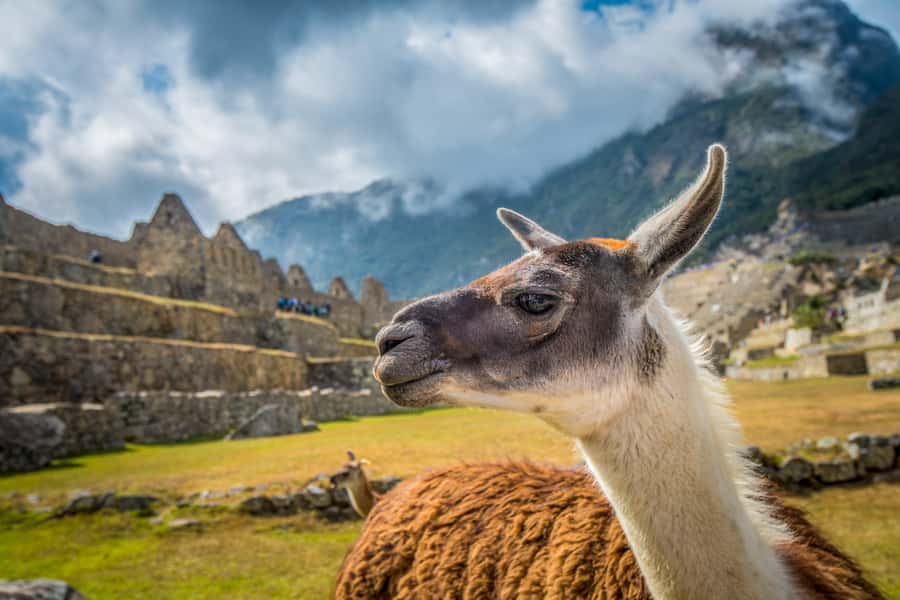
Once you reach Aguas Calientes, the route shifts to the round-trip bus between Aguas Calientes and Machu Picchu. This is one of those moments where the package really earns its keep.
If you’ve ever tried to piece this part together alone, you know the mountain access can be time-sensitive. Having the bus included means you’re less likely to arrive stressed, late, or in the wrong line. And because your guide is set for the next stage, you can focus on getting there instead of decoding logistics.
Also, plan for comfort. Even though the bus ride is included, you’ll still want comfortable shoes and weather-ready clothing. That way, once you step into the ruins area, you’re not thinking about foot pain or sunburn.
You can also read our reviews of more tours and experiences in Cusco




Machu Picchu With a Guide: What You’ll See and Why It Clicks
This is the heart of the day. At the top, you meet your guide and get an explanation-based tour of roughly 2.5 hours in one documented case, which lines up with the typical pace for a structured visit.
Here’s what makes the guided time especially useful:
1) You get oriented fast
Machu Picchu can feel like a maze if you’re only following instinct. A guide helps you understand sight lines—what you should notice first and how major zones connect.
2) Key landmarks make sense
You’ll hear about the Temple of the Sun and the agricultural terraces, not just as scenic stops but as part of how the Incas used space, built with purpose, and shaped the landscape around ritual and sustenance.
3) You take better photos
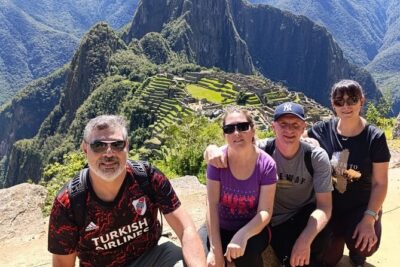
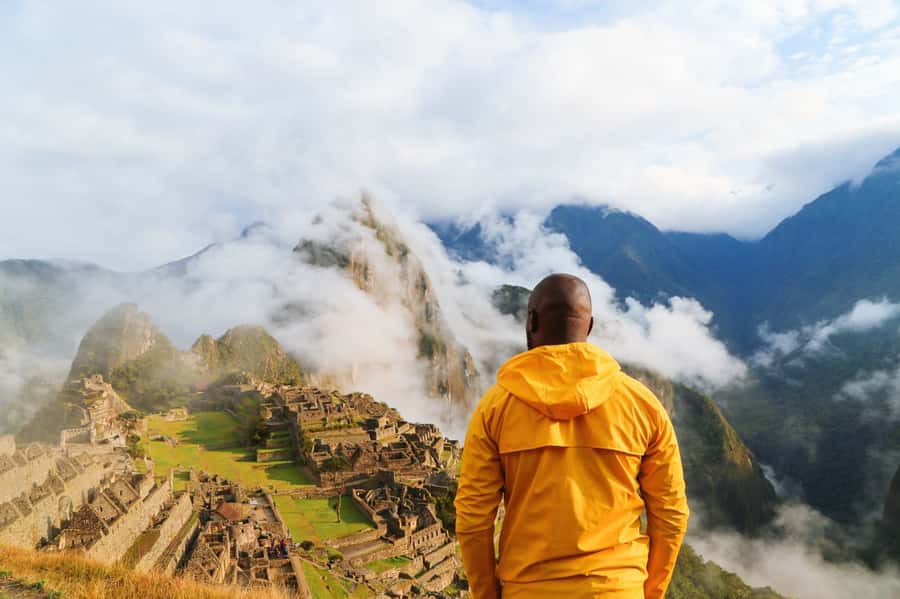
You’re likely to get pointed to the classic viewpoint where the citadel sits behind you (the observatory photo setup). That’s a small detail, but it matters because it’s the difference between random snapshots and images with actual composition.
4) You leave with a story
Even if you’ve read a little before your trip, the guide helps stitch it together while the ruins are still in front of you. You don’t just see structures—you understand why they’re significant.
A small practical note: after the guided portion, you may have time that’s more self-directed. So keep an eye on timing and where buses or entrances are relative to your plan. If you’re not a fan of schedule pressure, this is still manageable—but you need to stay alert.
Aguas Calientes on the Return Side: Use the Free Time Wisely
After Machu Picchu, the bus brings you back down to Aguas Calientes. This part of the schedule often includes time to explore the town before your next connection.
I like having at least a little town time because it gives your body a break. You’ve done steep walking and concentrated looking. Having a chance to sit, buy simple essentials, and reset makes the rest of the ride feel easier.
One thing to watch: food and drinks aren’t included. You’ll want snacks you brought with you, and you may choose to grab a meal in town. One documented example includes a veg-friendly restaurant stop (Govinda Restaurant VEGANO), but what matters for you is the broader point: plan for meals on your own.
The Return to Cusco: More Time on Wheels, and the Key Workarounds
The tour includes the return transport steps:
- train back from Aguas Calientes to Ollantaytambo
- bus/transfer onward so you can return toward Cusco in the evening (a complimentary transfer is mentioned)
Because it’s all booked as part of the day package, you should feel guided in what to do next. Still, you’re trading flexibility for organization. If you hate waiting around, mentally budget for some downtime. One documented experience included a longer wait on the return schedule, and that’s the kind of thing you can’t fully control on a fixed-day itinerary.
Here’s how I recommend handling it:
- keep small cash for snacks and essentials
- stay punctual at each handoff
- keep your bag rules in mind (no large luggage)
What’s Included vs. Not: The Real Meaning of the Price
Let’s talk value in plain terms.
Included:
- Pickup from hotels in Cusco and suburbs (May–December only)
- Round-trip bus between Aguas Calientes and Machu Picchu
- Round-trip standard train tickets between Ollantaytambo and Aguas Calientes
- Professional guide in English or Spanish
- Machu Picchu entrance fee (Lost Citadel)
Not included:
- Food and drinks
- Hotel drop-off (so you’re likely not getting delivered to your exact door on the way back)
So you’re paying for the “big, expensive, hard-to-coordinate” pieces, plus the guide. That’s what makes the price easier to justify if you’re short on time and don’t want ticket stress.
Is it expensive? Yes. Is it fair for a one-day, door-to-ruins style experience? Often, yes—especially if you factor the risk of doing it wrong on your own and the cost of entrance + transport you’d have to coordinate.
Practical Stuff You’ll Thank Yourself For
You’ll move fast between modes of transport, and Machu Picchu is weather-variable. That’s why the packing list is actually important:
Bring:
- passport or ID card
- comfortable shoes
- sunglasses and sun hat
- snacks and water
- insect repellent
- cash
- weather-appropriate clothing
Not allowed:
- pets
- smoking
- luggage or large bags
- drones
- plastic bottles
That last one matters. If you forget and show up with plastic water bottles, you’ll have a hassle. Bring a reusable bottle (and fill it where you can) or bring snacks that you can carry without violating luggage limits.
Also: even though the guide helps at key points, the day includes segments where you’re responsible for boarding buses and trains on time. Keep your phone charged if you use it for reminders, but don’t rely on signal everywhere. If you can, use your guide’s itinerary information and write down key times.
Who Should Book This Tour (and Who Might Not Love It)
This is a strong pick if:
- you want tickets and transport organized for you
- you like learning while you’re seeing the site, not after
- you’d rather manage a known schedule than plan every connection from scratch
- you value having an expert help you spot what matters (Temple of the Sun, terraces, viewpoints)
It might feel less ideal if:
- you hate long travel days and constant transitions
- you want maximum freedom to linger wherever you want without timing
- you’re hoping to avoid any waiting time (that can happen depending on schedule alignment)
The good news: if you go in with the right expectations, this kind of package makes Machu Picchu feel doable in just one day.
FAQ
FAQ
How long is the Machu Picchu full-day guided tour?
It’s listed as a 1-day experience.
What parts of the trip are included in transportation?
The tour includes round-trip bus transport between Aguas Calientes and Machu Picchu, and round-trip standard train tickets between Ollantaytambo and Aguas Calientes.
Is hotel pickup included from Cusco?
Pickup is included from hotels in Cusco and suburbs only between May and December. If the vehicle can’t access your hotel due to narrow streets, you’ll be escorted to the pickup point. If you’re outside pickup areas, you’ll get the closest possible meeting point.
What entrance fees are included?
The Machu Picchu Lost Citadel entrance fee is included.
Do I need to bring anything?
You should bring a passport or ID card, comfortable shoes, sunglasses, sun hat, snacks, water, insect repellent, cash, and weather-appropriate clothing.
Is food or drinks included?
No. Food and drinks are not included.
What items are not allowed during the tour?
Pets, smoking, luggage or large bags, drones, and plastic bottles are not allowed.
Should you book this Machu Picchu tour from Cusco?
If you want the easiest way to do Machu Picchu in one day, and you appreciate having a guide explain the major pieces while you’re standing there, I’d book it. The value comes from bundling entrance plus the key transportation steps, so you’re not wrestling with train times, bus connections, and where to be next.
Just go in knowing it’s a long day built on train and bus segments, with moments where you’ll need to watch the clock. If that fits your style, you’ll get a smooth, memorable visit to one of Peru’s most important sites.