REVIEW · CUSCO
2-Day Sacred Valley & Machu Picchu Tour by Train from Cusco
Book on Viator →Operated by Cosmo Expeditions · Bookable on Viator
Machu Picchu starts with a plan. I like how this tour strings together a small-group experience with clear logistics, plus included train and bus so you’re not wrestling schedules in Peru. Two days also means you’ll hit Chinchero, Moray, Maras, Ollantaytambo, and then Machu Picchu without wasting time. The one drawback is it’s a full, early-start day, with some walking and a couple of extra paid entry items (like Sacred Valley and Maras).
What makes it feel manageable is that it runs on a tight route, but you still get moments to breathe—like the evening in Aguas Calientes after check-in, and your own time at Machu Picchu after the guide.
In This Review
- Key Highlights You’ll Actually Care About
- Why This Train-First Plan Works From Cusco
- Cusco Morning Pickup to Sacred Valley: start early, then enjoy the ride
- Chinchero Weaving Center: alpacas, handcrafts, and real daily culture
- Moray Inca Terraces: the agricultural science that still impresses
- Maras Salt Mines: iconic photo, plus a small cash fee
- Lunch at Restaurante Tunupa: many choices, and it keeps your day moving
- Ollantaytambo Ruins and the Train to Aguas Calientes: the logistics payoff
- Machu Picchu Morning With a Guide, Plus Time to Wander
- The Return Train to Ollantaytambo and Back to Cusco
- Price and Value: what $599 gets you (and what you still pay)
- Guide Quality I Noticed in Real Stories: Ruben, Luis, Julio Cesar, Edward
- Practical Tips Before You Go (So Machu Picchu Feels Fun, Not Random)
- Should You Book This 2-Day Sacred Valley and Machu Picchu Train Tour?
- FAQ
- What is the duration of the tour?
- Where does the tour start in Cusco?
- What time is the meeting/pickup?
- What meals are included?
- Is there an overnight stay included?
- Are Machu Picchu entrance tickets included?
- What train and bus travel is included?
- Are there any additional entrance fees?
- Is Wayna Picchu included?
- What is the group size?
Key Highlights You’ll Actually Care About
- Small group (max 9) means you’re not lost in the crowd.
- Hotel in Aguas Calientes for 1 night keeps the Machu Picchu morning simple.
- Train class options (Expedition or Voyager) are handled for you round-trip.
- Guided stops at Chinchero, Moray, Maras, and Ollantaytambo add context to the photos.
- Machu Picchu includes an entrance ticket based on circuit availability (and you’ll learn how circuits affect walking).
- Cusco pick-up and drop-off saves you from guessing local transport timing.
Why This Train-First Plan Works From Cusco
If you’ve ever tried to coordinate trains, buses, and entry tickets for Machu Picchu on your own, you already know the stress tax is real. This tour tackles the big moving parts for you: you travel by train from the Ollantaytambo area to Aguas Calientes, then you handle the Machu Picchu bus ride in the morning.
The other smart piece is that you’re not just rushing to the headline site. You get the Sacred Valley built in on the first day, so Machu Picchu doesn’t feel random—it feels like the final chapter.
Also, the small group size (up to 9) matters more than people think. You get enough personal attention to ask questions, but the trip still keeps a good pace.
You can also read our reviews of more tours and experiences in Cusco
Cusco Morning Pickup to Sacred Valley: start early, then enjoy the ride
The day begins with hotel pickup in Cusco at 7:45 AM from the general meeting point area near Plaza Regocijo. From there, you move into the Sacred Valley and start seeing how quickly the landscape shifts once you leave the city behind.
This opening stretch matters because it sets your altitude expectations and your energy level. You’re traveling while the roads are less hectic, and you’re guided from stop to stop instead of “wandering until something works.”
One practical note: even though you’re traveling comfortably in a vehicle, you’ll still be doing short walks at each stop. Wear shoes you’re willing to walk in on uneven stone paths, not just for a museum floor.
Chinchero Weaving Center: alpacas, handcrafts, and real daily culture
Chinchero is the first stop that feels personal. You head there after about a scenic drive from Cusco, and then you visit a local family connected to long-standing weaving traditions.
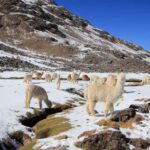
What you’re looking for here isn’t just the textiles—it’s the process and the setting. The experience is built around seeing how alpacas and llamas fit into daily life, plus learning how artisans create fabrics by hand using natural ingredients. It’s also a great place to slow down. You’ll have time for pictures with the animals and for questions about the techniques.
Why I like this stop for most travelers: it gives you something tangible to take home mentally. Machu Picchu is big and jaw-dropping, but Chinchero helps you understand the human side of Andean culture.
Possible drawback: you may want more time for shopping than you get, because you still need to make it to the next sites and your train connection later. If you’re serious about textiles, come ready to commit (and to carry what you buy).
Moray Inca Terraces: the agricultural science that still impresses
Next up is Moray, with that unmistakable “standing in front of ancient terraces” feel. The guide explains the idea of an Inca agricultural laboratory—how different terraces could mimic different climatic zones.
Even if you don’t love history lectures, Moray is one of those places where the landscape does half the explaining. The terraces are visually striking, and the explanation gives them purpose beyond aesthetics.
You’ll usually spend around an hour exploring here. That’s long enough to walk, look closely, and take photos without feeling like you’re rushing through a checklist.
Practical consideration: Moray involves walking on uneven ground. It’s not extreme, but plan for traction and take your time, especially if you’re still adjusting to altitude.
Maras Salt Mines: iconic photo, plus a small cash fee
Then comes Salinas de Maras, the salt ponds still in use today. This is the stop you’ll remember visually for a long time—thousands of small salt terraces cut into the hillsides, all with that checkerboard look.
Your guide helps you with photos, which is useful here because lighting and angles matter, and you’ll want something that actually shows the scale of the ponds.
Two things to know before you go:
- There’s an entry fee for Maras salt mines: PEN 10, and it’s listed as cash.
- You’ll want small bills or coins, because not every payment point is set up for card payments.
Also, this is a great example of how the Sacred Valley day balances wonder with logistics. After photos and a bit of exploring, you move on to lunch and then onward toward Ollantaytambo for your train.


Lunch at Restaurante Tunupa: many choices, and it keeps your day moving
Lunch is at Restaurante Tunupa, and it’s a buffet-style meal. The good part: you’re choosing among a lot of Peruvian dishes—plus there are vegetarian options, so you don’t have to beg the menu to cooperate.
Why a buffet helps on a tour like this: it keeps the day efficient. You get fed without long waiting, and you can move on without worrying that one slow meal will knock you off the train timing.
This lunch is included, which is a real value point because it’s one less expense you’re juggling while you’re budgeting for entry fees.
Ollantaytambo Ruins and the Train to Aguas Calientes: the logistics payoff
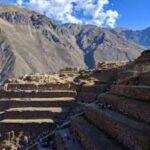
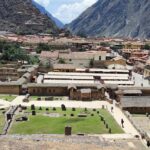
In the afternoon, you visit Ollantaytambo, with its fortified terraces and ruins. The guide explains how it guarded an approach road toward Machu Picchu—so it’s not just a pretty backdrop; it has strategic context.
After exploring, you head to the station and board your train. The ride is about 1 hour 45 minutes through mountainous terrain. You’re traveling in Expedition or Voyager class (your exact carriage depends on what’s available).
Then you arrive in Aguas Calientes, the practical base for Machu Picchu. Your team escorts you to your hotel, and that evening is free for you to explore at your own pace and your own expense.
What I like about this structure: after a big day of driving and ruins, you’re not forced into another group activity at night. You can take a shower, recharge, and sleep with less mental clutter.
A real-life example from the reviews: one traveler’s husband needed extra assistance due to a fall and used crutches. The company arranged extra support so he wouldn’t miss out. That’s exactly the kind of behind-the-scenes problem-solving that matters most on Machu Picchu days.
Machu Picchu Morning With a Guide, Plus Time to Wander
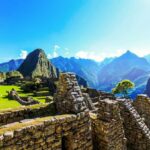
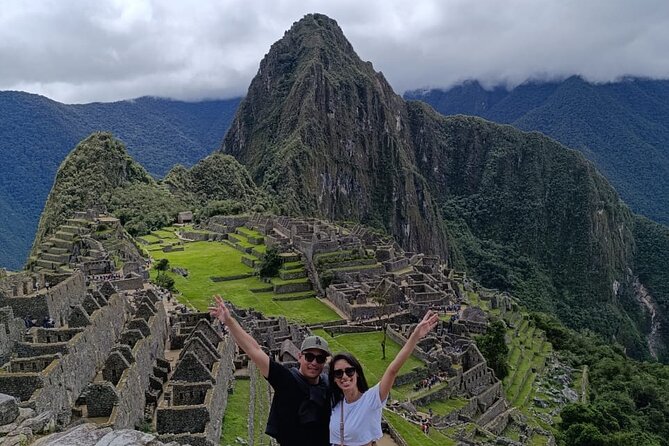
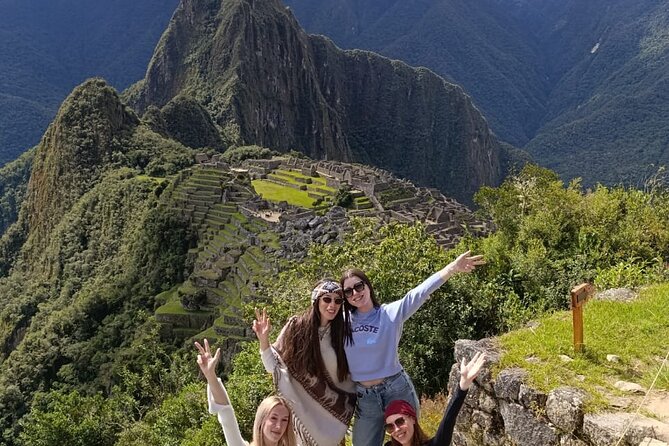
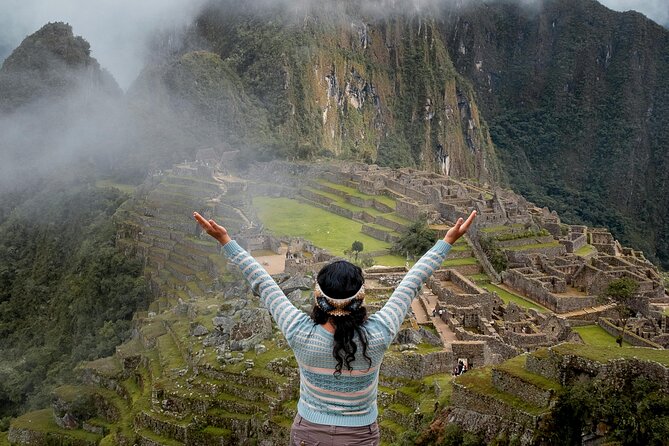
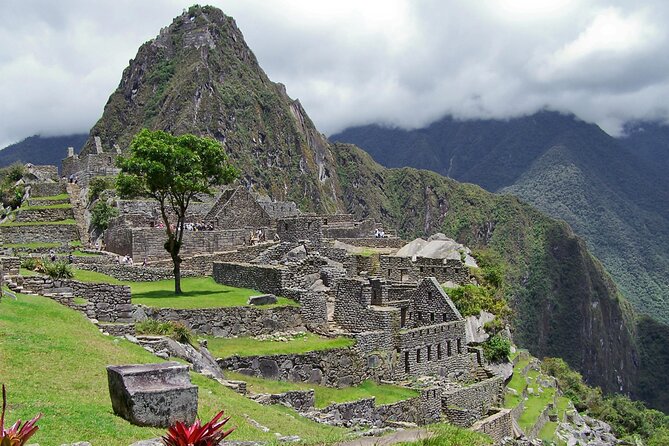
The next morning, you’ll head to Machu Picchu with your guide. The bus ride takes you to the main gate, and then you start the guided walk through the ruins—streets, plazas, stone stairways, and viewpoints that make Machu Picchu feel like a living city rather than a single monument.
Your entrance ticket is included, and it’s based on circuit availability. That matters because Machu Picchu isn’t one fixed path for everyone. Different circuits involve different amounts of climbing and walking.
Here’s where one review tip is especially useful: in one case, the company had tickets for two circuits so the group could choose between the easier circuit 3 and the more climbing-focused circuit 2. If you care about walk difficulty, ask ahead which circuit options you might get, and plan your energy around that reality.
After the guided portion ends, you get extra time to explore on your own. This self-time is where Machu Picchu goes from “sights” to “a moment.” You can linger where you want, take your time around the viewpoints, and slow down if you’re catching your breath.
Then you return by bus back to Aguas Calientes. Lunch on the return is not included, so you’ll want to have a little cash or card ready for food.
The Return Train to Ollantaytambo and Back to Cusco
Your schedule ramps back up after lunch-on-your-own. At the indicated time (around 2:00 PM), you board the train back to Ollantaytambo.
Once you arrive in Ollantaytambo, your transport is waiting to take you back to your Cusco hotel area. The estimated arrival time in Cusco is about 6:00 PM.
This is the part many tours get wrong—showing up late and turning the whole day into a headache. Here, it’s built around getting you back at a reasonable time so you can have a normal dinner in Cusco, or at least not stumble through the evening exhausted.
Price and Value: what $599 gets you (and what you still pay)
At $599 per person, this isn’t a budget sprint. You’re paying for a package: professional English-speaking guide, hotel for 1 night in Aguas Calientes, meals (breakfast plus lunch), and the major transport pieces (train and bus), plus pick-up and drop-off in Cusco.
A quick value check:
- Included: Machu Picchu entrance, round-trip train and bus, guided visits at Chinchero, Moray, Maras, and Ollantaytambo, plus breakfast and lunch.
- Included: 1-night stay in a comfortable 3-star hotel in Aguas Calientes.
- Not included: Sacred Valley entrance fee (PEN 80 per person), plus Maras salt mines entrance (PEN 10 cash).
- Optional: Wayna Picchu hike for USD 40 on request.
So is it worth it? If you’d have to coordinate train timing, ticket timing, and lodging yourself, then yes—the value is mostly in time saved and stress avoided. If you’re the type who loves independent planning and you already know exactly which train, circuit, and hotel combo you want, you might be able to do it cheaper. But you’ll also trade away a lot of the “everything handled” comfort that makes Machu Picchu less exhausting.
Guide Quality I Noticed in Real Stories: Ruben, Luis, Julio Cesar, Edward
The reviews emphasize service, and there’s enough detail to make it meaningful. One traveler worked with a guide named Ruben and mentioned driver Luis handling everything smoothly in a comfortable SUV. Another review highlighted guides Julio Cesar and Edward and praised how they kept the experience on track so things matched what was paid for.
The most useful takeaway for you: this is not a tour where the guide just points and walks. The company appears to support real adjustments—like choosing among Machu Picchu circuits when walking ability differs, and adding support for someone using crutches after a fall.
You don’t have to rely on perfect luck for a smooth trip. The best tours help you plan for the human stuff.
Practical Tips Before You Go (So Machu Picchu Feels Fun, Not Random)
Here are the small choices that can make a big difference on this two-day setup:
- Bring cash for Maras PEN 10.
- Budget extra for Sacred Valley PEN 80 per person.
- If you might want Wayna Picchu, know it’s USD 40 on request. Decide early so it can be arranged.
- Pack for cool mornings in Aguas Calientes and a warmer, sun-up day in the valley. Layers win.
- Plan for walking on stone and terraces. The tour says you should have moderate physical fitness level.
And one more thing: start times are early. If you’re sensitive to altitude or easily get behind on sleep, build in the simple fix—go to bed early the night before your Sacred Valley day starts.
Should You Book This 2-Day Sacred Valley and Machu Picchu Train Tour?
Book it if you want the big Peru win—Sacred Valley plus Machu Picchu—while keeping transportation, lodging, and key tickets handled. This is especially a good match if you’d rather spend your energy taking in the sites than solving logistics.
Skip it (or choose a more flexible option) if you’re trying to minimize walking, hate early starts, or you’re already confident planning trains and Machu Picchu circuits on your own.
If you’re on the fence, think about your main goal: comfort and timing control, or do-it-yourself adventure freedom. This one is built for comfort and good flow—so when the moment arrives at Machu Picchu, you’re not scrambling to make it happen.
FAQ
What is the duration of the tour?
The tour runs for 2 days, approximately.
Where does the tour start in Cusco?
It starts at Plaza Regocijo (meeting point listed near Plaza Regocijo in Cusco).
What time is the meeting/pickup?
The start time is 7:45 AM.
What meals are included?
Breakfast and lunch are included. Dinner and personal expenses are not included.
Is there an overnight stay included?
Yes. You get a 1-night stay in Aguas Calientes in a comfortable 3-star hotel.
Are Machu Picchu entrance tickets included?
Yes. Machu Picchu entrance is included based on circuit availability.
What train and bus travel is included?
Round-trip train and bus travel is included: Ollantaytambo to Machu Picchu to Aguas Calientes, with train class listed as Expedition or Voyager.
Are there any additional entrance fees?
Yes. Sacred Valley entrance is PEN 80 per person, and Maras salt mines entrance is PEN 10 (cash).
Is Wayna Picchu included?
Wayna Picchu is optional and costs USD 40 on request.
What is the group size?
This is a small-group experience with a maximum of 9 travelers.