REVIEW · PUERTO MALDONADO
Sandoval Lake & Parrot Clay lick 3 Days/2 Nights
Book on GetYourGuide →Operated by MonteAmazonico Lodge · Bookable on GetYourGuide
Far enough to feel remote, not complicated.
This 3 days/2 nights trip into Tambopata is built around real rainforest rhythms: early starts, river travel, and animal sightings on the Madre de Dios River. You get guided walks, boat time, and the kind of wildlife viewing that depends on timing, not luck alone.
What I like most is how the itinerary balances effort with payoff. Two things I genuinely love: the Sandoval Lake boat time (birds, monkeys, and often otters or big reptiles) and the parrot clay lick daybreak show, where color comes in waves.
One drawback to consider is that comfort and guiding style can vary. The experience is jungle-simple at MonteAmazonico Lodge, and you should also be ready for a mostly Spanish explanation rhythm if you’re not comfortable in Spanish, based on prior experiences.
In This Review
- Key highlights worth planning for
- Why Sandoval Lake feels like the real Tambopata experience
- Cusco-area logistics and the MonteAmazonico Lodge setup
- Day 1: Monkey Island across the river, then caimans at night
- Day 2: Sandoval Lake rowing safari plus a 30-meter canopy walk
- Night walks and jungle sounds: what to do with the unpredictability
- Day 3: The parrot clay lick and why that wall matters
- Price and value: what $250 really buys (and what costs extra)
- Who this tour suits best, and who should skip it
- Should you book Sandoval Lake & Parrot Clay Lick?
- FAQ
- Is the Sandoval Lake & Parrot Clay Lick tour 3 days and 2 nights?
- What’s included in the price?
- What is not included?
- How big is the group?
- What languages are the guides?
- Do I need a flashlight for any activity?
- Is pickup included?
- Is free cancellation available?
Key highlights worth planning for
- Sandoval Lake on foot first, then a rowing-boat safari where wildlife is the focus, not just scenery
- Parrot clay lick at first light by the river, driven by a simple but important feeding behavior
- Monkey Island right in front of the lodge, so you’re not traveling far just to see primates
- Night caiman search plus night walk, meaning two chances for nocturnal life
- Canopy walkway about 30 meters high, with bird viewing platforms like toucans and macaws
- Small group (up to 10), which helps you hear the guide and move more easily
Why Sandoval Lake feels like the real Tambopata experience
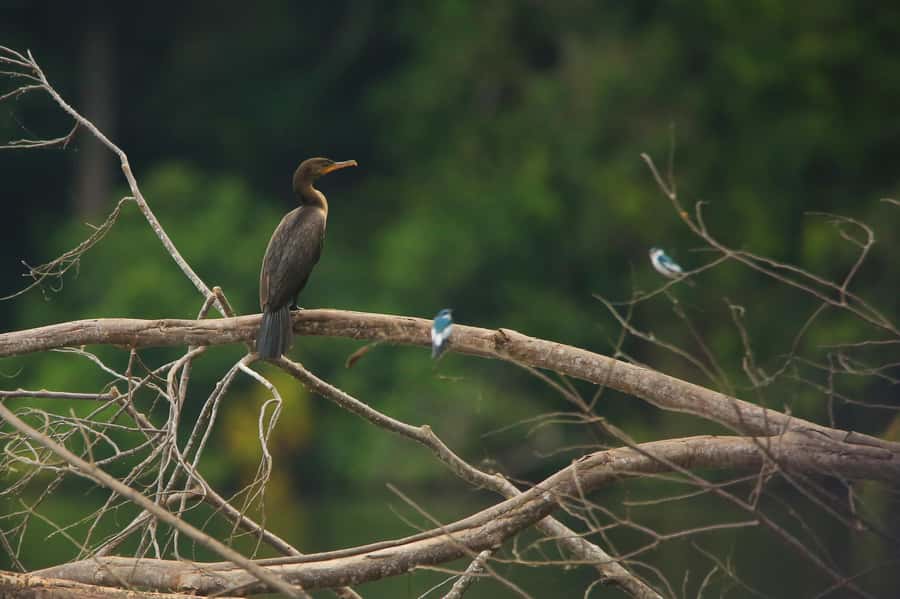
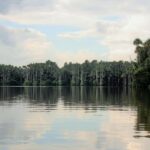
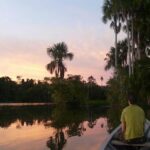
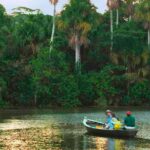
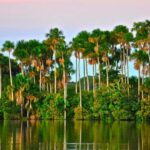
Sandoval Lake is often the highlight for a reason: it’s big, active, and tied to the food chain that brings wildlife around. You’ll start with a check point, then walk about 3 kilometers (roughly 2 miles) before reaching the water. That hike matters. It gets you into the reserve rhythm and makes the lake portion feel earned instead of rushed.
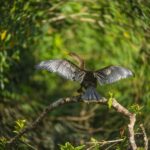
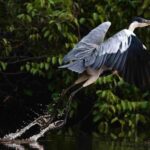
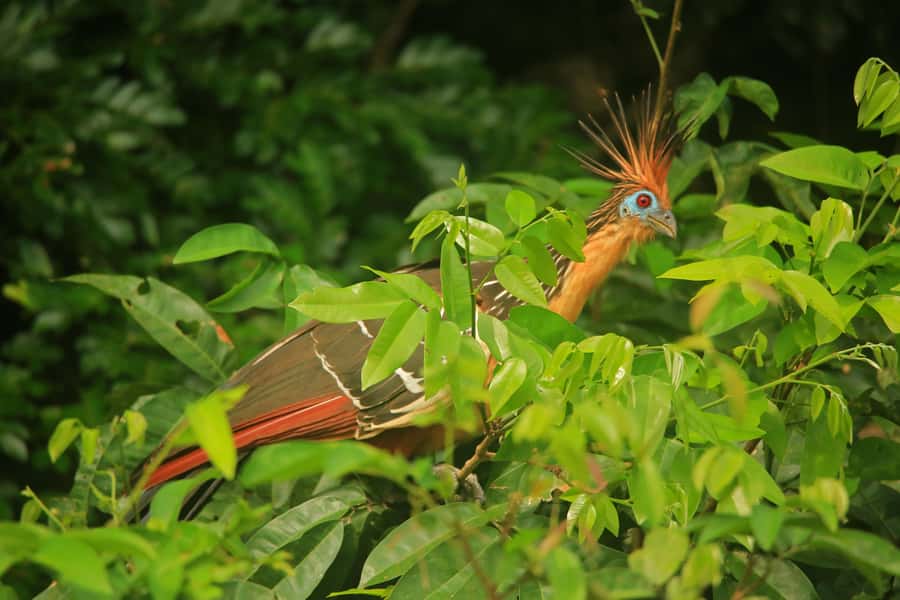
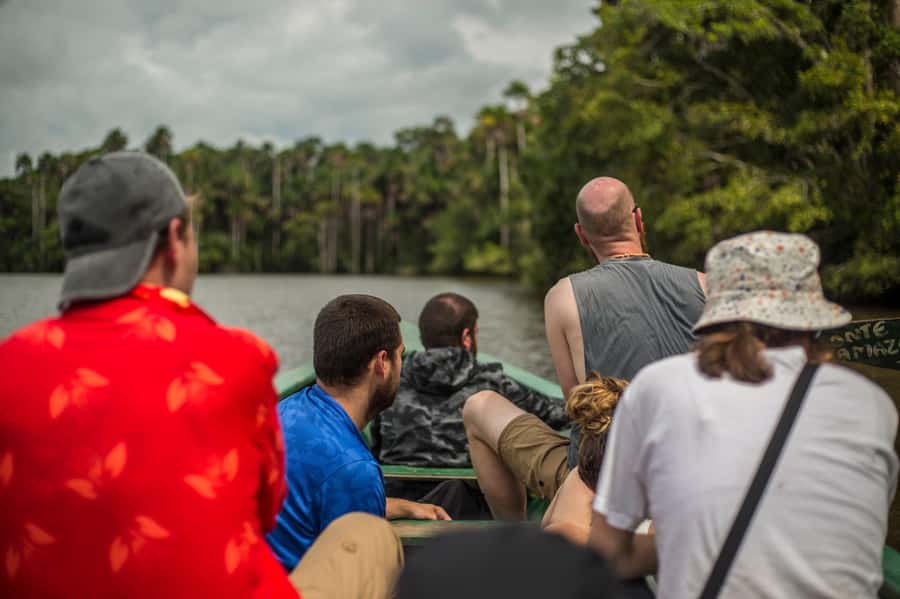
Once you’re on the water, the viewing shifts to the details. You’re not just scanning trees. You’re watching how animals behave around the lake edges and open channels. You might spot species like hoatzin, jacanas, puma heron, and eagles, plus monkeys such as howler and squirrel, along with black capuchin, tamarins, and sloths. The day is built for repetition: boat travel, guide scanning, and short pauses so your eyes can adjust.
One practical truth: even with a good guide, this is not a guaranteed zoo itinerary. Still, Sandoval Lake is as close as you’ll get in Tambopata to consistent wildlife time, because the habitat itself does the work for you.
You can also read our reviews of more tours and experiences in Puerto Maldonado
Cusco-area logistics and the MonteAmazonico Lodge setup
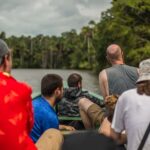
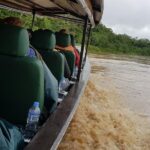
You’ll be met at the airport or bus station and transferred to the lodge office for tour information, then moved onward by boat for about an hour. That river ride is part of the experience, not filler. It helps you transition from “planning” mode to “jungle” mode fast.
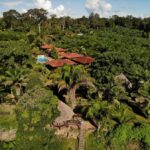
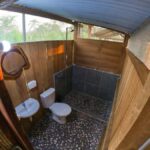
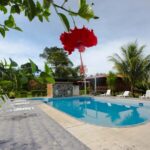
MonteAmazonico Lodge becomes your home base for two nights. It’s described as simple but functional, with what you’d expect in the Amazon: basic comfort, not a modern hotel feel. In at least one account, the lodge experience included mosquito protection (mosquito netting) and the reminder that power and water systems may be limited compared with home standards. Another account highlighted cleanliness and an on-site small pool.
Small-group size (limited to 10) matters here. You don’t feel like you’re being herded. You’re also less likely to get stuck waiting behind a large group while the guide tries to spot something far out on the water.
Day 1: Monkey Island across the river, then caimans at night
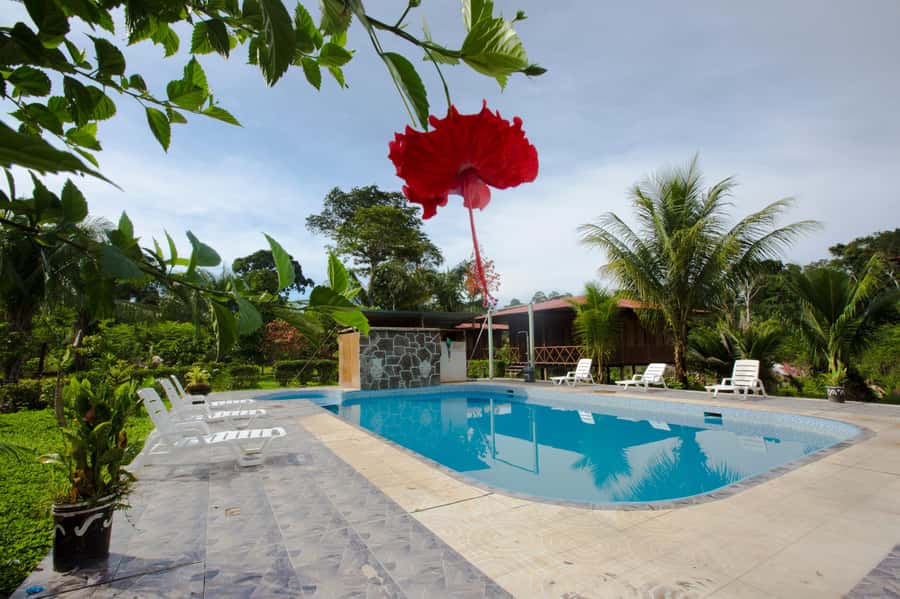
After you arrive and get settled, Day 1 stays light on travel and heavy on first impressions. You’ll start with a welcome meeting and a fruit juice, then lunch, then head to Monkey Island across the Madre de Dios River from the lodge.
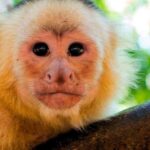
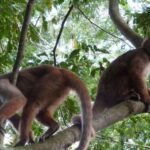
This is a smart design: it reduces the “first day fatigue” problem. Monkey Island is close enough that you can focus on observation instead of constantly moving logistics. Depending on the animals present, you may see brown capuchin, squirrel monkey, saddleback tamarin, and white capuchin. It’s also a good moment to calibrate your expectations. Monkeys often show up through behavior—calling, moving between branches, or staying active near the edges—rather than lining up for photos.
Later, the mood changes. You’ll do a caiman search on the river banks at night. This is where you need to plan like you’re on a field trip. You’ll want a flashlight (it’s specifically mentioned as needed). If you’re lucky, you may spot capybara, the world’s largest rodent, sometimes up to about 60 kilos. You might also see caimans. Even if you don’t, this is still valuable because it trains your attention: eyes adjust to darkness, and you start noticing movement and sound cues.
Then you return for dinner and sleep. And yes, based on actual past schedules, the timing can feel early or intense. Build your energy early on this kind of trip.
Day 2: Sandoval Lake rowing safari plus a 30-meter canopy walk
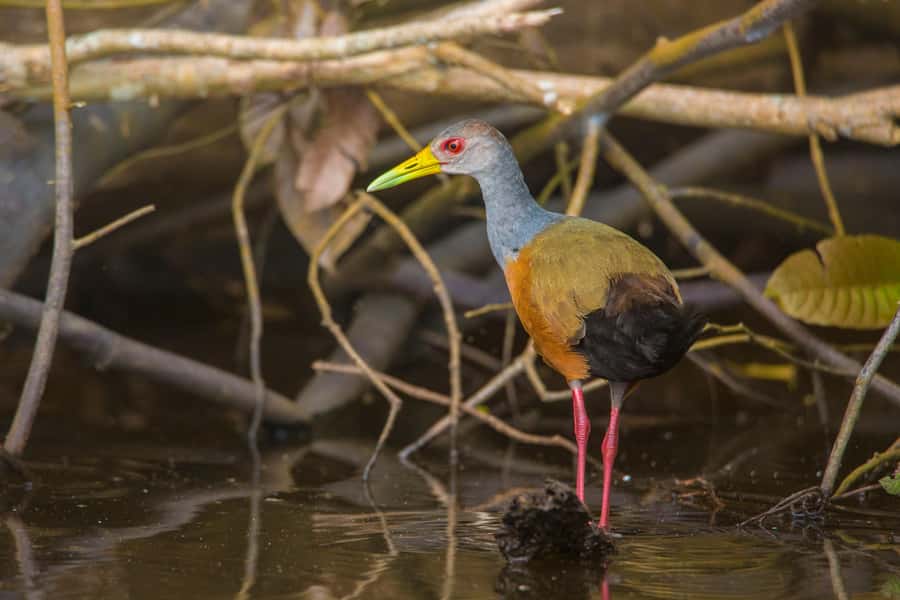
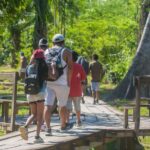
Day 2 begins early with breakfast and a short boat ride to the entrance of Sandoval Lake. After the check point, you walk roughly 3 kilometers to reach the lake. The walk may feel long at the start, but you’ll understand why once you’re there: the lake area is where you shift from rainforest sounds to close-range wildlife searching.
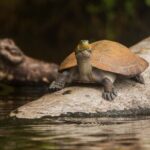
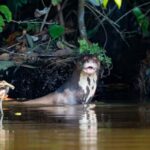
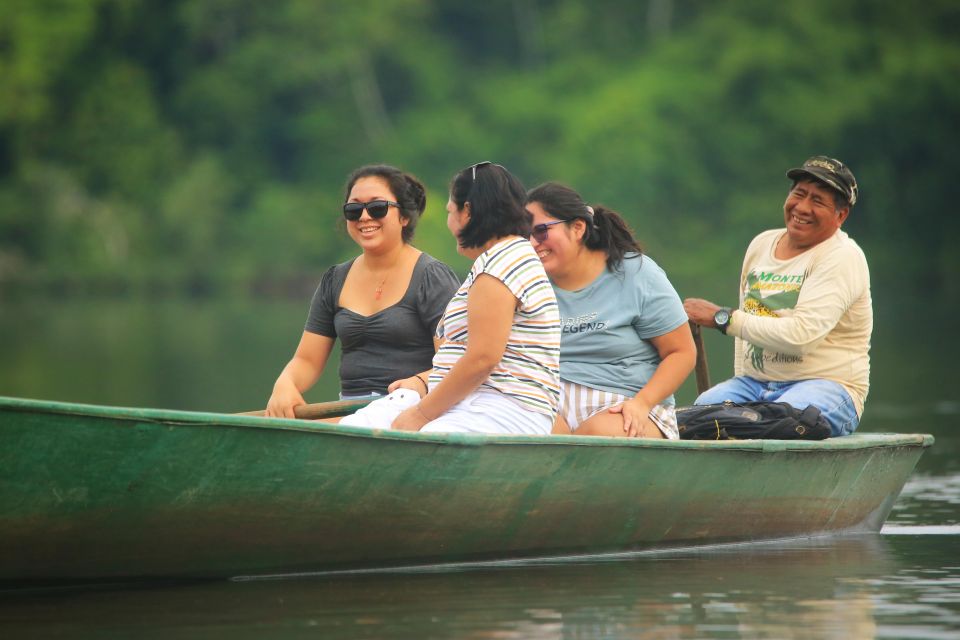
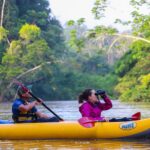
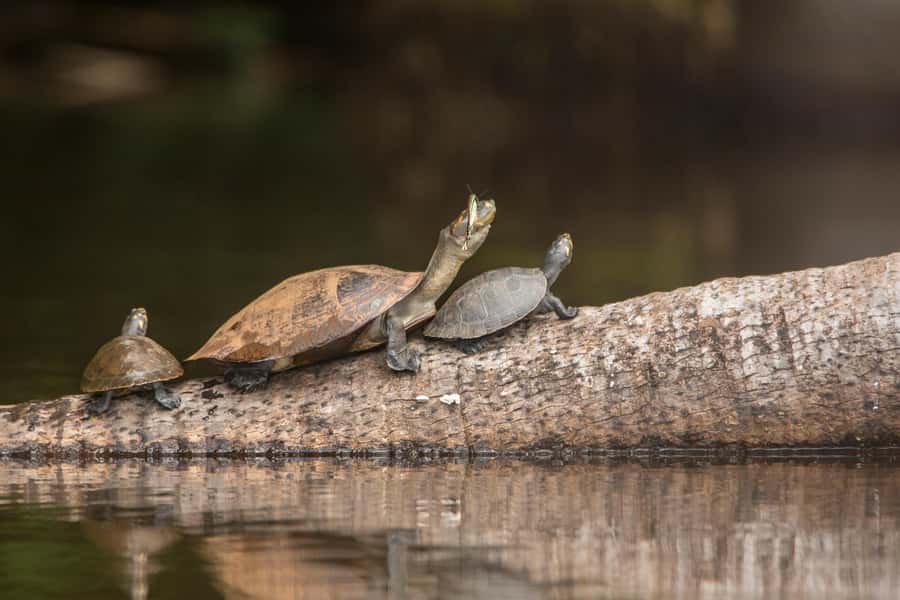
Sandoval Lake is described as a piranha habitat, so the guide is working within a living system that has predators and prey. On the water, you’ll enjoy a navigation experience in a rowing boat, and your guide will look for birds and monkeys such as hoatzin, jacanas, puma heron, eagles, howler monkeys, black capuchin, and tamarins, plus sloths. You also have a chance of seeing giant river otters—nearly two meters long—and they’re described as endangered. And there’s a chance of large alligators as well, noted as over 4 meters.
After lunch back at the lodge, the itinerary switches from water to height. You’ll visit the canopy walkway, with bridges around 30 meters up. This changes your vantage point in a way ground-level forest walks can’t. From platforms, you can observe birds such as toucans and macaws. It’s also calmer than you’d expect. The guide helps you slow down and look at the forest structure: where branches meet, where movement repeats, and how birds use the canopy edges.
Then the night walk happens in the evening. This is where you shift from daytime species to nocturnal life—insects, amphibians, reptiles, and other night animals. If you like nature through textures and small movements, this is often the moment that surprises people.
Night walks and jungle sounds: what to do with the unpredictability
The night portion is one of the hardest sections to “force.” Some nights produce more sightings; other nights produce fewer. Either way, you’ll get value by doing the work of paying attention.
Here’s how to make it easier on yourself:
- Bring patience for slow moments. Night wildlife often appears as brief motion, then disappears.
- Keep your hands and cameras ready but don’t stare blindly into the dark; use the guide’s pointing and scanning patterns.
- Expect insects. The trip is in the rainforest, and even past experiences mention mosquitoes and the need for protective steps.
One important note: one account described a lodge experience with heavy ants and lots of mosquito attention on bed setup. That doesn’t mean it’s your experience, but it’s a good reminder to pack insect repellent and take a moment to check your room before settling in.
Day 3: The parrot clay lick and why that wall matters
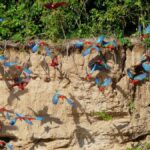
Day 3 starts very early with a boat ride to the parrot clay lick. This part is about a simple biological behavior: parrots come to a clay wall on one side of the Madre de Dios River to eat the clay that supports metabolism.
So you’re not watching random parrots. You’re watching a feeding routine tied to the chemistry of what they eat in the rainforest. That makes the experience feel more than just pretty birds.
When you arrive, you wait in position while birds begin to appear. You’re likely to see parrots of different colors, and the guide can help you understand what you’re seeing as the birds come down and feed. This is one of those moments where the group energy tends to rise, because everyone’s eyes are finally on the same action.
Then you’ll have breakfast and return to the city. And you’ll probably feel the contrast: two intense days of rainforest searching, then a short, memorable morning show that wraps the trip up.
Price and value: what $250 really buys (and what costs extra)
At about $250 per person for 3 days and 2 nights, you’re paying for the full package: lodging at MonteAmazonico Lodge, guidance, transportation, and meals (breakfast, lunch, dinner). You’re also paying for the time and access that get you into the rainforest ecosystem: river transfers, boat rides, lake time, and canopy access.
What’s not included is the Tambopata National Reserve entrance fee (US $20). For most travelers, this is a small add-on compared with the cost of the guides and transport required to make the days work.
Now the honest part: the lodge and meals can run from good to uneven depending on conditions. One account loved the food and described it as delicious with huge portions. Another described food as poor and said the lodge had issues like limited water or basic comfort standards. You should go in with realistic rainforest expectations: no, it won’t be a polished resort kitchen, but it can still be a great base for wildlife time.
If you want strong value, your best bet is matching your priorities:
- If you care most about animals and guides, the structure is strong.
- If you care about hotel-level comfort and consistent meal quality, temper expectations.
Who this tour suits best, and who should skip it
This tour fits travelers who like nature more than “tour-shop” experiences. The small-group size helps, and the mix of daytime and nighttime activities gives you multiple ways to see wildlife.
It’s also a good choice if you enjoy guided interpretation. Some guides are described as professional, passionate, and patient—sharing clear explanations and even cultural anecdotes about life in the Amazon and in Peru. If your guide is strong (names like Julio and Samuel show up in past experiences), the trip feels less like walking and more like learning how the rainforest works.
Who should consider skipping:
- People over 80
- People with recent surgeries
- Babies under 1 year
You should also think about Spanish comfort. Officially, the guide language is Spanish and English, but at least one experience described uneven English coverage compared with Spanish.
Wheelchair accessibility is listed, so it may be possible for some mobility needs, but the itinerary includes walking (including the Sandoval Lake walk), so your real-world suitability depends on your comfort with steps and uneven terrain.
Should you book Sandoval Lake & Parrot Clay Lick?
I’d book this if your goal is a real rainforest program with multiple wildlife windows: Monkey Island early, Sandoval Lake boat time mid-trip, and a parrot clay lick morning finish. The structure is practical, and the key sites are the ones that make Tambopata feel alive.
Skip or book with extra caution if you need consistent lodge comfort, strong English interpretation, or predictably polished meals. Your best outcome comes from going in flexible, insect-ready, and focused on animals rather than resort standards.
If you can handle early starts and simple jungle living, this is one of the more rewarding ways to spend 3 days in the Cusco-area to Tambopata region.
FAQ
Is the Sandoval Lake & Parrot Clay Lick tour 3 days and 2 nights?
Yes. The experience runs for 3 days and 2 nights.
What’s included in the price?
Hosting service, guidance, transportation, transfers between airport and lodge, and meals: lunch, dinner, and breakfast.
What is not included?
Entrance to the Tambopata National Reserve costs US $20 and is not included. Alcoholic drinks are also not included.
How big is the group?
It’s a small group limited to 10 participants.
What languages are the guides?
The live tour guide provides Spanish and English.
Do I need a flashlight for any activity?
Yes. For the night caiman search, you need to bring a flashlight.
Is pickup included?
Yes. Pickup is included, and the team will wait with a sign showing your name.
Is free cancellation available?
Yes. You can cancel up to 24 hours in advance for a full refund.