REVIEW · PUERTO MALDONADO
Tambopata Peruvian Amazon Jungle for Three Days/Two Nights
Book on GetYourGuide →Operated by PVTravel · Bookable on GetYourGuide
Jungle sightings come fast here. I love the Madre de Dios River cruise feel, where you can spot big animals without rushing.
I also love the Lake Sandoval day, with a hike plus a boat ride that turns birdwatching into the main event. One possible drawback: the lodge style is basic and nature can be loud, hot, and bug-prone.
The best part is how the trip balances action with real time in the rainforest. You get early starts, but you also get breaks to digest what you just saw and try again the next day. If you’re easily put off by cold showers or limited water/electricity at night, plan for that now.
In This Review
- Key highlights at a glance
- Tambopata Amazon Jungle, the real deal for 3 days
- Getting to Puerto Maldonado and easing in with lunch
- Canopy zipline at 35 meters: short thrill, big views
- Madre de Dios River cruise: caimans and capybaras from the waterline
- Lodge life in the rainforest: basic comfort with real limits
- Lake Sandoval: the 3-kilometer hike that sets up the lake magic
- The rowboat session: hoatzin to giant river otters
- Evening forest walk: when the jungle becomes a different world
- Clay lick sunrise: parrots and parakeets eating minerals
- Food and timing: what to expect when days start early
- Price and value: why $350 can work for Tambopata
- Who should book this Tambopata jungle tour
- Should you book Tambopata for 3 days?
- FAQ
- How long is the Tambopata jungle experience?
- Where does the trip start and end?
- What’s included in the price?
- What do I need to bring for this tour?
- What time should my flights be for transportation?
- What language are the guides?
- Is this a small group tour?
- Is the tour suitable for wheelchair users?
- Is my travel to Puerto Maldonado included?
Key highlights at a glance
- Zipline at a 35-meter canopy tower for a quick adrenaline hit over the treetops
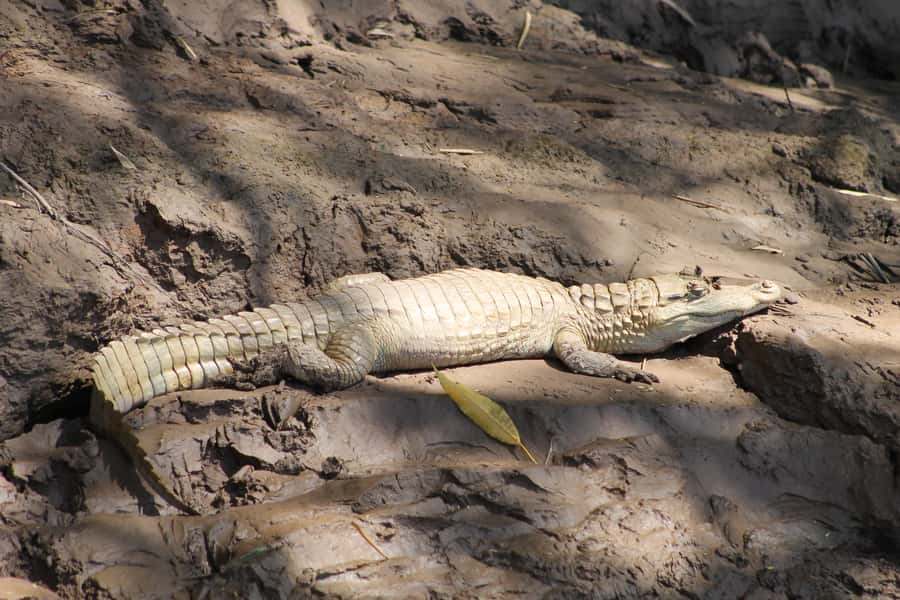
- Madre de Dios River cruise with chances to see caimans resting along the shore and capybaras nearby
- Lake Sandoval hike (3 kilometers) followed by a guided rowboat session on the lake
- Lake Sandoval bird list energy: hoatzin, cormorant, jacanas, herons, eagles, and more
- Night forest walk to look for amphibians, reptiles, insects, and nocturnal animals
- Clay lick sunrise to watch parrots and parakeets eat mineral-rich clay
Tambopata Amazon Jungle, the real deal for 3 days
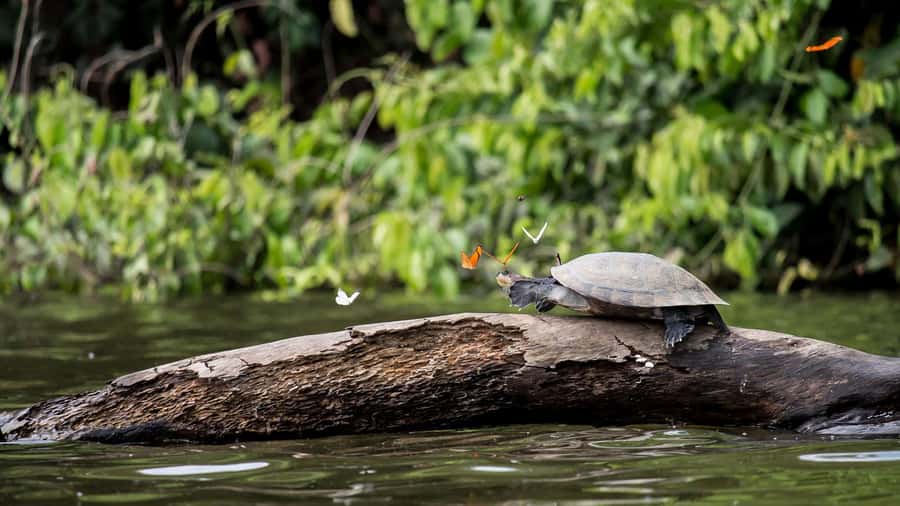
If you want the Amazon without a week-long commitment, this 3 days / 2 nights format hits a sweet spot. You’re not just “seeing trees.” You’re moving through different jungle zones that each reward you in a different way.
I like trips like this because the jungle is unpredictable, but the schedule gives you multiple chances to catch the good stuff. You’ll do a river run for large animals, a lake day for birds and other wildlife, and two land-based sessions where the forest changes completely after dark.
The value also comes from what’s covered. You’re not only paying for guide time—you’re paying for transport between jungle experiences, lodge nights, meals, equipment, and park entrance fees.
You can also read our reviews of more tours and experiences in Puerto Maldonado
Getting to Puerto Maldonado and easing in with lunch
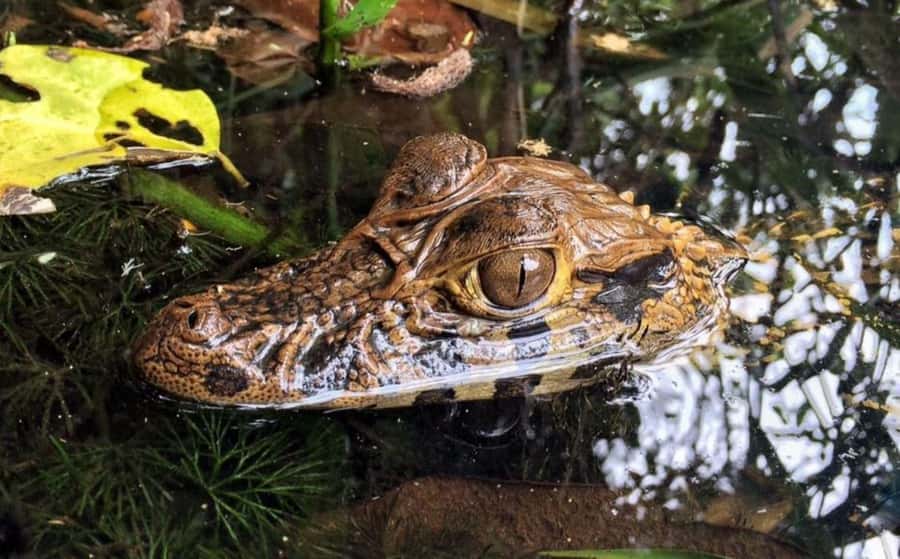
Most days start in Puerto Maldonado, and you’ll meet your guide at the airport or bus station. Then you go straight to lunch, which helps you adjust to heat and humidity without wasting the first hours.
This is one of those small choices that matters. If you’ve been traveling all morning, a “real meal first” approach is a kindness, and it sets you up for an active afternoon.
Once you’re back out on the move, the trip keeps logistics simple: you won’t be trying to figure out local transport once you leave town. That’s part of why a short rainforest tour can feel comfortable.
Canopy zipline at 35 meters: short thrill, big views
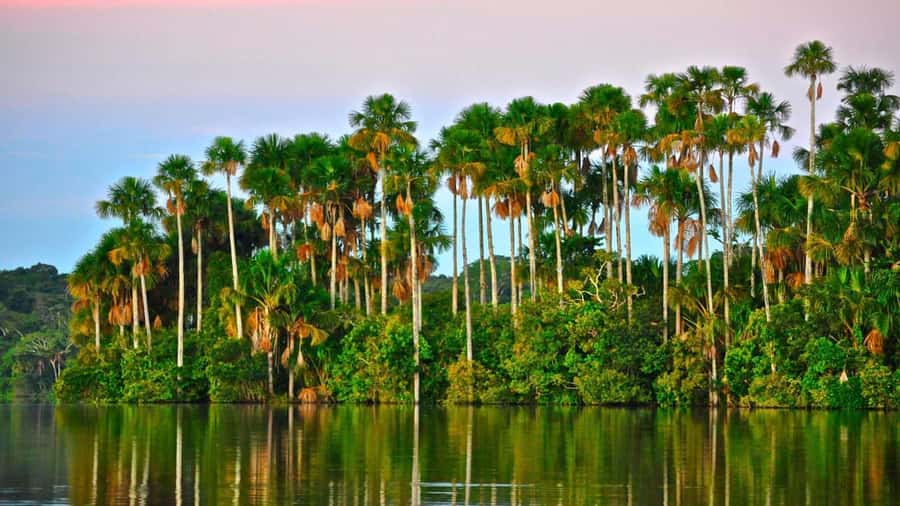
After lunch, you’ll head to a canopy tower and then zipline through the treetops from a height of 35 meters. It’s the kind of activity that gives you an Amazon perspective you can’t get from the ground—layers of forest, movement overhead, and that sudden feeling of air where there should only be leaves.
A zipline is also a nice “confidence-builder” activity in a jungle itinerary. Even if the wildlife is quiet on your day, the view and the motion still deliver.
Bring practical gear mindset here. Wear clothes that dry fast, use insect repellent, and keep sunscreen in your routine. The canopy can be sunny even when you’re surrounded by rainforests.
Madre de Dios River cruise: caimans and capybaras from the waterline
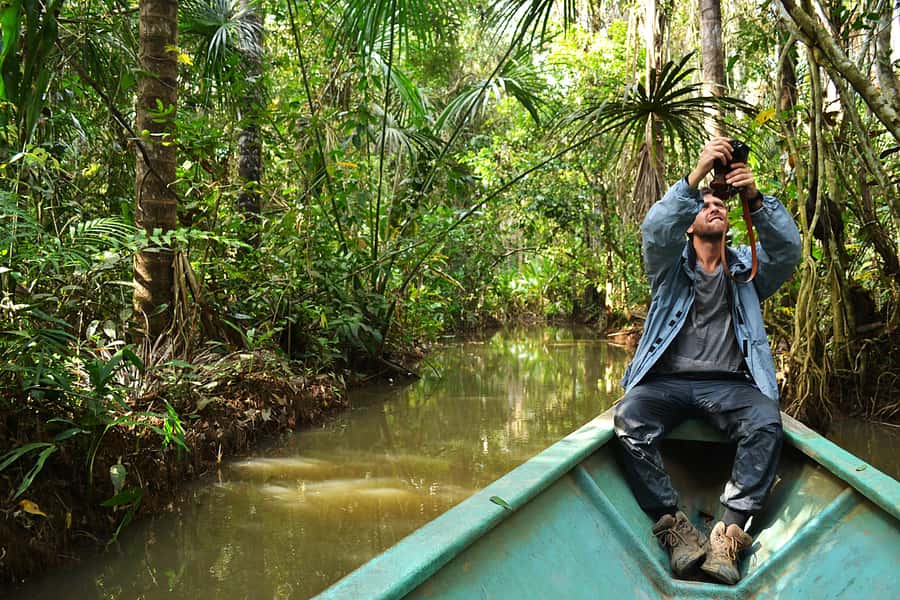
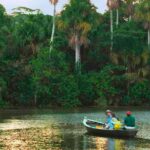
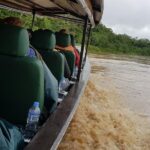
Then comes the river day, cruising down the Madre de Dios River as you enter the Tambopata National Reserve. This is where the Amazon feels both wild and calm—you’re watching from a boat, not hacking through brush.
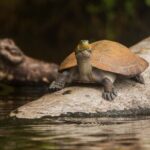
Keep your eyes on the shore edges. The goal is classic but effective: look for caimans resting along the riverbank, plus capybaras, the world’s largest rodents, often nearby in open water margins.
What I like about this section is the pacing. You’re not constantly climbing or pushing through muddy ground. You can slow down, scan slowly, and let the guide’s spotting skills do the heavy lifting.
If you’re bird-focused, the river cruise can also act as a warm-up. You start training your eyes for small movement—then the lake day ramps that up.
Lodge life in the rainforest: basic comfort with real limits
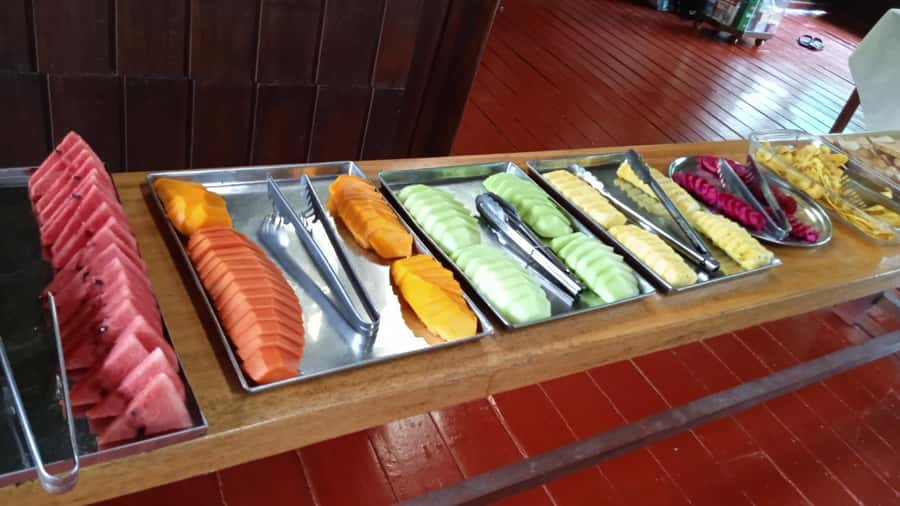
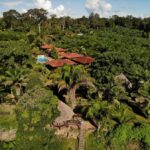
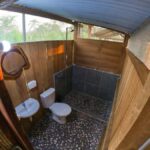
Your evenings are at the jungle lodge, with dinner and sleep back in the forest. Expect a style that’s practical more than luxurious: cabins or huts with essential comfort, screened areas, and the kind of routine that follows nature’s power schedule.
From real stays, here’s what you should plan for:
- limited or timed WiFi, often only during meal times and sometimes only in the dining area
- electricity and internet that may shut off at night
- cold showers being common, because this is the rainforest, not a hotel
- cabins that can be comfortable and clean, but not always “glam”
Some people also noted issues like water or sanitation lapses during certain stays, plus occasional insect bites. That doesn’t mean the whole lodge experience is bad, but it does mean you should protect yourself: repellent, clean clothes, and basic hygiene habits matter.
The upside is the same reason you came. Falling asleep to jungle sounds can feel oddly soothing, and getting to wake up inside the reserve beats commuting from town.
Lake Sandoval: the 3-kilometer hike that sets up the lake magic
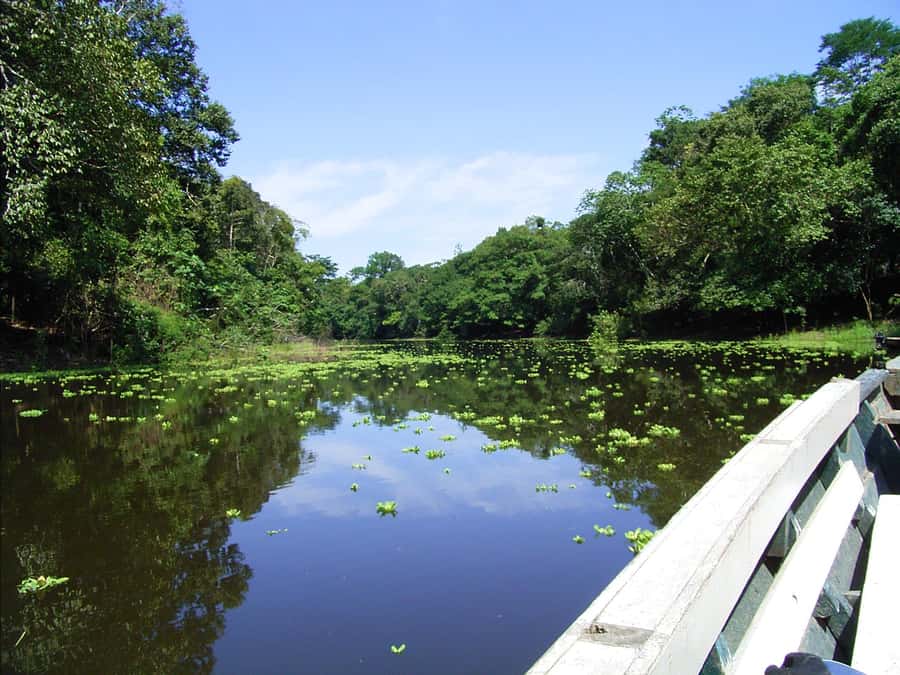
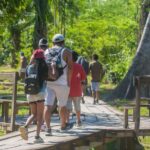
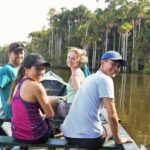
Next morning starts early with breakfast, then a 3-kilometer hike to Lake Sandoval. It’s not a long trek, but it’s far enough to let the rainforest change around you and to build appetite for wildlife spotting.
At Lake Sandoval, the environment is known for native piranha habitat. You won’t be swimming like it’s a beach day, but the point is the lake ecosystem is alive and evolved—predators and scavengers are all part of the food web.
This is also a great segment for anyone who likes animals but isn’t crazy about extreme hiking. It’s “walk enough to get there” rather than “train for a mountain.”
The rowboat session: hoatzin to giant river otters
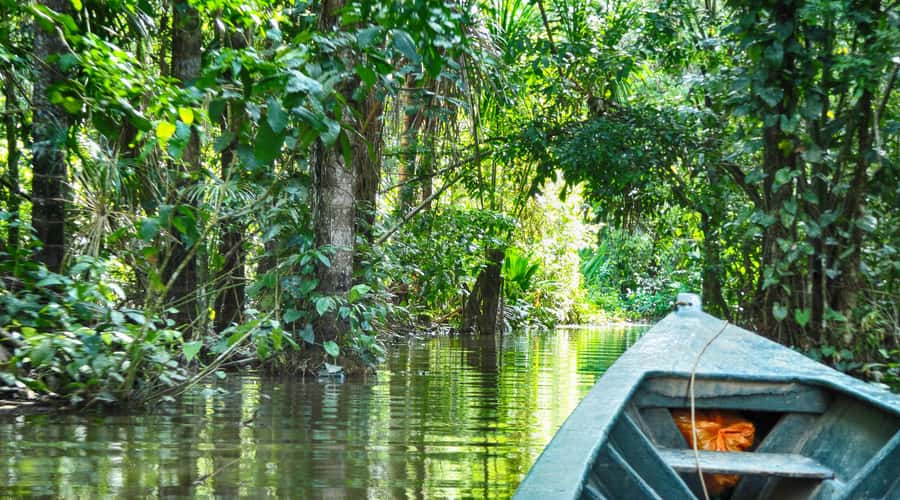
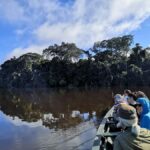
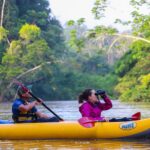
Once you’re at the lake, you’ll get on a rowboat with your guide and scan for birds and animals. This is the session where the rainforest turns into a moving checklist.
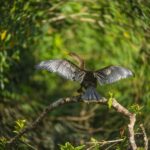
You’ll try to spot birds such as:
- hoatzin
- cormorant
- jacanas
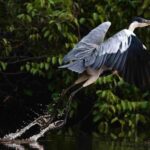
- heron
- eagles
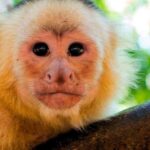
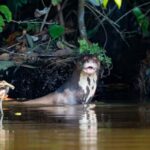
And the animal possibilities expand beyond birds. I like how the trip gives you a realistic range of targets: howler monkey, squirrel monkey, black capuchin, tamarins, sloths, and giant river otters. That diversity is what makes Lake Sandoval so valuable for a short tour.
Wildlife spotting here is all about patience. You don’t need to sprint to see something; you need to watch carefully when the guide slows the boat. If you rely on your guide to interpret movement, this is where that skill pays off.
On previous groups, guides have included people like Ivan, Samuel, Saay, and Jesus (among others). The consistent theme is fast eye-sight plus the ability to explain what you’re seeing in plain language—why a bird is where it is, or how a monkey behaves around the water.
Evening forest walk: when the jungle becomes a different world
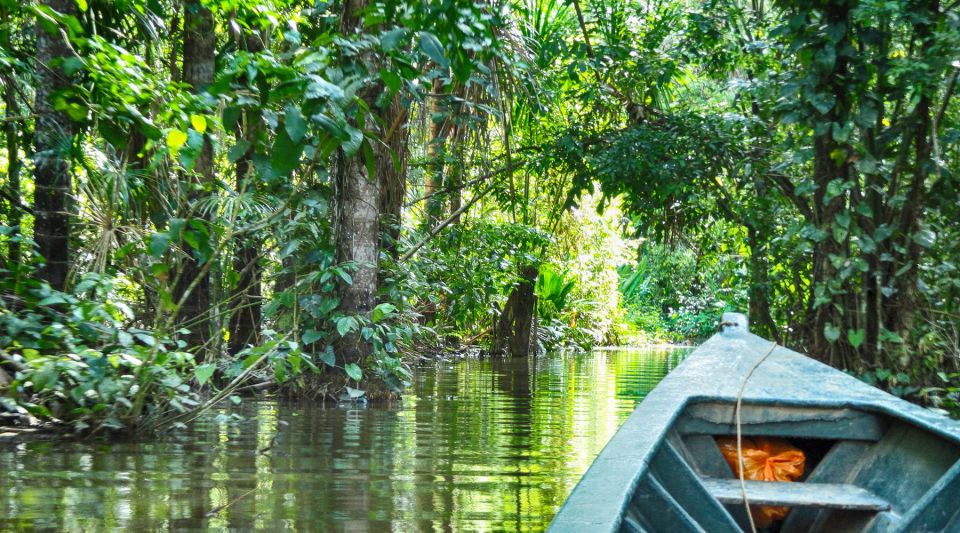
After lunch and a calmer mid-day break, the schedule shifts to night. You’ll do an evening forest walk to look for nocturnal life—insects, amphibians, reptiles, and other night-active animals.
This is worth treating as a separate experience from your daytime spotting. At night, you’re reading sounds and motion more than colors. Bring a flashlight, and expect the ground to be uneven and darker than you’re used to.
If you’ve never done a night walk in the tropics, the soundscape can feel intense. Earplugs can help some people sleep better too, since nighttime calls don’t take a break just because you’re tired.
Clay lick sunrise: parrots and parakeets eating minerals
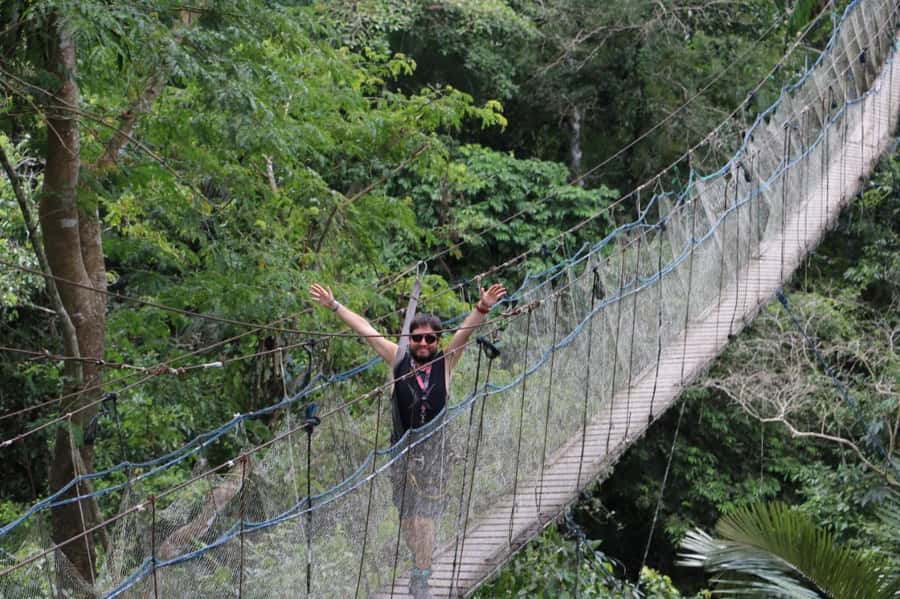
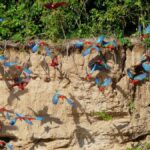
One of the most dramatic morning moments is the clay lick. You rise early and head to watch colorful parrots and parakeets eat mineral-rich clay.
This is one of those natural behaviors that feels instantly meaningful. You see animals doing something specific and rhythmic, not just passing by. Even if you’re not obsessed with bird species, the sheer activity at the clay lick is the draw.
This also rounds out the trip nicely. Your daytime wildlife sessions focus on river and lake edges. The clay lick focuses on a particular high-value resource—salt and mineral needs—so the whole scene concentrates around one spot.
Food and timing: what to expect when days start early
Meals are included: two breakfasts, two lunches, and two dinners. That matters because jungle tours often run on a strict rhythm—early start, a wildlife block, a meal, then another field session.
From what people describe on similar short jungle stays, breakfasts can be the simplest meals of the day, and dietary restrictions are sometimes handled well when you ask ahead. If you’re vegetarian or have special needs, it’s smart to confirm what can be prepared rather than assuming a full menu variety.
Also note the timing reality. You may feel like the day repeats the jungle loop: early activity, then food, then another scan, then sleep. That’s not a flaw. It’s how you fit wildlife opportunities into a tight schedule.
Price and value: why $350 can work for Tambopata
At about $350 per person for 3 days, the price can look steep at first. But check what’s included: pickup, all transportation between jungle activities, two nights’ lodge, meals, excursion equipment, and entrance fees.
So you’re not paying for “transport + guide” only. You’re also paying for park access, scheduled guide-led activities, and the lodge logistics of staying inside the reserve.
What you’re not paying for is your travel to and from Puerto Maldonado (flight or bus). Your return flight also needs to be after 13:00, and your arrival needs to be before 13:00 so the team can move you through the schedule.
For value, I’d judge it like this: if you want a guided program that covers river wildlife, Lake Sandoval birds, night exploration, and a clay lick in just two nights, this price structure starts to make sense. If you’re chasing only one or two animal experiences, you might spend less with a shorter or more custom arrangement—but you’d likely lose the “all-round” feeling.
Who should book this Tambopata jungle tour
This trip fits best if you want:
- a guided wildlife experience with multiple ecosystems in a short time
- action plus downtime, without dealing with jungle logistics yourself
- a small-group vibe and bilingual guidance (English/Spanish)
It’s also a good match if you love learning details—because strong guides don’t just point; they explain. People have credited guides such as Raul and Octavio for making the rainforest feel understandable rather than random.
Two caution flags:
- Lodges are basic and you should accept cold showers and limited creature comforts.
- The jungle can mean insects, heat, and loud nights. Pack like you plan to live outdoors.
Wheelchair access isn’t supported, so this is a walking-focused, terrain-based tour.
Should you book Tambopata for 3 days?
I’d book it if you want the fastest path to a full Tambopata experience: zipline, Madre de Dios River sightings, Lake Sandoval birds and mammal chances, a night forest walk, and the clay lick phenomenon. The itinerary is structured to keep you in wildlife zones across the day and into the night, which is exactly what boosts your odds in an unpredictable ecosystem.
Hold off or at least prepare harder if you’re sensitive to basic lodging conditions or worried about sanitation and water variability. If you do go, bring strong repellent, a flashlight, and the right clothes for heat and rain. You’ll have a better trip because you’ll spend less energy fighting discomfort and more time watching what the Amazon is doing.
FAQ
How long is the Tambopata jungle experience?
It’s listed as 3 days with 2 nights at the lodge.
Where does the trip start and end?
You meet your guide in Puerto Maldonado (airport or bus station depending on the option). At the end, you return to Puerto Maldonado for drop-off at the airport or bus station.
What’s included in the price?
The package includes pickup from the airport or bus station, all transportation between activities, two nights of lodge accommodation, two breakfasts, two lunches, and two dinners, entrance fees, and equipment needed for each excursion.
What do I need to bring for this tour?
Bring comfortable shoes and clothes, insect repellent, a flashlight, and toiletries. It’s also recommended to pack hiking boots, hat, sunglasses, sunscreen, long- and short-sleeve shirts, pants, and shorts.
What time should my flights be for transportation?
Arrival flights must be before 13:00 for transportation. Return flights must be after 13:00.
What language are the guides?
Guides are available in Spanish and English.
Is this a small group tour?
Yes, it lists small group availability.
Is the tour suitable for wheelchair users?
No, it is not suitable for wheelchair users.
Is my travel to Puerto Maldonado included?
No. Flights or bus travel to and from Puerto Maldonado are not included.