REVIEW · CUSCO
Sacred Valley: Chinchero, Moray, Ollantaytambo & Pisac+Lunch
Book on GetYourGuide →Operated by Machupicchu Adventour · Bookable on GetYourGuide
One day, five Inca stops. This Sacred Valley day trip strings together Chinchero textiles, Moray, salt mines at Maras, and the big terrace towns, with a satisfying buffet lunch in Urubamba. I love how the tour turns ruins into stories you can picture, and I also love that lunch is not a sad snack—it’s a real meal that many people call the highlight. The main drawback is that it’s a long, altitude-heavy day with short visits, so if you want slow strolling, you’ll feel the pace.
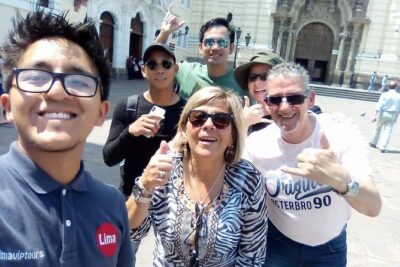
I also like the human touch. Guides such as Victor, Rudy, William, and Guillian are mentioned often, and the best part is how they move between English and Spanish while keeping the day organized. Pickup is from your Cusco hotel, and the tour ends back in the city around early evening, so you can still plan your night.
One more thing to consider: shopping stops are part of the flow (textiles, salt, and an end-of-day shop). If you’re not into that, you may want to treat it as optional time and focus on photos and site time.
In This Review
- Key points worth knowing
- A packed 12-hour Sacred Valley circuit from Cusco
- Chinchero: textiles, a community visit, and what to look for
- Moray: Inca Agricultural Laboratory, explained on-site
- Maras Salt Mines: salt heritage and the reality of a quick stop
- Urubamba lunch: the included buffet that people talk about
- Ollantaytambo: terraces, Sun Temple, and Princess Baths
- Pisac: archaeological park plus the artisan market in town
- Price and value: what $25 covers, and what costs extra
- Getting the most out of the pace (without losing your mind)
- Guides, language, and how the explanations shape the whole day
- What to bring so the day feels easier
- Comfort, safety, and who should consider another option
- Should you book this Sacred Valley Chinchero–Moray–Ollantaytambo–Pisac day trip?
- FAQ
- FAQ
- How long is the Sacred Valley day trip?
- Where does pickup happen?
- Is lunch included?
- Do I need to pay entry tickets separately?
- What language will the guide speak?
- What should I bring for the day?
- Is a drone allowed?
Key points worth knowing
- Chinchero textile visit gives you context for what you’re seeing in the souvenir stalls.
- Moray feels like an Inca science project, an agricultural “laboratory” concept tied to the landscape.
- Maras salt mines add a different kind of heritage than temples and terraces.
- Urubamba buffet lunch is included and is frequently described as a pleasant surprise.
- Ollantaytambo is the Machu Picchu gateway town (even if you don’t visit the citadel today).
- Pisac includes both ruins and an artisan market—great for last-minute gifts.
A packed 12-hour Sacred Valley circuit from Cusco
This trip is a one-day loop through the Sacred Valley’s must-see stops: Chinchero, Moray, Maras (salt mines), Urubamba (lunch), Ollantaytambo, and Pisac. At $25 per person, it’s priced as a value day. The tradeoff is time. You’ll move by shared bus/coach between sites, and most stops are designed to fit into a schedule—think photo breaks, guided time, then a bit of breathing room.
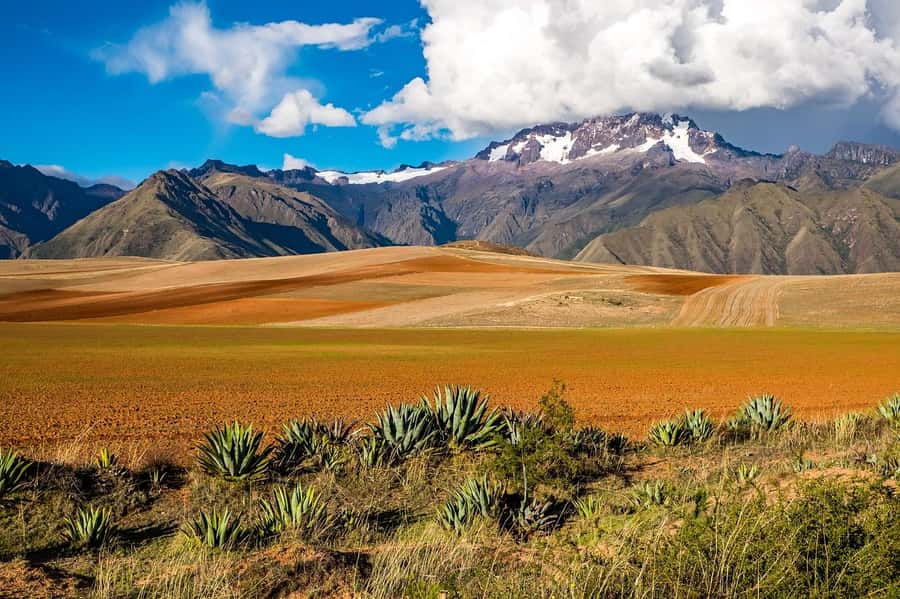
The altitude matters. Cusco sits at 3,350 m (10,990 ft), and multiple stops jump to about 3,762 m (12,342 ft), including Chinchero, Moray, and Maras. Even with a bus between places, you’ll still climb stairs and walk around ruins. If you’re arriving in Cusco for the first time, I’d plan this for a day when you’ve had at least some time to acclimatize, even if that means pushing it later in your trip.
You can also read our reviews of more tours and experiences in Cusco
Chinchero: textiles, a community visit, and what to look for
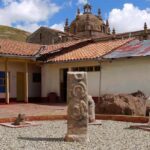
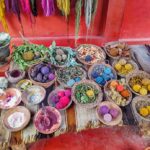
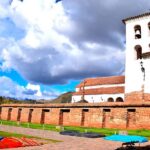
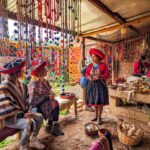
Chinchero is where the day gets personal. You visit a local community and the Textile Interpretation Center, which is the tour’s setup for understanding what you’ll see later in markets. You get a guided look plus time to browse and shop.
This is one of my favorite stops on paper because it connects culture to everyday objects. If you’ve ever wondered why certain weavings cost more than others, a textile-focused stop helps you ask better questions when you’re standing in front of items. People often enjoy the textile demonstration element here, which makes the whole experience feel less like window-shopping.
Practical note: Chinchero is high (3,762 m / 12,342 ft). Wear shoes you can move in comfortably on uneven ground, and expect that even a short walk can feel like more at this altitude. Also, bring some cash if you want to buy something—shopping is part of the agenda.
Moray: Inca Agricultural Laboratory, explained on-site
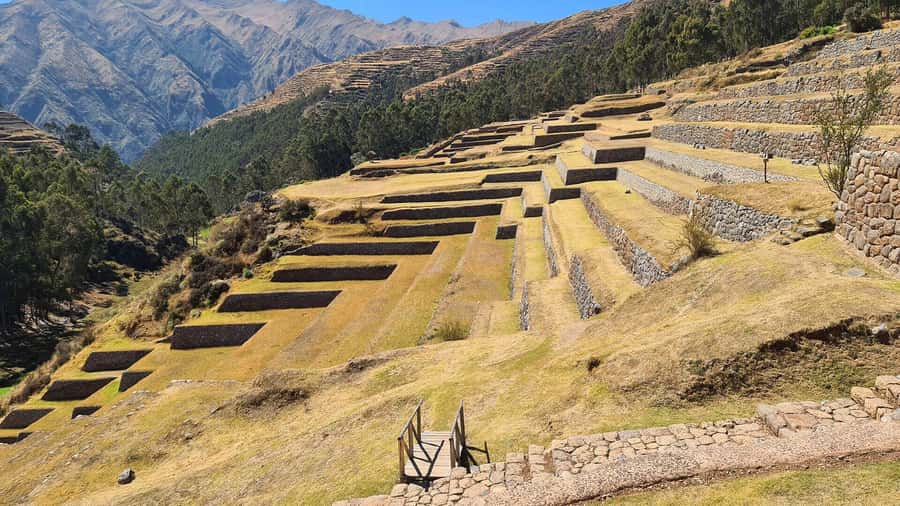
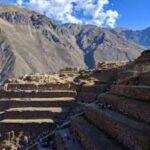
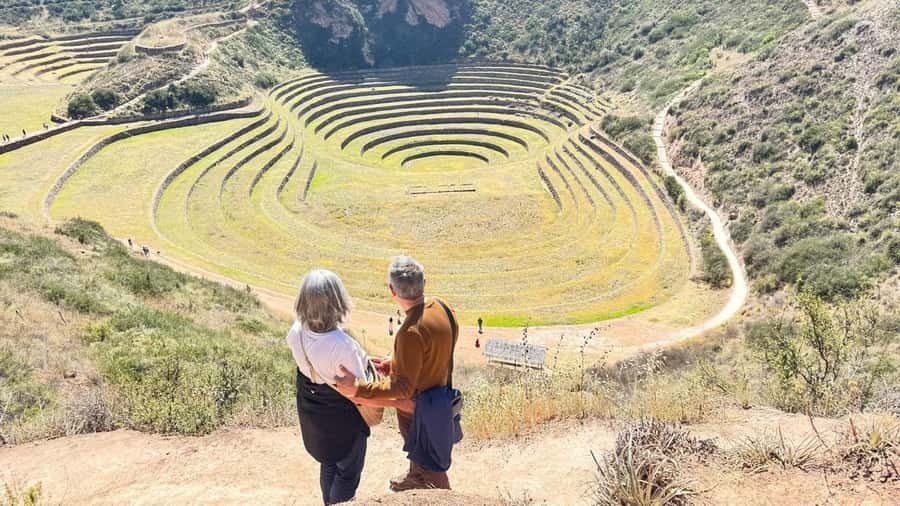
Next comes Moray, often framed as the Inca’s agricultural laboratory. You’ll have time for photos and a guided visit. The key value here is how quickly the guide connects what you’re seeing to the idea of controlled farming.
Moray works best when you treat it like a “question-and-answer” stop: what did the Incas experiment with, and why would a site like this be useful? With a good guide (people mention names like Victor and Rudy), the ruins stop being random stone bowls and start feeling like a system.
Time is the limiter. Your on-site window is not huge, so if Moray is your top priority, go with a mindset of short visits plus sharp photos. Don’t expect a slow museum-style experience.
Maras Salt Mines: salt heritage and the reality of a quick stop
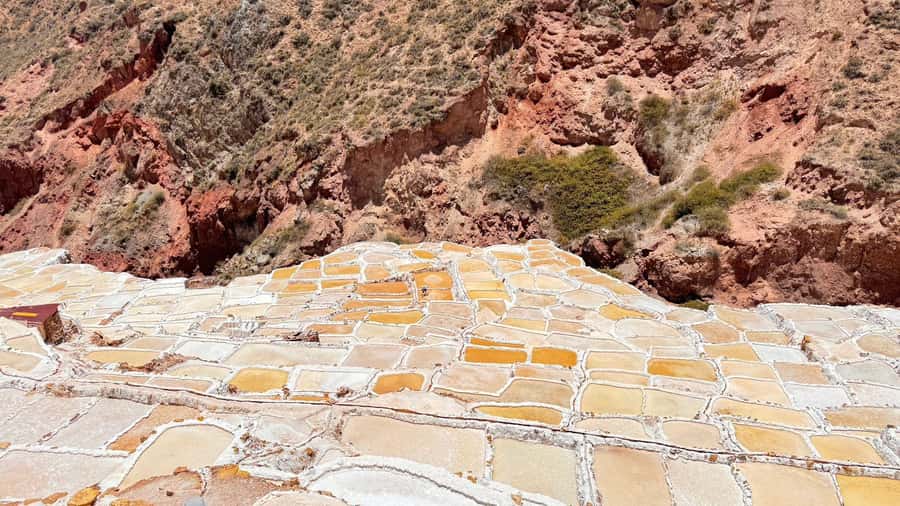
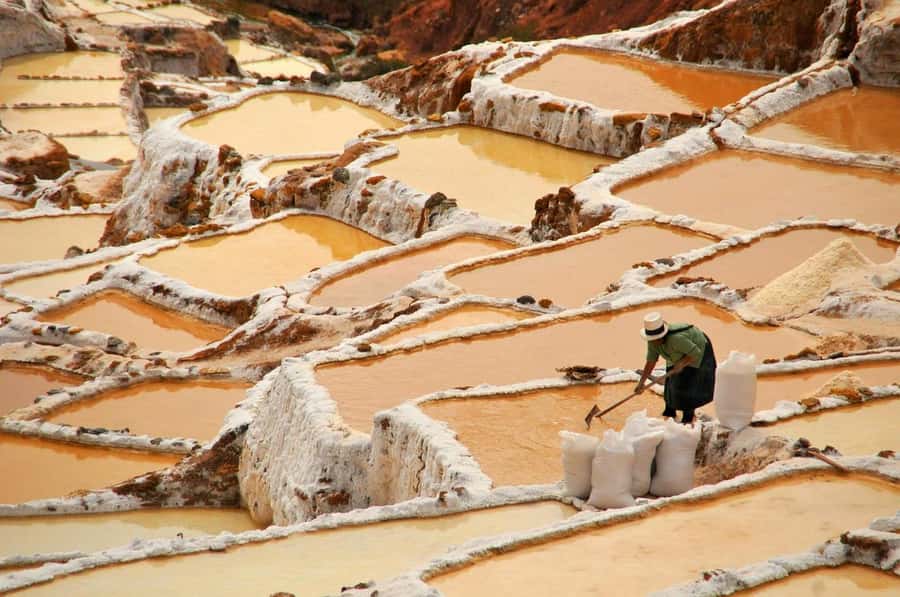
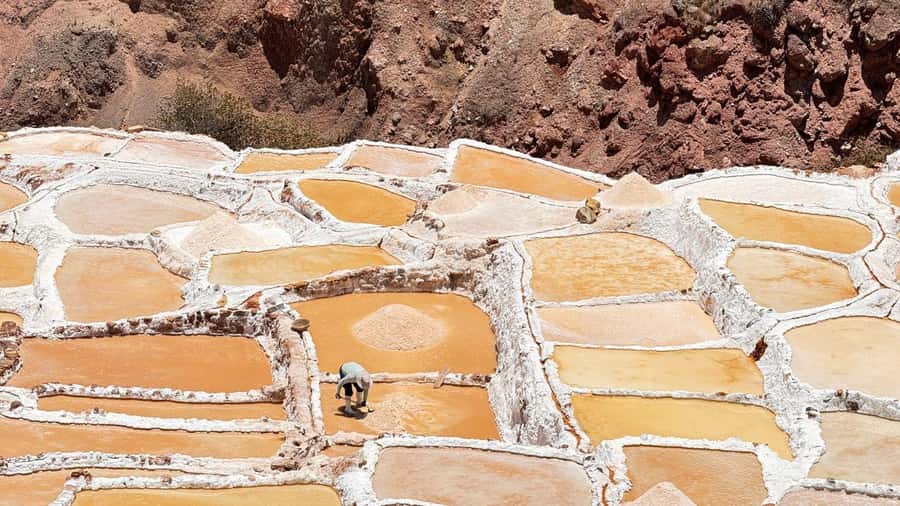
After Moray you pass through the town of Maras and visit the Mines of Salt. Expect a guided stop with photo time. This is a different side of Inca-era heritage than terraces and temples, and that variety is part of why this itinerary holds up.
One caution: salt-mine stops can include nearby sales related to salt products. If you’re mainly there for the historical site, keep your shopping expectations realistic. The salt-mine ticket is not included, so you’ll want cash ready for that add-on.
Urubamba lunch: the included buffet that people talk about
Then you hit the lunch hour in Urubamba, and this is where the day often turns from “scenery run” into “reward.” The tour includes a buffet lunch described as typical Peruvian cuisine, with a Novo Andean buffet style. Reviews frequently call it a huge surprise, and some people highlight that it can come with a view.
I like that this is not just a quick bite. You get enough time to eat properly—plus reset your body after a high-altitude morning. If you have dietary restrictions, note that the buffet format can sometimes be workable. One account mentions options for vegetarian and for someone with celiac needs, which suggests the buffet may offer choices beyond plain default dishes.
Heads-up: entry fees for some archaeological stops are separate, but lunch is included in the tour price.

Ollantaytambo: terraces, Sun Temple, and Princess Baths
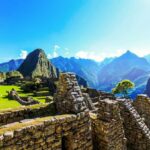
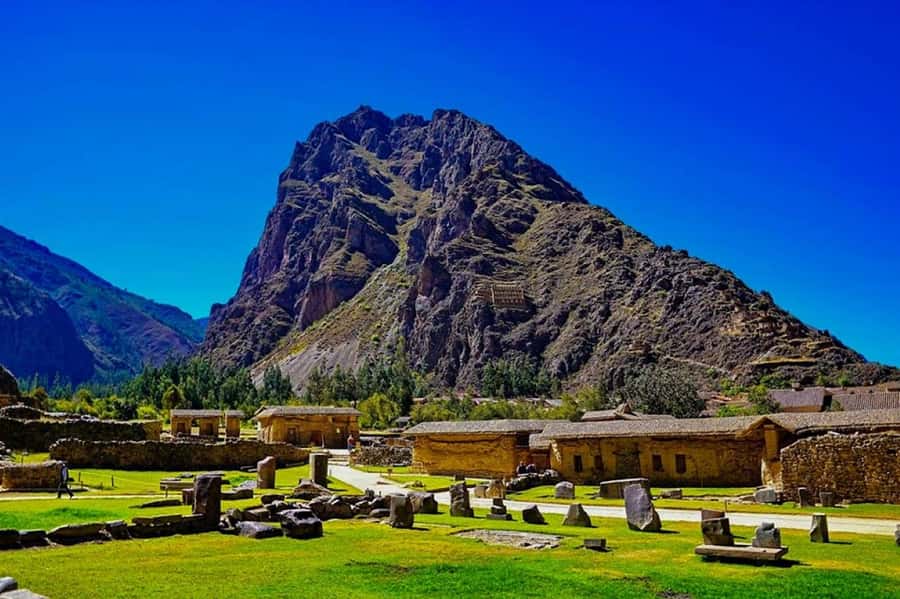
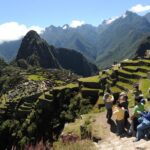
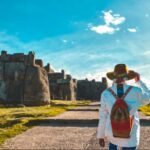
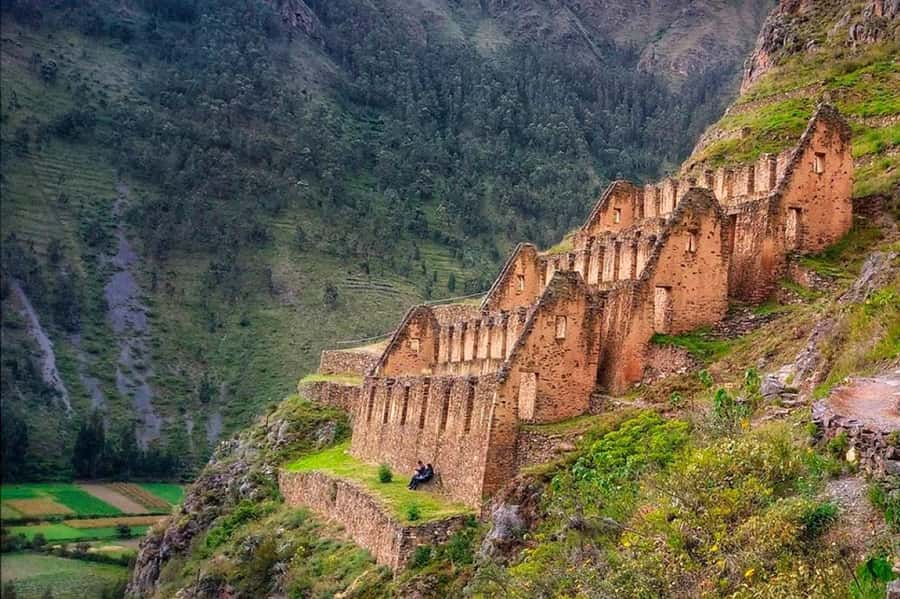
Ollantaytambo is the kind of place that feels important even before the guide starts talking. You get a photo stop and a guided visit with time to explore. This town matters in the Inca world as a tambo, a place to rest, and it’s also described as the starting point to reach the Sanctuary of Machu Picchu—even though your day today is focused on the Sacred Valley.
On-site highlights include:
- Large stone terraces
- The Temple of the Sun
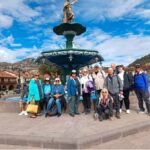
- The fountain of the Princess Baths
This is also a good time to slow down just a bit. Even with a tight schedule, you can usually find spots to step back and look over the stonework—especially if your guide points out what to notice. People often name guides like Victor and Rudy as strong at explaining details here, which helps you see more in less time.
Pisac: archaeological park plus the artisan market in town
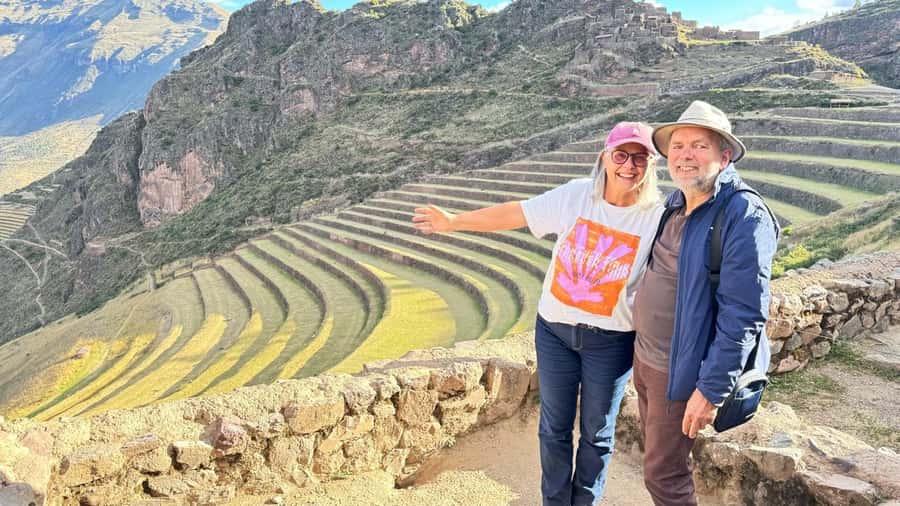
Pisac brings the day into a more photogenic zone. You’ll ascend to the Pisaq Archaeological Site, which sits on top of a mountain. Then you return to Pisac Pueblo for the artisan market, where local residents are described as experts in working with minerals. This is another moment where the tour can feel practical: you see ruins, then you connect that craft energy to what people sell.
Your time at Pisac includes:
- Photo stop and guided tour at the archaeological park
- Free time and sightseeing
- A walk portion
- Time in the market area for browsing and possible purchases
If you’re the type who buys small gifts, this is a good place to focus your spending. Many shopping chances earlier can feel like distractions, so I’d pick a plan: either you shop at Pisac for souvenirs, or you keep it a strict photo stop and save your purchases for when you’re fully awake at the end of the day.
Price and value: what $25 covers, and what costs extra
At $25 per person, this is a budget-friendly way to cover a lot of ground with a guide, transportation, and an included buffet lunch. But the key is understanding the add-ons.
Not included:
- Tourist ticket: 70 soles
- Salt mines ticket: 20 soles
That means your true cost depends on the exchange rate and whether you’ll need both tickets. Still, if you’re comparing what you’d spend on separate guided transport plus site entry plus lunch, the bundled format can make sense—especially if you’re short on time.
The other “hidden cost” is energy. This is a 12-hour day with frequent stops, stair climbing, and repeated altitude changes. If you’re traveling with limited stamina, you may end up paying in fatigue rather than money.
Getting the most out of the pace (without losing your mind)
This tour is designed for efficiency. You’ll spend around 30–50 minutes at many stops, with bus rides in between. That structure can feel fine if your goal is a solid “greatest hits” overview of the Sacred Valley.
If your goal is deep appreciation of each site, you might wish the stops were longer. Some people even note that the schedule can feel like a two-day plan compressed into one. The best way to handle that is to decide what your top two stops are before you go. For many people, that ends up being Ollantaytambo and Pisac, since they’re the most visually dramatic and the most time-flexible on a practical level.
Also, keep in mind that pickup and departure timing can shift slightly. Your meeting point is organized with collection from your hotel about 30 minutes before departure, but the actual “leave” time can run later in a busy schedule. Build in buffer time.
Guides, language, and how the explanations shape the whole day
What makes this kind of route work is the guide. Names that pop up across experiences include Victor, Rudy, William, and Guillian, and the consistent theme is that they know how to talk through what you’re seeing.
A good guide changes how you experience archaeological sites:
- You notice patterns faster
- You ask better questions
- You understand why a place matters beyond the photo
If you get one of the guides mentioned, you’re likely in for energetic storytelling and good bilingual flow between English and Spanish. That’s not fluff. It’s what turns “stone + stairs” into “this is how the Incas used space.”
What to bring so the day feels easier
The tour’s own packing list is simple and smart:
- Passport
- Camera
- Food and drinks (especially useful for your comfort)
- Cash (tickets and shopping)
- Daypack
- Sportswear
I’d also add one personal rule: dress for changing weather. High altitude can feel cold at the start of the day, then warm up as the sun hits. Layers beat one bulky jacket.
Not allowed:
- Drones
- Drinks in the vehicle
- Littering, fireworks, or making fire
Comfort, safety, and who should consider another option
This isn’t a slow, easy walk. Not suitable:
- People over 220 lbs (100 kg)
- Pregnant women
Walking on uneven stone, stairs, and high-altitude oxygen levels are the real reasons. The shared bus helps, but you still do site walking.
If you have mobility limits, this is the kind of itinerary where you might want a slower alternative with fewer stops.
Should you book this Sacred Valley Chinchero–Moray–Ollantaytambo–Pisac day trip?
If you want a single day overview of the Sacred Valley with a real lunch included, I think this is a strong pick. You’ll see the big three types of heritage—craft culture, Inca-era experimentation, and major terrace/temple towns—without needing to plan logistics yourself.
I’d skip or swap to a different style if:
- You hate shopping stops and want zero sales time
- You’re sensitive to altitude or stairs
- You’d rather spend half a day at one site than rush through many
For most first-timers with limited time in Cusco, this tour hits the sweet spot: it’s guided, structured, and good value once you factor in transport and the buffet lunch.
FAQ
FAQ
How long is the Sacred Valley day trip?
It runs about 12 hours from morning pickup in Cusco to an evening return (around 6:30 to 7:00 p.m.).
Where does pickup happen?
You’re collected from your hotel or accommodation in Cusco, with pickup arranged 30 minutes before departure.
Is lunch included?
Yes. Buffet lunch in Urubamba is included, and it’s described as Novo Andean/Cusco-style Peruvian cuisine.
Do I need to pay entry tickets separately?
Yes. The tourist ticket is 70 soles, and the salt mines ticket is 20 soles. These are not included in the tour price.
What language will the guide speak?
The guide provides interpretation in English and Spanish.
What should I bring for the day?
Bring your passport, camera, cash, daypack, sportswear, and food and drinks.
Is a drone allowed?
No. Drones are not allowed on this activity. Drinks are also not allowed in the vehicle.