REVIEW · CUSCO
Cusco: Scenic Route of the Sun to Puno with Buffet Lunch
Book on GetYourGuide →Operated by InkaExpress · Bookable on GetYourGuide
Cusco to Puno can be boring. This one isn’t. A luxury bus takes you along the famed Route of the Sun with guided stops that turn a long ride into a day of churches, Inca temples, and mountain views.
Two things I really like: first, the itinerary hits big names without you doing homework, especially Andahuaylillas and Raqchi. Second, the comfort extras matter—hot drinks, A/C + heating, a clean onboard bathroom, and even an oxygen tank on board. One potential drawback: it’s a very early start and the day is packed, and you’ll need to pay entrance tickets on arrival for the main sites.
Key Highlights You’ll Feel in Real Time
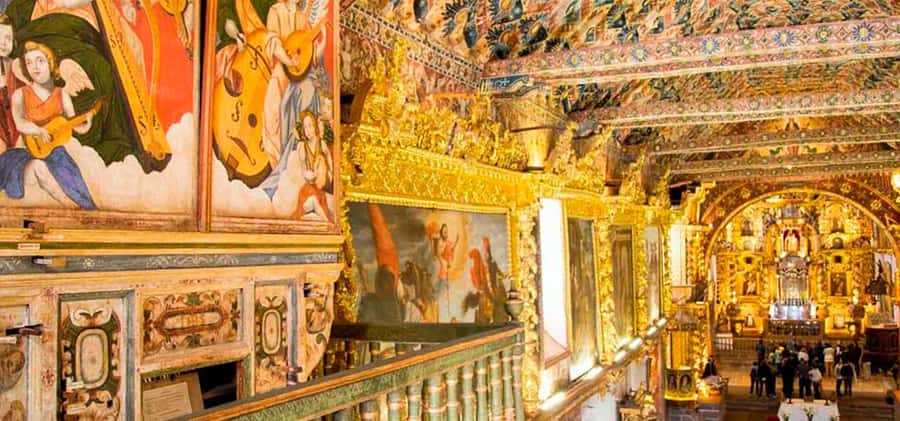
- Andahuaylillas Church: Jesuit-era frescoes and gold details (the Sistine Chapel of America nickname fits)
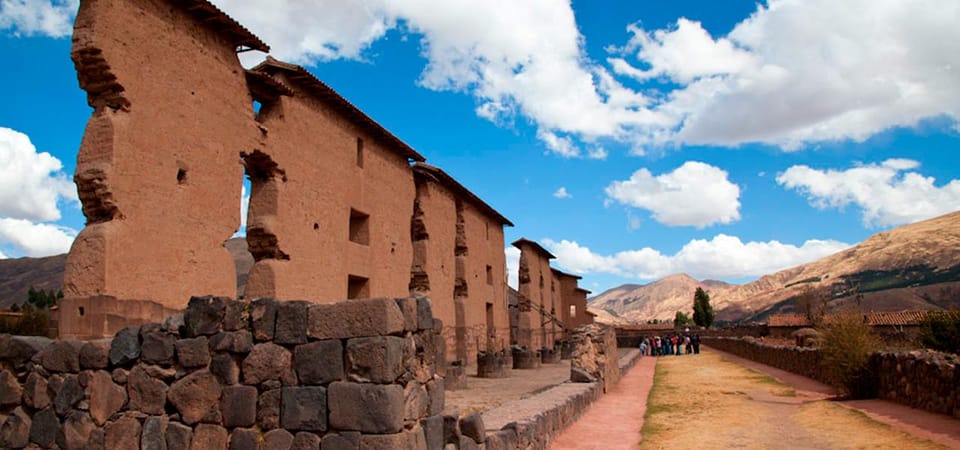
- Raqchi Temple of Wiracocha: towering 15m-high walls and lots of room for great photos
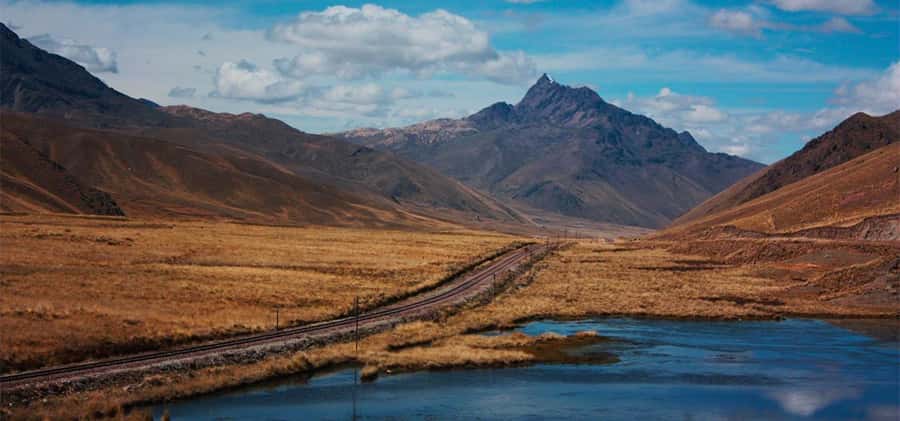
- Abra La Raya: a quick hit of panoramic Andes views at the highest point on the route
- Pucará Museum: artifacts and stories from 500 BC to 200 AD
- Buffet lunch in Marangani (Sicuani): Andean dishes plus desserts and herbal infusions
- Onboard comfort: heating & A/C, hot/cold drinks, and an oxygen tank
In This Review
- Cusco to Puno in 11 Hours: A Guided Ride Instead of Just Transit
- Early Morning Departure: What the Day Starts Like (and Why It Works)
- Andahuaylillas Church: Frescoes, Gold Leaf, and the Sistine Chapel of America
- Raqchi’s Temple of Wiracocha: 15-Meter Walls You Can Actually See
- Lunch in Marangani (Near Sicuani): Andean Food, Desserts, and Herbal Infusions
- Abra La Raya: A Fast Photo Stop at the Highest Point on the Route
- Pucará Museum and Lithic Museum: The Stories Behind 500 BC to 200 AD
- Comfort Details That Make a Long Day Feel Manageable
- Tickets, Price, and Why This One Costs What It Costs
- Who This Tour Is For (and Who Should Think Twice)
- Should You Book the Route of the Sun Bus to Puno?
- FAQ
- How long is the Cusco to Puno tour?
- What time does the bus depart from Cusco?
- Where is the meeting point in Cusco?
- Is breakfast included?
- What food is included?
- Are entrance tickets included for the sites?
- Which stops are included on the route?
- What’s included for onboard comfort?
- Does the tour have a live guide?
- Can I cancel for a refund?
Cusco to Puno in 11 Hours: A Guided Ride Instead of Just Transit
If you’ve got limited time in southern Peru, this is an efficient way to move from Cusco to Puno without turning the day into pure sitting. The core idea is simple: you take the bus, but you also get guided stops along the way—so you’re learning and looking at real sites, not just passing them.
The day is built around four main guided moments (plus museum time): Andahuaylillas, Raqchi, Abra La Raya, and the Pucará Museum / Lithic Museum area. The guide keeps the context flowing—who built what, why it mattered, and what to notice when you’re standing there with your camera.
Comfort is also part of the deal. This isn’t a basic bus slog. You get heating & A/C, hot drinks like tea, coffee, coca tea, and other herbal infusions, plus cold drinks like Coca-Cola, Inca Kola, and mineral water. There’s also a clean bathroom onboard. For a long day at altitude, that combination helps you actually enjoy the stops instead of just surviving the ride.
Early Morning Departure: What the Day Starts Like (and Why It Works)
The departure is early. The schedule lists a 6:40 AM bus departure from the terminal at Av. Alameda Pachacuteq 499-B. The pickup note says to be at the terminal 30 minutes before departure, so plan for an early arrival window rather than rolling in last minute.
That early start is the trade-off for the extra sightseeing. You’ll be doing the first church visit in the morning and then pushing on through the pass and museum before reaching Puno around 5:30 PM.
Practically, this means you should treat the morning like part of the tour, not downtime. Wear layers. The Andes can be sunny one moment and chilly the next, especially at higher viewpoints. Bring a phone charger for photos, and keep your essentials easy to reach when you’re transitioning between bus and sites.
Also note: the trip does not include breakfast. You’ll want to eat before you go, or you may feel the early hours more than you’d like once lunch is still a few hours away.
You can also read our reviews of more tours and experiences in Cusco

Andahuaylillas Church: Frescoes, Gold Leaf, and the Sistine Chapel of America
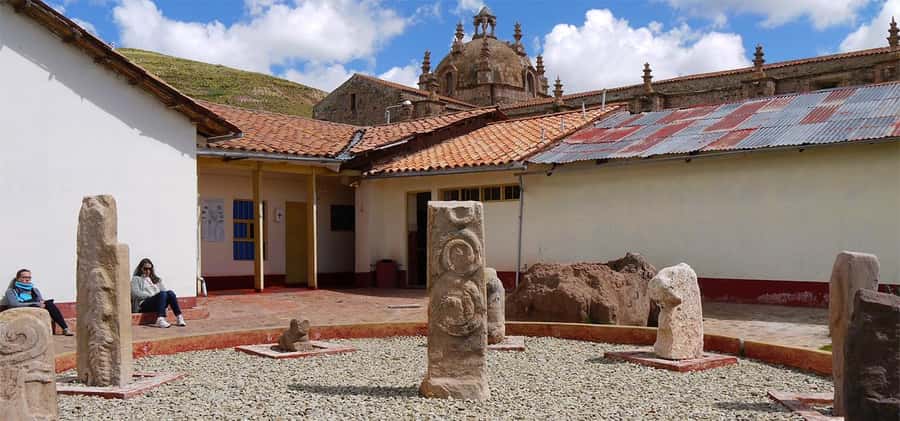
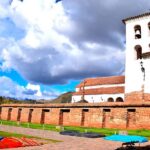
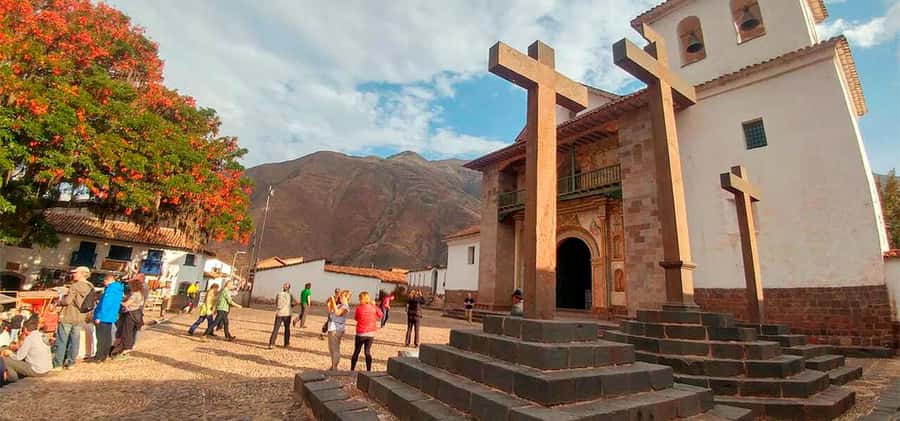
At 7:40 AM, you’ll reach Andahuaylillas for your first guided stop. This is the church that earned the comparison to the Sistine Chapel of America. It’s a 16th-century masterpiece associated with Jesuits, built on top of an older Inca sacred site. The big visual draw is the wall art: vibrant frescoes and intricate designs with gold leaf details.
What I like about this stop is that it gives you a strong contrast to the Inca sites later in the day. You start with Spanish colonial-era Catholic art, but you’re also reminded that the location itself carries older Indigenous significance. The guide’s job here is to connect those layers so you don’t just see pretty paintings—you understand why the church looks the way it does.
Time-wise, you’ll have about 45 minutes for photo stops and guided sightseeing. That’s enough time to take in the frescoes, but not so long that you feel stuck. Entrance tickets for Andahuaylillas are not included, so you should expect to pay the ticket in person as part of the experience.
One more useful note: there can be rare adjustments if a church is temporarily unavailable due to damage concerns. When that happens, the operator may route you to another church with impressive frescos—so the big idea remains: you still get that “wow” interior art experience.
Raqchi’s Temple of Wiracocha: 15-Meter Walls You Can Actually See
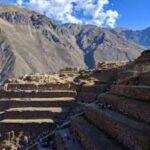
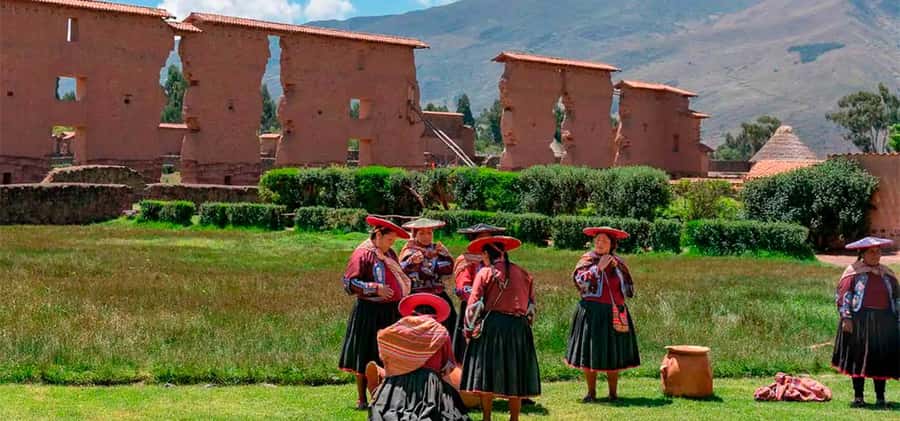
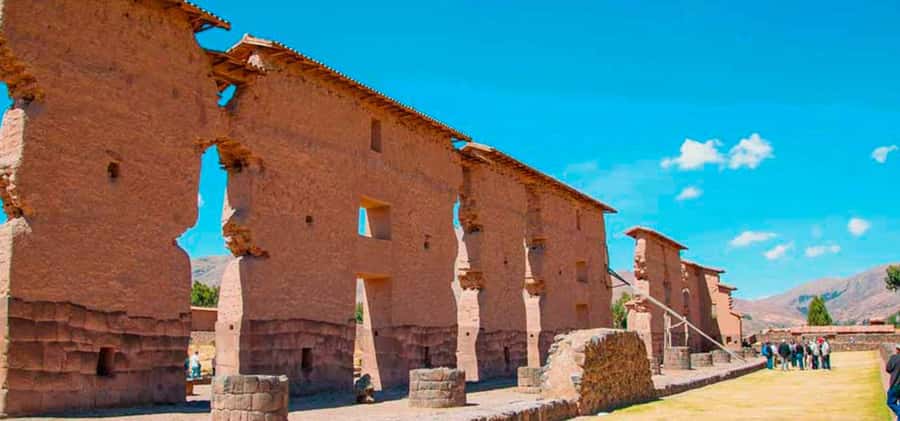
Next up is Raqchi (around 10:15 AM). This stop is about the grand Inca-scale idea of an honor place for the invisible Superior God of the Andean people—built by an Inca emperor to worship Wiracocha.
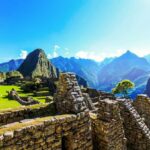
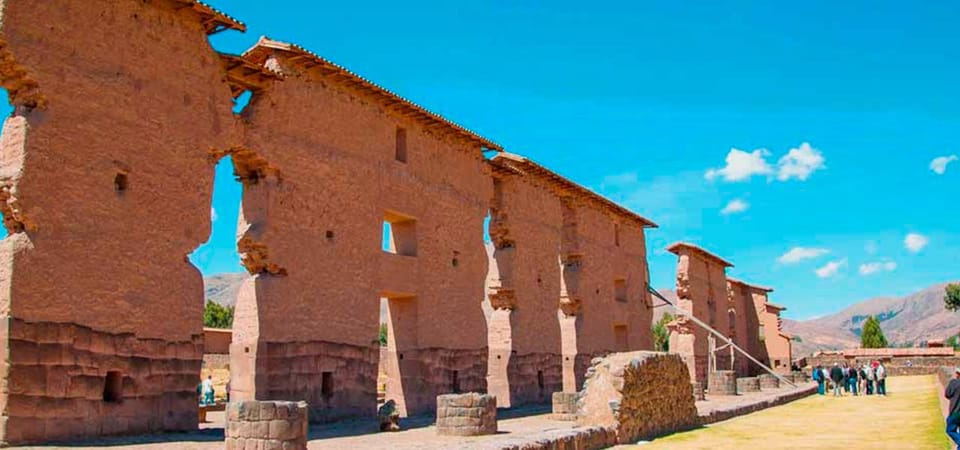
The headline feature is hard to miss: the Temple of Wiracocha has massive 15-meter-high walls. Even if you’ve seen Inca ruins before, this one has a sense of scale that hits you when you’re standing nearby. You’re not just looking at scattered stones; you’re surrounded by a structure that once aimed to be monumental.
You’ll get guided time for the archaeological complex and photo opportunities. The guide can also help with what to look for in the ruins, which is important here because you’re walking a site that is both historical and partially “broken open” by time.
Entrance tickets for Raqchi are also not included, paid in person on arrival. Plan for that and keep some cash or a payment method ready. The benefit of paying on the spot is that it supports the local management tied to these sites, rather than a ticket counter feeling like a separate transaction.
Lunch in Marangani (Near Sicuani): Andean Food, Desserts, and Herbal Infusions
By about 11:35 AM, you shift from ruins to real-life fuel: lunch. The lunch stop is in Marangani – Sicuani, and it’s a buffet with traditional Andean dishes.
Here’s what’s listed for the buffet:
- tender beef
- chicken
- fish
- sides
- warm and raw salads
- desserts
- herbal infusions
I like buffet lunches on road days because they reduce decision fatigue. You can pick what sounds good without waiting for a plated meal. And because it’s served as a spread, you can also sample a bit of everything when you feel like it.
There’s also a practical reason to enjoy this lunch: your next stop involves a big viewpoint moment, and after that you’ll still be walking through museum spaces. A 50-minute lunch slot is enough time to eat and reset—just don’t count on leisurely lingering like it’s a restaurant weekend.
If you’re sensitive to spice or have a specific dietary requirement, this buffet format means you’ll need to pick carefully from what’s on offer. The menu isn’t described as vegetarian-only or anything like that, so use the buffet choice to fit your comfort.
Abra La Raya: A Fast Photo Stop at the Highest Point on the Route
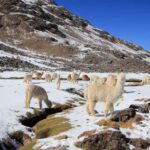
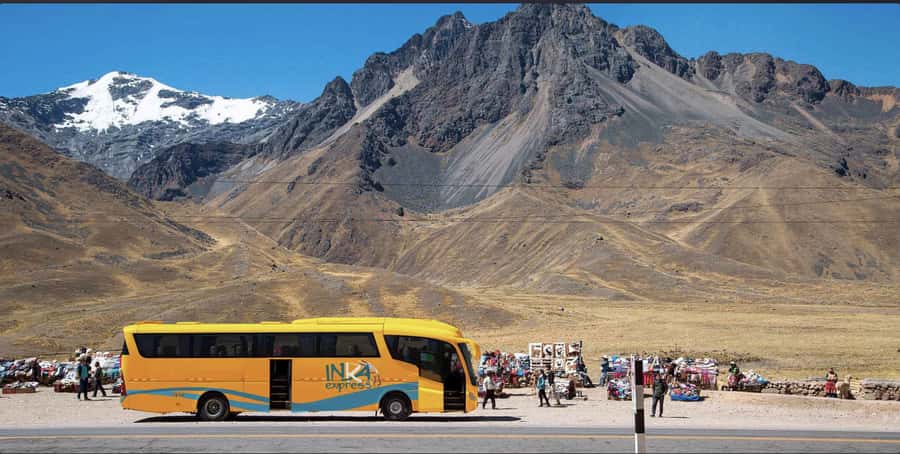
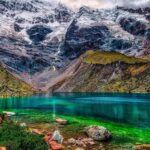
Around 2:15 PM, you’ll reach Abra La Raya, described as the natural border between Puno and Cusco. This is your highest point stop, and it’s built for quick awe.
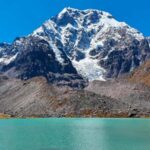
You get a panoramic viewpoint moment: snow-capped peaks and rolling hills. Expect wind. Expect fast weather changes. And expect that your time here is short—about 10 minutes for photo stops and guided sightseeing.
This is a place where the guide matters less than your timing. You want to be ready at the viewpoint edge, camera working, lens cap off. The goal here isn’t a long walk; it’s a snapshot of the Andes scale before you keep rolling.
If you’re prone to taking 200 photos, give yourself a simple plan: one wide shot, then a couple of tighter frames. You’ll get the best results without losing the group.
You can also read our reviews of more tours and experiences in Cusco
Pucará Museum and Lithic Museum: The Stories Behind 500 BC to 200 AD
Your last major guided visit is at Pucará around 3:20 PM. This is where the day shifts from big scenic moments back to deep-rooted Indigenous civilization.
At the Pucará Museum, you’ll learn about the origins and development of Andean civilization—spanning 500 BC to 200 AD. The guided tour focuses on what life looked like there: priests, artisans, and warriors, plus the kinds of artifacts you’d see in a place that once functioned as an active hub.
There’s also mention of a Lithic Museum of Pucará being included. In practice, this means you’re likely seeing stone-focused displays as well, which helps explain how materials and craftsmanship shaped everyday life and ceremonial culture.
Time-wise, you get around 45 minutes of photo stop and guided sightseeing here. That’s enough to understand the main themes and walk away with a clear sense of what Pucará contributed historically.
And then, around 5:30 PM, you’re back on the clock for the finish: arrival in Puno at the bus terminal near Lake Titicaca. That’s a nice ending because the lake gives you a calming shift from hours of high-altitude looking.
Comfort Details That Make a Long Day Feel Manageable
On a long Cusco to Puno route, comfort isn’t a luxury detail—it’s part of whether you enjoy the stops.
This experience includes:
- heating & A/C
- a clean bathroom onboard
- hot drinks (tea, coffee, coca tea, herbal infusions)
- cold drinks (Coca-Cola, Inca Kola, mineral water)
- oxygen tank on board
The oxygen tank matters to me because it shows the operator understands the altitude factor on this route. It’s not a magic cure, but it’s a reassuring onboard option to have if you need it.
Also, the bus is described as very comfortable in the feedback: smooth driving, no rattles, and a feeling of control on the road. That kind of steadiness matters when you’re trying to enjoy mountain views and not fight motion.
Finally, there’s guidance that helps the group stay moving. You may see the team handle small timing issues smartly, like splitting the group so some people can use the facilities while others continue the museum portion. That’s one of those behind-the-scenes moves you only notice when it works well—and it’s genuinely helpful on a tight schedule.
Tickets, Price, and Why This One Costs What It Costs
The listed price is $44 per person, and the duration is 11 hours. At face value, it seems “reasonable” for a luxury bus day with multiple guided stops and lunch.
But here’s the part you need to calculate correctly: entrance tickets are not included for Andahuaylillas, Raqchi Complex, and Pucará Museum. The total entrance fee listed is 53 soles, about $13. So you should mentally budget closer to $57 all-in once those tickets are paid on arrival.
Now for the value side. You’re paying for more than transport:
- private luxury bus to Puno
- professional bilingual guides
- guided visits to Andahuaylillas, Raqchi, La Raya, and the Lithic Museum of Pucará
- buffet lunch
- onboard drinks and bathroom access
- heating & A/C and an oxygen tank
- ticket-line help for included stops (so you’re not wasting time waiting)
If you were to try this on your own, you’d be buying transport, paying for tickets separately, and doing scheduling and route planning yourself. That’s doable, but it takes time and energy. This tour compresses it into one organized day with guided context.
Who This Tour Is For (and Who Should Think Twice)
This day works best if you:
- want a Cusco to Puno travel day that doubles as sightseeing
- prefer guided explanation over reading signs on your own
- care about comfort for an all-day ride (A/C, bathroom onboard, drinks)
- are okay with extra costs for site entrances once you arrive
You might think twice if you:
- hate early mornings and long days
- want lots of free time at each stop (some moments are short, especially Abra La Raya)
- are counting on breakfast being included (it isn’t)
This is also a solid choice for first-time visitors to this part of Peru who don’t want to research each stop individually.
Should You Book the Route of the Sun Bus to Puno?
I’d book it if your priority is an easy, guided path from Cusco to Puno that still feels like you experienced something meaningful along the way. The combination is strong: Andahuaylillas for art and atmosphere, Raqchi for Inca scale, Abra La Raya for quick Andes views, and Pucará for the history of an early Andean center—then you land in Puno on time for Lake Titicaca plans.
The main things to watch are simple: start early, expect a packed schedule, and budget for the entrance tickets you’ll pay in person. If that works for you, this is a good value way to turn transit into a memorable day.
FAQ
How long is the Cusco to Puno tour?
It lasts about 11 hours.
What time does the bus depart from Cusco?
The schedule lists a 6:40 AM departure from the terminal at Av. Alameda Pachacuteq 499-B. You should also plan to arrive about 30 minutes early.
Where is the meeting point in Cusco?
The listed departure terminal is Av. Alameda Pachacuteq 499-B.
Is breakfast included?
No, breakfast is not included.
What food is included?
You get a buffet lunch, plus onboard drinks during the ride.
Are entrance tickets included for the sites?
No. Entrance tickets for Andahuaylillas, the Raqchi Complex, and the Pucará Museum are not included and must be paid in person on arrival. The total listed is 53 soles.
Which stops are included on the route?
Guided visits include Andahuaylillas, Raqchi, Abra La Raya, and the Lithic Museum of Pucará (with Pucará Museum time as well).
What’s included for onboard comfort?
The bus includes heating & A/C, a clean bathroom onboard, hot drinks and cold drinks, and an oxygen tank.
Does the tour have a live guide?
Yes. You’ll have a live bilingual guide in Spanish and English.
Can I cancel for a refund?
Yes. You can cancel up to 24 hours in advance for a full refund.