REVIEW · CUSCO
Pisac Indian Market and Ollantaytambo Fortress with Lunch
Book on Viator →Operated by VIPAC Travel · Bookable on Viator
Sacred Valley ruins and a real market—on the same day? This trip strings together Pisac’s local barter market and Ollantaytambo’s Temple of the Sun with a bilingual guide, plus a buffet lunch in between, so you get both culture and countryside views without planning a thing.
In This Review
- What I loved the most
- One thing to consider before you go
- Quick hit key points
- From Cusco to Pisac: how the Sacred Valley day actually starts
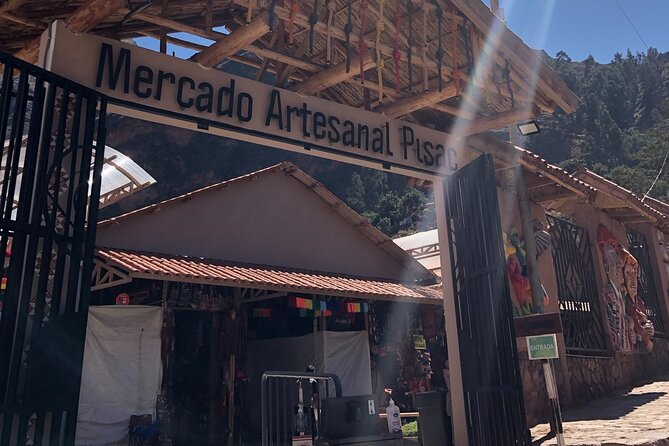
- Pisac Market: barter, textiles, and what a Sunday mass looks like
- Sunday detail worth catching
- A gentle caution: alpaca demos and jewelry stops
- The buffet lunch stop: where the day regroups
- Ollantaytambo Fortress: the Temple of the Sun and why the stones matter
- Ticket note you must check
- What makes the guide matter at Ollantaytambo
- Walking and timing: making the day feel easy instead of tiring
- Price and value: what your $84 is buying (and how to get the most)
- Who this tour fits best
- Should you book this Pisac and Ollantaytambo day trip?
- FAQ
- What time does the tour start?
- How long is the tour?
- What’s included in the price?
- Is the Ollantaytambo entrance ticket included?
- Is lunch vegetarian or does it include drinks?
- How big is the group?
- Is cancellation free?
- Is a passport or ID required?
What I loved the most
I really liked the way the day balances people-watching with history. Pisac Market gives you hands-on time to browse textiles and souvenirs, and I found the market explanations actually useful for understanding what you’re seeing and why it matters. I also love that Ollantaytambo isn’t treated like a quick stop—it’s guided, with time to look closely at the massive stones (including the 12-foot blocks) and how the fortress design fit Inca warfare.
One thing to consider before you go
This is a full day with quite a bit of driving and some walking, and if you’re expecting a perfectly paced lunch right on the dot, you may be surprised—some schedules can leave lunch later than you’d hope, and comfortable shoes matter more than you think.
You can also read our reviews of more shopping tours in Cusco


Quick hit key points
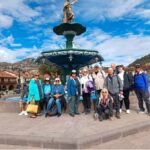
- Small group size (up to 15) keeps the day feeling controlled and easy to follow
- Bilingual guides (Spanish/English) make the Inca context land fast, even on busy days
- Pisac’s market tradition includes real barter-style exchange, not just tourist shopping
- Temple of the Sun setting is framed by Inca fortification logic—massive stones with purpose
- Buffet lunch is included, but timing can shift depending on the flow of the day
From Cusco to Pisac: how the Sacred Valley day actually starts
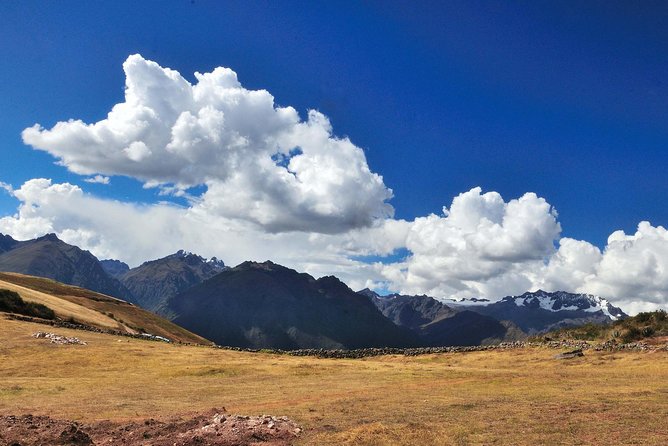
The day kicks off early, with pickup from your hotel in Cusco around 8:00 am. You’re looking at an approx. 10-hour outing, and the travel rhythm is part of the experience: you move through changing altitudes and valley views, and the towns you stop at feel like they connect to each other instead of living in separate boxes.
The bus transfer matters more than people think. With round-trip hotel transfers included and a small group (maximum 15 travelers), you avoid the chaos of trying to line up taxis, find your own tickets, and guess the timing. It also means the guide can keep the story going while you’re in transit, rather than starting over every time you arrive at a stop.
A lot of guides on this route have a knack for making history understandable in plain language. Names that come up often include Adriel, Carla, Frank, Angel, and Luis—and what they seem to share is the ability to talk about everyday life as well as the ruins. That is the difference between seeing stones and understanding why people built them where they did.
Pisac Market: barter, textiles, and what a Sunday mass looks like
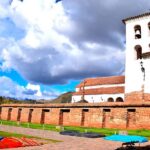
Pisac is the kind of place that makes you slow down even if you’re on a schedule. The market is the highlight here, and it’s not just a place to grab a souvenir. The town is historically tied to exchange transactions, meaning people traded one good for another rather than using currency. Even if the market isn’t a literal reenactment of ancient trade, the idea helps you make sense of what you’re seeing: this is commerce with relationships at the center.
You’ll get time to browse for handcrafted textiles and locally made items. This is where I’d set expectations. Yes, you’ll find plenty of tourist-friendly goods. But you can also find quality pieces if you take a minute to look carefully. One helpful tip that comes up in real-world experience: learn how to spot lower-quality work and plan to negotiate a bit—some people use a target range around 30–40% when bargaining. Even if you don’t want to be aggressive, knowing there’s room to talk keeps you from feeling stuck paying the first price someone asks.
Sunday detail worth catching
If your trip lands on a Sunday, Pisac adds a cultural layer. There’s a mass conducted in Quechua and Spanish, and it can include local dignitaries in attendance. You may also hear the pututo, a traditional instrument, during the ceremony. That’s the sort of detail that makes the market feel alive instead of staged.
You can also read our reviews of more tours and experiences in Cusco

A gentle caution: alpaca demos and jewelry stops
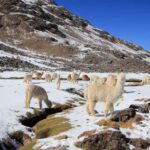
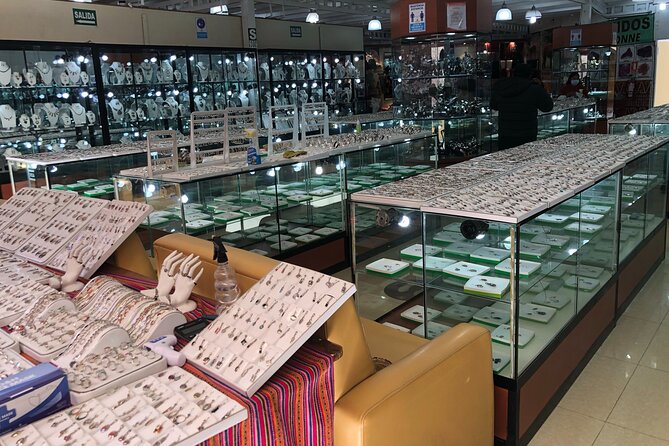
You might notice additional stops tied to shopping—things like demonstrations and short introductions to alpaca products. Some people love this as context; others feel it’s more selling than learning. If you’re shopping-focused, great. If you’re not, don’t let a sales presentation steal your market time. Use the free time you’re given wisely: shop, look around, and step outside any sales pitch that doesn’t interest you.
The buffet lunch stop: where the day regroups
After your time in Pisac, you’ll eat a buffet lunch included in the price. The restaurant setting is often described as very pleasant—clean, attractive grounds, and a full spread. The most useful takeaway is not just what’s on the menu; it’s that lunch is built into the day so you can refuel before Ollantaytambo.
Expect typical Peruvian dishes, and you may see favorites like pork belly mentioned by some guests. One thing to keep in mind: lunch is scheduled between the market and the fortress, but you may not always get there immediately. A few people have noted that lunch didn’t happen until around 3:00 pm on their day. That doesn’t mean it will be that late for you, but it’s a good reason to plan like an adult traveler: bring water, keep snacks in your bag if you usually get hungry, and don’t assume you’ll eat at the exact moment you first imagine.
Also, alcohol is not included, and soda/pop isn’t included either. If you want juice, beer, or anything fancy, budget for it separately.
Ollantaytambo Fortress: the Temple of the Sun and why the stones matter
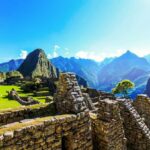
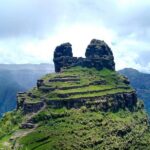
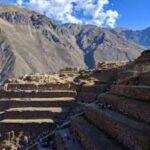
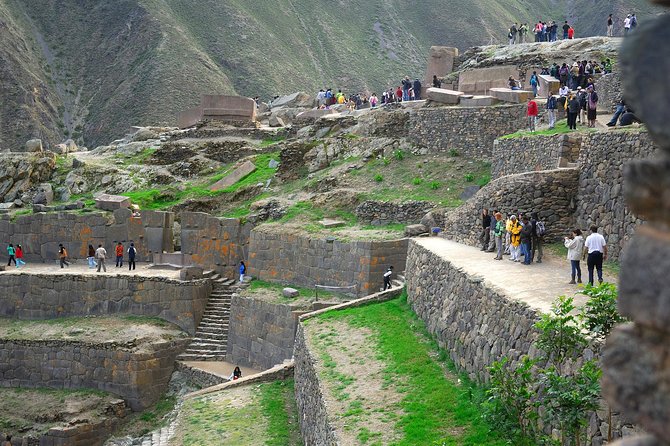
Then comes the main event: Ollantaytambo. This is one of those Inca sites where the design hits you in the chest before you even start reading explanations. The most famous moment is the Temple of the Sun, and it’s wrapped in the logic of defense.
Here’s the key physical detail: the site’s structures use massive stones, each roughly 12 feet (3.5 meters) tall. During an Incan civil war, these heavy blocks were part of a defensive barrier. That means you’re not only looking at a religious place. You’re also looking at a built-up wall of survival strategy—architecture as protection.
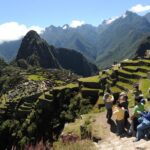
The fortress tour is guided, and the walk includes both viewpoint moments and some uneven ground. Even if the hike isn’t extreme for everyone, the day is long, and the wind can feel sharper up on the slopes. A practical tip from real experience: wear shoes with grip and consider bringing a hair tie if you have longer hair. Wind + stairs + concentration mode = annoying hair situation, and you’ll enjoy the ruins more if you’re not constantly brushing hair out of your face.
Ticket note you must check
Ollantaytambo admission can be included or not, depending on the option you choose. If you picked a package that includes the ticket, you’re set. If you didn’t, you may need to pay again at the site. It’s one of those small details that can turn into a surprise if you’re not paying attention when you book—double-check what your option includes before you arrive.
What makes the guide matter at Ollantaytambo
The difference between a good stop and a great one is the guide’s explanation of why things are placed the way they are. Some guides—like Frank and Luis—show a real knack for connecting history to what you can see right now: agriculture in the valley, local ways of life, and how the Inca worked with the terrain. That transforms your visit from scenic photos into actual understanding.
Walking and timing: making the day feel easy instead of tiring
This trip is doable for most people, but it is not a no-effort day. You’ll spend time on your feet at Pisac and then again at Ollantaytambo, and you’re also spending a lot of the day in transit.
Here’s how I’d prepare so the day stays enjoyable:
- Shoes: choose supportive footwear. Ollantaytambo involves walking on rocky, uneven surfaces.
- Weather check: the wind can be real, and temperatures shift through the valley.
- Hair + comfort: bring a hair tie and plan for sun exposure.
- Small survival kit: some guests recommend hand sanitizer, tissue, and bottled water.
- Snacks if you need them: if your body runs on routine meals, don’t gamble on lunch timing being perfect.
Also, if you’re picky about pacing, it helps to know that some schedules include extra short walks that aren’t front-and-center in every description. If you get a small add-on walk at the end of the day, it’s usually not a big deal—but it is still walking, so don’t dress for sitting on a bus.
Price and value: what your $84 is buying (and how to get the most)
At $84 per person, you’re paying for a bundle: a small-group guided day, round-trip hotel transfers, and a buffet lunch. In Cusco, transportation and guided interpretation can quickly add up, so the real question is whether you’ll use the package instead of piecing it together yourself.
This tour tends to deliver value if you want:
- One-day coverage of Pisac + Ollantaytambo without logistics stress
- Bilingual guiding so the sites make sense as you walk
- Lunch included in a valley location where it’s hard to plan a reliable meal on your own
The only real value risk is the ticket option detail. If you choose the option without the Ollantaytambo ticket and forget to plan for admission costs, you can end up paying extra at the site. That doesn’t ruin the day, but it can make the final cost feel less tidy.
Who this tour fits best
This is a strong choice if you’re in Cusco for a limited time and want a classic Sacred Valley pairing that mixes town life and Inca architecture. It’s also a good fit if you like structured guiding—people often praise how guides keep the group together and provide explanations that make the ruins easier to understand.
It may be less ideal if you:
- Want a very relaxed day with minimal walking
- Hate market shopping or get annoyed by any sales-style stops
- Have a hard requirement for meal timing right at the start of the day
If you’re a history fan, the Inca design details at Ollantaytambo are the payoff. If you’re more culture-and-food focused, Pisac Market plus the buffet lunch is where you’ll feel satisfied.
Should you book this Pisac and Ollantaytambo day trip?
Yes—if you want a true Sacred Valley sampler and you appreciate guided context. The combination of Pisac’s market tradition, a well-timed lunch break, and a guided visit to Ollantaytambo’s fortress and Temple of the Sun is exactly how many people end up feeling like they got the day they hoped for.
Book it if:
- You want hotel transfers, a bilingual guide, and lunch included
- You’re okay with a full day and some walking on rocky ground
- You want a guided look at why Ollantaytambo’s stones were built for more than ceremony
Think twice (or at least plan extra carefully) if:
- You’re very sensitive to meal timing surprises
- You didn’t confirm whether your Ollantaytambo admission is included
- You prefer independent travel with no group schedule
FAQ
What time does the tour start?
Pickup starts in the morning, with the tour starting at 8:00 am.
How long is the tour?
The full day runs about 10 hours (approx.).
What’s included in the price?
You get a bilingual guide, round-trip hotel pickup/drop-off, and a buffet lunch. Ollantaytambo admission may be included depending on the ticket option you select.
Is the Ollantaytambo entrance ticket included?
It depends on which option you chose. The tour notes that there are two purchase options, with and without tickets included, so you should confirm what you bought.
Is lunch vegetarian or does it include drinks?
Lunch is a buffet and alcoholic beverages and soda/pop are not included.
How big is the group?
The experience has a maximum of 15 travelers.
Is cancellation free?
Yes. You can cancel up to 24 hours in advance for a full refund.
Is a passport or ID required?
The provided details don’t mention any ID or passport requirement, so you should rely on whatever your travel documents require for Peru generally.