REVIEW · CUSCO
Vegan Peruvian Cooking Class Cocktails and Local Market in Cusco
Book on Viator →Operated by Peruvian Cusco Flavors · Bookable on Viator
Cusco has a way of teaching you with your hands. This vegan Peruvian cooking class starts at Mercado Central de San Pedro, then moves you into a central Cusco kitchen where you cook classic dishes and mix two cocktails. If you like food that feels tied to place, this is a great way to spend a big chunk of your day.
I especially love the market-to-studio flow. You see, smell, and talk about ingredients first (including Peruvian superfoods), then you cook with what you bought. I also like that the menu is practical: you’ll learn three 100% vegan Peruvian staples and you’ll get recipes you can use later.
One thing to keep in mind: the meeting point is an actual market entrance (Thupaq Amaru 477), and one past guest noted it can be confusing until you spot the right door. If you’re arriving on your own, I’d give yourself a little extra time to find the group.
In This Review
- Key things I’d mark on your Cusco food map
- San Pedro Market: the ingredient lessons that make the cooking stick
- From market chaos to a calm cooking studio in the center of Cusco
- The vegan Peruvian trio: ceviche, causa limeña, and quinoa tamal
- Vegan ceviche: citrus snap without fish
- Causa limeña: layered comfort food, plant-based
- Quinoa tamal: cozy, hearty, and very Peruvian
- Cocktails in Cusco: pisco drinks and fruit flavors (with a smart alcohol rule)
- How you’ll actually recreate this at home (and not just take photos)
- Price and value: where $69 fits in a Cusco food day
- Who should book this vegan cooking class in Cusco
- Quick tips for a smoother start at Thupaq Amaru 477
- Should you book this vegan Peruvian cooking class?
- FAQ
- What is the starting location for the vegan Peruvian cooking class in Cusco?
- How long is the experience?
- What dishes will I learn to cook?
- Are cocktails included, and what are they?
- Is there a non-alcoholic option for minors?
- Will I receive recipes after the class?
- How big is the group?
Key things I’d mark on your Cusco food map
- San Pedro Market first, so you learn ingredients in context, not just in a classroom
- 100% plant-based versions of ceviche, causa limeña, and quinoa tamal
- Two cocktails included, with pisco swapped out for bottled water for under-18 guests
- Small group size (maximum 10), so you get more hands-on help
- Recipes provided at the end, so you’re not stuck with only memories
- Dietary options for allergies/food restrictions, handled in the class when you tell them early
San Pedro Market: the ingredient lessons that make the cooking stick
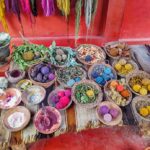
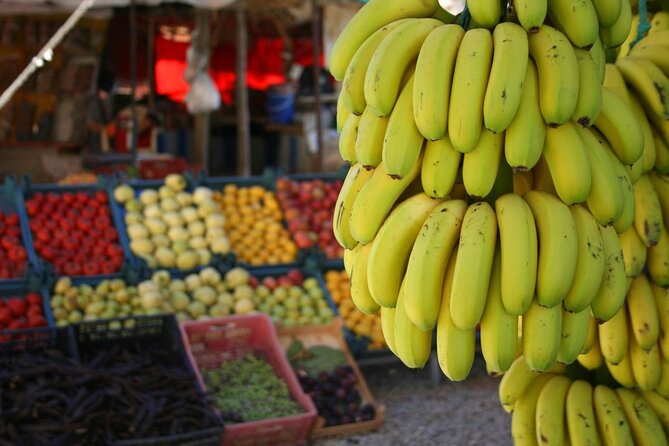
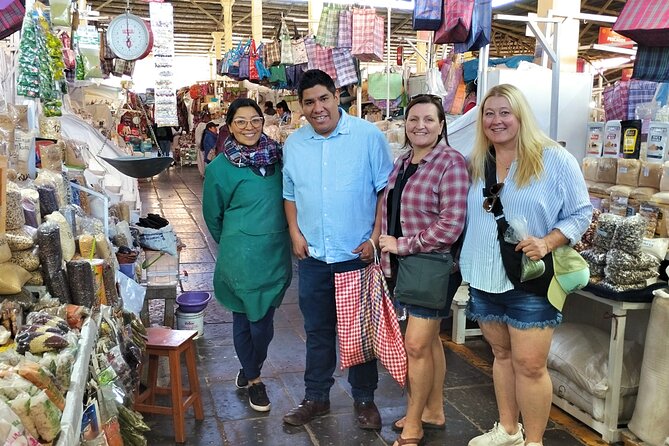
The experience begins at Mercado Central de San Pedro, at Thupaq Amaru 477. This is one of those Cusco markets where food isn’t separated into neat categories. It’s a real place where you can spot grains, vegetables, roots, fruit, and spice blends all in one stop.
What makes this opening phase useful is that you’re not just walking past stalls. You’re given a tour mindset. You’re introduced to ingredients that show up in Peruvian cooking, including quinoa and fruit you might not expect to see in a savory dish. From the class experience, you’ll remember specific flavors—passion fruit varieties are a good example—because your guide connects them to what you’ll cook later.
You’ll also get perspective on how Peru builds flavor. Expect talk around spices and produce, plus how people think about grains and roots as everyday staples rather than “specialty” items. And if you don’t speak Spanish well, you’ll likely appreciate that the chef/guide can explain what’s important and what to look for, which helps you translate the market into something you can cook at home.
Practical tip: plan to arrive ready to move. This is a market visit, not a museum. Wear shoes you’re happy to stand in, and keep your phone accessible if you want to remember ingredient names for later.
You can also read our reviews of more tours and experiences in Cusco
From market chaos to a calm cooking studio in the center of Cusco
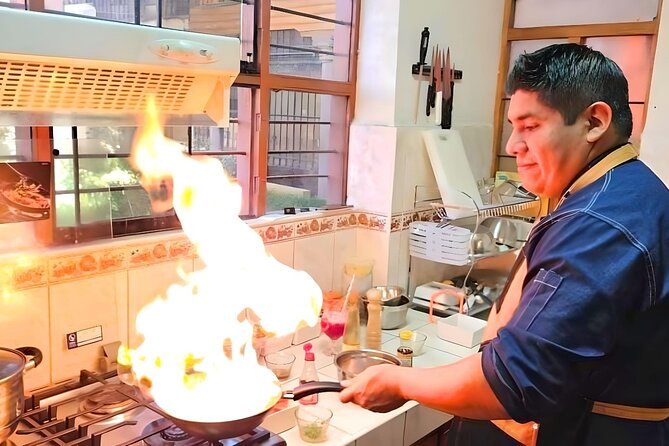
After the market, you shift from stalls and sampling to a cooking studio in the center of Cusco. The location matters. You’re not dealing with long transfers on a short schedule, and it keeps the day from turning into logistics instead of cooking.
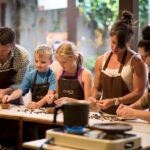
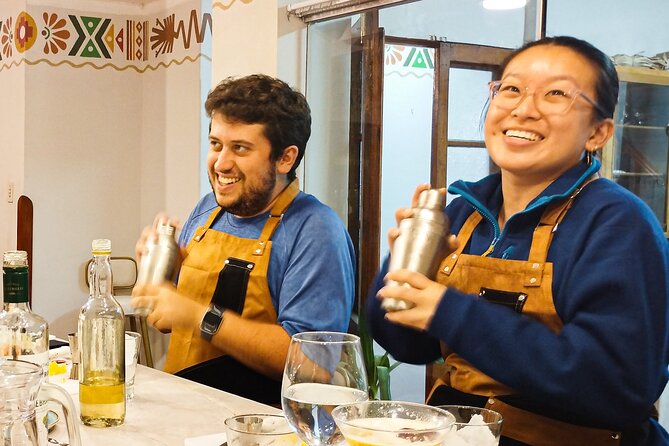
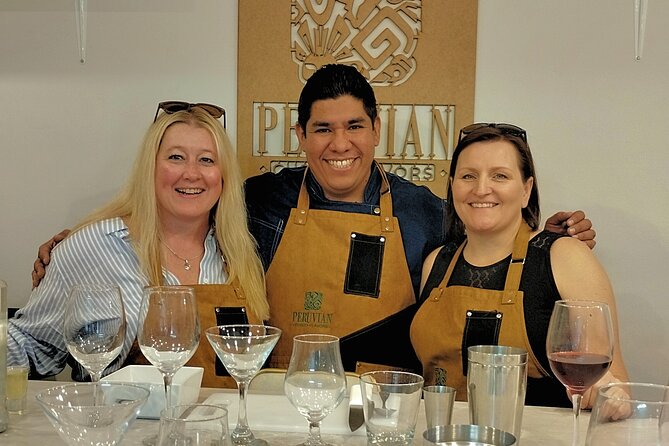
The class runs about 4 hours, with up to 10 people. That small group size is a big deal. In a group that’s too large, you end up watching more than doing. Here, you’re set up for hands-on cooking and cocktail making, and you can actually ask questions as you go.
You’ll be guided by a professional chef. In past sessions, chefs have included names like Jorge and Jesus. What stays consistent is the teaching style: step-by-step instruction while you work, plus explanation of why each part matters. You’re also covered here: ingredients, equipment, and cooking instructions are all part of the package, and bottled water is included.
One more detail you’ll feel during the class: cooking in Cusco isn’t just about recipes. You’re learning how Peruvian dishes are assembled. That’s what makes them easier to repeat later, even if you’re cooking far from the Andes.
The vegan Peruvian trio: ceviche, causa limeña, and quinoa tamal
You’ll cook three dishes that are iconic in Peru. The twist is that each one is 100% vegan, not a “mostly vegetarian” compromise. You’re learning how to build the same textures and flavors with plant-based ingredients.
Vegan ceviche: citrus snap without fish
Ceviche is all about contrast: bright acidity, aromatic additions, and a satisfying bite. In this class, you’ll learn a vegan version under the chef’s guidance—meaning you’re practicing how to get that ceviche feel with plant-based substitutes. You’ll also learn how the mix comes together so the flavors don’t just taste good once, but make sense when you recreate it later.
The best part of learning ceviche this way is that it’s a skill, not a single recipe. Once you understand the balance—acid plus seasoning plus texture—you can adapt to what you can find in your local grocery store.
Causa limeña: layered comfort food, plant-based
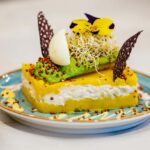
Causa is famously creamy and layered, often with a filling that brings richness and a tangy edge. In the class, you’ll make a causa limeña that’s vegan, including a plant-based approach for the creamy base. One practical learning point: you’ll see how the consistency is adjusted and how layers are assembled so it holds its shape.
This dish is a favorite for anyone who likes food that looks good and eats better. It’s also a strong “host it later” dish, because layered food travels and plates nicely.
You can also read our reviews of more shopping tours in Cusco

Quinoa tamal: cozy, hearty, and very Peruvian
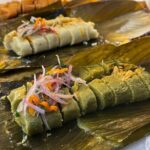
Quinoa shows up everywhere in Andean cooking, and the quinoa tamal gives you a chance to see how grain becomes comfort food. You’ll learn how to prepare the tamal-style dish as part of the class menu, and you’ll get a feel for how the mixture is built and portioned.
Why this matters: tamales are usually about technique—binding, shaping, steaming/setting, and timing. Even if you’ve never cooked tamales before, you’ll walk away knowing what to look for so you can avoid the most common texture problems.
Cocktails in Cusco: pisco drinks and fruit flavors (with a smart alcohol rule)
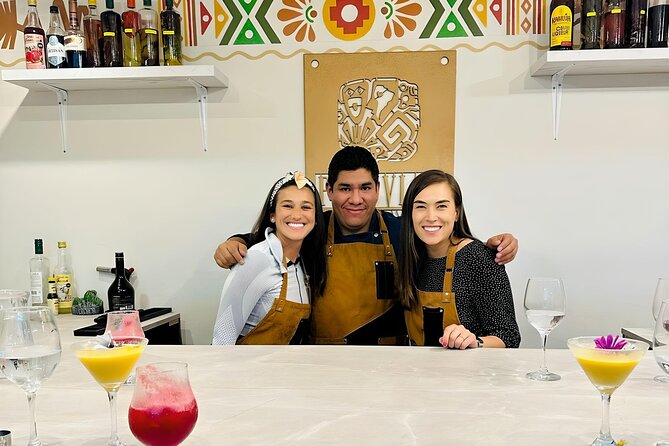
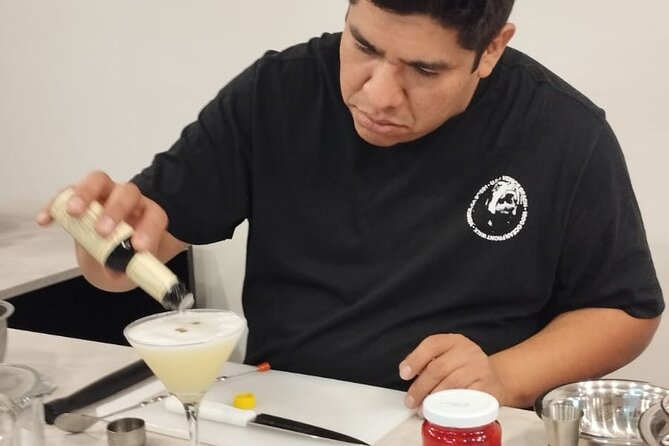
You get two cocktails during the class, and pisco is part of the story. The class focuses on cocktails made using representative ingredients like pisco and fresh fruits. That combination is a big reason these drinks work so well with Peruvian flavors.
In one commonly mentioned pairing from past sessions, you may make a pisco sour and another drink inspired by chicha morada flavors. Chicha morada is a purple corn drink with a fruit-and-spice profile, and it’s a very Peruvian way to bring sweetness and color into the glass.
Under Peru’s alcohol rule, guests under 18 are served non-alcoholic options. In that case, pisco is replaced with bottled water. I like this setup because it keeps the experience the same without making the kid/teen feel left out or handed a sad substitute.
What you’ll take home isn’t just the taste. You’ll learn how the ingredients behave—how acidity balances sweetness, and how fruit flavors show up against alcohol (or against a non-alcoholic base). That’s useful if you like making drinks for friends.
How you’ll actually recreate this at home (and not just take photos)
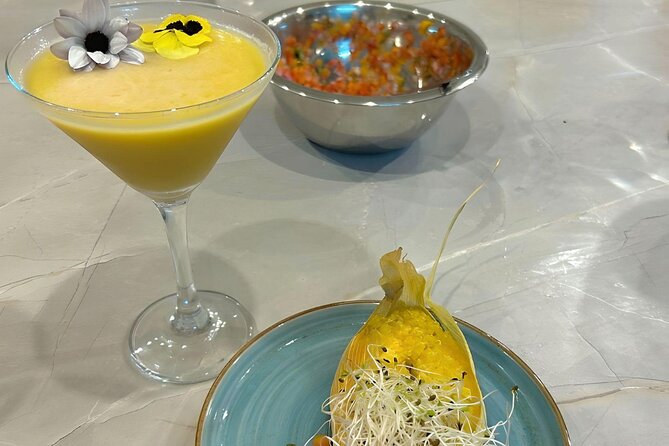
At the end of the experience, you’ll receive the recipes. That’s where a good cooking class becomes a lasting value. Cusco has plenty of food experiences, but most of them end when you leave. Here, you have a path to repeat the results.
If you want to set yourself up for success back home, focus on two things when you cook from the recipes:
- Texture cues: Learn what you’re aiming for (creaminess, bite, and thickness). Those cues transfer even if your ingredient brands differ.
- Flavor balance: Peruvian cooking often relies on sharpness (citrus), seasoning, and layering. If you get those right, you can substitute ingredients without losing the dish identity.
Also, keep in mind pacing. In one past class, there was so much food that dessert didn’t get eaten, and the group took it to go later. That’s a hint at portion size: plan your schedule for a satisfied dinner after the class, not a quick snack.
Price and value: where $69 fits in a Cusco food day
At $69 per person for about 4 hours, you’re paying for more than a recipe worksheet. You’re getting:
- A market visit to learn ingredients in context
- A hands-on cooking class with equipment and ingredients included
- Two cocktails
- Recipes you can use later
- Bottled water during the activity
- A small group setting (max 10)
In practical terms, this price is strongest if you want a structured experience. If you were to recreate it on your own, you’d spend time figuring out ingredients, then you’d still need cookware and instruction. Here, your “overhead” is handled: you show up, cook, drink, and leave with the how-to.
Is it the cheapest food thing to do in Cusco? No. But it’s also not a generic show. It’s a true skill-building session—market education plus cooking technique plus cocktails.
Who should book this vegan cooking class in Cusco
This is a great fit if:
- You’re vegan (or vegan-curious) and want Peruvian dishes that don’t feel watered down
- You like interactive food experiences: you’d rather cook than just watch
- You want to take home recipes you can realistically use
- You’re traveling as a couple or small group and want a shared activity
You might want to double-check a detail before booking if you have very specific dietary needs. The class states options for allergies/food restrictions, but the safest move is to tell the chef clearly at the start what you need.
Also, if you hate any chance of alcohol being involved, note that pisco is part of the included cocktails—but minors are served non-alcoholic drinks, with pisco replaced by bottled water. If you’re planning for a teenager in the group, this is exactly what you want to know ahead of time.
Quick tips for a smoother start at Thupaq Amaru 477
Here’s how to reduce stress on arrival:
- Give yourself a few extra minutes at the meeting point at Thupaq Amaru 477.
- One past guest warned that the meeting can be confusing until you find the correct entry door (not just any door on the building).
- If you’re meeting with friends, confirm a simple landmark like the building number rather than relying on memory.
Once you’re inside and the market segment starts, everything moves along at a friendly, hands-on pace.
Should you book this vegan Peruvian cooking class?
I’d book it if you want a Cusco experience that goes beyond eating. The best part is the connection between ingredients you see at San Pedro Market and the skills you practice in the kitchen. You’ll cook ceviche, causa limeña, and quinoa tamal in a vegan format and mix two cocktails with smart alcohol options.
Skip it if you’re looking for a purely relaxed food walk with zero cooking. This is a class. You’ll work at the stove and in the prep process.
If you want a memorable, repeatable way to understand Peruvian flavors—while keeping the menu fully plant-based—this one is easy to recommend.
FAQ
What is the starting location for the vegan Peruvian cooking class in Cusco?
The tour starts at Mercado Central de San Pedro, located at Thupaq Amaru 477, Cusco 08002, Peru.
How long is the experience?
The class lasts about 4 hours.
What dishes will I learn to cook?
You’ll learn how to prepare vegan ceviche, vegan causa limeña, and vegan quinoa tamal.
Are cocktails included, and what are they?
Yes. The class includes alcoholic beverages in the form of two cocktails during the session. The tour description notes pisco and fresh fruit ingredients.
Is there a non-alcoholic option for minors?
Yes. Drinking alcohol is available from 18 years. If you are under 18, you will be served non-alcoholic drinks, with pisco replaced by bottled water.
Will I receive recipes after the class?
Yes. At the end of the class, you will receive the recipes.
How big is the group?
The tour has a maximum of 10 travelers.