REVIEW · CUSCO
Cooking class and market tour with a local chef
Book on GetYourGuide →Operated by Cusco Gastronomic Tours & Coooking Class · Bookable on GetYourGuide
Cusco tastes better when you shop first. This 4-hour cooking class pairs a chef-led walk through the market with hands-on prep of classic dishes, plus a pisco-based cocktail.
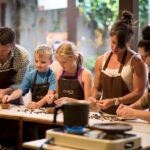
What I like most is how much you actually do, not just watch: you help prepare starter plates and a main course of your choosing, then you eat what you made. I also love that the chef really leans into local food details, from ingredients to culture, with practical tips you can use later.
One consideration: this is not a quick, casual stop. If you’re dealing with altitude issues, the activity isn’t suitable, even though they can offer natural medicine for altitude symptoms if needed.
In This Review
- Key things that make this experience worth your time
- A 4-Hour Cusco Plan That Feels Like Real Life
- Finding the Workshop Near Aranwa Boutique Hotel
- San Pedro Market: How the Chef Teaches You to Shop
- Starter Cooking: Rocoto Relleno and Causa Rellena
- Rocoto relleno
- Causa rellena
- Pisco Cocktails: Choose Your Style (Alcoholic or Not)
- Main Course Choice: Lomo Saltado or Ceviche
- Lomo saltado (beef version)
- Ceviche (trout version)
- Vegetarian options
- Chef Ronal’s Approach: Technique + Culture, Without the Lecture
- Dietary Restrictions: What They Can Handle
- Clean Setup, Real Utensils, and a Kitchen You Can Trust
- What You Really Get for $57: Value Check
- Who This Class Fits Best (and Who Should Skip It)
- Should You Book This Cusco Cooking Class?
- FAQ
- What dishes and drinks are included?
- How long is the cooking class and market tour?
- Are vegetarian options available?
- Can the chef accommodate allergies and dietary restrictions?
- Is transportation included?
- What languages is the instructor/guide available in?
Key things that make this experience worth your time
- San Pedro market shopping first for fruits, cheese, and ingredients that end up on your table
- Chef-led, hands-on cooking with clear technique and lots of time at the cutting board
- Pisco cocktail choices including both alcoholic and nonalcoholic versions
- Two main-course options: lomo saltado or ceviche, with dietary swaps possible
- Dietary flexibility handled in the moment, not as an afterthought
- Recipes provided afterward, so you can recreate the dishes at home
A 4-Hour Cusco Plan That Feels Like Real Life
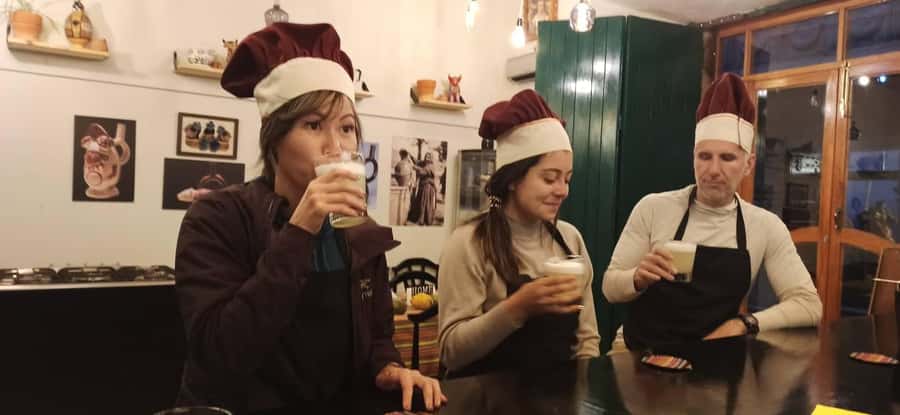
This is a tight, well-paced food outing. You start with a market visit, where you learn what Peruans actually look for, then you move straight into a cooking workshop. In the same session you’ll shop, prep, drink, and sit down to eat—so it’s not one of those tours where you spend half the time waiting.
At the same time, it’s not rushed chaos. The structure matters here. By seeing ingredients before the kitchen, you understand why the dish tastes the way it does. Then in the kitchen you learn the steps for making it work.
You can also read our reviews of more shopping tours in Cusco

Finding the Workshop Near Aranwa Boutique Hotel
Your meeting point is at Calle San Juan de Dios 264, in front of the Aranwa boutique Hotel. The workshop is across the track, behind a glass-and-wood door with no ads. It’s an easy spot once you’re on the right street, and it helps that the directions are specific.
No transportation is included, so plan to get yourself there. Cusco is walkable in many areas, but elevation and time can matter—build in a little buffer.
San Pedro Market: How the Chef Teaches You to Shop
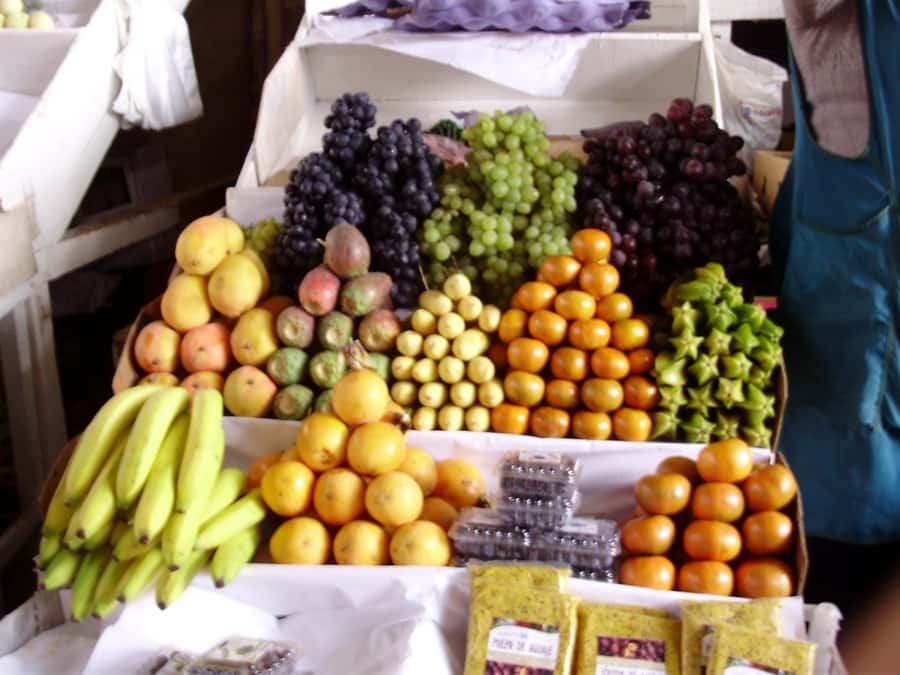
The market stop is the heart of the cultural part. You’ll explore where the ingredients come from, tasting fruits and checking out local cheese as you go. This is one of those experiences that quietly changes how you order food later in Cusco.
A few things stand out in how the chef talks about the market:
- You learn what makes fruits taste ripe and fresh, not just what’s available.
- You get context on common ingredients used in Peruvian cooking.
- You can ask questions as you walk, and you’ll get straight answers rather than a script.
If you book a morning slot, you might find the market feels calmer than later in the day. That matters if you want to actually look around instead of moving with the crowd.
Starter Cooking: Rocoto Relleno and Causa Rellena
The starter is the same for everyone, and that’s helpful. It means the group shares a common “baseline” while you still get freedom later with mains and cocktails.
Rocoto relleno
You’re working with rocoto, a spicy Peruvian chili stuffed with a mix of fillings (meat, onions, peas, carrots, peanuts, and dry grapes) and covered with local cheese before baking in the oven. The point isn’t just to make something tasty—it’s to learn the logic behind the flavors. Sweet-sour elements show up (those dry grapes), and the cheese helps round everything out.
You can also read our reviews of more tours and experiences in Cusco
Causa rellena
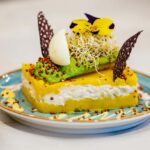
Next comes causa, a potato-based dish flavored with yellow chili sauce. Yours gets stuffed with avocado and fish tartare, plus a mayo-style element and spices. It’s a very Peruvian combo: creamy, tangy, and built for balance.
In the kitchen, you don’t just do one tiny step. You’ll practice prep work and get guided on how to handle ingredients cleanly and efficiently. That’s where beginner-friendly teaching really shows.
Pisco Cocktails: Choose Your Style (Alcoholic or Not)
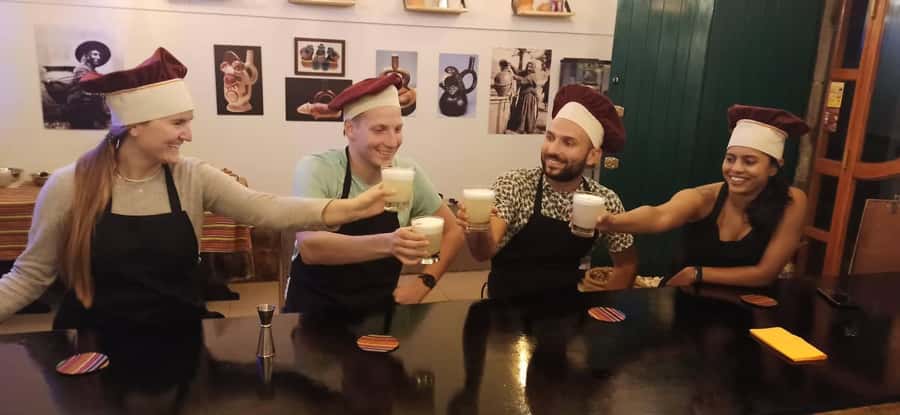
You’ll make a cocktail in base pisco, and each person chooses what they want. That choice is a smart move because pisco is the star of the show here, but everyone’s taste differs.
You may make one of these:
- Classic pisco sour: lime, syrup, and eggwhite
- Passion fruit sour: a version built with fresh passion fruit juice
- Nonalcoholic drink: made with Peruvian fruits and honey
This part is also a fun way to learn without getting stuck in perfection. You’re learning what changes flavor—acid, sweetness, and the way passion fruit behaves compared with lime.
Main Course Choice: Lomo Saltado or Ceviche
Here’s where you get real ownership of the meal. You choose your favorite main dish before class starts, and the workshop supports vegetarian preferences too.
Lomo saltado (beef version)
You’ll prepare lomo saltado with beef tenderloin, served with rice and a mix of onions and tomato, plus soy sauce, oyster sauce, and vinegar. It also comes with native potato fries.
The flavor lesson is obvious once you make it: it’s not just “stir-fry.” It’s the way savory sauces, vinegar brightness, and sweet tomato come together. If you like bold, salty, comforting food, this one hits.
Ceviche (trout version)
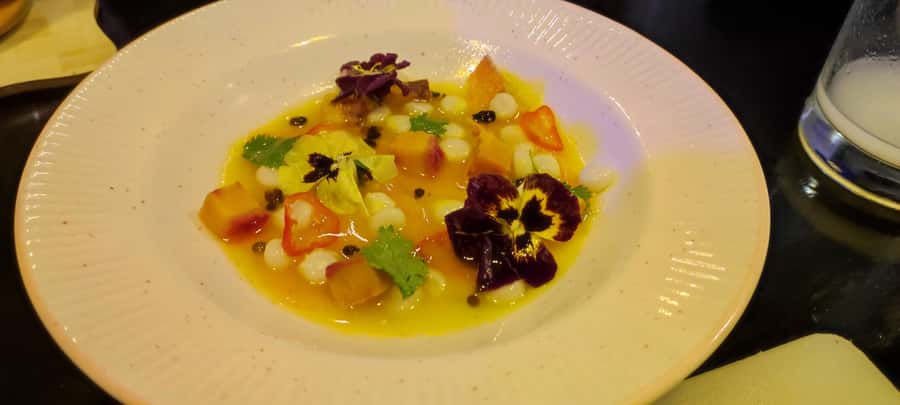
You’ll prepare ceviche with trout plus a fruit-and-herb mix: mango, avocado, lime juice, onions, celery, ginger, corn, and sweet potato.
Ceviche teaches patience and balance. Lime is doing the heavy lifting, and the mix of crunchy vegetables and sweet fruit changes the whole character of the dish. It’s lighter than lomo saltado but far from simple.
Vegetarian options
Vegetarian options are available, and the chef can adapt dishes for dietary needs. So even if you pick a main that normally includes fish or meat, you should be able to work out a vegetarian or alternative approach with the team.
Chef Ronal’s Approach: Technique + Culture, Without the Lecture
Ronal (and the team) runs this like a working kitchen, not a performative cooking show. You’ll be guided step-by-step, and you can ask questions as you cook.
The standout pattern from the experience is how the chef handles detail:
- He explains what you’re doing and why, including practical tips for prep and timing.
- He’s attentive about dietary needs and substitutions.
- The final results tend to look impressive—people call them Michelin-like—because the dish is finished and plated with care.
One extra helpful detail: they can also offer natural medicine for altitude sickness and digestive teas if necessary. The activity itself notes it’s not suitable for people with altitude sickness, but having those options matters for comfort in Cusco.
Dietary Restrictions: What They Can Handle
This is one of the strongest parts of the experience. The class is built to adapt to dietary restrictions, including common requests like vegetarian preferences and allergies. People with gluten intolerance and dairy-free needs mention being supported and not feeling left out.
You should still do one simple thing: tell the operator your needs clearly before you go. That way the kitchen can plan substitutions ahead of time instead of improvising during service.
Clean Setup, Real Utensils, and a Kitchen You Can Trust
The workshop environment is a big deal in a cooking class. You want it clean, organized, and equipped. Here, the kitchen and bar utensils are provided, along with kitchen aprons, water, and the full ingredient set needed for what you cook.
It’s also a good sign that people mention the location as spotless and the class as well organized. That makes the hands-on time actually enjoyable.
What You Really Get for $57: Value Check
At $57 per person, this isn’t the cheapest thing in Cusco—but it’s also not just a tasting menu. You’re paying for a full chain of value:
- Market time with tasting and ingredient guidance
- A professional chef and guide
- A cooking workshop with fresh ingredients
- Kitchen tools, aprons, and water
- A cocktail plus your starter and main course
And in some cases, people end up in very small groups or even near-private sessions. If that happens on your date, the value jumps fast because you get more attention per person.
Is it pricey? Compared with DIY market browsing and supermarket cooking, yes. But compared with paying for a chef-led, ingredient-to-plate experience in one sitting, it’s fair.
Who This Class Fits Best (and Who Should Skip It)
This is a great fit if:
- You want hands-on cooking, not just a demo
- You like learning through food—ingredients, methods, and culture
- You have dietary restrictions and want real adaptation
- You’re short on time and want a full meal experience in 4 hours
It may not fit if:
- You have altitude sickness or are sensitive to altitude (the activity notes it isn’t suitable)
- You’re traveling with very young children (it lists age limits for kids)
- You want transportation included (it’s not)
Should You Book This Cusco Cooking Class?
If you’re in Cusco and you care about food beyond eating it, I’d book this. The market-to-kitchen flow makes it feel authentic and practical, and you leave with a meal you understand instead of one you just consumed. The ability to choose your main dish and have dietary requests handled smoothly is a big deal.
The main reason to reconsider is altitude sensitivity. If you’re struggling, pick a lighter activity and protect your health first.
If you do book, go hungry, ask questions early, and be ready to taste fruits and cheese with a more curious eye than you started with. That’s where the experience clicks.
FAQ
What dishes and drinks are included?
You’ll cook a starter that includes rocoto relleno and causa rellena, plus a pisco-based cocktail. For the main course, you choose between lomo saltado and ceviche. You also have access to a nonalcoholic Peruvian fruit-and-honey option.
How long is the cooking class and market tour?
The experience lasts 4 hours.
Are vegetarian options available?
Yes. Vegetarian options are available, and the chef can adapt the menu based on dietary needs.
Can the chef accommodate allergies and dietary restrictions?
Yes. The tour notes it can adapt to all dietary restrictions, and the class is set up to handle dietary needs.
Is transportation included?
No. Transportation is not included, so you’ll need to get to the meeting point on your own.
What languages is the instructor/guide available in?
The instructor is available in English and Spanish.