REVIEW · LAKE TITICACA PERU
Day Trip to Uros Floating Islands and Amantani Island
Book on GetYourGuide →Operated by Turismo iPeru · Bookable on GetYourGuide
Puno to Lake Titicaca feels like a whole other world. This day trip pairs Uros floating islands culture with a visit to Amantani Island, so you get reed-home life, clothing and rituals, and big views in one long-but-manageable outing. Two things I like a lot are the bilingual guide (English and Spanish) and the fact that your day isn’t just sightseeing from a boat—you actually get guided time on the islands.
One thing to plan around: it’s a lot of time on the water. Even though you do get stops, the crossings can feel long, and your included lunch timing may shift depending on how the day runs.
In This Review
- Key Things I’d Zoom In On Before You Go
- Why Uros and Amantani Make Sense as a One-Day Pair
- Getting From Puno to the Lake: Pickup and Boat Tempo
- Uros Floating Islands: Reed Homes, Family Life, and a Real Culture Lesson
- The Crossing to Amantani: Time on Water vs. Time on Land
- Amantani Island at Noon: Clothing, Rituals, Religion, and a Heritage Walk
- Llachon Peninsula: A Photo Stop That Helps You Read the Lake
- Returning to Puno: What the Timeline Feels Like in Real Life
- Included vs. Not Included: Where the $36 Actually Goes
- Who This Day Trip Suits Best (And Who Might Feel Frustrated)
- My Take: Should You Book This Tour?
- FAQ
- What time does pickup happen in Puno?
- How long is the tour?
- Which stops are included in the route?
- What’s included in the price?
- Is the reed canoe ride included at Uros?
- Is this tour wheelchair accessible?
Key Things I’d Zoom In On Before You Go
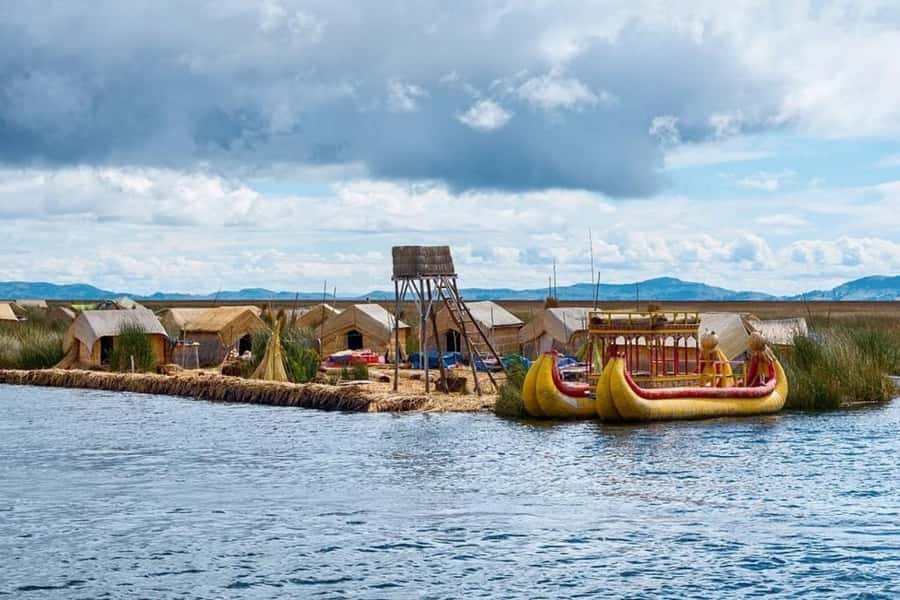
- Reed-island living on Uros: totora platforms, rural houses, and a small community feel
- Amantani customs and religion: learn how locals keep traditions alive through daily practices and dress
- Bilingual guidance (English/Spanish): you won’t be stuck guessing what you’re seeing
- Optional reed canoe ride at Uros for an extra fee, if you want hands-on time
- Long boat schedule: worth it if you’re patient with transit, less ideal if you want lots of island time
Why Uros and Amantani Make Sense as a One-Day Pair
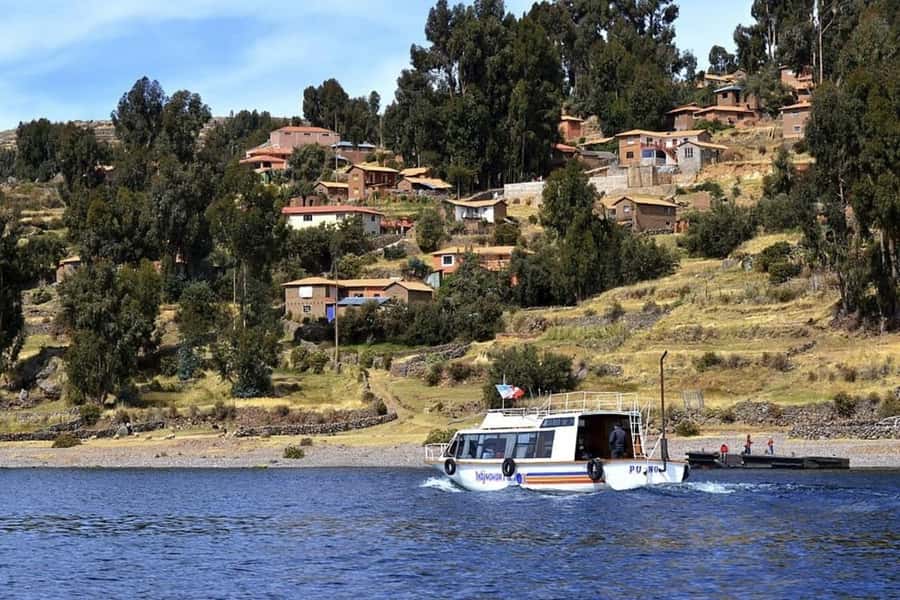
Lake Titicaca is already special just for the scale—so adding two islands in one day is a smart way to make your trip feel full without committing to an overnight stay. The best part is the contrast: Uros shows an island lifestyle built on totora reeds, while Amantani is more about living heritage—clothing, rituals, and local religious life—on an island recognized as a National Heritage site.
If you’re the type who likes learning the how and the why (not just taking photos), this itinerary fits. You’ll get explanation on both places, and the guided visits turn the views into something you can actually interpret.
The tradeoff is pace. This is not a slow, relaxed island day. It’s more like a “see a lot, move often” route.
You can also read our reviews of more tours and experiences in Lake Titicaca Peru.

Getting From Puno to the Lake: Pickup and Boat Tempo
Your morning starts early. Between 7:20 and 7:50 AM, you’ll be picked up to head to the lake port of Puno. From there you’ll head out by tourist boat, with the first ferry leg around 35 minutes.
Why the early start matters: it gives you daylight on the water and enough time to reach Uros, then continue onward to Amantani by noon. But it also means you’ll want to be ready before you’re technically ready—water can be chilly, and mornings around the lake port tend to move quickly.
You’ll also be dealing with the typical “day trip math” of travel time versus experience time. The route includes multiple boat segments and short stops, so having the right expectations helps a lot.
One practical tip: if you’re sensitive to motion, pack a little comfort kit. Even if you don’t get seasick, boats on big water can be tiring.
Uros Floating Islands: Reed Homes, Family Life, and a Real Culture Lesson
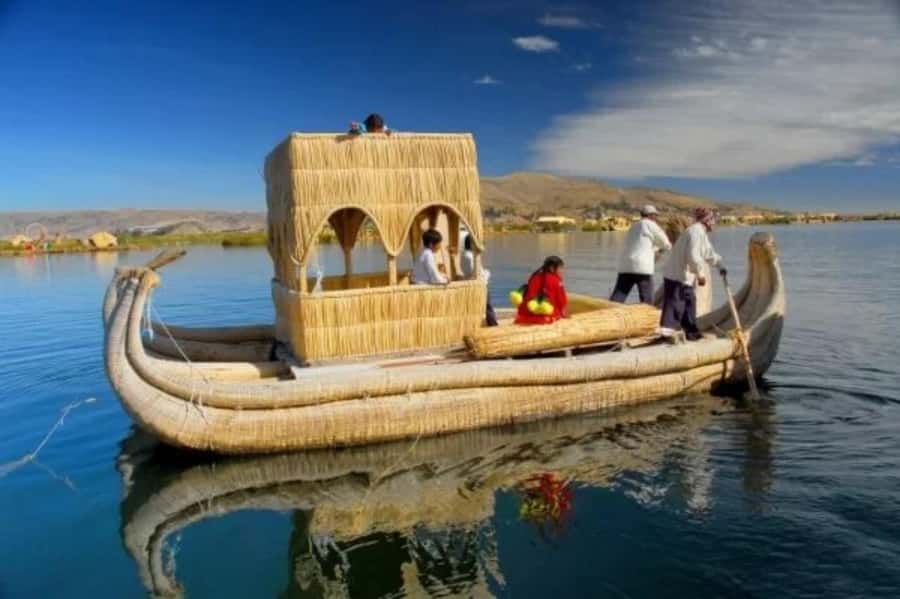
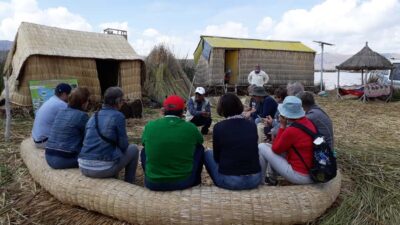
Uros is the anchor stop, and it’s designed for interaction and guidance. After you arrive, you’ll get about 45 minutes for photo stops and a guided visit.
Here’s what makes Uros different from a typical “look and go” stop:
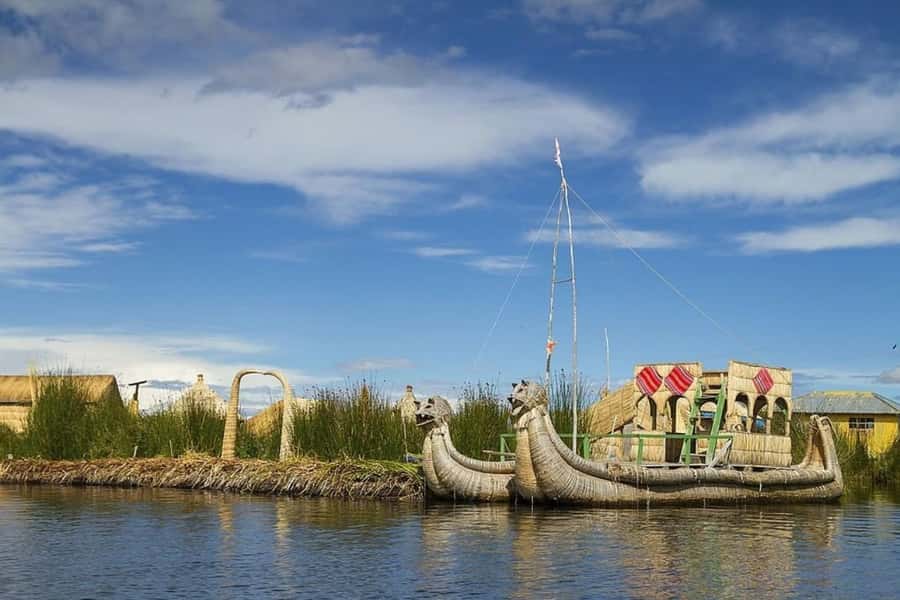
- You’ll see rural houses built on totora reed platforms
- You’ll learn how each island is home to about 5 to 6 families
- You’ll get a clearer sense of how their community life is organized (not just the visual effect of floating)
You’ll likely feel the difference between watching from a boat and being on the platform. The guided portion is the key—without that context, floating islands can become just another photo stop.
Optional add-on: there’s an option to do a ride on a reed canoe while you’re at Uros. It’s not included, and you’ll pay s/15 (US$ 4.5) if you choose it. If you like hands-on experiences and don’t mind paying extra for that specific activity, this is the easiest place on the day to justify it.
Keep in mind the tour structure gives you a short window. It’s enough to get the story and walk around, but you won’t have hours to wander.
The Crossing to Amantani: Time on Water vs. Time on Land
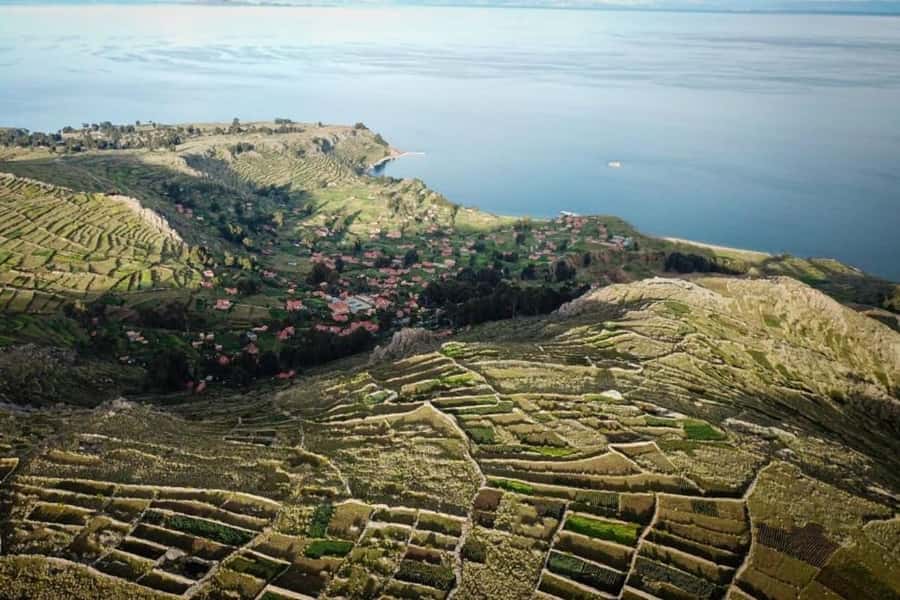
After Uros, you continue by boat on a longer segment—about 2 hours—toward Amantani Island. This is one of the most important “considerations” of the whole day trip.
What to expect here:
- Transit eats time fast
- You’ll want to plan for boredom or fatigue
- The payoff is that your next stop arrives around noon
If you’re hoping for lots of island hours at Amantani, understand that the itinerary balances land time against getting to and from multiple stops. One practical strategy: mentally switch gears during the crossing. Treat it like the transition between two different kinds of island life—Uros is built on reed platforms; Amantani is about cultural continuity on a larger heritage island.
Also, dress for changing conditions. Lake Titicaca weather can shift even in a single day.
Amantani Island at Noon: Clothing, Rituals, Religion, and a Heritage Walk
You arrive on Amantani Island at about noon, and that’s where the day’s “culture lesson” really deepens. The tour includes time for photo stops and a guided tour, plus lunch and time to walk.
Why Amantani is the star of the day:
- You learn about customs and traditions of the inhabitants
- You see cultural identity through typical clothing
- You learn about their rituals and religion
- The island is recognized as a National Heritage, which usually means the experience is oriented around cultural education as much as scenery
You’ll also have about 1 hour total allocated for break time, lunch, guided touring, sightseeing, and walking. That’s enough to feel oriented and to get answers to the big questions—but not enough to pretend you’re living there.
One key detail to know about lunch: the itinerary says lunch is included on Amantani, but timing can shift in practice. If your day runs a bit differently, you might find lunch served later at the next stop rather than right on Amantani. Plan so you don’t get hangry—especially if you’re hungry after the long water ride.
Llachon Peninsula: A Photo Stop That Helps You Read the Lake
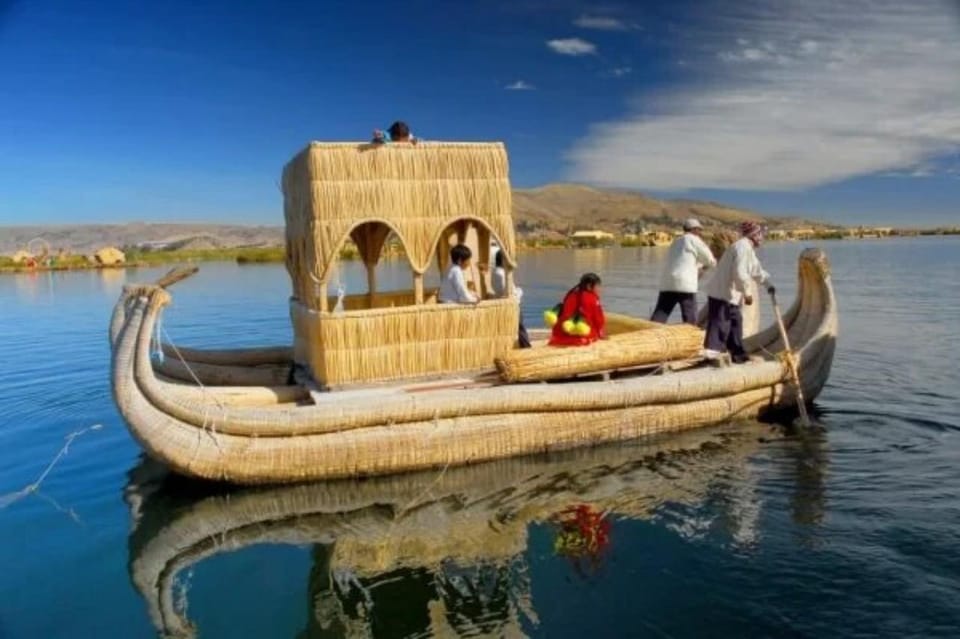
After Amantani, you’re back on the boat again for a short segment to the Llachon area. There’s a 30-minute stop that includes photo time, a visit, and sightseeing.
Why this part matters: it’s a final angle on the lake and island setting before you head back to Puno. Think of Llachon as the “wrap-around” stop that helps you connect what you learned to what you’re seeing.
It also tends to make the day feel less abrupt. Instead of going straight from Amantani back to Puno, you get one last scenic and guided moment.
If your lunch timing lands here instead of Amantani (possible in some schedules), this stop can become a more practical pause than just a viewpoint.
Returning to Puno: What the Timeline Feels Like in Real Life
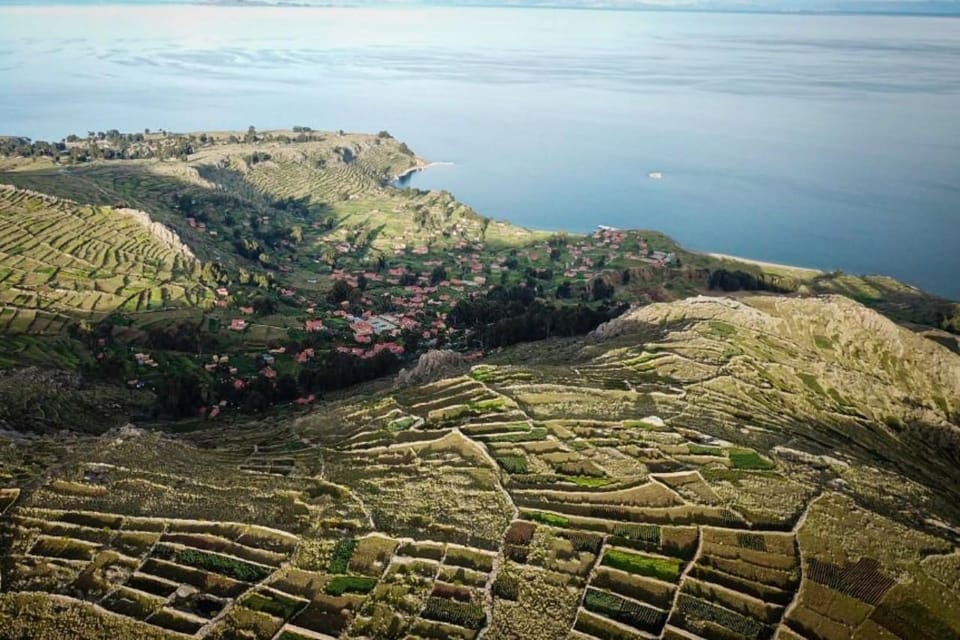
You start the return journey around 3:00 PM, heading back toward the lake port of Puno. The tour then ends around 4:30 PM, with drop-off at your hotel, bus terminal, or the city main square.
A note worth taking seriously: the return boat time can run longer than you might expect. In at least some schedules, the crossing back has stretched to around 2.5 hours rather than the shorter figure listed for one portion of the day. That doesn’t mean you’ll definitely experience it that way, but it’s a good reminder to avoid booking anything tight right after 4:30 PM.
For your evening plan, I’d keep it flexible—think relaxed dinner or a slow walk back into town. This is a full-day effort, even if the stops are brief.
Included vs. Not Included: Where the $36 Actually Goes
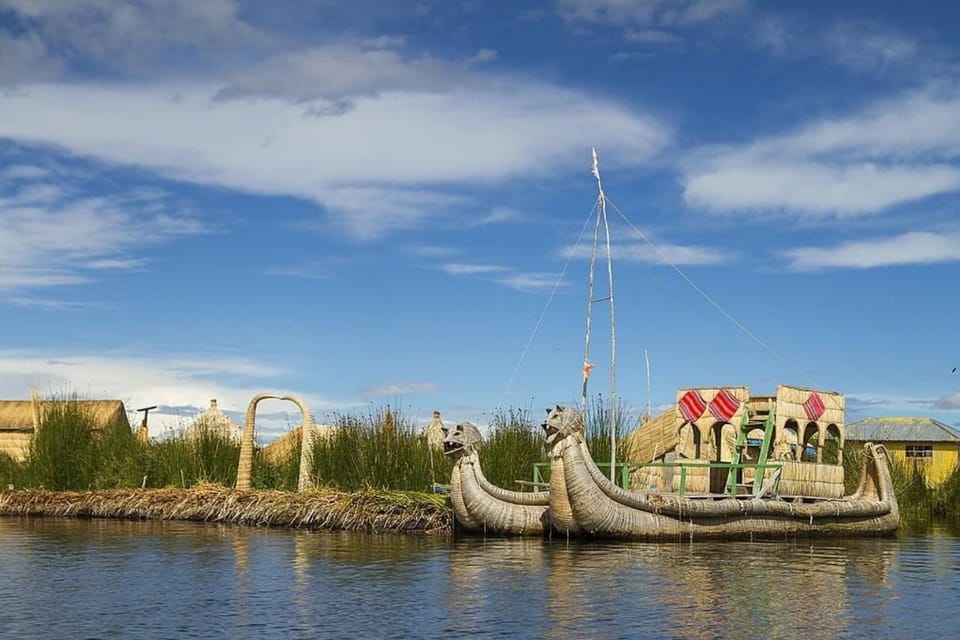
The price is $36 per person. For that, you typically get:
- Pickup from your hotel or bus terminal (with noted exceptions for a couple of specific hotels)
- Tourist boat transportation
- A bilingual guide (English and Spanish)
- Typical lunch (menu-like)
- Admission tickets
- Ticket line skipping (so you don’t lose time at counters)
That’s decent value for a day trip because so much of your cost covers boat logistics and guided time. The islands aren’t right next door—so the transportation component is doing real work here.
What’s not included:
- Optional reed canoe ride on Uros (s/15 / US$ 4.5)
- Personal spending like water and souvenirs
If you’re trying to budget tightly, plan to buy small essentials separately. I’d also bring a bottle of water if you’re picky about what you drink, since “included lunch” doesn’t automatically mean you’ll have hydration covered.
Who This Day Trip Suits Best (And Who Might Feel Frustrated)
This tour is a good fit if you want:
- A cultural day with guided visits
- A one-day sampler of Uros + Amantani
- Clear interpretation in English/Spanish so you understand what you’re seeing
You might be less happy if:
- You strongly prefer long stretches on land and hate boat time
- You want lots of freedom to wander without a schedule
- You need wheelchair accessibility (this tour is not suitable for wheelchair users)
If you’re on a tight itinerary and you’re okay with transit time, it can be an efficient use of your day in Puno. If you’re the kind of traveler who wants to linger at one place, consider doing Uros or Amantani as a longer stay instead.
My Take: Should You Book This Tour?
I’d book this if you want a structured cultural day and you’re not expecting a slow pace. The combination is the reason to do it: Uros gives you a built environment story—reed platforms and community life—while Amantani delivers the lived-culture part through clothing, rituals, and religion.
But go in with realistic expectations. The long crossings are the tradeoff for packing in two islands plus Llachon. If you’re the type who can relax on transit and enjoy the views from the water, this becomes a satisfying day. If you’re counting on lots of island hours, you may feel rushed.
If you decide to go, I’d plan your lunch tolerance and keep your evening light. You’ll get a full day out of it, and that’s exactly what a one-day Lake Titicaca route is meant to do.
FAQ
What time does pickup happen in Puno?
Pickup is scheduled between 7:20 and 7:50 AM. You should wait in your hotel lobby or bus station within that pickup window.
How long is the tour?
The total duration is listed as 510 minutes, which is about 8.5 hours. The day typically runs until around 4:30 PM.
Which stops are included in the route?
You’ll visit the Uros Floating Islands, then continue to Amantani Island, and later make a photo stop and sightseeing visit at Llachon before returning to Puno.
What’s included in the price?
The tour includes pickup (with noted hotel exceptions), a tourist boat, a bilingual guide (English and Spanish), lunch (menu-like), and admission tickets. It also includes skipping the ticket line.
Is the reed canoe ride included at Uros?
No. The reed canoe ride is optional and costs s/15 (US$ 4.5).
Is this tour wheelchair accessible?
No. It is not suitable for wheelchair users.