REVIEW · LAKE TITICACA PERU
Puno: Two-day excursion to Uros, Amantani and Taquile
Book on GetYourGuide →Operated by Chullos Tours · Bookable on GetYourGuide
Titicaca turns into a living classroom. This two-day trip pairs Lake Titicaca scenery with real daily life on the islands, so you’re not just looking at the water.
I love the hands-on feeling you get on Uros, where the islanders use totora reeds for homes, boats, fuel, and food. I also really like how Amantani and Taquile connect you to island families through walking, weaving culture, and shared meals that taste like the place itself.
One thing to know up front: comfort can be pretty basic on Amantani. In particular, you might not have access to a shower, and the beds may feel firm or rudimentary.
In This Review
- Key things that make this trip worth your time
- From 7:00 AM pickup to the Uros reed islands
- What I like about the morning flow
- Uros: totora reeds, homes, and boats (not just postcards)
- The main consideration
- Amantani’s 1-hour walk to the village: the culture starts on your feet
- What to expect during the walk
- A sunset climb on Amantani—and why it hits harder after meeting families
- The dinner-and-family piece
- Overnight on Amantani: the experience is real, the comfort can be basic
- How to make the overnight work for you
- Taquile day 2: breakfast with your host family, then steps and traditional clothing
- The biggest advantage of Taquile after Amantani
- Return to Puno by 5:30 PM: a full couple of days, tightly scheduled
- Price and value: what $85 usually buys you here
- Extra costs to plan for
- What to bring for comfort, photos, and practical walking
- Not allowed
- Comfort reality check: where people feel friction
- Who should book this two-day Titicaca trip
- Should you book this Uros–Amantani–Taquile trip?
- FAQ
- How much does the tour cost?
- How long is the excursion?
- What’s included in the price?
- What time does pickup happen in Puno?
- Are meals included on both days?
- Is totora horseback riding included?
- Who is this tour not suitable for?
Key things that make this trip worth your time
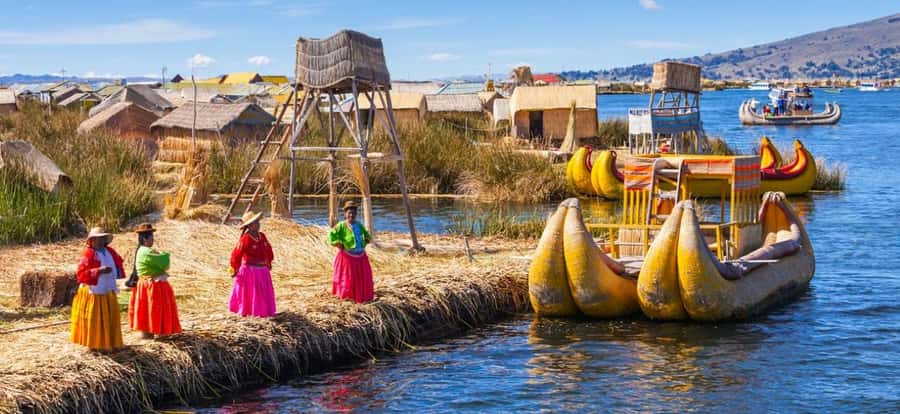
- Uros totora life, explained in a guided visit of reed-built islands
- A real walk on Amantani, including weaving culture and a climb for sunset views
- Overnight with a local family, plus dinner and the next morning’s breakfast
- Taquile steps to the top, with a full island loop and classic local clothing you’ll notice
- Meals are included (Day 1 lunch + dinner, Day 2 breakfast + lunch), so you’re not hunting food all day
- Optional totora horseback riding is available for an extra 15 soles if you want it
From 7:00 AM pickup to the Uros reed islands
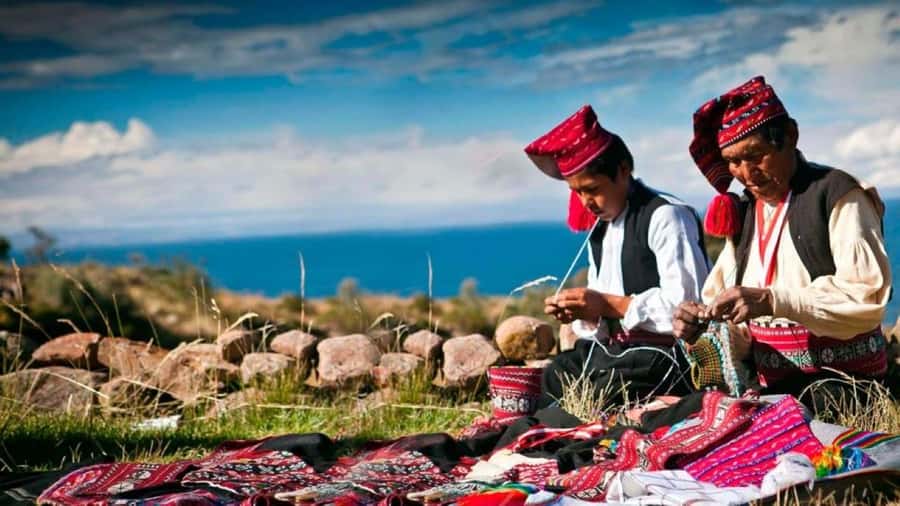
This excursion starts early, with hotel pickup in Puno around 7:00 AM. You’ll want to be ready at your lobby and give yourself an easy buffer, since you should wait about 10 minutes for the pickup. The guide will also reach out about 15 minutes before.
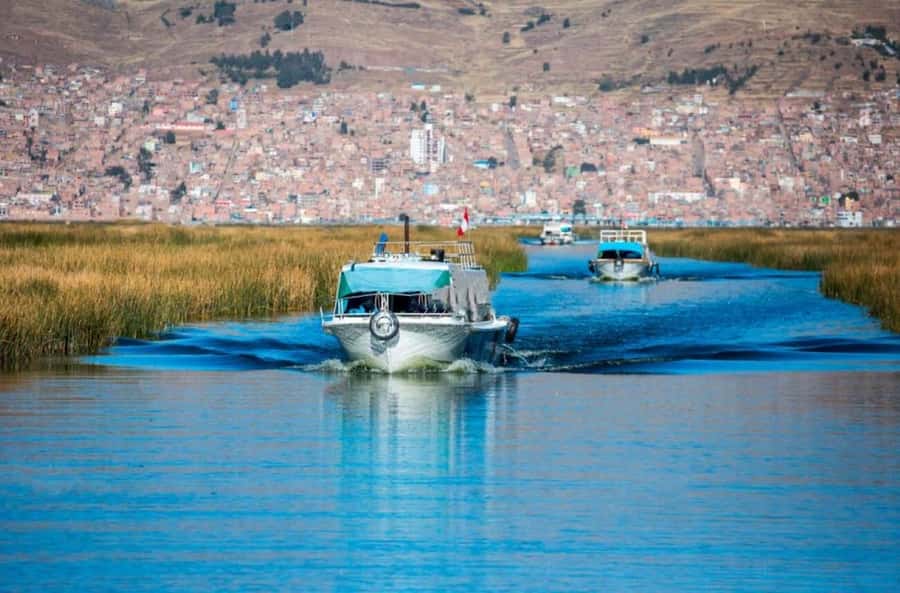
Once you’re gathered, you head to the port area and board a boat for the Uros islands. The pacing here is practical: you get on the water quickly, and then you focus on one key idea at each stop. That structure matters because Titicaca experiences can feel scattered if you bounce around without a plan.
You can also read our reviews of more tours and experiences in Lake Titicaca Peru.

What I like about the morning flow
You get moving before the day gets hot, and the first stop is a strong “why it matters” introduction. Uros isn’t just a photo stop. You’re guided through what the islanders grow and use, and that makes the later cultural moments feel more connected.
Uros: totora reeds, homes, and boats (not just postcards)
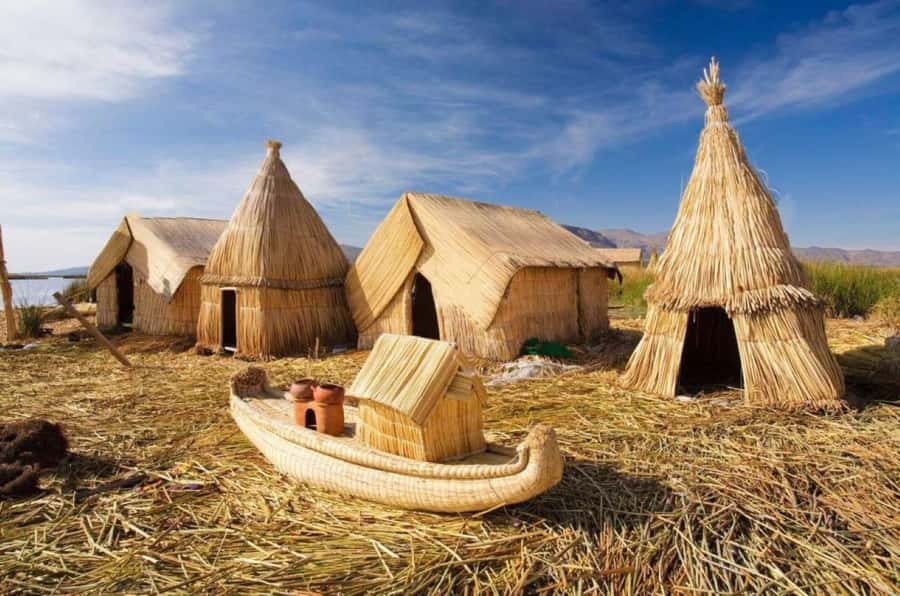
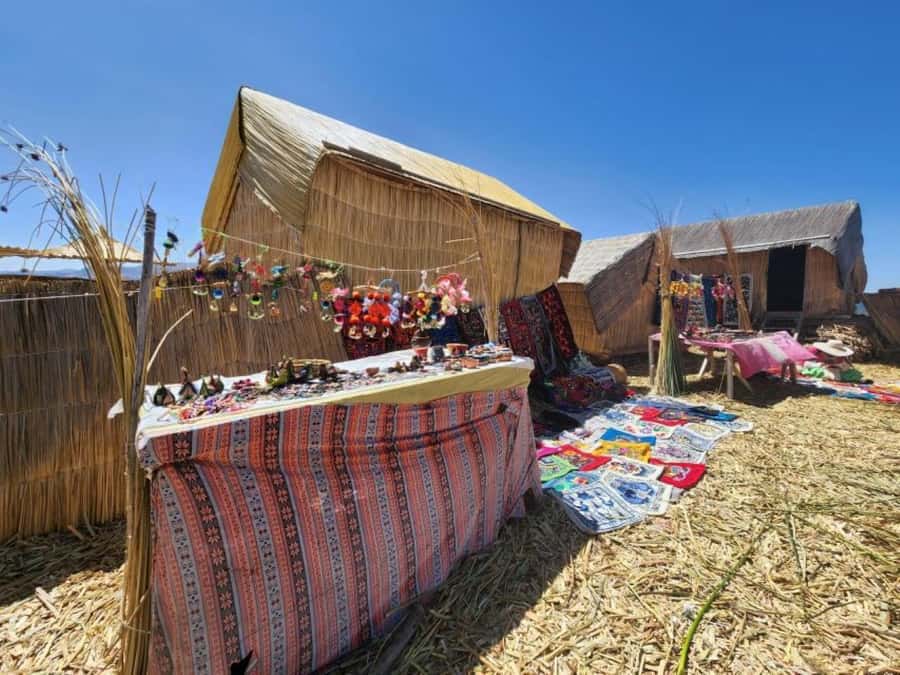
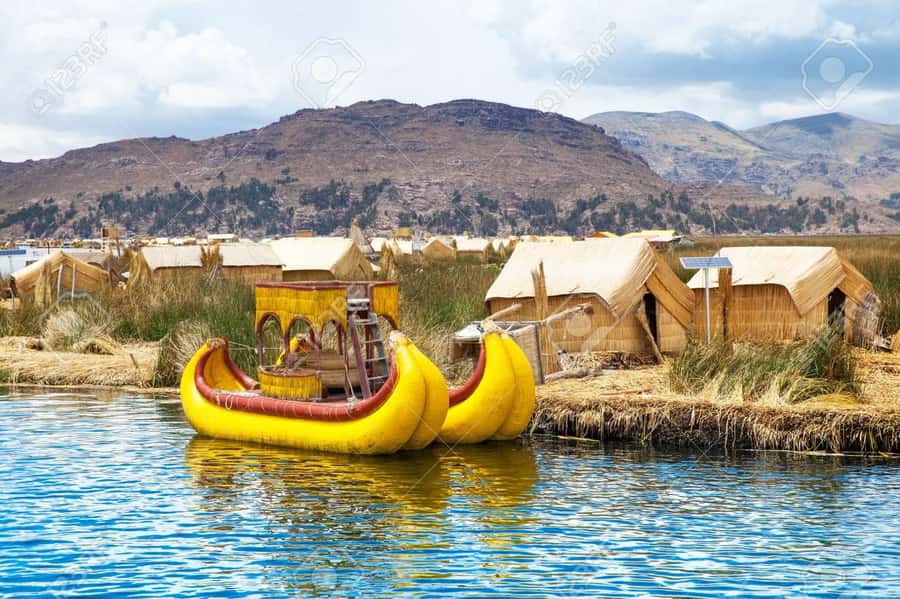
Uros is built on totora reeds, and your visit explains how those reeds function in everyday life. You’ll see how the same material is used for homes, rafts/boats, fuel, and even food for human consumption. That one detail changes how you look at everything.
Instead of thinking, This is a staged set piece, you start thinking like an islander: what you grow has to do multiple jobs. The guide’s job here is to make that logic clear, and it also helps you ask better questions—like how maintenance works and why the reed cycle matters.
The main consideration
Uros is a guided island tour, which means you’ll be moving at a steady pace with a group. If you want long, silent wandering for photos only, you may wish you had more free time. Still, the guided context is what turns it from a quick stop into a real cultural lesson.
Amantani’s 1-hour walk to the village: the culture starts on your feet
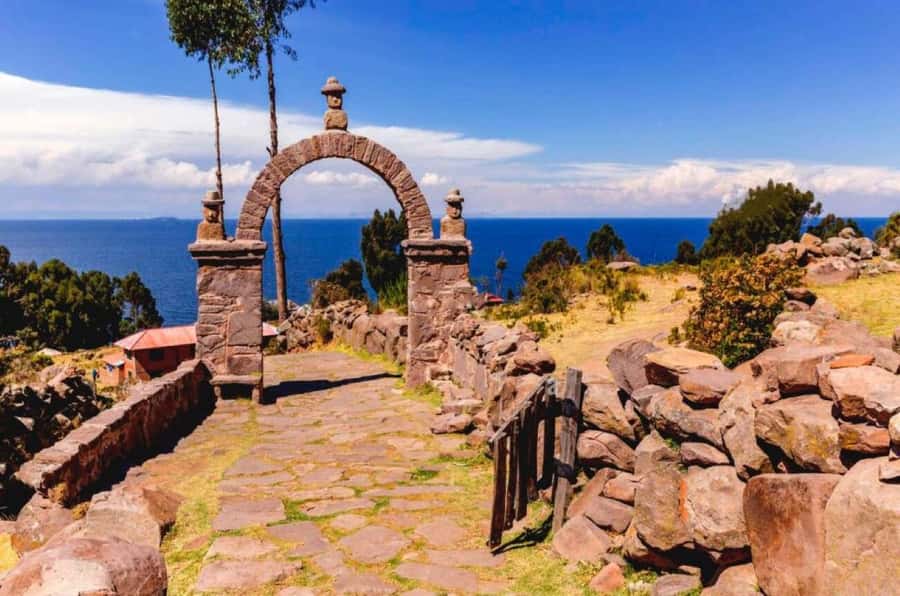
After Uros, you continue to Amantani and begin with an about 1-hour walk to reach the village. This is not a casual stroll. It’s the kind of walk that helps you feel the island’s rhythm—slow, steady, and clearly connected to community life.
Along the way and once you arrive, you’ll have time to observe the scenery and the daily customs around the village. What you’ll remember most is the focus on weaving. Families show their ways of life through their textiles, and it’s a chance to understand that clothing and crafts aren’t just decoration here—they’re part of identity and work.
Then you replenish energy with a typical lunch in a local restaurant. This matters more than it sounds. You’re at elevation and you’re walking, so the meal isn’t just cultural; it keeps you functional for the rest of the day.
What to expect during the walk
- You’ll be on foot for a solid chunk of time.
- You should bring a jacket and plan for cooler moments, even if it starts bright and warm.
- Wear shoes you trust. Your feet will do most of the work on this day.
A sunset climb on Amantani—and why it hits harder after meeting families
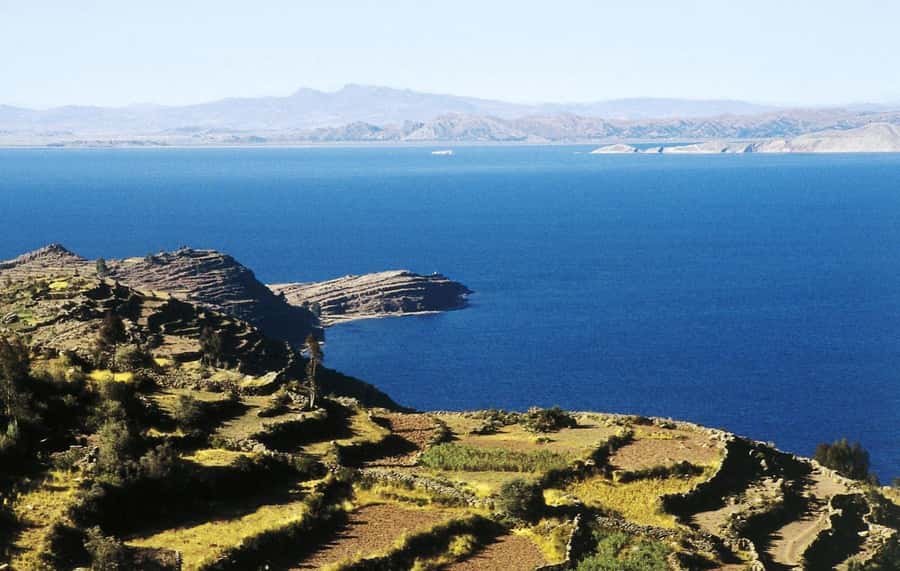
In the afternoon, you have the opportunity to walk up toward the top of the island for sunset. The timing is deliberate: you’ve already been introduced to the community and weaving, and now you’re seeing the same place from a higher viewpoint.
This is the moment most people picture when they think of Lake Titicaca: light turning golden, the lake spreading out, and you getting that panoramic feeling. The difference here is that the sunset isn’t floating in space. It’s connected to the people you just learned about.
The dinner-and-family piece
At the end of Day 1, you rest with a local family. Dinner is included, which helps make this part of the schedule feel cohesive rather than random. It also means you’re not just passing through. You’re inside the rhythm for one night.
Overnight on Amantani: the experience is real, the comfort can be basic
This is where the trip becomes deeply memorable. Sharing a night with a local family gives the experience texture that boat-and-steps trips can’t. You’ll get that morning-to-night sense of island life, not just a daytime tour.
Now for the practical reality. Comfort varies, and it’s fair to prepare for basic conditions. One clear downside that comes up is limited bathroom access. For example, some people didn’t have access to a shower, and the beds weren’t the most comfortable.
How to make the overnight work for you
If you book this expecting hotel-level comfort, you’ll be disappointed. If you book this expecting a cultural stay with simple logistics, you’ll likely feel satisfied. Bring patience, pack for practicality, and remember: the value here is human connection and firsthand daily life.
Taquile day 2: breakfast with your host family, then steps and traditional clothing
Day 2 starts with a very early breakfast prepared by the local family. That “very early” detail matters. It sets the tone: this isn’t a late-morning hangout. You’re up, you eat, and then you move on.
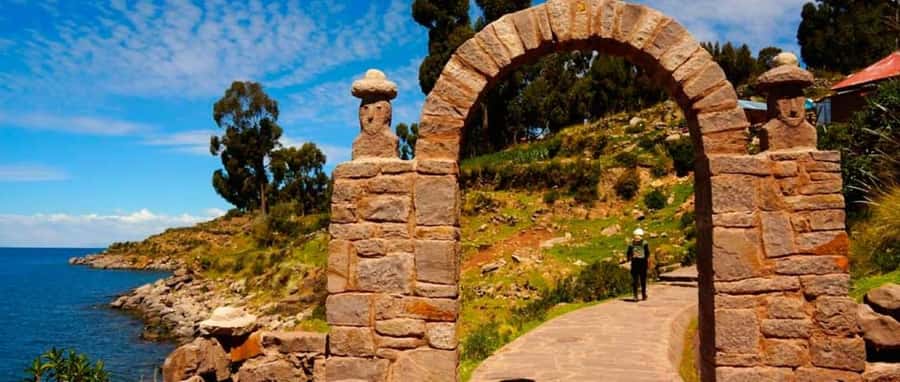
After saying goodbye, you continue to Taquile by boat, about 1 hour. Once there, you loop around the island and then walk up a lot of steps to reach the top. During the tour, you’ll also notice different local clothing, which adds another layer beyond the weaving you saw on Amantani.
Then lunch is included with a typical dish, and the key bonus is the view over Lake Titicaca while you eat.
The biggest advantage of Taquile after Amantani
You’re not starting over from scratch. Amantani teaches you how island life connects to crafts and daily rhythm. Taquile builds on that with clothing and more village walking. By the time you climb to the top, you’re not just climbing for photos. You’re climbing with context.
Return to Puno by 5:30 PM: a full couple of days, tightly scheduled
At the end of Taquile, you head back to Puno and arrive around 5:30 PM. You’ll be dropped off at the port area to end the service.
This timing is good if you want a compact trip without losing an extra day. It also means you should plan your evening in Puno with some flexibility. You’ll likely be tired from walking and boats, and you’ll want an easy dinner after you’re back.
Price and value: what $85 usually buys you here
At $85 per person for a two-day excursion, the value comes from three things you wouldn’t always get together:
- Transport by boat between Puno, Uros, Amantani, and Taquile
- Bilingual professional guide (English and Spanish)
- Meals included across both days: Day 1 lunch + dinner, Day 2 breakfast + lunch
- An overnight with a local family on Amantani
So even though the price tag looks simple, what you’re really paying for is time, logistics, and the ability to sleep with a host community rather than just day-trip tours.
Extra costs to plan for
Two items can add to your budget:
- Optional totora horseback riding for 15 soles
- Any additional expenses or food not mentioned in the included list
I’d set aside a little cash just in case. You’re also specifically advised to bring cash, which suggests small purchases can come up.
What to bring for comfort, photos, and practical walking
This trip is easy to prepare for, as long as you pack for outdoors and simple lodging. Bring:
- Sunglasses
- Hat
- Camera
- Sunscreen
- Water
- Jacket (important for a cooler feel during walks and viewpoints)
- Cash
Also, keep your plan minimal. You’ll be walking more than you think, and you don’t want a heavy bag you have to drag around.
Not allowed
Alcohol and drugs are not allowed. This keeps the day focused and helps the community stay comfortable and respectful.
Comfort reality check: where people feel friction
If there’s one theme that affects satisfaction, it’s comfort on Amantani. Some people note:
- No shower access
- Beds that are not especially comfortable
That doesn’t mean the experience is bad. It means you should calibrate expectations. You’re paying for access to family life and island culture. You’re not paying for soft mattresses and private bathrooms.
If you’re sensitive to basic conditions, consider this your “heads up” before you commit. On the upside, other parts of the trip can feel very warm and welcoming, especially during family time and meals.
Who should book this two-day Titicaca trip
This excursion is a strong fit if you:
- Want culture through daily life, not just landmarks
- Don’t mind walking and steps
- Like the idea of a family stay, and you can roll with simple comfort
- Enjoy sunsets and viewpoints, especially when you’ve already met the people behind the place
It’s not a good fit if you:
- Are pregnant
- Use a wheelchair (wheelchair users aren’t suitable for this tour)
Should you book this Uros–Amantani–Taquile trip?
Yes, if you’re excited by the human side of Lake Titicaca. The mix of Uros totora life, Amantani weaving and family time, and Taquile’s steps and clothing makes it more complete than a half-day loop.
No, if you’re booking mainly for comfort or luxury. Expect basic overnight conditions on Amantani and come with the right mindset. If that sounds like your kind of trade-off, this is a memorable two days that teaches you how people live, not just how they look.
FAQ
How much does the tour cost?
The price is $85 per person.
How long is the excursion?
It runs for 2 days.
What’s included in the price?
It includes hotel pickup in Puno (nearby hotels), boat transport for the route, a professional tourist guide in English and Spanish, traditional lunch on Day 1 and Day 2, dinner on Day 1, and breakfast on Day 2. It also includes the overnight rest with a local family on Amantani.
What time does pickup happen in Puno?
Pickup is at 7:00 AM, and you should wait about 10 minutes at your hotel lobby. The guide will write or call you about 15 minutes before pickup.
Are meals included on both days?
Yes. Day 1 includes a traditional lunch and dinner, and Day 2 includes breakfast and a traditional lunch.
Is totora horseback riding included?
No. Totora horseback riding is not included and costs 15 soles.
Who is this tour not suitable for?
It’s not suitable for pregnant women and wheelchair users.