REVIEW · IQUITOS
Iquitos: Native Community Experience & Amazon River Tour
Book on GetYourGuide →Operated by Yakumama Amazon Tours · Bookable on GetYourGuide
Amazon river days move fast.
This Iquitos Amazon river tour is a packed 6 hours of boats, wildlife chances, and real human connection: a cruise down the Itaya and Nanay river systems, a visit with the indigenous Kukama community, and a guided stop at the Pilpintuwasi butterfly farm. I especially like the three-river route (it makes the waterways feel alive, not repetitive) and the way Pilpintuwasi turns butterflies into something you can understand, not just admire. One thing to watch: entrance tickets and lunch cost extra, so the final price can creep up.
You’ll go with a bilingual guide (Spanish/English), and a name that shows up often is José, described as friendly and helpful. If you get motion-sick easily, also take it seriously—these rivers can feel rough, and strong currents are part of the plan.
In This Review
- Key highlights to look forward to
- Starting at Yakumama Amazon Tours: the day’s “anchor” moments
- Sailing Itaya, Amazonas, and Nanay: dolphins, currents, and what to do about them
- Kukama community visit: culture you can ask about, not just watch
- Father Cocha shoreline walk: why the “short” stop can stick
- Pilpintuwasi Butterfly Garden: more than pretty wings
- Nanay River guide time and the return boat: how the day winds down
- Price and entrance fees: where the $119 can feel fair—or not
- Comfort, safety, and who should skip this day
- What to pack (and what to leave behind)
- Should you book this Iquitos native community and Amazon river tour?
- FAQ
- How long is the Iquitos Native Community Experience & Amazon River Tour?
- What’s included in the price?
- Is lunch included?
- Are entrance tickets included?
- Where do I meet the guide?
- Is pickup available from hotels?
- What should I bring on the tour?
- Is the tour safe for everyone?
Key highlights to look forward to
- A three-river cruise around Iquitos: Itaya/Amazonas/Nanay waterways in one day, not just one canal.
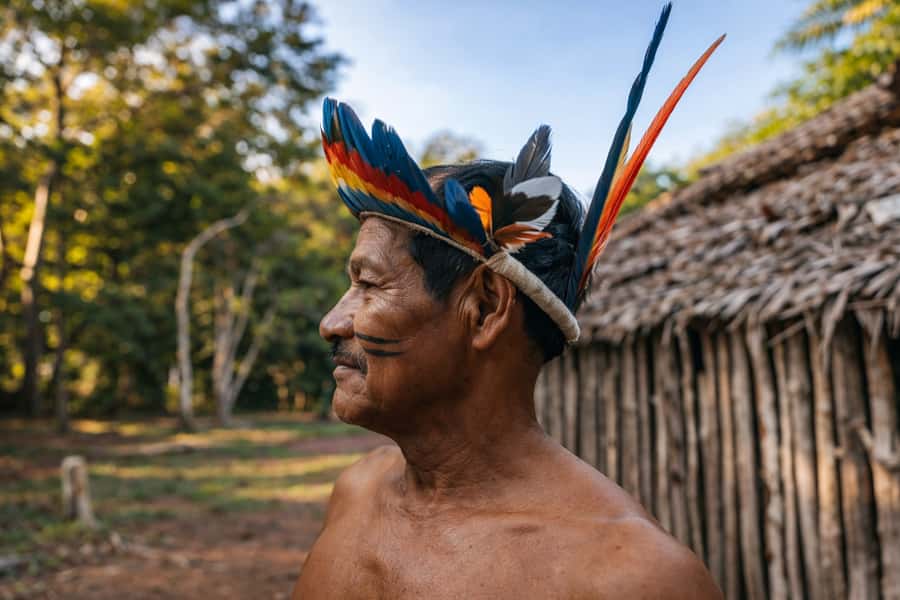
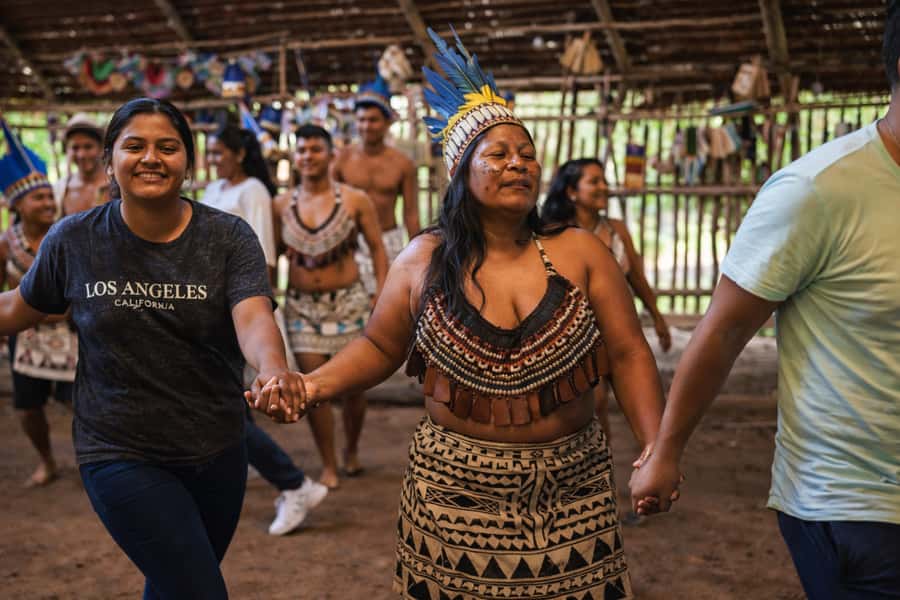
- Kukama community visit with a guide: Dances, customs, and cultural context from local hosts.
- Father Cocha shoreline walk: A short walk paired with the founder story of the community.
- Pilpintuwasi Butterfly Garden: Learn life cycles and breeding habits, with a rescue angle for animals.
- Butterfly farm timing built into a 6-hour loop: Enough structure to feel full, without turning into a full-day slog.
Starting at Yakumama Amazon Tours: the day’s “anchor” moments
Most days start at Yakumama Amazon Tours in Iquitos, then you check in and head out from the pier area along Iquitos Boulevard. This kind of tour works best when you treat it like a half-day rhythm: boat first, stops second, boat again, done.
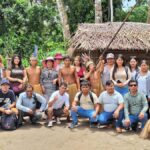
I like that it’s a private group. That matters on water, where questions pop up fast—about what you’re seeing, how long stops last, and what you should do next. It also tends to make the guide’s attention feel less split.
Bring the basics that actually help out there: a passport or ID card, sunscreen, sunglasses, and comfortable clothes. A reusable water bottle is smart too, since you’ll want to stay ahead of thirst instead of bargaining for drinks mid-route. You’ll also want some cash in Peruvian soles because entrance tickets are extra.
You can also read our reviews of more tours and experiences in Iquitos.
Sailing Itaya, Amazonas, and Nanay: dolphins, currents, and what to do about them
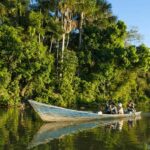
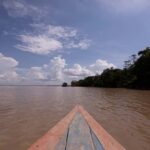
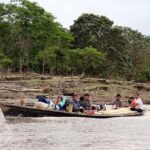
The big “wow” part is the boat time. You spend about 2 hours on the water at the start, then more sailing between cultural stops, and then a final return. The route loops through the waterways surrounding Iquitos, including the Itaya, Amazonas, and Nanay rivers, so you get that sense of the Amazon as a working network—not just a postcard backdrop.
You might see dolphins and red buffaloes swimming around you. Even if you don’t, the visual changes are still real: water traffic, river banks, and shifting jungle edges as you move. This is also where your comfort choices pay off.
Here’s the practical warning: currents can be very strong. If you’re prone to sea sickness, take medication in advance as recommended. And on a boat, the “best decision” is usually simple:
- Keep your eyes on the horizon when you can
- Sit where you feel most stable (your guide can often suggest what area works best)
- Don’t go empty-handed—bring water and a snack if you can
Dress for sun and wind. On the water, it can feel cooler than you expect, but the sun still burns when you’re sitting still for long stretches.
Kukama community visit: culture you can ask about, not just watch
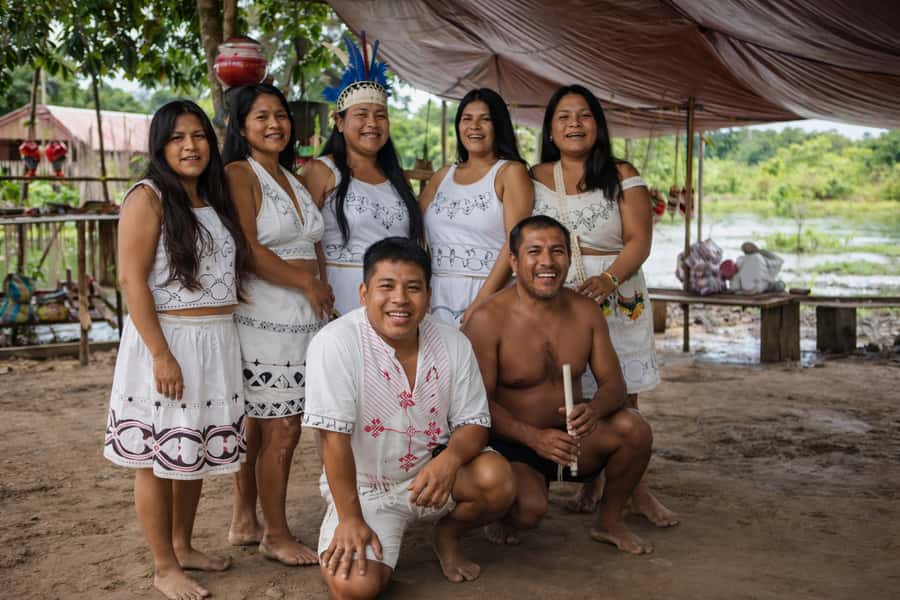
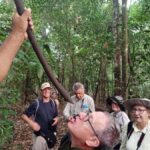
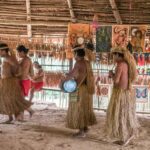
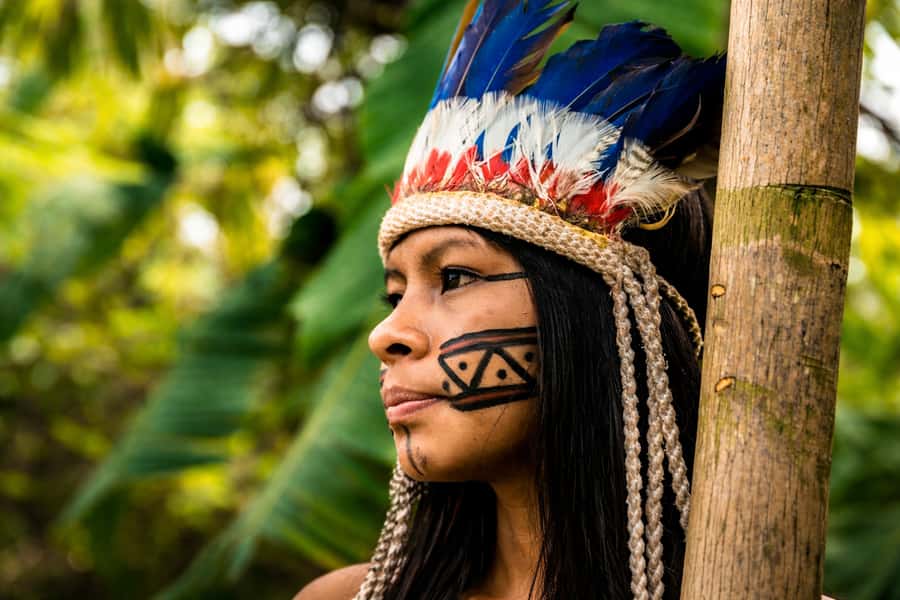
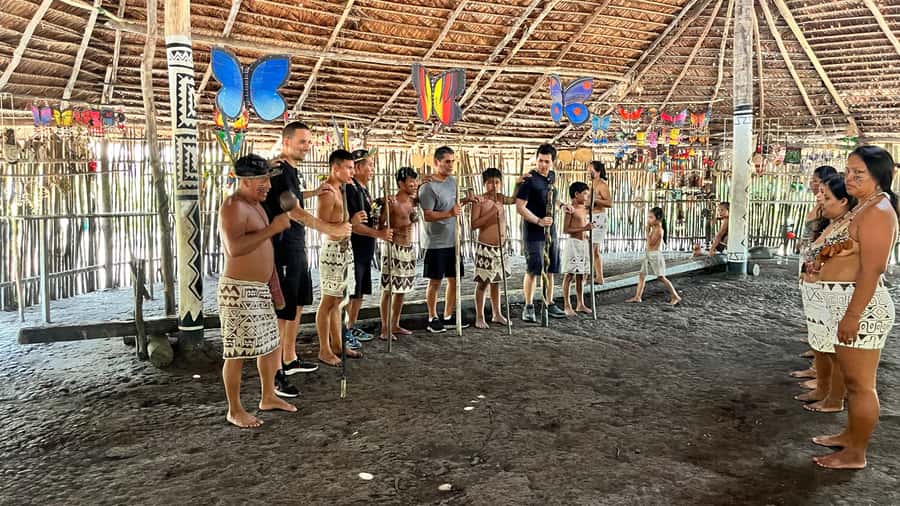
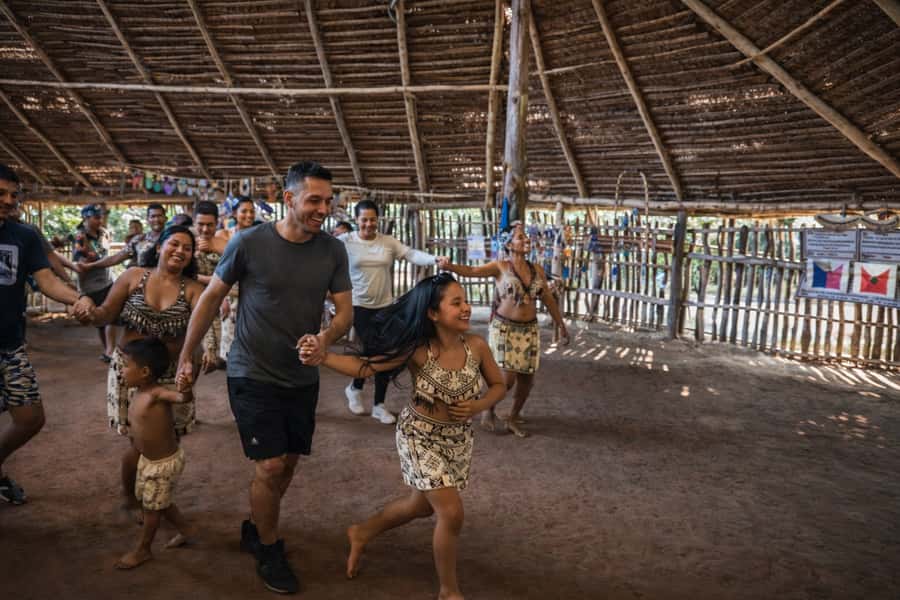
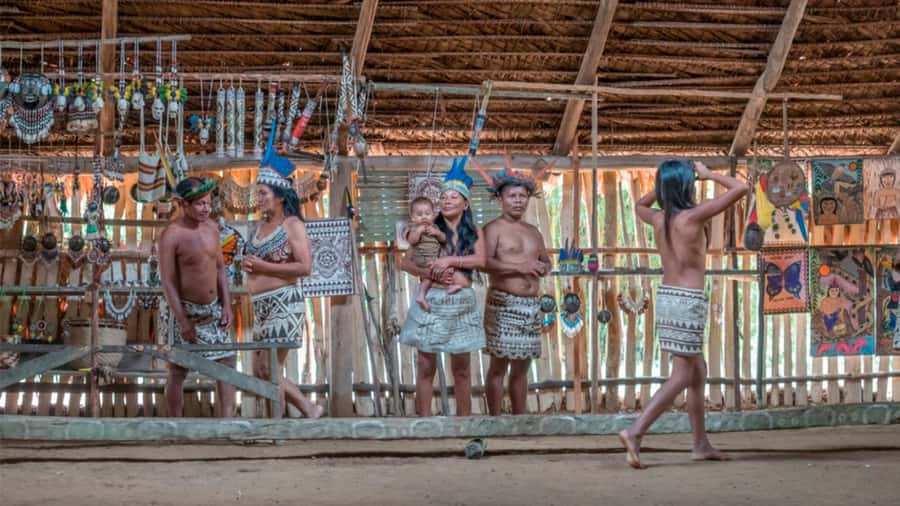
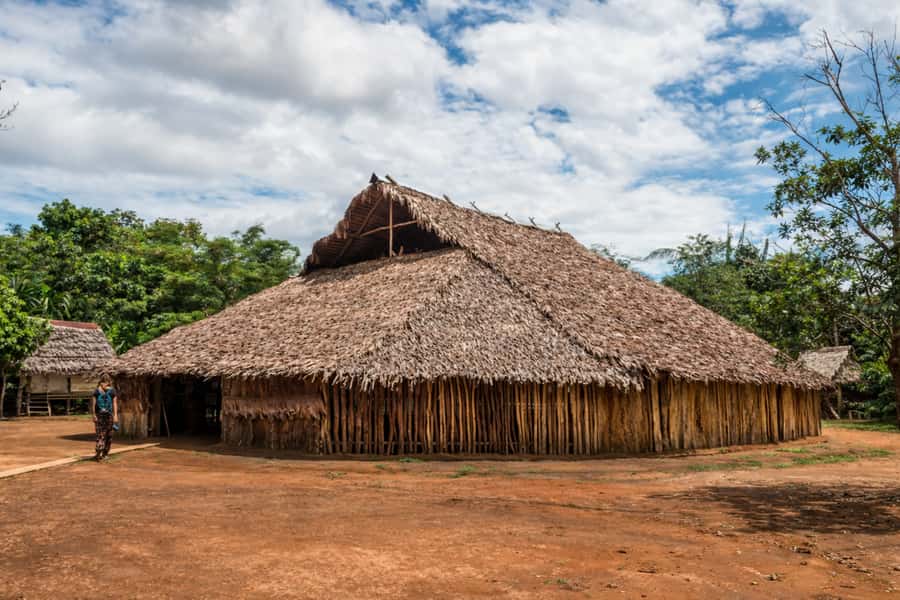
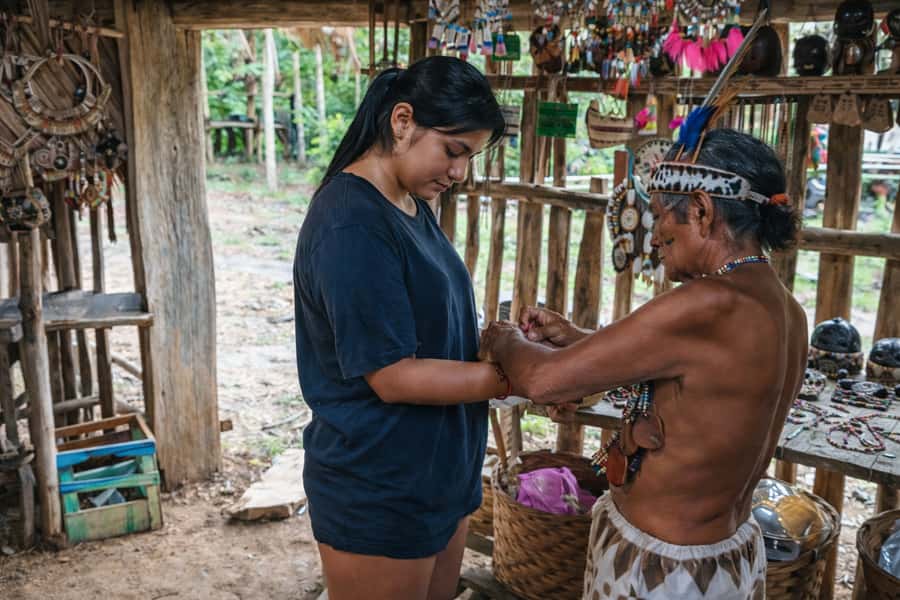
After the first boat segment, you arrive at the indigenous Kukama community for a guided visit lasting around an hour. This is the heart of the human part of the day: you’ll learn about culture through dances and customs, and the guide is there to translate what you’re seeing.
What I like about this stop is the structure. It isn’t just “walk around and look.” You get guided context, so you can ask better questions. When you understand what you’re watching—why a dance matters, how daily life works—it stops being entertainment and turns into a real conversation.
One consideration: cultural visits can vary from day to day. If your main goal is a deep, remote jungle immersion, keep your expectations anchored to the fact that this is a community visit inside the Iquitos river orbit. You’re not traveling to an isolated research camp; you’re meeting people in their home environment, with a guided schedule.
How to make it meaningful (and respectful):
- Watch first, then ask questions through your bilingual guide
- Keep your voice calm and your camera use mindful
- Treat the hour as a conversation window, not a photo sprint
Father Cocha shoreline walk: why the “short” stop can stick
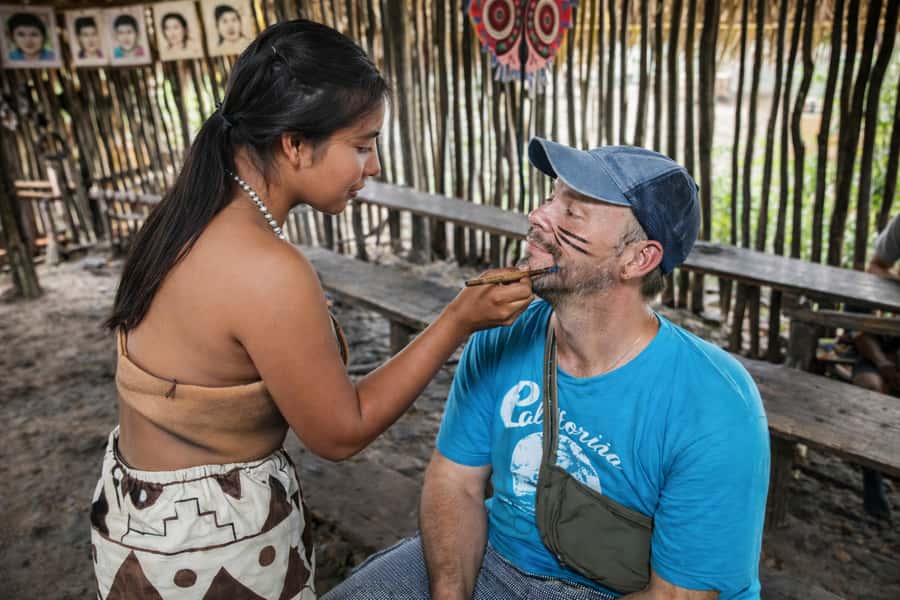
Next comes a shift from community activity to learning through place. You take a walk along the shore in the Father Cocha area and learn the history of its founder. The walk itself is brief—about 15 minutes—but it’s paced as an easy transition between river travel and the butterfly garden.
This stop is a nice counterbalance. Boat days can blur into one long motion. A shore walk lets you slow down, read the waterline, and connect the story to what’s around you.
I also like that it’s guided. “Founder history” can sound like a quick trivia moment, but with a good guide it becomes practical: you start to see how communities relate to rivers for daily life, travel, and work.
If you’re photographing, remember you’ll likely be working with uneven ground near the shore. Comfortable shoes are the difference between enjoying the walk and spending it worrying about your footing.
Pilpintuwasi Butterfly Garden: more than pretty wings
Then you hit the star stop for many people: Pilpintuwasi Butterfly Garden. You’ll spend about an hour here with a guided visit focused on butterfly life cycles and breeding habits.
This is where the day gets educational in a hands-on way. Instead of just naming species, the guide helps you understand how butterflies grow, what they need, and why their stages matter. It turns a simple “look at butterflies” stop into something your brain can hold onto.
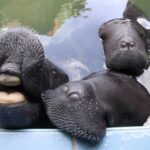
A standout detail from the experience: Pilpintuwasi is described not only as a farm, but also as a rescue center for animals that were illegally kept as pets. That adds weight to the visit. You’re not just buying a nature moment—you’re seeing a conservation-minded operation in action.
If you’re planning your attention, I’d do it like this: slow down during the life-cycle explanation, then use the rest of your time to watch behavior. Butterflies move fast, but once you know what you’re seeing, the motion starts to make sense.

Nanay River guide time and the return boat: how the day winds down
After Pilpintuwasi, you spend time on the Nanay river with guided narration for about 40 minutes. This part keeps the tour from feeling like a one-off attraction day. You still get “why the Amazon matters” through water travel and commentary.
Finally, you return by boat to the Iquitos Boulevard meeting point, with about an hour of sailing in the last stretch. This is a good moment to mentally整理 the day: what you saw, what you learned, and which parts felt most authentic to you.
If you’re a “photo planner,” this is also where you’ll want to be ready to capture something quickly. Motion + sunlight + river distance can turn perfect shots into missed moments, so keep your camera accessible.
Price and entrance fees: where the $119 can feel fair—or not
The listed price is $119 per person for a 6-hour experience. That covers a bilingual guide and the boat ride, which is a solid foundation—water time isn’t cheap, and translation for cultural stops matters.
Where the math changes is extras:
- Lunch costs extra (30 soles per person)
- Entrance tickets cost extra (30 soles per person)
So your budget should assume you’ll pay more than the headline price unless you don’t eat and you happen to already have tickets sorted (the tour data indicates entrance tickets are additional). One guide-style approach to value here:
- If you want convenience plus language help plus a structured day, the total can feel reasonable.
- If you’re price-sensitive and want the cheapest possible day, the separate ticket model means you should compare your total cost up front.
I also recommend thinking about what you’re really buying. For $119, you’re not just paying for a boat. You’re paying for guidance, timing, and access to community-based cultural learning plus Pilpintuwasi. If those parts are your priority, the price has context.
One extra twist: there may be optional additional activities on some days, such as piranha fishing, but it isn’t something you should treat as guaranteed.
Comfort, safety, and who should skip this day
This tour is great for people who can handle:
- being on a boat for multiple segments
- a short walking portion on shore
- sun exposure and river wind
It’s not suitable for:
- children under 5
- pregnant women
- people with mobility impairments
- people over 70
That’s not just policy talk. Boat movement and uneven shore areas can be tough, and the currents warning matters.
If you fall into a higher-risk category for motion sickness, treat the “take medication in advance” note as non-negotiable. The river can be strong, and feeling miserable ruins the cultural stops fast.
What to pack (and what to leave behind)
You’ll be glad you brought the right small things because the tour doesn’t include everything you might want.
Bring:
- Passport or ID card
- Sunglasses and sunscreen
- Comfortable clothes
- Reusable water bottle
- Local currency (I’d plan on at least 70 soles for extras)
- Snacks if you like (it’s recommended)
Not allowed:
- pets
- oversize luggage
- smoking
- alcohol and drugs
That “no alcohol” part is actually helpful for a boat-and-walk day—you’ll stay alert on land and it’s easier to enjoy the guide’s explanations.
Should you book this Iquitos native community and Amazon river tour?
Book it if you want a structured introduction to Amazon life around Iquitos: time on the Itaya/Amazonas/Nanay river waterways, a guided Kukama community visit, and a butterfly garden stop with real learning built in. The bilingual guide (often described as capable and friendly) adds value, especially if your Spanish is limited.
Consider skipping (or shopping alternatives) if:
- you’re strongly budget-driven once you factor in entrance tickets and lunch
- you’re expecting an ultra-remote, long-wilderness jungle expedition rather than a river-based day around Iquitos
- motion sickness could be a problem for you and you don’t want to manage it with medication
For many people, this is the kind of day that gives balance: boat time for nature, community time for culture, and a learning stop that sticks in your memory.
FAQ
How long is the Iquitos Native Community Experience & Amazon River Tour?
It lasts about 6 hours.
What’s included in the price?
You get a bilingual tour guide (Spanish and English) and a boat ride.
Is lunch included?
No. Lunch is available for an additional cost of 30 soles per person.
Are entrance tickets included?
No. Entrance tickets cost an additional 30 soles per person.
Where do I meet the guide?
The guide is waiting at the first block of Napo Street, in front of Fitzcarraldo Restaurant, wearing a Yakumama Amazon Tours badge or t-shirt.
Is pickup available from hotels?
Free pickup is available only for guests staying at DoubleTree by Hilton Iquitos and Hotel Turistas Iquitos. If you’re elsewhere, you’ll meet at the scheduled time.
What should I bring on the tour?
Bring a passport or ID card, sunglasses, sunscreen, comfortable clothes, and a reusable water bottle. It’s also recommended to bring local currency and some snacks/water.
Is the tour safe for everyone?
It’s not suitable for children under 5, pregnant women, people with mobility impairments, or people over 70. Strong currents can affect you, so if you get sea sick, take medication in advance as advised.