REVIEW · IQUITOS
3-Day All Inclusive Guided Jungle Tour from Iquitos at Maniti Eco-Lodge
Book on Viator →Operated by Maniti Expeditions Eco-Lodge & Tours Iquitos · Bookable on Viator
Three days in the Amazon, straight from Iquitos.
This guided stay from Maniti Eco-Lodge mixes river travel, Monkey Island primates, and a real shot at seeing the famous pink freshwater dolphin, with night wildlife and jungle hikes.
Two things I like a lot: I love the nonstop nature “on the move,” especially the Rio Nanay boat ride (70 km) that sets the tone for spotting caimans, turtles, herons, and more. I also like how the experience is built around guides people remember by name, including Rene, Alfredo, Linder, Edwin, and Ashoku, who keep things organized while still letting the jungle lead.
One drawback to consider: you’re outdoors for a lot of the trip—boats, canoes, and early hikes—so this is not a spa weekend, even though the lodge has real comforts like showers, hammocks, and WiFi. Expect basic-in-a-good-way jungle lodging.
In This Review
- Key moments that make this tour worth your time
- From Maniti to Nanay: 70 km of river watching
- Monkey Island near Maniti Lodge: monkeys, mata-mata turtles, and giant reptiles
- Pink dolphins and a nocturnal hike: when the Amazon changes its rules
- Day 2 sunrise, fishing, Victoria regia, and canoe caimans
- Day 3 early hike plus a native tribe visit, then back to Iquitos
- Value check: what $459 covers and what you still pay for
- Lodge comfort in the jungle: WiFi, hammocks, and real showers
- Should you book this 3-day Maniti jungle tour from Iquitos?
Key moments that make this tour worth your time
- Maniti-to-nature logistics that feel easy: round-trip transport from your Iquitos airport/hotel, plus equipment and meals handled.
- Monkey Island’s animal variety: a long visit with monkeys, mata-mata turtles, and giant reptiles in the same stretch of habitat.
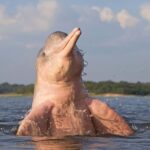
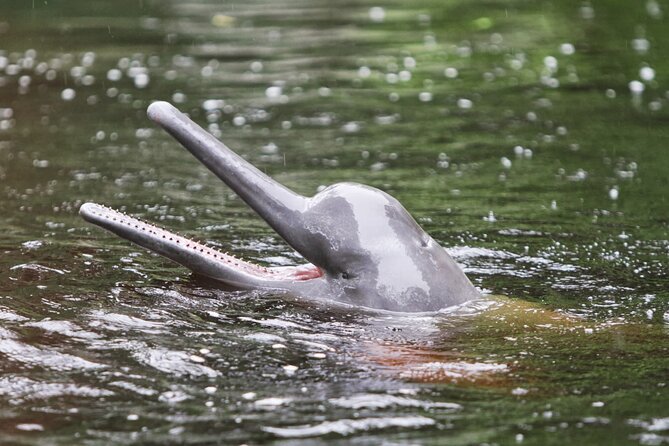
- Pink freshwater dolphin focus: a camp dolphin-watching session, with a possible swim on the main river if conditions allow.
- Night hike wildlife time: lizards, snakes, spiders, and monkeys after dark, when the jungle changes its mood.
- Day 2 includes plants, not just animals: Victoria regia (the world’s largest freshwater aquatic plant) is a standout.
- Caiman by canoe after sunset: photo time in low light that feels like a proper Amazon experience.
From Maniti to Nanay: 70 km of river watching
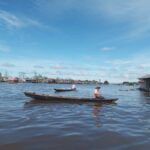
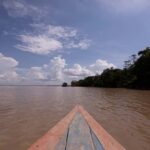
You start in Iquitos with pickup on the same day, and the tour’s morning rhythm begins early (the meeting time is listed as 8:30 am). From there, you head to the Maniti Expeditions office, then transfer to the port town of Nanay (Bellavista). The key part of Day 1 is the boat travel downriver: you’ll cover about 70 km in roughly two hours as the Rio Nanay meets the Rio Amazonas.
This is more than just transportation. It’s when the Amazon starts doing its main job—delivering wildlife sightings without you trekking for hours first. Along the riverbank, you have a good possibility of seeing caimans and turtles, plus birds like herons. The river corridor is also where pink river dolphin sightings are possible, along with snakes and lots of floating-and-banky plant life.
Why I think this segment matters for you: river time slows the whole trip down. You’re not rushing from one highlight to another; you’re scanning a moving ecosystem. If you’re the type who loves that patient, watch-and-wait feeling (and you don’t mind being on a boat), this is a great start.
Practical note: because it’s a river setting, expect that the jungle environment is the real “stage.” That also means the experience is weather-dependent in the usual Amazon way—boats and hikes happen when conditions allow.
You can also read our reviews of more guided tours in Iquitos

Monkey Island near Maniti Lodge: monkeys, mata-mata turtles, and giant reptiles
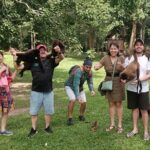
Monkey Island is small and close to the lodge—about 15 minutes from Maniti. The visit runs around three hours, which is important because you’re not crammed in for quick photos and out the door. This is a long enough window for the animals to do what they do best: appear when they want to.
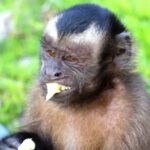
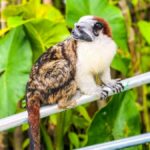
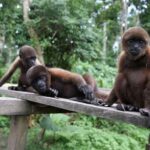
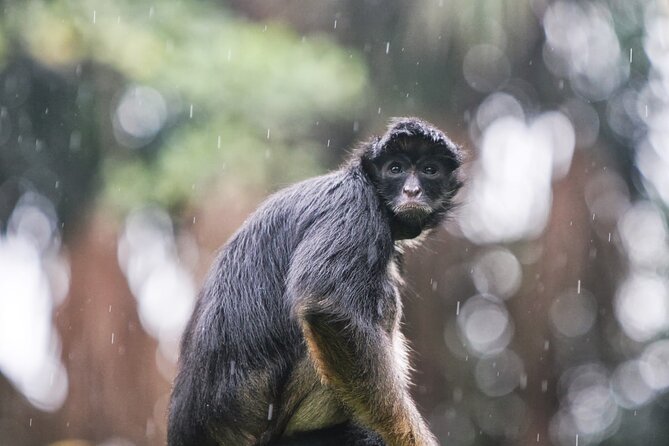
You’ll observe a big mix of primates in their natural habitat, including sloth monkeys and several named species such as Goeldi’s monkey, tamarins, capuchins, and squirrel monkeys. There are also titi monkeys (including yellow-handed and masked titi), plus spider monkey and wooly monkey. Coatis may show up too. It’s a rare chance to see a whole menu of monkey behavior—moving through branches, calling, and simply being present in a living habitat.
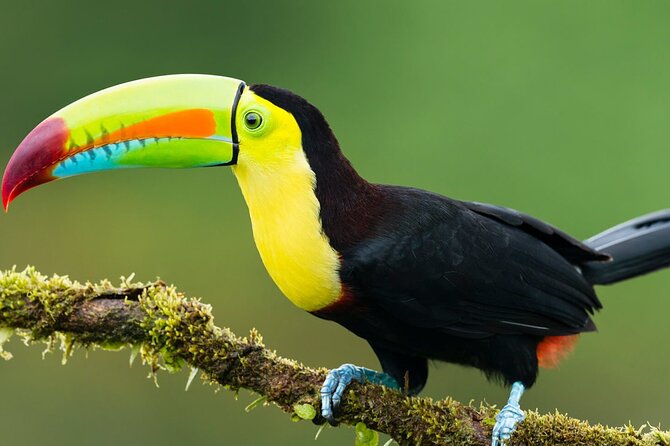
Reptiles and birds are part of the same experience. The route can include alligators and turtles, plus toucans, macaws, and parrots. You can also come across major reptiles like anacondas and boas, and the very unique Amazonian mata-mata turtle, which gets special mention in the itinerary.
Here’s the balanced reality check: you might see more of some species than others depending on the day and light. The value is that you’re surrounded by habitat where many animals live close together, so your chances feel “stacked” rather than one-species-only.
One more good sign: feedback highlights Monkey Island as a top moment. People describe it as memorable, and it’s easy to see why—this isn’t a zoo-style encounter. It’s more about learning how the jungle organizes life around water and trees.
Pink dolphins and a nocturnal hike: when the Amazon changes its rules
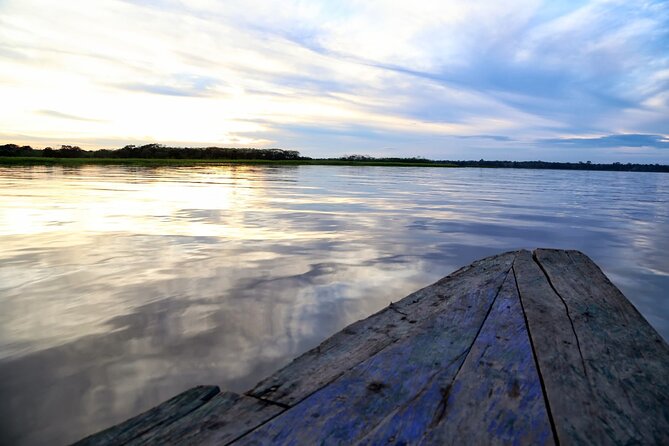
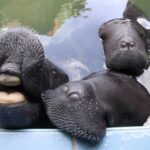
Day 1 keeps going after you settle into the camp routine. There’s a dolphin watching session at the camp, with the best-known target being the pink freshwater dolphin. The itinerary also notes that if you’re lucky, you may have the chance to swim with them on the main Amazon River.
That “if you’re lucky” matters. Swimming opportunities depend on conditions and safety rules, and the dolphin part is always wild-nature unpredictable. Still, it’s a huge upgrade from tours that only talk about dolphins on land. Even a good viewing session can be special because you’re seeing the real creature in its actual river world.
In the evening, the jungle shifts. You’ll do a nocturnal nature hike and look for lizards, snakes, spiders, and monkeys. This is the part that often surprises people. In daytime you track motion through leaves and canopy. At night, you start noticing movement on edges—on the ground, in shadows, and near path boundaries.
What I like about the way this is structured: you get wildlife in two modes—day water life and night jungle life—without needing to invent your own schedule. One past guest praised the night walk photos as a memorable part of the overall trip, and the itinerary supports exactly that.
Also, take advantage of lodge downtime when you can. The tour includes a pool, WiFi, and hammocks—good for recharging your energy before another early start.
Day 2 sunrise, fishing, Victoria regia, and canoe caimans
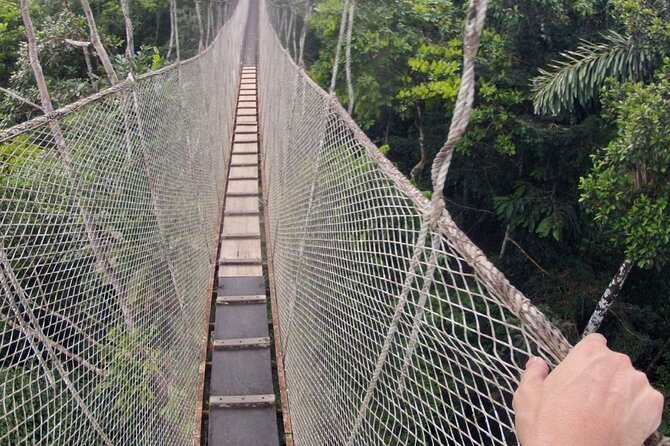
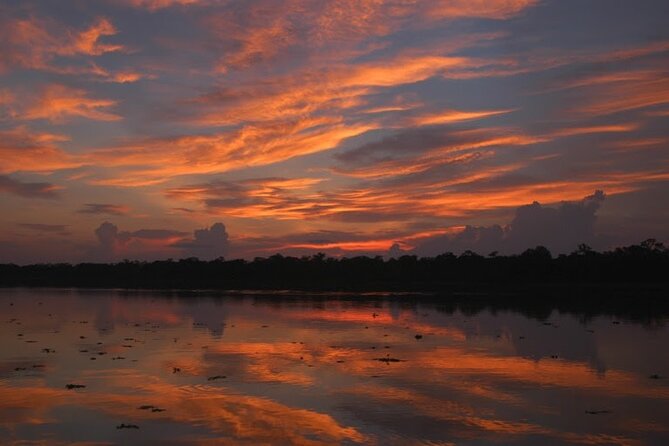
Day 2 starts early enough to catch sunrise over the Amazon River. That’s not just scenic. Morning light can change how wildlife moves, and it often feels cooler and calmer than later in the day.
First is an animal observation excursion by boat—again emphasizing river travel as the platform for sightings. Then comes afternoon fishing by boat, with the chance to catch piranha, catfish, and other fish. Fishing is one of those activities that helps you connect with the Amazon as a working system, not only a postcard system. And since fishing poles are included, you’re not stuck figuring out gear or logistics.
Then you get a plant stop: viewing Victoria regia, described as the world’s largest freshwater aquatic plant. This matters because many jungle tours focus only on animals. Seeing Victoria regia helps you understand the jungle as a whole environment—plants, water, insects, birds, and predators are all connected through that wet world.
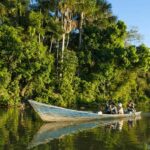
After sunset, the action changes again. You head out by canoe to spot caiman and get photo time. A canoe is quieter than a bigger boat, and it puts you closer to shoreline rhythm. It’s also the kind of segment where you’ll want to follow your guide’s instructions closely so you can move safely in low light.
A theme in feedback is that the organization and variety are strong. People liked the mix of hikes, animal observation, and the extra stops that don’t feel like filler. Day 2 is where that variety really shows.
Day 3 early hike plus a native tribe visit, then back to Iquitos
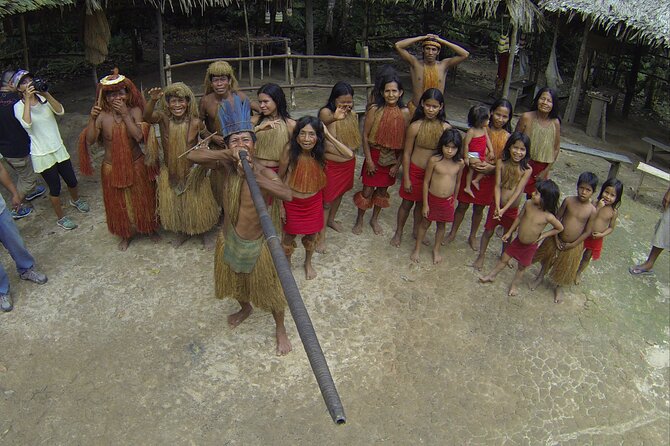
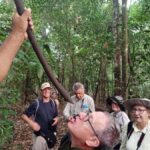
Day 3 keeps the early start with a jungle hike focused on wildlife and plants. You’ll look for monkeys and birds, plus learn about Amazonian plants. It’s a continuation of the same mindset as the earlier hikes: slow scanning, quiet attention, and noticing details you’d miss if you were only rushing between “top attractions.”
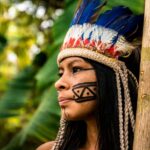
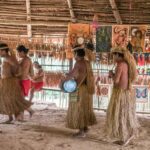
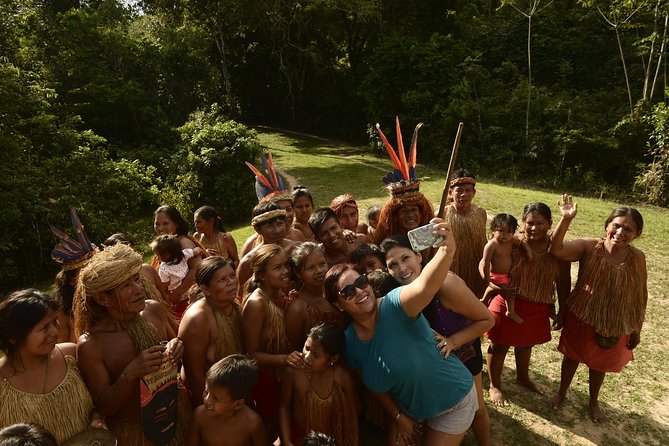
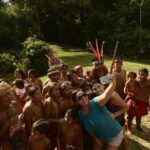
Then you transition back to civilization. You depart from Maniti Lodge and head to Iquitos City (about two hours). The trip doesn’t end with the drive, though. You also visit a local native Indian tribe to learn and observe their history and customs (about two hours).
This cultural stop is one of the reasons the tour feels more complete than a pure wildlife-only itinerary. It adds context for how people live alongside the Amazon rather than only visiting it.
Finally, you wrap up with a transfer to the airport or hotel. That last handoff is part of the value: you’re not stuck trying to arrange your own return transportation after three days of boots-on-the-ground jungle time.
You can also read our reviews of more tours and experiences in Iquitos
Value check: what $459 covers and what you still pay for
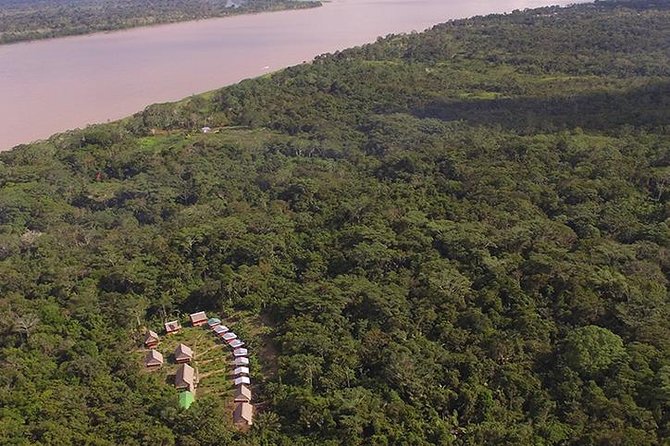
At $459 per person for an approximately 3-day all-inclusive guided jungle tour, the question is what you’re not paying for. In this case, the big cost drivers are handled.
What’s included:
- Round-trip transportation from the airport or your Iquitos hotel on the same day of the tour
- Fully guided excursions in English and Spanish
- Accommodation with bedding, mosquito nets, and showers (private rooms)
- Meals: lunches (3), breakfasts (2), dinners (2)
- Equipment: rubber boots, fishing poles, first aid, and other items
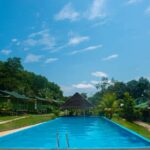
- Lodge extras that actually help: a pool (22m x 8m) with two depths (70 cm for children, 190 cm for adults) and WiFi available 24/7
- Rest options: hammock rooms for downtime and connection with nature
From a value standpoint, you’re paying for time and coordination: boat routes, guides, and meals in an area where planning yourself can get messy fast. For many people, that alone makes this price feel reasonable.
What’s not included:
- Airfare and all airport taxes
- The hotel in Iquitos City
- Personal expenses like alcohol, laundry, and extra food
- Souvenirs
- Insurance for theft, loss, illness, or accident
One more note from feedback: there may be an option to do an Ayahuasca ceremony, depending on the group and what’s available at the time. If that interests you, ask early about what it involves and whether there’s any added cost or rules.
Also, the booking pattern shows demand: on average this gets booked about 44 days in advance. If you’re traveling in a busy window, earlier booking helps you lock your dates.
Lodge comfort in the jungle: WiFi, hammocks, and real showers
The Amazon can be raw, but your comfort isn’t ignored here. Your stay includes private accommodations with bedding, mosquito nets, and shower access. That means you can actually clean up after hikes and boat days rather than just wiping off and calling it a night.
The lodge also offers two “slow down” zones:
- Two hammock rooms for rest and that quiet nature connection
- A large swimming pool (22m x 8m), with a shallow section suited for kids and a deeper section for adults
WiFi is listed as available 24/7, which is rare enough in remote areas that it’s worth mentioning. It won’t replace the jungle, but it can help you keep up with emails and maps, or just let you upload a dolphin photo without sprinting for a signal.
A word on the vibe: some guests describe accommodations as basic, but comfortable and clean. That sounds right for an eco-lodge setting where the jungle is the main event. If you expect luxury linens and climate control, you’ll probably feel let down. If you want clean practicality with jungle access, you’re in the right zone.
Should you book this 3-day Maniti jungle tour from Iquitos?
I’d book this if you want a structured Amazon experience that still feels like real wilderness: riverboat watching, Monkey Island primates, dolphin time, a night hike, and a plant stop with Victoria regia. It suits people who like early starts, can handle boats and canoes, and want the “big wildlife list” type of trip without having to manage logistics yourself.
I would skip or reconsider if you’re looking for a totally relaxed schedule with minimal nighttime activity, or if you’re not comfortable spending long hours outdoors in a humid environment.
If you’re on the fence, here’s the simplest decision rule: if seeing pink river dolphins, exploring Monkey Island, and doing a day-and-night wildlife mix would make your trip better, this is the kind of all-inclusive plan you’ll be glad you chose.