REVIEW · IQUITOS
Monkey Island,Amazon River & Native Aquatic Species – All tickets
Book on Viator →Operated by Kelwin Peña Andrade · Bookable on Viator
One river morning and you’re staring at life you rarely see up close. This private Iquitos tour pairs native aquatic species on the Amazon with a visit to Monkey Island, where rescued primates are rehabilitated and released back to their natural habitat. I love that it’s conservation with real-world stakes, not just a wildlife stop.
Two things I really like: you get guided interpretation from local experts (including guides such as Kelwin and Javier, who are clearly comfortable in both jungle knowledge and English), and you spend real time at Monkey Island learning why illegal hunting and the pet trade are such a problem. One consideration: it’s best if you’re comfortable on the river boat—this isn’t ideal if you’re afraid of being on the water.
In This Review
- Key Highlights You’ll Care About
- Amazon River and Native Aquatic Species: What You’re Actually Looking For
- The Monkey Island Stop: Conservation You Can See Up Close
- How the Day’s Wildlife Viewing Feels (Boat Time, Sightings, and Reality)
- Giant Tree, Fish Farm, and the Route Between Stops
- Your Guide Makes the Difference: From Javier to Kelwin and William
- Price and Value: What $150 Covers (and What It Doesn’t)
- Comfort, Safety, and Who This Tour Fits Best
- Weather and River Conditions: When the Plan Shifts
- Should You Book Monkey Island, Amazon River & Native Aquatic Species?
- FAQ
- How long is the Monkey Island and Amazon River tour?
- What time does the tour start?
- Is lunch included?
- Is this tour private?
- What if the weather is poor?
- What is the cancellation policy?
Key Highlights You’ll Care About
- Monkey Island rehab + release: learn how orphaned and rescued primates are prepared to return to the wild
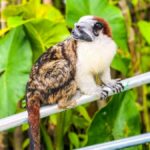
- Close-up primate encounters: you get time to interact directly while still following the refuge’s rules
- Native aquatic species viewing: a guided chance to spot Amazon life beyond the usual highlights
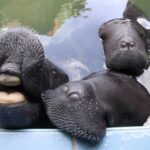
- Dolphin possibility: the day can include dolphin sightings, with some outings even turning up pink dolphins
- Small, private-group feel: only your group participates, so questions and pacing are easier
Amazon River and Native Aquatic Species: What You’re Actually Looking For
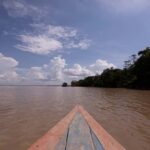
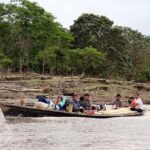
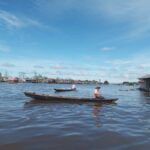
Iquitos is a place where “wildlife watching” can feel either staged or accidental. This tour tilts toward the real thing: you’re out on the Amazon with a guide who knows where to look and what you’re seeing.
The native aquatic species part matters because it changes how you think about the river. Instead of treating the Amazon like a backdrop for monkeys, you focus on the ecosystem that supports them. And when you’re watching with someone experienced, you tend to notice patterns—where fish move, how different animals use the water, and what makes certain areas more productive.
Also, the day starts in the morning (9:00 am). That timing helps you make the most of daylight for viewing, before the heat and glare build up.
Practical note: this is about being on the river. You’ll want moderate physical fitness for the day’s boat time and moving around. If you know you get uncomfortable on water, this is not the right fit.
You can also read our reviews of more tours and experiences in Iquitos
The Monkey Island Stop: Conservation You Can See Up Close
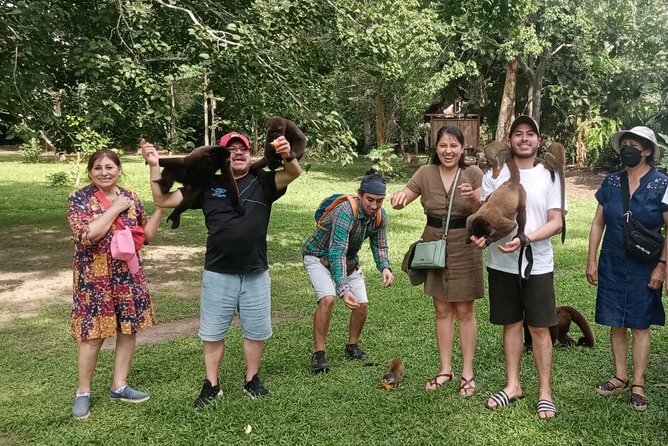
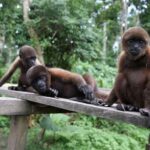
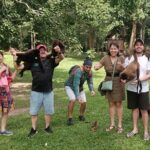
Monkey Island is the emotional anchor of the day, and for good reason. The refuge exists for native primates that were rescued and rehabilitated, then released into their natural habitat when they’re ready. It’s not a zoo. It’s a recovery and conservation program you can witness firsthand.
What makes this stop so highly valued is the learning. You’ll hear about the causes behind primate suffering—illegal hunting, including monkeys taken for meat, and illegal trafficking of monkeys as pets. Those topics are heavy, but the point isn’t doom. The point is that the refuge is working, and your visit supports that work by bringing sustainable tourism to the area.
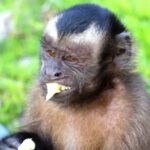
At Monkey Island, you’ll also get hands-on time in the sense of direct interaction. In at least one outing on this experience, the group encountered monkeys across a wide age range, from about nine months old up to around 18 years old. That breadth matters: it shows you this is a long-term effort, not a quick rescue-and-release story.
One more reason I like this kind of visit: it gives you a clearer definition of conservation. You can see the difference between protecting animals by restoring their chance to live normally, vs. just keeping them visible for entertainment.
How the Day’s Wildlife Viewing Feels (Boat Time, Sightings, and Reality)
A seven-hour river day can go two ways: it’s either a steady stream of “did we see something?” moments, or it turns into a slow hunt where you’re stuck hoping. This experience is guided, private, and flexible enough to avoid the worst version of that.
From the reviews and the way this tour is described, you can expect a real mix of sightings rather than one guaranteed star animal. That’s also why the best mindset is curiosity, not checklist behavior. When you’re out on the Amazon, animal appearances depend on conditions, movement, and the river itself.
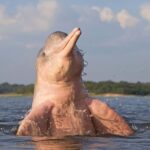
You might even get dolphin sightings. On some outings, people have reported dolphins, including pink dolphins. Don’t treat that as a promise—think of it as a bonus if conditions and location line up. When it happens, it’s the kind of moment that makes the whole day feel bigger.
What I recommend you do while out there: listen to your guide’s explanations and don’t rush past the smaller signals. Native aquatic species sightings often come from paying attention to motion, silence, and the way animals use edges and current.
Giant Tree, Fish Farm, and the Route Between Stops
This tour isn’t only “boat to Monkey Island and back.” You may make additional stops that help break up the day and add context to the region’s ecology and how local efforts support wildlife.
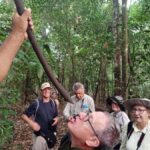
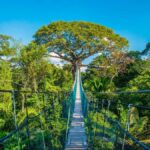
In some versions of the outing, the route includes a stop at a giant tree, plus a visit to a fish farm before reaching Monkey Island. Even when these aren’t the main attraction, they add texture. You get a sense of scale in the jungle, and you see how fish production and river life intersect for local communities.
This matters for two reasons:
1) It makes the day feel more like a guided Iquitos experience, not a single drop-off.
2) It adds learning moments while you’re waiting for wildlife to show up, which helps when the river decides to be quiet.
Bottom line: expect a day with multiple “mini chapters,” not one continuous parade of animals.
Your Guide Makes the Difference: From Javier to Kelwin and William
In Iquitos, the difference between an okay wildlife trip and a great one is often your guide. Here, you can see why this experience earns top marks for guide quality.
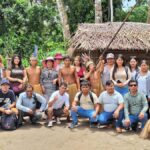
You’ll likely meet Kelwin Peña Andrade as the experience provider, and you may also be guided by locals like Kelwin, Javier, or William depending on your departure. The common thread in the experience reports is clear: these guides know the jungle, speak good English, and can explain what you’re seeing without making it feel like a lecture.
At Monkey Island, William is specifically mentioned as a dedicated young guide with real passion for nurturing orphaned and rescued monkeys. That kind of enthusiasm isn’t just “nice.” It changes how you experience the refuge—because the stories are anchored in daily care, not just conservation talking points.
So how do you use that advantage? Ask smart questions. If you hear about rehabilitation and release, ask what challenges the refuge faces. If you learn about illegal hunting and the pet trade, ask what signs indicate trafficking pressures in the region. A strong guide will know the answer and keep it grounded.
Price and Value: What $150 Covers (and What It Doesn’t)
At $150 per person, you’re paying for a private, guided day that includes all fees and taxes, plus guide service. Lunch is not included.
Here’s how I think about value for this kind of tour:
- You’re paying for a specific conservation-focused attraction (Monkey Island) and not just generic sightseeing.
- You’re paying for a guide who translates the river and the refuge into something you can understand.
- Private touring is a real cost driver, but it’s also practical. Your questions, your pace, and your ability to stay engaged tend to work better than in a crowd.
The main “extra” cost risk is lunch. That’s not a deal-breaker, but it means you should budget a bit more for food during the day.
If you’re weighing this against cheaper wildlife boat tours that don’t include the refuge component, the difference is that this day tries to connect you directly to conservation outcomes—why these animals were rescued, what happens after rescue, and what release actually means.
Comfort, Safety, and Who This Tour Fits Best
This tour is a good match if you can handle a river day with some movement and if you’re comfortable following a guide’s instructions around wildlife areas.
It’s also not for everyone:
- It’s not recommended for travelers over 70
- It’s not recommended for people who are afraid to travel on the river
- You should have moderate physical fitness
Age limits and river-fear warnings are worth taking seriously here. Even a “calm” river day can involve boat transfers, uneven ground near access points, and the need to pay attention to safety rules while keeping your focus on wildlife.
If you’re traveling with young kids or someone with mobility limits, you should treat the moderate fitness requirement as a sign to be cautious. You don’t want to spend the day stressed about mobility instead of enjoying the experience.
Weather and River Conditions: When the Plan Shifts
This experience requires good weather. That’s not just fine print—it affects visibility, comfort, and even whether sightings are possible.
If the tour gets canceled due to poor weather, you’ll be offered a different date or a full refund. That flexibility is a relief for a destination like Iquitos, where river and sky conditions can change.
If you’re planning your whole Iquitos trip around one date, I’d suggest building a buffer day in your schedule. River-based days are inherently weather-sensitive, and adding breathing room reduces stress.
Should You Book Monkey Island, Amazon River & Native Aquatic Species?
Book it if you want an Iquitos day that combines wildlife with conservation meaning. You’ll get the best experience when you’re open to the river being unpredictable, because that’s how you make room for the real surprises—like dolphin sightings, including pink dolphins when conditions line up, and especially the Monkey Island encounter with rehabilitated primates.
Skip it if you can’t do the river boat portion comfortably, or if the age and fitness guidance doesn’t fit your situation. Also, plan for lunch costs since it’s not included.
If you’re choosing between a generic boat tour and a conservation-focused visit, this one leans toward the more thoughtful option. And with a private-group setup, your guide can tailor the day to your questions instead of rushing you along with everyone else.
FAQ
How long is the Monkey Island and Amazon River tour?
It’s listed as about 7 hours.
What time does the tour start?
The start time is 9:00 am.
Is lunch included?
No, lunch is not included.
Is this tour private?
Yes. It’s a private tour/activity, so only your group participates.
What if the weather is poor?
This experience requires good weather. If it’s canceled due to poor weather, you’ll be offered a different date or a full refund.
What is the cancellation policy?
You can cancel for a full refund up to 24 hours before the experience’s start time. Within 24 hours of the start time, the amount you paid is not refunded.