REVIEW · IQUITOS
Belen Market and La Venecia Loretana Tour With A Local Guide
Book on Viator →Operated by Marlon Ashanga - Jungle Guide · Bookable on Viator
Follow your nose into Belén in Iquitos. This 2.5-hour tour pairs a walk through the Belén Market with a boat trip on La Venecia Loretana, showing daily life the way locals experience it.
I especially like how Marlon Ashanga guides you through the market maze and turns everyday stalls into clear stories about fish, fruit, spices, and local remedies. It’s also great that you get time for questions on both land and water, not just a quick look-and-leave.
One drawback to consider: the market can feel chaotic, and you’ll do some walking in a crowded space. Bring closed-toe shoes and keep your phone and small items secure.
In This Review
- Key things I’d bank on
- Belén in Two Acts: Market Stalls Then La Venecia Loretana
- Meeting Marlon Ashanga and Why Small Groups Matter
- Stop 1: Belén Neighborhood Walk and the Venice of Iquitos Boat Ride
- What the boat ride adds
- What to expect on land first
- A small practical note
- Stop 2: Motokar to Mercado de Belén and How to Read the Stalls
- Why the guide’s role is more than translation
- What to watch for
- What You’ll Taste, Ask About, and Maybe Try Twice
- How to make tastings work for you
- Getting Around: Motokar, Local Streets, and Water Views
- Price and Timing: What $50 Buys in 2.5 Hours
- Who This Tour Fits Best (And Who Might Skip It)
- Practical Packing and Prep Tips for Belén and the River
- Wear and bring
- Plan for weather
- Food comfort
- Should You Book This Belén and La Venecia Loretana Tour?
- FAQ
- How long is the Belén Market and La Venecia Loretana tour?
- What is the price per person?
- How big is the group?
- Where does the tour start?
- Is the market and boat ride admission free?
- What should I bring?
- What is the cancellation policy?
Key things I’d bank on
- Marlon Ashanga’s local connections make the market easier to navigate and more meaningful
- Food tastings focus on what you’ll actually find in Belén, including fruits and regional bites
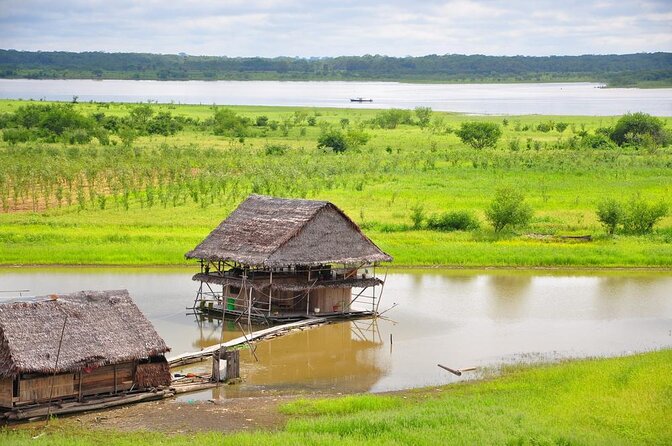
- La Venecia Loretana by boat lets you see stilted and floating daily life from the river
- Up to 10 people keeps the pace human and helps you ask questions
- Transport included: you’ll use a Motokar to reach the market and a boat for the waterfront portion
- You may get a look beyond the stalls, with time connected to Marlon’s home area
Belén in Two Acts: Market Stalls Then La Venecia Loretana
This tour works because it matches two different ways of seeing Iquitos. First you get land-level reality in Belén: tight streets, lots of goods, and vendors who do not perform for tourists. Then you switch to the river side, where life along La Venecia Loretana looks totally different from the ground.
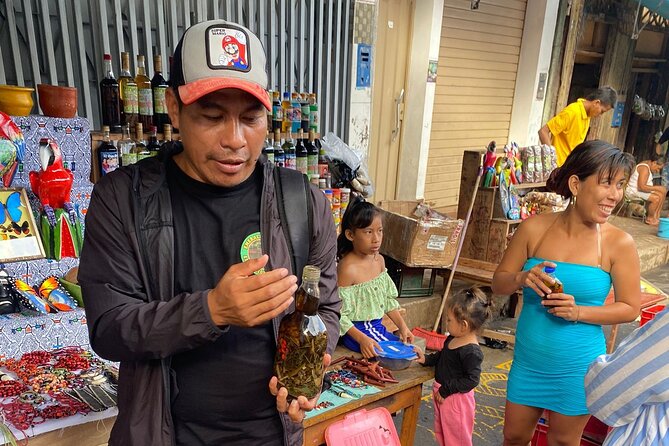
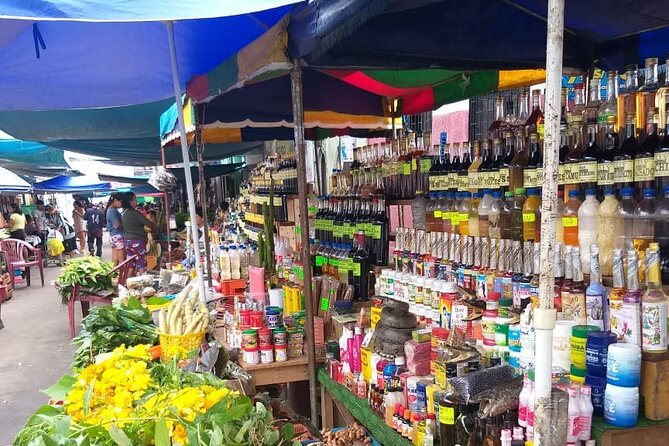
The Belén Market part is about variety you can’t fake. You’ll move through stalls with regional foods, drinks, spices, medicines, and craft items. The point is not just to spot cool things. It’s to understand what they are for and why they show up in everyday life.
Then the boat ride changes your pace and your perspective. Instead of craning your neck at signs or stall displays, you’re watching neighborhoods unfold along the water. This is where the idea behind the Venice of Iquitos nickname starts to make sense.
You can also read our reviews of more guided tours in Iquitos



Meeting Marlon Ashanga and Why Small Groups Matter
Your guide for this experience is Marlon Ashanga, a Jungle Guide from the Belén area. That local tie matters more than people think. In a market like this, navigation is half the battle. With Marlon, you’re not just looking at items. You’re learning what to ask, what’s common, and what’s more “Amazon-specific.”
Another big plus: the group size is capped at 10. That keeps your questions from getting lost and makes it easier to stop when something catches your interest. One-on-one moments also help with food and health questions, especially if you’re unsure what your stomach will tolerate.
You’ll also benefit from Marlon’s English. It’s described as strong, and it shows in how he explains the differences between foods, meats, fruits, and natural products. That kind of translation turns a confusing market into something you can actually process.
Stop 1: Belén Neighborhood Walk and the Venice of Iquitos Boat Ride
The Belén portion starts with a focused look at daily life, then moves into the boat ride on La Venecia Loretana. This is not a generic sightseeing loop. The value is in how the guide frames what you’re seeing and invites questions as you go.
What the boat ride adds
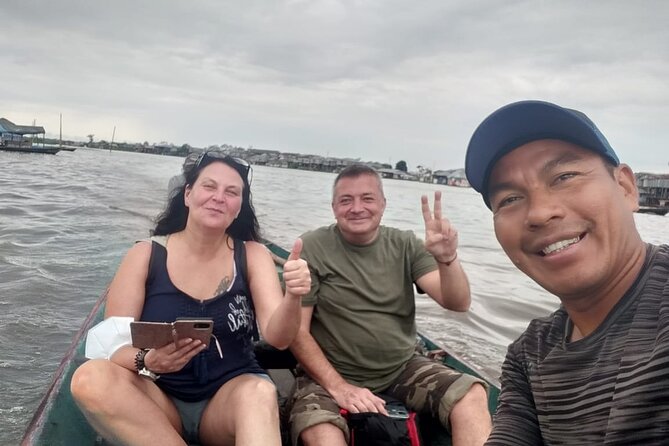
On the water, you’ll see the “living on the river” side of Iquitos. People’s homes and routines connect to the river in a way that’s hard to understand from land. The boat gives you a steadier view than walking, and it’s usually the part that sticks in your memory later because the setting feels so different.
What to expect on land first
Before the boat, you’ll take in Belén life in a more direct way. The market area and neighborhood streets are active, and you’ll likely notice how many goods and daily needs overlap. This creates a smoother transition to the floating and stilted views because you’re already thinking about practical life: food, supplies, and community rhythms.
You can also read our reviews of more shopping tours in Iquitos

A small practical note
You’ll want a camera, and you’ll want closed-toe shoes. Even if you stay cautious, streets and market floors can be uneven and busy. Closed-toe shoes help you walk with less stress.
Stop 2: Motokar to Mercado de Belén and How to Read the Stalls

After meeting with your guide, you’ll head toward the Mercado de Belén by Motokar. This matters because it saves you time and keeps you from guessing which turns make sense in a neighborhood you don’t know. You’ll arrive at the market ready to use your time well.
Inside, the market is designed for variety. You’ll see regional foods, drinks, spices, medicines, and craft goods. The route is planned so you can visit more than the first obvious stalls. That means you’re more likely to catch the hidden corners people miss when they go in alone.
Why the guide’s role is more than translation
Marlon can help with bargaining and questions, which is a practical advantage in any market. But the bigger value is the education side: you’ll hear what different items are used for and what matters when choosing what to taste or buy.
What to watch for
Because the market includes foods, natural medicines, and even shamanic items, don’t treat it like a typical souvenir stop. Go with curiosity, ask what something is, and let the guide explain how people use it locally. If you’re deciding whether to try something food-related, this is also when you’ll want to ask about what’s safe for you.
What You’ll Taste, Ask About, and Maybe Try Twice
A lot of this tour’s value is that it’s not only visual. You get tastes—especially fruits and local delicacies. You’ll also get guidance on what might be easier on your stomach.
That last part is important. In a place where the menu is unfamiliar, “I’ll try everything” can be a recipe for regret. Here, the guide helps you choose with care. One example from the experience reports: the guide was careful about sharing only what was safe to try.
You might also hear about more unusual options. For instance, one experience mentioned trying crocodile. That doesn’t mean you must try it. It just shows the market can go beyond standard tourist-friendly bites. If you’re adventurous, this is the kind of context where you can try safely.
How to make tastings work for you
- If you have a sensitive stomach, tell Marlon at the start. Ask what’s best to start with.
- If you want to avoid certain ingredients, ask early while you’re still choosing.
- Bring a sense of pacing. Tastings are spread through the route, not stacked at one stop.
Getting Around: Motokar, Local Streets, and Water Views
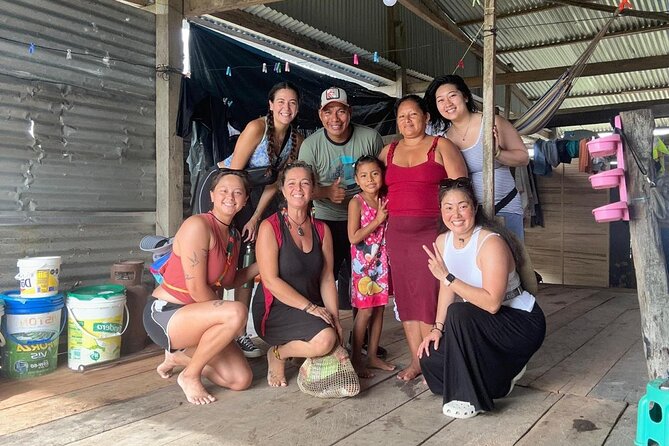
This tour is built around local transport. You’ll take a Motokar to get to the market area, then shift to the boat for the La Venecia Loretana portion.
That mix is one of the underrated reasons this feels authentic. You’re not just standing still. You’re moving through the same systems locals use to reach places and move between parts of town.
On the street side, the traffic and movement can feel intense—tuk tuks and close quarters are part of the scene. The good news is that with Marlon and a small group, you’re not stuck figuring it out on your own. You’ll get a guided sense of where to go and when to slow down.
And if you’re worried about safety: the experience reports include comments about feeling safe with Marlon and about him being respected in the neighborhood. Still, market crowds exist, so keep normal precautions. Mind your belongings and stay close in tight spaces.
Price and Timing: What $50 Buys in 2.5 Hours

At $50 per person for about 2 hours 30 minutes, this isn’t the kind of tour you book for a quick checkbox. You book it for the mix: education, tastings, market navigation, and a boat ride that changes the whole tone of the trip.
Here’s why it feels like good value:
- No admission ticket cost is listed for the parts included
- You get two settings in one tour: street market life and riverfront life
- You’re guided by a local from Belén, not a generic script
- Small group size keeps the experience from turning into rushed herding
If you’ve only got a day or two in Iquitos, this is the kind of tour that helps you understand the city’s “how it works” side. It’s less about seeing famous sights and more about learning how people live and eat here.
Who This Tour Fits Best (And Who Might Skip It)
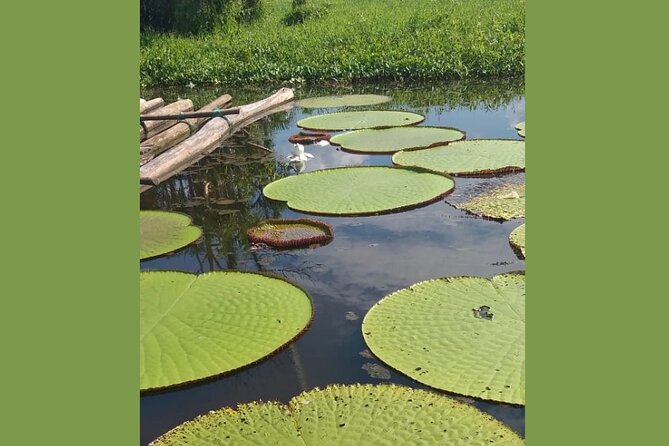
This is a strong fit if you want:
- a real local market experience with explanation, not just browsing
- tastings and food questions answered in plain language
- a boat view of La Venecia Loretana so you can connect river life to what you saw on land
It also suits solo visitors who want support and context while exploring a busy neighborhood. Many people say they would not want to navigate Belén Market alone, mostly because it would be easy to get lost in the chaos.
It might be less ideal if you want quiet, low-activity tourism. The market can be crowded, and you’ll walk. This tour also lists a moderate physical fitness level, so if you have mobility limitations or prefer very slow pacing, you might want to reconsider.
Practical Packing and Prep Tips for Belén and the River
You don’t need a fancy kit, but you do need smart basics.
Wear and bring
- Closed-toe shoes (market floors and streets can be uneven)
- A camera (you’ll want photos on both land and water)
- A small bag that’s easy to keep secure in crowds
Plan for weather
Iquitos weather can shift quickly. One experience mentioned raincoats being provided when it rained. You can’t count on that every time, so consider bringing a light rain layer just in case.
Food comfort
If you’re cautious about unfamiliar foods, tell Marlon your limits early. The guide is set up to help you choose tastings that are more likely to agree with you.
Should You Book This Belén and La Venecia Loretana Tour?
Book it if you want the Iquitos most visitors miss: the lived-in Belén neighborhood and the river life of La Venecia Loretana. For me, the deciding factors are the guide connection and the structure. You get market education, tastings, transport, and a boat ride that changes what you see in a short window.
Skip it if you hate crowds or want a calm, minimal-walking outing. This is a real market area with real activity. It’s not designed to be “comfortable quiet.”
If you’re deciding on one experience in Iquitos that gives context fast, this is an easy choice—especially with Marlon Ashanga leading the way.
FAQ
How long is the Belén Market and La Venecia Loretana tour?
The tour lasts about 2 hours 30 minutes.
What is the price per person?
It costs $50.00 per person.
How big is the group?
There is a maximum of 10 travelers.
Where does the tour start?
The meeting point is Napo 102, Iquitos 16002, Peru. The tour ends back at the meeting point.
Is the market and boat ride admission free?
Admission tickets are listed as free for the included parts.
What should I bring?
Bring your camera and wear closed-toe shoes.
What is the cancellation policy?
You can cancel for a full refund up to 24 hours before the experience’s start time. Free cancellation is available, based on local time.