REVIEW · IQUITOS
Iquitos: Piranha Fishing Experience in the Amazon jungle
Book on GetYourGuide →Operated by Tangol · Bookable on GetYourGuide
Piranhas in the Amazon is a mind-bender. This short trip from Iquitos pairs piranha fishing with guided spotting of local flora and fauna, so you’re not just holding a rod—you’re learning what you’re seeing on the river. I especially like that they teach you the basics on the water, so the action doesn’t depend on prior experience.
My second favorite part is the way the boat time is built around the Itaya River crossing with the Amazon, giving you a focused one-hour window to fish while you watch jungle scenery slide by. The only real drawback to consider: this is a wheelchair-inaccessible outing, and the experience is best if you’re comfortable sitting on a boat and being in the sun and insects.
In This Review
- Key reasons this Iquitos piranha trip works
- From hotel pickup to Boulevard pier: where the river adventure starts
- The river boat ride: building time for views and a calmer start
- The Itaya-Amazon crossing: your one-hour fishing window
- Learning piranha fishing basics: rods, string, and real help
- Are piranhas dangerous? What the tour gets right
- The jungle education you actually remember
- What the 2-hour schedule feels like on the ground
- What to bring: simple items that make the trip better
- Included value: gear, guidance, and transport that actually saves time
- Price and timing: is $88 a good deal for what you get?
- Who should book this piranha fishing trip (and who should skip it)
- Should you book the Iquitos piranha fishing experience?
Key reasons this Iquitos piranha trip works
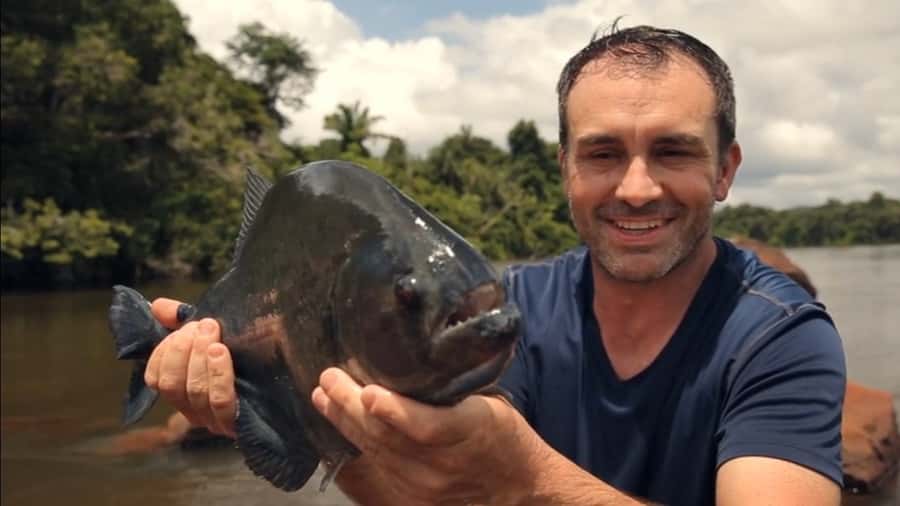
- Beginner-friendly instruction right at the fishing spot, including hands-on help
- One concentrated fishing hour where you’re actually set up to catch something
- Guides who explain jungle life (fauna and flora), not just fishing technique
- Sailing time with big-river views, including the Itaya-Amazon junction
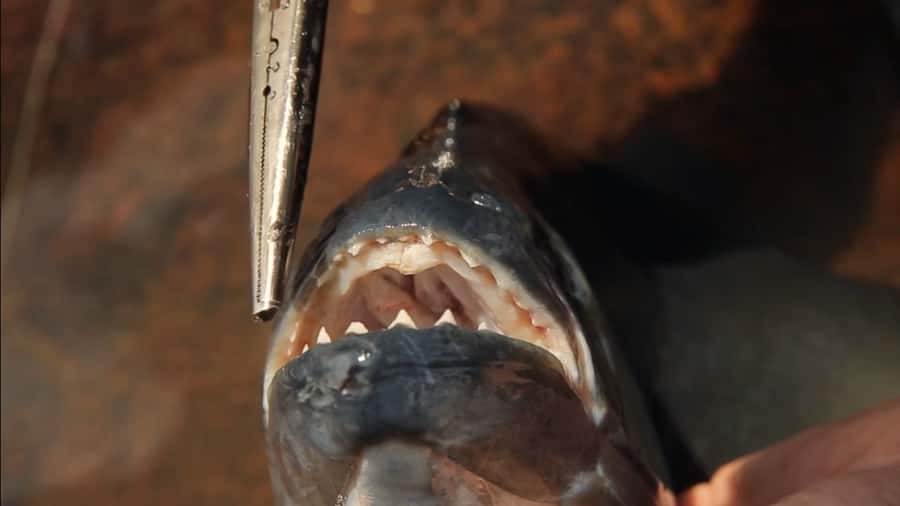
- Piranhas are treated realistically: sharp teeth, omnivores, but not seen as a human danger
From hotel pickup to Boulevard pier: where the river adventure starts
In Iquitos, the experience begins with pickup from select hotels, then a quick van ride to the Boulevard pier. The hotel options listed for pickup include Samiria Jungle Hotel, Hotel Victoria Regia, Nativo Hotel, Boulevard – Iquitos, and DoubleTree by Hilton Hotel Iquitos. If your hotel isn’t on the list, you’ll need to make your own way to the meeting point at the Boulevard pier.
That short van transfer matters more than it sounds. Iquitos is spread out, and starting from a central pier keeps the day tight and focused. From there, it’s onto the boat for the first stretch of river time.
Once you’re on the water, you’ll quickly get the rhythm: boat movement, changing light, and that steady sense that the Amazon is doing the work in the background while you focus on what’s in front of you.
You can also read our reviews of more tours and experiences in Iquitos.


The river boat ride: building time for views and a calmer start
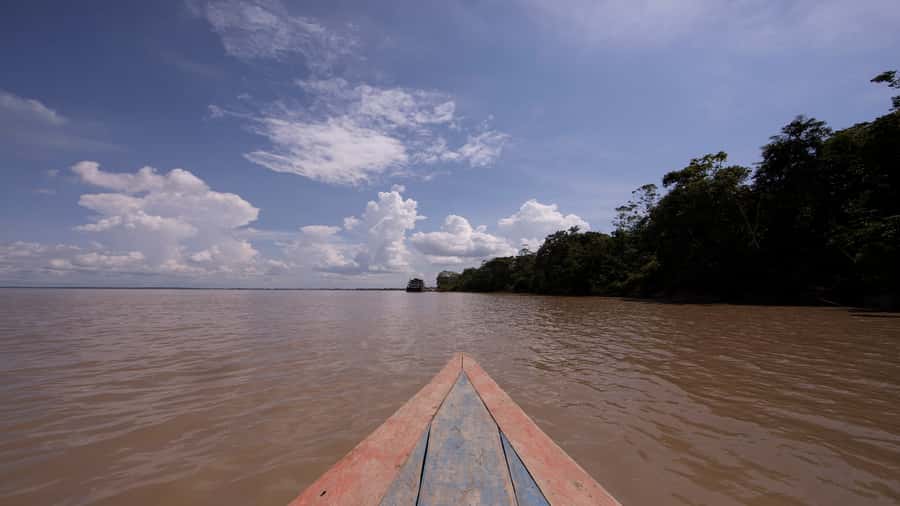
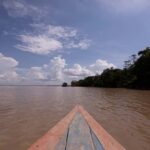
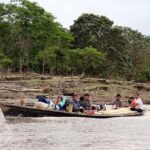
After you get to the pier, you go by river boat for about 15 minutes before reaching the Itaya River area where the fishing happens. On a trip that’s only 2 hours total, that matters because it gives you a “warm-up” period without turning the outing into a half-day ordeal.
You’re also traveling along the Amazon system described as starting in Peru and flowing through countries like Colombia and Brazil. Even without a long lecture, the scale hits you: it’s the kind of river where you feel small in a good way.
And yes, you’ll be admiring jungle surroundings from the water. The highlights promise “Peruvian jungle landscapes,” and in practice you should expect a lot of riverbank greenery and river life moving in your peripheral vision while you wait for the fishing instructions.
The Itaya-Amazon crossing: your one-hour fishing window
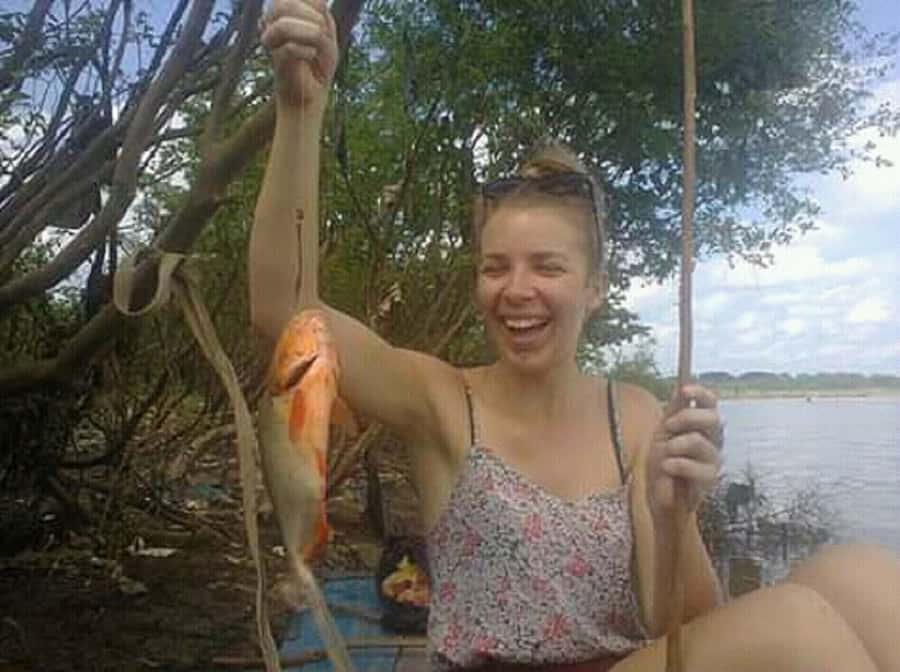
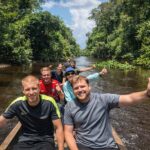
The heart of the tour is the sailing time (about 1 hour) on the Itaya River at the crossing with the Amazon River. This is when you actually fish piranhas.
Why this spot is valuable for a short trip: you get a dedicated block of time instead of scattered stops. If you’re there for the main event, the schedule makes sure the main event is the main event.
You’ll also get a better feel for the habitat context. The guide explains that piranhas live in warm freshwater in the Amazon basin, and that there are different species. Many are omnivores, which is part of why they respond to bait. You’re not just catching fish by luck; the information helps you understand why the technique works in that environment.
Also, a small practical note: fishing can vary with river conditions. One guide’s approach can make the difference even when conditions aren’t ideal. In a season where water levels rise, the guide still aims to find a place where piranhas are biting. The takeaway for you is simple: trust the guide’s judgment about the spot, not your own assumptions.
Learning piranha fishing basics: rods, string, and real help
If you’ve never fished before, this is one of those tours that respects your time. At the fishing spot, you’ll be taught how to use the rod and the string. That’s explicitly part of the experience, which is great because you won’t waste your one best hour figuring out basic handling.
In real terms, instruction usually comes in two layers:
1) how to rig and manage the line, and
2) how to bait and present it so you’re not just waiting.
A specific example from a past guest: their guide José helped with technique and even coached a beginner through something as hands-on as attaching bait to the hook—like chicken. That kind of guidance is exactly what you want if you’re nervous about doing it wrong.
You also get guided support throughout the trip, not a “here’s the equipment, good luck” situation. The tour is run by Tangol, with private guided instruction in Spanish or English depending on what you choose.
Are piranhas dangerous? What the tour gets right
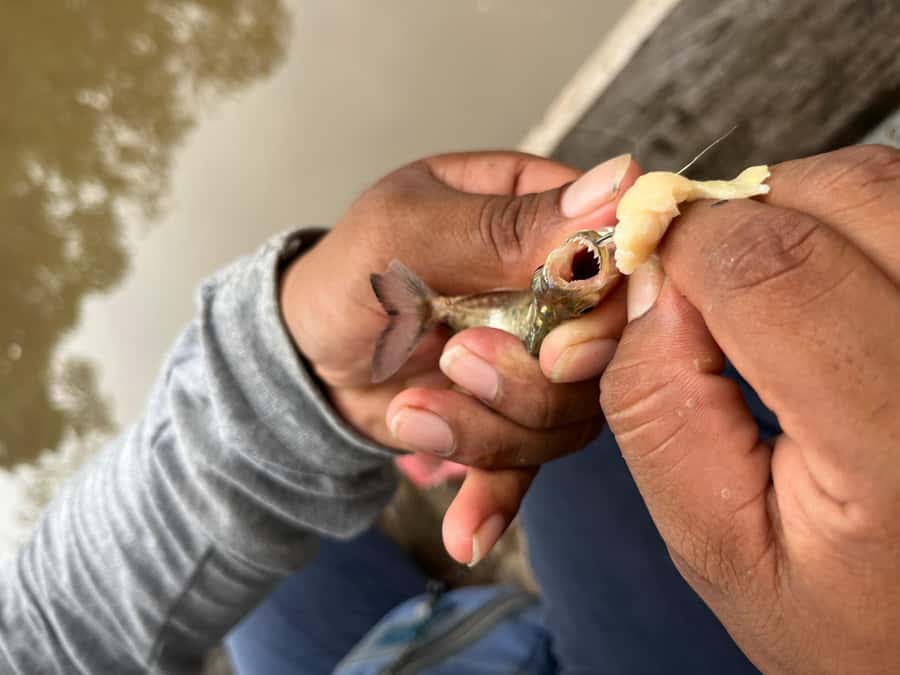
The tour’s framing is reassuring but not silly. Piranhas are known for sharp teeth, but the experience explains they’re not danger for humans. That fits with how the outing is run: you’re focused on fishing with an instructor present, not on fear or avoidance.
The key detail you should keep in mind is that piranhas are wild animals in a freshwater ecosystem. The guide’s job is to keep you comfortable, explain behavior at a basic level, and help you fish safely and effectively.
You’ll learn that they’re omnivores (many species), which helps demystify why they take bait. It turns the experience from a movie scene into a real animal story: hungry fish in a warm river system, responding to what’s offered.

The jungle education you actually remember
A lot of “nature” activities stop at pretty scenery. Here, you’re guided to notice fauna and flora instead of just looking at trees.
Because the guide is private and bilingual (Spanish/English), you can ask questions as you go. That’s a big deal on short excursions like this. You don’t have to save your curiosity for a long museum visit later.
What I like about this kind of jungle teaching is that it gives you labels for what you already see. You end up with a better mental map: the river is the highway, the riverbanks shape animal movement, and fish are part of the same living system you’re riding through.
And because you’re actually fishing in the river, the lesson has stakes. You’re not learning facts in a vacuum—you’re watching how those facts connect to what’s happening right now.
What the 2-hour schedule feels like on the ground
The full experience is set at 2 hours, with a simple flow:
- pickup by van (about 5 minutes)
- boat ride to the fishing area (about 15 minutes)
- 1 hour sailing/fishing on the Itaya River crossing with the Amazon
- boat return (about 15 minutes)
- drop-off by van (about 5 minutes)
This is a “do it, don’t overthink it” schedule. It’s long enough for instruction and for a proper fishing attempt, but short enough that you can fit it into a busy Iquitos itinerary.
What could be a drawback for some people: because it’s compact, you’ll feel sun and heat more sharply. There isn’t a lot of time to pause. So plan on being outdoors and on the boat for most of the activity.
What to bring: simple items that make the trip better
The operator lists the essentials, and I’d treat them as non-negotiable. Bring:
- sunglasses
- sunscreen
- insect repellent
- breathable clothing
- a hat
Why this matters: the trip combines open-air boat time with tropical conditions. Even if the schedule is short, exposure adds up. Sunglasses and a hat help with glare off the water. Repellent matters because rivers don’t always mean “no insects.”
Breathable clothing keeps you comfortable enough to focus on learning fishing technique rather than fiddling with discomfort.
Included value: gear, guidance, and transport that actually saves time
At $88 per person for a 2-hour Amazon piranha fishing experience, the value mostly comes from what’s included. You’re not paying only for the fish-catching story. You’re paying for:
- river transportation (the boat segments)
- artisanal fishing equipment
- private guided instruction in Spanish/English
- assistance during the trip
- optional transfer from/to your hotel (for participating hotels)
That’s a lot of logistics bundled into one price, which is what keeps the experience beginner-friendly. If you’re comparing costs in Iquitos, the hidden value is that you don’t have to arrange gear, find the right pier, and coordinate guides on your own.
Also, you’ll be in a private group. That usually means more personal instruction and fewer awkward moments if you’re nervous about the fishing part.
Price and timing: is $88 a good deal for what you get?
For $88 per person, you’re buying a focused, guided two-hour block where you fish and learn at the same time. The schedule is built to make sure you have at least one solid fishing hour, not just a photo stop and a goodbye.
Is it expensive for a basic activity? Maybe, if you were only thinking about casting a line for fun. But here, you’re paying for:
- transport on the Amazon/Itaya system
- equipment provided
- a guide who helps you learn
- a private experience rather than a crowded group
In Iquitos, that kind of guided river time can be the difference between a frustrating outing and a memorable one. And based on past experiences, the guides put real effort into getting beginners fishing—like walking someone through rigging and baiting step-by-step.
Who should book this piranha fishing trip (and who should skip it)
This experience is a good fit if you:
- are a beginner and want instruction
- want an Amazon activity that fits into a short schedule
- like guided learning about jungle animals and plants
- want a hands-on, river-based adventure rather than a long hike
It may not be ideal if:
- you need wheelchair access (the activity is not suitable for wheelchair users)
- you strongly prefer long, slow tours with lots of downtime (this one is action-and-instruction focused)
It’s also smart for couples or small groups who want private guidance. The tour requires at least 2 people to operate, so check that you meet the minimum if you’re traveling solo or with just one person.
Should you book the Iquitos piranha fishing experience?
If you want a short, guided Amazon activity in Iquitos that actually teaches you how to fish, I’d say this is worth booking. The best reason is simple: you get instruction, not just fishing time. Between the one-hour fishing window and the guide-led explanation of what you’re seeing, it’s a practical mix of action and context.
Book it if you:
- are curious about Amazon wildlife and want a live, river-based way to learn
- don’t have fishing experience but still want a real chance to catch piranhas
- can comfortably spend a couple hours on a boat in sun and insects
Skip it only if mobility is an issue or if you’re uncomfortable with basic outdoor conditions. Otherwise, this is exactly the kind of Iquitos experience that feels special without draining your whole day.