REVIEW · LIMA
8-Day Peru Ancestral Energies
Book on Viator →Operated by VIPAC Travel · Bookable on Viator
That first day in Lima sets the tone. This tour strings together Peru’s biggest hits—Cusco, the Sacred Valley, Machu Picchu, and Lake Titicaca—so you spend less time figuring things out and more time looking closely. I like that it’s built around efficient planning and a bilingual guide who helps you understand what you’re seeing, not just where to stand.
Two things I really like: you get a strong mix of classic sights and “why it matters” context (from Lima’s colonial core to Inca sites around Cusco), and admissions plus transport are included, so you avoid the add-on surprise bill. A small-group cap of 15 also keeps the vibe manageable.
The main drawback to consider is altitude and pacing. You’ll be at higher elevations in Cusco and the route toward Puno, and there’s a real chance you’ll feel it—so bring altitude meds or ask your doctor ahead of time, and don’t plan to sprint around like it’s sea level.
In This Review
- Key Things to Know Before You Go
- Lima’s Old Streets and Larco Museum: A Great Start
- Cusco First Look: Markets, Qorikancha, and Inca Streets
- Sacsayhuamán and Q’enqo: Seeing the Inca World with Fewer Crowds
- Sacred Valley Highlights: Chinchero, Moray, and Ollantaytambo
- Machu Picchu Day: Trains, Bus Views, and Circuit 2 Priority
- Puno and the Andean Altiplano: Andahuaylillas, Raqchi, and La Raya
- Lake Titicaca on Uros and Taquile: Culture You Can See Up Close
- Price and Logistics: Is This Good Value at $1,264?
- Who This Tour Suits Best
- Should You Book This Peru Ancestral Energies Tour?
- FAQ
- Where does the tour start and end?
- Which flights are not included?
- What meals are included?
- Are admission tickets included?
- Do I need to worry about Machu Picchu circuits?
- Is there a cancellation window?
Key Things to Know Before You Go
- Small group size (max 15) keeps the experience from feeling like cattle herded through doorways.
- All major logistics handled: transfers, shared tours, and included train to Machu Picchu by hotel category.
- Bilingual English-Spanish guide means you can ask questions and still get clear answers.
- Sacred Valley + Machu Picchu are timed well so you get big views without wasting daylight.
- Lake Titicaca day includes real communities on Uros and Taquile, not just photos from the dock.
- Machu Picchu circuit rules are in play, with priority given to route 2 and alternatives if it’s not available.
Lima’s Old Streets and Larco Museum: A Great Start
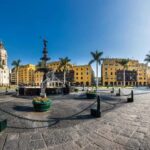
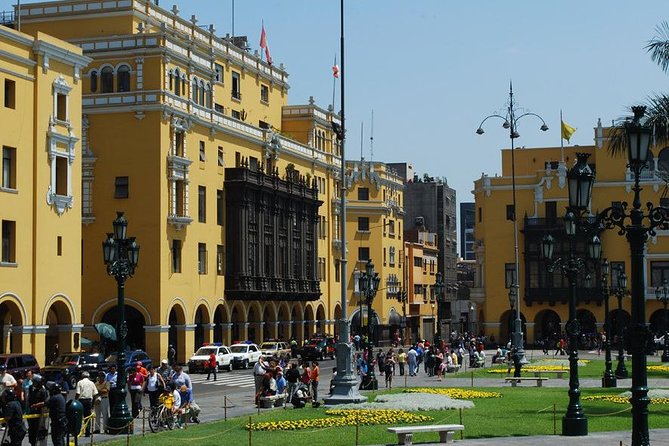
Lima can be noisy and chaotic if you arrive on your own. Here, you’re transferred from J Chavez Intl Airport straight to your hotel, then the tour kicks off with a focused run through the city’s historic core. You walk Plaza Mayor and see the Government Palace and the Municipality, plus the Cathedral of Lima—places that still feel like the administrative heartbeat of the city.
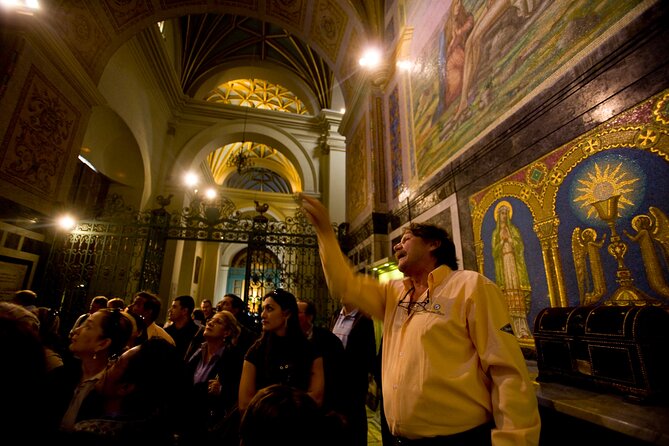
Two spots make this day click for me. First is the Convent of Santo Domingo and the chance to see how Lima’s early power and religious influence shaped the look of the city. Second is the way the day ends at Larco Museum, where the collection covers gold artifacts, textiles, and ceramics. That museum stop is smart timing because it gives you visual context for what comes next: Peru’s art and technology weren’t born in Cusco alone. They’re a long story across regions and time.
If you’re not a museum person, Larco Museum still works because textiles and ceramics help you “read” later Andean crafts. One possible consideration: this is a lot of walking in a day that starts immediately after arrival, so keep your first night easy.
You can also read our reviews of more tours and experiences in Lima.


Cusco First Look: Markets, Qorikancha, and Inca Streets
Cusco is the kind of place where you can stare at stones all day and still feel like you haven’t fully started. After airport meet-and-greet and transfer to your hotel, you get an afternoon that helps you get your bearings fast without rushing. You begin at Plaza de San Cristóbal for a panoramic overview, which is the right move early. From up there, the city layout makes more sense before you start moving block to block.
Then you dive into daily life at San Pedro Market. It’s not just food sightseeing. You’re meant to absorb local flavors and understand what’s sold and used to supply the city. Even if you don’t buy much, it’s a useful reality check: Cusco isn’t a theme park. It’s a working city where agriculture, cooking, and commerce overlap.
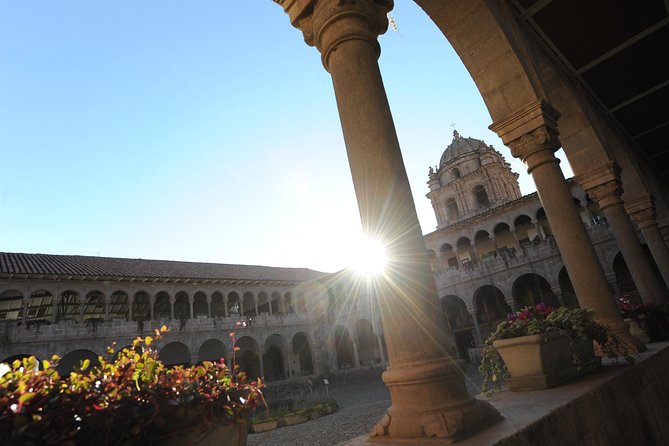
From there, you visit Qorikancha, known for its monumental role in Inca religious life, with walls that once were covered in gold. This is where the guide context matters most. When you understand what you’re looking at—Inca structure over time, then later colonial layers—it stops being just a big ruin and starts feeling like a timeline you can walk through.
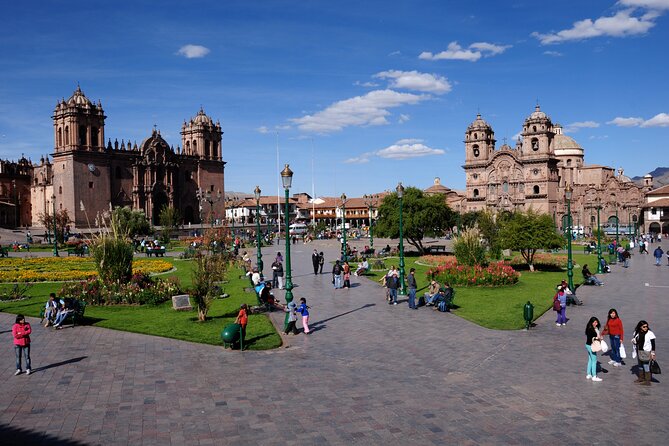
The rest of the afternoon is built for atmosphere: San Blas and artisan streets, a walk by Hatun Rumiyoc, the Palace of Inca Roca (now the Archbishops Palace), and the famous Twelve Angled Stone, before finishing at Plaza de Armas and the Cathedral. If you enjoy architecture, Cusco rewards you here more than in many cities.
Small drawback: because this day is organized around walking and key stops, you’ll want to keep an eye on altitude and hydrate. Cusco can make even slow movement feel like effort.
Sacsayhuamán and Q’enqo: Seeing the Inca World with Fewer Crowds
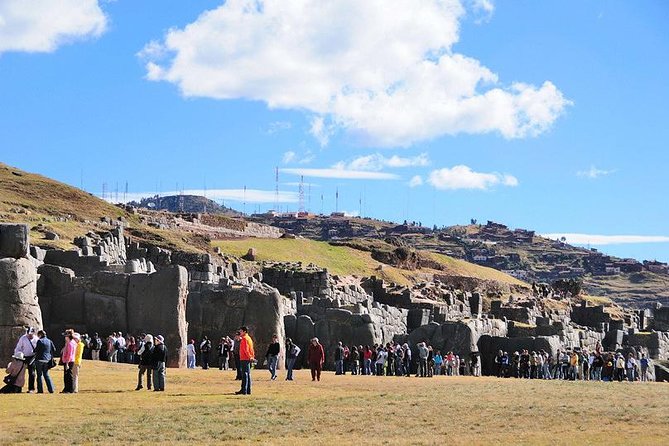
Day 3 is a major quality move: it starts with leaving crowds behind. You head to Sacsayhuamán, an Inca citadel of colossal constructions set against dramatic mountain scenery. What makes it special is the sense of scale. Those walls and terraces don’t just look impressive; they show serious engineering.
Then you continue to Q’enqo, with its rock-formed spaces and an altar for sacrifices integrated into the inside of the formation. Again, guide explanations matter here. When you know what the site’s design was meant to represent, the odd angles stop feeling random.
You wrap the morning at Puca Pucará and Tambomachay, known for architecture linked to Andean cosmovision. Tambomachay is often a “quiet win” stop: it’s not as famous as Machu Picchu, but it gives you a better sense of how Inca sacred design blended with water, geography, and ritual ideas.
Then you get a free afternoon in Cusco. I like this built-in breathing room. It lets you recover from altitude, do laundry, shop slowly, or just sit and watch the city change light through the streets.
Sacred Valley Highlights: Chinchero, Moray, and Ollantaytambo
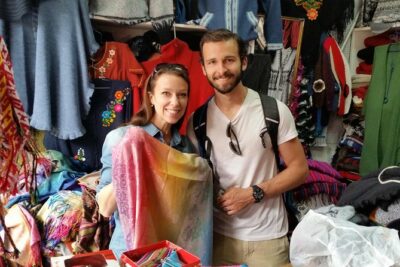
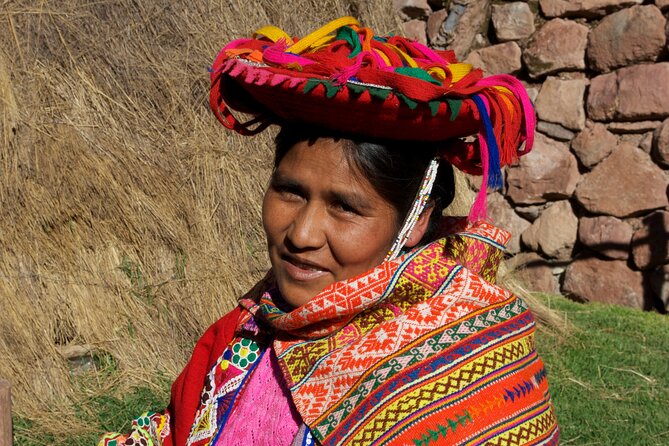
The Sacred Valley day is where the tour turns from “famous places” into “places that feel like systems.” You depart toward Chinchero, a colorful village known for weaving women. The quick textile center stop isn’t just a craft shop stop; it’s an explanation of older dyeing and spinning techniques using alpaca wool. If you’ve ever bought a souvenir textile and wondered what you’re actually looking at, this is the day that answers that question.
You continue to the Inca plaza and see the colonial church there. That pairing is common in Peru, but it’s not boring when you notice the details: how spaces were reused, reinterpreted, and layered.
Next comes Moray, the site with concentric agricultural terraces. The big idea here is that these terraces worked like a lab for microclimates. Even without getting technical, the concept helps you appreciate the Inca as farmers and scientists, not only builders of monuments.
Lunch is included, then you head to Ollantaytambo, often described as one of the best places to feel daily life tied to Inca heritage. You visit the Temple of the Ten Windows, the Bath of the Princess, and the Sun Temple. If you’ve seen lots of Inca stones already, Ollantaytambo still hits because you can sense continuity—this wasn’t just a ceremonial stopping point. It was a living place.
Day 4 ends with staying in the Sacred Valley area, which is a smart practical choice. You’ll sleep closer to Machu Picchu routing and reduce stress.
Machu Picchu Day: Trains, Bus Views, and Circuit 2 Priority
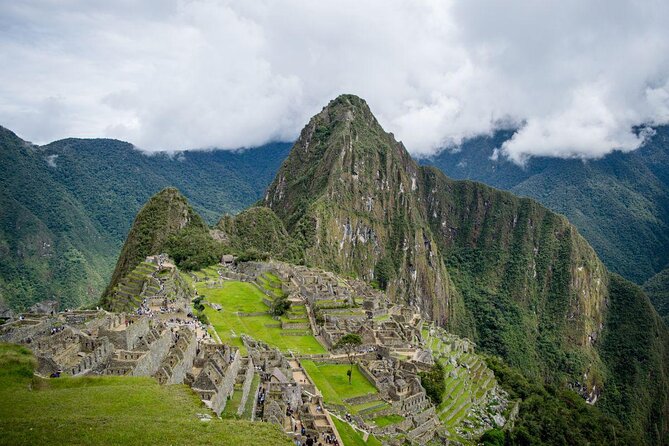
Machu Picchu day is the big one. The tour boards you at Ollantaytambo station, then you take the train to Machu Picchu station. When you arrive, staff help with the bus to the site, ascending a winding road with views over the Urubamba River cutting through a deep canyon. That bus ride is where anticipation becomes focus—suddenly you’re not just on a train day. You’re transitioning into the actual site.
Once you arrive, Machu Picchu does what it always does: it makes you slow down. You see terraces, staircases, ceremonial sites, and urban areas. The guide framing here is important, because Machu Picchu works on multiple levels—agricultural, ceremonial, architectural, and symbolic. A included lunch helps you stay grounded, not hungry and rushed.
Here’s one logistical detail I want you to know because it affects your experience: Machu Picchu now uses specific visitor circuits. The tour notes that route 2 is prioritized, and if it’s not available you may be informed of circuit 3B or circuit 1B so you can confirm before tickets are issued. This matters because different circuits cover different parts of the ruins and change how you experience the walk.
Also, the Machu Picchu admission ticket is not refundable, and date changes or amendments are not accepted. So if your schedule is fragile, plan carefully.



Puno and the Andean Altiplano: Andahuaylillas, Raqchi, and La Raya
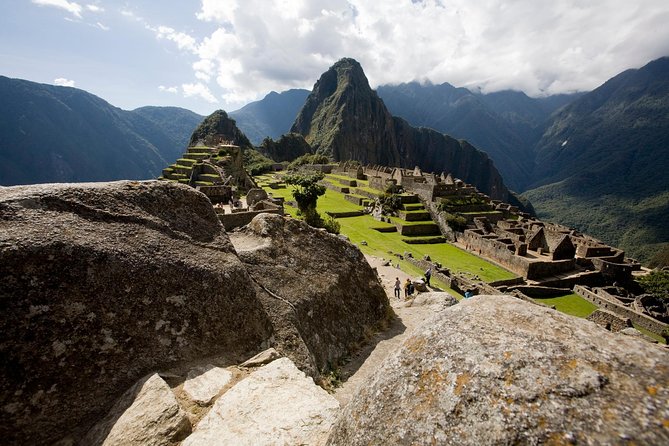
Going from Cusco into the Altiplano toward Puno is a long visual shift. Day 6 is a full sightseeing day that also feels like a geography lesson. You travel by tourist bus along the Vilcanota River and toward the high plateau region around Titicaca.
The day starts with Andahuaylillas, where the Church of the Apostle St. Peter is nicknamed La Sixtina de América for its 17th-century murals. This stop is often a favorite because it’s art that surprises people. You get a chance to see what colonial religious spaces looked like in the Andes, painted over earlier realities.
Then you go to Racchi (Temple of Wiracocha). You see remaining columns and walls that hint at the monumental scale the temple held in Inca times. This stop helps you connect “sacred architecture” across regions: it’s not one isolated style.
You reach the highest point at La Raya (4,800 m), where there’s a division of waters—part of the basin flows toward Titicaca while others go toward the Amazon river system. Even if that sounds technical, it’s a cool reminder that geography shapes everything: roads, settlements, and water access.
After lunch, you visit the Site Museum of Pucara and its famous toritos. Then you arrive in Puno and transfer to your hotel. This is also the day where altitude might really feel like it’s trying to catch up with you, so take it easy after you check in.
Lake Titicaca on Uros and Taquile: Culture You Can See Up Close
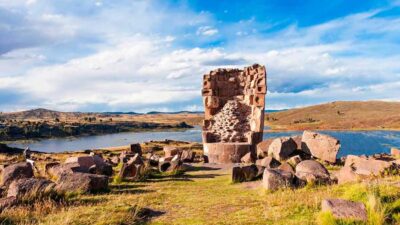
Day 7 is a classic Lake Titicaca combo, and it’s built around real communities rather than just scenery. You start in the morning by motorboat to visit the Uros, a group that historically sought refuge inside Lake Titicaca, building islands using ancient techniques. You can watch the islands and learn how island life works from the people living it now. It’s not just a photo stop; it’s a demonstration of adaptation.
Then you continue sailing to Taquile Island. Taquile’s community has maintained traditions and clothing, and it’s one of the Quechua communities in a region that is essentially Aymara. You get welcomed with music and dances, then have lunch at a community restaurant. The meal is described as simple but rich in nutrients, which matches how many Andean community meals are built—practical, filling, and meant for real labor and daily life.
After lunch, you walk around the area to appreciate the lake views, then head back to Puno. This is the day where your “big Peru trip” feels human and personal, because you’re spending time with people and their rhythms.
One consideration: lake days can be cool and windy. Bring layers even if the rest of the trip feels warm.
Price and Logistics: Is This Good Value at $1,264?
At $1,264 per person, the smart question isn’t just whether it’s expensive or cheap. It’s whether you get enough included to make your planning easier—and you do.
You’re getting:
- 7 nights of accommodation in selected hotels (subject to availability)
- Transfers from airport to hotels and shared transfers
- Round-trip train ticket to Machu Picchu according to hotel category
- All admission tickets on tours
- Breakfast (7) and lunch (4)
For Peru, train tickets to Machu Picchu and admission costs can add up quickly, and getting the timing right is the difference between a smooth day and a stressed day. This itinerary is built for efficiency: it sequences Lima, Cusco, Sacred Valley, Machu Picchu, Puno, and then the lake islands without you needing to micromanage transit between cities.
What’s not included matters too. The tour says flights Lima to Cusco and Juliaca to Lima are not included, and airport taxes (including international and Lima–Cusco and Puno) are $32 per person. Your flight must be timed correctly: when booking Lima to Cusco, it must be in the morning, and arrival by noon is too late.
Also, remember the tour starts at Lima Airport and ends at Juliaca Airport, which is about 36 km from Puno. So plan your departure transport from Juliaca accordingly.
If you want the least headache and the most organized route through the country’s highlights, this is the kind of package that can feel like value even if the sticker price looks mid-range.
Who This Tour Suits Best
This itinerary fits best if you:
- Want major sights without building your own schedule from scratch
- Like having a guide explain what you’re seeing, especially at Inca and colonial sites
- Are okay with a structured day-to-day plan and some walking
- Prefer a small group size (maximum 15)
It’s also a good fit for first-time visitors to Peru who want a balanced introduction: colonial Lima, Inca Cusco region, Machu Picchu, then Titicaca culture.
Should You Book This Peru Ancestral Energies Tour?
I’d book it if you want a clean, efficient route that handles the hard parts: hotels, admissions, transfers, and the tricky Machu Picchu train timing. The Sacred Valley day and the Lake Titicaca community visits are also a strong pairing—so your trip isn’t only stone monuments and train windows.
I’d pause and rethink if you’re very sensitive to altitude or you hate rigid schedules. The itinerary runs through high elevations, and Machu Picchu ticket rules are strict, so you’ll want a steady plan and good health prep.
If you like your travel organized but still meaningful, this is a solid choice.
FAQ
Where does the tour start and end?
It starts with a departure transfer from J Chavez Intl Airport in Lima, Peru, and ends with a departure transfer at Inca Manco Capac International Airport in Juliaca, Peru.
Which flights are not included?
Flights are not included for Lima to Cusco and Juliaca to Lima. The tour notes the sales team can assist you.
What meals are included?
You get breakfast every day for 7 days (7 breakfasts) and lunch on 4 days (4 lunches). Food and drinks are otherwise not included unless specified.
Are admission tickets included?
Yes. The tour includes all admission tickets on tours, and it includes the Machu Picchu train ticket according to your selected hotel category.
Do I need to worry about Machu Picchu circuits?
Yes. Machu Picchu uses three main visitor circuits. Route 2 is given priority, and if it is not available you may be informed of circuit 3B or circuit 1B before tickets are issued. The Machu Picchu admission ticket is not refundable and date changes or amendments are not accepted.
Is there a cancellation window?
The experience offers free cancellation. You can cancel up to 24 hours in advance for a full refund, and cancellations made less than 24 hours before the start time are not refunded.