REVIEW · CUSCO
From Cusco: Q’eswachaka Bridge & 4 Lagoons Full-Day Tour
Book on GetYourGuide →Operated by MPTC GETS · Bookable on GetYourGuide
Inca rope bridges don’t get much more real than Q’eswachaka Bridge. I like how this full-day trip mixes an early adventure crossing with an easy-to-follow route to the four lagoons—Pampamarca, Asnacqoccha, Acopia, and Pomacanchi. The main thing to consider is that you’ll handle a steep path and a swinging bridge, and the day runs long.
The best part is the pacing. You leave Cusco before sunrise, eat something light on the road, and reach the bridge while it’s still calm—then you shift to birds and lake views later in the day. You’ll also have bilingual support, plus practical extras like a first-aid kit and oxygen balloon.
In This Review
- Key things to know before you go
- Q’eswachaka Bridge: the walk that feels like time travel
- Morning logistics from Cusco: why the early start pays off
- Stop in Combapata for breakfast and lunch
- The approach to the bridge: steep paths and good shoes matter
- Bridge crossing tips that make the experience easier
- After the bridge: driving to the four lagoons circuit
- Flamingos and birdlife: what you’ll actually watch for
- The optional boat ride: when it fits the day
- Price and value: is $49 fair for this kind of day?
- What to pack (and what to skip) for comfort
- Who this tour suits best (and who should reconsider)
- My honest call: should you book this?
- FAQ
- FAQ
- What time is pickup in Cusco?
- How long is the full-day tour?
- Are breakfast and lunch included?
- Do I need to pay an entrance fee for the bridge?
- What languages will the guide speak?
- What should I bring for the tour?
- Is the tour suitable for people with mobility impairments?
- Is large luggage allowed on the tour?
Key things to know before you go
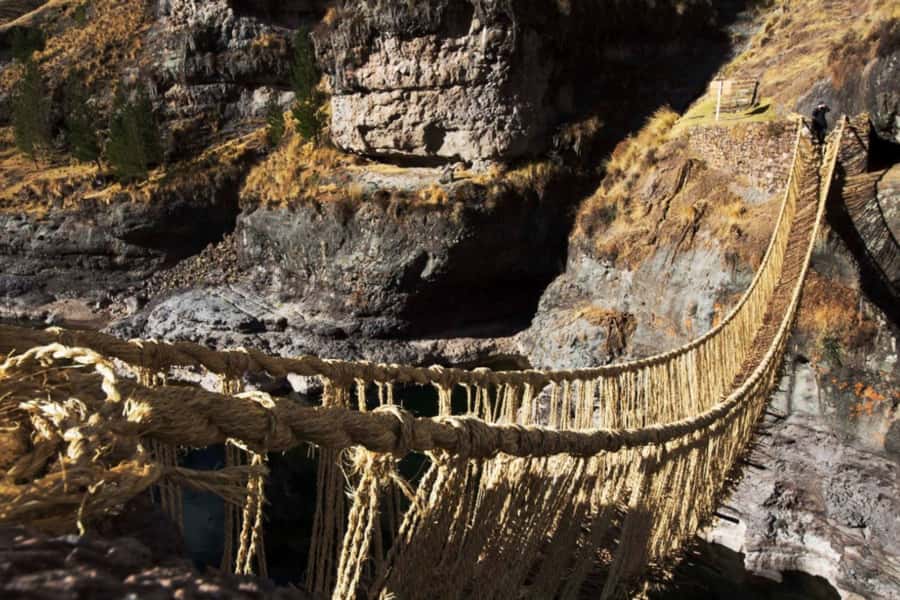
- You’re crossing a living Inca bridge: an old suspension bridge made from grass ropes over the Apurimac River.
- Early pickup can be your advantage: departing around 4:30–5:00 AM helps you avoid the busiest light.
- Your photography stops are built in: there’s a viewpoint before the crossing and photo time at the lakes.
- The lake circuit targets wildlife: you’ll scan for native birds, including flamingos, along the lagoon edges.
- Meals are included, but not guaranteed to impress everyone: lunch and breakfast are part of the package.
- Entrance fee is extra: plan on paying 20 soles for the bridge entrance on site.
Q’eswachaka Bridge: the walk that feels like time travel
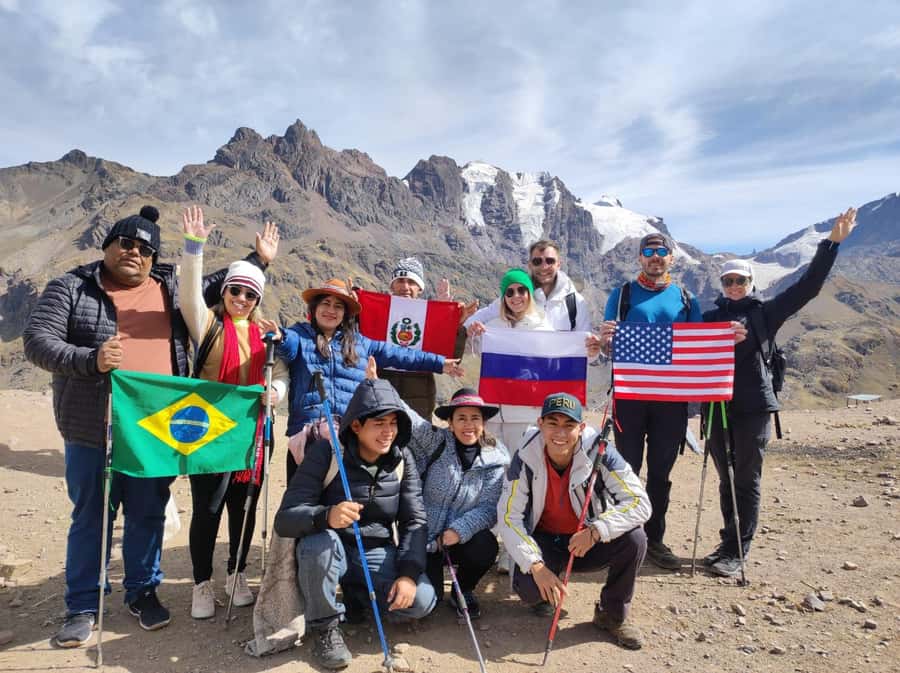
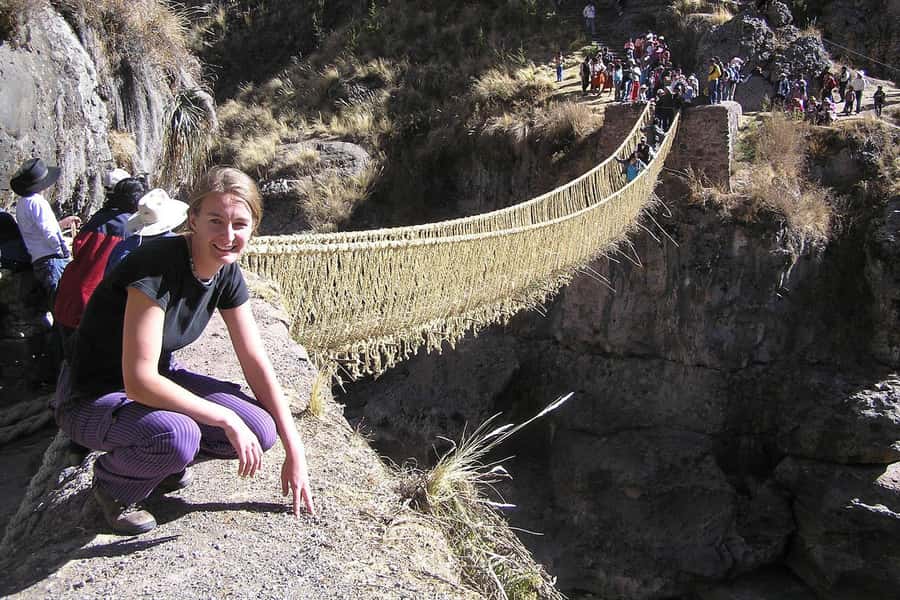
This tour is really about one moment: stepping onto Q’eswachaka Bridge and crossing it yourself. The bridge spans the Apurimac River between steep rocky cliffs, using a traditional rope-and-wood construction. What makes it feel special is that it’s not a museum set. It’s an active bridge, tied to the local way of keeping the structure alive.
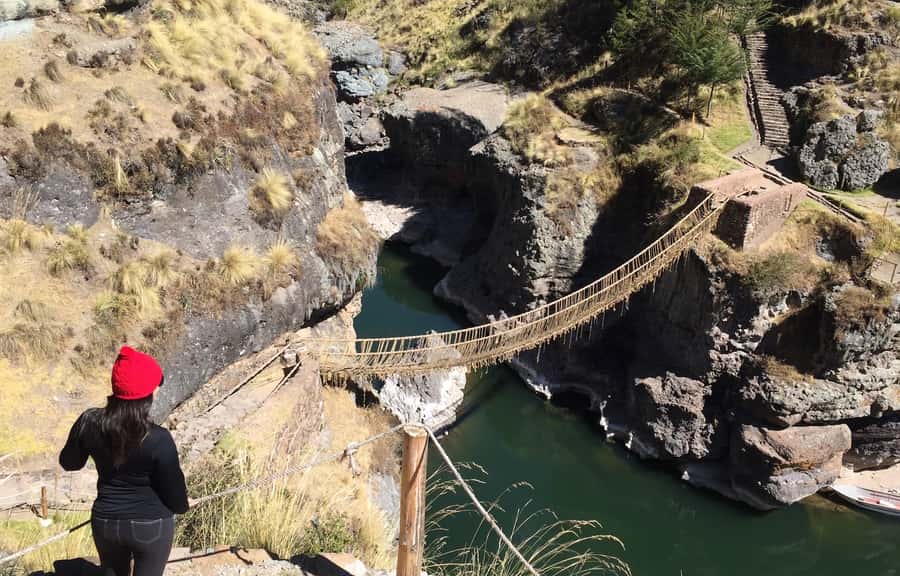
The walk starts after a descent on a steep path to a viewpoint. That viewpoint matters. You get a quick sense of how the bridge hangs over the canyon before you commit. Then comes the crossing—swinging, narrow, and definitely not built for people who want to stare at the ground the whole time.
Bring calm into it. Put your weight where the ropes guide you, keep your eyes forward, and take short steps. If you look down, your brain may decide you’re bungee jumping without the bungee. The canyon drops for many meters, and it can be intense even if you’re an experienced traveler.
You can also read our reviews of more tours and experiences in Cusco
Morning logistics from Cusco: why the early start pays off
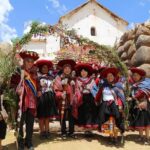
Pickup happens between 4:30 AM and 5:00 AM from your Cusco hotel. That early departure is the backbone of the day, because it gets you out to the Canas area before crowds and harsh midday light. You’ll ride in a private van for the main transfers, which makes the long drive more comfortable than bouncing between shared vehicles.
You’ll travel toward Combapata first, where you stop for a continental breakfast. Then you continue for another stretch of driving, watching the scenery and the Salcca River—described as a sacred river of the Incas. You don’t have to be a history nerd to enjoy this part. The river plus the canyoned valleys give you that classic “I’m far from Cusco now” feeling.
One practical note: the tour is about 13 hours total. You’ll be in transit for a good chunk, and that means snacks and water discipline help. Your packing list is straightforward, but don’t wait until you feel thirsty to act.
Stop in Combapata for breakfast and lunch
Combapata is where the day pauses to feed you. First up: continental breakfast during the morning transfer. Later, after the bridge visit, you’ll return to Combapata for a quick lunch break.
Meals are included, which is a big value win for a long day trip like this. Still, quality can vary depending on the restaurant setup on the route. Some people found the meals not as warm or well-managed as they expected, including limited drink supplies at times. It’s not a deal-breaker, but I suggest coming with flexible expectations and carrying a little extra cash for any personal add-ons.
If you’re sensitive to low-temperature food, plan to eat quickly and focus on what you need energy-wise, not fine dining.
The approach to the bridge: steep paths and good shoes matter
Once you reach the bridge area, you don’t just arrive and walk on. There’s a steep path down to a photo viewpoint first. That means your shoes matter more than you might think, especially if the ground is uneven.
You’ll then cross the bridge carefully. The structure is described as a traditional suspension bridge using ropes made from grass. That detail isn’t just trivia. Grass ropes and older-style suspension can mean the bridge feels different underfoot compared with modern walkways. Expect sway. Expect to feel every step.
It’s also why the tour isn’t recommended for people with mobility impairments or for pregnant women, based on the physical demands and access route. If you’re on the fence, be honest about your comfort with heights, narrow crossings, and steep paths.
Bridge crossing tips that make the experience easier
You’ll feel it immediately: adrenaline, wind, the rope rhythm under your feet. This is where I’d focus on reducing decision-making. Don’t rush. Don’t overthink it.
Here are a few practical tips that fit the way this tour is described:
- Wear comfortable shoes with grip. No flip-flops. No slick soles.
- Keep your camera accessible but don’t stop mid-step to frame shots.
- Take the viewpoint as your warm-up. Spend a moment watching how the bridge moves before you go.
- If you tend to panic at heights, fix your gaze on the far side and count steps.
In at least some cases, your guide may also act as your photo helper. One guide was praised for being a strong photographer on the bridge, and that’s useful if you want a memorable shot without risking balance.
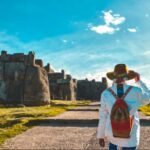
After the bridge: driving to the four lagoons circuit
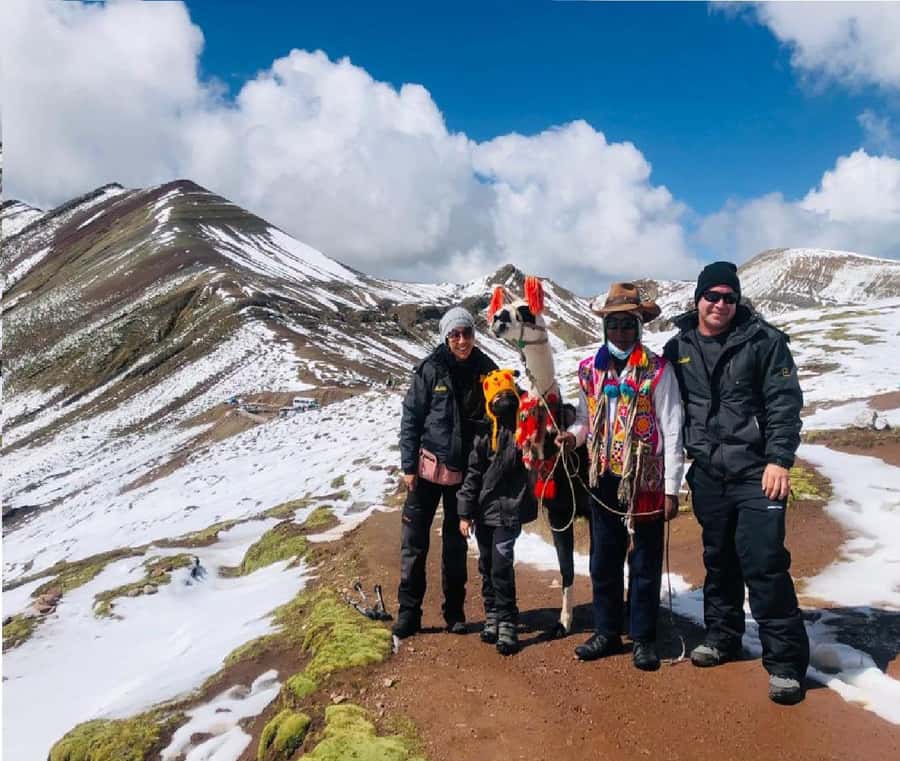
Once you’re done crossing, the day pivots from adrenaline to scenery. You’ll head back toward Combapata for lunch, then continue to the lake area where the four lagoons are.
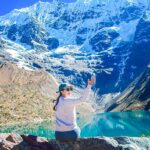
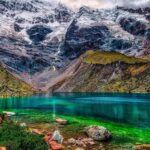
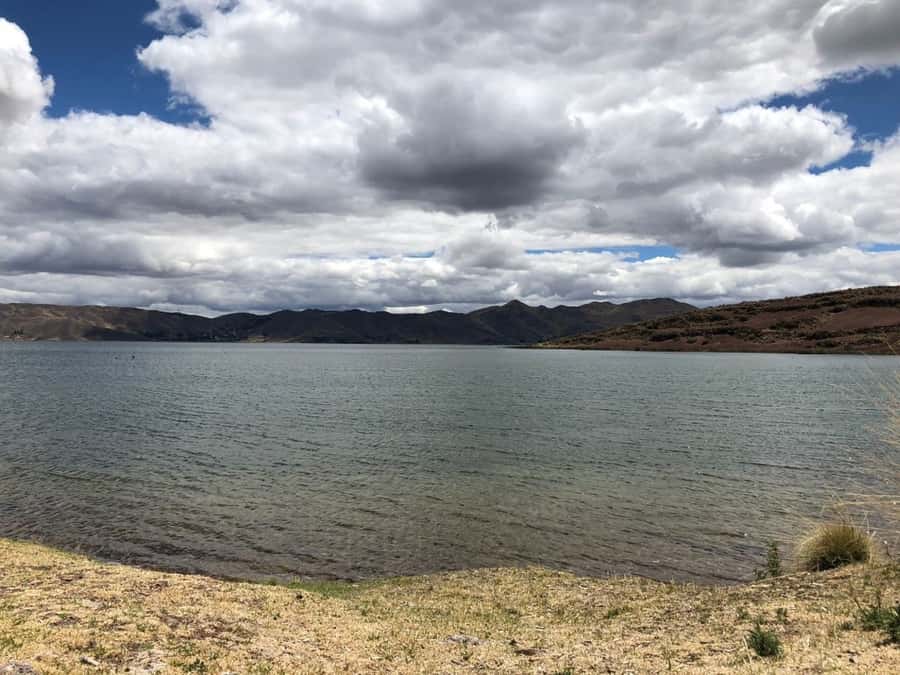
This is the Canas region’s lagoon country, and it’s famous for the way the water sits among rolling hills. The tour is designed so you arrive and see them in the afternoon light, when the color contrast between water and surrounding terrain feels more dramatic.
You’ll stop at multiple lagoons, specifically: Pampamarca, Asnacqoccha, Acopia, and Pomacanchi. Each has its own shoreline character, so you’re not just checking one body of water and calling it done. Think of it like a scenic photo loop with wildlife scanning between shots.
Flamingos and birdlife: what you’ll actually watch for
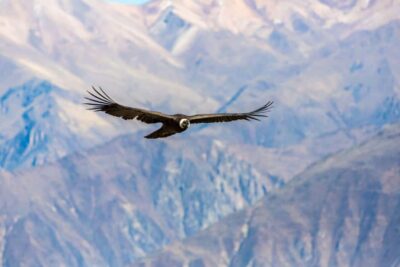
One of the most satisfying aspects of the lagoon portion is the birdlife. The tour is set up so you can observe native birds as they feed and fly around the lagoon edges. Flamingos are specifically mentioned, so keep your eyes moving around the waterline, not just at the center.
Don’t expect a zoo schedule. You’re watching in the natural rhythm of the area. If you get nothing on one stop, you still have more chances at the next lagoon. And if you do see birds, you’ll likely spot them near shallower edges where they feed.
Bring sunglasses and plan to squint less. The sun in this region can be strong, and you’ll be outdoors for long stretches.
The optional boat ride: when it fits the day
Some departures may include an optional boat ride under the bridge and through the canyon area. It’s described as informative and beautiful by people who took it, but since it’s labeled optional, don’t assume it’s included in your base plan.
If it’s offered while you’re there, it can add variety after the bridge crossing. If you’re already tired from the long day, you can also skip it and focus on the lakes and photography without losing the core experience.
Price and value: is $49 fair for this kind of day?
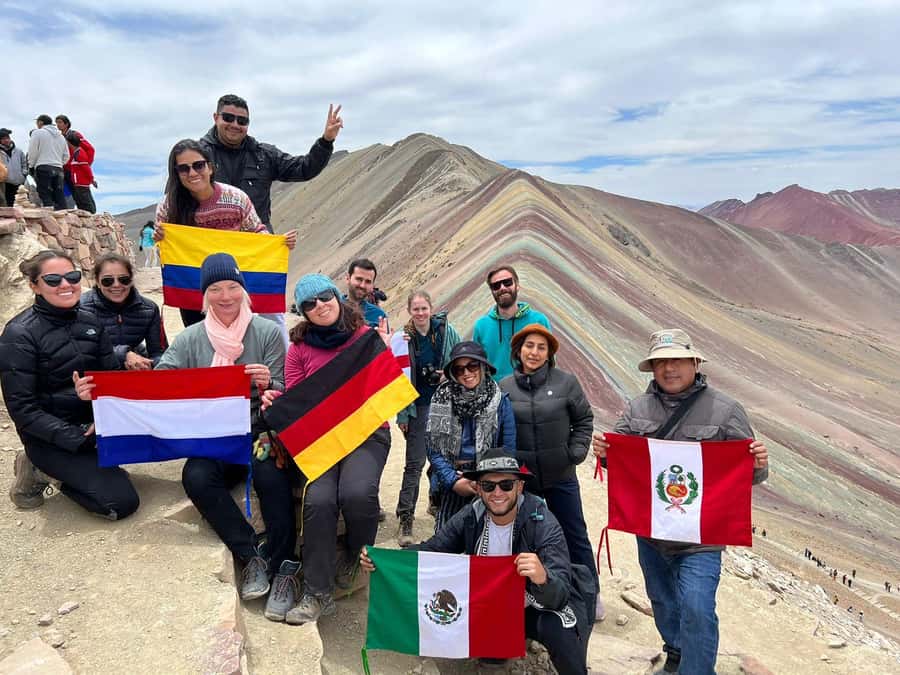
At around $49 per person, this is a competitive price for a full-day Cusco-region tour that includes:
- hotel pickup and drop-off
- private-van transport for the route described
- a bilingual guide (English and Spanish)
- continental breakfast and lunch
- a first-aid kit and oxygen balloon
- scenic stops tied to the bridge and the lagoon views
The key catch is the bridge entrance fee: 20 soles is not included. Factor that into your budget before you go, so you don’t feel surprised when you arrive.
Is the price worth it? For me, it is if you care about doing the crossing yourself and you value a guided, structured day that doesn’t leave you figuring out logistics early in the morning. If you’re mostly interested in “seeing” the area from a distance, you might be able to piece together cheaper DIY transport. But the bridge crossing experience is the whole reason to book.
What to pack (and what to skip) for comfort
The tour gives you a clear packing list, and I’d treat it as the baseline:
- passport or ID card
- comfortable shoes
- sunglasses and sun hat
- sunscreen
- water
- rain gear
- cash
- daypack
Avoid larger luggage. Luggage or large bags aren’t allowed, so travel light. A small backpack is the sweet spot because you’ll want hands free for the photo moments and for the steady rhythm of stops.
Also: bring a waterproof layer even if the sky looks clear. Mountain weather can change fast, and you’ll be outside for most of the day.
Who this tour suits best (and who should reconsider)
This is a great match if you want a hands-on adventure with a cultural setting and natural scenery in one day. The bridge walk is the big draw, and the lagoons add a calmer, wildlife-focused ending.
You’ll likely enjoy it most if:
- you feel comfortable walking on uneven ground and crossing a swinging bridge
- you like photo stops and want time to watch birds
- you want a guided route with hotel pickup to avoid early-morning planning stress
You should reconsider if you have mobility limitations, or if you’re pregnant. The access routes and the nature of the bridge crossing make this one tough to modify.
My honest call: should you book this?
If your dream trip includes crossing the last Inca rope bridge and you’re excited to trade city streets for canyon air and lagoon birds, I’d book it. The early departure and included transport make it feel efficient, and the bilingual guiding helps you understand what you’re seeing while staying focused on the experience.
Just go in with realistic expectations about two things: it’s physically demanding at the bridge, and meal quality can vary. If you keep your priorities straight—bridge first, lagoons second—you’ll come away with memories that don’t feel copy-paste.
FAQ
FAQ
What time is pickup in Cusco?
Pickup is between 4:30 AM and 5:00 AM from your hotel in Cusco.
How long is the full-day tour?
The duration is listed as 750 minutes, about 13 hours.
Are breakfast and lunch included?
Yes. You’ll have a continental breakfast and lunch included.
Do I need to pay an entrance fee for the bridge?
Yes. Entrance to the Q’eswachaka Bridge is not included and costs 20 soles.
What languages will the guide speak?
The guide is bilingual, with English and Spanish.
What should I bring for the tour?
Bring a passport or ID card, comfortable shoes, sunglasses, sun hat, sunscreen, water, rain gear, cash, and a daypack.
Is the tour suitable for people with mobility impairments?
No. It is not suitable for people with mobility impairments.
Is large luggage allowed on the tour?
No. Luggage or large bags are not allowed. A small backpack is recommended.