REVIEW · CUSCO
Food and Culture Full day Tour in the Sacred Valley
Book on Viator →Operated by Sacred Valley Food and Culture Tour · Bookable on Viator
Food here has a story. This full-day Sacred Valley tour turns meals into a cultural route, moving from Urubamba markets to Ollantaytambo chicherías and on to a Huilloc community family lunch. It’s not just eating on the move; it’s learning while you snack.
I really like two things about it: first, the nonstop food tastings starting in Urubamba, where you get real local flavors instead of only safe, packaged stops. Second, the chance to sit down with an indigenous family and watch daily life connect directly to what lands on your plate. The main thing to consider is that entry to the Ollantaytambo archaeological site isn’t included, so you may need an extra ticket if you want to go into the ruins.
In This Review
- Key highlights you’ll feel during the day
- Turning the Sacred Valley into a food-and-culture day
- Urubamba market morning: breakfast tastings that actually fill you up
- Ollantaytambo and chicha: historic streets plus a drink break
- Huilloc Valley family visit: crafts, daily life, and a real lunch
- Returning to Urubamba with dessert
- How the logistics affect your comfort (and your enjoyment)
- When booking makes sense for your schedule
- Who this tour suits best
- Quick prep checklist so you enjoy every stop
- Should you book this Sacred Valley Food and Culture tour?
- FAQ
- What is the duration of the Sacred Valley Food and Culture tour?
- How much does the tour cost?
- Where does the tour start and when?
- Is the entrance to Ollantaytambo included?
- Is lunch included?
- What happens if weather is poor?
Key highlights you’ll feel during the day
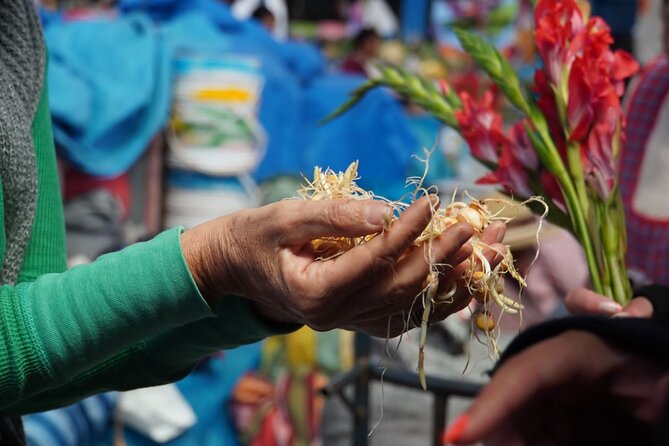
- Urubamba morning market tastings that set you up for the whole route (and keep you fed)
- Chicha in Ollantaytambo, served in an authentic chichería setting
- Huilloc Valley community visit with craft time and a festive traditional lunch
- A small shared group (up to 15), which makes the food stops easier to enjoy
- A guide like Liat who brings energy, humor, and serious care for the group
Turning the Sacred Valley into a food-and-culture day
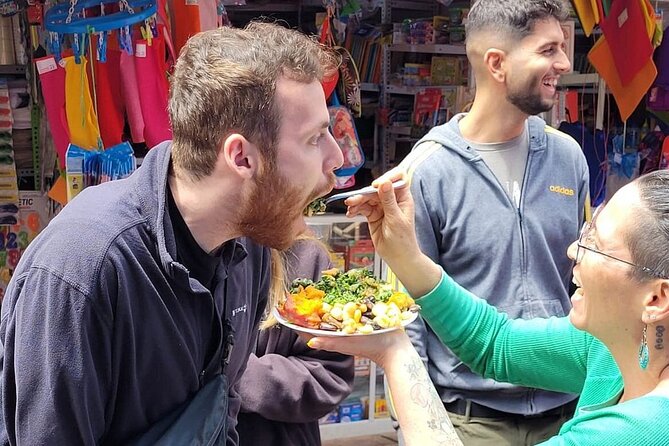
The Sacred Valley can feel like a blur if you only chase landmarks. This tour slows it down the smart way: you build the day around what people actually eat and do, then you add the places that shaped the region. You start in Urubamba and spend your time moving between markets, a historic Inca town, and a high-mountain community life experience.
One of the best parts is that the tour doesn’t treat food like an afterthought. It’s the backbone. You’ll taste breakfast-style street food early, you’ll drink chicha later, and you’ll end with dessert back in Urubamba. In between, you’re hearing stories that make the food make sense.
And yes, the guide matters here. In the feedback, Liat comes up again and again for being funny, friendly, and attentive. People also talk about feeling cared for and pushed gently to try foods they might skip on their own. That’s useful—because in a market or a family lunch, confidence helps you enjoy more.
You can also read our reviews of more food & drink experiences in Cusco
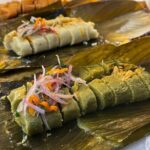
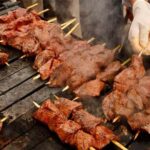
Urubamba market morning: breakfast tastings that actually fill you up
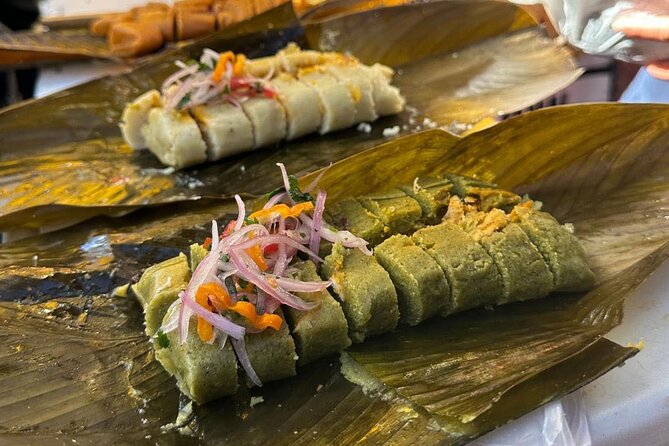
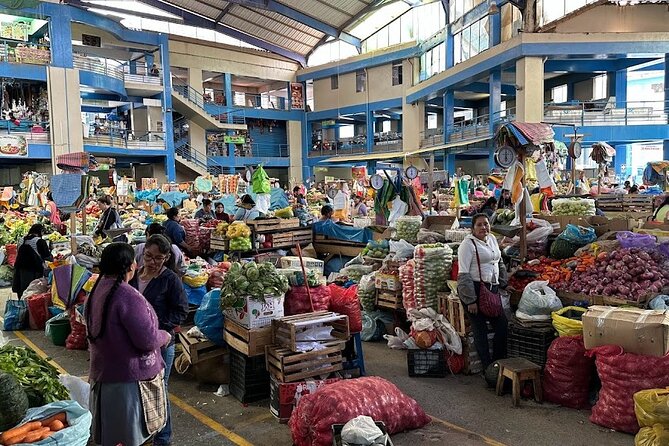
You begin in Urubamba at 9:00 am, meeting at Tienda Ampay – Palomino Cargo on Av. Ferrocarril. The start matters: you’re not stumbling around hungry or figuring out where to go. The tour’s first stretch is built around tasting in the town’s market area and main square.
This is where the day earns its “food tour” name. You’re sampling street-style items and local bites as you walk, and you’re doing it with a guide who can explain what you’re eating and why it’s part of daily life in the valley. You also get a sense of the ingredients and textures that show up later—so the rest of the day feels connected rather than random.
Practical tip: plan on eating. This isn’t a tiny sampler where you feel like you only took a taste of each thing. The tour is long enough that the tastings are meant to keep you comfortable through multiple stops, and the food rhythm is designed so you don’t feel constantly “behind” on hunger.
Ollantaytambo and chicha: historic streets plus a drink break
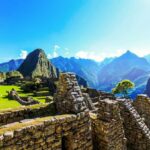
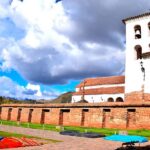
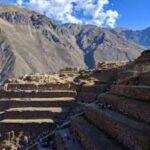
Next you travel to Ollantaytambo, an Inca town that still feels built for walking. The tour time here is short enough to stay relaxed, but focused enough that you don’t just drop in for photos.
You’ll tour the old city and then stop at a chichería to drink chicha. This is a key difference between a basic ruins tour and a food-and-culture day. You’re not only viewing the past; you’re stepping into a living tradition—one that’s tied to how people gather and celebrate.
Important consideration: the Ollantaytambo archaeological site entrance is not included. That means if you’re the type who wants to go inside and linger at the ruins, you’ll likely need to plan for extra costs on the day. The tour will still get you to Ollantaytambo and around the town, but the ticket for the specific archaeological entrance is separate.
If you have a sensitive stomach or you’re cautious with alcohol, ask your guide ahead. The tour format encourages trying new things, but you can always choose what feels right for you.
Huilloc Valley family visit: crafts, daily life, and a real lunch
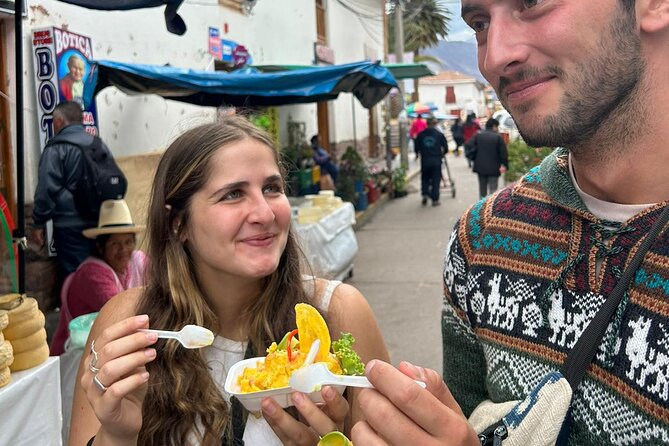
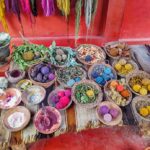
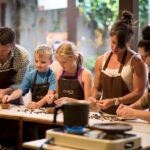
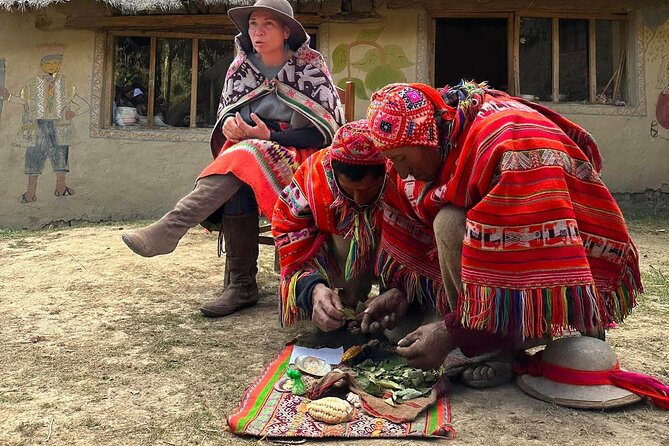
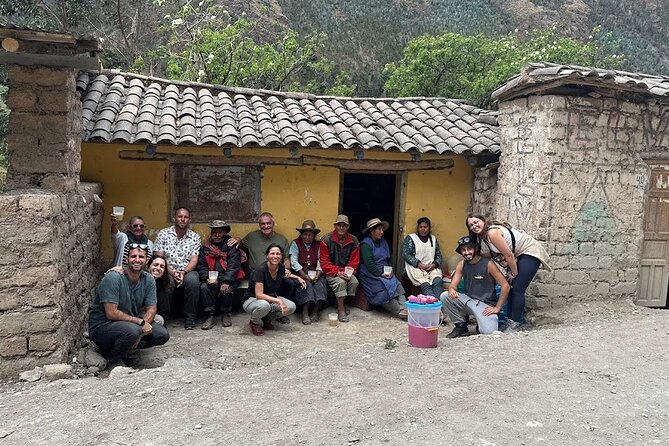
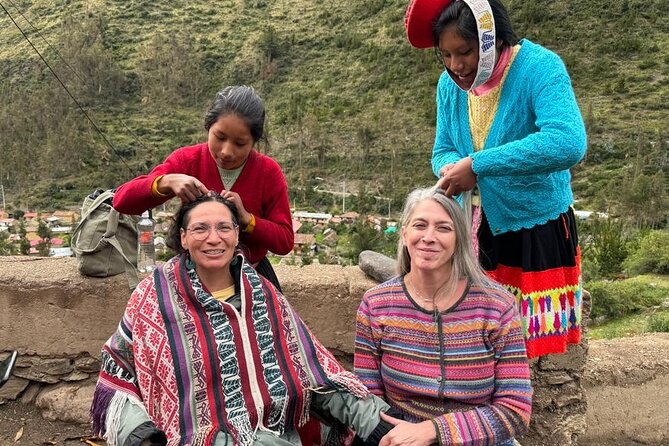
The biggest cultural shift in the day comes at Huilloc Valley. You drive up into the Andes to visit an indigenous Peruvian family in the Huilloc community. This isn’t just a photo stop. You’ll meet family members, learn about everyday life, and see traditional crafts.
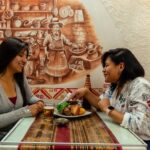
Then you eat a festive traditional lunch with the family. This is the heart of the tour for many people because it’s the moment where food becomes a story with faces attached. You’re not only tasting dishes—you’re hearing how they connect to work, seasons, and community knowledge.
What makes this stop especially valuable is the pacing. You get time with the family, time for the craft experience, and then time to sit down and eat. That structure helps you pay attention instead of rushing.
Practical tip: bring a mindset of curiosity. If you’re expecting a polished museum-style explanation, this will feel more like a family visit with conversation and hands-on moments. If you show respect and interest, you’ll likely get more out of it.
Returning to Urubamba with dessert
After the community lunch, you head back down to Urubamba to finish the day. The tour doesn’t end the same way it started. Instead of more tastings in the market, you close with a local dessert.
That dessert stop works as a nice reset. By this point you’ve been eating all day, you’ve walked more than you expected, and your body is ready for something sweet and familiar. It also gives the day a clean ending—returning to the same meeting point where you started.
If you’re a planner, this is helpful: it’s an easy finish. No confusing last-leg logistics, no racing to find transport. You’re back where you began.
You can also read our reviews of more tours and experiences in Cusco
How the logistics affect your comfort (and your enjoyment)
This is a 10-hour shared group tour, starting at 9:00 am and capped at 15 travelers. That smaller group size matters on food tours. It keeps the timing manageable at stops like markets and chicherías, and it makes it easier for the guide to check in with people.
Transport is handled by an air-conditioned vehicle (type depends on group size). Since this day includes mountain driving into the Andes, comfort in transit helps you stay in a good mood when you arrive.
Value check on price: at $200 per person, you’re paying for a guide, a full day schedule, tastings, snacks, lunch with a family, and transportation. The one notable extra you may face is the Ollantaytambo archaeological site entrance, since it’s not included. If you’re going to want that entry, budget accordingly and you’ll still feel the day is good value compared to paying separately for a guide plus scattered food stops.
One more thing: the tour works best in good weather. The experience notes that it requires good conditions, and if it’s canceled due to poor weather, you’ll be offered a different date or a full refund. That’s worth keeping in mind if you’re visiting during a wetter stretch.
When booking makes sense for your schedule
This tour is booked fairly in advance—on average about 50 days—so if your trip dates are fixed, you’ll want to book early rather than hoping a spot appears later. Confirmation is typically received within 48 hours of booking, based on availability.
Also pay attention to meeting point location. This tour starts in Urubamba, not central Cusco. A transfer from Cusco is available, but it’s an additional fee. If you’re staying in Cusco and don’t want to handle the logistics yourself, ask about the Cusco transfer option early so you don’t end up timing the morning rush.
Who this tour suits best
This is a strong fit if you:
- Want food and culture together, not one or the other
- Enjoy walking through real places like markets and local town areas
- Like learning from a guide who encourages you to try new foods and keeps the mood friendly
- Prefer smaller groups (up to 15) for a smoother day
It may feel less ideal if you:
- Only care about archaeological ruins and expect the main site entrance to be included
- Have very strict dietary needs and aren’t comfortable asking questions early (the tour advises allergy and sensitivity travelers to consult at the beginning)
For first-time visitors to the Sacred Valley, this tour can also be a great way to get your bearings fast. It gives context to the region through daily life, so other sights later on feel more connected.
Quick prep checklist so you enjoy every stop
You’ll be out for about 10 hours, and you’ll do multiple stop-and-walk sections. To make the day easier on your body:
- Wear comfortable shoes for market sidewalks and old-town walking
- Plan for altitude and time outdoors (the day includes mountain driving)
- If you have allergies or sensitivities, tell the guide at the start so you can adjust what you taste
- Come hungry and open-minded; the day is built to keep you eating
Should you book this Sacred Valley Food and Culture tour?
If you want a day that feels human—market people, a local chichería, and a family lunch—this is a smart choice. The structure makes it easy to enjoy without stress: you get fed on purpose, you get stories with context, and you return to Urubamba at the end.
I’d book it especially if you value a guide who shows care and helps you try foods you might not pick off a menu. The recurring theme around Liat is that the experience is warm, funny, and attentive, and that’s a big deal when you’re spending a full day in unfamiliar food territory.
The one reason to hesitate is simple: Ollantaytambo archaeological entrance isn’t included. If ruins-only is your main goal, you may want to compare options. If you’re excited for food and everyday culture with a few key historic stops, this day is exactly the kind of Sacred Valley experience that sticks.
FAQ
What is the duration of the Sacred Valley Food and Culture tour?
The tour lasts about 10 hours.
How much does the tour cost?
The price is $200.00 per person.
Where does the tour start and when?
It starts at Tienda Ampay – Palomino Cargo in Urubamba at 9:00 am and ends back at the same meeting point.
Is the entrance to Ollantaytambo included?
No, entrance to the Ollantaytambo archaeological site is not included.
Is lunch included?
Yes. You’ll have a traditional festive lunch with an indigenous Peruvian family.
What happens if weather is poor?
The experience requires good weather. If it’s canceled due to poor weather, you’ll be offered a different date or a full refund.