REVIEW · CUSCO
City Tour Cusco Qoricancha Sacsayhuaman y Tambomachay
Book on GetYourGuide →Operated by World Explorer Peru · Bookable on GetYourGuide
Cusco’s Inca ruins feel close today. This 5-hour Cusco circuit strings together the key sights around town, from the Temple of the Sun to the stonework at Sacsayhuamán, plus water rituals at Tambomachay. It’s a smart way to connect the dots fast—especially if this is your first full day in Cusco.
I especially like how the tour gives you both the big picture and the small details. Two standouts for me are the Qorikancha story (Inca sacred space later built over by the Santo Domingo Convent) and the viewpoints from Sacsayhuamán, where the fortress setting makes the scale of the empire feel real. You’ll often get a guide who keeps things lively—names I’ve seen include Luis, Nilo, Sergio, Kali, Condor, Ernesto, Manuel, and Erick.
One consideration: this is a packed route with multiple stops and transfers, so you’ll want comfortable shoes and a little patience at altitude. Also, the tour includes transport and guidance, but you’ll pay extra for the Qorikancha entrance and possibly the Cusco Tourist Ticket.
In This Review
- Key things to know before you go
- Cusco’s Inca sites circuit: why it works so well
- Meeting at Plaza de Armas: finding the group and settling in
- Qorikancha (Temple of the Sun): the Inca sacred core under another era
- Sacsayhuamán: fortress stones, panoramic payoff
- Qenqo: ceremonial altars, underground passages, and rock forms
- Puka Pukara: a military/control post with traveler-friendly functions
- Tambomachay (Inca Baths): water worship with channels still flowing
- Timing, transport, and handling Cusco’s altitude without ruining your day
- What you actually get for about $13
- The small rules and your packing list (so nothing derails you)
- Where the tour ends and what to do after
- Quick reality check on accessibility
- Should you book this Cusco city tour?
- FAQ
- What time does the Cusco City Tour run?
- Where is the meeting point?
- How long is the tour?
- What language options do I get with the guide?
- What does the tour price include?
- Do I need to pay for entrance tickets?
- Are tickets refundable?
- What should I bring?
Key things to know before you go
- Plaza de Armas start: Meeting at the main square by the fountain sets a smooth first-day rhythm.
- Inca + Spanish layers: Qorikancha is where you’ll see how Inca foundations shaped later colonial building.
- Views that explain the ruins: Sacsayhuamán’s panorama makes the fortress feel strategic, not just scenic.
- Ceremonial sites beyond the headline spots: Qenqo and Puka Pukara add texture to the Inca story.
- Tambomachay’s water worship: Channels and fountains still flow, so this one hits in a different way.
- English and Spanish support: Many guides switch smoothly; audio is included too.
Cusco’s Inca sites circuit: why it works so well
If you’re trying to understand Cusco in a day, this tour layout makes sense. You’re not only seeing famous ruins—you’re walking through how the Inca organized religion, power, and daily movement around the city.
The route is also practical. You start right at Plaza de Armas, then use shared transport between higher and farther points. That keeps the walking realistic while still giving you real time at each stop.
You’ll also get better value if you like your history with clear visuals. Several guides bring extra teaching aids (like photo books) and spend time answering questions, which helps when you’re trying to picture what ceremonies and daily life might have looked like.
You can also read our reviews of more city tours in Cusco
Meeting at Plaza de Armas: finding the group and settling in
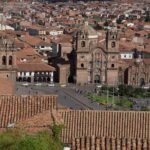
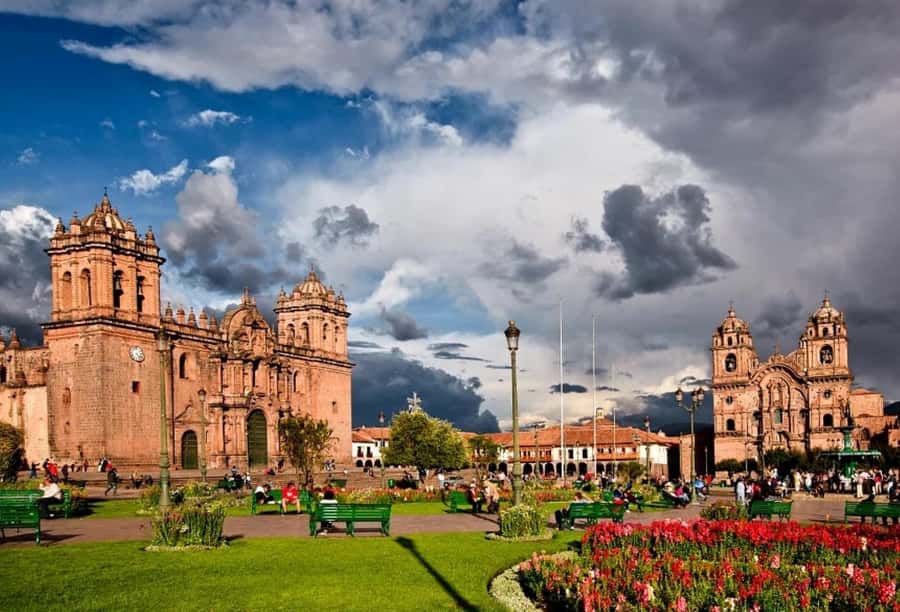
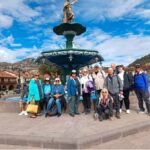
You’ll meet at Cusco’s Main Square (Plaza de Armas) next to the central fountain, beside the Inca monument. It’s the kind of meeting point that makes your day easier—no wandering and no stress.
Plan to arrive about 10 minutes early so you don’t lose time when the group starts. The tour runs in two windows: a morning shift (9:00 AM to about 2:00 PM) and an afternoon shift (1:00 PM to about 6:30 PM), with about 5 hours on the ground depending on the departure you book.
Also, bring the basics for Cusco weather and altitude. Sunglasses, sunscreen, and a sun hat aren’t optional here if you want to enjoy the photo stops instead of squinting through them.
Qorikancha (Temple of the Sun): the Inca sacred core under another era
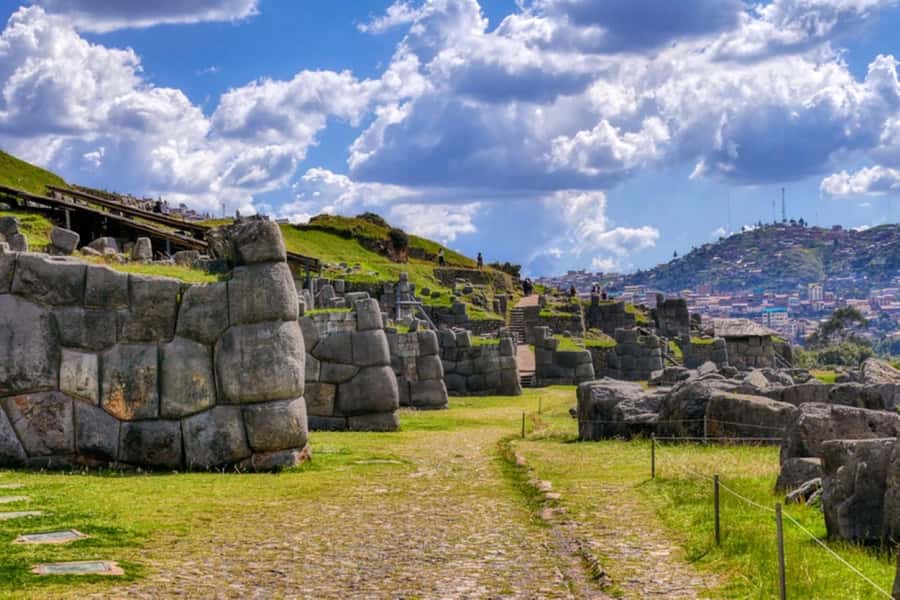
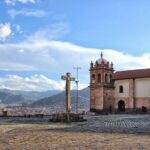
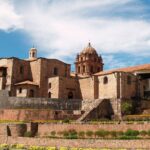
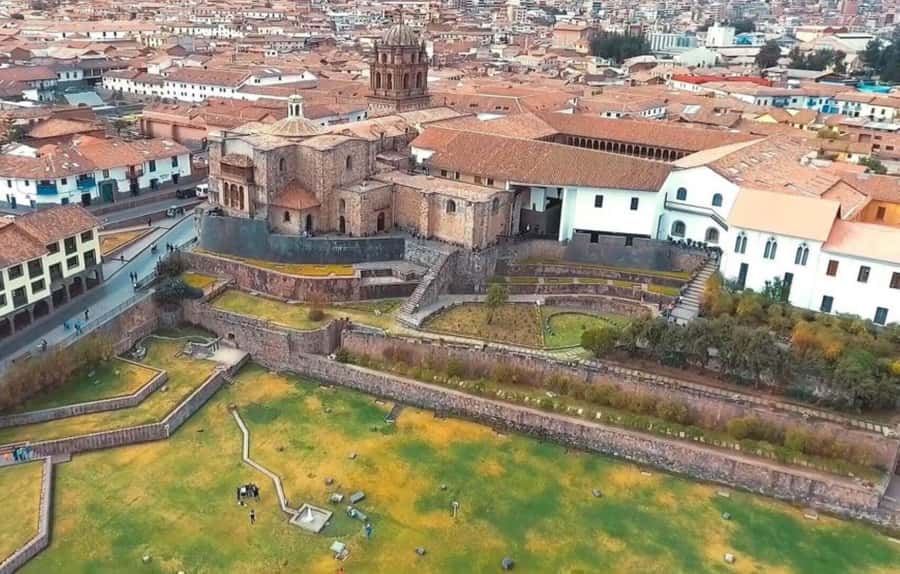
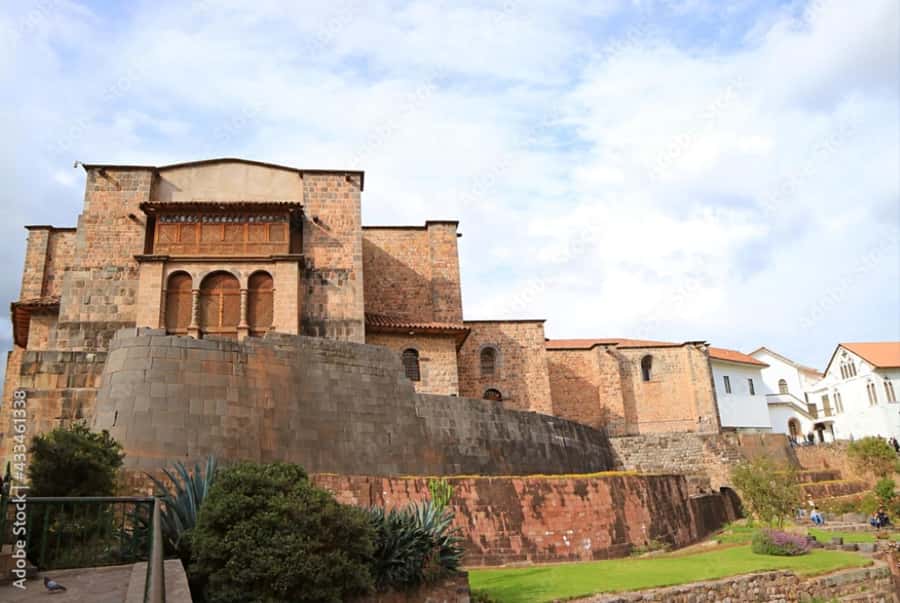
The first major stop is Qorikancha, the Inca Empire’s most important religious site. Even if you’ve only read a little about Cusco, Qorikancha is where the story snaps into focus: this place wasn’t just architecture. It was part of a living spiritual system.
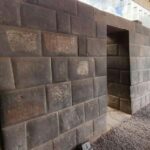
You’ll learn about the ceremonial purpose and see the finely made stonework. Then comes the eye-opener: the Santo Domingo Convent built on foundations of the Inca temple complex. That layering isn’t just trivia. It’s a visible reminder that Cusco’s history never really resets—it stacks.
Practical note: the Temple of the Sun entrance costs extra (S/ 20.00 soles). The tour also mentions the Cusco Tourist Ticket cost (S/ 70.00 soles). If you already plan to visit multiple ticketed sites, it may be worth checking whether that ticket makes sense for your itinerary.
Sacsayhuamán: fortress stones, panoramic payoff
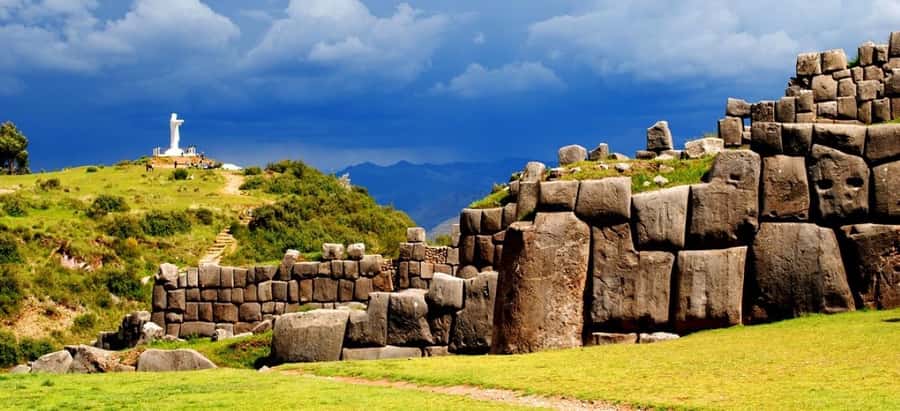
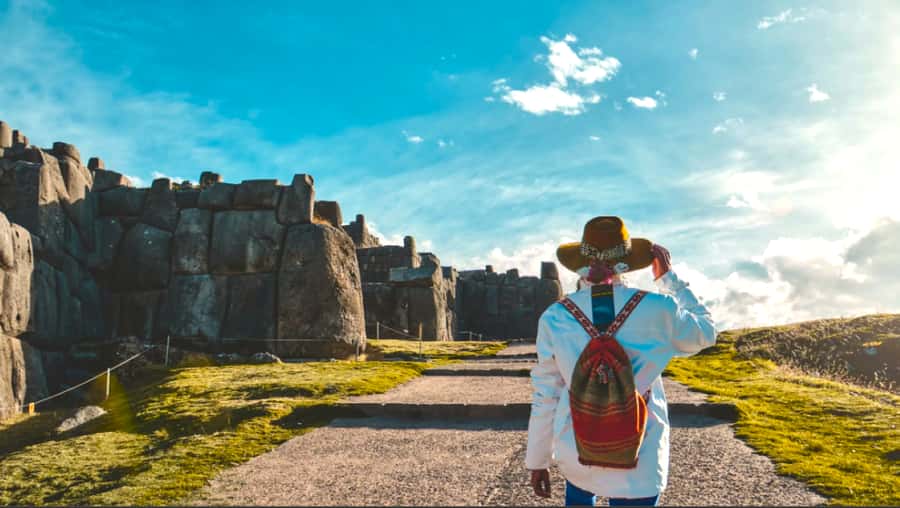
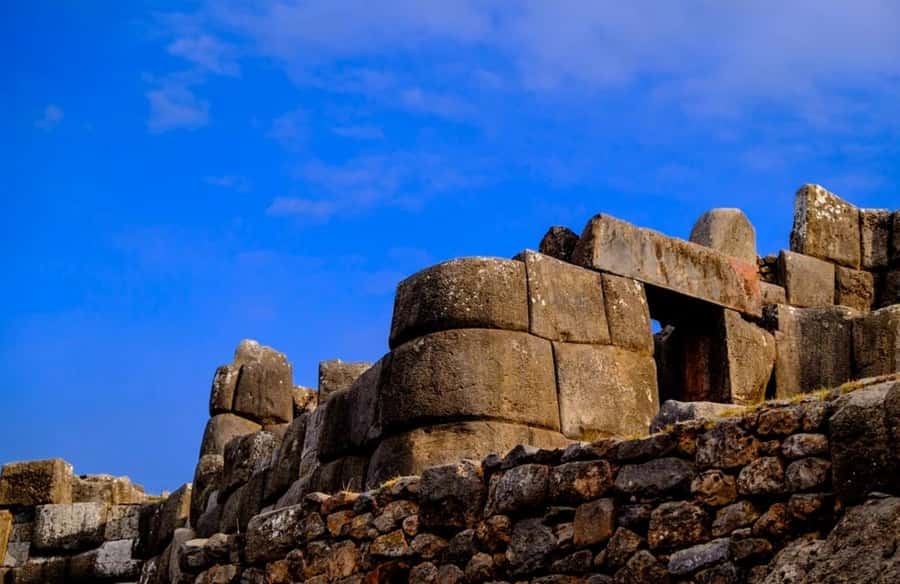
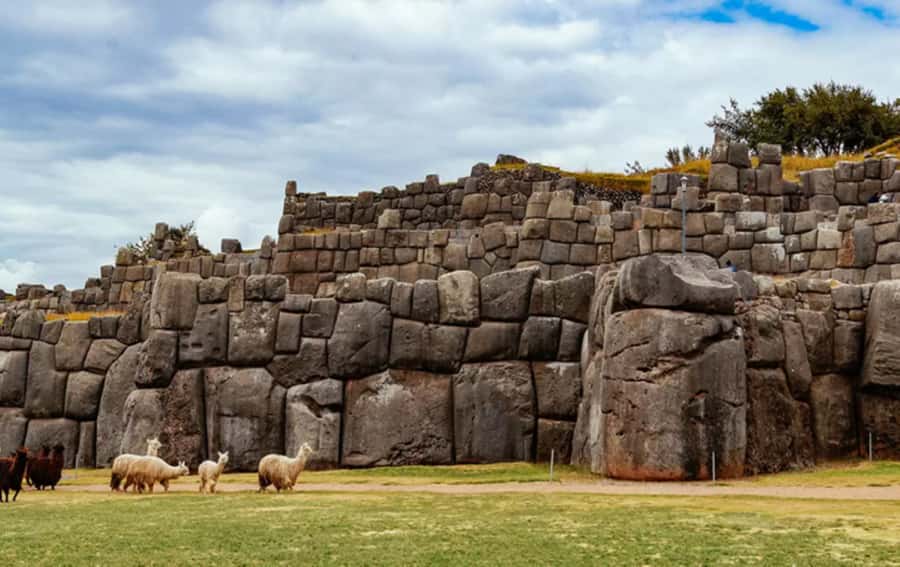
Next up is Sacsayhuamán, the massive fortress known for giant stone blocks and dramatic placement above Cusco. This stop is often the one people remember because the setting shows the logic: the Inca didn’t build only for ceremony, they built for control and defense too.
Expect a mix of guided explanation and photo time. You’ll get free time as well, and there are scenic views on and around the route that help you orient yourself to where Cusco sits.
One reason this works so well on a city tour: Sacsayhuamán helps you understand why Cusco feels so intentional. Once you see the scale from the heights, the city’s streets and plazas start making more sense than they did from street level.
Qenqo: ceremonial altars, underground passages, and rock forms
After Sacsayhuamán, the tour continues to Qenqo (listed as Q’enco/Q’enco complex). This is a ceremonial center where you’ll see altars and rock formations tied to religious rituals, plus the intriguing underground passage elements.
What I like about adding Qenqo to a Cusco tour is that it changes the mood. You’re not only looking at walls and fortresses. You’re looking at places designed for specific ceremonies and for interacting with the landscape.
There’s typically a photo stop plus guided time, so you’re not left squinting at stone and guessing. A good guide also connects Qenqo to the themes you heard earlier at Qorikancha—religion shaping where people went and what they believed mattered.
Puka Pukara: a military/control post with traveler-friendly functions
Then comes Puka Pukara (sometimes spelled Puka Pukara or Pucapucara in descriptions). This complex is described as an ancient military and control post, and it also served as a resting place for Inca travelers.
The terraces and defensive structures make the “control post” idea feel believable. Meanwhile, the resting-place angle helps you see travel as something organized—not random movement. It’s a nice reminder that empires run on logistics as much as monuments.
If you’re someone who likes the less-famous stops, this is the one that often gives you that feeling of discovering something you wouldn’t spot on your own. It also gives a break from the highest elevations, depending on how the route timing matches your shift.
Tambomachay (Inca Baths): water worship with channels still flowing
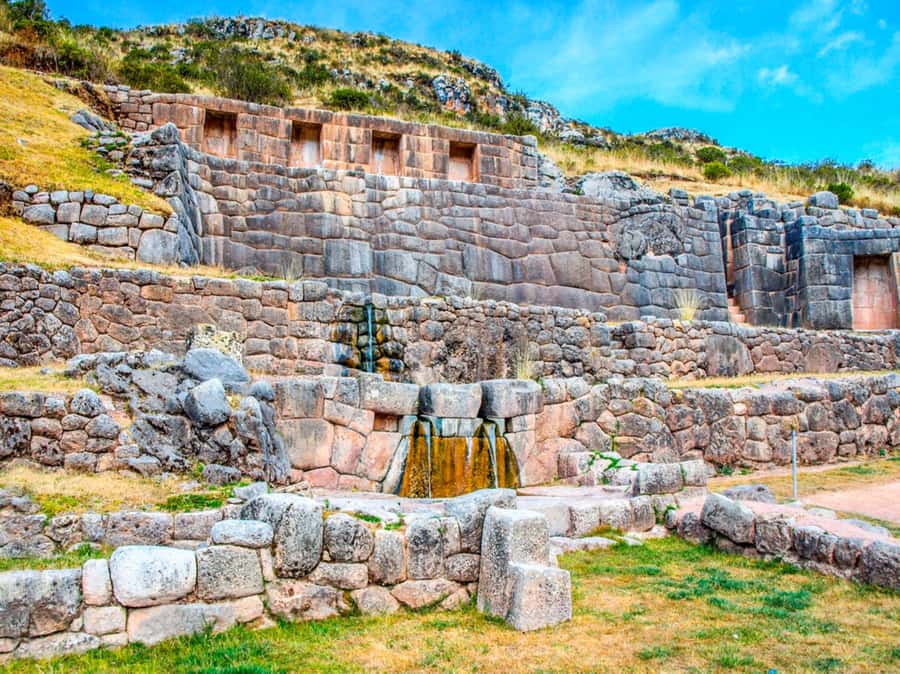
The last big archaeological stop is Tambomachay, known as the Inca Baths. Here the focus shifts from stone to water rituals.
You’ll learn that Tambomachay is associated with worship of water, and that channels and fountains still flow today. That detail matters. It makes the site feel less like a museum and more like a place that still does what it was designed to do.
Expect a break time and photo opportunities. There’s also guided explanation and a chance to take in the views on the way. This stop tends to land well late in the tour because it offers a different kind of scenery and a calmer vibe than fortress points.
Timing, transport, and handling Cusco’s altitude without ruining your day
This tour is about balance: enough time at each stop to understand what you’re seeing, but not so much that you’re wiped out by hour three.
You’ll do short shared transfers by coach between sites (listed segments include multiple bus/coach times along the way). That’s a good match for Cusco’s steep areas. You still get walks and scenic drive moments, but you’re not trying to cross the city by foot only.
Altitude is real. One practical takeaway from guide behavior and recommendations is this: book a tour like this earlier rather than later so you can learn how your body responds. Some guides also provide local altitude help—so if you get that offered, it’s worth taking it seriously as part of your plan.
Hydrate like it’s your job, and keep your pace steady on the uphill walking portions. If you feel slow, don’t fight it. Cusco rewards patience.
What you actually get for about $13
At around $13 per person, the value is mostly in the structure. You’re paying for:
- a professional local guide (with English and Spanish support)
- a planned route covering major historic stops
- shared transport between points
- audio guide support in English and Spanish
Then there are the extras you must budget for: the Qorikancha entrance at S/20, plus the mention of the Cusco Tourist Ticket at S/70 (depending on how you plan to cover other sights).
Here’s the practical way to think about it: if you tried to assemble these sites on your own, you’d spend time on transport decisions and you might still miss the stories that connect Qorikancha to Sacsayhuamán and then to the ceremonial and water-related sites. On a first visit, that context is what makes the day feel worthwhile.
One more value point shows up in the guide style. Many guides keep things energetic and answer questions in both languages. Names I’ve seen connected with strong experiences include Nilo, Sergio, Ernesto, Manuel, and Erick.
The small rules and your packing list (so nothing derails you)
Cusco tours run smoother when everyone knows the deal up front. This tour asks you to bring:
- passport or ID card
- sunglasses, sun hat, sunscreen
- camera
- comfortable clothes and a daypack
- cash
And it’s also clear about what not to bring:
- drones
- weapons or sharp objects
- alcohol and drugs
- anything that creates litter or noise
- firework and making fire
Oddly specific things can matter more than you think. For example, crutches aren’t allowed, and loose clothing is also listed as not permitted. If you’re traveling with specialized mobility gear, double-check how that impacts your day before you commit.
Where the tour ends and what to do after
The tour ends at Plaza Regocijo or a nearby point in Cusco’s historic center. That’s a convenient finish because it puts you back in the area where it’s easy to grab a meal or keep wandering.
Also, many guides end the day with a local touch. In the experiences I’ve seen, a Pisco sour sometimes shows up at the end, in addition to small stops that can include local items along the route. Even if you skip those optional moments, you’ll still walk away with a clearer mental map of Cusco.
Quick reality check on accessibility
The info provided includes both a wheelchair-accessible note and a statement that it’s not suitable for wheelchair users. If mobility support is a key concern for you, you should confirm the on-the-ground reality with the operator before booking, especially because the route includes uneven archaeological areas and scenic viewpoints.
Should you book this Cusco city tour?
Book it if you want an efficient way to learn Cusco beyond Plaza de Armas. This route does a good job connecting the Inca religious core (Qorikancha), the fortress logic at Sacsayhuamán, and the ceremonial and water-worship side of the empire at Qenqo and Tambomachay.
Skip it (or replace it with something slower) if you hate packed itineraries or you know you need long recovery time from altitude. In that case, you might prefer a shorter plan focused on one or two sites.
If it’s your first or second day in Cusco and you’d like a guided orientation that you can build the rest of your trip from, this is a solid pick.
FAQ
What time does the Cusco City Tour run?
There are two shifts. The morning shift starts at 9:00 AM and runs until about 2:00 PM, and the afternoon shift starts at 1:00 PM and runs until about 6:30 PM.
Where is the meeting point?
You meet at Cusco’s Main Square (Plaza de Armas) next to the central fountain, beside the Inca monument.
How long is the tour?
The duration is listed as 5 hours.
What language options do I get with the guide?
The live guide is available in English and Spanish, and an audio guide is included in English and Spanish as well.
What does the tour price include?
Included are the city tour excursion, meeting point at Plaza de Armas, shared tourist transportation, visits to the main attractions on the route, a professional local guide, and permanent assistance.
Do I need to pay for entrance tickets?
Yes. The Qorikancha entrance ticket is listed as S/ 20.00 soles, and the Cusco Tourist Ticket is listed as S/ 70.00 soles.
Are tickets refundable?
The activity states free cancellation up to 24 hours in advance for a full refund.
What should I bring?
Bring passport or ID, sunglasses, a sun hat, camera, sunscreen, comfortable clothes, cash, and a daypack.