REVIEW · CUSCO
Open Bus Cusco City Tour
Book on Viator →Operated by Cusco Open Tour · Bookable on Viator
The best way to understand Cusco is from a bus.
This Open Bus Cusco City Tour gives you fast orientation from a double-decker vantage point, and the guide work (often led by people like Paulo or Victor) can add context you’d miss if you only wandered on your own. I also like the fact that it goes beyond the main-square postcard shots with viewpoints and stops that tie Inca and Spanish layers together. One thing to keep in mind: it’s short and mostly view-focused, so if you want museum-level detail or lots of walking, this may feel light.
You’ll ride through Cusco’s narrow streets, stop for a few quick looks, and get dropped off near Calle Saphy, just a couple blocks from the Plaza de Armas area. The upside is you can do it right after arriving (when altitude and jet lag can make slow exploring tough). The trade-off is that timing can shift with traffic and crowds, and some parts may involve shopping or donation-style pitches.
In This Review
- Key Reasons I’d Put This on Your Cusco Shortlist
- Why an Open Bus City Tour Works in Cusco
- Price and Time: What $14.09 Buys You (and What It Doesn’t)
- Getting On in Cusco: Meeting Point and How the Route Feels
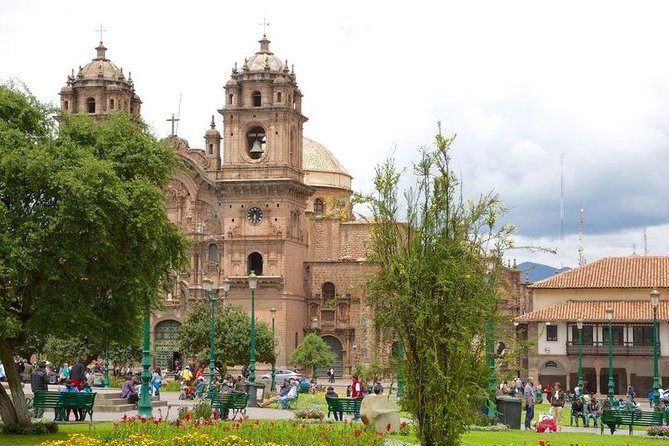
- Plaza de Armas Start: A Quick Cultural Primer at the Heart of Town
- Viewpoints With Quick Photo Stops: Inca Fortress Glimpses
- Statue of Christ: The Best Quick Overlook Over Cusco
- Paccha, the Great Mural, and the Inca-Overbuilt Church Story
- Calle Saphy Drop-Off: Walkable Ending Near the Main Square
- The Ceremony Stop: Spiritual Moment, Participation Optional Feel
- Guides and Language: Bilingual Help, But Stay Realistic
- Rain, Cold, and Comfort on the Upper Deck
- Value Check: What Makes This Good Value
- The Stuff to Watch Out For (So You Don’t Get Caught Off Guard)
- Who Should Book This Open Bus Cusco Tour
- Should You Book It?
- FAQ
- FAQ
- How long is the Open Bus Cusco City Tour?
- How much does it cost?
- Where do I meet the tour?
- Where does the tour end?
- Is food included?
- What’s included in the tour price?
- How big is the group?
- Is there free cancellation?
Key Reasons I’d Put This on Your Cusco Shortlist
- Upper-deck panoramic views make it easy to spot where sights sit relative to each other.
- Bilingual guiding helps you follow the story even if your Spanish is basic or rusty (Victor has been noted for translating).
- Not just the main square: the route includes major city landmarks and viewpoints, plus Inca-overbuilt church context.
- A spiritual ceremony stop can be moving and memorable, though you should expect it to involve participation.
- Great value at $14.09 for a 3-hour orientation that helps you plan the rest of your trip.
Why an Open Bus City Tour Works in Cusco
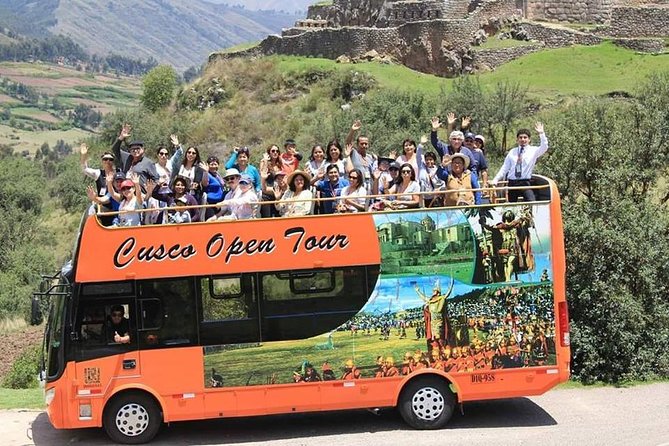
Cusco rewards curiosity, but it also punishes slow decision-making. Roads are steep, blocks are tight, and altitude can hit harder than you expect on day one. An open bus loop is a smart way to get your bearings fast without committing to a full-day walking plan.
This tour is built for that exact goal: a short circuit with photo stops and key “you should know this” moments. It’s also a practical way to understand the city’s layout: where the Plaza de Armas sits, how the Christ statue viewpoint looks over town, and why the Inca and Spanish history are physically layered in the same neighborhoods.
You can also read our reviews of more city tours in Cusco
Price and Time: What $14.09 Buys You (and What It Doesn’t)
At $14.09 per person for about 3 hours, this tour is priced like an orientation product. You’re paying for transportation, guiding, and a handful of stops—not for long stays at every site.
Here’s what’s included: transport and a bi-lingual guide. What’s not included: meals and beverages, plus any private expenses and optional gratuities. So bring water if you’ll need it, and don’t expect it to cover lunch.
A few reviews mention the experience can be affected by rain, cold on the upper deck, and occasional timing issues. Plan your day with breathing room. If you have a strict reservation right afterward, give yourself a buffer.
Getting On in Cusco: Meeting Point and How the Route Feels
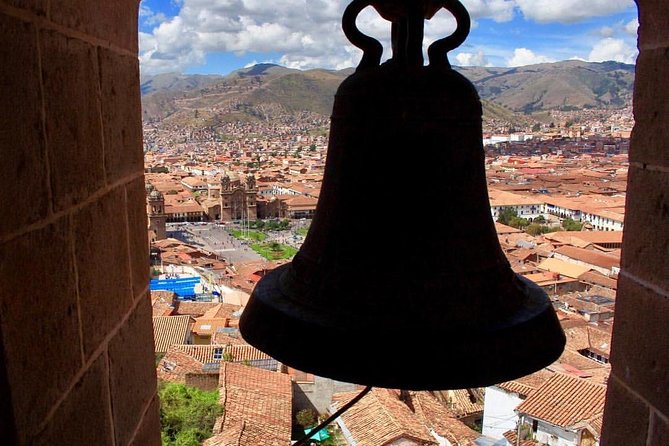
The meeting point is Sta. Catalina Angosta 120 (Cusco 08002). You’ll end at C. Saphy 661, around two blocks from the main square area, so you’re not stranded far from where most people want to be.
Because the bus is moving through traffic, the day-to-day feel matters. Expect narrow streets, lots of photo angles, and “quick in, quick out” stops. If you prefer deeper time on the ground, treat this as a first pass. Use it to learn what’s worth a second visit with your feet.
Also note the tour limits the group size (up to 24 travelers). That’s generally comfortable for a short city loop, especially when you want to find a seat upstairs for the views.
Plaza de Armas Start: A Quick Cultural Primer at the Heart of Town
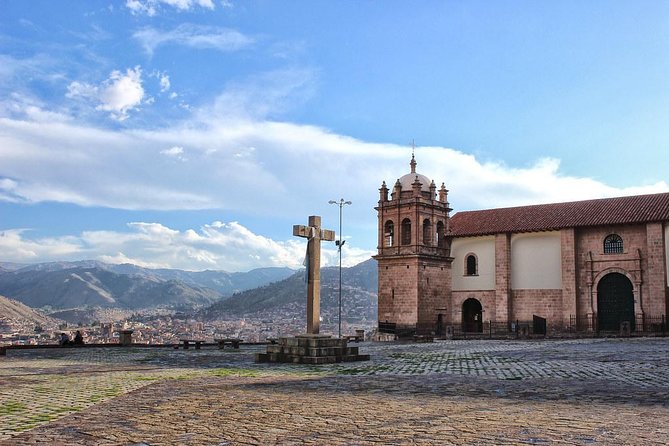
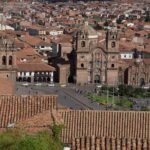
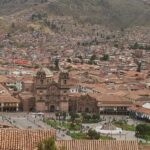
Your first stop is Plaza de Armas. The tour gives you a brief intro right at the prime central location, with a short window (about 10 minutes, and admission is free).
This works because Plaza de Armas is the emotional center of Cusco. Even in ten minutes, you can orient yourself: where you came in from, how the surrounding streets curve out, and why so many later stops feel like they’re “explaining” what you’re seeing right now.
What to watch for: the bus passes nearby landmarks that connect daily life with long-running traditions. The aim isn’t to turn Plaza de Armas into a lecture—it’s to set the frame so the rest of the route clicks.
Viewpoints With Quick Photo Stops: Inca Fortress Glimpses
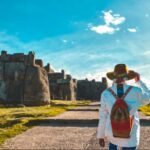
After boarding, the route passes an iconic landmark and then includes a brief stop where you stay on the bus to enjoy a panoramic look at an Inca fortress site. Your guide should share context as you view it from the road.
This is the style of the whole tour: you often get a “best angle from here” moment rather than a long guided walk. If you’re okay with that, you’ll love the efficiency. If you want to go inside or linger, you may want to add a separate Inca-site visit later.

Statue of Christ: The Best Quick Overlook Over Cusco
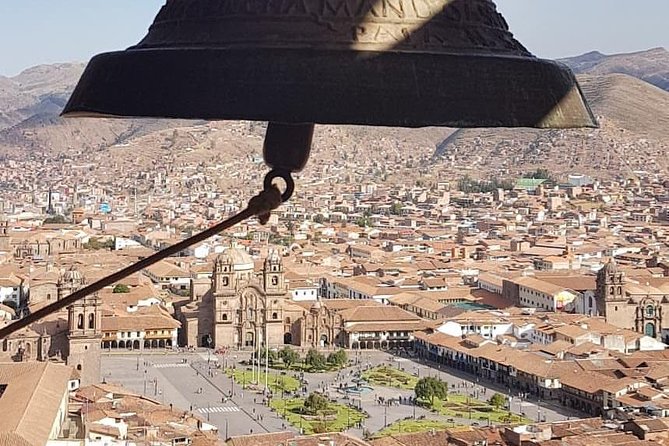
The next major sightseeing moment is the Statue of Christ stop. You get a 10-minute visit window, and the admission ticket is included. It’s a classic Cusco viewpoint: you can see the city’s pattern from above and understand where the neighborhoods stack up on the slopes.
In practice, this stop is the kind that helps you predict what you’ll want to visit later. When you stand or walk briefly here (and then hop back on), the city stops looking like one big blur and starts to look like connected districts.
It’s also a useful check against altitude fatigue. Even if you don’t feel like exploring, the view does the work for you.
Paccha, the Great Mural, and the Inca-Overbuilt Church Story
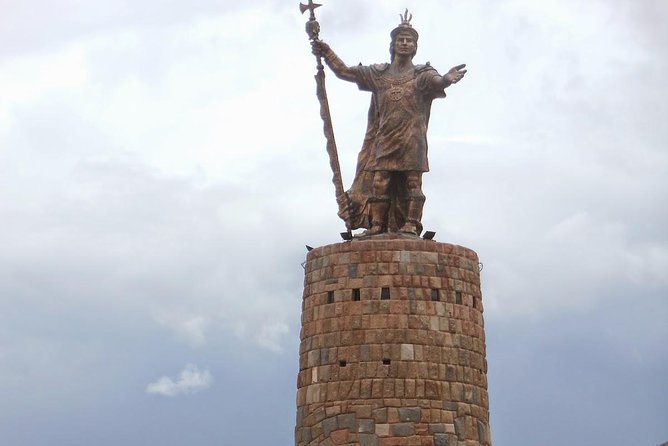
One of the most valuable parts of the tour is how it moves through Cusco’s “layers.” The bus passes through Paccha, then you’ll see the Great Mural of Cusco, which depicts the history of the Incas and the Spanish conquest.
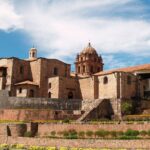
After that, the route includes another important site described as the most sacred place to the Incas, where Spanish conquistadors demolished the Incan temple and built a church while maintaining the temple’s base. This matters because it shows how history isn’t just written here—it’s built into the ground beneath your feet.
What you can expect from this part: you mostly view from the bus and/or get short stops, so it’s not a deep archaeological lesson. But it is a strong narrative bridge. By the time you reach the next stop, you’ll understand why some walls and buildings look like they belong to different eras at once.
Calle Saphy Drop-Off: Walkable Ending Near the Main Square
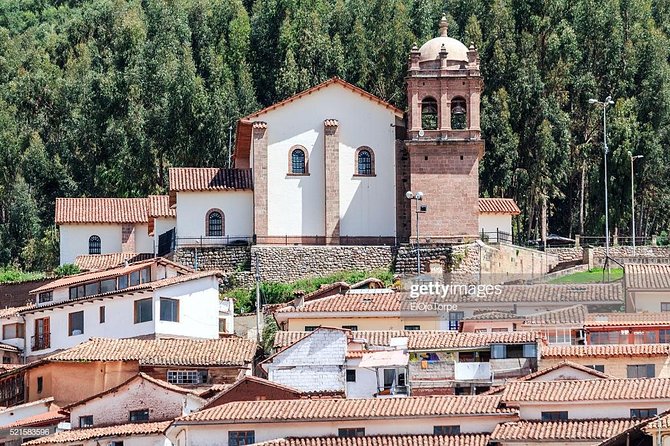
You finish at C. Saphy 661, with the note that it’s just a couple blocks from the main square. For many people, that’s ideal. You get your orientation, then you can choose what to do next without hunting down buses or taxis in the middle of your first day.
In other words, the tour ends where Cusco life is easiest to access. You can head to a viewpoint, dinner, or a souvenir browsing session without feeling like you’re traveling across town one last time.
The Ceremony Stop: Spiritual Moment, Participation Optional Feel
Some tours like this include a spiritual or ancestral ceremony element tied to Cusco traditions. In the experiences shared, this is described as an Inca ritual with coca leaves and/or a blessing by a Peruvian traditional man, offered as an opportunity to participate.
This can be one of the most memorable parts of the day. People have said it felt surreal, moving, and spiritual—especially when you treat it with respect and keep an open mind.
One word of caution: not everyone wants to participate in rituals. If you’re sensitive to religious or cultural practices that involve close attention or group participation, decide in advance what feels comfortable. Also dress appropriately for standing outside and cold conditions, since the upper deck can get chilly later.
Guides and Language: Bilingual Help, But Stay Realistic
The tour is marketed with a bi-lingual guide. That’s great, and it matches what many people reported: guides speaking English and Spanish, with real effort to translate when needed.
Still, language can vary by guide and conditions. A few experiences mention English getting reduced or the pace shifting. Other accounts highlight strong English support, including help from a guide named Victor who translated when requested, and a guide named Paulo who spoke multiple languages quickly.
My practical advice: if language is a must for you, ask about language comfort at the meeting point (simple, direct: Do you have English commentary today?). And don’t rely only on sound from the top of the bus in traffic—plan to ask questions at stops when you can.
Rain, Cold, and Comfort on the Upper Deck
Cusco weather changes fast, and altitude makes cold feel sharper. One review specifically notes rain started when boarding, and the bus had rain gear, which helps, especially upstairs. Later, people moved downstairs because it got too cold.
That’s the real lesson: even if you want the best views up top, be ready for a temperature shift. Bring a warm layer even if the morning feels mild. If you hate being cold, plan to alternate between upstairs views and sheltered seating.
Also watch the sound level. A couple reports mention loud music upstairs. That doesn’t ruin everything, but if you’re trying to listen to the guide or want quiet for photos, seating choice matters.
Value Check: What Makes This Good Value
This is one of the cheapest “guided overview” options you’ll find in Cusco. For $14.09, you’re not paying for an all-day program. You’re paying for:
- transportation around key areas,
- short, timed stops with viewpoints and landmark context,
- and a guide to connect the dots between sites.
If you’re doing Machu Picchu first and you want something light the next day, this fits well. A few people have said it’s a good first-day orientation while acclimating, since you can see a lot without long walks.
It’s also a good choice if you like learning from stories while you move, not if you’re searching for heavy details.
The Stuff to Watch Out For (So You Don’t Get Caught Off Guard)
A few recurring issues show up in people’s experiences. None of this is unusual in city tours, but it helps to go in prepared.
- Shopping/donation pressure: some stops can feel like they’re designed for sales. That might include offers for alpaca textiles, liquid, or photos. Sometimes you might also encounter donation requests tied to a stop.
- Timing drift: traffic and group logistics can make the tour start late or return later than the announced end time.
- “Not really guided” frustration: in some cases, people felt that the guide presence or audio was not consistent, especially in noisy conditions.
My advice: treat this tour as the overview layer. If you’re not interested in buying, you can simply smile, look, and move on. And when you have other plans that day, schedule them with extra time.
Who Should Book This Open Bus Cusco Tour
This tour is a strong fit if you want:
- a low-cost orientation to major Cusco sights,
- big-view photos without lots of walking,
- and a short window to learn how Inca and Spanish history overlap in the city.
It may not be ideal if you:
- want long time inside archaeological sites,
- need a fully quiet, strictly educational tour with zero sales pressure,
- or dislike ritual participation elements.
Think of it as a practical “welcome to Cusco” course. You’ll still want walking time later to go deeper where you care most.
Should You Book It?
If you’re arriving in Cusco and want an easy, affordable way to understand where everything sits, I’d say yes—especially for your first or second day. The mix of scenic stops, the Cristo viewpoint, the Inca-versus-Spanish story in the route, and the optional spiritual ceremony moment can make the day feel more meaningful than a simple bus ride.
But go in with the right expectations. This is short and view-focused, and timing can slide. If you’re the type who hates being offered stuff at stops, set a clear boundary ahead of time. If you can handle that, you’ll likely find it a solid deal.
FAQ
FAQ
How long is the Open Bus Cusco City Tour?
The tour lasts about 3 hours (approx.).
How much does it cost?
The price listed is $14.09 per person.
Where do I meet the tour?
You meet at Sta. Catalina Angosta 120, Cusco 08002, Peru.
Where does the tour end?
The tour ends at C. Saphy 661, Cusco 08002, which is described as about two blocks from the main square.
Is food included?
No. Meals and beverages are not included.
What’s included in the tour price?
It includes transport and a bi-lingual guide.
How big is the group?
The tour has a maximum of 24 travelers.
Is there free cancellation?
Yes. You can cancel up to 24 hours in advance for a full refund.