REVIEW · CUSCO
Cusco:Chinchero,Moray & Salt Mines drop-off in Ollantaytambo
Book on GetYourGuide →Operated by Apu Ausangate Trek EIRL · Bookable on GetYourGuide
Sacred Valley in a single, well-paced day. I like how this route strings together Chinchero textiles, Moray’s strange crop terraces, and Maras’ salt ponds into one coherent story of Inca life and food. I also like the logistics: hotel pickup in Cusco, a proper buffet lunch in Urubamba, and a drop-off in Ollantaytambo so you can keep your Machu Picchu plans moving. The only real drawback to watch is that key entrances cost extra on top of the tour price, and the group day ends around 15:30.
You’ll spend most of the day riding in a comfortable van and walking in short bursts, not hiking for hours. The pace is “see a lot without feeling totally slammed,” and guides (you might meet Julio, Felipe, Nora, Ricardo, Manuel, Diego, John, or Rhino in different departures) tend to explain what you’re looking at while keeping the group on schedule. If you’re picky about train timing, plan carefully, especially with the group drop-off window.
In This Review
- Key highlights you’ll feel right away
- Cusco-to-Ollantaytambo in One Day: what this tour is really good for
- Chinchero: textiles, alpacas, and the kind of shopping you’ll actually use
- Moray terraces: circular farming that looks like sci-fi but has a point
- Maras salt mines: seeing preservation happen in real time
- Urubamba lunch: the buffer that keeps a long day enjoyable
- Ollantaytambo: 200 steps, a fortress town, and the right drop-off
- Price and logistics: where the $27 really lands (and where it doesn’t)
- Timing that matters: when to plan trains and when to take it slow
- Who this Sacred Valley route is best for
- Should you book this one-day Cusco: Chinchero, Moray, and Salt Mines into Ollantaytambo?
- FAQ
- What’s included in the tour price?
- How long is the tour?
- Where does the tour pick you up?
- Is lunch included, and where do you eat?
- Do I need to pay for entrance tickets?
- What is the end point of the tour?
- If I want to take a train, when should I book it?
- What should I bring?
- What are the rules on drones and drinks?
- Can I cancel and get a full refund?
Key highlights you’ll feel right away
- Chinchero textile tradition: learn how weaving connects to daily life, plus time for alpaca-wool shopping
- Moray’s circular terraces: agricultural experiments built for tough high-altitude terrain
- Maras salt ponds: see a working system that helped preserve food for long stretches
- Urubamba buffet lunch: a real meal break with options for different diets
- Ollantaytambo drop-off: end in the right place for the next step toward Machu Picchu
Cusco-to-Ollantaytambo in One Day: what this tour is really good for
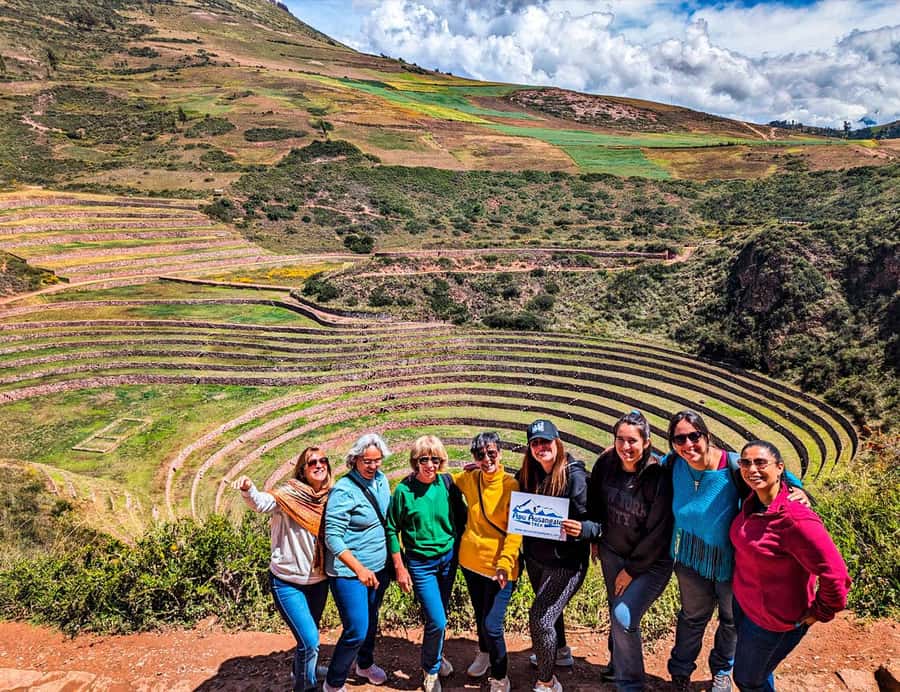
This is a smart “Sacred Valley primer” if you want the big hitters without doing three separate tours. You get a guided sweep of the area’s three standout themes: textiles (Chinchero), Inca engineering for farming (Moray), and food production/preservation (Maras salt mines), then you finish with the fortress city vibe at Ollantaytambo.
The big value is that you’re not just sightseeing—you’re building context. When your guide ties each stop back to how people lived at altitude, the day feels less like checkboxes and more like a single lesson in how the Incas thought about work, water, land, and storage.
The structure also helps. Pickup from your Cusco hotel means you’re not wrestling with buses or timing. And the day ends where you need to be if you’re going to take the train toward Machu Picchu next—either the train station or Ollantaytambo main square, with the group service typically finishing around 15:30.
You can also read our reviews of more tours and experiences in Cusco.
Chinchero: textiles, alpacas, and the kind of shopping you’ll actually use
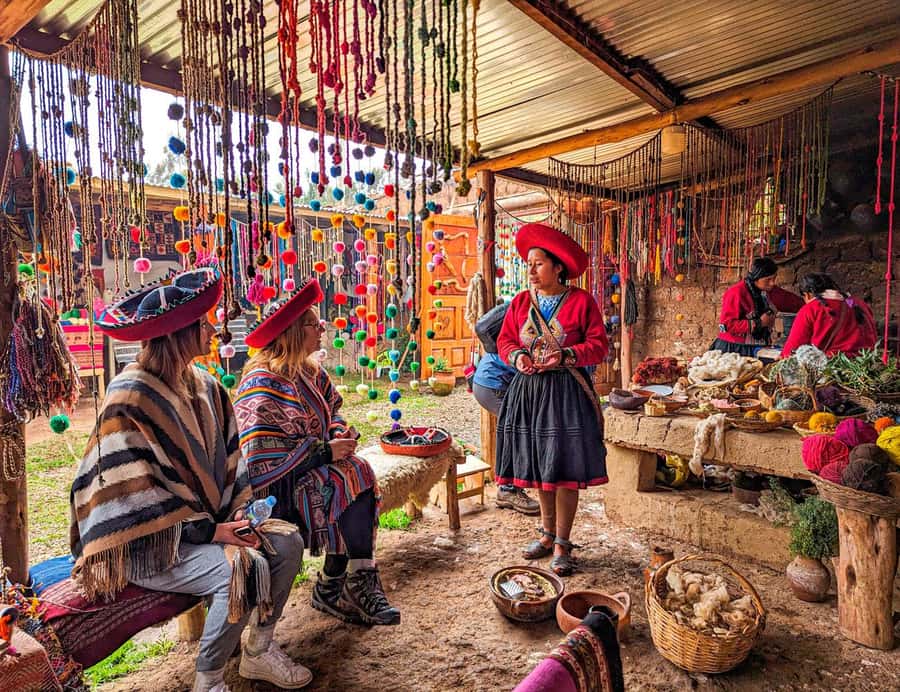
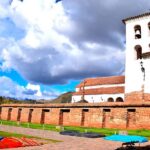
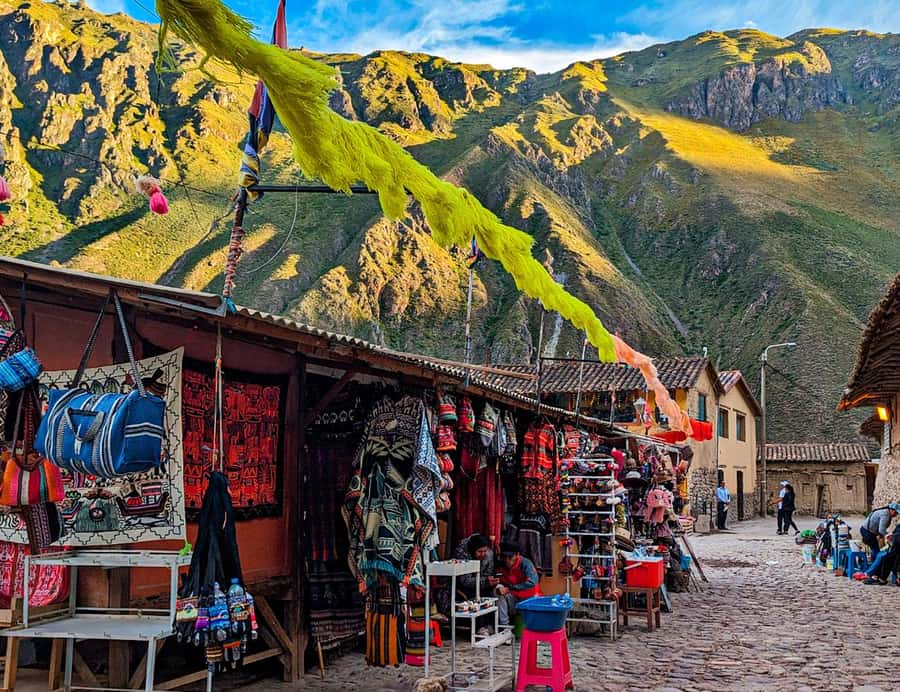
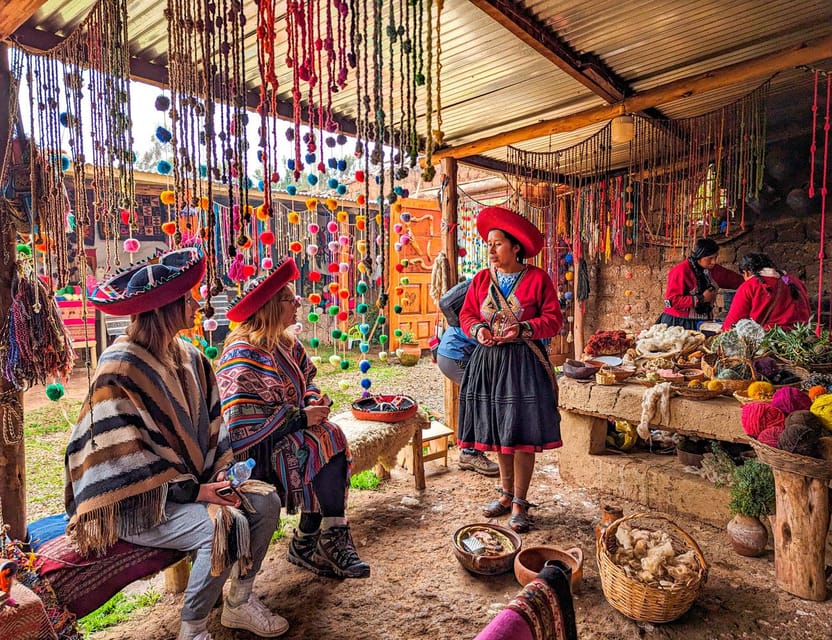
Chinchero is small and a bit rustic, and that’s part of the charm. You’ll arrive with time for photos and a guided visit centered on Andean textiles and the weaving tradition. This is where the tour tends to separate itself from generic “craft stops,” because you’re shown how traditional Incan techniques connect to what people make today.
What I like here is the texture of the experience—literally. Expect to see different woven pieces and learn the logic behind the craft, not just the final products. Some groups also get extra hands-on moments depending on the guide, like demonstrations that go beyond a quick showroom walkthrough. Reviews also mention things like weaving-focused demos and the possibility of seeing coca leaves or meeting alpacas/llamas during the day’s culture stops.
Then comes the shopping window. You’ll have time to browse and buy alpaca-wool items (scarves show up a lot), and Chinchero is a good place to pick something you’ll actually wear rather than a random souvenir. Bring cash if you want fewer hassles.
Watch-out consideration: Chinchero shopping time is time-limited. If you love browsing, decide early what you’re looking for (scarves, hats, small gifts) so you don’t lose track and end up rushing.
Moray terraces: circular farming that looks like sci-fi but has a point
Moray is one of those places where your first reaction is usually, “Wait—why is this here?” The site is famous for its circular agricultural terraces built into the hillsides. The Incas used these terraces to grow crops and manage farming conditions in a landscape that wasn’t easy.
A guided visit here matters. Without explanation, you might see impressive ruins. With a good guide, you learn how these terraces relate to temperature, water management, and microclimates—basically, how you can coax more from mountain terrain.
Expect a short walk and time to take in the view and the terrace pattern. It’s not a long trek. It’s more about standing back, looking down into the circles, and understanding why it was worth building something so deliberate.
My practical tip: bring water and keep your pace steady. Moray is high and sun can be strong. Even if the walking is brief, you’ll appreciate having water for the “photo stop plus walking plus explanation” rhythm.
Maras salt mines: seeing preservation happen in real time
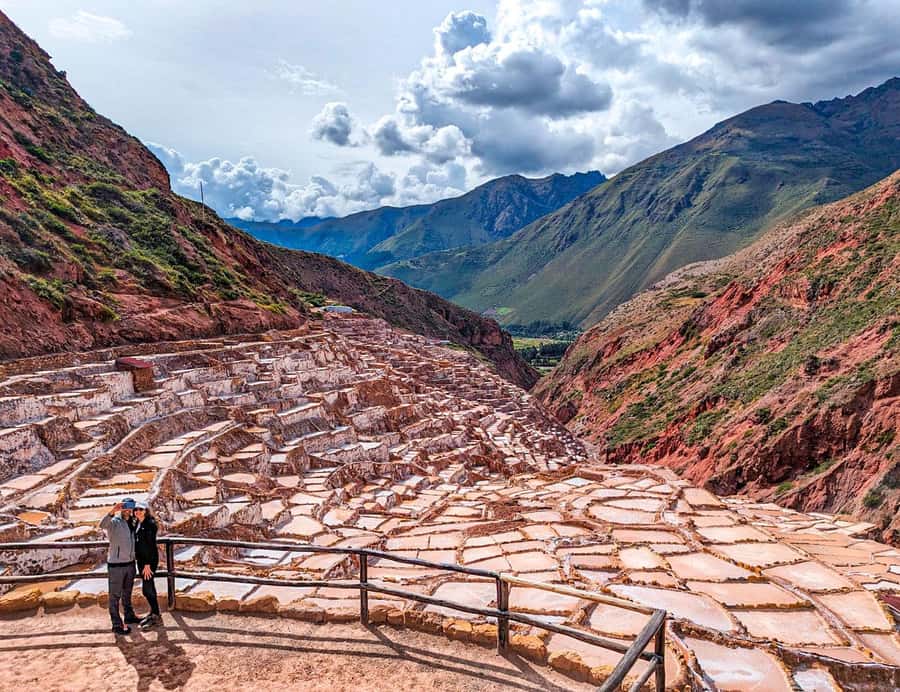
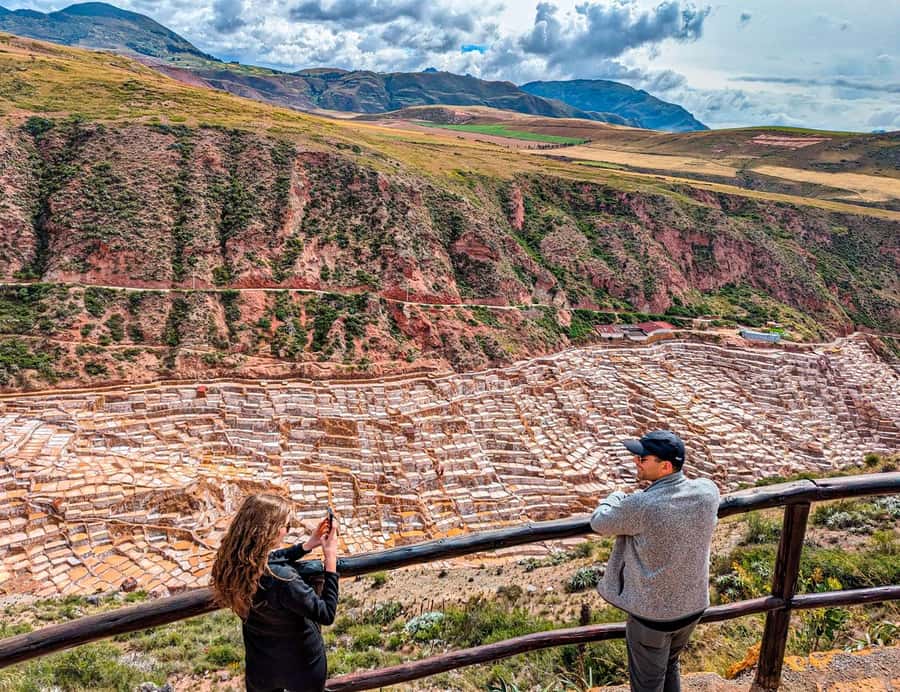
Maras Salt Mines (Maras salt ponds) are a fascinating contrast to the rest of the day. Instead of farming terraces, this is food production through salt extraction. The tour takes you to the salt ponds area where there are thousands of small pools. The point, as the guide explains, is that salt helped preserve food for long periods—useful when you’re working at altitude and need reliable storage.
This stop is usually quick but memorable because it looks almost unreal from a distance: repeating grids of ponds, light bouncing off the surface, and the sense that people have been doing this for a very long time.
You’ll get a guided visit plus time to walk around and photograph. Entrance to the salt mines isn’t included, so you’ll pay on site (20 PEN) when you arrive.
One more practical note: this is a sun-and-wind kind of place. Sunglasses and sunscreen aren’t optional if you want to enjoy the photos and not just endure them.
Urubamba lunch: the buffer that keeps a long day enjoyable
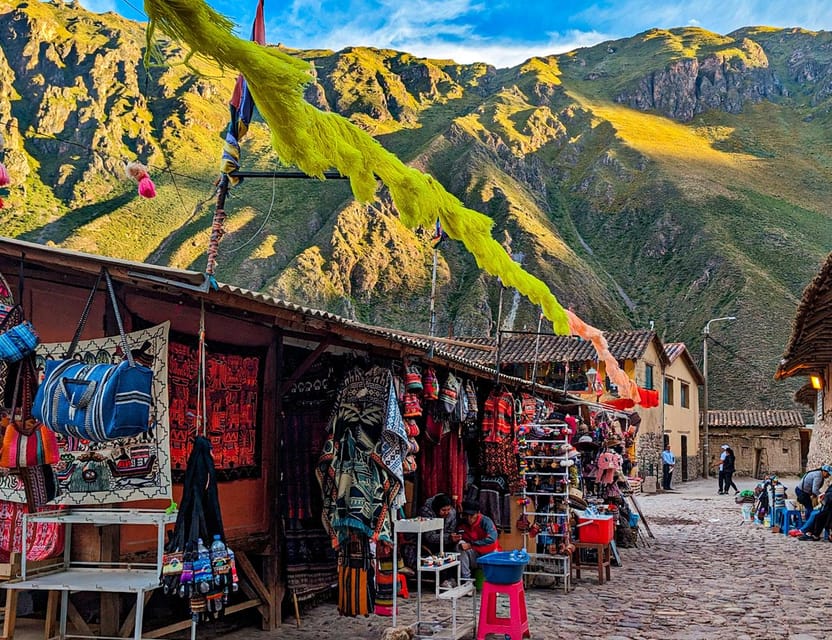
Between the morning sites and the final stop at Ollantaytambo, you’ll reach Urubamba for lunch. The tour includes a buffet lunch, and this is one of the reasons the day works for many people: you’re not skipping food, and you’re not stuck with a tiny plate that leaves you hungry.
Lunch time is long enough to actually reset—roughly 45 minutes—so you can eat, drink water, and cool down for a bit. Reviews also mention that vegetarian options are available, which is a big deal on these high-intensity “see a lot” days.
My advice: treat lunch as your main energy moment. Save snacks for later only if you know you get hungry fast. If you’re sensitive to new foods, choose what feels familiar from the buffet lineup.


Ollantaytambo: 200 steps, a fortress town, and the right drop-off
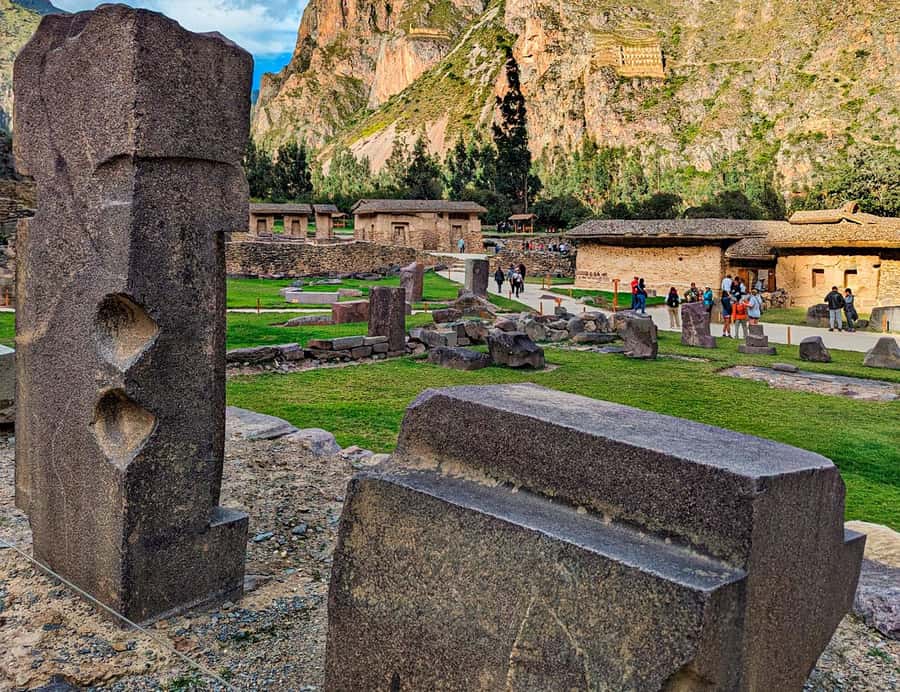
Ollantaytambo is the finale, and it’s a strong one. You’ll have a guided visit that includes climbing over 200 steps to reach the top of the ancient terraced fortress overlooking the town. This climb is the only big physical moment of the day, and it’s worth doing—Ollantaytambo’s defensive layout makes more sense when you’re up high and can see the town below.
What makes this stop meaningful is the combination of views plus function. The fortress wasn’t just for decoration. It was built for defense, and once you understand the site, you start noticing the logic in the stonework and terraced design.
After the visit, you’ll be dropped off either at Ollantaytambo train station or the main square. The group service typically ends around 15:30. If you’re aiming to catch a train, plan to book departures after 16:00 for the group option. For private service, you’ll have more flexibility to align the end time with your train schedule or even return to your hotel in Cusco.
Practical tip: if stairs are a concern, you still have to factor in the “over 200 steps” part. It isn’t a long climb, but it’s a real climb. Wear supportive shoes, not flip-flops.
Price and logistics: where the $27 really lands (and where it doesn’t)
The tour price is listed at about $27 per person, and for what you get, it’s often a strong deal. You’re covering:
- pickup from your Cusco hotel
- a bilingual guide (Spanish and English)
- transportation across multiple Sacred Valley stops
- a buffet lunch in Urubamba
- drop-off in Ollantaytambo for onward travel
But the “gotchas” are predictable, not sneaky:
- A partial tourist ticket for Chinchero, Moray, and Ollantaytambo costs 70 PEN, purchased at the first site
- entrance to the salt mine is extra (20 PEN)
Drinks also aren’t included, so plan to buy water where it makes sense. And you do need to arrange your return back to Cusco if you’re not using the tour’s one-way end.
My value math advice: if you want to compare this against other options, add the 90 PEN total for major entrances (70 + 20) to the tour cost, then compare what’s included in transportation and guide time. Where this route shines is the “one guide, one day, multiple sites” convenience.
Timing that matters: when to plan trains and when to take it slow
This is an all-day outing, roughly 8–9 hours. The van drives between stops are generally manageable (most legs are under an hour), but you’ll feel the schedule because you’re stacking: photo stop + guided walk + then moving on.
The most timing-sensitive part is the end. Group drop-off is around 15:30 in Ollantaytambo, with a recommendation to book trains after 16:00. If you’re traveling to Machu Picchu immediately, this is why many people like doing this day trip on the way in rather than trying to squeeze it around last-minute plans.
If you’re booking privately, you can often trade some group pace for more control over your end time. That matters if you have a tight train window or want more time at any one stop.
Who this Sacred Valley route is best for
This tour is a great match if you want:
- a guided overview of Sacred Valley highlights in one day
- a clean way to move from Cusco toward Ollantaytambo
- short walks and photo stops rather than full-day hiking
It’s especially useful if you’re doing Machu Picchu next. One-way drop-off is the whole point, and it saves you the headache of figuring out independent transport between sites.
Consider a different approach if:
- you have mobility limits and the 200+ steps at Ollantaytambo are a problem
- you hate “shared schedule” days and want long, slow wandering at just one site
Should you book this one-day Cusco: Chinchero, Moray, and Salt Mines into Ollantaytambo?
If your goal is Sacred Valley highlights with practical guidance and a smooth path to Ollantaytambo, I’d book this. The combination is hard to beat: textiles at Chinchero, engineering at Moray, food preservation at Maras, and then the fortress climb at Ollantaytambo, all capped by a drop-off that fits Machu Picchu planning.
Do it with eyes open on two points: entrance fees are extra (plan cash), and the group day ends around 15:30. If your train departure is after that, you’re in good shape. If your timing is tight, choose private service so the schedule can bend around your needs.
FAQ
What’s included in the tour price?
The tour includes hotel pickup in Cusco, a bilingual guide (Spanish and English), transportation, a buffet lunch in Urubamba, and drop-off at the train station in Ollantaytambo.
How long is the tour?
The duration is about 8–9 hours.
Where does the tour pick you up?
The tour picks you up from your hotel in Cusco. You should wait at the reception desk.
Is lunch included, and where do you eat?
Yes, lunch is included as a buffet in Urubamba.
Do I need to pay for entrance tickets?
Yes. A partial tourist ticket for Chinchero, Moray, and Ollantaytambo is not included (70 PEN, purchased at the first site). Salt mine entrance is also not included (20 PEN, purchased on site).
What is the end point of the tour?
The tour ends around 15:30 in Ollantaytambo at either the main square or the train station. For private service, the tour ends based on your train time or returns to your hotel.
If I want to take a train, when should I book it?
For the group service, it’s recommended to book trains after 16:00.
What should I bring?
Bring sunglasses, a sun hat, a camera, sunscreen, water, and cash.
What are the rules on drones and drinks?
Drones are not allowed. Drinks are not included.
Can I cancel and get a full refund?
Yes. Free cancellation is available up to 24 hours in advance for a full refund.