REVIEW · CUSCO
Amazonas Manu Cultural Zone 4 Days / 3 Nights
Book on GetYourGuide →Operated by Exploor Trip E.R.L · Bookable on GetYourGuide
Waking up in the jungle hits different. This 4-day, 3-night trip from Cusco takes you down into the cloud forest, then into the rivers and lagoons around Pilcopata and Atalaya for up-close wildlife viewing. I love the focus on animals at the right times of day, especially the parrot clay lick at dawn and the insect-and-amphibian night walks. I also like that you’re not just driving through scenery; you’re out on trails with guides who bring binoculars and a telescope.
You’ll also get real variety: orchids and cloud-forest birds on Day 1, a raft ride on the Machuhuasi lagoon on Day 2, and the towering ceiba tree during Day 3’s wildlife trails. One consideration: this is an early-morning, outdoors-first kind of trip, so if you want slow starts or a hotel-style pace, you may feel the schedule early and the jungle damp wears on you.
In This Review
- Key reasons this trip feels worth your time
- Cusco to Ajanaco Cloud Forest: the Andes-to-jungle shuffle
- Pilcopata camping vibes: where you recharge after the hike
- Atalaya, the Watchtower area, and the Machuhuasi lagoon raft ride
- Parrot clay lick day: sunrise noise, nutrient walls, and the ceiba tree
- Final morning trails and the return to Cusco by boat and van
- What the guides’ telescope and binoculars change in real life
- Food, dietary needs, and the “what to pack” reality
- Price and value: what $430 gets you for 4 days
- Who should book this Amazonas Manu Cultural Zone trip
- Should you book it? My straight answer
- FAQ
- What’s the total trip length and schedule?
- How many people are in the group?
- What languages are the guides?
- What’s included in the price?
- Is breakfast included on the first day?
- Do I get help with dietary restrictions?
- What kind of wildlife activities are planned?
Key reasons this trip feels worth your time
- Parrot clay lick at dawn: loud, active, and timed for feeding behavior.
- Atalaya boat-and-raft day: you’ll mix river transport with lagoon wildlife viewing.
- Cloud forest wildlife on the way in: orchids, heliconias, ferns, and a real shot at colorful birds.
- Night walks with a purpose: insects, amphibians, and possibly snakes, not just a stroll in the dark.
- Comfort where it counts: private and shared options, plus showers and lodge meals.
- Small group (up to 15): easier to find a good viewing spot when wildlife appears.
Cusco to Ajanaco Cloud Forest: the Andes-to-jungle shuffle
Day 1 starts early, around 5:30 to 6:00 AM, with pickup from the Cusco meeting point in the tour’s vehicle. From there, you’ll wind up and down the Andes road, passing villages and towns, until you reach the jungle entrance at Ajanaco (3,500m). This altitude-to-jungle transition is a big part of why the trip feels efficient. You’re not waiting days to change environments.
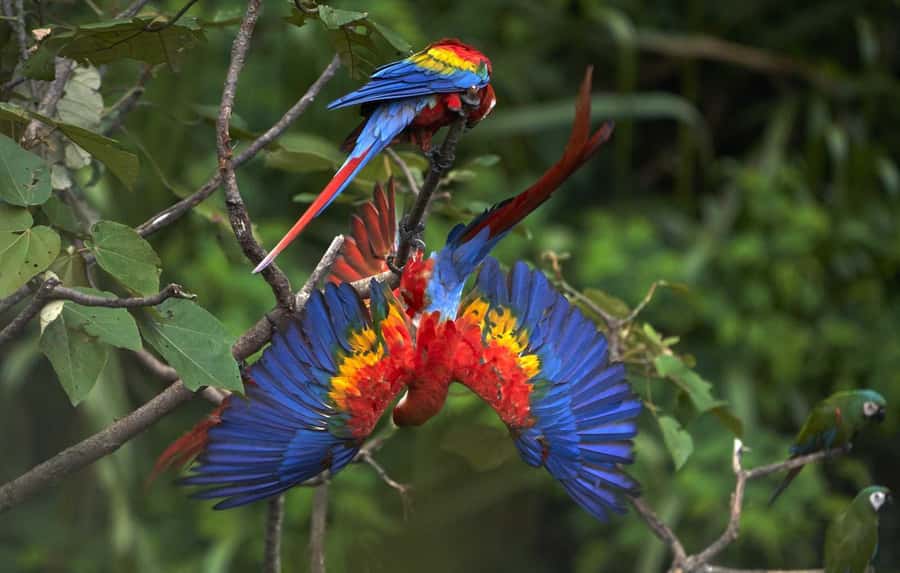
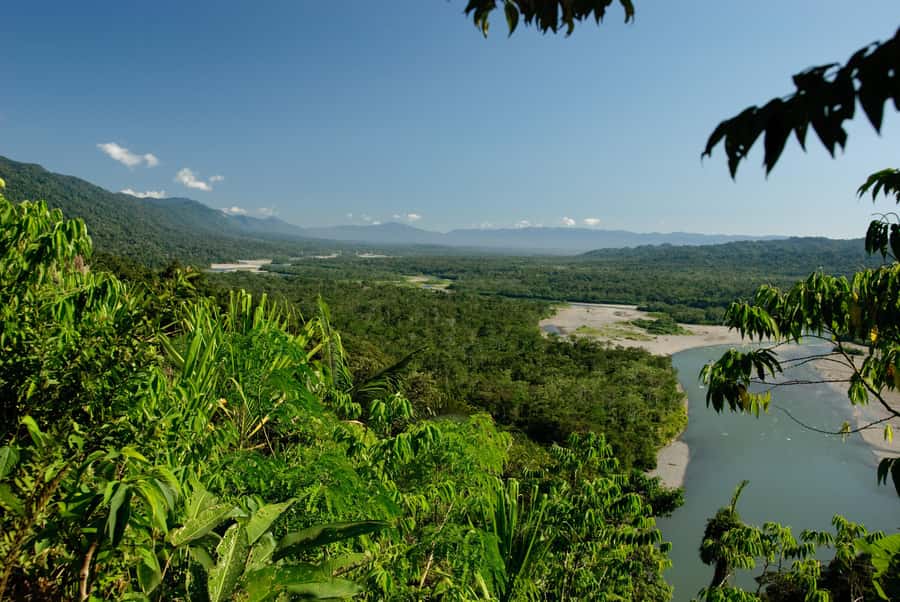
Once you begin descending into the cloud forest, the atmosphere shifts fast. You’ll be surrounded by dense plant life, including orchids, heliconias, and ferns. The guide will also be scanning for birds. On this day, you may spot species like the cock-of-the-rock, umbrella bird, trogon, quetzal, or orioles. Even when you don’t get a perfect sighting, the plants alone make the hike feel like you’re in a living habitat, not just a trail walk.
Practical note: bring layers. You’re moving from high-elevation morning air down into humid jungle conditions, and temperatures can swing.
You can also read our reviews of more tours and experiences in Cusco

Pilcopata camping vibes: where you recharge after the hike
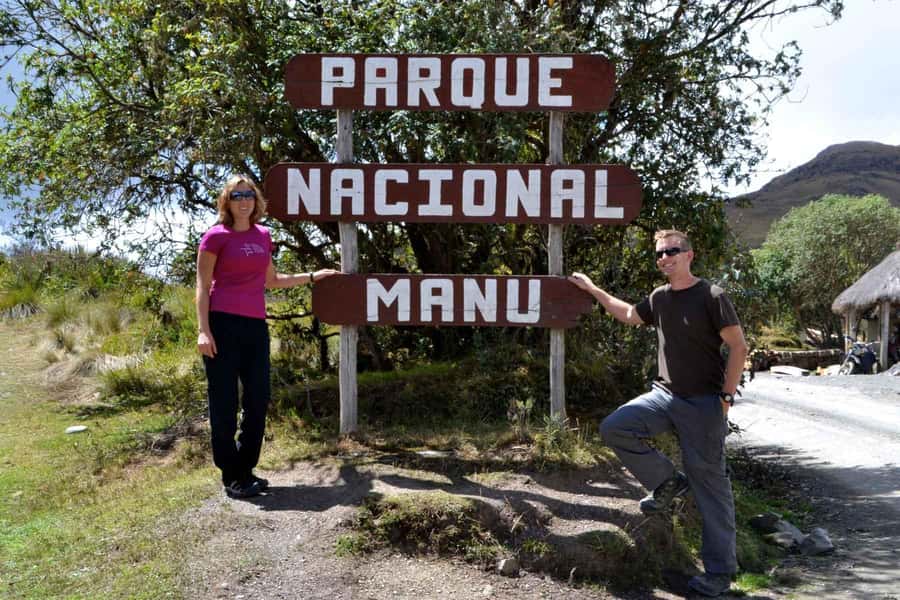
After the Day 1 hike, you’ll reach the lodge and get time to rest and reset. The highlight promises a camping experience in Pilcopata, and the way this trip is structured makes that make sense: you’re outdoors during peak wildlife moments (morning and night), then back to a base where meals and sleep keep you going.
On this trip, you’re not going totally rough-it. The included setup includes mineral water at the lodge, a first aid box, and safety equipment. You also get help with practical details like footwear—wellingtons are provided—so you don’t need to gamble on renting the right gear once you’re already in the jungle.
One detail to factor in: rooms can be private or shared, and the trip notes private bathrooms and showers on the Day 2 overnight. That’s a nice comfort boost, but you’ll want to confirm your room setup with the provider before you go if bathroom privacy matters a lot to your travel style.
Atalaya, the Watchtower area, and the Machuhuasi lagoon raft ride
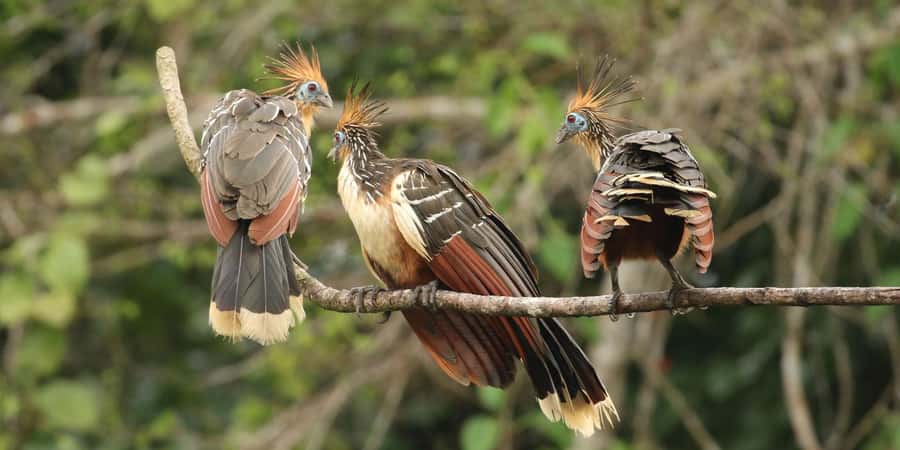
Day 2 is where the trip opens up toward water and wildlife. After breakfast, you’ll start with a nature walk focused on birds and monkeys. It’s a good warm-up because it gets your eyes in for movement. Then comes a change of pace: about 1 hour by bus to the port of Atalaya, followed by a 30-minute boat ride to the lodge.
That boat segment is more than transport. It’s part of the day’s viewing time. The itinerary also gives you chances to cool off, including the option to swim in the river or enjoy a mud bath along the way. If you like hands-on jungle experiences, this is one of those moments you’ll remember.
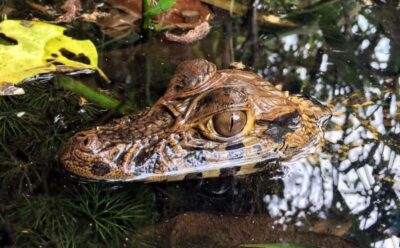
After lunch, you’ll head out on a raft on the Machuhuasi lagoon. This is one of the best “variety” blocks of the trip. You may see animals such as shanshos, monkeys, reptiles, dwarf caimans, capybaras, and tapirs. Even if you don’t spot all of them, the point is that the lagoon time stacks different chances: surface activity, shoreline movement, and the guide’s scanning from the water.
The night also has a plan. Dinner comes first, then you’ll do an intriguing night walk. This one is aimed at night wildlife, so expect a focus on what you can find in darkness, not just torch-lit wandering. Then you sleep at the lodge with the comfort note of private bathrooms and showers.
Parrot clay lick day: sunrise noise, nutrient walls, and the ceiba tree
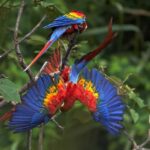
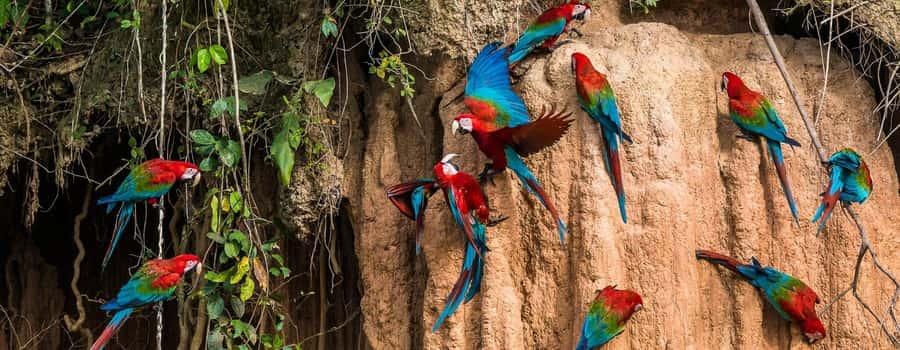
Day 3 begins at dawn, when the parrot clay lick is active. This is one of the headline experiences for a reason: you’re watching birds feed from a nutrient-rich wall. The feeding behavior tends to pull birds in repeatedly, and dawn is when you can catch the most action.
After the clay lick, you’ll return for breakfast and some rest. Then the day shifts to trails again, where the guide helps you spot wildlife and plants. The itinerary calls out a key natural landmark: the ceiba, described as the tallest and thickest tree. Even if you’ve seen big trees before, a ceiba in the jungle context has presence, and it gives the day a strong sense of place.
This day’s trail time includes possibilities like monkeys, reptiles, dwarf caimans, capybaras, and tapirs. That list overlaps with Day 2 on purpose. Jungle wildlife can be unpredictable. Having multiple trail blocks across different days improves your chances without feeling like you’re being rushed.
And yes, there’s another night walk. This one is geared toward insects, amphibians, or snakes. If you’re the type who likes learning to read the night—listening for movement, watching for glowing eyes, noticing how guides point out signs—this is excellent. If you get uneasy in the dark, consider it mentally as a guided educational walk, not a horror-movie situation.
Final morning trails and the return to Cusco by boat and van
Day 4 keeps the tempo, then starts winding it down. In the morning, you’ll explore a trail one last time to observe jungle wildlife. This “final attempt” time matters because wildlife often shows up right when your brain thinks it’s over. You’ll likely be looking for birds and plant life again, and this is a good day to notice the smaller stuff you might have missed earlier.
After breakfast, you’ll head back to Atalaya by boat, then take a van back to Cusco. The schedule notes arrival in Cusco between 5:00 PM and 7:00 PM, with scenic opportunities along the road back through the Andes.
During the return trip, you might spot hummingbirds, orchids, waterfalls, and possibly additional birds or monkeys. You’re already tired by then, but it’s a nice payoff when something pops up on the ride.
What the guides’ telescope and binoculars change in real life
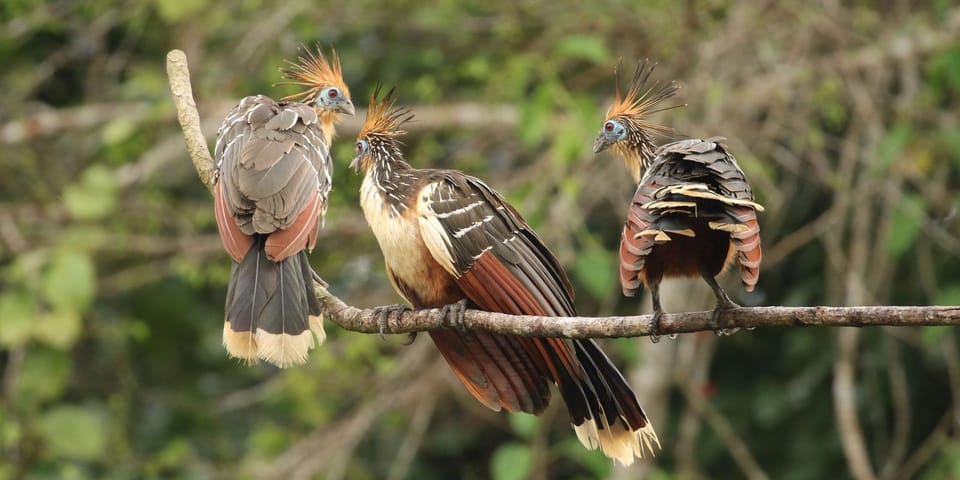
This tour is built around sightings, and the guide tools are part of the plan. You’ll travel with professional guides equipped with telescope and binoculars, plus safety equipment. That matters because jungle animals are often small, far away, and quick. A telescope helps when you’re scanning from a trail edge or river vantage point. Binoculars help you confirm species-level details when you get a fleeting view.
Also, the group is capped at 15 participants, which changes your experience. In a larger group, people cluster and block sightlines. In a small group, you’re more likely to get line-of-sight when a bird suddenly lands or a monkey moves into view. It’s the kind of difference that feels minor until you’re actually there.
Language options are Spanish and English, so you can follow the wildlife explanations and the why-behinds behind the timing (like why dawn matters for the clay lick).
Food, dietary needs, and the “what to pack” reality
Food is included throughout: breakfasts, lunches, dinners, and snacks. That’s a big value point because jungle days add up fast in cost. The trip also says meals can accommodate vegetarian, vegan, or gluten-free needs. If you eat with restrictions, this is worth paying attention to, because jungle transport can make outside food complicated.
Two practical caveats:
- Day 1 breakfast is not included.
- Alcoholic drinks, soft drinks, and water for the first day breakfast are not included.
Gear-wise, you’re covered in one key area: wellingtons are provided. Still, you’ll want your own basics:
- quick-dry hiking clothes and layers for morning chill
- a light rain layer (cloud forest weather can turn)
- bug repellent
- a small daypack
- reusable water bottle, plus any personal meds
You should also plan for you-versus-the-jungle. Even with good footwear, trails and damp conditions are part of the deal.
Price and value: what $430 gets you for 4 days
At $430 per person for 4 days and 3 nights, you’re paying for more than a bus ride. This price covers the core logistics that would cost you separately: land and river transport (bus and boat), guided wildlife viewing with equipment, meals, and lodge stays.
Here’s the value logic from a practical standpoint:
- You’re getting multiple transport segments bundled in (Cusco → Ajanaco start, then Atalaya port access, then boat time on both the outbound and return).
- You’re getting wildlife-focused guiding with binoculars and telescope, plus multiple trail and night walk sessions.
- You’re getting all meals and snacks, which matters when you’re away from towns most of the time.
Would it be cheaper to DIY it? Maybe, but DIY usually means more time figuring out transport, timing, and guide-quality. For many people, paying for structure is the difference between seeing wildlife and just moving through mist and mud.
Who should book this Amazonas Manu Cultural Zone trip
This trip fits best if you:
- love wildlife viewing more than museums or city time
- enjoy early starts and night walks with a guide
- want a mix of cloud forest, river, and lagoon experiences without planning everything yourself
- appreciate small-group touring (up to 15)
It may not fit if you:
- want a relaxed, slow schedule with lots of leisure time
- need hotel-style comfort every night
- dislike darkness or insects enough to make night walks stressful
Think of it as a nature-first adventure with real creature-spotting chances.
Should you book it? My straight answer
If you’re excited by the idea of watching parrots feed at dawn, scanning the cloud forest for birds, and doing night walks that actually target what’s out there, then book it. The itinerary is built around timing, and the mix of trails plus lagoon time is a strong match for seeing different species in different conditions.
I’d skip it only if you’re sensitive to early mornings, long travel days, or the reality of jungle weather. If that’s you, pick something with a slower pace. If not, this is a solid value way to experience the Manu-area jungle energy from Cusco without turning your trip into a logistics puzzle.
FAQ
What’s the total trip length and schedule?
It’s a 4-day / 3-night experience, starting with pickup in the morning from Cusco and returning to Cusco in the 5:00 PM to 7:00 PM range on Day 4.
How many people are in the group?
The group is limited to 15 participants.
What languages are the guides?
The live tour guide speaks Spanish and English.
What’s included in the price?
Included are land and river transport (bus and boat), professional guides with telescope and binoculars, meals (breakfasts, lunches, dinners, snacks), lodge accommodations, safety equipment (including a first aid box), mineral water at the lodge, and wellingtons.
Is breakfast included on the first day?
No. First day breakfast is not included.
Do I get help with dietary restrictions?
Yes. The tour notes accommodations for dietary restrictions, including vegetarian, vegan, and gluten-free meals.
What kind of wildlife activities are planned?
You’ll do daytime hikes and walks for birds and monkeys, plus night walks that focus on insects, amphibians, and possibly snakes. A key highlight is the parrot clay lick at dawn, along with raft time on the lagoon where you may see animals such as dwarf caimans, capybaras, and tapirs.