REVIEW · CUSCO
City Tour in Cusco
Book on GetYourGuide →Operated by VIAGENS MACHU PICCHU SAC · Bookable on GetYourGuide
Cusco hits you fast: stone, story, and views all in one morning. I like that this tour strings together the city’s top spiritual and defensive sites in a tight loop, and I especially enjoy the Inca-to-colonial contrast at Qorikancha and the Cathedral. You also get a practical dose of high viewpoints and working water engineering, not just ruins on a flat map. One thing to consider: language and pickup details matter—one verified booking had an issue with Portuguese requested but not matched on the day, and the meeting spot was confusing even though the guide Fernando was polite and helpful.
This is a half-day option that works well when you want structure without spending a full day hopping between far-flung neighborhoods. Expect a guided, story-led route with air-conditioned transport and a certified guide available in Portuguese, Spanish, or English, depending on your booking.
The time limit is real. If you love lingering at every wall and carving, you may wish you had more hours, especially near the major stops.
In This Review
- Key Highlights You’ll Feel Immediately
- Cusco in Four Hours: What This Half-Day Route Really Covers
- Qorikancha and the Cathedral: Inca Foundations Under Colonial Baroque
- Qorikancha: the Temple of the Sun’s layered story
- Cathedral of Cusco: baroque style on earlier Inca ground
- Sacsayhuaman Fortress: Meant for Awe, Not Just Photos
- Why this stop is worth your time
- A practical consideration
- Qenqo Ceremonial Center: The Gloomy Side of Inca Rituals
- What I’d pay attention to
- Puca Pucara Viewpoints: Getting Cusco From Above
- Why this matters for value
- Comfort tips
- Tambomachay Water Fountains: Old Infrastructure Still Working
- Why you’ll enjoy this more than you expect
- Timing reality
- Price and Logistics: Where the $20 Actually Gets You
- What’s included (the value drivers)
- What’s not included
- The one thing you should verify before you go
- Who This Tour Fits Best (and Who Might Want More Time)
- Quick Decision: Should You Book This City Tour?
- FAQ
- How much does the Cusco city tour cost?
- How long is the tour?
- What sites does this tour include?
- What languages is the live tour guide available in?
- Is transportation provided?
- Are admission tickets included?
- Where are you dropped off at the end?
Key Highlights You’ll Feel Immediately
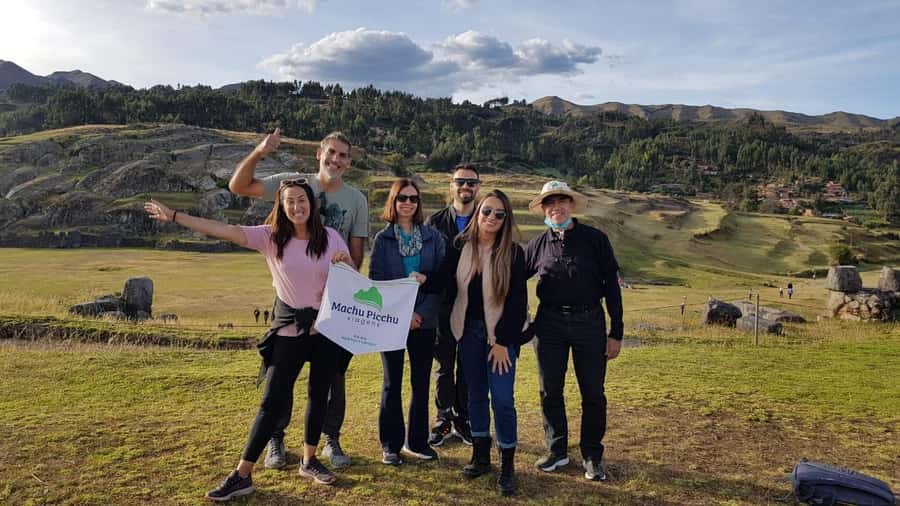
- Qorikancha + the Cathedral of Cusco: see Inca foundations reused under colonial baroque design.
- Sacsayhuaman: monumental megaliths that make Inca stonework feel physical, not just historical.
- Qenqo: the “gloomy” ceremonial vibe gives you a different mood than the main city sites.
- Puca Pucara: a mountain climb that’s really about getting Cusco’s layout from above.
- Tambomachay: oldest functioning water fountains and irrigation channels you can still picture in action.
- One bus per language: helps keep the commentary consistent when the day runs smoothly.
Cusco in Four Hours: What This Half-Day Route Really Covers
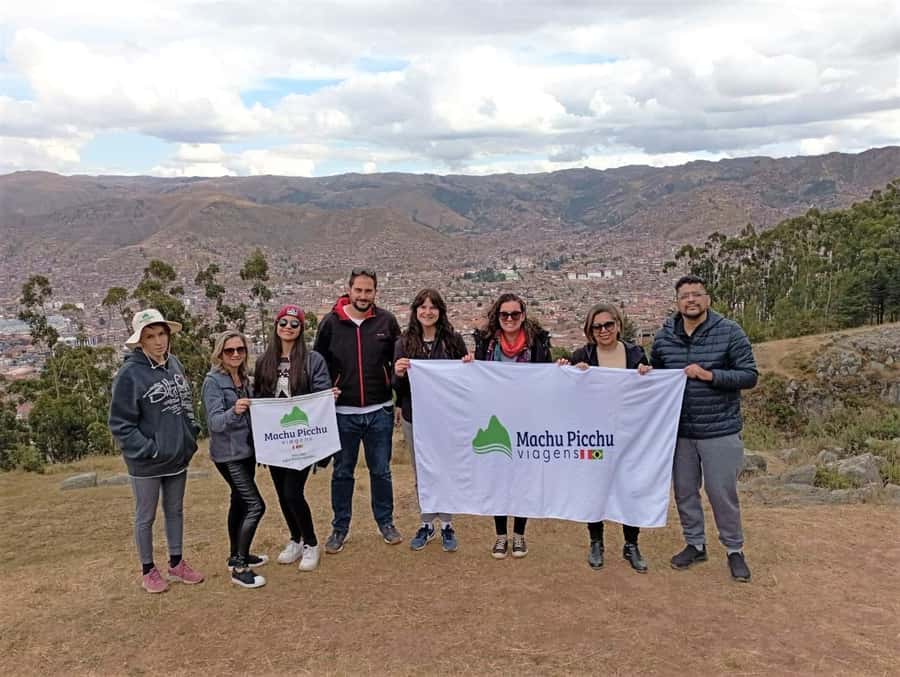
This tour is designed for people who want a strong Cusco introduction without burning the day. At four hours, the rhythm is: get picked up, ride between concentrated highlights, then walk enough to make the monuments feel real.
You’ll move through the historic center and the nearby hills, meaning you’re not limited to one neighborhood. The mix is the point: ceremonial sites in the city, a fortress on the high ground, then a viewpoint, and finally a water-engineering stop that feels almost practical compared to the other monuments.
Transportation is part of the value here. You’re not paying extra for comfort: the tour includes an air-conditioned vehicle and roundtrip pickup from most Cusco hotels. You also get a complimentary water bottle, which matters in Cusco because even “short” days can feel like more when the elevation and sun stack up.
You can also read our reviews of more city tours in Cusco
Qorikancha and the Cathedral: Inca Foundations Under Colonial Baroque
Two stops do a lot of heavy lifting on this tour, and I think that’s the best use of limited time.
Qorikancha: the Temple of the Sun’s layered story
Qorikancha is listed as the Temple of the Sun, the principal worship center in Inca tradition. What makes it compelling for your first visit is the layered history: you’re not just seeing a ruin. You’re looking at the spiritual center of one civilization, with later religious construction built on top of Inca foundations.
This kind of overlap is one of Cusco’s defining experiences. You’ll see how power and belief don’t always replace each other cleanly; sometimes they stack. A good guide helps you connect the dots so it doesn’t feel like random stones and a church.
Cathedral of Cusco: baroque style on earlier Inca ground
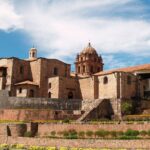
Right after, you’ll visit the Cathedral of Cusco. The big idea is how its roots tie back to an earlier Inca palace. The Cathedral is presented as an epitome of colonial baroque architecture built anchored in that Inca base.
If you like architecture, this pairing helps you read the city. Inca stone choices and colonial designs have different priorities, and the contrast is easier to catch when you see them back-to-back rather than days apart.
Watch-out for expectations: if you’re hoping for a museum-style slow walk, the tour pace may feel brisk. But for most first-time visitors, it’s a fast track to understanding why Cusco looks the way it does.
Sacsayhuaman Fortress: Meant for Awe, Not Just Photos
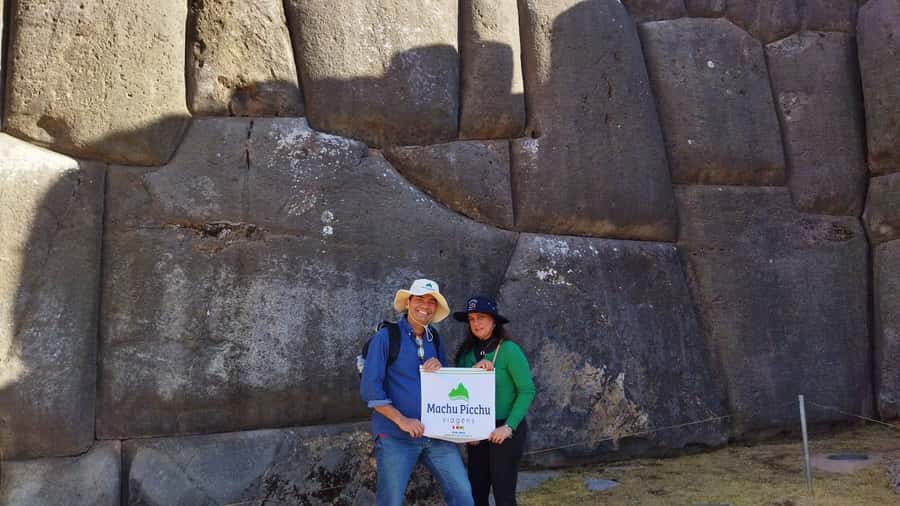
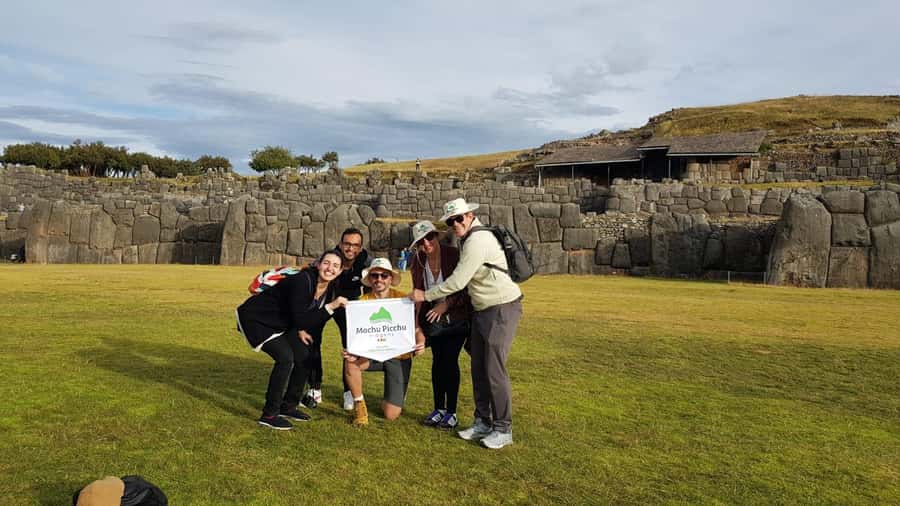
Sacsayhuaman is the “wow” stop in this route, and it earns it.
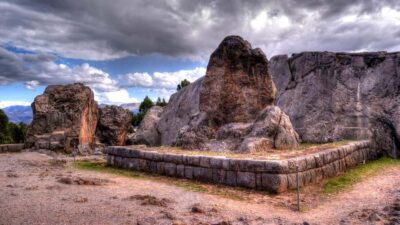
This ceremonial fortress is described as monumental and megalithic. That wording matters because you’re not meant to mentally picture these stones from afar—you’re meant to stand there and feel the scale. The guide’s job is key: you want someone to explain how this kind of construction wasn’t accidental and why the fortress layout was used for ceremony and control.


Why this stop is worth your time
A lot of Cusco sites are intimate in feel: carvings, fountains, smaller ceremonial areas. Sacsayhuaman flips that. It’s the Inca idea of presence in stone—big, heavy, and intended to dominate the view.
A practical consideration
You’ll likely be walking on uneven ground. Also, since the route includes multiple stops, you’ll want good shoes and a steady pace. If you’re traveling with anyone who moves slowly, ask your guide about the least demanding route between points as you go.
Qenqo Ceremonial Center: The Gloomy Side of Inca Rituals
After the fortress, Qenqo shifts the mood. It’s described as a gloomy ceremonial center, and it’s tied to rituals and sacrifices believed to have taken place there.
This is one of those stops where the atmosphere is part of the interpretation. You can look at rock shapes and cutouts, but the meaning depends on context—what people did there and why it mattered. A good guide helps you avoid the classic mistake of treating it like just another scenic ruin.
What I’d pay attention to
As you listen, try to connect three ideas:
- The site’s design as a place for ceremony
- How the setting supports the tone the name suggests
- How it fits into Cusco’s wider spiritual map alongside Qorikancha
If you’re only visiting one ceremonial area besides Qorikancha, Qenqo gives you a different angle on what “ritual space” could look like.
Puca Pucara Viewpoints: Getting Cusco From Above
Then the tour turns toward the hills: you go up to Puca Pucara to see Cusco from above.
This is the stop that helps your brain build a map. From ground level, Cusco can feel like a maze of streets and stairways. A viewpoint breaks that spell. You start to understand why certain fortresses and ceremonial areas were placed where they were—visibility, access, and control all show up in the view.
Why this matters for value
For $20, the route isn’t trying to be “only ruins.” The viewpoint helps you carry the city with you after the tour ends. It’s the kind of payoff you only get when a tour actually includes elevation and a wide look.
Comfort tips
Mountain weather changes fast. Even if the day starts clear, bring a layer. Also, take your time walking into and out of viewpoint areas. Cusco’s altitude can make short climbs feel longer than they look on paper.
Tambomachay Water Fountains: Old Infrastructure Still Working
The final highlight is Tambomachay, known for hydraulic engineering and its still-functional irrigation channels.
Tambomachay is presented as having the oldest functioning water fountains in the area, including a trio of water fountains. That’s a rare kind of stop: it’s not only about what people believed—it’s about what people built so water could move through a system and keep working over time.
Why you’ll enjoy this more than you expect
A lot of travelers think “water” in Cusco means fountains for photos. Tambomachay is different. When a guide explains the irrigation idea behind the fountains and channels, it makes Inca technology feel practical and intelligent rather than just symbolic.
And because it’s still functional, it’s easier to imagine the original purpose. Water isn’t static here. It’s a system.
Timing reality
Because it’s the last stop, you may be a bit tired. If you’re sensitive to cold or wind, pay attention to the weather at the end of the route. Bring that extra layer so the stop stays enjoyable instead of rushed.
Price and Logistics: Where the $20 Actually Gets You
At $20 per person for a four-hour guided tour, the big question is value: what’s included, what’s not, and what you might still need to plan.
What’s included (the value drivers)
You get:
- A professional certified guide in Portuguese, Spanish, or English
- Roundtrip transportation to and from most Cusco hotels
- An air-conditioned vehicle
- A complimentary water bottle
That package matters because it reduces planning stress. Cusco is busy, and knowing you’ll be transported between multiple sites without figuring out routes on your own is part of what you’re paying for.
What’s not included
Admission tickets, meals and drinks, and gratuity are not included. That means you should budget for entry fees at the sites and bring water if you’re the type who keeps drinking throughout the day (even though you’ll get one bottle).
The one thing you should verify before you go
Language matching and pickup location. One verified booking reported that the tour was not in Portuguese as contracted, and the pickup location wasn’t communicated clearly, even though the guide Fernando was helpful once things got moving.
So do this:
- Confirm the language you expect the day before.
- Ask for the pickup point or a clear meeting reference. If pickup details aren’t crystal clear, you’ll feel rushed when you don’t need to.
Who This Tour Fits Best (and Who Might Want More Time)
This tour is a good fit if:
- You’re short on time in Cusco and want a structured overview
- You want a mix of spiritual sites, fortress architecture, a viewpoint, and functional water engineering
- You prefer guided context so the stones come with meaning
It might not be ideal if:
- You want slow, in-depth stays at each monument
- You’re traveling with someone who needs extra time at entrances and viewpoints without a tight schedule
It’s also a sensible choice for families who want a parent-controlled plan. Just be sure to double-check language needs early, since one booking had an issue that left a child confused.
Quick Decision: Should You Book This City Tour?
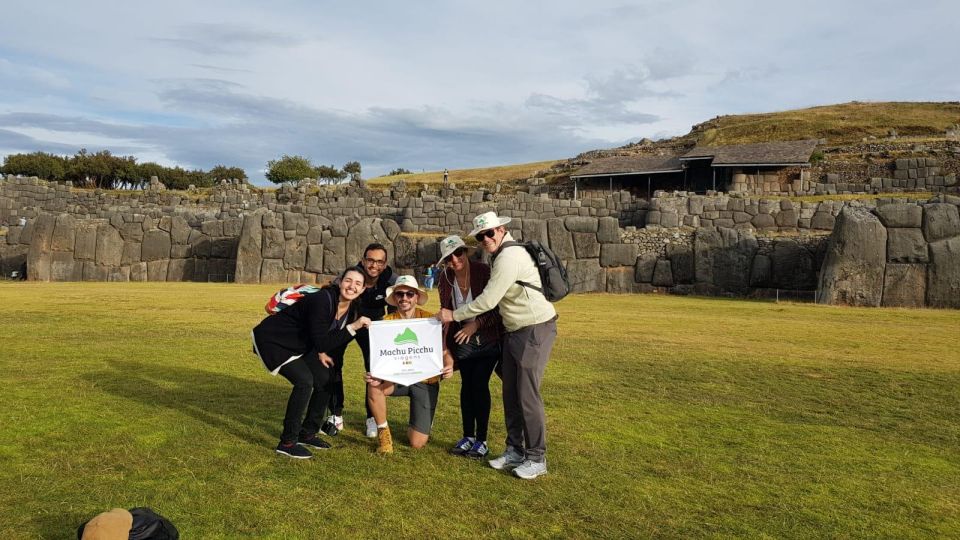
I’d book this tour if you want a high-impact Cusco sampler that covers the places you’ll keep hearing about—Qorikancha, the Cathedral, Sacsayhuaman, Qenqo, Puca Pucara, and Tambomachay—without spending a whole day in transit.
The biggest reason to hesitate is also practical: language accuracy and pickup clarity. If you verify those two items before you go, the tour looks like a strong deal for four hours of guided architecture, ceremonial sites, viewpoints, and working water engineering.
If those details are confirmed, this is one of the easiest ways to get your bearings fast and start understanding Cusco beyond postcard views.
FAQ
How much does the Cusco city tour cost?
The price is $20 per person.
How long is the tour?
The tour duration is 4 hours.
What sites does this tour include?
You’ll visit Qorikancha, the Cathedral of Cusco, Sacsayhuaman, Qenqo, Puca Pucara, and Tambomachay.
What languages is the live tour guide available in?
The live guide is available in Portuguese, Spanish, or English.
Is transportation provided?
Yes. Roundtrip transportation is included to and from most Cusco hotels, using an air-conditioned vehicle.
Are admission tickets included?
No. Admission tickets are not included.
Where are you dropped off at the end?
You’ll be dropped off at your accommodation or, if you prefer, at Plaza de Armas.