REVIEW · LIMA
Lima: Market Tour and Cooking Class with Pisco Sour
Book on GetYourGuide →Operated by Exquisito Peru – Food Tours · Bookable on GetYourGuide
Surquillo Market plus a hands-on menu is a smart way to spend your time in Lima. You start with a guided walk and four fruit tastings, then shift to a short, practical cooking class where you make ceviche, causa rellena, and a classic pisco sour. If you like food that comes with stories (not just recipes), this format is a win.
I especially like how the market part is built for learning: you talk with vendors and taste fruit chosen for both flavor and cultural meaning. I also like that the class covers three iconic dishes in about 150 minutes, so you go home with real technique, not just an evening of watching. One thing to consider: there’s standing and cooking work involved, so it may not be the best match if you need lots of sitting breaks.
In This Review
- Key Things to Know Before You Go
- Surquillo Market to Kitchen: How the Tour Actually Flows
- Fruit Tastings: The Fastest Way to Understand Lima’s Ingredients
- Cooking Class Setup: What You Make and Why It Matters
- Ceviche: Citrus, Spice, and the Garnish Details
- Causa Rellena: Layering Creamy, Soft, and Savory
- Pisco Sour: Shaking a Peruvian Classic (Then Toasting)
- Dessert at the End: A Sweet Note That Finishes the Story
- Price and Value: What You’re Really Paying For
- Meeting Point in Miraflores: Where to Find the Guide
- What to Bring (So You Don’t Feel Like a Rookie)
- Who This Tour Fits Best (And Who Should Skip It)
- Should You Book This Lima Market Tour and Cooking Class?
- FAQ
- How long is the Lima market tour and cooking class?
- What’s included in the price?
- Where is the meeting point?
- Is the tour pickup and drop-off included?
- What language is the tour guide?
- What should I bring for the experience?
- Is it suitable for people with food allergies?
- Is it wheelchair friendly?
Key Things to Know Before You Go
- Surquillo Market first: you’re not just eating at the end; you’re learning as you walk.
- Four fruit tastings with context: your guide explains why each fruit matters and how it tastes.
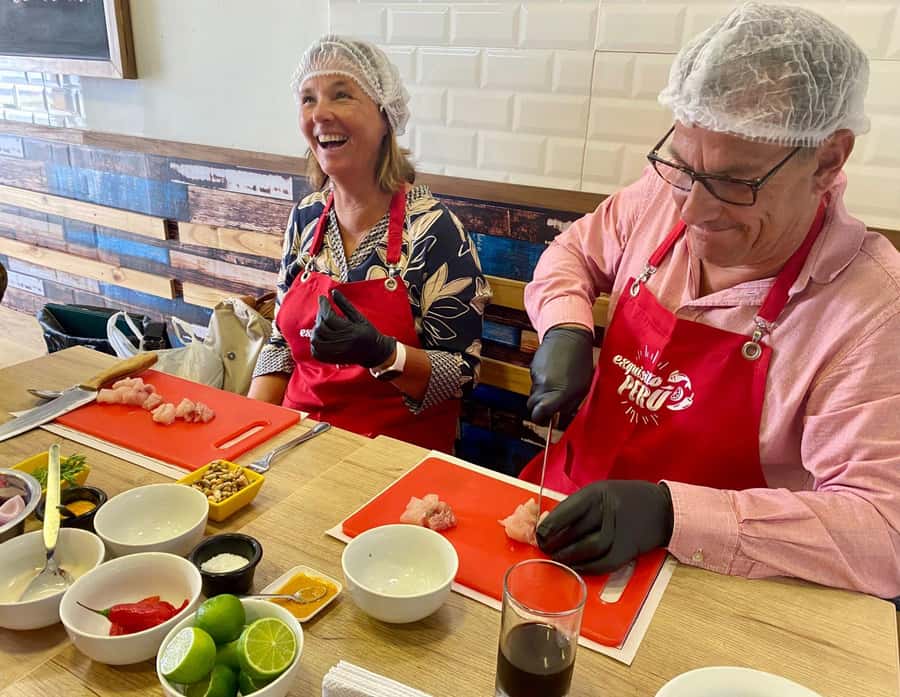
- Hands-on ceviche and causa rellena: you’ll actively prepare both dishes in the class.
- Pisco sour included: you learn how it comes together, then toast with what you mix.
- Small group size: limited to 10 participants, which keeps the pace comfortable.
- English guide: live guidance throughout, including during the cooking steps.
Surquillo Market to Kitchen: How the Tour Actually Flows
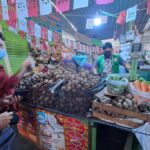
This experience is about moving through Peru’s food culture in the order that makes sense. You begin at Surquillo Market with a guide in English, walking past stalls filled with produce and ingredients. The goal isn’t to rush. It’s to help you notice flavors you’d otherwise miss, then connect those flavors to what you’ll cook later.
The timing is tight but not chaotic: the whole experience runs about 150 minutes. That matters because it turns the day into something you can actually fit between other Lima plans. And because it’s a small group (up to 10), you get enough attention during the cooking part.
You’ll end your class with a meal that includes what you prepared plus a traditional Peruvian dessert. That’s a practical detail. It means you’re not paying for half the experience and then grabbing dinner separately.
You can also read our reviews of more shopping tours in Lima
Fruit Tastings: The Fastest Way to Understand Lima’s Ingredients
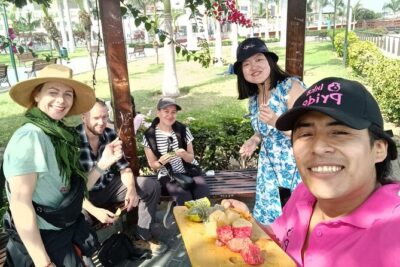
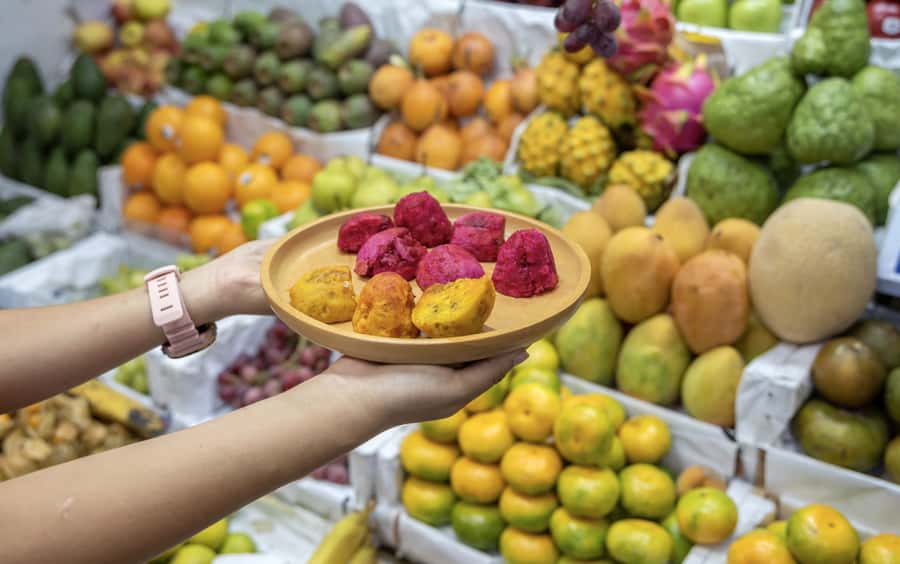
The market segment includes sampling four unique fruits. What makes this more than a snack stop is how the guide frames it. The fruits are chosen for their cultural significance and their distinct tastes, so each bite has a reason.
This is the kind of start that pays off in the kitchen. When you later make dishes like ceviche and causa rellena, you’re already thinking in Peru flavors instead of generic “citrus” or “potato” terms. You’re learning how ingredients show up in different ways: fresh, tangy, creamy, and spiced.
You’ll also interact with vendors. The tour doesn’t just point at items. It encourages conversation and shares stories about origins—so even if you don’t remember every detail, you’ll leave with a better sense of where the ingredients come from and why locals care.
If you love markets, this is one of the better market formats. It doesn’t get stuck in shopping mode. It uses the market as a classroom.
Cooking Class Setup: What You Make and Why It Matters
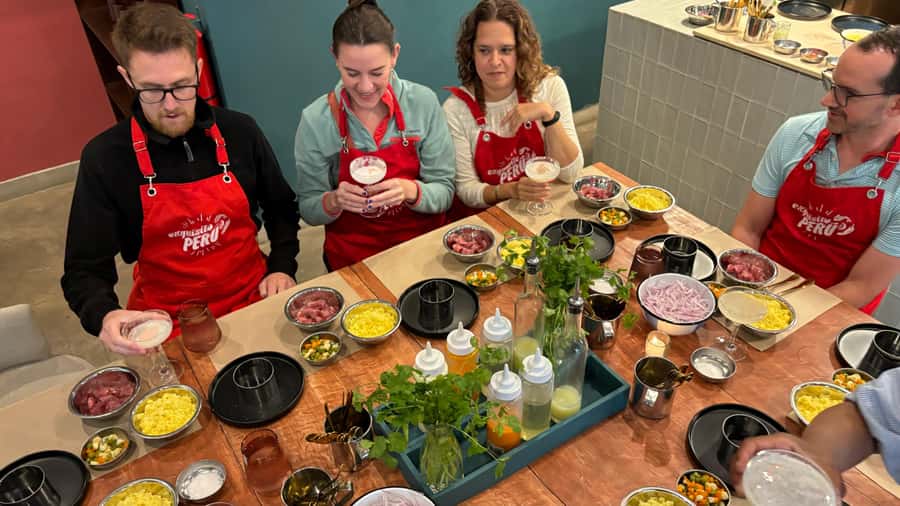
After the market walk, you head to a nearby restaurant for the cooking portion. The shift is practical: you stop walking around a busy market and move to a place where knives, bowls, and stations make sense.
In the class, you prepare three dishes:
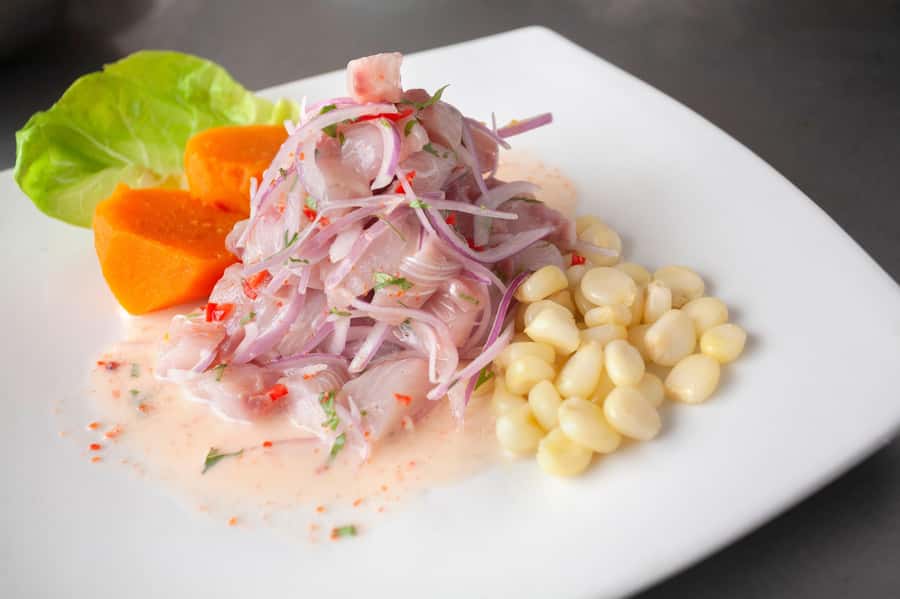
- Ceviche: fresh fish marinated in tangy citrus juices, seasoned with Peruvian spices, then finished with garnishes like red onions and sweet potatoes.
- Causa rellena: layered mashed potatoes with creamy avocado and a filling of chicken or seafood.
- Pisco sour: a classic cocktail with pisco brandy, fresh lime, a frothy egg white topping, and Angostura bitters.
What I like about this lineup is that it covers different cooking skills. Ceviche focuses on timing and seasoning with citrus. Causa rellena teaches layering and texture—potatoes and avocado need a careful feel. Then pisco sour gives you a drink-making skill you can actually repeat at home.
You don’t need prior cooking experience. The class is designed for beginners, with a chef leading and guidance built into the steps. Still, you should be comfortable standing for much of the cooking time.
Ceviche: Citrus, Spice, and the Garnish Details
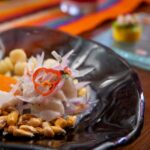
Ceviche is the “world-famous” plate for a reason, but you won’t experience it as a vague concept. You’ll make it using the essentials: fresh fish, tangy citrus juices, Peruvian spices, and the finishing touches.
The garnishes matter. Red onions add bite, and sweet potatoes bring sweetness and softness. Even if you’ve had ceviche before, learning it in a structured class helps you understand the balance: citrus gives the punch, spice gives the character, and garnishes round it out.
This dish is also a good first cooking step because the method is clear. You can see the changes as you work. And since it’s part of an organized tour menu, you’re not guessing when it’s “done.”
Causa Rellena: Layering Creamy, Soft, and Savory
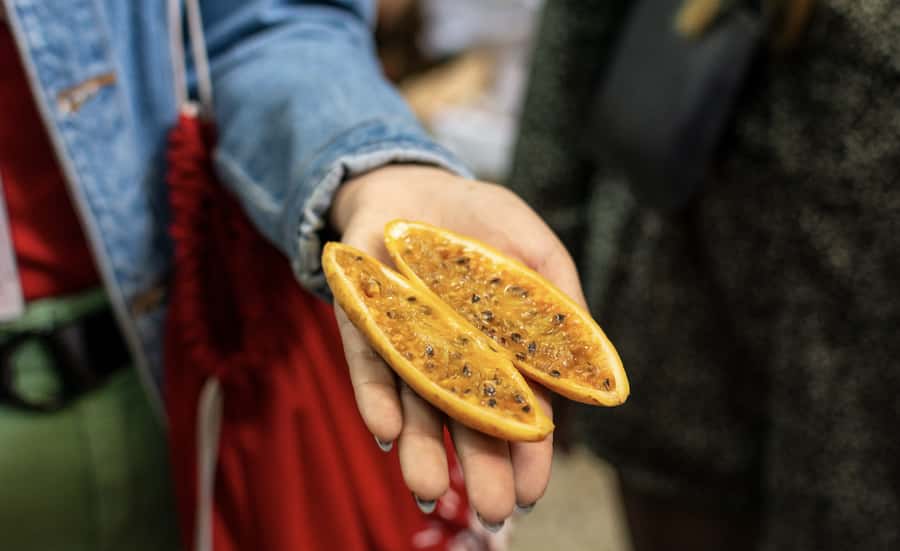
Causa rellena is one of those dishes that looks simple until you try to build it. In class, you’ll prepare layers of velvety mashed potatoes, creamy avocado, and a flavorful filling made with chicken or seafood.
The main value here is texture control. Potatoes need to be smooth enough to layer cleanly. Avocado needs to be creamy, not watery. And the filling needs enough flavor to cut through the softness of the potato base.
The tour format also helps you understand why this dish is beloved: it’s not just taste. It’s the way all the components work together in one bite.
If you like food that feels comforting but still has a Peruvian edge, this is a great pick.
You can also read our reviews of more tours and experiences in Lima
Pisco Sour: Shaking a Peruvian Classic (Then Toasting)
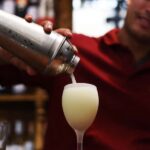
The pisco sour section is where a lot of fun happens. You learn how to mix the cocktail using the classic components: pisco brandy, fresh lime, a frothy egg white topping, and Angostura bitters for balance.
It’s hands-on, which matters. You’re not just watching someone pour. You’re making the drink that you’ll toast with after the dishes are done.
One practical tip for your experience: if you’re the kind of person who gets distracted by multitasking, focus here. Cocktail steps can be quick, and you want to follow along.
It also helps the whole meal land. The toast gives you a “we did it” moment right after you’ve finished cooking.
Dessert at the End: A Sweet Note That Finishes the Story
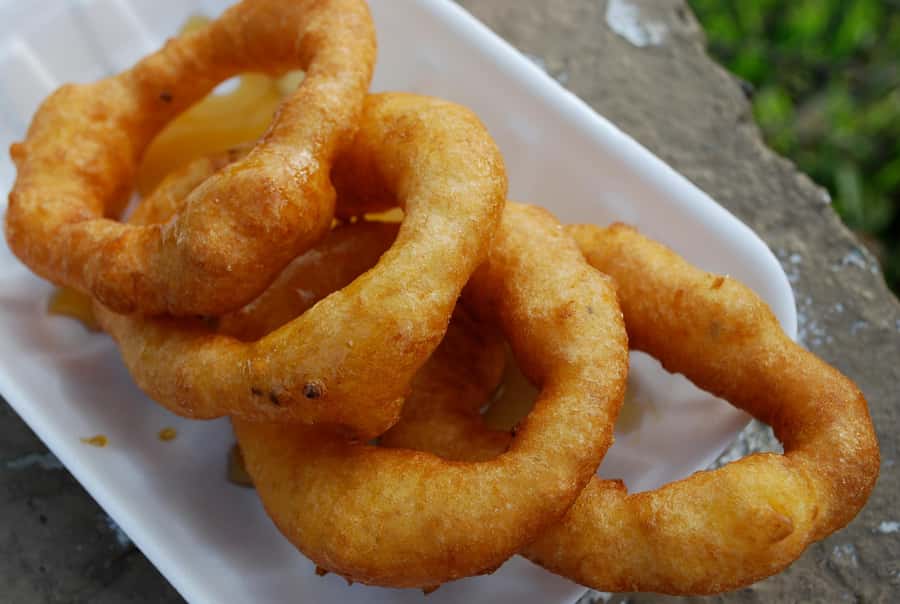
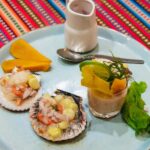
To close the class, you’ll enjoy a traditional Peruvian dessert. You might get arroz con leche (creamy rice pudding) or picarones with sweet chancaca syrup.
This is more than an afterthought. It gives you a final flavor contrast to the savory, citrus, and creamy dishes earlier. And it keeps the meal feeling complete—you’re not leaving the table right when you’re full.
If you’re the type who likes desserts you can explain to friends later, this ending gives you an easy story: market ingredients, savory cooking, then a classic sweet finish.
Price and Value: What You’re Really Paying For
At $59 per person for about 150 minutes, you’re paying for three things that add up quickly:
- A guided market tour with fruit tastings and stories.
- A hands-on cooking class with a local chef.
- Food and drink you prepare and then eat, including pisco sour and dessert.
Most food experiences in major cities force you to choose. Either you do a market walk and then hope dinner is good. Or you do a cooking class and show up hungry for whatever’s served. This format ties the learning and the eating together in one block of time.
Also, it’s a small group (up to 10). That matters because it usually means more attention at the cooking stations and less waiting.
The trade-off is that there’s no hotel pickup or drop-off. You’ll need to make it to the meeting point on your own.
Meeting Point in Miraflores: Where to Find the Guide
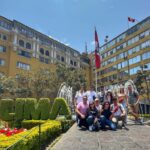
You’ll meet just outside the entrance of the Holiday Inn Lima Miraflores at Calle Alfonso Ugarte 117. The guide will be wearing a red lanyard with Exquisito Peru’s logo.
Important detail: there’s another entrance on Ricardo Palma Avenue. That’s not the one. If you show up and see people clustering at the wrong door, take a second to check the street and entrance so you don’t waste time.
This meeting-point precision is worth caring about. When you’re on a schedule, the smallest location mix-up can make you late for the first tasting.
What to Bring (So You Don’t Feel Like a Rookie)
You’ll be standing and moving from market to restaurant. Pack like you expect to work a little.
- Comfortable shoes
- A hat
- Sunscreen
- Camera
- Water
For the cooking part, wear clothing you’re okay with getting food smells on. Also, keep in mind you should be comfortable standing for the duration of the class.
If you have dietary restrictions or allergies, give advance notice. The tour is not listed as suitable for people with food allergies, so communicate early.
Who This Tour Fits Best (And Who Should Skip It)
This is a great choice if you want a Lima food experience that’s practical and active. You’ll like it if you:
- Enjoy markets and want context, not just samples
- Want hands-on cooking with clear dishes
- Like classic Peruvian flavors and want to learn how to make them
It’s not a great match for everyone. It’s noted as not suitable for pregnant women, wheelchair users, and people with food allergies.
Should You Book This Lima Market Tour and Cooking Class?
If you want one short experience that covers market learning, cooking skills, and a complete meal, this is a strong yes. The biggest selling points are the structured flow (market to kitchen), the hands-on dishes (ceviche, causa rellena, and pisco sour), and the small group size that keeps it from feeling rushed.
It’s especially appealing if you like the idea of toasting with the drink you mixed and then eating what you made. And if you care about communication, one past guest highlighted how the guide Shayla was not only welcoming but also an expert translator during the class—exactly the kind of support that makes a cooking lesson click.
Book it if you’re ready to stand, cook a bit, and taste broadly. Skip it if you’re dealing with allergies, mobility needs, or you’re looking for a fully seated, low-effort activity.
FAQ
How long is the Lima market tour and cooking class?
It lasts about 150 minutes.
What’s included in the price?
You get a market tour with fruit tasting, a cooking class with a local chef, preparation of ceviche, causa rellena, and pisco sour, and a traditional Peruvian dessert.
Where is the meeting point?
Your guide waits just outside the Holiday Inn Lima Miraflores on Calle Alfonso Ugarte 117, wearing a red lanyard with Exquisito Peru’s logo.
Is the tour pickup and drop-off included?
No. Hotel pickup and drop-off are not included.
What language is the tour guide?
The live tour guide speaks English.
What should I bring for the experience?
Bring comfortable shoes, a hat, a camera, sunscreen, and water.
Is it suitable for people with food allergies?
No. The activity is listed as not suitable for people with food allergies.
Is it wheelchair friendly?
No. It’s listed as not suitable for wheelchair users.