REVIEW · CUSCO
From Cusco: Chinchero Weavers, Moray, Maras Salt Mines Tour
Book on GetYourGuide →Operated by Viaja con Amaru Explorer · Bookable on GetYourGuide
Moray feels like an Inca science project in stone, and this tour strings it together with the salt mines at Maras and Chinchero. You’ll start from the historic center of Cusco at 8:00 a.m. and move through three very different places with one bilingual guide.
What I like most is the chance to see the circular terraces at Moray and understand why they mattered for growing crops. I also enjoy the mix of practical outcomes and culture at Chinchero, including the textile process explanations that fit the weavers theme of the day.
The main consideration: this is a 6-hour outing that involves uneven outdoor walking, so it’s not a good match if you’re dealing with mobility limits or pre-existing medical conditions.
In This Review
- Key things to know before you go
- Cusco to Moray: why the circular terraces matter
- Maras Salt Mines: thousands of ponds in one hillside view
- Chinchero: where the textile process fits the day
- The itinerary flow: how to plan your day around it
- Price and what you’re really paying for
- Guide quality: bilingual explanations that help you connect the dots
- What to bring (and what to skip) for a smoother day
- Who this tour is best for
- Should you book this tour?
- FAQ
- What time does the tour pick up from Cusco?
- How long is the tour?
- What’s included in the price?
- What extra costs should I expect?
- What languages are the guides?
- Is this tour wheelchair-friendly?
Key things to know before you go
- Moray’s circular terraces show how the Incas used microclimates for farming.
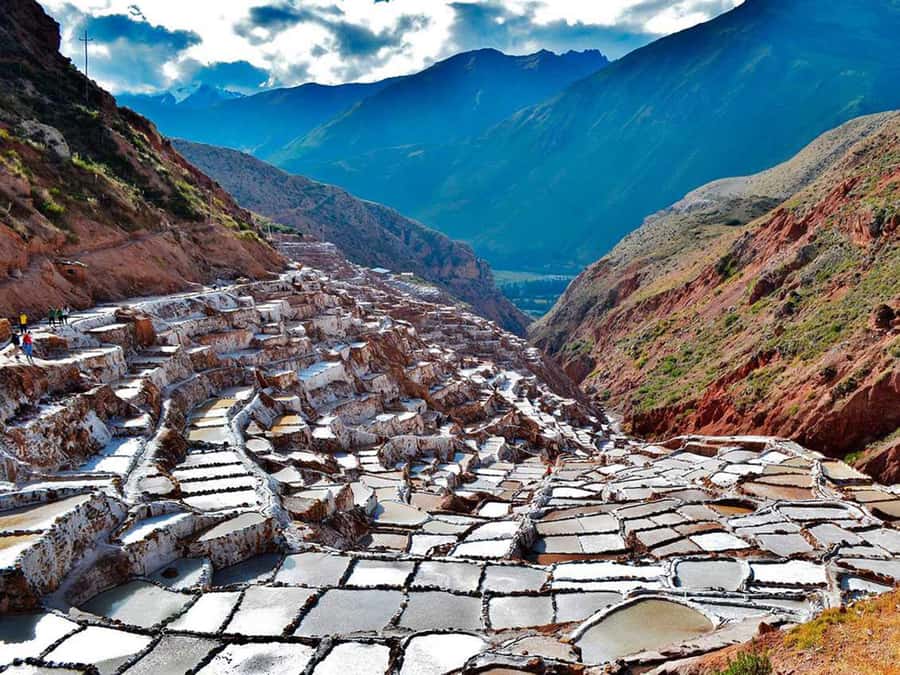
- Maras Salt Mines are known for thousands of salt ponds, all in one dramatic hillside scene.
- Chinchero weavers and textile process add a cultural layer beyond the ruins and mines.
- You’ll be picked up in the historic center of Cusco and brought back the same day.
- The day works best if you bring cash, water, and sunscreen, since key entrances and lunch aren’t included.
Cusco to Moray: why the circular terraces matter
This tour starts with pick-up from your hotel in the historic center of Cusco. The morning timing matters because Moray is the kind of site where you’ll get more out of it if you’re not rushing later in the day. You’ll head there right after the 8:00 a.m. departure.
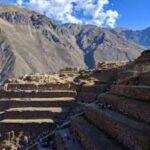
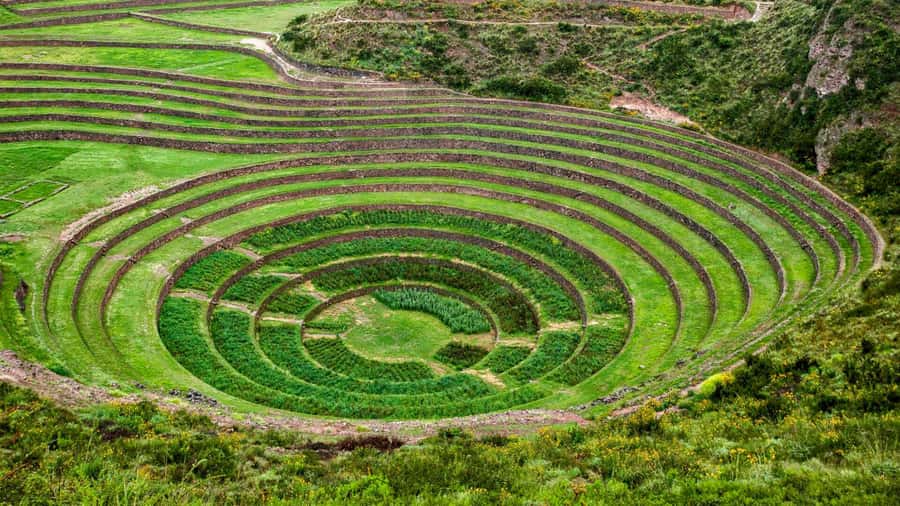
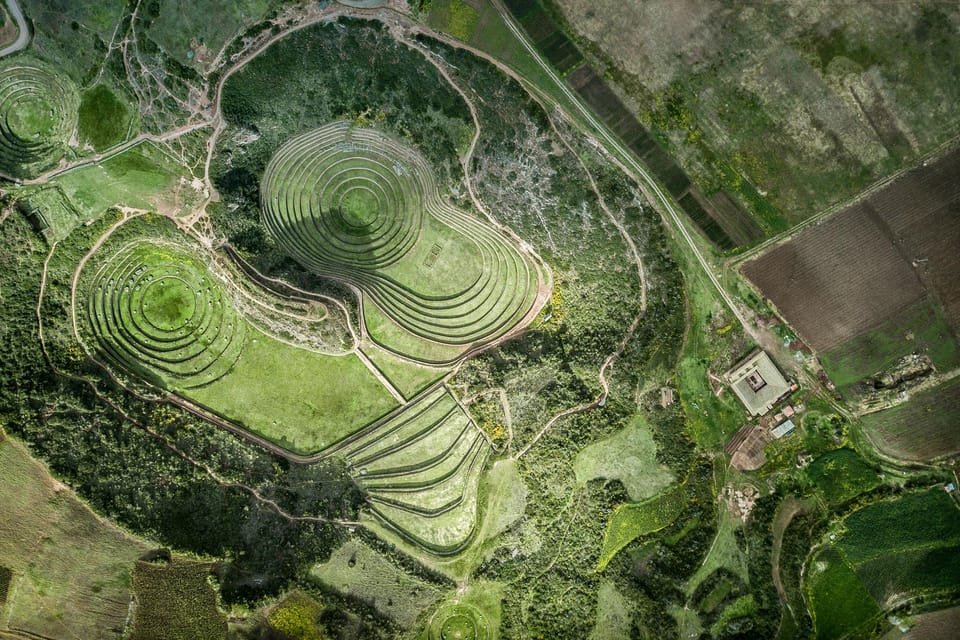
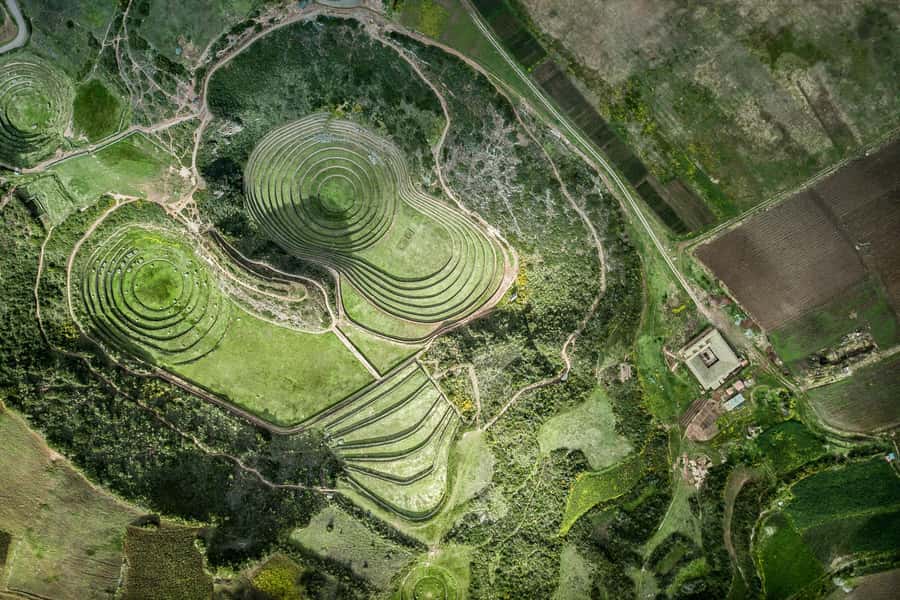
Moray is often described as an Inca agricultural laboratory, and that framing is useful. The terraces are built in circles, and each level is associated with a different climate. In practical terms, it’s like the Incas built a living experiment where crops could be matched to temperature and conditions.
The site is also visually satisfying. Standing among the terraces, it’s easier to grasp how people could test and compare growing outcomes without leaving the area. A good guide helps you connect what you see on the ground to the logic of the design, not just dates and names.
One thing I always pay attention to on sites like this is pacing. If you’re trying to take photos while also learning the terrace-to-climate idea, it helps to slow down for a few minutes in each main area. You don’t need to race from one viewpoint to the next to get it.
Tip that saves time: bring your camera ready and keep your water accessible. Outdoor light can change fast in the Cusco region, and you’ll likely want to take a few steady shots before you keep moving.
You can also read our reviews of more tours and experiences in Cusco.


Maras Salt Mines: thousands of ponds in one hillside view
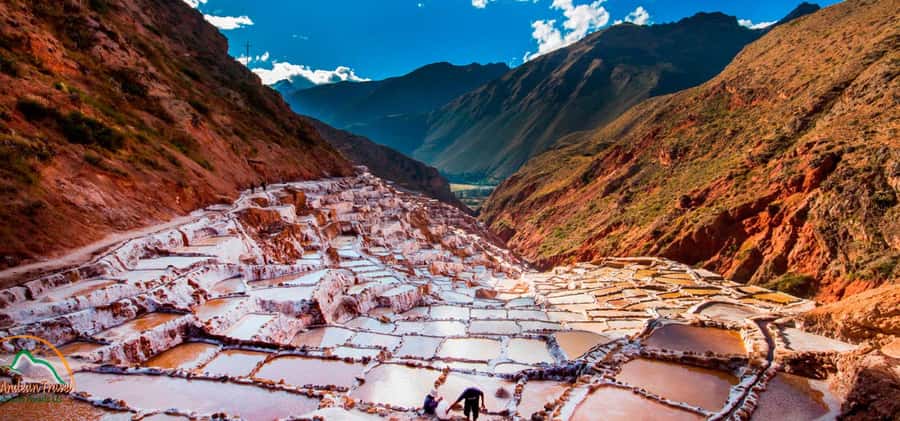
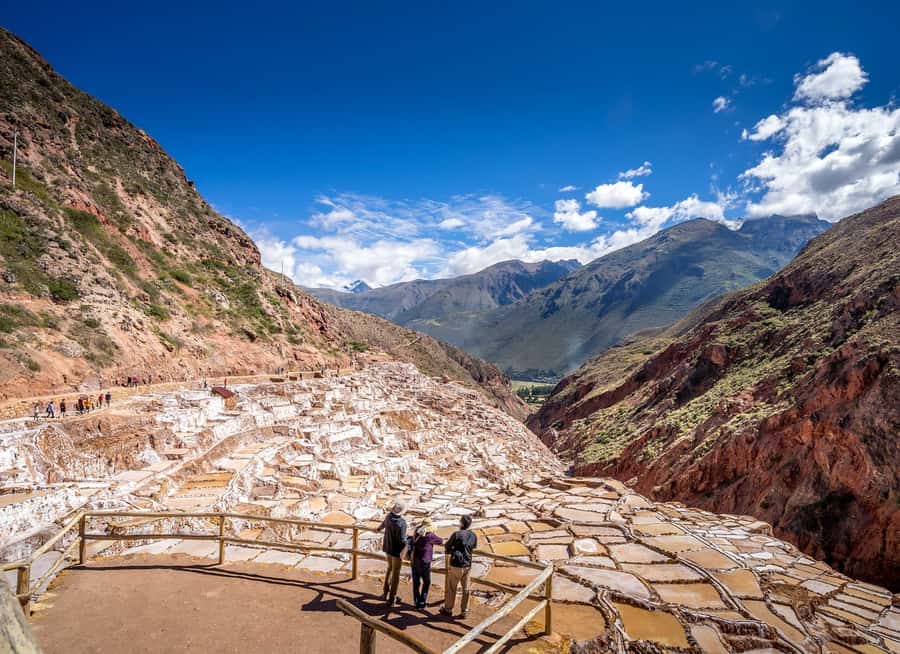
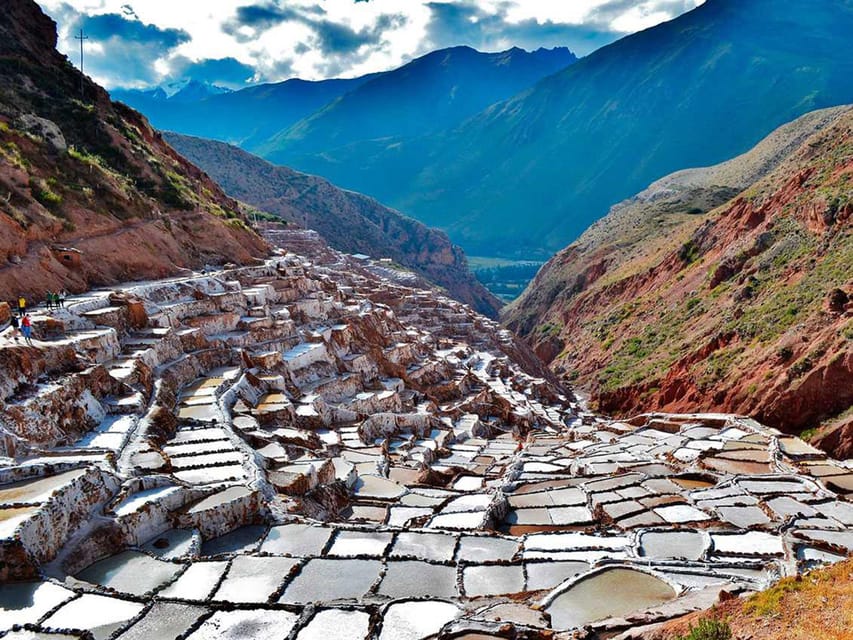
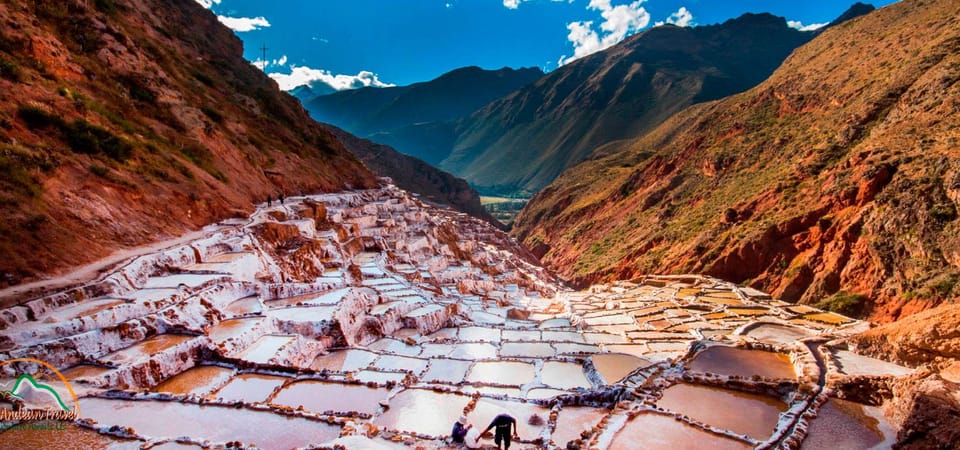
From Moray, you’ll continue on to the salt mines of Maras. This is where the tour shifts from farming science to a working landscape made of salt ponds. The standout detail here is scale: you’ll see more than 3,500 salt ponds carved into the mountainside.
The ponds are also tied to a local belief about medicinal properties. The tour framing focuses on why people value the salt here, not just the look of it. Even if you’re not thinking about medicine, it’s still interesting to see how a resource becomes part of everyday culture and work.
What I like is how Maras gives you a clear visual story. You can’t miss what’s happening: lots of small units, one after another, all feeding into the idea of production. Compared with ruin sites, this one feels active and close to human labor.
The main tradeoff is crowds and comfort. The salt mines areas are outdoors and can mean slippery footing in places depending on conditions. You’ll do best if you wear shoes you trust and stay mindful on uneven surfaces.
Also remember that the entrance to the salt mines isn’t included in the base price. Plan to pay S/. 15.00 (about $5.00) on your own so there’s no surprise when you arrive.
Chinchero: where the textile process fits the day
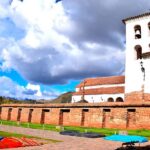
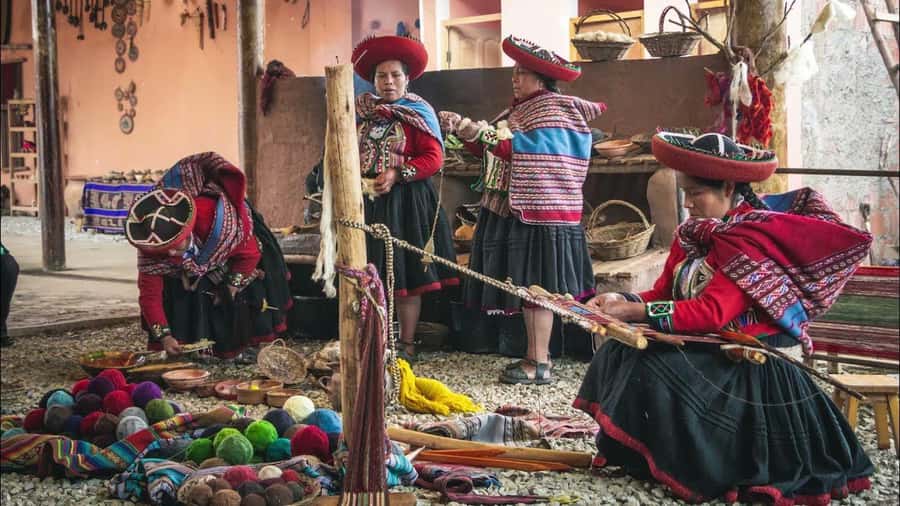
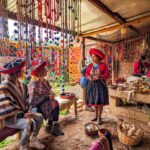
After Maras, the day finishes by heading to the town of Chinchero. This part is connected to the title of the experience, so it’s where the day’s theme goes beyond just agriculture and salt. The highlights call out learning about the textile process, and that cultural context helps the earlier stops feel less random.
Chinchero is also described as a place where you can observe salt ponds. That means you’re not leaving the salt story behind entirely—you’re seeing how the day’s resource theme carries into town life.
If you’re someone who likes to understand how objects and traditions are made, the textile explanations are a big reason to choose this tour. A guide can turn what might look like simple crafts into a practical explanation of process. It’s also a good change of pace after walking at Moray and Maras.
I also like this stop for its “thinking pause” quality. By the time you reach Chinchero, you’ve seen heavy earthworks and production landscapes. Chinchero shifts you into craft and community, and it’s easier to slow down and absorb what you’ve learned.
Don’t wait until the last moment to get cash ready. The tour includes entrances only partially, and you’ll want to be prepared if you decide to cover anything connected with the sites you visit.
The itinerary flow: how to plan your day around it
The structure is straightforward: pick-up at 8:00 a.m., Moray first, then Maras Salt Mines, then Chinchero, and return around 15:00 to the historic center of Cusco. That timing is useful if you want a full day without eating up the entire daylight hours.
Here’s the order and why it works:
- Moray first sets up the theme of Inca experimentation. It’s easier to understand the terrace design when you’re fresh in the morning.
- Maras second flips you into production and resource use. You’ll have momentum after learning about agriculture.
- Chinchero last gives you culture and craft context, which helps the day feel complete.
You’ll also want to plan for weather. You’ll be outside for multiple segments, and sunscreen is on the recommended list for a reason. Even if the day starts cool, light and sun can catch you while you’re taking photos and listening.
Lunch is not included, so you’ll need to handle food on your own. If you hate last-minute decisions, I recommend having a plan for where you’ll eat once you’re back in the historic center.
Price and what you’re really paying for
The tour price is listed as $13 per person, and for a 6-hour outing with round-trip transport plus a bilingual guide, that’s strong value. The catch is that you still need to budget for site entrances and lunch.
Here’s the practical breakdown of what you’ll likely pay extra:
- Moray entrance: S/. 70.00 (about $20.00)
- Maras salt mines entrance: S/. 15.00 (about $5.00)
- Lunch: not included
So your all-in cost depends on those entrances. Even then, the main value is the guided flow between three sites in one day. You’re not just paying for transport; you’re paying for help interpreting Moray’s terrace idea, explaining the salt ponds, and connecting Chinchero to the textile process theme.
If you’re the type who reads signs but still wants context, a professional bilingual guide is where the money usually shows up. If you already feel confident interpreting Inca sites on your own, you might question whether the guide hours are worth it. But based on the guide feedback tied to this experience, the tour seems to aim at clarity and timing.


Guide quality: bilingual explanations that help you connect the dots
One review highlights Irina as a guide who could explain in both Spanish and English, and that bilingual flexibility is exactly what you want in a day like this. Moray and Maras are visual, but the meaning behind them is the real payoff, and a good guide keeps you from getting only half the story.
Another review stresses how the guide was energetic and smart, and also that the tour avoided a lot of crowded spaces. I can’t promise crowd control on every day, but it’s a sign that the operator pays attention to pacing and planning.
This matters because you’re moving through multiple outdoor stops. If the guide keeps things organized and gives you time to enjoy sights, the day feels less like a checklist and more like a connected experience.
What to bring (and what to skip) for a smoother day
The recommended essentials are simple and smart: bring your camera, sunscreen, and water. Also bring cash, since key entrances aren’t included and the salt mine and Moray fees are separate.
The tour also lists a clear rule: no alcohol and no drugs. That isn’t just “because policy,” it’s also about keeping the day comfortable and focused for everyone outdoors.
For me, this is one of those tours where comfort choices pay off fast. If you’re taking photos and walking around terraces and salt ponds, you’ll be glad you have sunscreen and water in reach.
Who this tour is best for
This experience fits best if you want a compact Cusco day that mixes Inca agriculture, working salt production, and a craft component in Chinchero. It’s a good pick if you like explanations tied to what you see, not only quick stops.
You’ll probably enjoy it most if you:
- enjoy seeing how people used the land in different ways
- want a guided understanding of Moray’s microclimates
- like textile process insights rather than only ruins
It’s not suitable for wheelchair users and it’s not recommended for people with pre-existing medical conditions, based on the activity info provided. The route includes outdoor uneven terrain and time on your feet.
Should you book this tour?
I’d book it if you want one guided day that connects Moray’s farming logic to Maras salt production and then lands in Chinchero with the textile process angle. The price is attractive for a 6-hour day with round-trip transport and a bilingual guide, and the pacing sounds designed to keep you from feeling rushed.
I wouldn’t book it if you hate paying separate entrance fees at each site, or if you’re not comfortable walking outdoors for hours. Also, if you need an easy, flat route, this one may be challenging.
If you go, do it with a simple game plan: pack sunscreen and water, bring cash for entrances, and give yourself permission to pause at Moray long enough to really understand the terrace idea.
FAQ
What time does the tour pick up from Cusco?
The tour starts at 8:00 a.m. with pick-up from your hotel in the historic center of Cusco.
How long is the tour?
The total duration is 6 hours, with a return to the historic center of Cusco around 15:00.
What’s included in the price?
Included are hotel pick-up service (within the historic center), round trip transportation, and a professional bilingual guide.
What extra costs should I expect?
You should plan for partial tourist entrance Moray (S/. 70.00 or $20.00) and entrance to the salt mines of Maras (S/. 15.00 or $5.00). Lunch is not included.
What languages are the guides?
The live tour guide speaks Spanish and English.
Is this tour wheelchair-friendly?
No. It is not suitable for wheelchair users, and it’s also noted as not suitable for people with pre-existing medical conditions.