REVIEW · LIMA
Lima: Market Tour, 35 Fruits Tasting & Cooking Class
Book on GetYourGuide →Operated by SkyKitchen Peruvian Cooking Classes · Bookable on GetYourGuide
Fruit tastes start before the knife comes out. This Lima experience pairs a Surquillo Market ingredient walk with a hands-on 4-course cooking session where you eat what you make. It is a focused, food-first way to understand Peruvian flavors instead of just collecting photo stops.
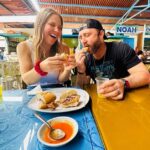
I like how the guide helps you see ingredients the way locals do. And I also like the rhythm of cook, sit down, eat, then move on—so nothing feels rushed or theoretical. You also get a tasting of 35+ fruit samples, which turns “Peru has fruit” into actual flavor memory.
The main thing to consider is the drink: the class includes 1 pisco sour, and beer or wine is only available for purchase. If alcohol is a no-go for you, plan your approach ahead of time.
In This Review
- Key highlights worth planning around
- Surquillo Market Nro 1: the best kind of ingredient scouting
- How the 35+ fruit tasting actually helps you eat in Lima
- Pisco sour and a quick Peruvian cuisine orientation in the kitchen
- Your hands-on 4-course meal: cook, eat immediately, repeat
- What you are likely doing during the course prep
- Getting from market to class (and why it matters)
- Price and value: is $120 a fair deal?
- Dietary restrictions: what you can request before you arrive
- Small-group format: why you get more out of the prep
- Who should book this Lima food tour
- Should you book this Surquillo market + cooking class?
- FAQ
- Where is the meeting point for the market tour?
- How long is the experience?
- What does the tour include besides the market and cooking?
- How many fruit samples do you taste?
- What do you cook during the class?
- Are aprons and kitchen tools provided?
- Is beer or wine included?
- Do they accommodate dietary restrictions?
- What languages is the instructor available in?
- Can I cancel?
- When will I get confirmation after booking?
Key highlights worth planning around
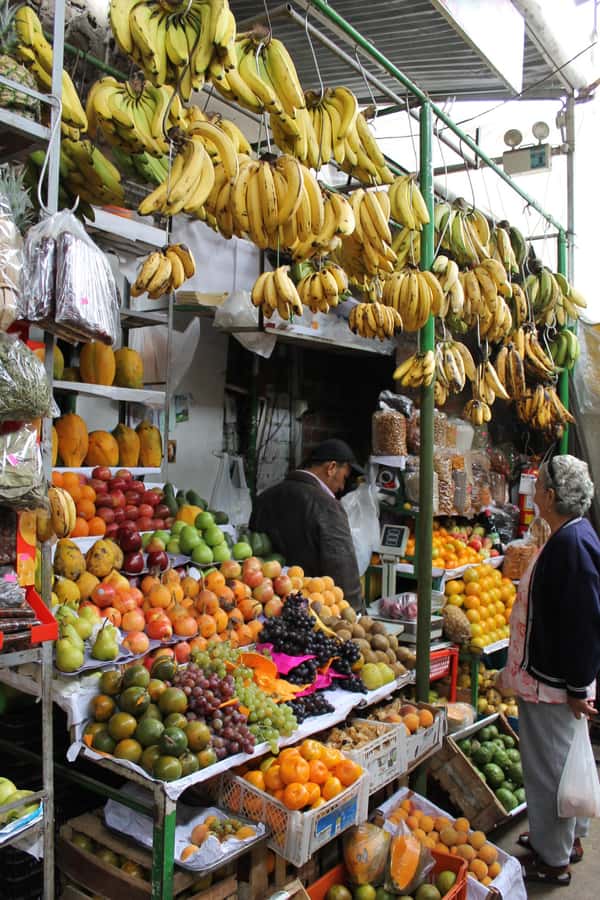
- Surquillo Market Nro 1: meet at the main entrance and get a guided scan of produce, herbs, meats, seafood, quinoa varieties, and Andes plants
- 35+ fruit samples: tasting as a lesson, not just a plate of random slices
- Pisco sour + fruit drink: a Peruvian flavor intro while you get oriented in the kitchen
- 4-course meal you cook: each dish is prepared by you, then eaten right after it is finished
- Unlimited water during the class: practical hydration support, especially in a warm market-to-kitchen day
- Small-group feel: you get personal attention while you chop, mix, cook, and ask questions
Surquillo Market Nro 1: the best kind of ingredient scouting
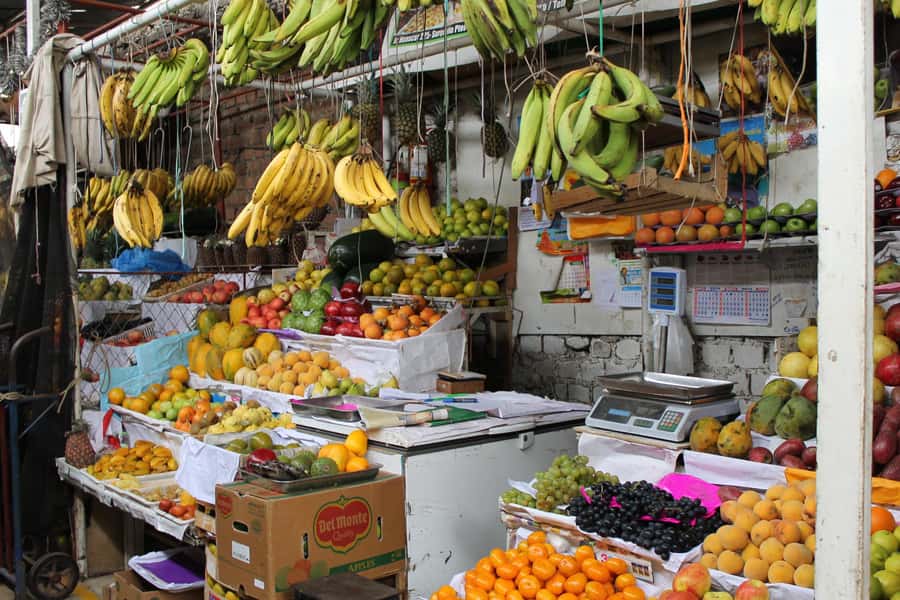
Your day starts at Surquillo Market Mercado 1 de Surquillo, meeting at the main entrance below the big sign that simply says Mercado 1. If you are using a ride-share, search for Mercado 1 de Surquillo. If you are taking a taxi, use Estación Ricardo Palma as your reference point since most drivers know it.
The market sits by the highway Paseo de la República, next to Estación Ricardo Palma. It is about a 10-minute walk from the Ovalo de Miraflores area, so you can base yourself in Miraflores and still keep the morning manageable.
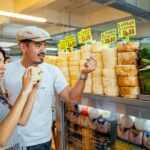
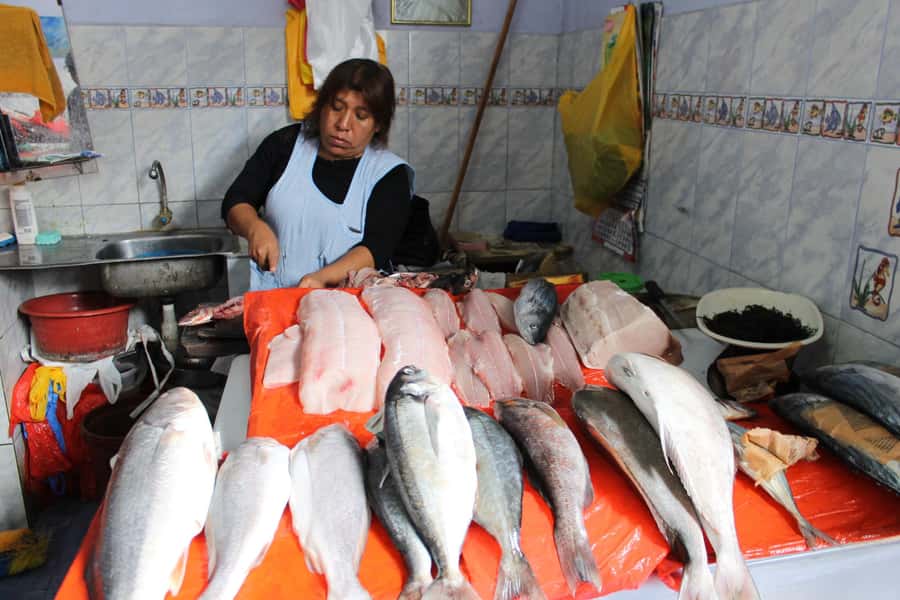
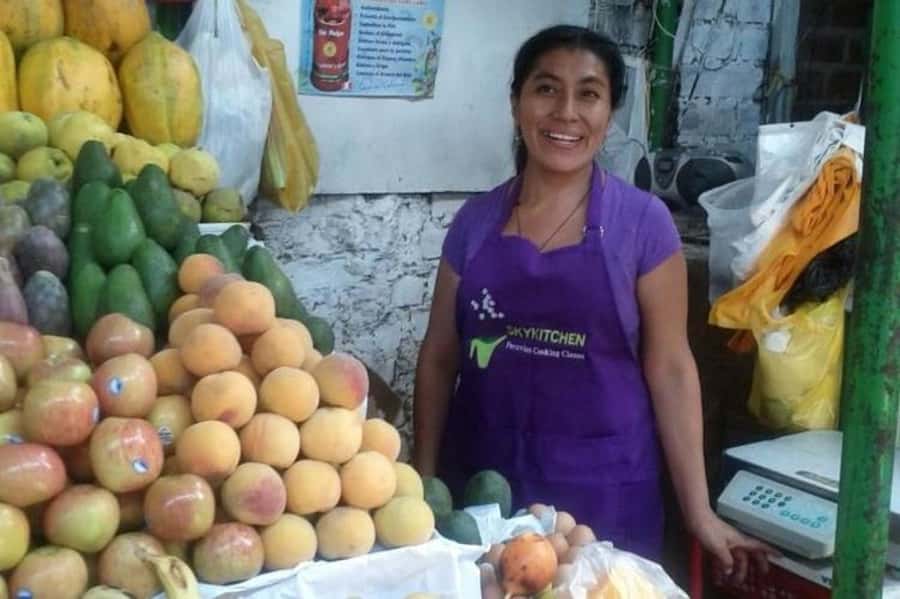
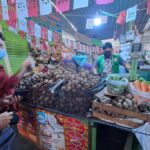
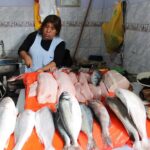
You will spend about 50 minutes inside the market with your guide. This is not just wandering for vibes. The guide points out how Peruans shop—what you buy first, what you match with other ingredients, and what to ask for at the stall even if you have never seen the ingredient before. You also get an education in fruit, vegetables, legumes, herbs, meats, fish, seafood, and quinoa types, plus little-known Andes roots, seeds, and plants.
That matters because fruit and produce in Peru do not behave like the generic “fresh fruit bowl” you might be used to. Some items are seasonal. Some have very specific flavor profiles. And some are used in ways that only make sense once you see where they come from.
You can also read our reviews of more food & drink experiences in Lima
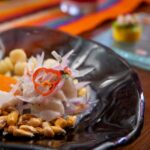
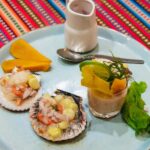
How the 35+ fruit tasting actually helps you eat in Lima
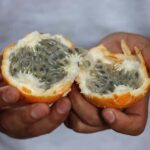
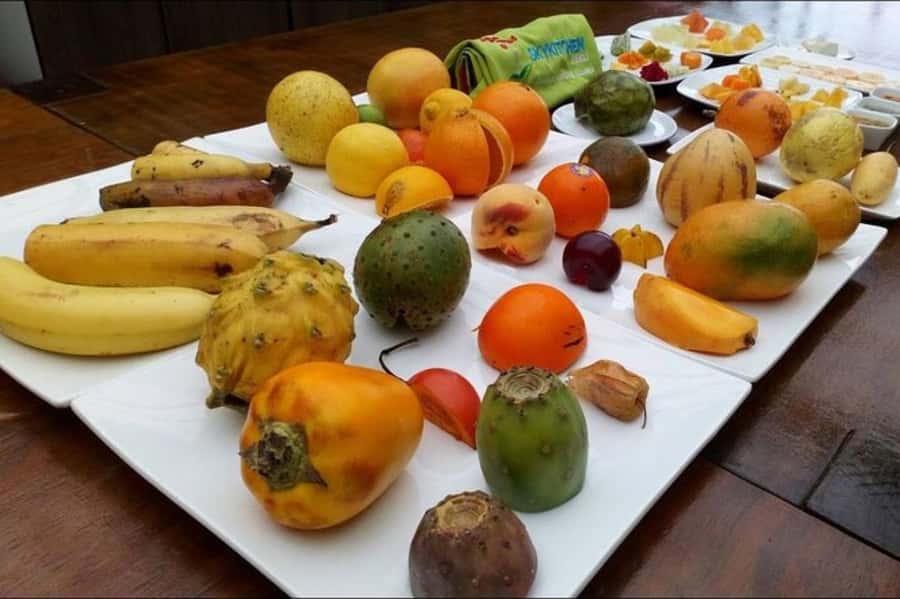
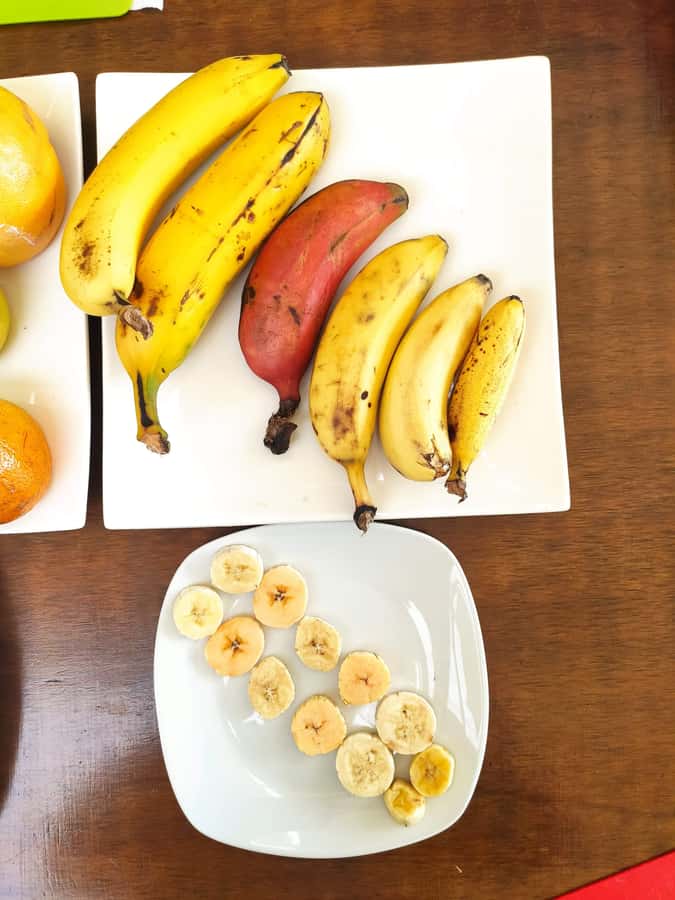
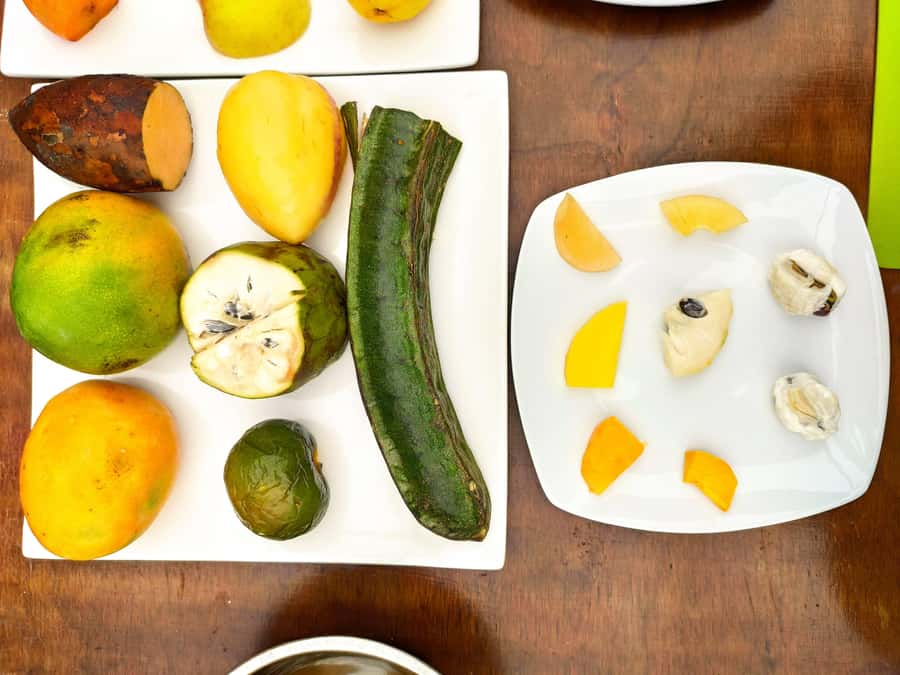
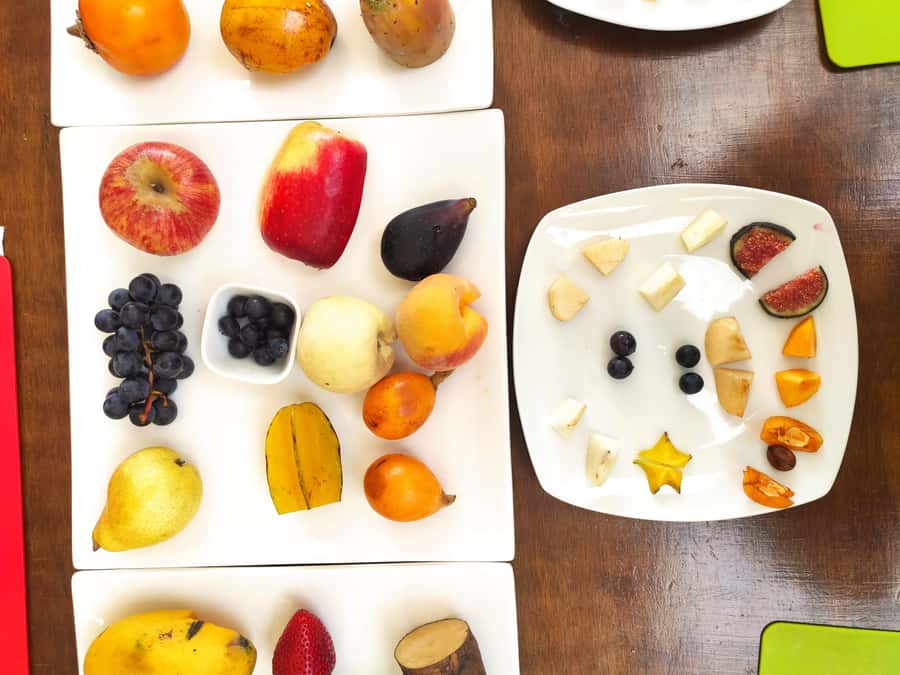
After the market walk, you move to the kitchen area where your 35+ fruit samples are waiting. Think of this as a crash course in Peruvian fruit flavor—not just sweetness. You will taste a range of exotic fruits, then use those flavors later as you learn the meal structure in the cooking class.
You will also be drinking while you taste. The class includes a homemade fruit drink with the food, and it also builds in a Peruvian cuisine introduction while you have your pisco sour. The timing is practical: you taste first, then you cook with a clearer sense of what different fruits taste like when they are not waiting politely on a menu.
What I especially like about a tasting format like this is that it makes you brave. Once you have tried a lot of small samples, ordering dessert or fruit at a restaurant becomes less intimidating. You are not guessing what something is supposed to taste like—you already have a reference point in your head.
One small tip for your own enjoyment: pace yourself. With 35+ samples, your taste buds can get overwhelmed if you treat it like a competition. Take a breath between fruit groups and pay attention to aroma and aftertaste, not just the initial sweet hit.
Pisco sour and a quick Peruvian cuisine orientation in the kitchen
In the kitchen, you get an introduction to Peruvian cuisine alongside your first drink. The included pisco sour is part of that setup, and you are also provided water throughout the experience.
This is a good moment to ask questions if you are the kind of traveler who likes context. You will learn how the ingredients you saw in the market connect to cooking choices. Even if you do not remember every term, you will remember the logic: Peruans combine fresh produce with specific cooking techniques, and fruit shows up in more places than you might expect.
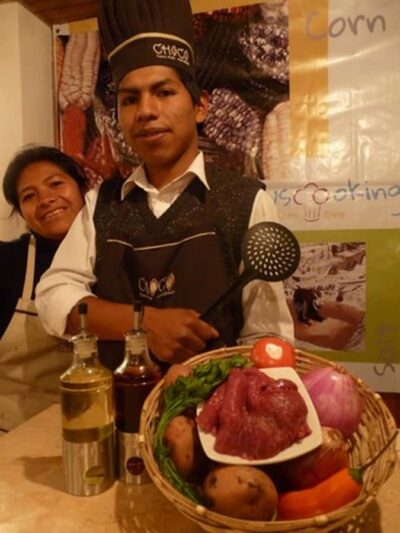
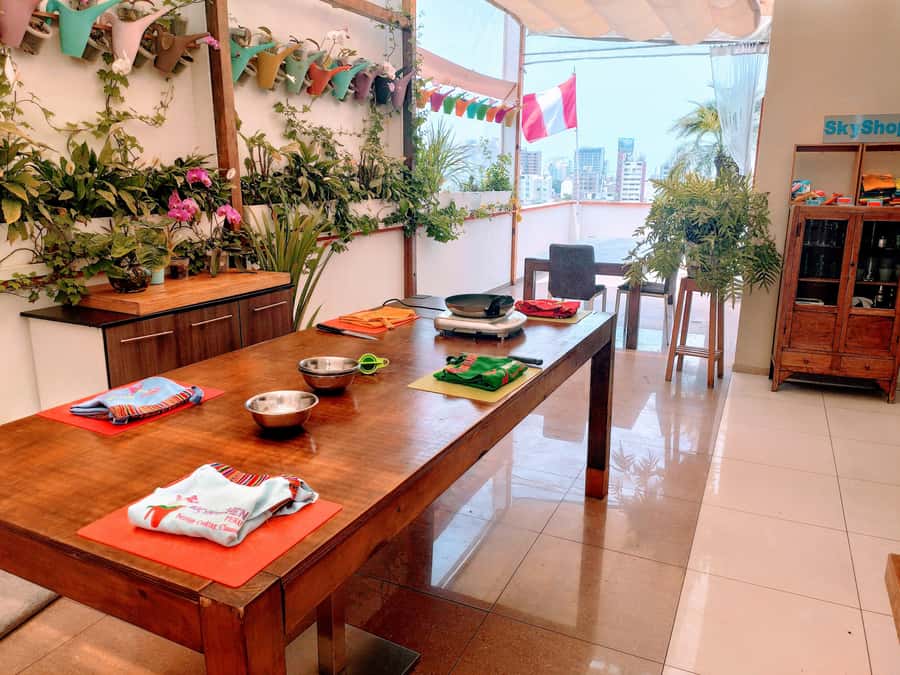
Also, you are not standing around waiting. Aprons and kitchen tools are provided during the class, so you can get to work without scrambling for gear. If you have ever felt awkward in cooking classes because you did not know where to start, this one is set up so you jump into the prep steps early.
Your hands-on 4-course meal: cook, eat immediately, repeat
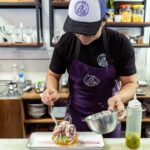
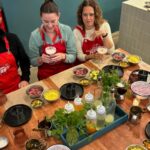
The heart of the experience is the hands-on cooking class. You prepare a Peruvian meal made of four courses, and the key difference here is that you eat each dish as soon as it is finished. That changes the whole feel. You are not waiting an hour for the final plate while your kitchen-mates race ahead.
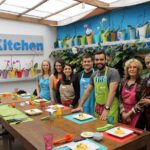
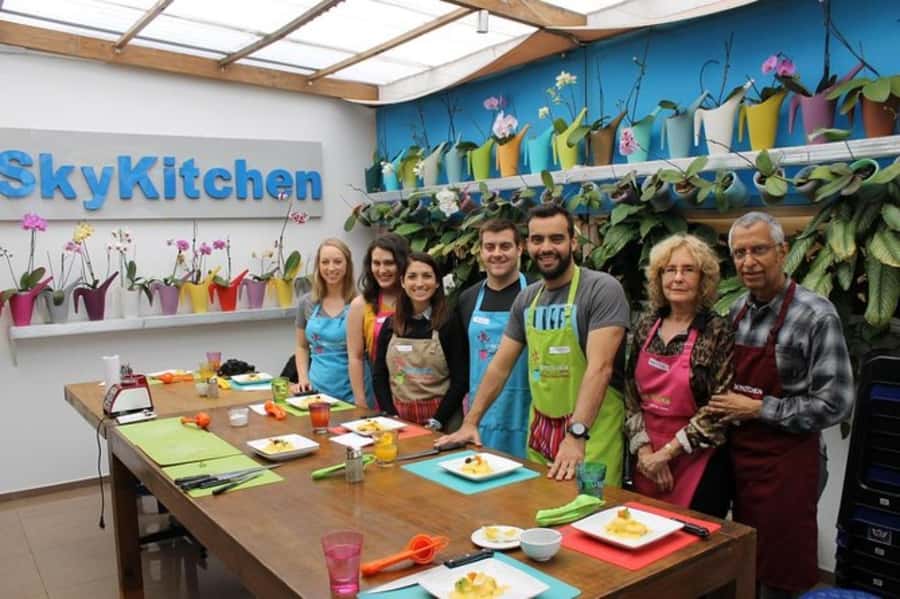
The class is structured so you chop, mix, and cook with instruction from the guide and instructor. As each course becomes ready, you sit down with the group and eat it. Then you chat briefly and keep moving to the next dish while the instructor has the following ingredients set up for you.
That “cook one thing, eat it, then continue” approach is a big value booster. You learn faster because you can taste what you just made while it is still fresh in your mind. It also helps if you are traveling with people you do not always cook with—everyone leaves knowing what went into the meal, not just watching the process from the sidelines.
Because the class includes water and juice, you are also covered for basic hydration and a beverage rhythm while you cook. This matters in Lima, where a market-to-kitchen day can get warm and active.
What you are likely doing during the course prep
The exact dishes are not listed, but the mechanics are clear. You will be responsible for real prep work—knife time, mixing time, and cooking steps—guided by the instructor so you are not guessing at technique. You will then plate and serve what you made to your own table.
The included “4-course lunch prepared by yourself” is the standout promise. You are not just tasting your way through Lima; you are creating a meal from scratch with Peruvian-style guidance.
You can also read our reviews of more shopping tours in Lima
Getting from market to class (and why it matters)
Transportation from the market to the class is included. That sounds like a small detail, but it really affects your day. You can focus on the market experience first and then transition to cooking without turning it into a navigation workout.
With a total duration of 330 minutes, you want the handoff to be smooth. The itinerary is built around that: market for about 50 minutes, then tasting and cooking in the kitchen. The rest of the time is about prep, cooking, eating the four courses, and learning in between each step.
The schedule also works well for travelers who want a single activity that truly fills a half-day block. You come out full, not just “I sampled a few things and watched a show.”
Price and value: is $120 a fair deal?
The price is $120 per person, which is not a cheap impulse buy. But it lines up with what you get when you look at the full bundle.
You are paying for:
- A guide for the market tour
- Transportation from market to class
- A structured 35+ fruit tasting
- An instructor and full hands-on cooking class
- All ingredients for the cooking
- A 4-course lunch that you prepare and eat
- 1 pisco sour
- Water and juice
- Aprons and kitchen tools provided during the class
In other words, you are not paying only for “a meal out.” You are paying for access to market knowledge and cooking instruction, plus food and drinks at multiple stages. If your main goal is to leave Lima understanding ingredients and technique—not just collecting tastes—this price starts to feel more reasonable.
The not-included items are also clear. Beer and wine are not included (you can purchase them), and aprons or tools are not meant to be taken home unless you buy them separately. If you are expecting a souvenir tool kit in the box, you will want to set that expectation early.
Dietary restrictions: what you can request before you arrive
If you have food limitations, plan to contact the provider ahead of time. The experience can accommodate the most common restrictions—vegetarian, vegan, lactose, and gluten—as long as you tell them in advance.
That is a rare and useful detail in food tours. You do not want to sign up only to find you are stuck with bread and water on a day centered on fresh ingredients and cooking.
Small-group format: why you get more out of the prep
The class is described as small-group, which usually means you get more time with the instructor and more chances to ask what you actually care about. You are doing the cooking, so you need instruction that lands in the moment.
And based on the overall tone of the experience feedback, the environment is meant to feel welcoming rather than strict. That matters because cooking classes can go two ways: “Do this exactly or fail” or “Learn by doing with a calm teacher.” The best kind is the second one, and this one is set up that way.
Who should book this Lima food tour
This experience is a great fit if you want:
- A market-to-kitchen day built around real ingredients
- A long enough activity (330 minutes) that actually teaches you something
- A meal you make yourself, then eat immediately—no waiting around
It is also a good option if you like group meals with conversation. You sit down with your cooking group for each course, chat with the instructor about ingredients for the next dish, and leave with a clearer sense of how Peruvian flavors connect.
If you hate chopping, or if you want zero hands-on cooking time, this may not be the best match. The point is doing the work yourself.
Should you book this Surquillo market + cooking class?
If your goal is to understand Lima through food you can name, repeat, and cook at home, I think you should book this. The market tour gives context, the 35+ fruit tasting gives sensory memory, and the 4-course cooking class turns it into skills—not just samples.
I would be especially confident if you value learning in a welcoming setting and you want a meal that feels authentic because the ingredients are part of the lesson. The strongest “yes” is for travelers who like to taste, cook, and then talk through what they just made.
The main “maybe” is about alcohol and personal preference. Since the class includes 1 pisco sour, if you do not drink alcohol at all, message ahead and plan your comfort level. If that is handled, this is a high-value way to spend half a day in Lima.
FAQ
Where is the meeting point for the market tour?
You meet at the main entrance of Mercado 1 de Surquillo, below the big sign that says Mercado 1.
How long is the experience?
The total duration is 330 minutes.
What does the tour include besides the market and cooking?
It includes a market tour, transportation from the market to the class, 35+ fruit samples, a 4-course lunch prepared by you, unlimited water, and juice, plus 1 pisco sour.
How many fruit samples do you taste?
You will taste more than 35 different exotic fruits.
What do you cook during the class?
You prepare a Peruvian 4-course meal with the instruction of the guide and instructor, and you eat each dish as soon as it is finished.
Are aprons and kitchen tools provided?
Yes, aprons and kitchen tools are provided during the class. Taking them home is available for purchase.
Is beer or wine included?
No. Beer and wine are not included, though you can purchase them.
Do they accommodate dietary restrictions?
Yes, they can accommodate the most common restrictions (vegetarian, vegan, lactose, gluten) if you contact them ahead of time.
What languages is the instructor available in?
The instructor is available in English, Spanish, and German.
Can I cancel?
Free cancellation is available up to 24 hours in advance for a full refund.
When will I get confirmation after booking?
After purchasing, you receive ticket confirmation within 48 hours.