REVIEW · LIMA
Market Tour, Tasting of 35 Fruits, and 4-Course Peruvian Cooking Class in Lima
Book on Viator →Operated by SkyKitchen Peruvian Cooking Classes · Bookable on Viator
Food starts with fruit. Then it becomes a full Lima meal. This Surquillo Market walk plus a SkyKitchen Peruvian cooking class turns ingredients into a story you can taste, with 35+ fruit samples and an easy-to-follow, hands-on lunch. You’ll also learn what makes Peruvian flavors tick, from Andean roots and seeds to the produce local vendors actually work with.
I especially loved how the morning market time is practical, not just show-and-tell: you get explanations for produce categories and you learn what you’re looking at before you ever step into the kitchen. I also liked that the fruit tasting is a big, structured moment, with small portions that keep you hungry for cooking instead of killing your appetite.
The main thing to consider: there’s no hotel pickup, so you’ll need to get yourself to Mercado Nº 1 de Surquillo by 9:00 am and be ready to start on time.
In This Review
- Key things I’d circle before you go
- Surquillo Market Nº 1: where you learn Lima produce fast
- The 35-fruit tasting: your Peru ingredient cheat sheet
- Miraflores stop: a short repositioning before the kitchen
- SkyKitchen Peruvian cooking class: hands-on, not hands-off
- What you actually learn in the kitchen
- Pisco Sour and a 4-course lunch: the part you’ll talk about later
- Portion logic: you stay ready to cook
- Vegetarian and food restrictions: how to get the right version
- Price and value in Lima: is $125 a fair deal?
- Who should book this Lima market + cooking combo
- Should you book this Lima market tour and 4-course cooking class?
- FAQ
- What is the duration of the Lima market and cooking class?
- How much does the tour cost?
- Where do I meet the guide?
- What time does the tour start?
- How big is the group?
- How many fruits will I taste?
- What’s included in the cooking class lunch?
- Is there a vegetarian option?
- Can I cancel or change my booking?
- Is there anything I should know about dress code or kids?
Key things I’d circle before you go
- 35+ fruit samples plus Andean ingredient lessons that make Lima produce easier to recognize later
- A small-group feel (max 12 people) during both the market tour and cooking class
- Hands-on cooking at SkyKitchen, with a rooftop-style setting and city views
- Pisco Sour as part of the flow, followed by a 4-course lunch you make yourself
- Real shopping-from-the-market context, with guidance on the vendors and ingredient types you’re seeing
Surquillo Market Nº 1: where you learn Lima produce fast
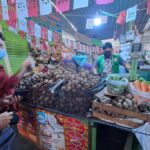
Your tour begins at the entrance of Mercado Nº 1 de Surquillo in Surquillo (Surquillo 15047). You meet your guide there, and the pace is set immediately: this isn’t a slow wander. It’s a focused market walk designed to teach you how Peruvian ingredients are organized and used.
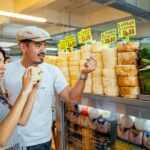
In about 50 minutes, you move through the market and get pointed to fruit, vegetables, legumes, herbs, meats, fish, and seafood. That sounds broad, but the value is in how it’s explained. You’re not just staring at colorful piles; you’re learning names and categories, and you’re connecting what you see to what later ends up on plates in Peru.
One underrated part: the guide doesn’t treat the market like a museum. You learn that different vendors specialize, and the route helps you understand why a dish tastes the way it does. When you know the ingredient family, ordering in Lima later gets way easier.
Tip for the market: wear something you can comfortably move in, and keep your jewelry simple. The dress code is no expensive jewelry during the market portion, which is a smart, practical rule.
You can also read our reviews of more food & drink experiences in Lima
The 35-fruit tasting: your Peru ingredient cheat sheet
The biggest centerpiece of the experience is the tasting: 35+ fruits sampled during the market portion, with small portions. The point isn’t to get stuffed. It’s to let your taste buds sample a wide range while your stomach stays ready for lunch.
What you gain is recognition. After a session like this, you start noticing that Peru’s fruit scene is not just about what’s common elsewhere. You get a chance to taste unusual flavors and textures, which helps you understand why certain Peruvian combinations work so well.
Another plus: you also hear about little-known plants, roots, and seeds from the Andes. Even if you never cook with those exact items at home, the knowledge changes how you read a menu. You’ll start thinking in terms of ingredient behavior—sweet vs. tangy, starchy vs. herbal, familiar vs. local—and that makes Peruvian eating feel less like guesswork.
If you’ve ever felt overwhelmed by what to order in Lima, this fruit block is the antidote. You end up with a mental map of what you tasted and what it might pair with.
Miraflores stop: a short repositioning before the kitchen
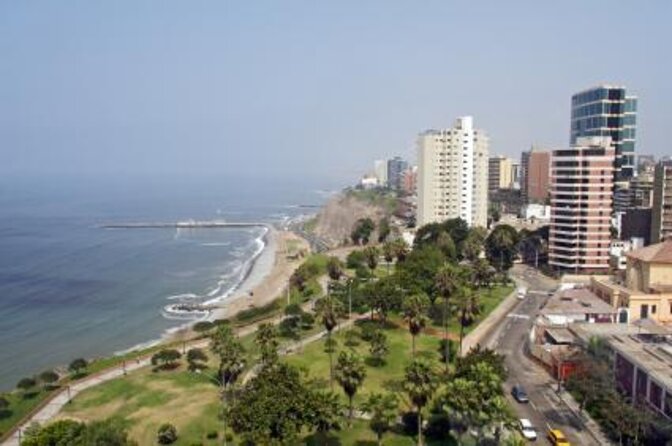
After the market time, the tour includes a stop in Miraflores before heading to the cooking venue. This isn’t a long sightseeing detour; it’s more like a practical pivot point between the market energy and the kitchen workflow.
For you, the benefit is timing and transition. You get a break from market foot traffic and you move into the class set-up with your head cleared. If you like to understand a city layout while you travel, Miraflores is also a helpful reference point for orientation—especially when you later use that knowledge to navigate Lima on your own.
It’s also a good moment to slow down before you start cooking. The class portion is hands-on, and you’ll be glad you’re not rushing straight from a dense market into a long food-prep session.
SkyKitchen Peruvian cooking class: hands-on, not hands-off
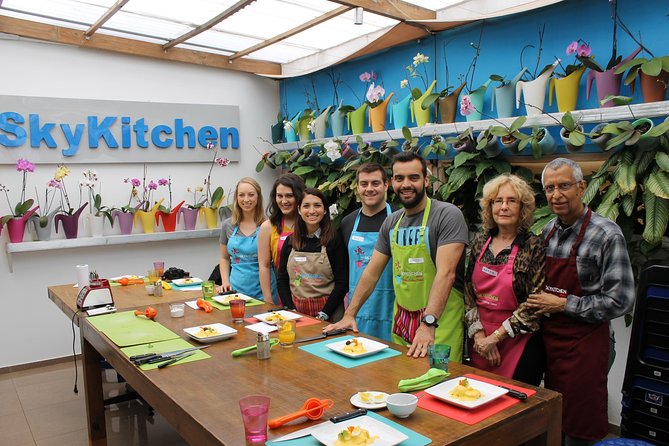
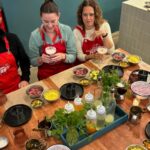
The cooking happens at SkyKitchen Peruvian Cooking Classes. Expect a rooftop-style setting with views of the city, which makes the atmosphere feel lighter after a concentrated market morning.
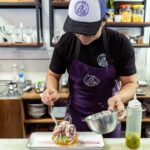
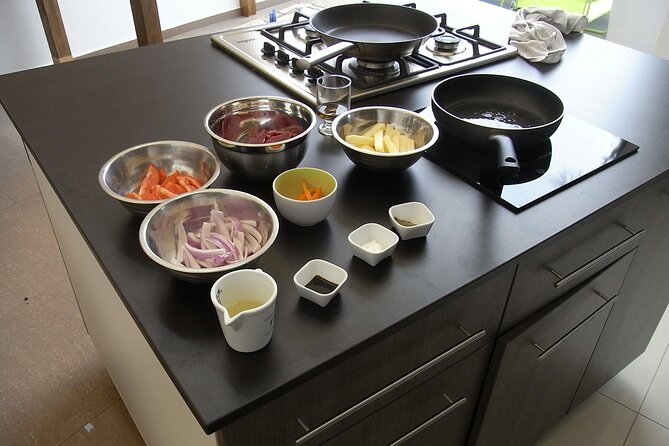
The format is built around you cooking—washing, prepping, assembling—while the staff and chefs guide you through smoothly. That matters. Many cooking classes teach you techniques but still feel passive. Here, the process is structured so you’re actively involved without having to be a professional in the kitchen.
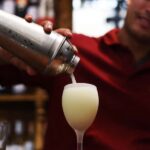
There’s also a smart pacing choice: you make a Pisco Sour first, after the fruit tasting, so the class starts with something fun and very Peruvian. Then you move through four courses, all prepared by yourself, with help where needed.
What you actually learn in the kitchen
This class is not just about eating. It’s about understanding why flavors and textures fit together. Because you toured the market first, the ingredients feel less random and more intentional.
You also leave with a clearer sense of what’s truly Peruvian versus what could be interpreted as imported. In the kitchen, that distinction becomes practical: you learn the ingredient roles, not just the recipe names.
And if you’re the type who likes a “repeat at home” project, the class flow is designed to build a recipe collection you can reference later.
You can also read our reviews of more shopping tours in Lima
Pisco Sour and a 4-course lunch: the part you’ll talk about later
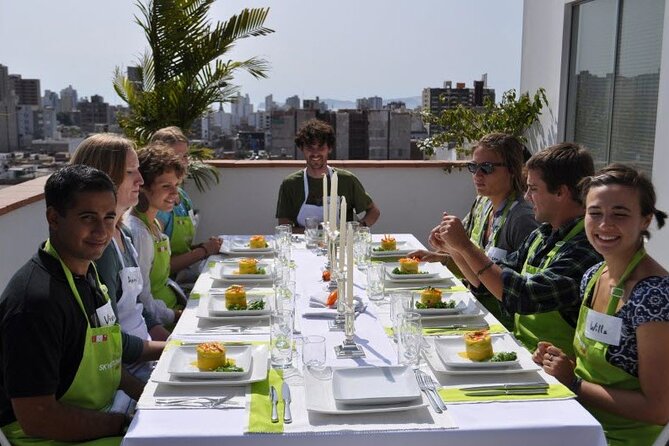
The included meal is a 4-course lunch that you prepare. Between courses, you eat what you made, which keeps the session lively and prevents that awkward cooking-only feeling.
You also get water and juice during the class. For the alcohol piece, you’ll have Pisco Sour included as part of the experience. Beer and wine are not included, so if you’re a wine person, you’ll want to plan for that separately.
What makes this lunch feel like value is the full sequence: you aren’t just tasting one dish. You’re doing a progression of cooking, eating, and adjusting your understanding as you go. By the time the last course arrives, you’re not just full—you feel like you know what you ate and why it matters.
Portion logic: you stay ready to cook
The small fruit samples are also part of why this works. You’re not arriving at the kitchen overwhelmed by sweetness or stuffed fruit. That means you can focus on the cooking steps and actually enjoy the meal you create.
Vegetarian and food restrictions: how to get the right version
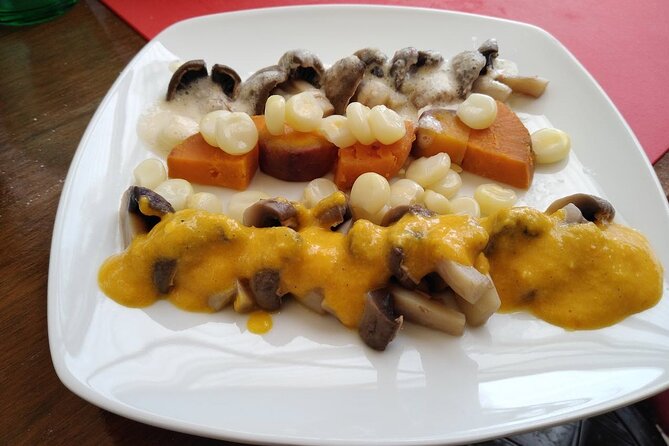
Good news: there’s a vegetarian option available. If you want it, you need to advise during booking so the kitchen can plan accordingly.
You can also tell the provider about any food restriction or allergy. Since the class is built around real ingredients from the market, this is the right move: don’t wait until you arrive and hope for a swap.
Also note the practical rule about kids: children up to 10 years old must be accompanied by an adult.
Price and value in Lima: is $125 a fair deal?
At $125 per person, this isn’t a budget grab. But it’s priced like a “do it right” food experience, and the math works when you look at what’s included.
You’re getting:
- A guided market tour with 35+ fruit samples
- Transportation from the market to the cooking class
- All cooking ingredients for four courses
- Drinks: water, juice, and a Pisco Sour
- A small-group cap (up to 12 people)
If you compare that to paying separately for a cooking class plus a market tour plus your food and drink costs, it starts to look less expensive and more like a smart bundle. The small-group limit also matters. When you’re in a group of 12 or fewer, it’s easier to get help, ask questions, and keep the kitchen rhythm from turning into chaos.
My take: this price is a good value if your goal is learning plus eating. If you only want one or the other (just a fruit sampler, or just a cooking class), you may wonder whether you need the whole package.
Who should book this Lima market + cooking combo
I think this tour fits best if you:
- Want to understand Peruvian ingredients, not just taste dishes
- Love markets and want guidance on what you’re seeing
- Prefer small groups and hands-on learning
- Plan to eat out in Lima after and want a menu advantage
It also works well as a day plan that feels meaningful. You start in Surquillo’s food world, then you end at SkyKitchen with a meal you built yourself.
If you’re a picky eater, keep in mind you’ll be cooking and tasting what the class focuses on. The vegetarian option helps a lot, and letting them know your limits early is the best path.
Should you book this Lima market tour and 4-course cooking class?
Book it if you want Lima food to make sense quickly. The pairing of Surquillo Market plus SkyKitchen is the reason this stands out: the market makes the cooking feel grounded, and the cooking makes the market lessons stick.
Skip it if you’re short on time, don’t want a set start time at the market, or you’re mainly looking for sightseeing rather than food education. Also, if you’re expecting wine or beer included, plan for that separately since only Pisco Sour is part of the package.
If you’re choosing one food experience in Lima and you like to learn through taste, this is a strong pick.
FAQ
What is the duration of the Lima market and cooking class?
It runs for about 5 hours.
How much does the tour cost?
The price is $125.00 per person.
Where do I meet the guide?
You meet at Mercado Nº 1 de Surquillo (Surquillo 15047, Peru), at VXJF+MPH.
What time does the tour start?
The start time is 9:00 am.
How big is the group?
The tour is limited to a maximum of 12 travelers.
How many fruits will I taste?
You’ll have 35+ fruit samples.
What’s included in the cooking class lunch?
You’ll prepare and eat a 4-course lunch, plus you’ll have water and juice and Pisco Sour.
Is there a vegetarian option?
Yes. A vegetarian option is available—you should request it at the time of booking.
Can I cancel or change my booking?
This experience is non-refundable and cannot be changed for any reason.
Is there anything I should know about dress code or kids?
Wear no expensive jewelry for the market tour. Also, children up to 10 years old must be accompanied by an adult.