REVIEW · PARACAS
Paracas: Ballestas Islands Boat tour – Islas Ballestas
Book on GetYourGuide →Operated by The Traveller Agency · Bookable on GetYourGuide
Penguins and sea lions, on one two-hour boat ride. From the El Chaco pier, this cruise takes you to the Ballestas Islands, often called the Galapagos of Peru, for a high-density wildlife show along the rugged coast.
I like the odds of seeing lots of different animals in a short time: sea lions, Humboldt penguins, dolphins, and even whale watching are part of what the outing is set up to look for. I also like the way the route builds the story—first you catch the famous Candelabro shape on the way out, then you reach the islands with rock formations and seabird colonies packed with guano birds.
The one drawback to plan around is communication and meeting logistics. One past booking noted trouble tracking the operator in Paracas and said messages from Izi Peru were not clear, so you’ll want to double-check the day-before instructions sent by WhatsApp and email.
In This Review
- Key things to know before you go
- El Chaco Pier: where the Ballestas cruise really starts
- The Candelabro sighting en route: Nazca vibes from the water
- Ballestas Islands: rock formations, penguins, and the sea-lion colonies
- Humboldt penguins and sea lions
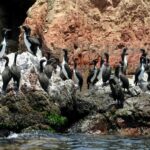
- Seabirds and guano birds by the thousands
- More smaller species: guanays, chuitas
- Dolphin watching and whale spotting on open water
- The “two hours” truth: fast pace, high payoff
- What’s included (and what isn’t) so you can judge the real price
- Is $35 good value for Ballestas?
- Comfort tips that actually matter on this cruise
- The role of the guide: spotting, naming, and keeping the pace fair
- Who should book this Ballestas Islands tour?
- Should you book? My take on the decision
- FAQ
- How long is the Ballestas Islands boat tour?
- Where do I meet for the tour?
- What animals can I expect to see?
- What’s included in the price?
- Are taxes or food included?
- What should I bring?
Key things to know before you go
- Real wildlife variety in a short window: penguins, sea lions, dolphins, and whales are all on the lookout list during the 2-hour cruise.
- A Nazca-style stop before the islands: you’ll spot the Candelabro sand figure on the route out.
- The islands are a birds-and-mammals factory: expect colonies of seabirds, tons of guano birds, and sea lions sharing the same coastline.
- It’s a guided outing with essentials included: you get the boat ticket, a lifejacket, and a tour guide.
- You’ll be in sun and salt air: bring sunscreen, sunglasses, and a hat so you can focus on the wildlife instead of squinting.
El Chaco Pier: where the Ballestas cruise really starts
This tour is built around a simple starting point: Paracas – El Chaco Pier. That matters because Ballestas isn’t a long, slow journey. You’re getting right onto the water and into the wildlife zone, with time kept tight so you can squeeze it in between other Paracas plans.
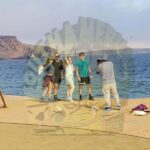
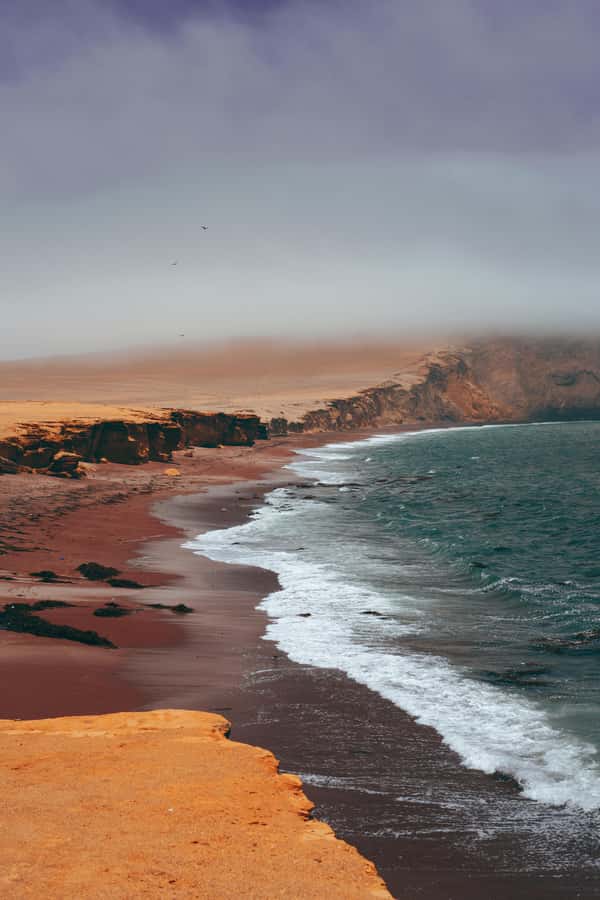
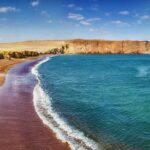
From the pier, you also get a preview of what you’re about to see. The bright coastal scenery and the lively dock area set the tone for the trip. You’ll likely be thinking, okay, this is Peru’s Pacific edge—dry, dramatic, and packed with life where the water stays productive.
Two practical notes help your experience feel smooth. First, confirm your timing the day before by WhatsApp and email so you don’t waste time searching. Second, arrive with sun gear already on. The cruise is short, so if you forget sunscreen, you’ll feel it.
You can also read our reviews of more boat tours in Paracas

The Candelabro sighting en route: Nazca vibes from the water
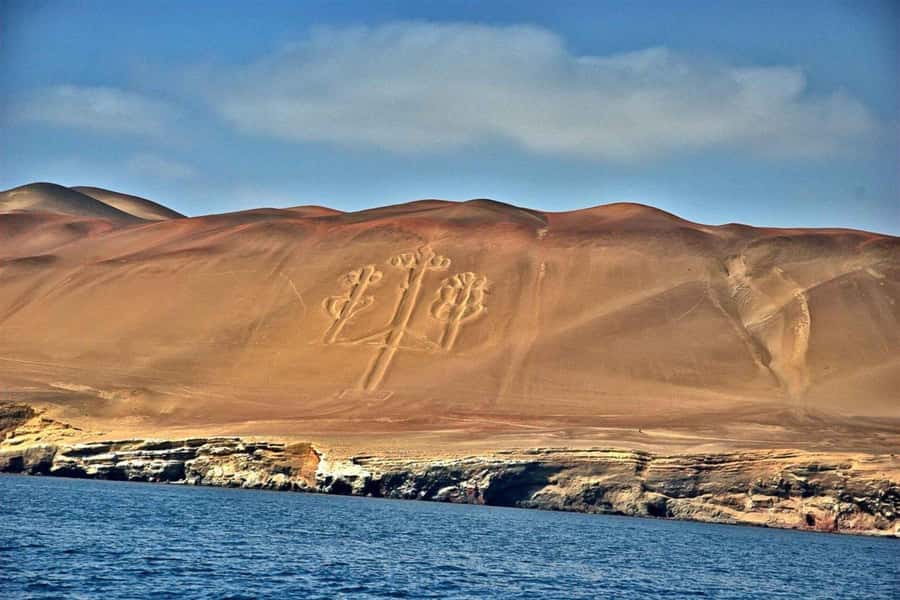
Before you reach the islands, the boat heads out past a famous roadside-on-a-hill landmark: the Candelabro. It’s drawn in sand on the side of a hill, in the style of the Nazca Lines. Even if you don’t know the exact story behind it, it works as an instant visual hook—something big and mysterious, sitting out on the coast like it belongs to another era.
What I like about this part is that it changes your attention from logistics to geography. You stop thinking just about the animals and start seeing how the region is layered: Nazca line-style symbols, desert coast, and then marine wildlife once you’re out on the water.
If you like photography, this is also a good moment to frame your shots. The boat is still near shore enough that you can often find angles without the scramble of a busy open-water wildlife sprint.
Ballestas Islands: rock formations, penguins, and the sea-lion colonies
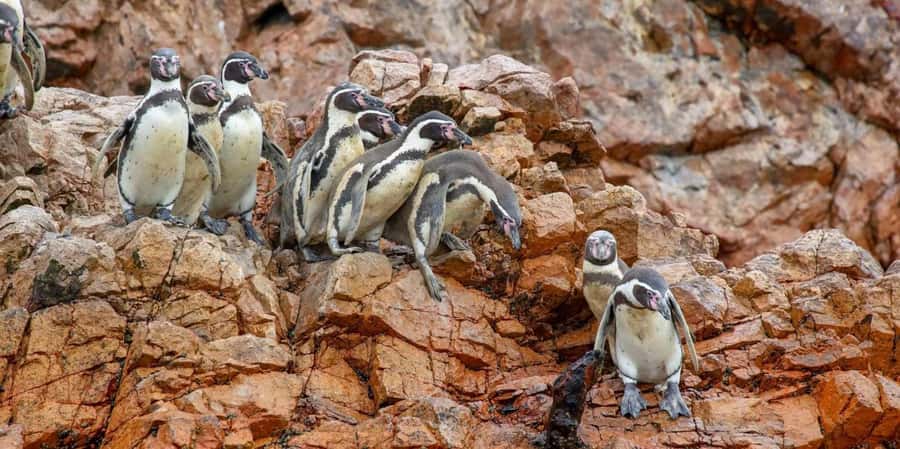
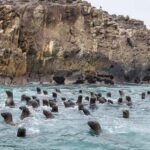
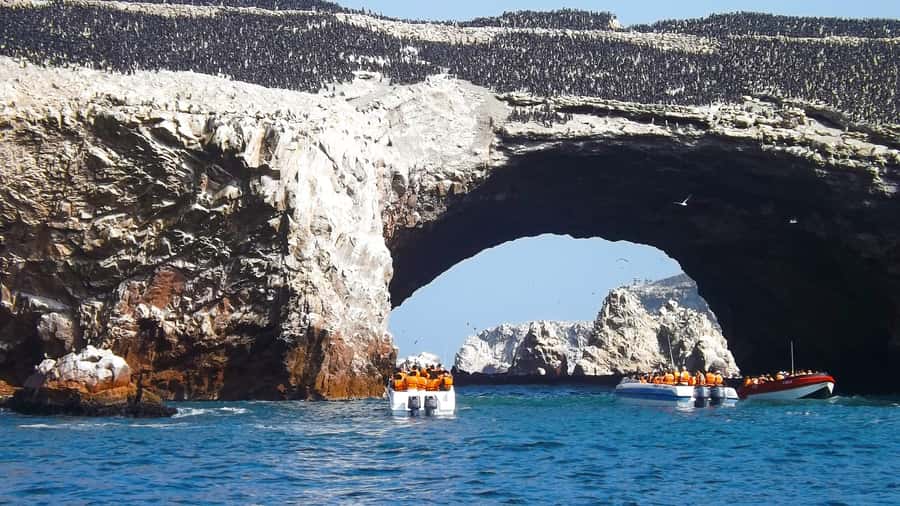
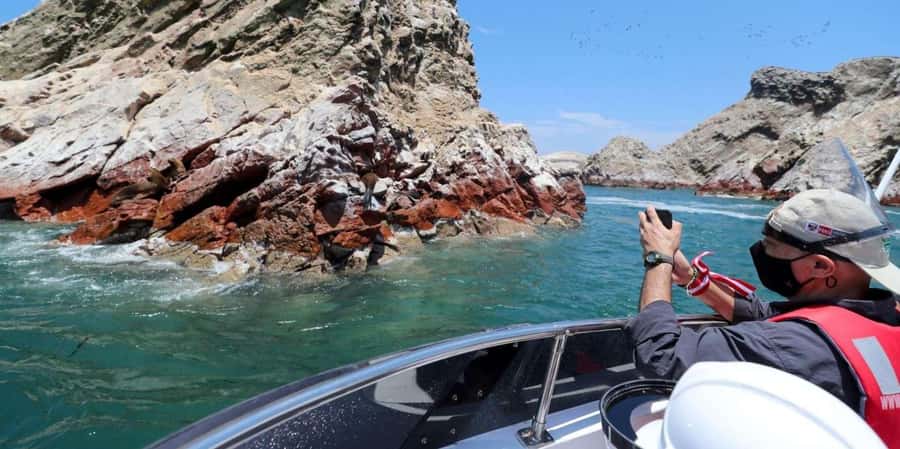
Once you arrive, the trip shifts into full wildlife mode. The islands are known for rock formations and a packed mix of marine species. This is why people call it the Galapagos of Peru. You’re not visiting one isolated species site. You’re walking the boundary where seabirds, sea lions, and marine predators all keep showing up.
Humboldt penguins and sea lions
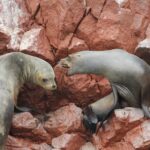
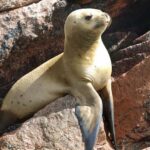
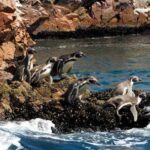
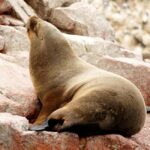
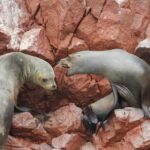
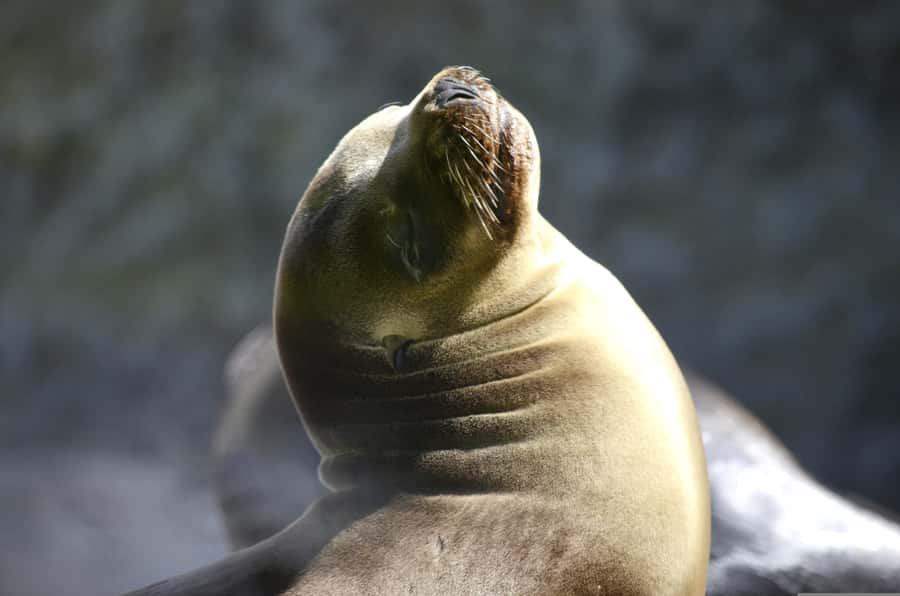
You’re specifically looking for sea lions and Humboldt penguins. The strong point here is not just that these animals exist at Ballestas, but that they’re part of the island’s daily life—shared viewing areas, active colonies, and that sense that the animals are using every inch of the habitat.
The route also mentions a stop point described as a kind of sea-lion maternity zone. That’s a big deal for visitors who want more than scenery. It’s the kind of moment that makes the trip feel real and not just a drive-by.
Seabirds and guano birds by the thousands
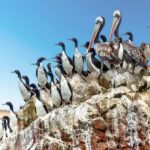
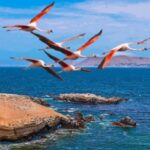
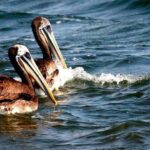
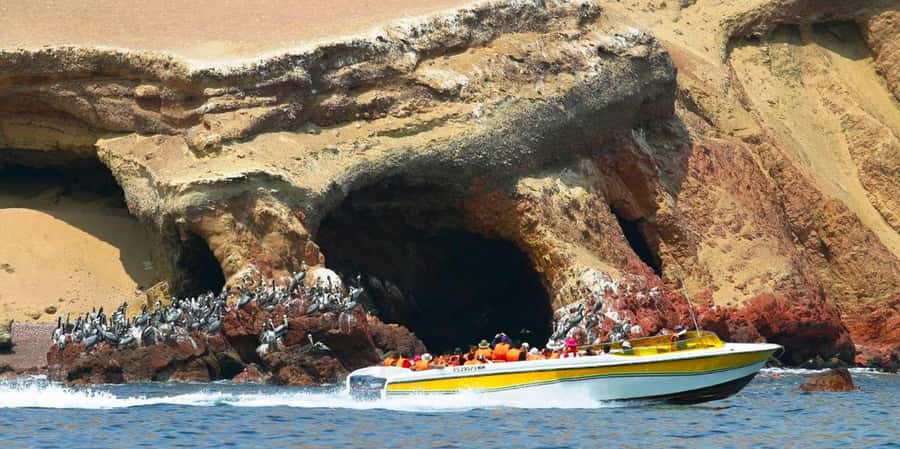
Then come the birds. Expect pelicans, oystercatchers, and categories of guano birds in huge numbers. The tour description highlights thousands of migratory birds and calls out colonies living alongside sea lions. It’s loud in the way only seabird colonies are loud—lots of motion, lots of wingbeats, and lots of activity on the rocks and shoreline edges.
This is also where the name “Galapagos of Peru” earns its nickname. Not because it’s identical to Ecuador, but because the scale of life is similar: many species, close together, doing their thing in a compact viewing area.



More smaller species: guanays, chuitas
The itinerary also references species like chuitas and guanays. Even if you don’t memorize the names, you’ll still feel the variety. You’re seeing different bird types, different body shapes, and different behaviors, instead of one predictable sight.
Dolphin watching and whale spotting on open water
Dolphins are part of the experience plan, and whale watching is also listed as something the boat looks for during the cruise. In practice, this kind of wildlife search always depends on the water conditions and where animals decide to surface. Still, what you’re paying for here is a boat outing organized specifically for marine sighting time, not a generic transfer ride.
What helps is that the cruise is long enough to give the crew chances to look around without dragging into a half-day. You’ll have time to slow down and actually scan the water, instead of rushing past the best viewing window.
If you’re the type of traveler who gets excited by anything that breaks the surface, keep your head up. Dolphins can appear fast. Whales may be more intermittent. The best strategy is simple: stay alert, but don’t tense up. Let the guide’s search pattern do the work.
The “two hours” truth: fast pace, high payoff
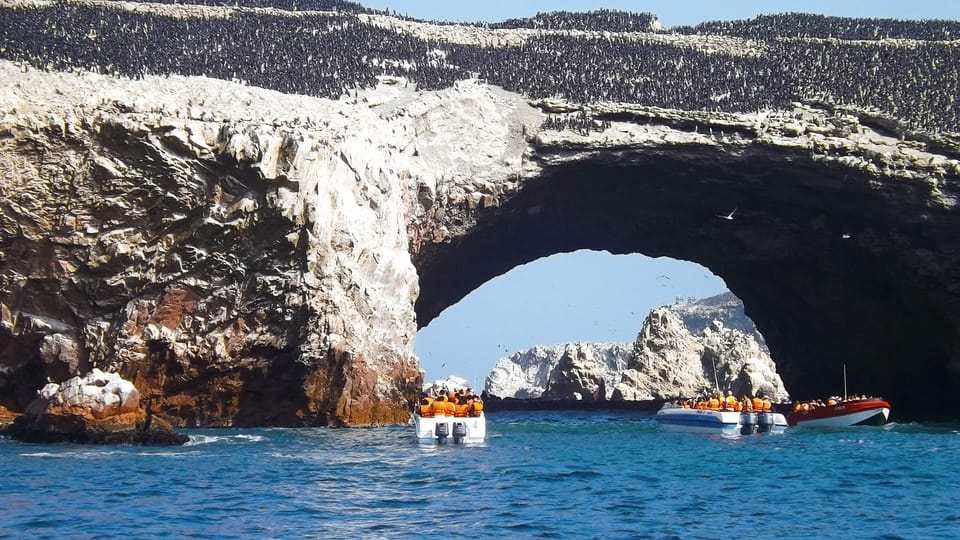
This is a 2-hour tour. That timeframe is a value driver. You’re not committing a whole day, and you’re not stuck on the boat long enough for fatigue to ruin your attention. In short: you get a focused wildlife session.
The trade-off is that you’ll want to be ready right away. If you arrive late, start with the wrong expectations, or take too long to settle in, you’ll feel it quickly because the schedule is tight. That’s also why sun protection and camera prep matter. You don’t have a long slow travel buffer.
Think of it as a “see the highlights” outing. If you’re hungry for detailed bird-watching or marine biology study, you might prefer a longer guided program. But for most people visiting Paracas, this length is exactly what makes the day work.
What’s included (and what isn’t) so you can judge the real price
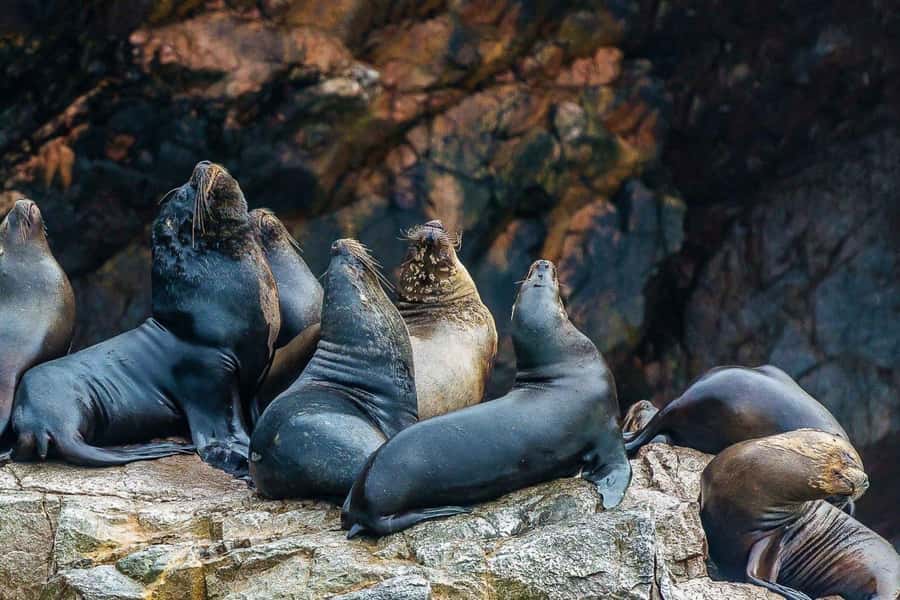
The advertised price is $35 per person. What’s included is clear: your boat ticket, a lifejacket, and a tour guide. That’s a solid core because it covers the expensive part of the experience—getting out onto the water with a guide who can help you spot and interpret what’s around you.
Not included: tourist taxes to the Ministry of the Environment, listed as S/16.00 (indicative and subject to variation). So when you budget, plan for the base price plus that tax. Food and personal expenses aren’t included either, so bring your own water and snacks if you want them.
Is $35 good value for Ballestas?
For a short, guided wildlife cruise with a high chance of seeing multiple iconic animals (sea lions, Humboldt penguins, dolphins, and whale watching), I’d say it’s good value—especially if you only have limited time in Paracas. The price also lines up with the fact that the trip is structured around specific sighting windows rather than generic sightseeing.
If you’re the kind of traveler who needs comfort extras—premium seating, long stops, or a private boat—this might feel basic. But that’s not the point of this outing. The point is to get you out fast, with the essentials handled, for the wildlife spectacle.
Comfort tips that actually matter on this cruise
You’ll want to travel light but smart. The provided packing list is basically your best plan: sunglasses, a sun hat, sandals, camera, food and drinks, and sunscreen.
Here’s how I’d think about it:
- The sun in coastal Peru can hit hard, and you’ll be outside while scanning the water.
- Salt air and wind can make eyes water fast, so sunglasses aren’t optional if you’re camera-ready.
- Food and drinks help because the tour is only 2 hours, and you don’t want to rush out hungry.
Also remember the lifejacket is included. That’s reassuring for day-to-day comfort. Still, you’ll want to dress sensibly for a boat: comfortable shoes or sandals with stable grip, and layers if the breeze gets chilly.
The role of the guide: spotting, naming, and keeping the pace fair
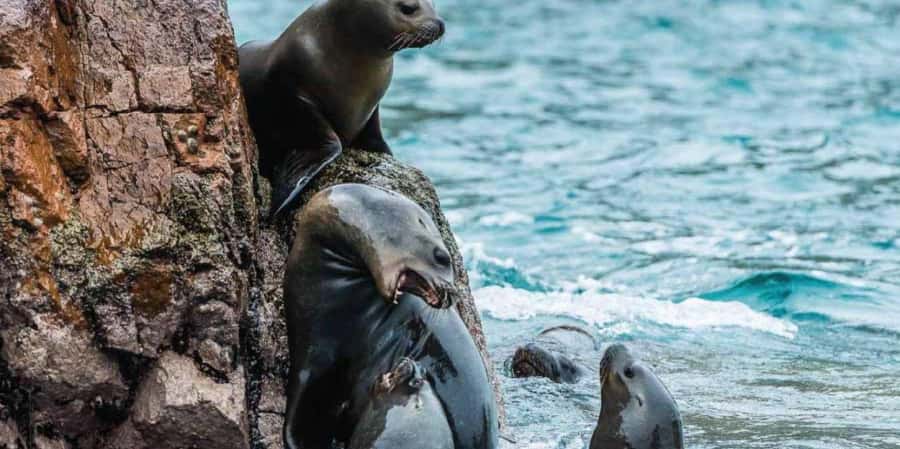
This tour is guided, with languages listed as Spanish and English. A good guide matters a lot on wildlife boat trips. Animals don’t pose on schedule. The guide helps you read what you’re seeing—pointing out sea lions, telling you what birds are in the colony, and keeping the search moving without turning the trip into frantic chaos.
Even the travel feedback included in your planning picture points toward friendly guidance and a generally positive experience when the boat crew communicates clearly. The caveat is that communication from the operator side can be uneven. So you should rely on the official day-before message and keep it handy on your phone.
Who should book this Ballestas Islands tour?
This is a great fit if you:
- Want a wildlife-focused Paracas outing and have only a couple of hours.
- Love seeing multiple species in one go: sea lions, Humboldt penguins, seabirds, and the chance of dolphins and whales.
- Prefer a guided experience with the main essentials handled.
It’s also a good option for families and first-time visitors, because it’s structured, timed well, and designed around big, memorable sightings.
If you’re a hardcore birder who wants long, calm viewing and deep identification time, you may find the pace short. But for most travelers coming through Ica Region, Ballestas hits the sweet spot.
Should you book? My take on the decision
Book this tour if your goal is a high-impact wildlife outing from Paracas without a full-day commitment. With the Candelabro stop en route and a 2-hour cruise that’s designed for marine life viewing—plus a guide and lifejacket included—the value equation is strong.
I’d hesitate only if you know you struggle with meet-up clarity. The one consistent planning warning is communication and finding the operator in Paracas. If you handle that by confirming your details the day before and arriving with a little extra buffer, this trip can be one of your best, most memorable hours on the coast.
FAQ
How long is the Ballestas Islands boat tour?
The tour lasts about 2 hours.
Where do I meet for the tour?
The meeting point is Paracas – El Chaco Pier.
What animals can I expect to see?
You’ll have chances for dolphin watching, marine life viewing, and whale watching, and the tour highlights sea lions, Humboldt penguins, plus seabirds such as pelicans and oystercatchers.
What’s included in the price?
Included are the boat boarding ticket, a lifejacket, and a tour guide.
Are taxes or food included?
No. Tourist taxes to the Ministry of the Environment (listed as S/16.00, indicative) and food are not included.
What should I bring?
Bring sunglasses, a sun hat, sandals, a camera, food and drinks, and sunscreen.