REVIEW · CUSCO
From Cusco: Uros Excursion to Uros Island – Taquile + Lunch.
Book on GetYourGuide →Operated by Viajeros a Peru · Bookable on GetYourGuide
Lake Titicaca feels unreal at dawn. This excursion strings together Uros reed islands and Taquile with an overnight run between Cusco and Puno.
I especially like the wide-open views from the Lake Titicaca water, and I like that you get a proper Taquile lunch at a local restaurant, not just a quick bite.
The catch is effort and timing: you’re on night buses and Taquile includes a steep 1-hour uphill walk, so this is best for people who don’t mind feeling it.
In This Review
- Key points before you go
- Cusco-to-Puno by night bus: the trade-off you’re really buying
- Breakfast, port timing, and getting out onto the lake
- Uros Islands on totora: what the reed-life experience gives you (and what it can’t)
- Taquile Island: the walk, the village view, and why the day improves here
- The lunch moment: included, local, and timed to keep the day moving
- Returning to Puno and having that free afternoon
- Price and what’s really included (vs. what costs extra)
- Who this Uros + Taquile tour suits best
- Should you book this Uros and Taquile excursion?
- FAQ
- Where does the tour start in Cusco?
- What time do you arrive in Puno?
- What time do you go to the port in Puno?
- Which islands are visited?
- Is lunch included?
- Are the boat rides included?
- Is a traditional totora boat ride included?
- What languages is the guide available in?
Key points before you go
- Uros and Taquile in one day: you cover two island worlds with a guided stop in Uros and a bigger cultural shift on Taquile.
- A real lunch on Taquile: it’s included and meant to be local, sitting part of the day away from the boat schedule.
- A long walking climb on Taquile: there’s a 1-hour walk to reach the village area, with a noticeable uphill portion.
- Overnight buses split the trip: you leave Cusco at night, sleep on the bus, and arrive early in Puno.
- Optional totora boat extra: a traditional totora boat ride is listed as not included (15 soles).
- Small-group limit on paper: the tour states a small group up to 15, but you should still be ready for busy days.
Cusco-to-Puno by night bus: the trade-off you’re really buying
This trip is really two things: an early start on Lake Titicaca and a fast, overnight transport loop that saves you from adding extra days. You pick up in Cusco at 9:00 PM, board the tourist bus around 10:00 PM, and arrive in Puno at about 5:30 AM.
In practice, the overnight bus is a big part of the experience. One thing that can go your way here is comfort—some travelers have described the sleeper-style buses (couchettes) as surprisingly comfortable. That matters because when you’re trying to do Uros and Taquile in a single day, you’re going to be relying on this rest time.
Still, you should treat this as a “long day, not a relaxed day.” You’ll be awake for island time, then you’ll turn around and do the return run: leave Puno at 9:00 PM and reach Cusco again around 5:30 AM. If you hate rushing and climbing, you’ll feel the schedule. If you like stacking highlights and you’re okay with fatigue, this format can work well.
You can also read our reviews of more tours and experiences in Cusco
Breakfast, port timing, and getting out onto the lake

Once you arrive in Puno at 5:30 AM, you’re picked up at the bus station and taken for breakfast. From there, the morning moves quickly. You’ll be picked up from your hotel around 7:00 AM (near the main square area) and transferred to the port.
This early timing is part of the value. A boat ride on Lake Titicaca isn’t something you want to drag into midday chaos. Starting early means you can get your island visits done while the day is still moving at a calmer pace.
What you’re doing in these first hours is simple: get fed, get to the dock, and let the lake set the tone. If you’re the type who enjoys watching a day unfold slowly, that initial glide out on the water is often the moment that makes the long bus ride feel worth it.
Also, keep your expectations realistic about logistics. You’ll have guided time on the islands, a set lunch plan, and boat return timing. This is not the kind of trip where you can wander independently whenever you want.
Uros Islands on totora: what the reed-life experience gives you (and what it can’t)
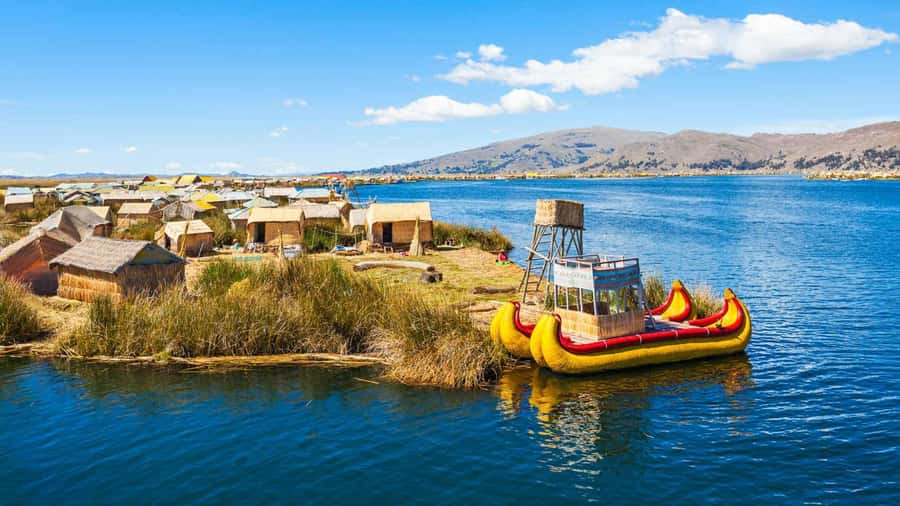
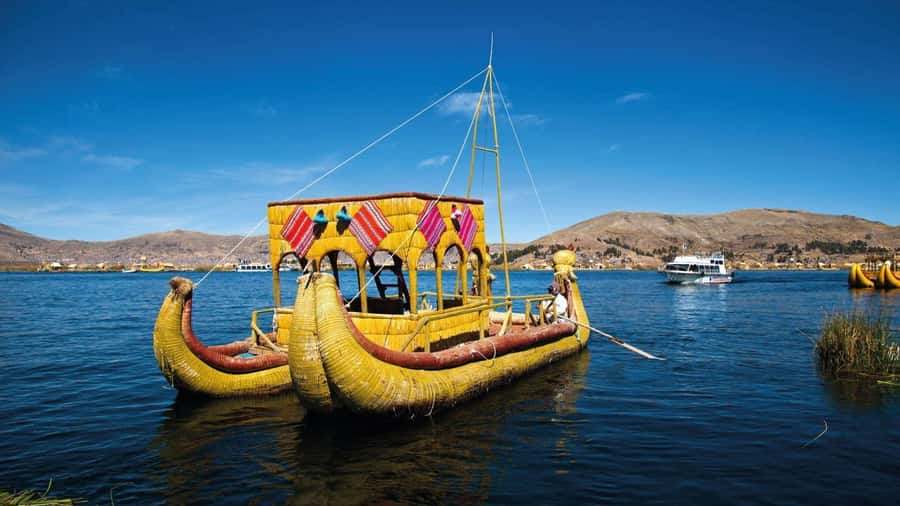
Uros is the first island stop, and it’s built around totora reeds—not just as scenery, but as the core building material. Your guide shows how the island platforms, homes, boats (rafts), fuel, and even food sources relate to the reeds.
This is the main reason the stop feels so interesting: Uros isn’t a museum. It’s a living adaptation to the lake. The idea is that the reed ecosystem and daily life are connected in a very direct way.
That said, Uros has a reputation for feeling more visitor-facing than other places. You should go in with the right mindset. The tour format focuses on interpretation and demonstration, and you may see “show” energy around how life on the islands works. One traveler summed it up as feeling like an overly touristy setup on what’s supposed to be an authentic reed community.
If your priority is raw, low-interruption daily life, Taquile tends to feel more natural once you’re off the first island. If your priority is learning how reed construction supports survival on the lake, Uros delivers the educational angle.
Practical tip: there’s an extra listed option for a traditional totora boat ride (15 soles). If you want to add that, plan to have Peruvian soles ready. If you’d rather keep things simple, you can likely stay with the standard guided boat tour.
Taquile Island: the walk, the village view, and why the day improves here
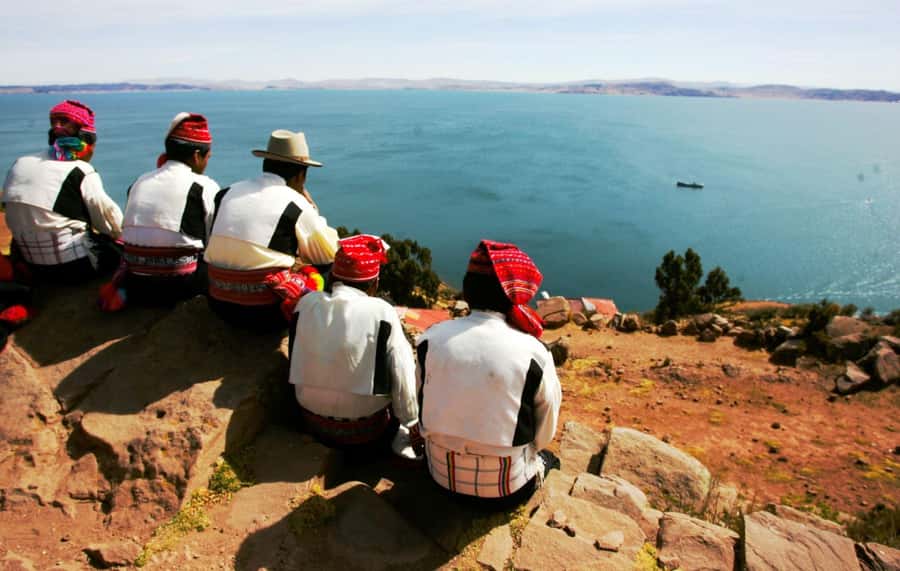
After Uros, you head to Taquile Island. This is where the tone of the day often shifts from “reed demonstration” to “culture you can feel.” Your plan includes a 1-hour walk to reach the village area, with a big climb built into that route.
This is the part you should think about before you book. If you have knee issues or you’re not comfortable with a steep uphill hike, this won’t be the best match. The upside is that getting up to the village area is also what gives you stronger views and a better sense of the island’s layout—so it’s not just exercise. It’s a forced viewpoint.
Once you reach the village, you’re treated to typical lunch at a local restaurant. Then you get free time to explore and meet inhabitants, with an emphasis on weaving and how people share their way of life.
Why the weaving part matters: on Taquile, crafts aren’t just souvenirs in the tour’s storyline. You’re shown how weaving fits into daily identity. Even if you only spend part of your free time chatting, it’s the kind of interaction that feels more human-scale than a quick photo opportunity.
If Uros is the lesson, Taquile is the payoff—especially if you want your Lake Titicaca day trip to feel less scripted.
The lunch moment: included, local, and timed to keep the day moving
Lunch is included and is described as a typical lunch on Taquile in a local restaurant. That’s a big deal on tours like this, because the schedule is tight and the boat timing is non-negotiable.
Why I like having lunch included here: it removes a common stress. You don’t have to guess where to eat, negotiate quickly, or lose time you need for the climb and the island exploration. It also puts you into the rhythm of the island rather than chasing your own plan in the middle of a tour day.
Is it gourmet? You shouldn’t assume anything beyond local and typical. But it’s a real meal at the right time, which is exactly what you want when you’ve been up early and you’ve got a hike ahead of you.
If you’re picky, have dietary needs, or want vegetarian options, you’ll want to ask in advance—your tour info only says lunch is included and is typical, with no specific menu details listed.


Returning to Puno and having that free afternoon

After the Taquile portion, you return to Puno by boat and arrive around 5:00 PM (normal boat). Then you get the afternoon free to explore the city center.
This window is your reset time. You’re not going back on the water again until later, because the return bus departs at 9:00 PM. So aim to keep your afternoon light: walk, stretch, eat something that isn’t in the tour plan, and enjoy being off a strict schedule for a few hours.
One practical note: your pickup times on both sides of the day are set. You’ll want to manage your time so you’re back at your hotel and ready for the evening transfer to the terminal.
If you’re the type who likes trying small local spots, this is your chance. If you’re tired, it’s also the time to rest properly before the night bus ride.
Price and what’s really included (vs. what costs extra)
The price is $150 per person for a tour described as 1 day, but it functions as a full overnight package with travel loops from Cusco to Puno and back. Here’s what’s included:
- Transfers to the Cusco bus terminal and back from Puno land terminal
- Tourist bus tickets Cusco → Puno and Puno → Cusco
- Pickup from the Puno bus station
- Normal boat tour for Uros + Taquile
- Traditional lunch in Taquile
- Pickup from your hotel near the main square at about 7:00 AM
What’s not included:
- Additional expenses
- A traditional totora boat option (15 soles)
- Food not mentioned
So is this good value? It can be, because the tour bundles the hardest part—transport—into one package while still giving you guided island time and lunch. For many people, the alternative is piecing together bus schedules and boat tickets separately, which can turn into a headache quickly.
Where you might lose value is if you strongly prefer less climbing and more free time. The steep Taquile walk and the overnight schedule are baked into the format. If those are dealbreakers, you’d likely be better off building a slower itinerary with more time on the ground.
Who this Uros + Taquile tour suits best
This tour fits best if you check a few boxes:
- You want two iconic Lake Titicaca islands in a tight schedule
- You’re okay with a day built around boats and set pickup times
- You don’t mind an uphill hike on Taquile (about 1 hour to reach the village area)
- You’re fine with staying flexible while your time in Puno is mostly the afternoon
It’s less ideal if:
- You want a relaxed pace and hate long travel days
- You’re sensitive to crowds and prefer smaller, quieter experiences
- You strongly dislike hills or steep walking
One more thing: the tour states a small group limited to 15 participants, but you should still ask your operator what the group size will be on your specific date. The difference between a calm group and a crowded one is huge on island days.
Should you book this Uros and Taquile excursion?
Book it if you want a well-packed Lake Titicaca day that includes the must-dos—Uros reeds, Taquile culture, and a real included lunch—and you’re comfortable handling overnight bus travel and a steep climb.
Skip it if you’re chasing a calm, unstructured day or if the 1-hour uphill walk on Taquile would push you past your limits. In that case, a slower plan with more time on the lake region usually feels better on your body and your mood.
If you do book, I’d plan for the fact that Uros may feel a bit tourist-facing, while Taquile is where the day tends to feel more meaningful.
FAQ
Where does the tour start in Cusco?
You’re picked up from your Cusco hotel around 9:00 PM and transferred to the bus terminal for the Cusco to Puno overnight bus.
What time do you arrive in Puno?
The bus arrives in Puno at approximately 5:30 AM the next day, and then you’re taken for breakfast.
What time do you go to the port in Puno?
You’ll have pickup around 7:00 AM from your hotel near the main square area, then you’ll be taken to the port to board the boat.
Which islands are visited?
You visit the Uros Islands (built with totora reeds) and then Taquile Island.
Is lunch included?
Yes. Lunch is included on Taquile as a typical lunch in a local restaurant.
Are the boat rides included?
Yes. The tour includes a normal boat tour for the Uros + Taquile route.
Is a traditional totora boat ride included?
No. A traditional totora boat ride is listed as an extra cost of 15 soles.
What languages is the guide available in?
The live tour guide is available in English and Spanish.