REVIEW · PUNO
Sillustani: Chullpas de Sillustani Afternoon Half-Day Tour
Book on GetYourGuide →Operated by PVTravel · Bookable on GetYourGuide
One place in Peru you can read like stone. The Sillustani chullpas are eerie, impressive, and close enough to Puno for a satisfying afternoon. You’ll see circular funerary towers tied to the Collao altiplano peoples, plus a small museum with clues from Kolla, Tiahuanaco, and Inca cultures, all with a guide who keeps things clear.
I love how direct the tour feels: pick-up around 2:00 PM, guided time at the ceremonial center, then you’re back in Puno by about 5:00 PM. I also love the atmosphere at Umayo Lagoon, where water reflects the sky and you can watch for the protected vicuñas on the nearby island reserve.
One consideration: because this is an outdoor site, weather can affect the experience. One rain-heavy visit still worked, but it can reduce visibility and photo comfort.
In This Review
- Key things I’d prioritize
- Sillustani in the afternoon: perfect timing from Puno
- Meeting the chullpas: funerary towers of the Collao altiplano
- What the museum adds: Kolla, Tiahuanaco, and Inca connections
- Chullpa del Lagarto: the Inca-era tower with a messy ending
- Umayo Lagoon: a calm view break with vicuñas in the background
- Price and value: is $45 worth it for Sillustani?
- How the tour actually runs: what to expect from the flow
- Weather and comfort: the one wild card you should plan for
- Who this tour fits best (and who should think twice)
- Final verdict: should you book Sillustani with PVTravel?
- FAQ
- What time does the tour pick you up in Puno?
- How long does the Sillustani visit take?
- Where is Sillustani located relative to Puno?
- What language is the guide available in?
- What’s included in the price?
- What should I bring, and are there any bag restrictions?
- Is the tour wheelchair accessible?
Key things I’d prioritize
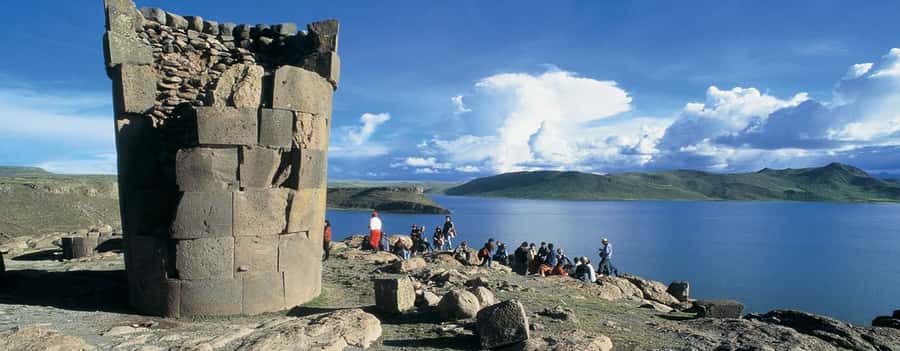
- Circular chullpas up to 12 meters high that show smart funerary architecture
- Chullpa del Lagarto, tied to the Inca era and later destruction by huaqueros
- A quick stop at the site museum with artifacts linked to Kolla, Tiahuanaco, and Inca
- Umayo Lagoon as your scenic reset, with vicuñas protected on a nearby island reserve
- Hotel pick-up in Puno plus transport, entrance fees, and a professional guide for a simple afternoon plan
Sillustani in the afternoon: perfect timing from Puno
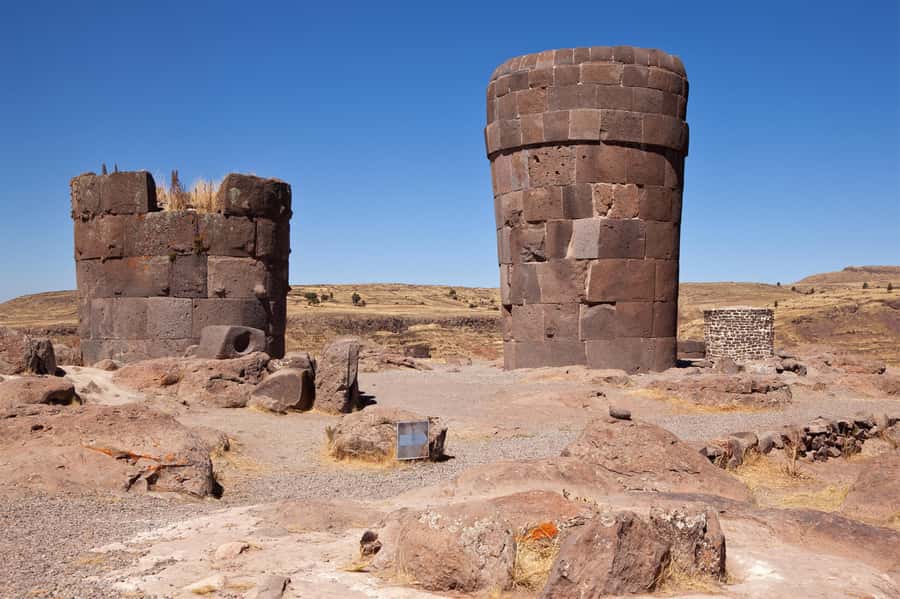
This half-day tour is built for people who want a strong cultural stop without sacrificing the rest of their day in Puno. You’re picked up around 2:00 PM and taken about 34 km from Puno to the Sillustani ceremonial center. Even though the full tour is listed as 6 hours, the time on-site is about 1 hour, with the rest going to travel and a couple of short, guided additions.
In plain terms, that makes it feel manageable. You’re not committing to a long day of logistics, altitude guessing, and “will we get there in time” stress. The pacing is also friendly if you’d like to keep evening plans open back in town.
You can also read our reviews of more tours and experiences in Puno

Meeting the chullpas: funerary towers of the Collao altiplano
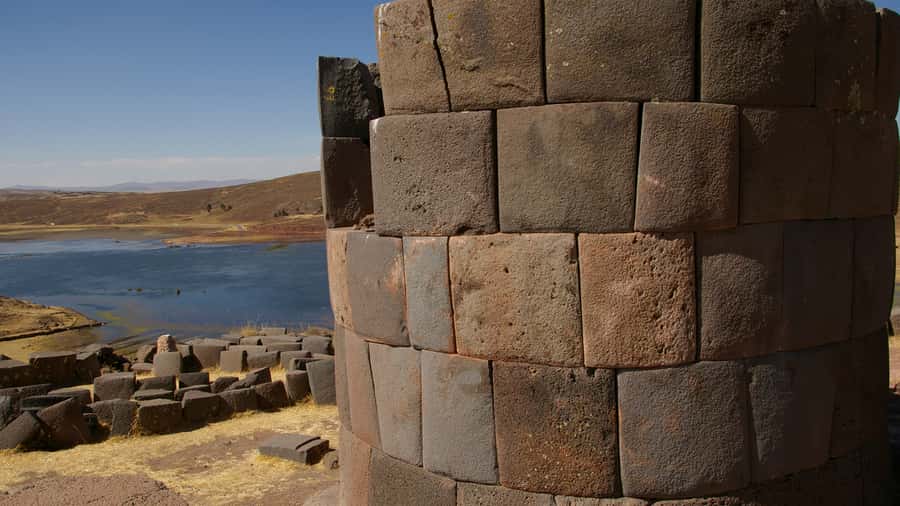
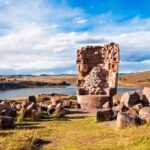
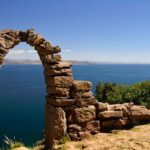
The headline here is the chullpas: circular stone towers erected as funerary structures for principal authorities of ancient settlers of Collao (Altiplano). They don’t look like random ruins. They look engineered.
One reason I like this site is the way the towers change from base to top. Some reach around 12 meters, and the design is described as narrowing toward the upper part. Even without fancy technical vocabulary, you can feel that this wasn’t thrown together. It was built to last and to signify status.
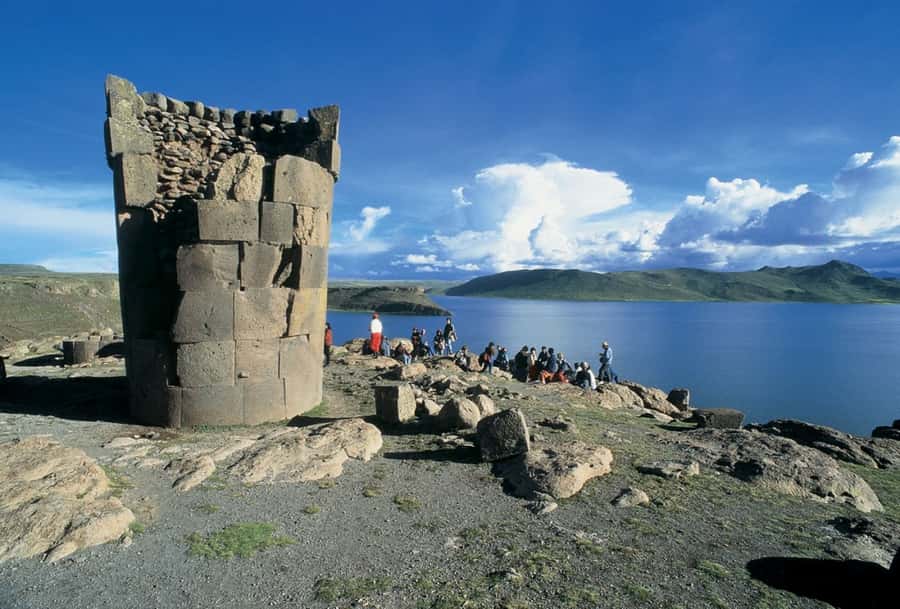
Inside the complex, your guide explains what you’re looking at—both the structures themselves and what they likely meant in a pre-Hispanic world. You’ll spend about an hour appreciating the architecture and taking photos during the areas the guide suggests.
Practical note: wear comfortable shoes. You’ll want stable footing on uneven ground around stone towers, especially if the sky is moody.
What the museum adds: Kolla, Tiahuanaco, and Inca connections
A short distance from the archaeological complex, there’s a site museum. This is where the visit gets more than just “look at cool ruins.” You see pieces associated with the Kolla, Tiahuanaco, and Inca cultures.
That mix matters because it helps you understand why Sillustani is discussed as more than one single chapter of time. Instead of getting stuck on one name—Inca only, for example—you get a broader cultural picture of the altiplano region and how different peoples and periods left material traces.
If you like tours where a guide helps you connect dots fast, this museum stop is a good use of time. It’s not long, but it gives context so your brain isn’t just collecting images.
Chullpa del Lagarto: the Inca-era tower with a messy ending
The most famous feature you’ll be pointed to is the Chullpa del Lagarto. It represents the highest chullpa of the complex and is described as built in the Inca era. The construction detail is worth paying attention to: it was raised with square stones that fit perfectly.
Then comes the darker, human part of the story. This tower was destroyed at the beginning of the 19th century by huaqueros, treasure seekers who targeted sites like this. That detail changes how you look at the ruins. You’re not only seeing sacred architecture. You’re also seeing what happens when people treat heritage like a source of loot.
I appreciate that the guide focuses on the meaning of the place and doesn’t skim the uncomfortable bits. It makes the visit feel more honest and less like a postcard.
Umayo Lagoon: a calm view break with vicuñas in the background
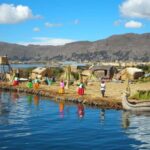
After the heavier stone-and-history part, Umayo Lagoon brings you back to earth. It’s described as a mirror of water reflecting blue sky and white clouds over Puno’s region. It’s a genuine visual pause.
There’s also an ecological angle. Umayo Lagoon has an island that serves as a reserve for protecting local vicuñas. Even if you can’t always see animals clearly from where you stand, knowing a protection effort exists nearby adds weight to the scenery. It’s not just pretty water—it’s part of a living system.
This is also where I’d expect your guide to build in photo time. In one of the strongest tour experiences described, the guide was relaxed but still managed pacing well—making sure you covered key points while leaving time for questions, pictures, and even browsing local goods on the way back.



Price and value: is $45 worth it for Sillustani?
At $45 per person, you’re paying for a straightforward half-day package: hotel pick-up in Puno, transport, entrance fees, and a professional guide. Meals and accommodation aren’t included, but that’s normal for this kind of short outing.
Here’s how I think about value: you’re not just getting bus rides to a viewpoint. You’re getting guided interpretation of the chullpas, a museum stop, and access to the site with entrance fees handled. For many solo travelers and couples, that simplifies planning in a place where you might otherwise hunt down tickets, transportation, and timing yourself.
Also, the tour’s structure helps. You get a meaningful stop at a high-impact archaeological site without turning it into a full-day trip that eats your entire schedule. If your goal is “one good archaeological hit near Puno,” this price makes sense.
How the tour actually runs: what to expect from the flow
Your day starts with pick-up from your hotel in Puno around 2:00 PM. If your hotel is outside Puno city center, you’ll be given a meeting point instead. Then you head toward the Sillustani ceremonial center about 34 km away.
At the site, plan for guided stops that match the main features: the chullpas themselves, the nearby museum, and the standout area for Chullpa del Lagarto. The time at Sillustani is described as about 1 hour, which is short enough that the guide has to focus on essentials. That’s a plus for many people. You’ll come away with names, context, and a mental map of what mattered—rather than leaving confused with a camera full of identical stone towers.
After that, you’ll experience the scenic Umayo Lagoon moment and then make your way back to Puno, arriving around 5:00 PM.
If you’re sensitive to rough pacing, this “short on-site, longer travel” structure is usually easier than day trips where everything feels rushed or where you spend more time waiting than learning.
Weather and comfort: the one wild card you should plan for
This tour is described as partially affected by intense rain on at least one visit. In that case, the experience was still considered interesting, but the situation changed how comfortably people could view and take photos.
So here’s my practical take: go in with the idea that conditions can shift quickly at high-altitude sites. If visibility or footing worsens, expect the guide to keep the visit moving and cover the key points anyway. It’s smart to ask questions and follow the guide’s lead on where to stand for the best view under changing light.
Comfort-wise, your packing list is simple: comfortable shoes and comfortable clothes. Also keep in mind that luggage or large bags aren’t allowed. If you’re carrying a big pack, downsize if you can, or store it so you’re not juggling bags at the site.
Who this tour fits best (and who should think twice)
This is a strong fit if you:
- Want a pre-Inca / Inca-era site that’s not a full-day grind
- Like clear interpretation from a professional guide (Spanish or English)
- Prefer an afternoon plan that returns you to Puno by early evening
- Enjoy archaeological sites where the design details matter, not just the photos
It’s less ideal if:
- You need wheelchair access, because the tour is not suitable for wheelchair users
- You dislike outdoor ruins in unpredictable weather
One more “fit” thought: the tour is built around history, architecture, and a bit of cultural connection. If you’re the type who likes seeing how different traditions overlap—like the museum’s Kolla, Tiahuanaco, and Inca pieces—you’ll likely enjoy it more than someone who only wants sweeping scenery.
Final verdict: should you book Sillustani with PVTravel?
If you’re in Puno and you want one high-value archaeological stop with minimal hassle, I’d book it. The combination of Sillustani chullpas, the Chullpa del Lagarto story, and the quick museum context makes this tour feel purposeful. Add in Umayo Lagoon for a visual reset, and the afternoon pacing works well for most schedules.
Book this tour if you want value, clear guiding, and a focused hit of altiplano funerary architecture. Skip it if you strongly need guaranteed weather-friendly photos or if mobility needs don’t match the site conditions.
If your schedule allows only one short cultural outing from Puno, this is a solid choice.
FAQ
What time does the tour pick you up in Puno?
Pick-up is around 2:00 PM from your hotel in Puno. If your hotel is outside the city center, you’ll get a meeting point instead.
How long does the Sillustani visit take?
The tour includes about 1 hour at the Sillustani ceremonial center, and the full tour runs about 6 hours total with travel time.
Where is Sillustani located relative to Puno?
Sillustani is about 34 km from the city of Puno.
What language is the guide available in?
The live tour guide is available in Spanish and English.
What’s included in the price?
The price includes hotel pick-up, transport, all entrance fees, and a professional guide.
What should I bring, and are there any bag restrictions?
Bring comfortable shoes and comfortable clothes. Luggage or large bags are not allowed.
Is the tour wheelchair accessible?
No. The tour is not suitable for wheelchair users.