REVIEW · PUCARA PERU
Cusco: Bus Turistico Puno Cusco con Tour y Buffet
Book on GetYourGuide →Operated by Turismo Mer · Bookable on GetYourGuide
A long bus day that actually feels like a tour route. This Puno–Cusco trip is built around guided stops like Andahuaylillas and the scenic La Raya (Paso de la Raya) pass, with a snack onboard and a buffet lunch in Sicuani, so you’re not just stuck watching clouds. I like the level of comfort (modern bus, roomy reclining seats) and the fact that the day is paced with frequent breaks and real cultural visits, not just a straight drive. One possible drawback: if you’re sensitive to bus climate control, be aware that air-conditioning performance can vary in practice.
What makes this especially interesting is the “day-trip” logic. You get a string of meaningful heritage stops between the two cities, plus an English-Spanish guide on board and at key locations, with oxygen and a first-aid kit included for peace of mind.
In This Review
- Key points before you go
- Why this Puno to Cusco bus feels like a cultural day
- Price and value: what $55 really covers
- Getting on board fast: meeting point and no hotel pickup
- The bus experience: comfort you can feel after the first hour
- How the day stays manageable: planned breaks, not constant rushing
- Andahuaylillas: the chapel stop that grabs attention
- La Raya (Paso de la Raya): road limit, big views, and a pause that matters
- Raqchi: the Temple of Wiracocha stop
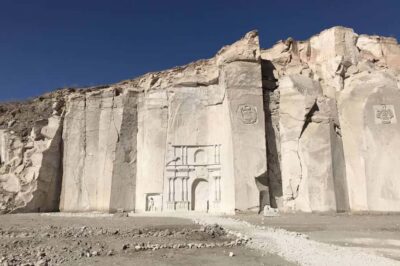
- Pukara: the Lithic Museum and why it’s more than a quick stop
- Lunch in Sicuani: La Pascana buffet, plus snack coverage
- Guide quality: bilingual promise, and one name to watch for
- WiFi and charging: handy, but signal depends on the road
- Safety and comfort extras: oxygen and first aid onboard
- Air-conditioning reality check: what to do if it feels hot
- Who should book this tour with buffet and stops
- Should you book this Puno–Cusco bus with tours and buffet?
- FAQ
- FAQ
- How long is the Cusco bus tour from Puno?
- Does this tour go from Puno to Cusco or Cusco to Puno?
- What are the main guided stops included?
- Is the lunch included, and where is it served?
- Are entrance/ticket fees included?
- Is WiFi available on the bus?
- What comfort features are included on the bus?
- What should I bring?
- Is hotel pickup included?
- Can I cancel and get a refund?
Key points before you go
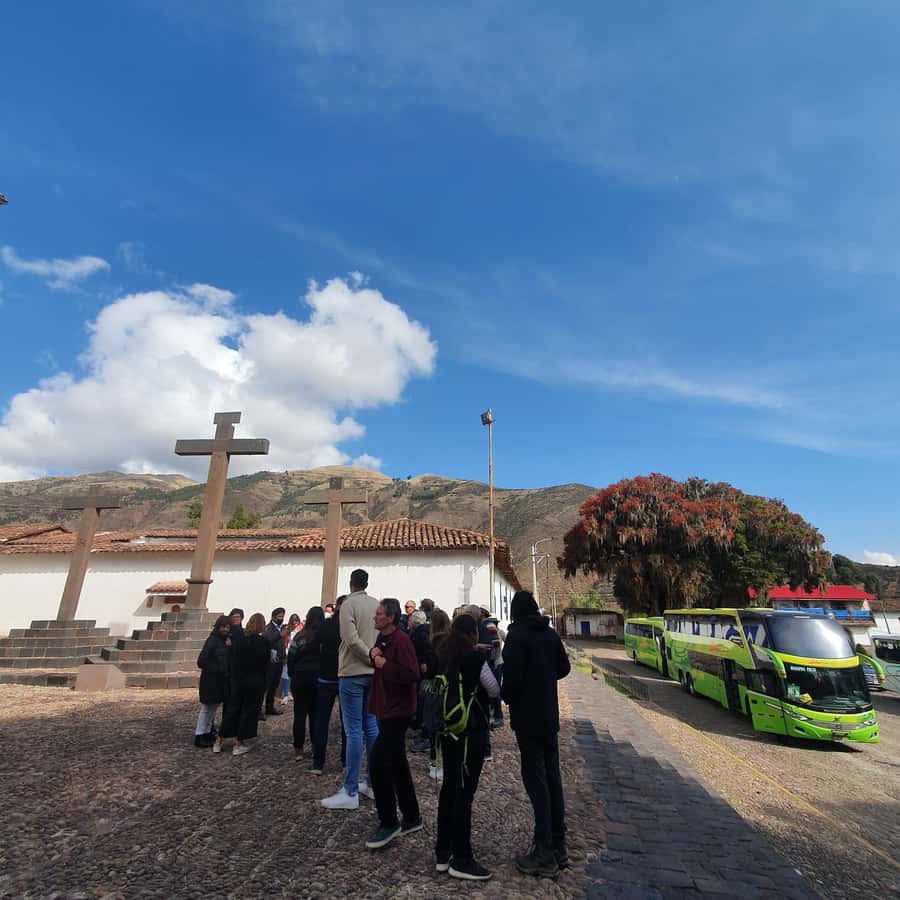
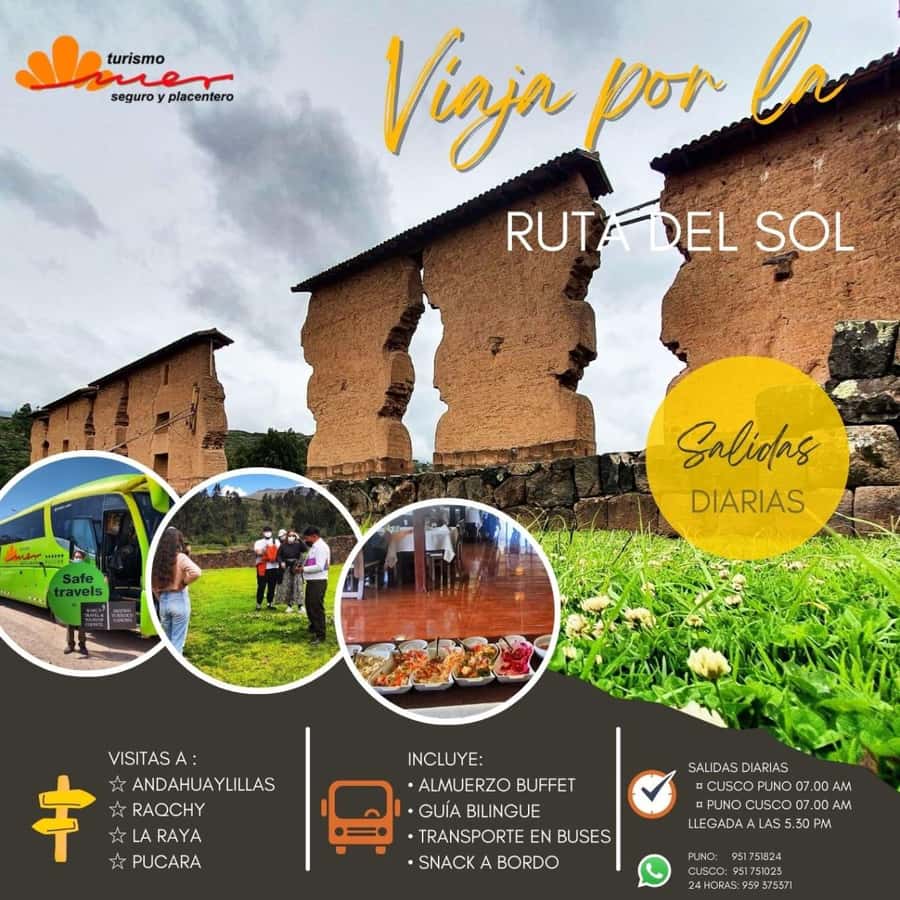
- Guided heritage stops built into the ride: Andahuaylillas, La Raya, Raqchi, and Pukara are part of the program.
- Comfort-first bus design: reclining seats (up to 140º), climate options, UV-filter windows, charging access, and onboard toilet.
- Lunch that’s more than an afterthought: a buffet in Sicuani (and it has been described as having vegetarian and vegan options).
- Wifi, but don’t bank on it: onboard WiFi works only in areas with signal.
- Entrance fees are extra: tickets can total up to about 53 soles and are paid directly at each place.
Why this Puno to Cusco bus feels like a cultural day
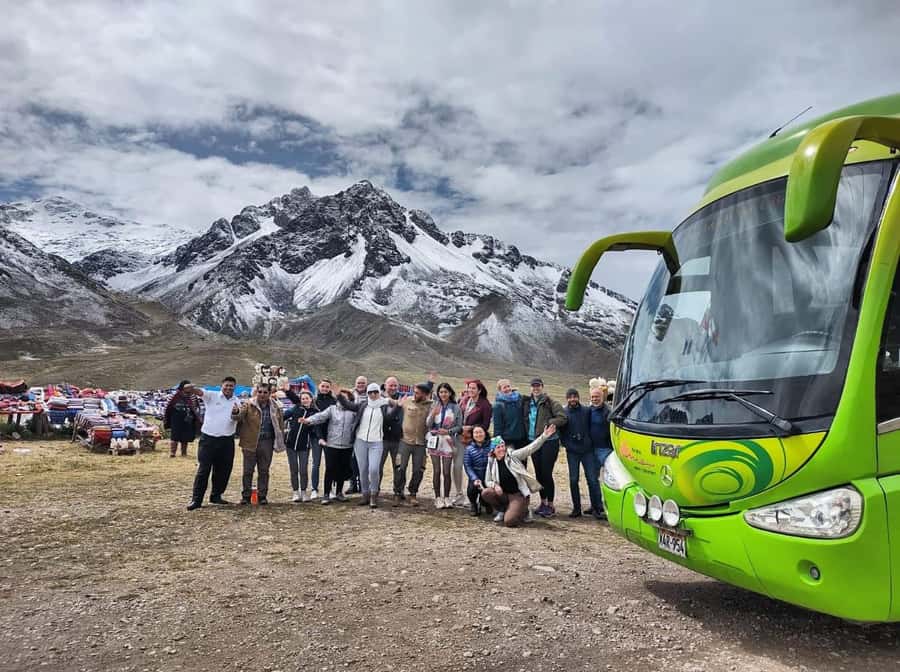
Most Puno-to-Cusco rides are just transport. This one is transport with a plan, built for people who don’t want to waste daylight. Instead of arriving at Cusco with sore legs and zero context, you’re picking up stories and sights along the way, with a guide who is present on the bus and at stops.
At a 10-hour pace, that’s a smart trade. You spend more of the day outside the hotel and less of it in “travel limbo.” If you like history and you want the drive to count, this itinerary is designed for you.
You can also read our reviews of more tours and experiences in Pucara Peru.
Price and value: what $55 really covers
At $55 per person, the value comes from three things bundled together: the modern bus, the guided visits, and the onboard food. You’re not just paying for seats. You’re paying for guidance at multiple places, plus a lunch at La Pascana Tourist Restaurant in Sicuani, and a snack service while you ride.
The “watch this” part is that entrance tickets are not included. You may pay up to 53 soles for tickets at three visiting places, and you pay directly on site. So your real budget is the $55 plus that on-the-ground ticket amount.
Getting on board fast: meeting point and no hotel pickup
This is one of those tours that starts with simple math: you show up, you board, you go. There’s no pickup from your hotel and no transfers, so plan to reach the station yourself.
In Puno, the meeting point is 1 block from the port, between Jirón el Puerto and los Incas, beside the football/soccer field. If you’re arriving from the lakefront, it’s close, but give yourself time to find the exact corner.
The bus experience: comfort you can feel after the first hour
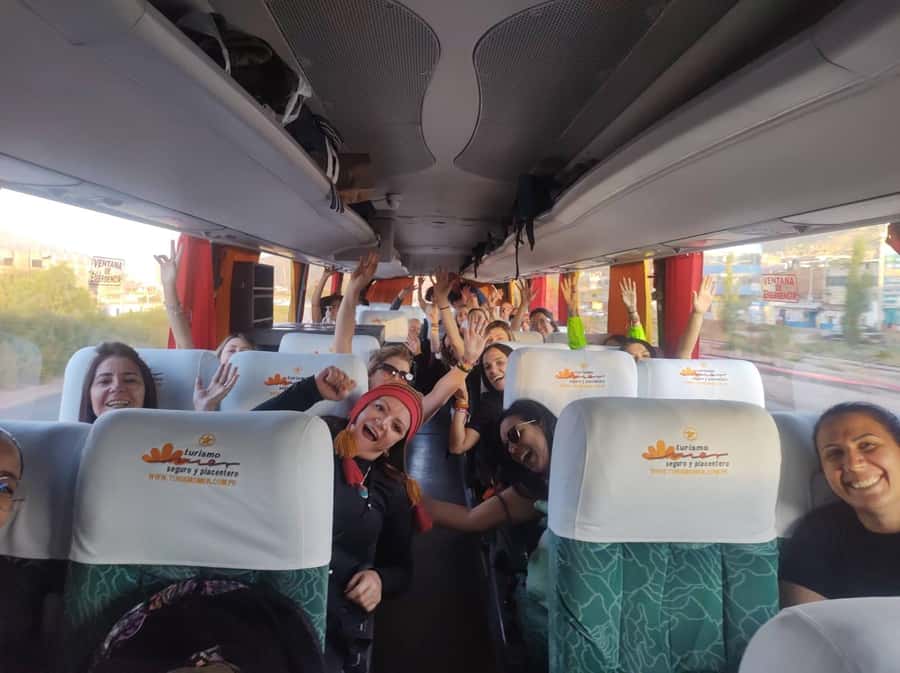
Long drives can turn your day into a test of willpower. This bus is built to reduce that problem.
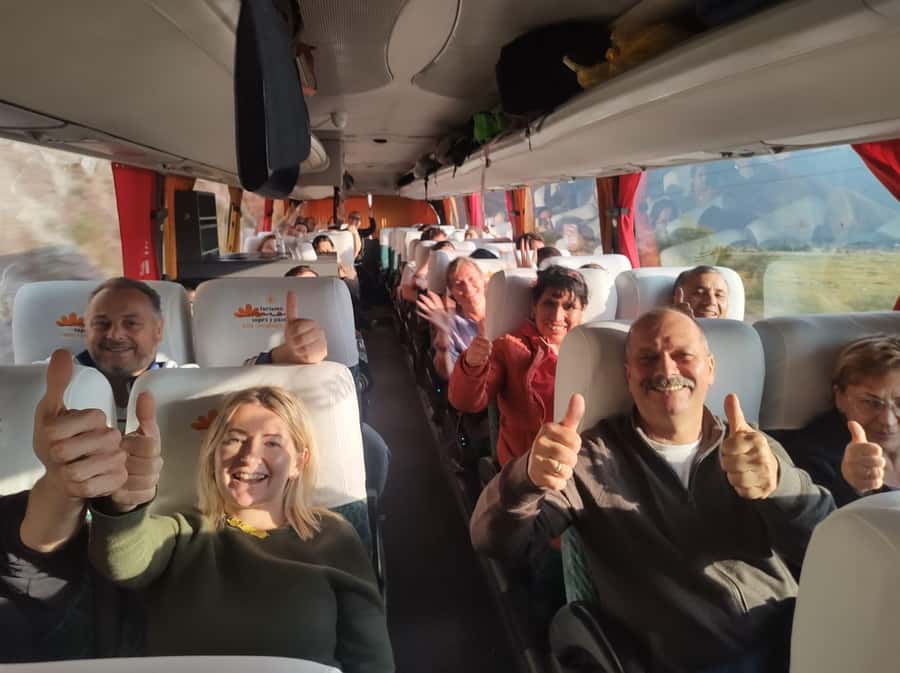
Here’s what the operator lists for comfort and practicality:
- reclining seats up to 140º
- air-conditioning and heating
- air purifier and a bad-odor extractor
- chemical toilet onboard
- LED lighting, sun curtains, and polarized windows with UV filter
- phone chargers and onboard WiFi where signal exists
In plain terms, it means fewer tiny annoyances. You can settle in, charge your phone, and handle the bathroom situation without waiting for every stop. The UV-filter windows also help in Peru’s strong sun.
One caution, based on real feedback: while air-conditioning is advertised, some departures may feel more like ventilation than true cooling. If you’re heat-sensitive, bring a light layer and keep an eye on how the bus feels once you’re under way.
How the day stays manageable: planned breaks, not constant rushing
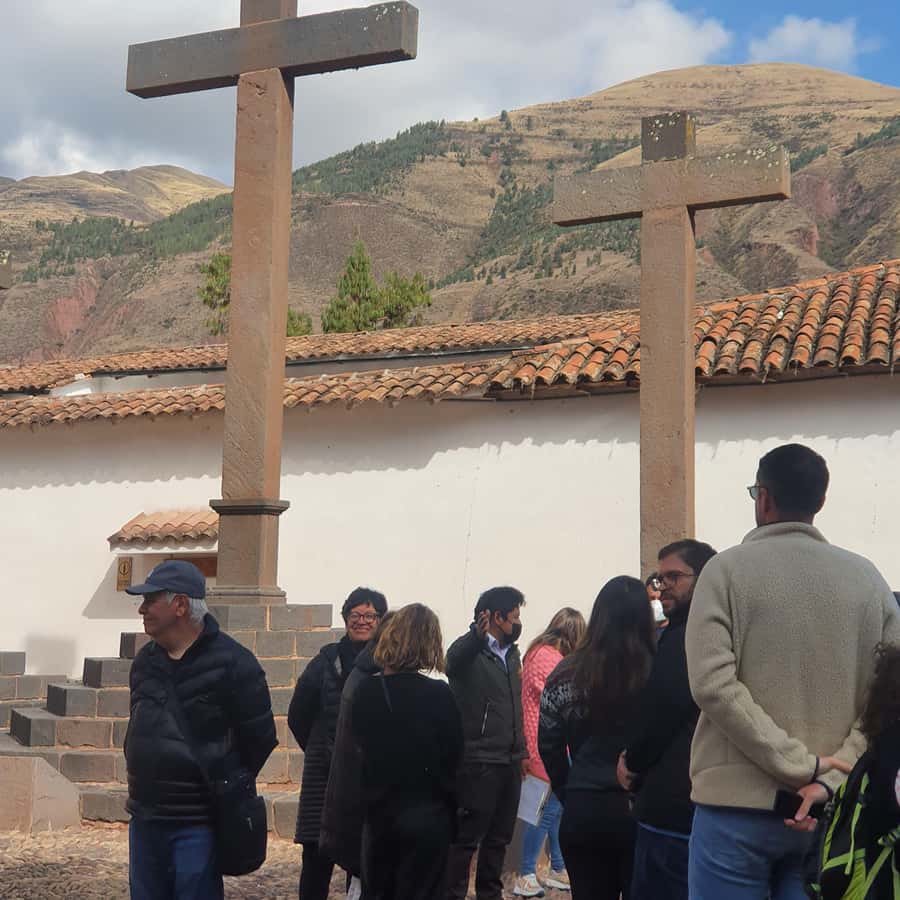
A big reason this trip works is the rhythm. Instead of one long stretch after another, you get repeated photo breaks and time to stretch your legs.
Expect breaks that run roughly:
- short photo/visit stops with about 15 minutes
- larger breaks that can be 30 to 40 minutes
- a longer lunch break built into the schedule
You’ll still be on a bus for a while, of course. But the pacing matters. It keeps the trip from turning into one long endurance event.
Andahuaylillas: the chapel stop that grabs attention
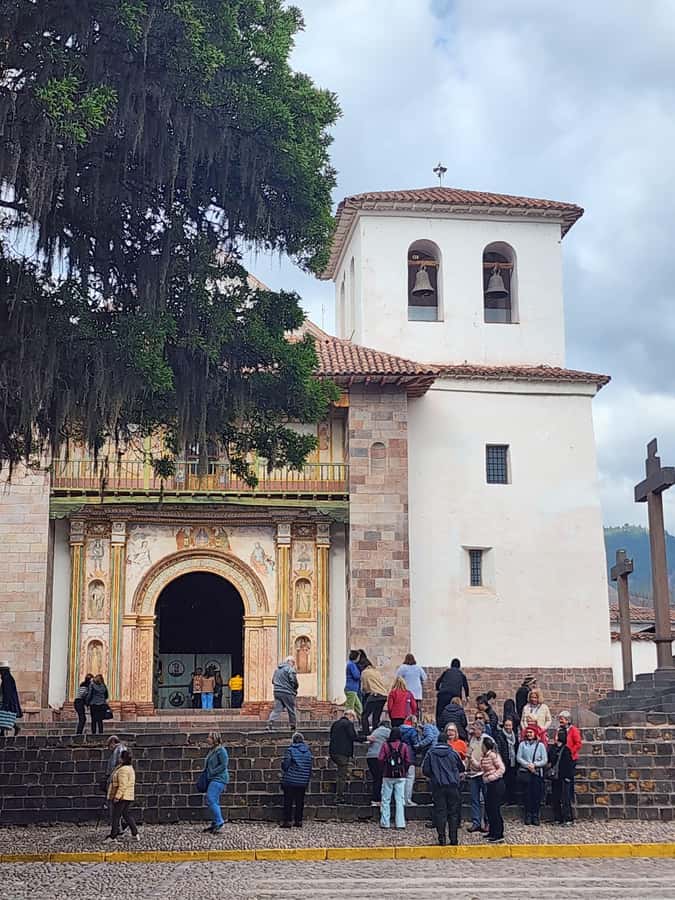
One of the headline cultural stops is Andahuaylillas Chapel, often nicknamed the Sistine Chapel of America. That nickname isn’t given to every church, so it’s worth paying attention when you’re there.
What you’re getting is a guided visit as part of the program, which helps you see past the “wow, pretty” moment and understand what you’re looking at. You also get guide support in English, Spanish, and other listed languages, so you’re not stuck guessing.
Practical tip: if you’re bringing a camera, you’ll want it ready for interior shots—chapels can have controlled lighting, and you don’t want to waste time fumbling.
La Raya (Paso de la Raya): road limit, big views, and a pause that matters
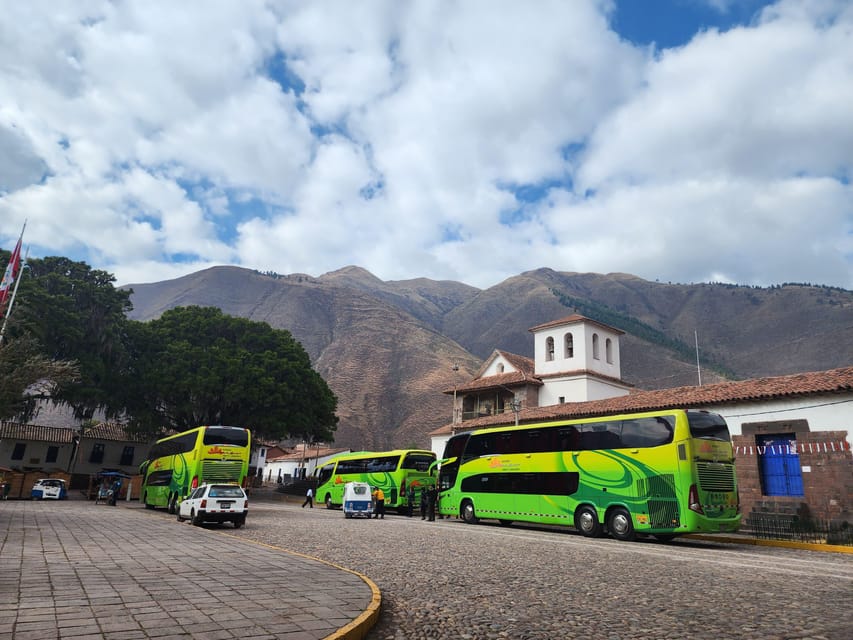
The trip includes La Raya (Paso de la Raya)—the road limit between the Cusco and Puno areas. This is the kind of stop that makes the long route feel worthwhile.
The highlight here is the combination of:
- a guided stop
- time for photos
- scenic high point views, with mention of Nevado Chimboya
Even if you don’t treat the geography as “big sightseeing,” a proper pause is still valuable. It’s a chance to reset before the afternoon portion of the ride, and it breaks up the day so you don’t arrive with travel fog.
Raqchi: the Temple of Wiracocha stop
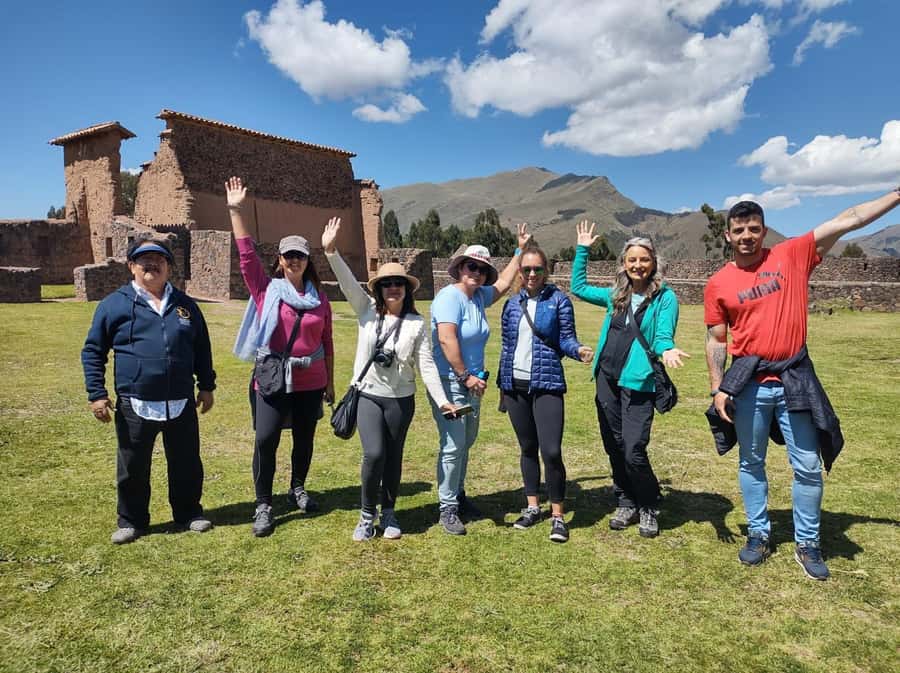
Another guided heritage stop is Raqchi, tied to the imposing temple of the god Wiracocha. This part of the day is where the tour starts to feel more than scenic travel.
What makes a guided stop helpful in places like this is context. When you know what the site represents, you tend to notice more: how spaces are laid out, why certain features matter, and how the story of the region connects.
Also, remember entrance tickets are not included for all stops. If you want to avoid surprise costs, plan to pay tickets directly at the visiting places (the total can add up to around 53 soles).
Pukara: the Lithic Museum and why it’s more than a quick stop
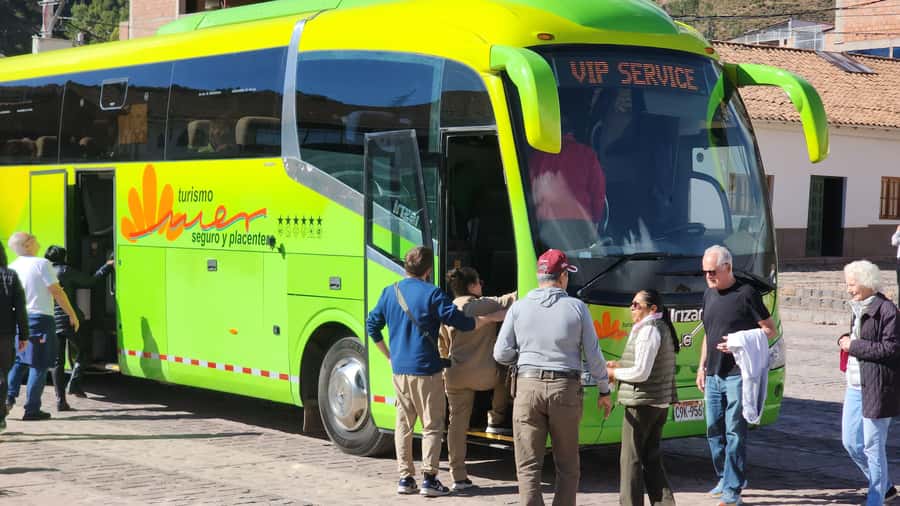
The program includes the Lithic Museum of the Pukara culture. “Museum stop” can sound like a short, optional add-on. Here, it’s presented as a real cultural visit that fits into the overall day.
This is the kind of stop that works well if you like material culture—tools, stonework, and how people made and used objects. A guide helps you translate what you’re seeing into something meaningful.
If you’re short on energy, don’t worry. Museum stops are typically easier on your legs than extended outdoor walking, but still expect a few guided minutes of standing and looking.
Lunch in Sicuani: La Pascana buffet, plus snack coverage
Lunch is at La Pascana Tourist Restaurant in the town of Sicuani, and it’s buffet style. That’s a big deal on a day tour, because it keeps you fed without forcing you to track down a single restaurant option.
One reason this has earned strong feedback: the buffet has been described as having vegetarian and vegan options. If your diet is plant-based, that’s exactly what you want to hear.
Also useful: you get snack service onboard, so you’re not going from breakfast-on-your-own to a late lunch with nothing in between.
A small note: cold drinks at the restaurant are not included, so bring cash if you want bottled water or soda.
Guide quality: bilingual promise, and one name to watch for
The operator says the guide is bilingual English–Spanish, with English-Spanish support on board and during visits. The live tour guide can also be listed in French, Portuguese, and Italian.
Here’s the practical catch: one piece of feedback noted that a guide named Alfredo had English that was hard to follow. If clear English is essential for how you enjoy the day, keep your expectations grounded.
What you can do: if the English track feels unclear, switch to Spanish cues when possible, or ask questions early in the day so you’re not stuck later.
WiFi and charging: handy, but signal depends on the road
Onboard WiFi is included, but only in places with an internet signal. In other words: it’s not a guarantee that your video call will survive the entire day.
Phone charging is a better bet, since it’s built into the bus setup. Bring your charging cable (common sense, but it matters), and plan your offline needs—maps, music, and saved reading—just in case the signal drops.
Safety and comfort extras: oxygen and first aid onboard
This tour explicitly includes medicated oxygen and a first aid kit, and it’s also highlighted for safety in the journey.
For high-altitude travel between Puno and Cusco, those items aren’t marketing fluff. They’re there because the day can affect people differently. If you’re prone to headaches, nausea, or shortness of breath at altitude, having oxygen available is comforting.
Just as important: no alcohol and no drugs are allowed. That’s not just a rule; it supports safety when you’re dealing with a long day and altitude variables.
Air-conditioning reality check: what to do if it feels hot
As mentioned earlier, air-conditioning is listed, but at least one experience described it as not truly cooling and getting hot when the sun hits later in the day. That’s the only meaningful “temper expectation” point in the provided info.
How to handle it:
- wear layers you can adjust
- keep sunglasses handy
- consider a light jacket for temperature swings
- drink water when you can (even if it’s not included everywhere)
This way, even if the bus runs warmer than ideal, you’re not miserable for the full day.
Who should book this tour with buffet and stops
This experience fits best if you:
- want a day route between Puno and Cusco without sacrificing culture
- enjoy guided stops and don’t want to figure out entry tickets and timing alone
- like the idea of a planned lunch in Sicuani
- value comfort for long seating (reclining seats, onboard toilet, climate options)
It’s also a good choice for people who don’t want their day broken into complicated pieces. One bus, one guide presence, multiple heritage stops.
It’s not for everyone. The listing notes it’s not suitable for people over 95 years. If you have mobility needs, it is listed as wheelchair accessible, so it’s worth checking details with the operator before you go.
Should you book this Puno–Cusco bus with tours and buffet?
I’d book it if your goal is simple: travel between Puno and Cusco in one shot, then actually use the daylight for heritage stops. The inclusion of a guided program (Andahuaylillas, La Raya, Raqchi, Pukara), plus onboard snacks and a real buffet lunch, makes the day feel efficient.
I wouldn’t book it only if you’re very picky about cabin temperature or if you need flawless English narration no matter what. In that case, bring patience, a basic Spanish plan, and focus on the sights over the subtleties of the guide’s accent.
If you want a practical one-day bridge between cities—with comfort and context—this is a solid value play at $55.
FAQ
FAQ
How long is the Cusco bus tour from Puno?
The duration is 10 hours.
Does this tour go from Puno to Cusco or Cusco to Puno?
It is offered between Puno and Cusco (Cusco–Puno or Puno–Cusco).
What are the main guided stops included?
The guided tours included are Andahuaylillas, La Raya, Raqchi, and Pukara.
Is the lunch included, and where is it served?
Yes. The tour includes a buffet lunch at La Pascana Tourist Restaurant in Sicuani.
Are entrance/ticket fees included?
No. Tickets to tourist places are not included and can add up to about 53 soles paid directly at each visiting place.
Is WiFi available on the bus?
Yes, but only in areas where there is an internet signal.
What comfort features are included on the bus?
The bus is listed with air-conditioning and heating, an air purifier, UV-filter polarized windows, an onboard toilet, LED lighting, sun curtains, and phone chargers. Seats recline up to 140º.
What should I bring?
Bring sunglasses, a camera, and a jacket.
Is hotel pickup included?
No. Transfers or pickup from your hotel to the bus station are not included.
Can I cancel and get a refund?
Yes. You can cancel up to 24 hours in advance for a full refund.