REVIEW · PUCARA PERU
TRIP FROM PUNO TO CUSCO WITH THE ROUTE OF THE SUN
Book on GetYourGuide →Operated by Libertrek Peru Travel Agency · Bookable on GetYourGuide
A border crossing with real altitude drama kicks off this day. You’re not just riding from Puno to Cusco—you’re touring the Route of the Sun with guided stops that turn a long bus day into a string of meaningful places.
I especially liked the focus on specific sites with a bilingual guide in English and Spanish, and I also appreciated the included buffet lunch that keeps you fueled for Cusco without scrambling for food.
The main trade-off is time. You’ll cover a lot in one day, and if you want long, slow visits, some stops can feel a bit short.
In This Review
- Key moments worth your attention on the Route of the Sun
- Why this Puno to Cusco day tour beats the straight bus
- 06:00 AM pickup and a comfortable long ride
- Pucará’s Lithic Museum: zoomorphic art before the Incas
- Abra La Raya Pass: the border where altitude feels real
- The included buffet lunch: Peruvian comfort food with zero planning
- Raqchi Archaeological Park: Wiracocha’s temple and the colcas
- Andahuaylillas: the Sistine Chapel of the Andes in miniature
- Getting into Cusco: private station and transfer to your hotel
- Price and logistics: what you’re really paying for
- Who should book this Puno-to-Cusco route?
- The guide factor: why bilingual storytelling helps on a long day
- Should you book the Route of the Sun from Puno to Cusco?
- FAQ
- What time is the pickup in Puno?
- How long is the tour from Puno to Cusco?
- Which languages are the guide services available in?
- What does the price include?
- What is not included in the tour price?
- What should I bring for the day?
Key moments worth your attention on the Route of the Sun
- 06:00 pickup in Puno (Av. Simón Bolívar 1671) so you’re out early and on schedule
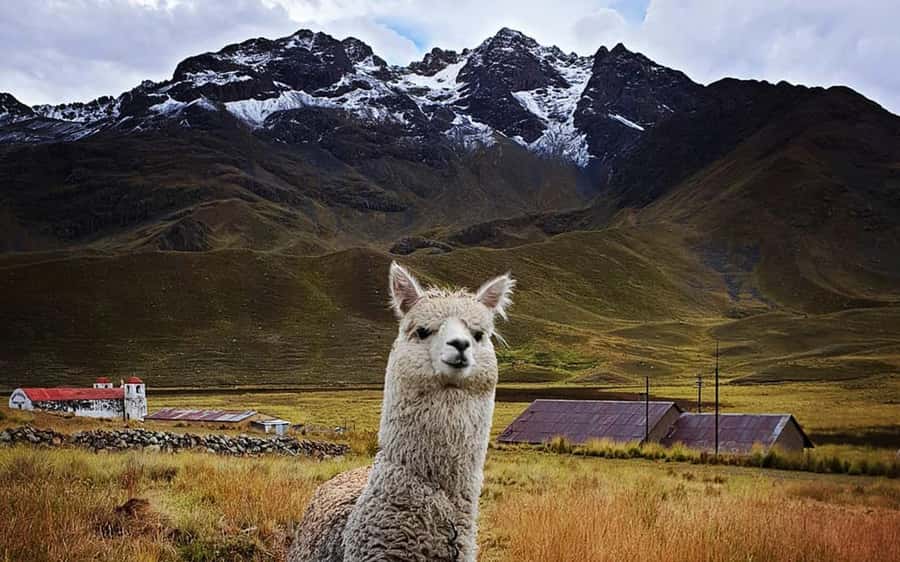
- La Raya Pass at 4,335+ meters—Cusco–Puno border altitude with classic snow-capped views
- Pucará Lithic Museum with zoomorphic ceramics and sculptures, including Hatunñaqac
- Raqchi Archaeological Park and its Wiracocha temple vibe, plus the large colcas granaries
- Andahuaylillas Church known as the Sistine Chapel of the Andes for murals, gold leaf, and Cusco School paintings
- Entrances + lunch included so you pay once and move on with the day
Why this Puno to Cusco day tour beats the straight bus
Most people think of Puno-to-Cusco as a transfer day. This one keeps the transportation but adds the good part: stops along the way, with guided context at each site. That matters because the Route of the Sun isn’t random scenery—it’s built around places that explain how older cultures and the Incas shaped this region.
I like that the day has a natural rhythm: see, walk a little, hear the story, take a breather, eat, and then keep going. It’s not a museum crawl with zero air. It’s more like a guided road trip where history actually shows up at the stops, not just on a phone app.
You can also read our reviews of more tours and experiences in Pucara Peru.
06:00 AM pickup and a comfortable long ride
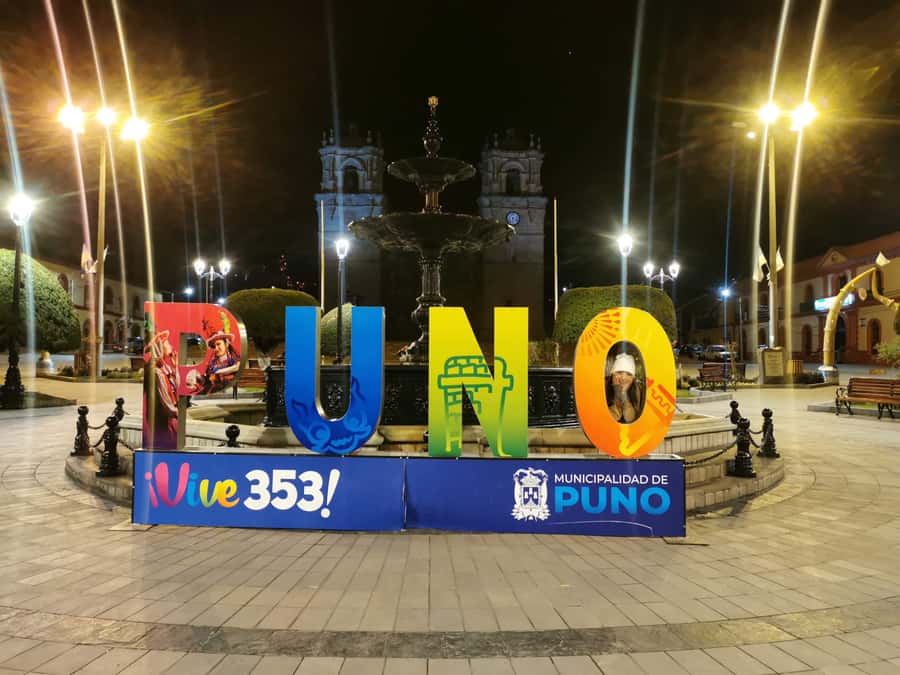
The day starts early. You’ll be picked up from your hotel in Puno at 06:00, and the meeting point reference is Av. Simón Bolívar 1671. The driver will call at reception, and you’re expected to wait in the lobby about 5 minutes before pickup.
That early start is not just for convenience. It helps you fit multiple stops into a 10-hour window without turning the day into a late-night sprint. One more practical win: the bus is described as comfortable, and that matters on a long drive where you’ll want your legs for the short walks at each site.
Pucará’s Lithic Museum: zoomorphic art before the Incas
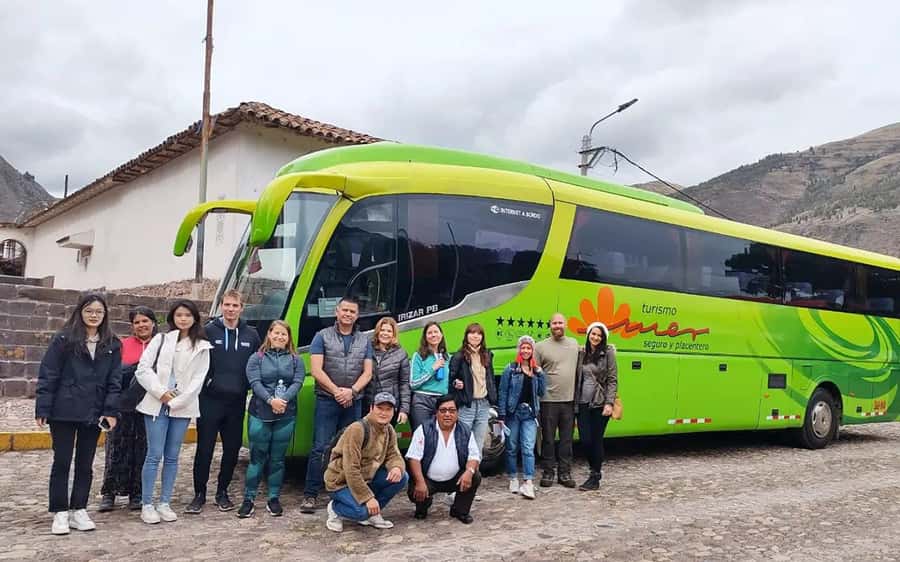
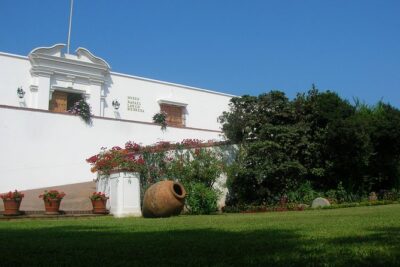
Your first stop is the Lithic Museum of Pucará, near Puno. This is a great opener because it sets a longer timeline than most people expect. You’re seeing a culture that developed well before the Incas, so the day’s story starts earlier than empire lore.
Inside, you’ll find ceramics and sculptures featuring zoomorphic figures—art that draws meaning from animal forms. The museum also features a well-known sculpture called Hatunñaqac, described in modern translation as the supreme cutthroat. Even if you don’t remember every detail, the takeaway is clear: this region had established artistic traditions and symbolic language long before the Incas built their monumental world.
Practical tip: wear shoes you can walk in. The visits include walking and sightseeing, and museum layouts can be easier if your feet are happy.
Abra La Raya Pass: the border where altitude feels real
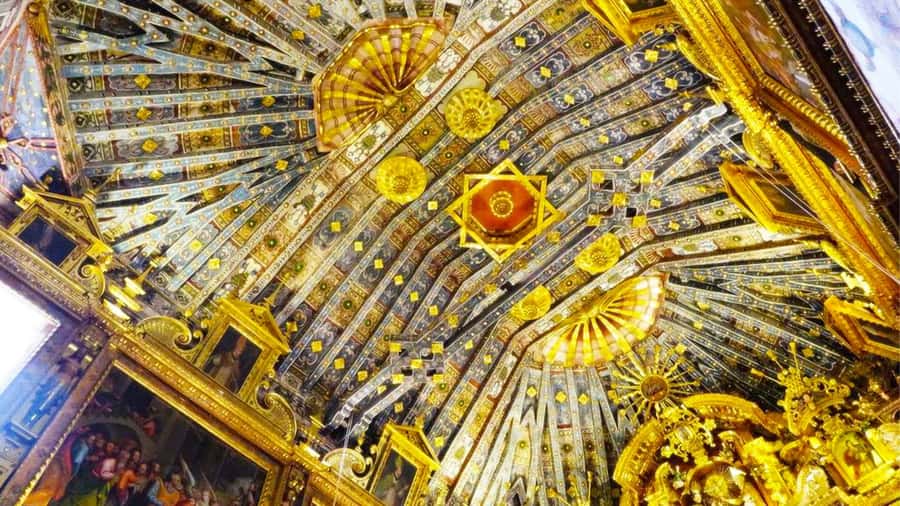
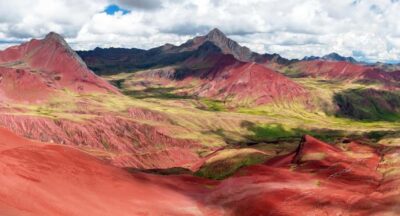
Next comes Abra La Raya, the high border between Cusco and Puno, over 4,335 meters. This is the part of the route that can make the day feel instantly different. At this altitude, breathing is work, and the sky often makes snow-capped peaks look close enough to touch.
The tour highlights that Chimboya is located here and connects to the story of the Amazonas River being born from the area. Whether you’re into geography or just chasing views, this stop gives you a payoff: wide air, mountain drama, and a reset before the next archaeology stop.
Consideration: if you’re prone to altitude discomfort, go slow during photo stops and short walks. Don’t try to force energy when your body is still adjusting.
The included buffet lunch: Peruvian comfort food with zero planning
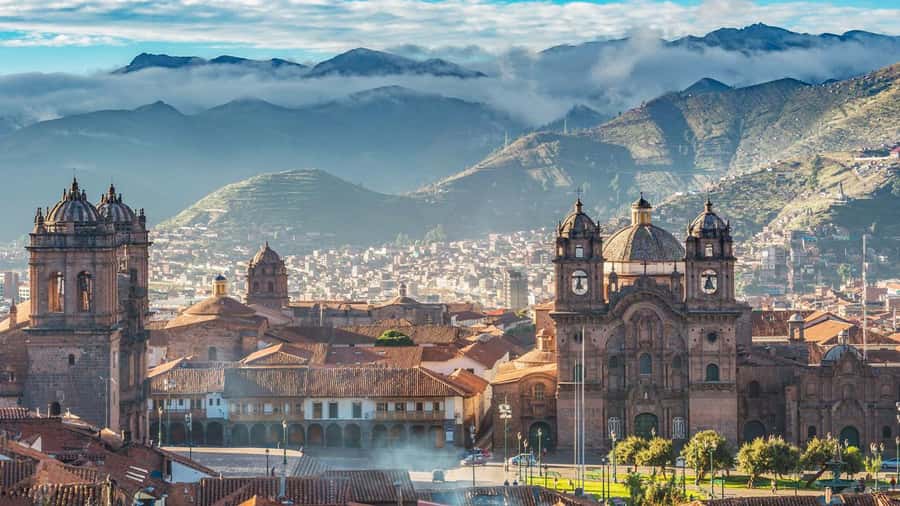
Halfway through the route, you get a break plus buffet lunch. The buffet includes a range of national and regional dishes, fresh vegetables, entrees, desserts, and hot drinks. It’s a practical setup for Cusco, because you’ll likely want real food after hours on the road.
Cold drinks are listed as not included, so if you prefer soda or bottled drinks, budget for that separately. Also, having cash on hand helps—there’s a land port use tax later, and it’s easier to manage payment without hunting down an ATM.
Raqchi Archaeological Park: Wiracocha’s temple and the colcas
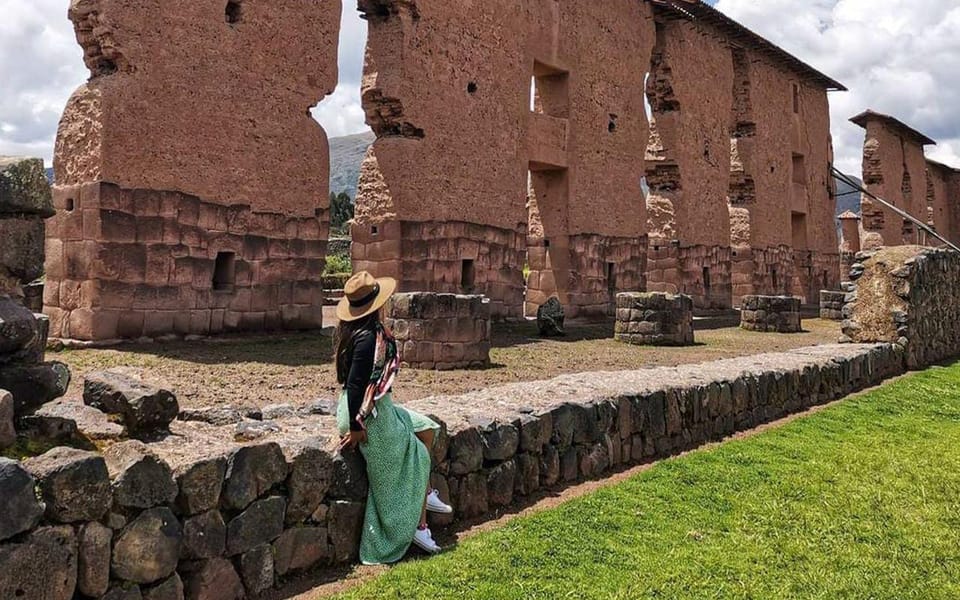
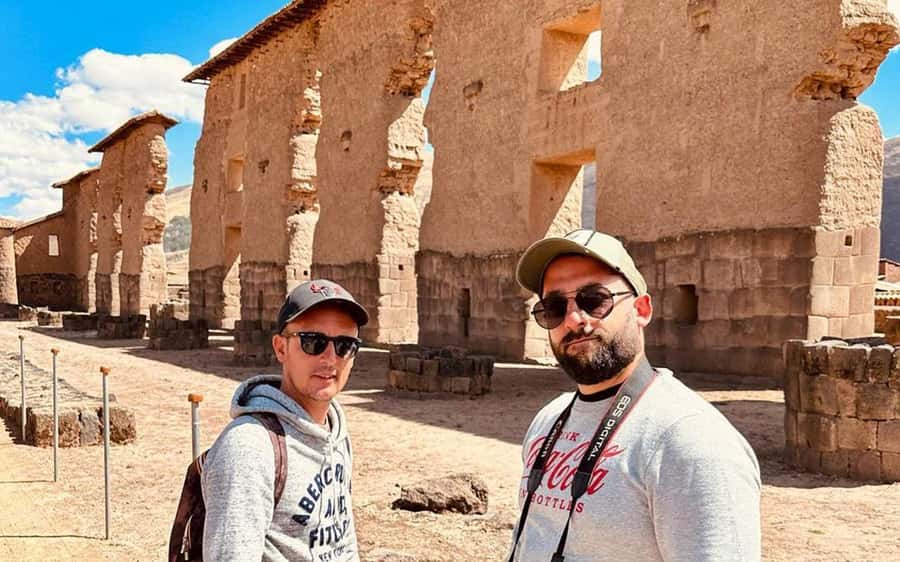
Then you arrive at Raqchi Archaeological Park, also known as the Temple of Wiracocha. This stop is a strong one for anyone who wants to understand how the Incas viewed power, religion, and storage.
Raqchi stands out because it includes the largest number of colcas—granaries used for storing goods. The tour also points out magnificent stone and adobe buildings. That detail matters: you’re not just seeing ruins; you’re seeing a working idea of how a civilization managed resources, weather, and distance.
Why this stop feels valuable: a lot of travel days stop at the famous highlights only. This one tries to show the infrastructure behind the spectacle. When you look at the colcas, it’s easier to imagine daily life, not just ceremonies.
Andahuaylillas: the Sistine Chapel of the Andes in miniature
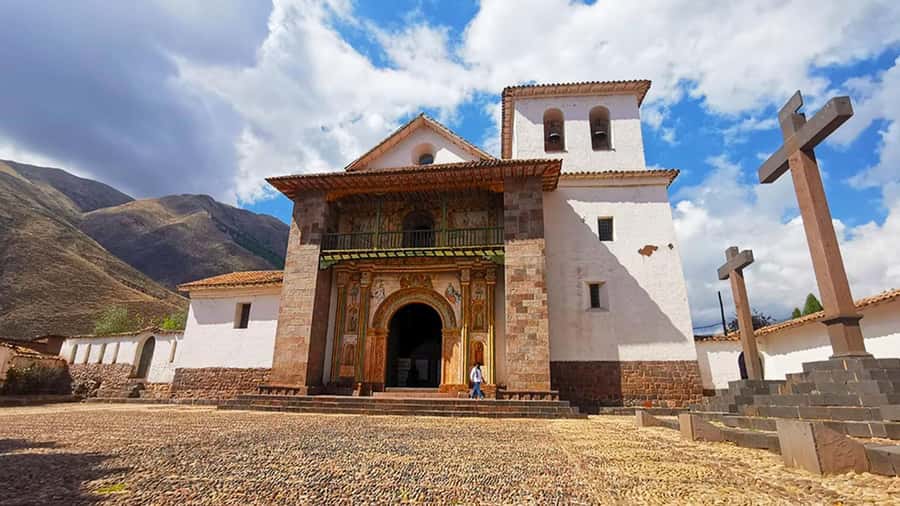
To end the day before reaching Cusco, you visit Andahuaylillas, stopping at a church often called the Sistine Chapel of the Andes. The reason is visual and specific: murals, works in gold leaf, and paintings from the Cusco school inside.
This is a great contrast after the outdoor archaeology at Raqchi. You shift from open stone structures and granaries to a space designed for color, detail, and sacred atmosphere. Even if you’re not the type who goes crazy for churches, this one earns attention because it’s art-forward in a way that feels accessible.
Practical tip: bring your camera, but also take a quiet moment. This kind of interior detail is easy to rush past when the bus is waiting.
Getting into Cusco: private station and transfer to your hotel
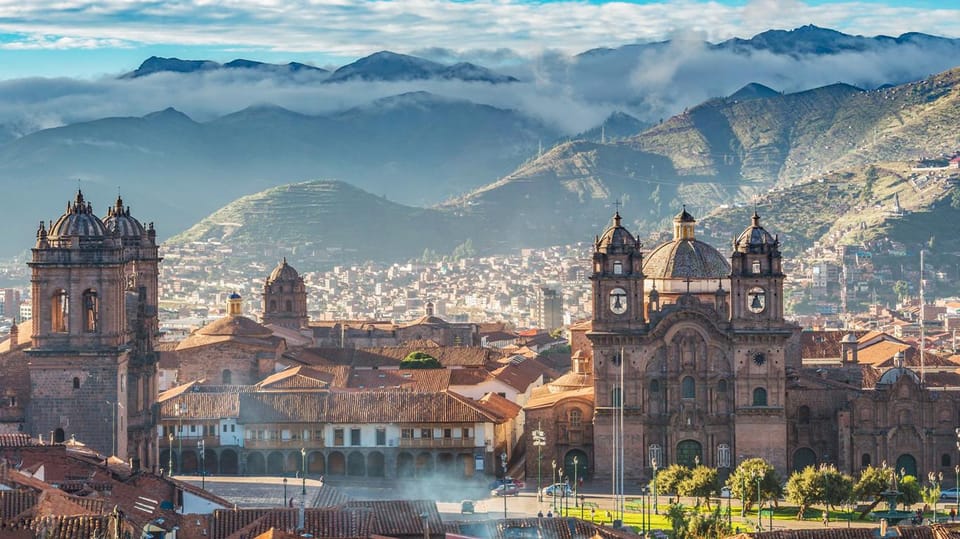
After the last stop, you arrive at the private bus station in Cusco and then get transferred to your hotel. That end-of-day transfer is a big deal on this route because Cusco logistics can be annoying after a long drive. You also avoid the extra searching for local transport when you’re tired and altitude-slow.
Price and logistics: what you’re really paying for
At $114 per person for a 10-hour tour, the price isn’t just the bus. Your ticket includes:
- Pickup in Puno
- Tour transport Puno–Cusco
- Professional English and Spanish guide
- Entrances to the tourist points
- Buffet lunch
- Transfer from the Cusco bus terminal to your hotel
Two items are not included: a land port use tax of S/1.90 soles per person (about $0.58) and cold drinks.
That’s fairly clean accounting. The value comes from bundling the guide, the site entrances, and a meal into one day. If you tried to copy this on your own—timing stops, paying entrance fees, lining up a guide—the convenience cost alone would likely add up.
Who should book this Puno-to-Cusco route?
This tour makes the most sense for you if:
- You want a history and culture day, not just a ride across the altiplano
- You prefer guided explanations in English or Spanish
- You like structured stops with some breathing room for photos and short walks
- You want food handled (buffet lunch included)
It might be less ideal if you’re the type who hates time pressure. The route includes several stops, and the day is packed. One common theme from experiences with this itinerary is that the bus day can feel long, with brief site time when there are multiple stops in a short window.
The guide factor: why bilingual storytelling helps on a long day
A long road day can turn into noise if the guide doesn’t manage pacing and questions well. Here, the guide is professional and bilingual, and in particular the itinerary is set up so you actually get explanations at each stop instead of just arrival-and-go.
I also like the way guides on this route handle different nationalities and mix question time with information. When the balance works, you learn more than names and dates—you start connecting why each place matters within the day’s story.
Should you book the Route of the Sun from Puno to Cusco?
I’d book it if you’re arriving in Cusco and you’d rather spend your transfer day seeing real sites with context instead of just counting hours on a bus. The combination of guided stops, entrance fees, and a buffet lunch makes the day feel like a full experience, not a compromise.
Skip it or consider a different plan if you know you want slow, deep visits at each site. This is a “see it all in one day” approach. It’s great for momentum and first impressions, but it’s not built for people who want to linger for hours in one place.
If you do book: pack comfortable shoes, keep cash handy, and bring your camera. At this altitude and on this schedule, being prepared is what turns a busy day into a smooth one.
FAQ
What time is the pickup in Puno?
Pickup is at 06:00 from your hotel in Puno. The meeting point is listed as Av. Simón Bolívar 1671, and the driver will call for you at reception. It helps to be ready in the lobby about 5 minutes before pickup.
How long is the tour from Puno to Cusco?
The duration is 10 hours.
Which languages are the guide services available in?
The tour includes a live guide in Spanish and English.
What does the price include?
The price includes pickup from Puno, transfer to your Cusco hotel, tourist transport, a professional guide, entrance fees for all listed sites, and a buffet lunch.
What is not included in the tour price?
You’ll need to budget for a land port use tax of S/1.90 soles per person (about $0.58) and cold drinks.
What should I bring for the day?
Bring comfortable shoes, a camera, comfortable clothes, and cash.