REVIEW · PUCARA PERU
From Cusco: Titicaca lake with the route of the sun in 2 day
Book on GetYourGuide →Operated by Libertrek Peru Travel Agency · Bookable on GetYourGuide
This drive-by-day 2 itinerary is a practical way to get from Cusco to Titicaca without the stress. You’ll move through some of the Andes’ most memorable Inca-era stops, then shift gears to Lake Titicaca’s floating Uros islands and the cultural island of Taquile. I like how the tour bundles transportation, an English/Spanish guide, and entry tickets so you’re not chasing details all day. I also like that it times the day around real sight windows—morning pickup, targeted stops, and a clear return to Puno. One drawback to consider: the price can feel less friendly if you’re pushed into extra options on the lake, so ask what costs extra before you say yes.
In This Review
- Key highlights worth your time
- Two days from Cusco to Titicaca: what you really get
- Day 1 starts at 6:30 am in Cusco: the road trip that replaces a headache
- Andahuaylillas: the Sistine Chapel of the Andes
- Raqchi: the Temple of Wiracocha and Inca-scale ambition
- Lunch near noon: buffet time with regional and national options
- Paso de la Raya and Nevado de Chimboya: brief, but worth planning for
- Pucará’s Lithical Museum: stone art and the story behind it
- Puno night: what you should plan before Day 2
- Day 2 at 6:30 am: the port ride and the high-navigable lake intro
- Uros floating islands: reeds, living customs, and how people earn a living
- Taquile Island: textiles, cultural continuity, and a guided rhythm
- Back to Puno by 4:00 pm: a clean ending to a long day
- Price and value: is $158 per person a fair deal?
- Who should book this tour (and who might not love it)
- Should you book it?
- FAQ
- FAQ
- Where do they pick me up on the Cusco-to-Puno day?
- What time does Day 2 start from Puno?
- Which sites are included on the Route of the Sun (Day 1)?
- What islands do we visit on Lake Titicaca (Day 2)?
- Are entry tickets included?
- Is lunch included on both days?
- What languages are the guides?
- How long is the entire tour?
- What should I bring?
- Is there free cancellation or pay-later options?
Key highlights worth your time
- Route of the Sun stops: Andahuaylillas, Raqchi, Paso de la Raya, and Pucará help you break up the long ride with meaningful sites
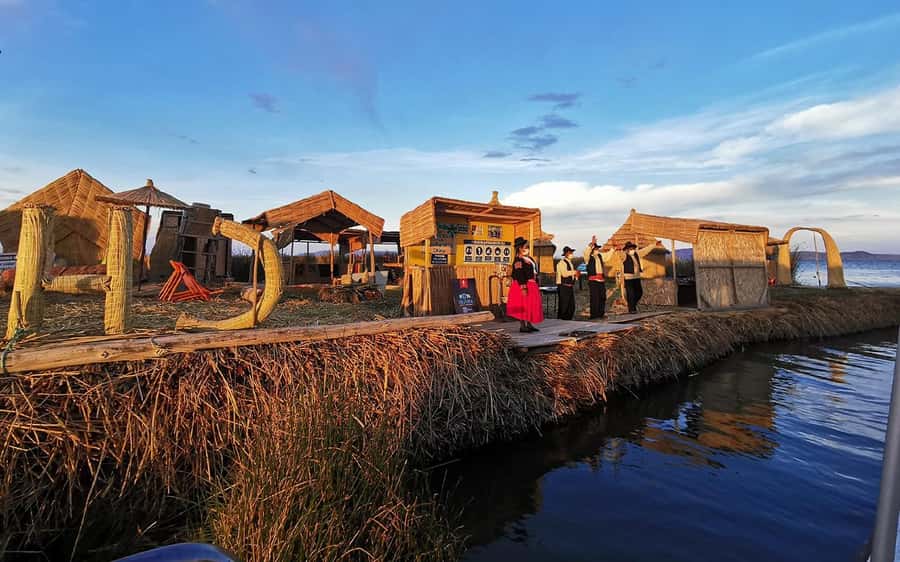
- Uros reed-island visit: You get an on-the-ground explanation of how the reed islands work and how locals earn a living
- Taquile culture on the water: You’ll spend time on an island known for textile traditions passed down through generations
- Two guides across two worlds: You get a professional English and Spanish guide both on the road and on the lake
- Good structure for a short stay: Pickup times and return-to-port timing make this doable even if you’re only in Peru briefly
Two days from Cusco to Titicaca: what you really get
This is a split-trip plan. Day 1 is about getting you from Cusco to Puno using the Route of the Sun (with sightseeing stops built in). Day 2 is about Lake Titicaca’s most famous island experiences—Uros first, then Taquile—ending with a return to Puno.
If you’ve got limited time and don’t want to piece together buses, boats, and tickets yourself, this works well. You also avoid the most annoying part of planning Lake Titicaca: coordinating transport to the port and keeping your day from turning into a waiting game.
You should also know what kind of trip this is. It’s not a slow, lingering “sit and watch” tour. It’s a scheduled two-day sprint with guided explanations at each stop. That can be great for value, as long as you’re comfortable with a jam-packed rhythm.
You can also read our reviews of more tours and experiences in Pucara Peru.

Day 1 starts at 6:30 am in Cusco: the road trip that replaces a headache
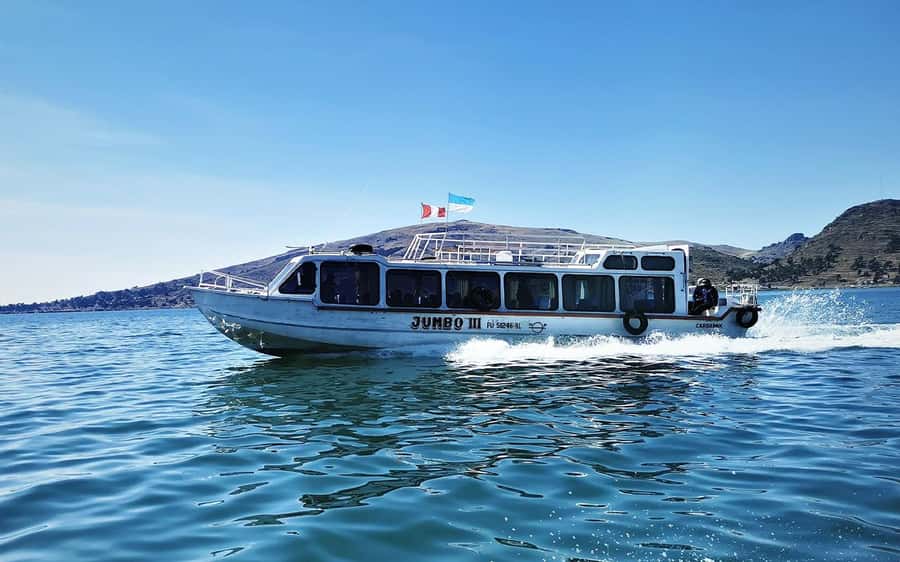
Pickup from your Cusco hotel starts at 6:30 hrs. Then you head to the bus station and begin the trip to Puno, with the guide accompanying you. The big win here is that you’re not just transferring cities—you’re turning that travel day into a sightseeing day.
The tradeoff is early mornings and time in a vehicle. If you love wandering slowly, this may feel like a lot. If you’re the type who wants the highlights and done—this fits.
The tour also includes a professional English and Spanish guide on the route. That matters in places like Andahuaylillas and Raqchi, where a little context makes the stone and murals go from pretty to meaningful.
Andahuaylillas: the Sistine Chapel of the Andes
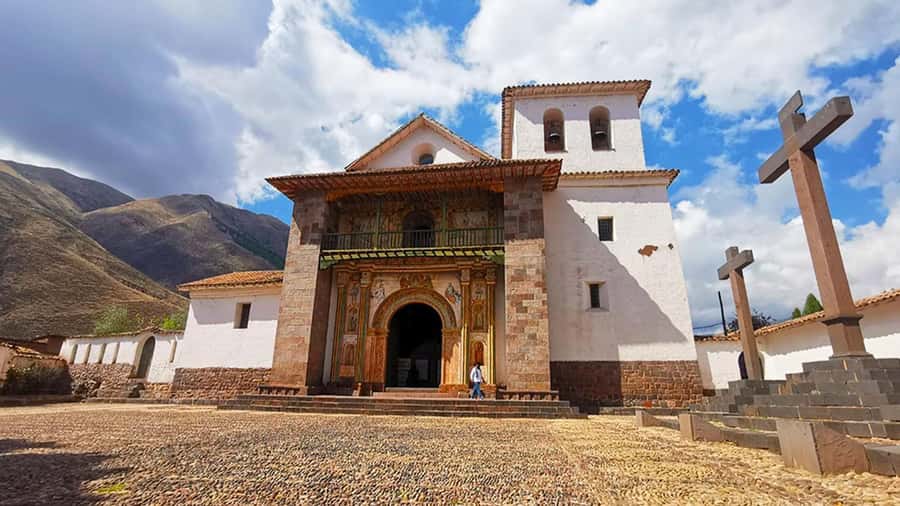
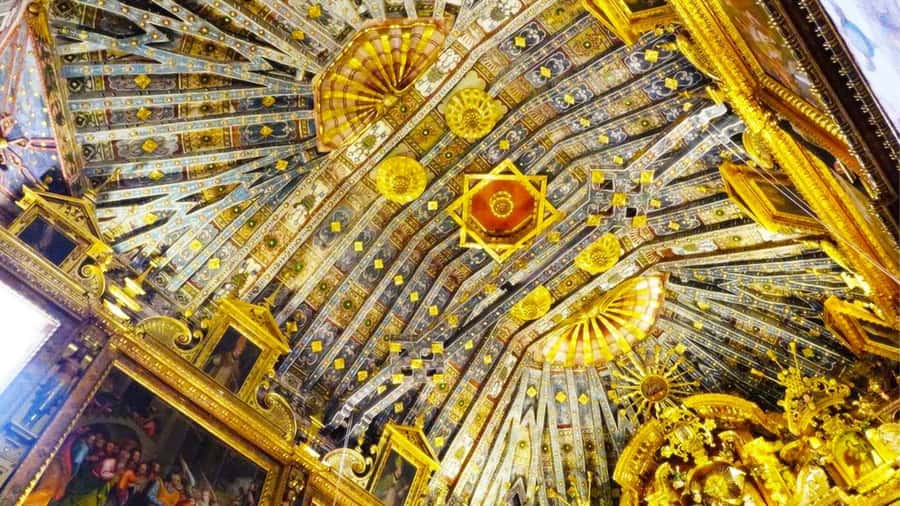
Your first major stop is the Sistine Chapel of Andahuaylillas, dating back to the 17th century. It’s often called the Sistine of the Andes because of the murals and the kind of religious artwork you’ll see inside.
I like this stop because it breaks the “only Inca ruins” pattern. You’re seeing how later Andean culture built its own visual world on top of older layers. Even if art isn’t your thing, the chapel’s reputation is easy to understand once you’re inside.
Practical tip: wear comfortable shoes. This kind of site rewards steady walking and close viewing, not high-heel sightseeing.
Raqchi: the Temple of Wiracocha and Inca-scale ambition
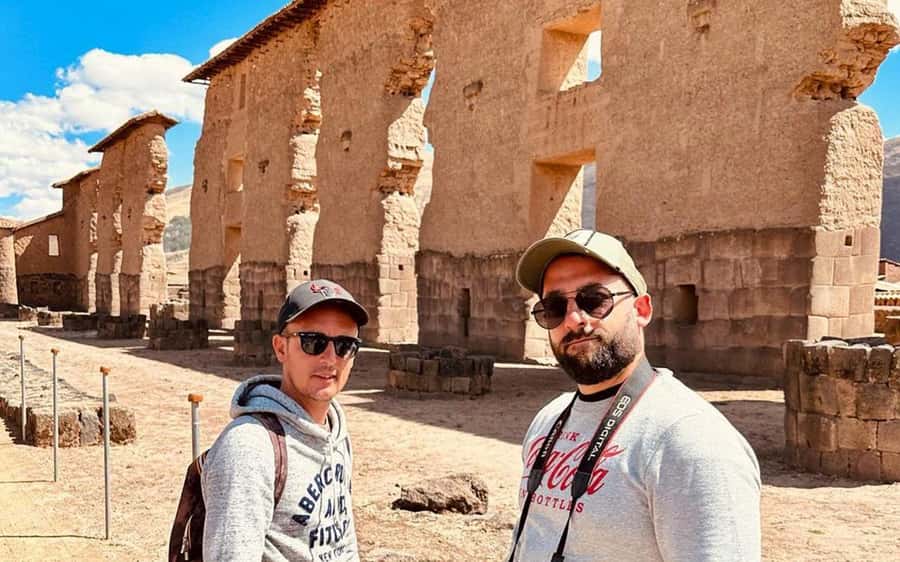
Next up is the Raqchi Archaeological Complex, known as the Temple of the god Wiracocha. This is a classic Inca-style complex stop: you get a sense of scale, plus a guided explanation of what it meant and why it mattered.
If you’ve only seen Cusco’s streets and a few ruins, Raqchi helps you connect the dots. It’s one of those stops where the architecture tells you something about the people who built it—less about Instagram angles, more about understanding how they organized sacred space.
Lunch near noon: buffet time with regional and national options
At noon, you’ll have a buffet lunch at a tourist restaurant. The tour description says it includes a wide range of national and regional food.
This is one of those “don’t overthink it” moments. The schedule is tight, so a reliable lunch break helps you keep energy up for the afternoon stops and the photo window later.
If you’re picky about food, keep an eye on what’s offered that day. The tour doesn’t promise specific dishes, only variety.
Paso de la Raya and Nevado de Chimboya: brief, but worth planning for
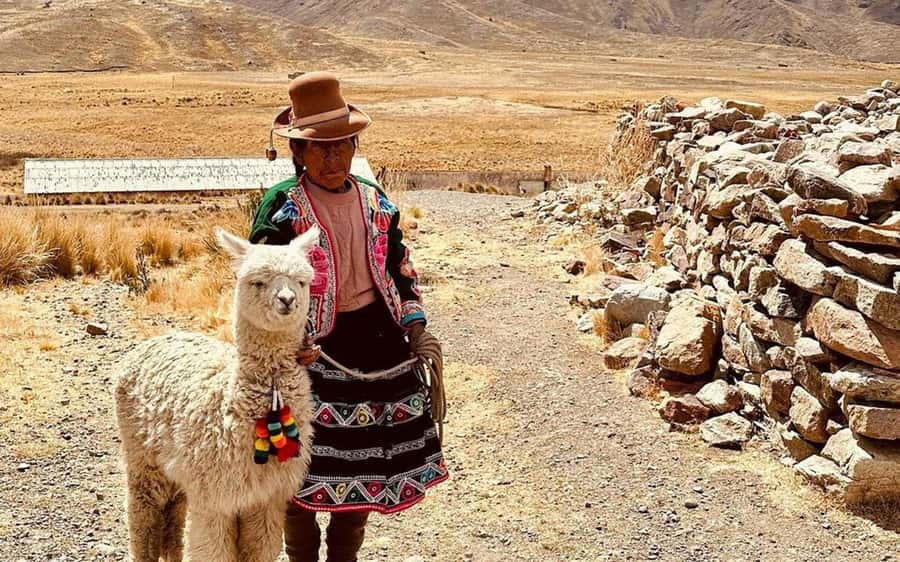
After lunch, you reach Paso de la Raya, described as the border between Cusco and Puno. There’s a quick photo stop at the Nevado de Chimboya area, lasting about 7 to 10 minutes.
This is a short window, so treat it like a photo sprint: get your bearings fast, take a couple good shots, then move on. Don’t waste the moment scrolling—these stops are timed so the day keeps flowing.
The good news: even a brief stop can change how you feel about the whole trip. It gives you altitude-and-weather context for what comes next—Lake Titicaca is its own world.
Pucará’s Lithical Museum: stone art and the story behind it
You’ll finish Day 1 at the Lithical Museum of Pucará. This culture developed from around 1600s BC to 400 AD, and the museum includes ceramics and sculptures—including zoomorphic figures.
One named highlight is Hatun Aqac, described here as a famous sculpture. The tour guide translation in the description calls it something like the supreme cutthroat. Even if the phrasing isn’t poetic, you should find it memorable because it’s specific and tied to a visual example.
This museum stop is valuable because it adds an art-and-people layer to a day that otherwise leans architecture and scenery. By the time you reach Puno (around 5:00 p.m.), you’ll be ready to settle in rather than feeling like you only rode a bus.
Puno night: what you should plan before Day 2
The tour includes the transfer from the Puno terminal to your hotel, but the hotel night in Puno is not included. You’ll arrive around 5:00 p.m., so you’ll likely have time to eat and get ready for a very early next morning.
Do yourself a favor and set out basics the night before: sunscreen, a sun hat, and your camera or phone charged. Day 2 includes time outside on the lake, and the sun near Titicaca can be no joke.
Day 2 at 6:30 am: the port ride and the high-navigable lake intro
Day 2 pickup is at 06:30 am, from your bus station or hotel in Puno, then you transfer to the port. Lake Titicaca is described here as the highest navigable lake in the world, and that opening framing helps you understand why it feels different from lower-altitude waters.
Then you board a boat. The tour is paced so you get a guided visit first, then travel onward, then a return to port by 4:00 p.m.
If you’re prone to seasickness, keep that in mind. The tour doesn’t mention rough-water conditions, so you’ll want to use common sense and pack whatever you usually use when you’re on boats.
Uros floating islands: reeds, living customs, and how people earn a living
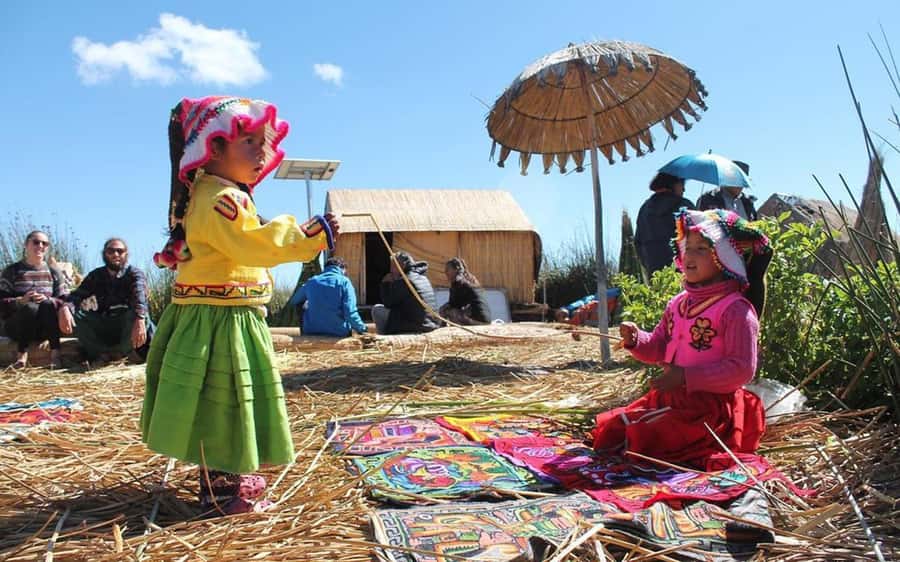
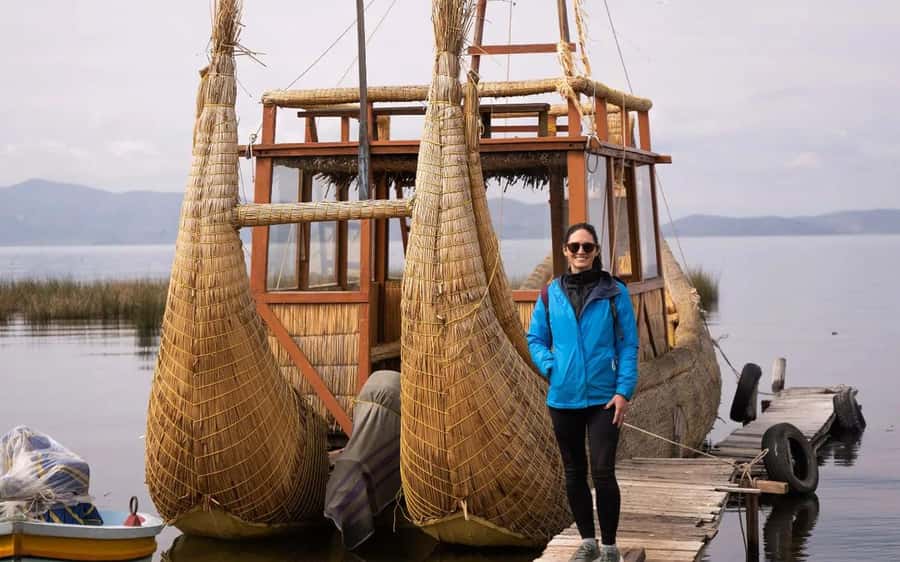
Your first island stop is Los Uros, the floating islands made from reeds. Here, the guide explains the history of the islands and their economic system, plus the customs and crafts you can see during the visit.
This is one of the more meaningful parts of the trip because you’re not just sightseeing a structure. You’re hearing how a community lives on the lake and what keeps that lifestyle going.
Practical tip: bring cash. The tour data specifically lists cash as something to bring. That’s usually a clue that you may have opportunities to buy small crafts or pay for optional experiences on site.
Taquile Island: textiles, cultural continuity, and a guided rhythm
After Uros, you travel by water transport to Taquile. The tour highlights the island’s landscape, ethnic and cultural value, plus archaeological significance. You’ll also observe customs that have stayed intact over time.
The most emphasized local tradition is textiles. The men of Taquile are singled out for carrying out textile activity with such precision that it’s described as even impervious to water, with knowledge passed down through generations.
That’s the kind of detail that turns a tour stop into a lesson. Instead of treating Taquile as just a viewpoint, you’re watching how culture becomes practical skill.
Timing note: lunch is mentioned as typical food of the area. The Day 2 section says lunch is not included, while the included list says Luch (day 2) is included. I’d confirm at booking what’s actually covered for your specific operator and your exact departure date, so there are no surprises on the island.
Back to Puno by 4:00 pm: a clean ending to a long day
At the end of the excursion, the tour returns you to the port of the city of Puno by 4:00 p.m. That’s helpful because it gives you a predictable finish and a full afternoon-evening buffer in case you want dinner or a short walk.
If you’re continuing your trip after Titicaca, this early-enough return makes connections easier. Just don’t schedule a tight transport the same day without a buffer.
Price and value: is $158 per person a fair deal?
The price listed is $158 per person for a 2-day experience. On the value side, the tour includes a lot that usually costs extra if you DIY it: hotel pickup in Cusco and Puno, transport between Cusco and Puno with sightseeing stops, transfers around Puno, entry tickets to the Route of the Sun sites, boat transport for the lake day, and professional English/Spanish guides.
For a short trip, that package approach is often what you’re paying for: fewer coordination headaches and a guided explanation at each stop.
Now the caution. There’s a known risk of cost-to-benefit feeling off if optional experiences on the lake are handled in a pushy way or if additional paid options become mandatory in practice. If you’re budget-minded, ask upfront what’s paid, what’s optional, and what’s simply included in the ticket you already paid.
Also remember what’s not included: the hotel night in Puno. That cost can be the difference between a good deal and an average one, depending on where you stay.
Who should book this tour (and who might not love it)
This is a strong fit if you:
- want a structured transfer from Cusco to Lake Titicaca
- like guided stops and explanations instead of only self-directed wandering
- prefer visiting Uros and Taquile within a 2-day window
You might want a different plan if you:
- hate early starts and long drives
- want lots of free time on islands (this tour runs on schedule)
- don’t like situations where you might feel pressured into extra paid add-ons
Should you book it?
If you want the efficient, well-timed version of Cusco to Titicaca, this tour is worth serious consideration. The combo of Route of the Sun sites plus Uros and Taquile in just two days is exactly the kind of itinerary that saves time and reduces planning stress. And when you’re paying for guides and entry tickets up front, you’re less likely to waste money later on scattered transport and forgotten admissions.
My advice: book it if you’re comfortable with a tight schedule and you like guided culture stops. Before you go, confirm what’s included for Day 2 lunch (the details conflict in the tour description), and ask clearly about any paid extras on the lake. If you do that, you’ll stack the odds in your favor.
FAQ
FAQ
Where do they pick me up on the Cusco-to-Puno day?
They pick you up from your hotel in Cusco at 6:30 hrs., then transfer you to the bus station to start the trip toward Puno.
What time does Day 2 start from Puno?
Day 2 pickup is at 06:30 am, either from your hotel or the bus station in Puno, followed by transfer to the port.
Which sites are included on the Route of the Sun (Day 1)?
Day 1 includes stops at the Sistine Chapel of Andahuaylillas, the Raqchi Archaeological Complex (Temple of Wiracocha), Paso de la Raya for a photo stop near Nevado de Chimboya, and the Lithical Museum of Pucará.
What islands do we visit on Lake Titicaca (Day 2)?
You visit the Floating Islands of Los Uros and then take water transport to Taquile Island.
Are entry tickets included?
Yes. Entry tickets to the tourist places on the Route of the Sun and entry tickets to the Lake Titicaca tour points are included.
Is lunch included on both days?
A buffet lunch is included on Day 1. For Day 2, the info provided is inconsistent: the Day 2 narrative says lunch is not included, while the included list indicates lunch is included on Day 2—so confirm with the provider when booking.
What languages are the guides?
The tour offers a professional English and Spanish guide for both the road portion and the Lake Titicaca portion.
How long is the entire tour?
The duration is 2 days.
What should I bring?
Bring a passport, comfortable shoes, sun hat, camera, sunscreen, comfortable clothes, and cash.
Is there free cancellation or pay-later options?
Yes. The tour includes free cancellation up to 24 hours in advance for a full refund, and it offers a reserve now & pay later option.