REVIEW · LIMA
Lima: City Highlights Small Group Tour
Book on GetYourGuide →Operated by Kultour Perú · Bookable on GetYourGuide
Lima can feel like a blur at first, but this tight tour helps you get your bearings fast. I like the mix of city landmarks and real local texture, and I especially like that you get guided time at Plaza Mayor and San Francisco Monastery without spending your whole day in a museum queue. One thing to plan around: Lima traffic can eat into sightseeing time, so your guide’s route choices matter.
What makes this one work is the flow. You start in Miraflores, jump across to ancient-meets-colonial Lima, and end at one of the most unusual stops in the city center: catacombs tucked inside a monastery. Guides like Edwin, Aura, and Jordan are repeatedly praised for pacing, clear explanations, and helping people find good photo angles around the historic core.
If you want a full deep dive into every era of Lima, this won’t be that. But for an efficient first visit, it’s a very solid value.
In This Review
- Key highlights worth caring about
- A 4-hour sprint through Lima’s old center (and why pacing matters)
- Huaca Pucllana to Plaza San Martín: seeing Lima as layers, not a postcard
- Plaza San Martín and Jirón de la Unión: balconies with an Arabic influence
- Plaza Mayor de Lima: the civic heart with room to breathe
- San Francisco Monastery and the catacombs: a careful, unforgettable stop
- How van logistics and traffic shape your day
- What’s included in the $79 price (and what to plan for)
- Guides make or break the historic-center experience
- Walking comfort, timing, and what to wear in Lima
- Should you book this Lima city highlights tour?
- FAQ
- How long is the Lima City Highlights Small Group Tour?
- Where do pickups happen for this tour?
- What are the main stops on the tour?
- Are entrance tickets included?
- What languages is the live guide available in?
- Is the tour wheelchair accessible?
Key highlights worth caring about
- Huaca Pucllana in the morning hours: a fast taste of Lima’s pre-Columbian side before you hit the colonial center
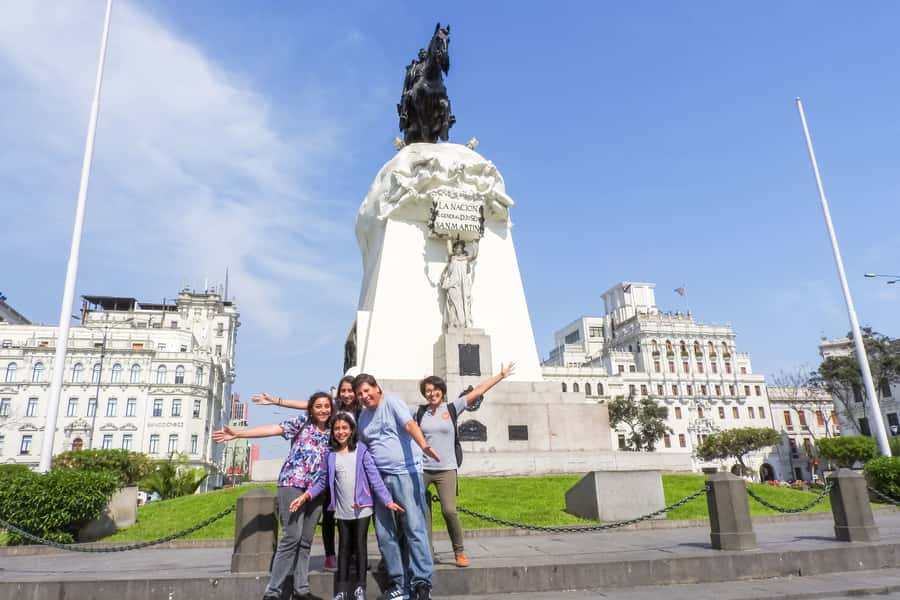
- San Martín Square photo stop + guided walk: balconies, mansions, and street life that make colonial Lima feel real
- Plaza Mayor de Lima: the big civic cluster with cathedral and government buildings in one compact loop
- San Francisco Monastery catacombs: a guided look inside one of the oldest cemetery sites in the Americas
- Private group feel: you’re not stuck waiting while a larger group drifts at its own pace
- Local guide plus entrance tickets: you’re paying for a guided route, not just a van ride
A 4-hour sprint through Lima’s old center (and why pacing matters)
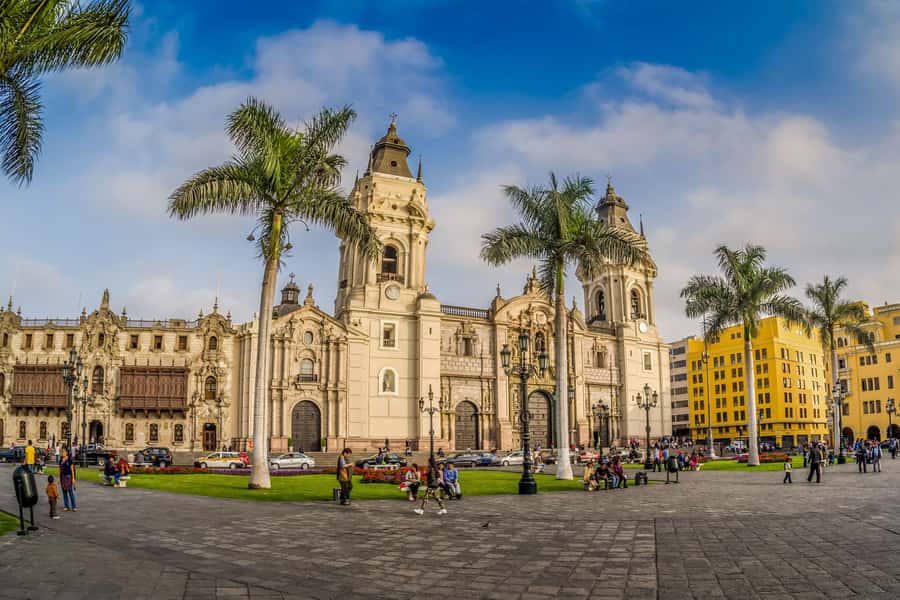
This tour is built for people with limited time. It runs 4 hours, and that length is intentional: you get several high-impact stops in the historic core while still keeping the walking manageable.
The pacing is also realistic for Lima. Central roads can be slow, and the van time is part of the day. The best version of this tour is when your guide keeps you moving between sights and uses the most efficient windows for the areas you’re visiting. In a few past experiences, guides were praised for managing traffic so the itinerary still lands the key points.
If you’re the type who likes to see places but also ask questions, this format tends to fit well. You’re not trapped in one long line of facts. You get guided time at each place, plus short walks where you can look up at balconies and street details on your own.
You can also read our reviews of more city tours in Lima


Huaca Pucllana to Plaza San Martín: seeing Lima as layers, not a postcard
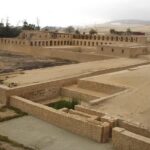
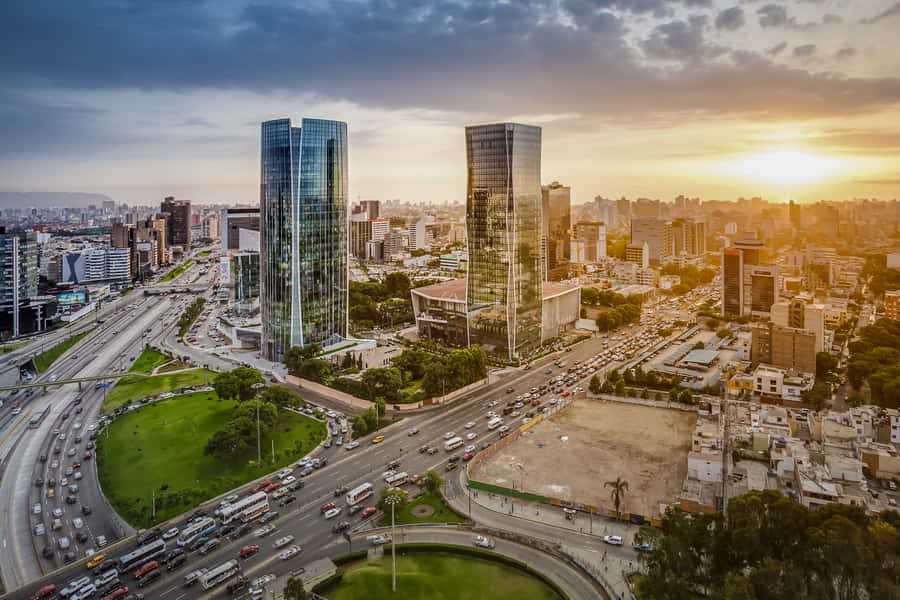
The first major stop is Huaca Pucllana, an archaeological site near Miraflores. You’ll get a short guided visit (about 15 minutes), which is exactly enough time to understand the site’s role and location—ancient Peru living right beside modern Lima.
Why that matters: starting with Huaca Pucllana helps you notice that Lima is not only colonial buildings and modern neighborhoods. It’s a city layered over time. When you later look at the historic center, it feels less like a single era and more like successive chapters stacked on the same ground.
From there you ride into the heart of town for Plaza San Martín and the surrounding streets. The tour includes time for photos and guided context, then a walk that keeps things lively without turning into a slog. If you’re tired of tours that race, you’ll appreciate that the structure gives you brief breaks to absorb what you’re seeing.
Plaza San Martín and Jirón de la Unión: balconies with an Arabic influence
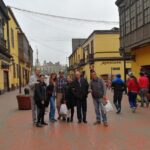
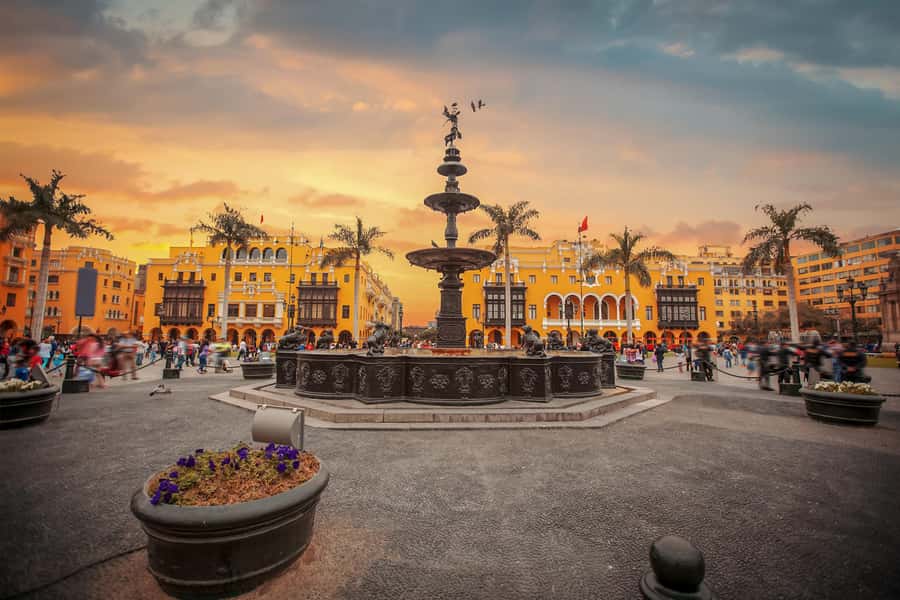
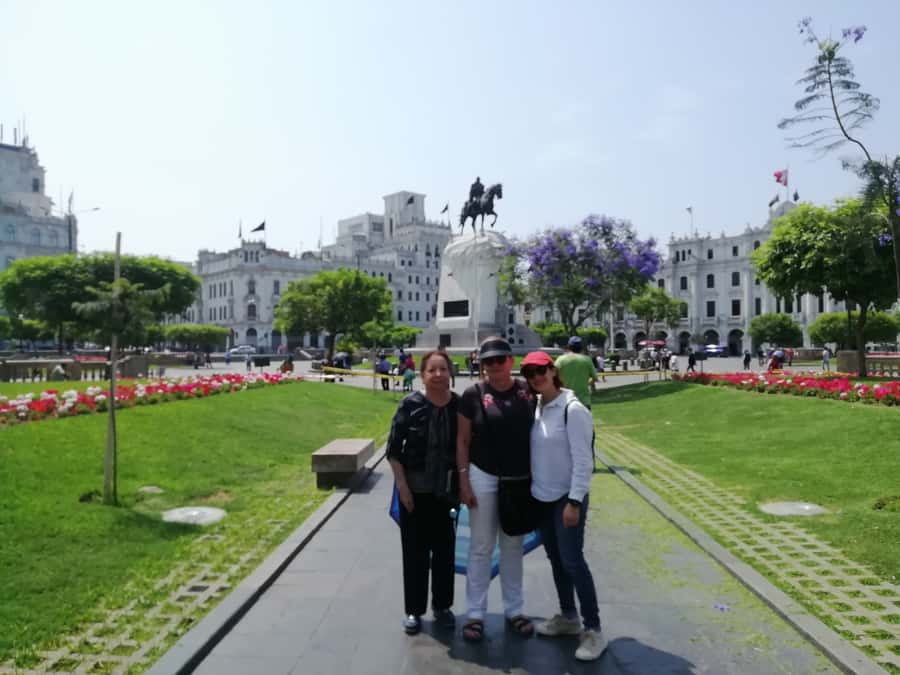
Plaza San Martín is one of those places where the buildings do a lot of talking. The surrounding area is framed by colonial-era homes, balconies, and major city residences—plus the vibe of a living neighborhood, not a fenced-off attraction.
The tour doesn’t treat it like a generic landmark. You get a photo stop and guided visit (about 25 minutes), and you’ll likely get the kind of explanations that help you read the architecture instead of just spotting it. You’ll also head along Jirón de la Unión, one of Lima’s important avenues, where historic streetscapes start clicking into place.
One detail that’s worth your attention: the tour calls out balconies with an Arabic influence around the Plaza Mayor area later on. That kind of cross-cultural design is exactly why it’s worth slowing down your eye and looking up. In Lima’s center, the street level gets your attention, but the upper floors often give you the story.
Plaza Mayor de Lima: the civic heart with room to breathe
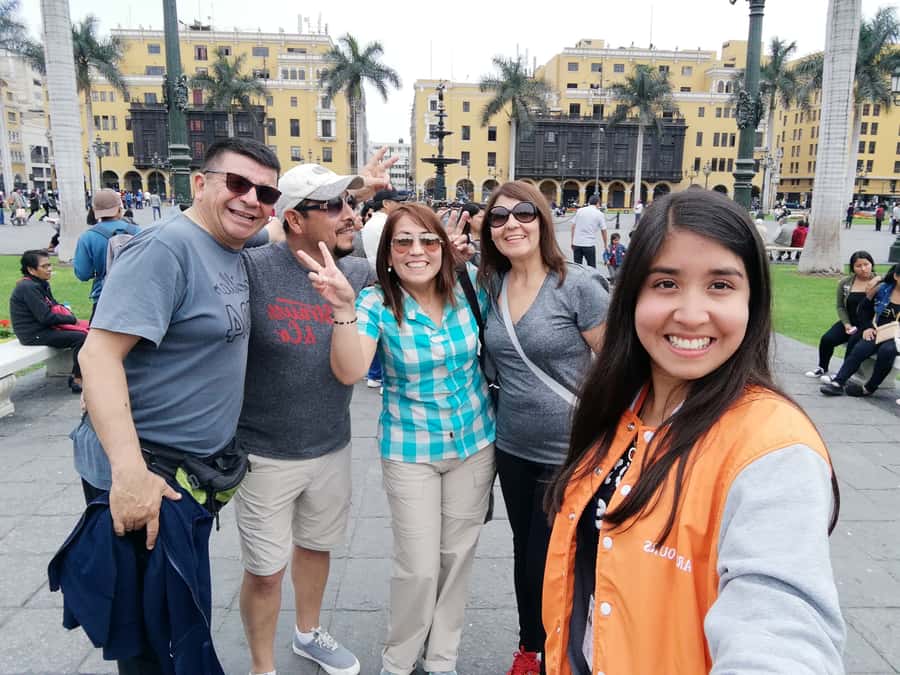
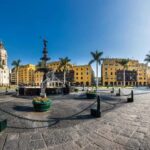
Plaza Mayor de Lima is the classic “you’re in the center” moment. The tour brings you there for a photo stop and guided time, then a walk of about 20 minutes.
This is where you’ll see the cathedral area, the government palace, city hall, and those decorative balconies that reflect a blend of influences. Even if you think you know what a plaza looks like, Plaza Mayor has a way of feeling busy and monumental at the same time.
Here’s my practical advice: don’t rush your photos. Take a minute to stand back and line up the plaza’s main facades. Then come closer for balcony details. That two-step approach is how you end up with shots that look like you traveled thoughtfully, not like you took pictures while hurrying.
This part of the tour is also a good time to ask your guide what to focus on if you return later. Many guides (including ones like Aura and Jordan) are known for answering questions and offering smart next-step suggestions, which can save you time once you’re on your own.
San Francisco Monastery and the catacombs: a careful, unforgettable stop
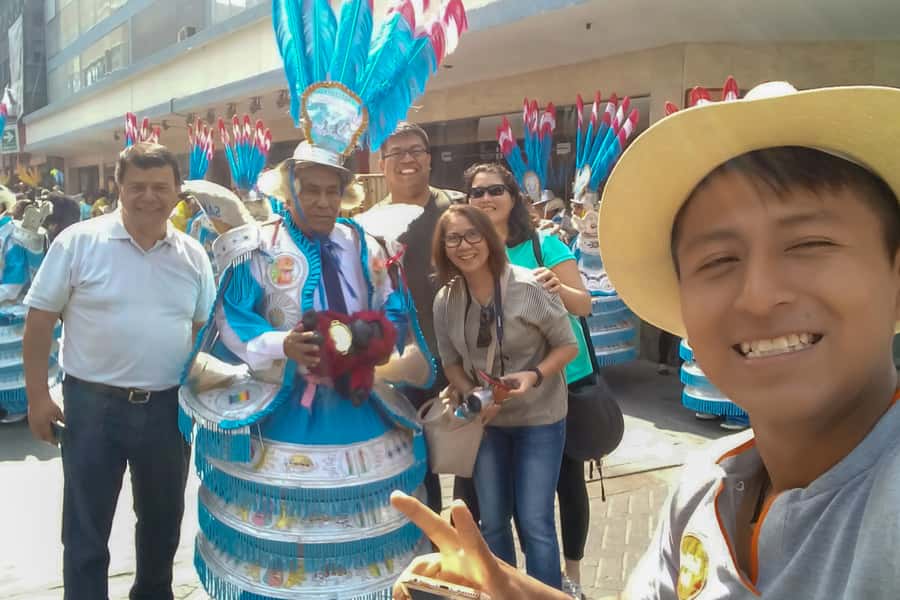
The tour ends with San Francisco Monastery, including guided time and a walk of about 35 minutes. The big draw here is the Catacombs of Lima, associated with one of the oldest cemetery sites in the Americas.
This stop feels different from the plazas and avenues because it’s quieter, more inward, and very “Lima-specific.” The monastery setting gives context, and the guided visit helps turn what could be just a dark corridor into a place with meaning. If you’re curious about how cities remember their dead and how religious spaces function historically, this is a standout.
Practical note: wear comfortable shoes. Even though the total walk time isn’t huge, you’ll want sure footing. Also, bring a light layer for cooler indoor spaces—Lima evenings can feel damp, and night air is why the tour suggests packing a jacket.
If you want a tour that shows you Lima beyond the obvious, this is where it delivers.





How van logistics and traffic shape your day
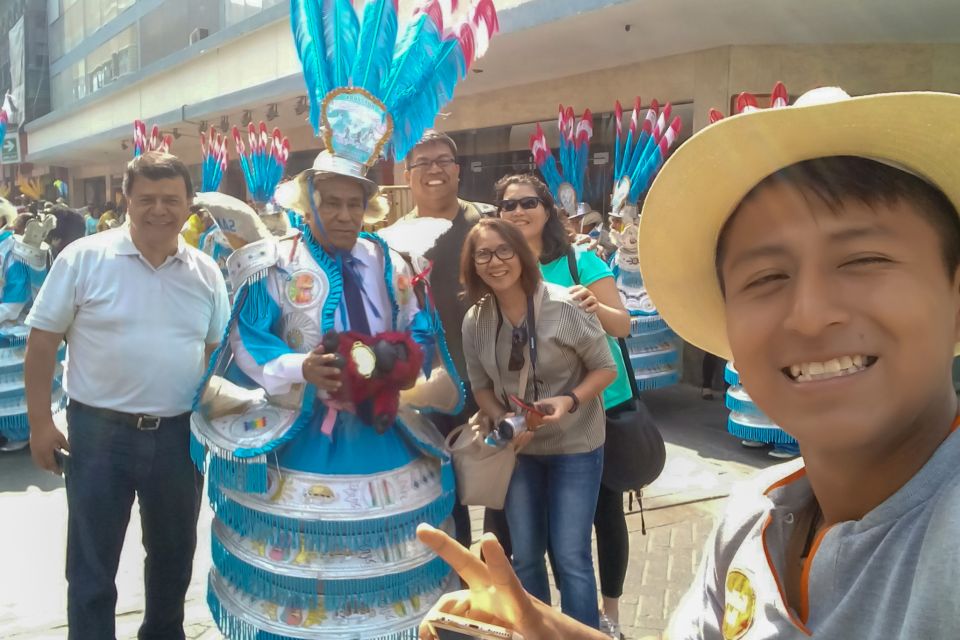
Your day starts with pickup in the Miraflores area and includes roundtrip transport. The tour also offers pickup in nearby districts such as Barranco and Chorrillos (and the provider also mentions San Isidro as an option). The key detail is that pickup is arranged from your neighborhood, so you’re not spending your first hour finding a meeting point.
There’s also van travel time between stops—some stretches can be longer because central Lima traffic can be slow. The positive pattern in past experiences is that well-run guides accounted for traffic by keeping the experience focused on the planned highlights without turning it into a random detour.
If you’re the kind of person who hates delays, keep expectations flexible. This tour doesn’t pretend the streets will be empty. It works best when you treat transportation as part of the story of Lima, not as a failure of planning.
What’s included in the $79 price (and what to plan for)
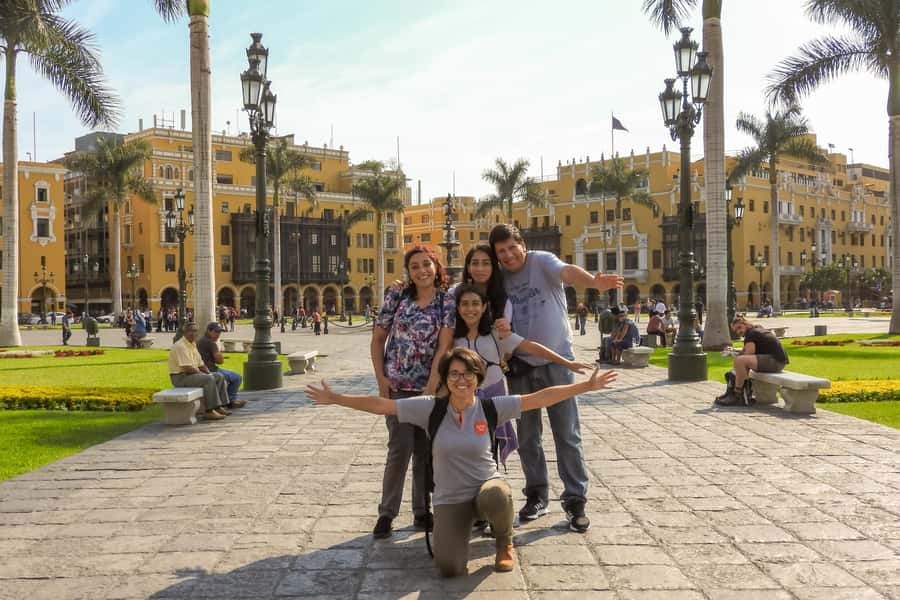
At $79 per person for a 4-hour small-group style experience, you’re paying for several practical things at once:
- Roundtrip transportation
- Pickup and drop-off in selected districts
- A local expert guide
- Entrance tickets
- Parking
That bundle matters because it reduces decision fatigue. You’re not worrying about how to get between sites, whether entrance tickets are easy to buy on your own, or which order makes the most sense.
What’s not included is meals and drinks. So plan to eat before you go or bring a snack idea for after. This is especially useful if your day includes a dinner reservation you don’t want to miss.
Also note: the tour is listed as a private group. That doesn’t mean it’s endless personal tutoring, but it does mean you’re more likely to get a calmer experience than the big-bus rhythm.
Guides make or break the historic-center experience
This type of tour lives and dies by the person holding the thread. You want someone who can explain the whys behind the what.
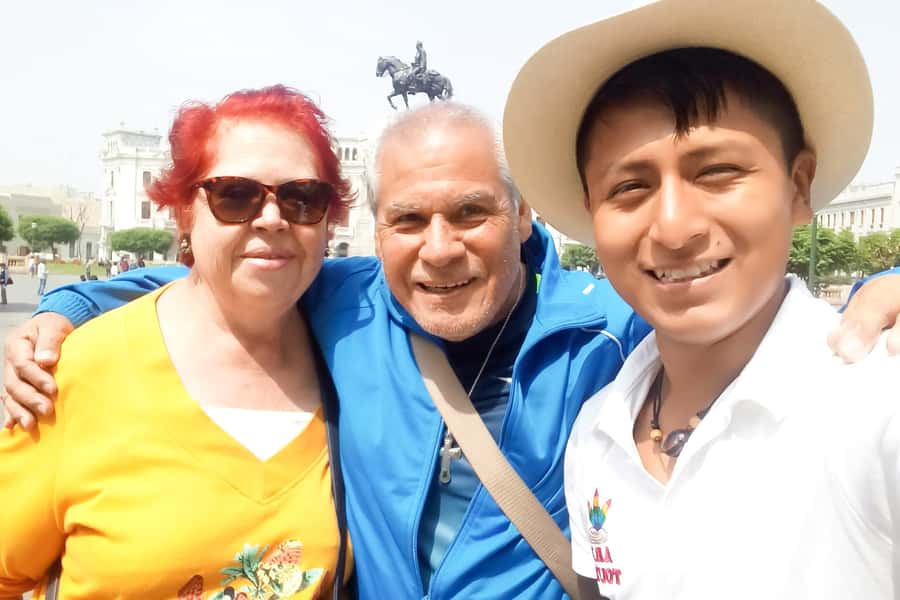
The best-rated guides tied to this experience—people like Edwin, Aura, Jordan, Sophia, Maria, and Jessica—are repeatedly praised for being friendly, patient, and very good at answering questions. Multiple guides are noted for strong English skills (plus other languages), and a few were recognized for negotiating Lima traffic efficiently, which is one of those invisible skills that turns a good plan into a great day.
The payoff for you is simple: you get more than a route. You get context at the exact moment you’re standing in front of the place. That’s how the plazas stop being generic scenery and start feeling like Lima.
Walking comfort, timing, and what to wear in Lima
This tour is mostly walk-and-look, not marathon hiking. Still, you’ll be on your feet for multiple short stretches. Comfortable shoes aren’t optional. Pick something with grip—Lima streets can be uneven, and you’ll want stability around older buildings and monastery areas.
Bring a jacket. The tour specifically suggests it for night, and that’s good advice even if you’re visiting during the warmer months.
Weather tip: December to April tends to be summer, while May to November is commonly overcast. If you’re traveling in the cooler, cloudier months, pack for a day that may start bright and end gray, or just stay cool and damp.
Should you book this Lima city highlights tour?
Book it if you:
- want a smart first-visit overview in only 4 hours
- care about guided context at major stops like Plaza Mayor and San Francisco Monastery
- prefer a private group feel instead of a large scramble
- like history that connects architecture, city planning, and daily life (not just dates)
Skip it (or consider a longer option) if you:
- want hours at just one place, like the catacombs or a single museum
- hate any chance of traffic-related timing shifts and need a perfectly rigid schedule
- plan to eat a late dinner right after, since the day ends back in Miraflores and can run with normal city timing
In my view, this is a great “get oriented” tour. It lands the highlights that make Lima feel like Lima, not like a generic checklist.
FAQ
How long is the Lima City Highlights Small Group Tour?
It runs for 4 hours total.
Where do pickups happen for this tour?
Pickup is offered in Miraflores, and also in Barranco and Chorrillos. The provider also mentions San Isidro as an option, so it’s worth confirming where your exact hotel or Airbnb is located.
What are the main stops on the tour?
You’ll visit Huaca Pucllana, Plaza San Martín, Plaza Mayor de Lima, and Saint Francis Monastery (including the catacombs).
Are entrance tickets included?
Yes. Entrance tickets are included.
What languages is the live guide available in?
The guide may be available in Spanish, English, French, Portuguese, and Quechua.
Is the tour wheelchair accessible?
Yes, the tour is listed as wheelchair accessible.