REVIEW · LIMA
City Tour Colonial and Modern Lima for 5 Hours
Book on GetYourGuide →Operated by America Explorer Peru · Bookable on GetYourGuide
Five hours through Lima, from pyramids to catacombs. This tour is a smart mix of Huaca Pucllana viewpoints and the San Francisco convent and catacombs, where the city’s religious art history is front and center. I like that it connects colonial landmarks to everyday Lima life, not just sightseeing-from-the-bus. One drawback to consider: if you already visited the catacombs, swapping that stop for something else may come down to what the guide can offer on the day.
The guiding team works in English and Spanish, and the format is designed to keep you included in the conversation. You’ll also get a narrated audio option in English and Spanish, plus a bit of time for photos and short walks. Just plan around the fact that there’s no lunch included, and you’ll spend some of the day in transit between neighborhoods.
In This Review
- Key highlights to know before you go
- First stop: Parque del Amor and Huaca Pucllana’s old-meets-new views
- Plaza Mayor de Lima: how Lima’s colonial core stays readable
- Basílica y Convento de San Francisco: religious art and the catacombs experience
- Residential Lima: El Olivar de San Isidro, Miraflores, and Larcomar
- How the 5-hour loop actually works (and why it feels efficient)
- Price and value: what $40 buys you in Lima
- What to bring (and what not to) for a smoother visit
- Should you book this colonial and modern Lima tour?
- FAQ
- How long is the Lima Colonial and Modern City Tour?
- What pickup locations are available?
- What time does the tour run?
- Is lunch included in the price?
- What’s included for the main attractions?
- What languages are the guide and audio available in?
Key highlights to know before you go
- Huaca Pucllana first: Start with panoramic views and a guided look at a 4th-century AD ceremonial site.
- Plaza Mayor de Lima walking time: Get a focused, guide-led circuit through Lima’s main squares and monuments.
- San Francisco convent is the star: See the large collection of religious art in America, plus underground vaults and catacombs.
- Residential stops feel like Lima, not a museum: You’ll pass through El Olivar de San Isidro, Miraflores, and Larcomar.
- Bilingual guiding and audio support: English/Spanish narration helps you follow even if your Spanish is basic.
- 5 hours fits well: Long enough to feel like a real tour, short enough to keep your Lima plans flexible.
First stop: Parque del Amor and Huaca Pucllana’s old-meets-new views
Most Lima days start with altitude games (heat, traffic, walking) and you need a route that keeps you oriented. This one does that quickly. You begin in the car with scenic stops, and it helps you understand how Lima’s coastline, neighborhoods, and historic core connect.
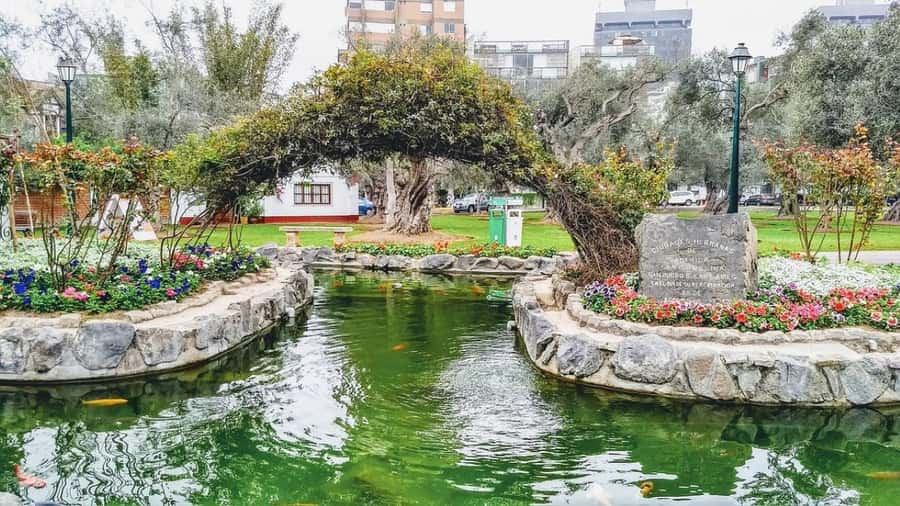
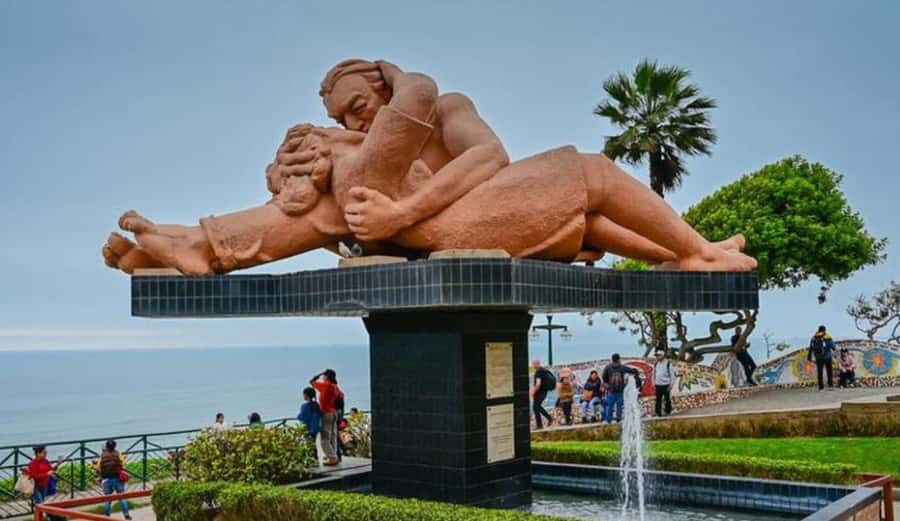
A standout early moment is Parque del Amor, where you get a viewpoint feel for the city before history locks in. It’s a calm way to reset your eyes. You’re not yet in the thick of colonial Lima, so it’s easier to focus when the tour shifts gears.
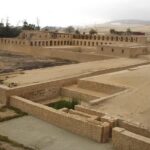
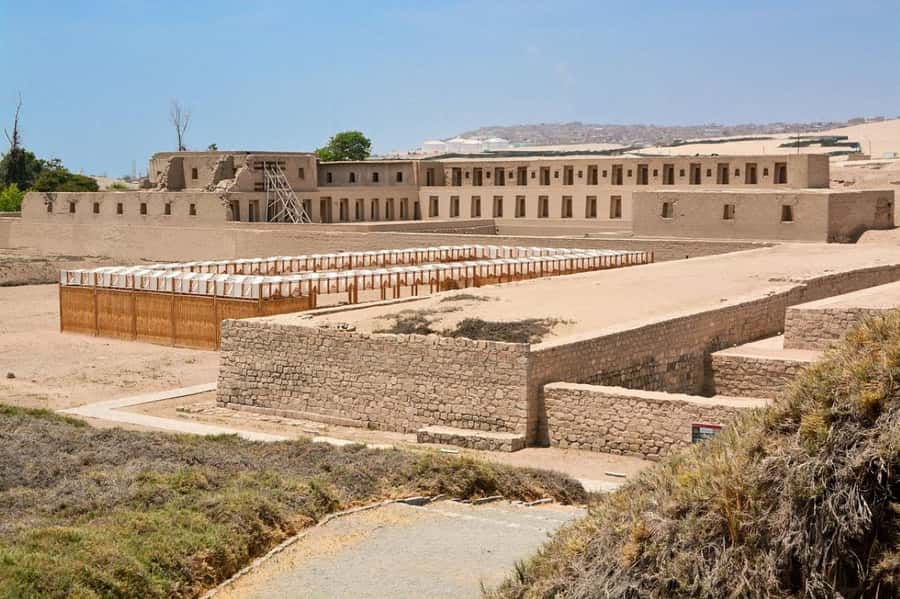
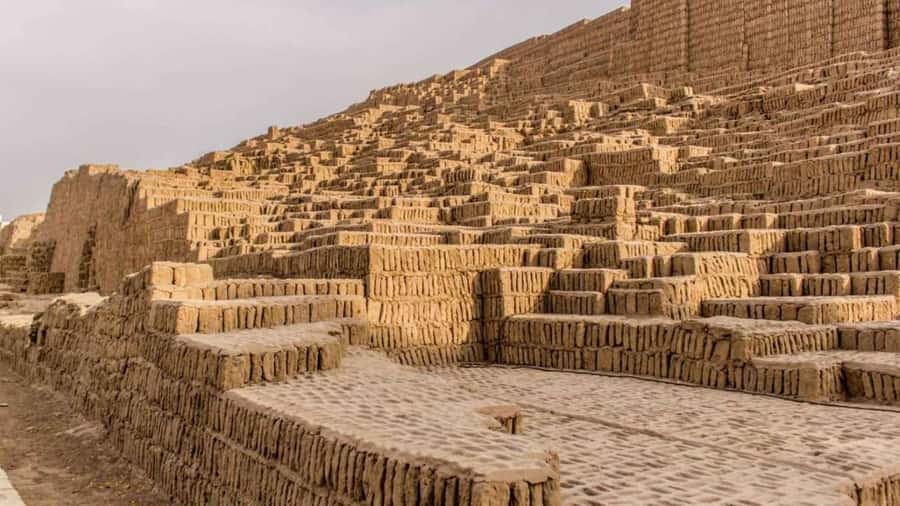
Then you move to Huaca Pucllana, a ceremonial and archaeological center built in the 4th century AD. One reason I like this stop is that it changes your idea of Lima’s timeline. You’re seeing a site that the Incas treated as sacred, even though it predates the Spanish era that dominates the rest of the city tour. The guided visit is short, but the setting does a lot: the pyramidal form made of bricks is striking, and the views give you a sense of Lima beyond the historic center.
Practical tip: if you’re sensitive to sun, bring the sun hat and sunscreen you were planning to use anyway. This early stretch can be bright, and you’ll be outside during the panoramic segments.
You can also read our reviews of more city tours in Lima



Plaza Mayor de Lima: how Lima’s colonial core stays readable
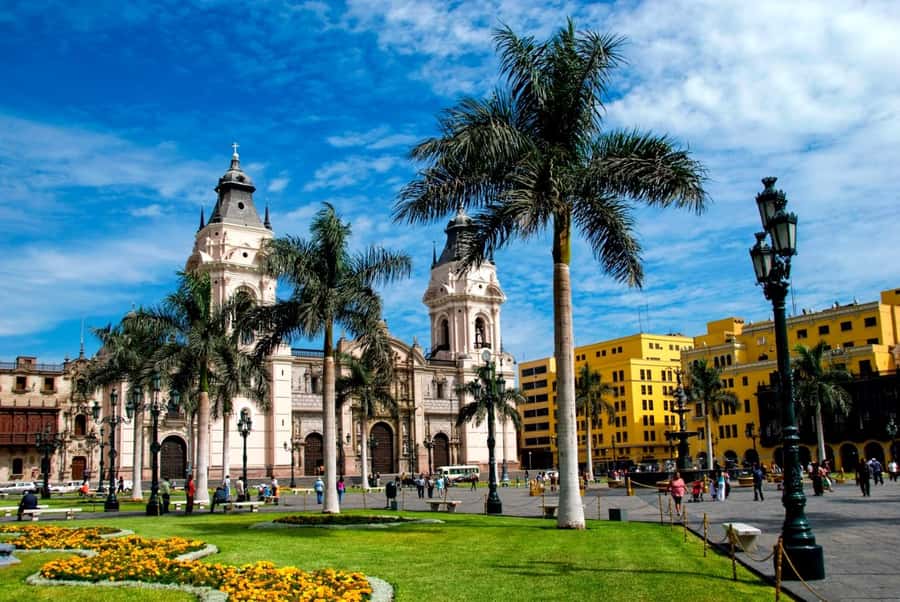
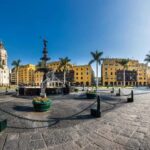
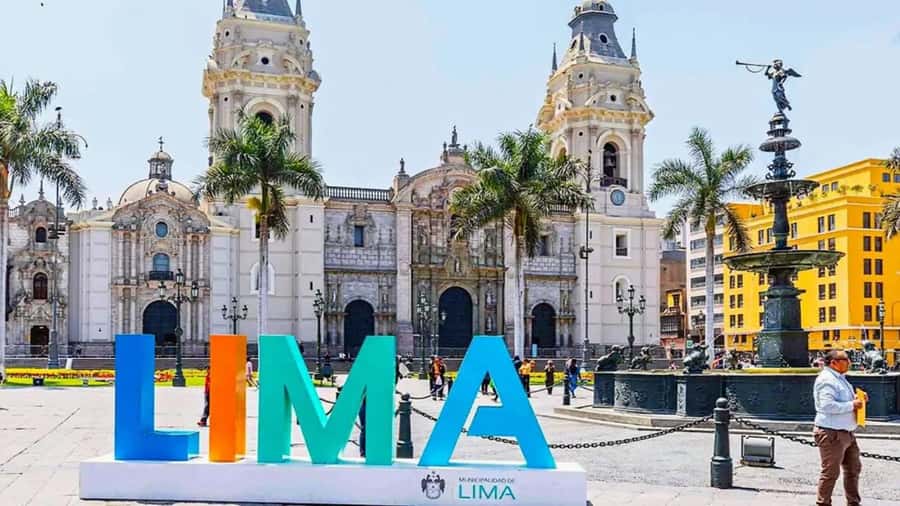
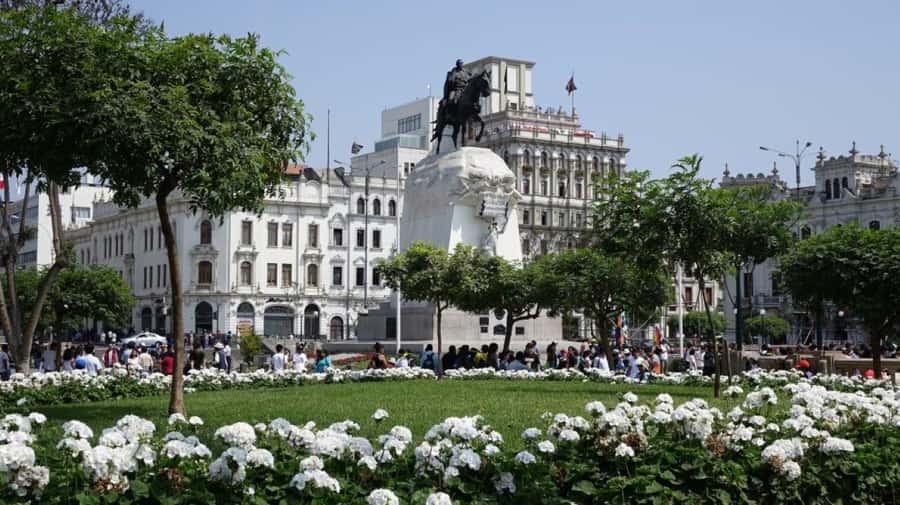
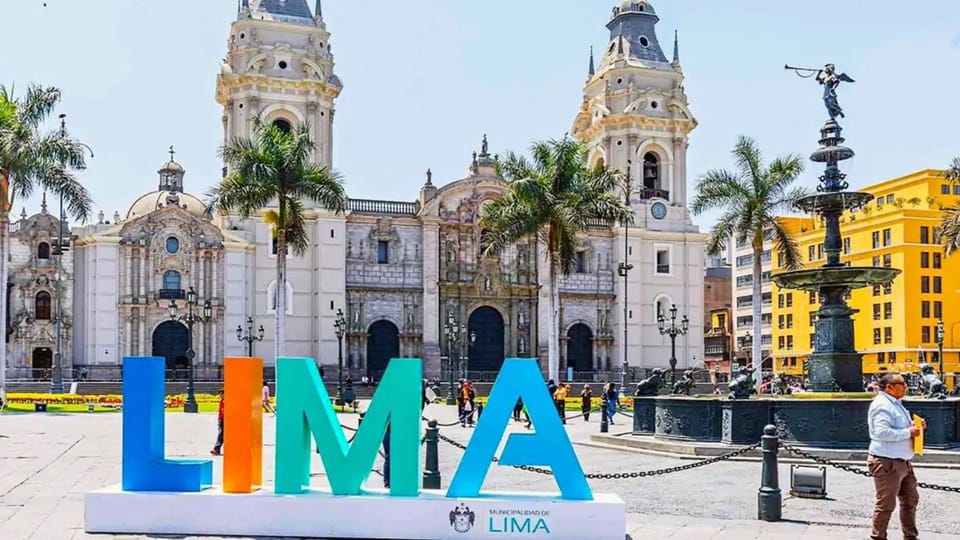
Once you reach the historic center, the tour becomes more walk-and-look. Plaza Mayor de Lima is the kind of place where everything matters, even if you only have a short time. You get a guide-led circuit through the area’s main streets, squares, and monuments, with enough explanation to make the architecture feel like a story, not just a backdrop.
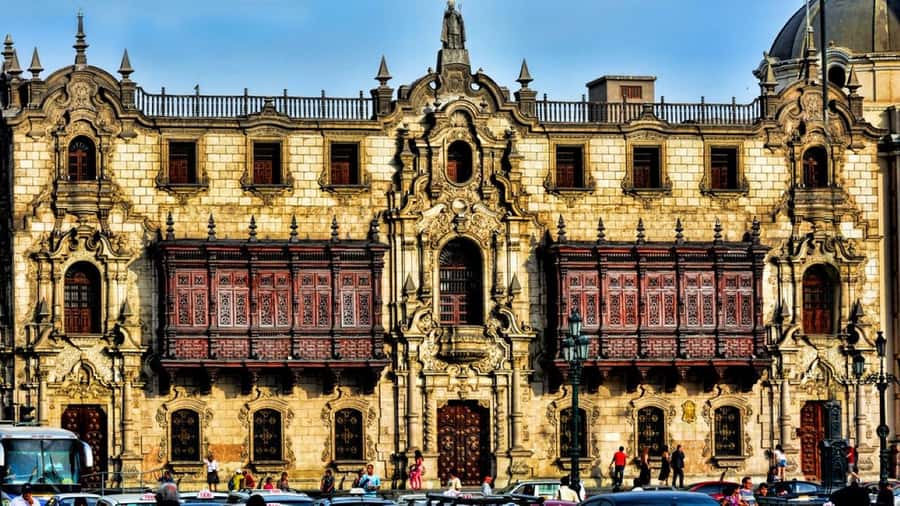
This is where the colonial architecture theme becomes real. In Lima, the Spanish-era style can feel both grand and slightly formal, and the guide-led pacing helps you notice details you’d otherwise miss from curbside glimpses. You also get context for why this space is central to Lima’s identity: it’s the city’s historic “center of gravity,” and the tour uses that logic well.
What I think you’ll enjoy most here is the rhythm. You’re not rushed through ten stops with no breathing room. Instead, the time is organized so you get sightlines, photo moments, and short guided segments. That makes the historic center easier to absorb, especially if you’re visiting for the first time.
A consideration: the historic center can be busy. You’ll be moving with a group, so if you love slow, independent wandering, plan to come back later for longer exploration. This tour gives you orientation and highlights, not a whole-day deep walk.
Basílica y Convento de San Francisco: religious art and the catacombs experience
For many people, the San Francisco stop is the reason to book. The convent and basilica visit is also where the tour feels most distinctive, because it goes beyond surface-level church sightseeing.
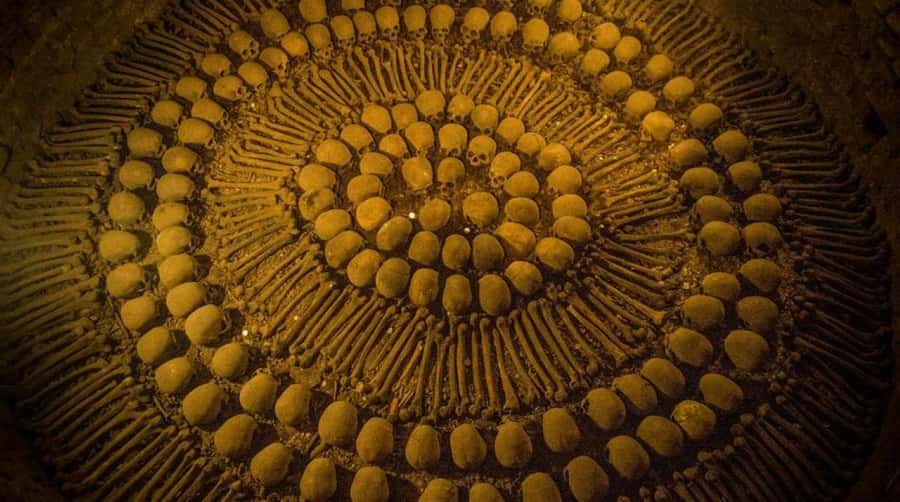
Here, you’ll see the largest collection of religious art in America, and the guide connects that art to Lima’s living tradition—how faith, power, and community shaped the city. The highlight inside is what happens underground. You get to visit the underground vaults and the catacombs, which are built into the site in a way that turns the history into something physical.
Even if you think you’re not the catacombs type, the experience is usually about more than the shock factor. The vaults and underground spaces help explain why this complex became such a powerful symbol. You’re looking at architecture designed for secrecy, preservation, and ritual. That mix makes the visit memorable.
Timing note: there is a break time and photo stop built into the general segment, so you’re not spending every second in dark corridors without recovery. Still, it’s a tour through a specific environment. If you’re prone to claustrophobia or have any health concerns, go in knowing the catacombs are part of the core experience.
Important if you’re planning around prior visits: one guest issue that matters here is flexibility. The tour includes the catacombs as a main attraction, and if you already did that elsewhere, you should be very direct at the start about what you want to replace it with. It may not be instant, and any alternative might affect what’s possible with timing.
Residential Lima: El Olivar de San Isidro, Miraflores, and Larcomar
After the historic heavy lifting, the tour pivots into everyday Lima—wealthier residential pockets, coastal neighborhoods, and the modern parts people actually hang out in.
El Olivar de San Isidro is one of the stops you’ll pass through. It’s a useful contrast point after colonial architecture, because it helps you see Lima’s blend of old structures and modern city life. Miraflores follows, which is one of the easiest neighborhoods to recognize on a map and in real life. It’s a common hotel zone, so it also functions as a comfort check: you’re not completely outside the area you’ll likely explore on your own later.
Then you get to Larcomar, a modern spot along the coast known for its lively feel and views. Even if you don’t stop inside long, the drive-by segment (with scenic views included) helps you connect the city’s timeline. You’ve seen ancient ceremonial space, Spanish-era center stage, and now you’re shifting toward how people live now—street level, coastal scenery, and a more contemporary Lima mood.
My advice: use the modern segments to reset your planning brain. If you want to eat well, shop, or take a second look later, Miraflores and the Larcomar area are good places to do that after the tour. You’ll leave knowing where you are and what direction to walk next.
How the 5-hour loop actually works (and why it feels efficient)
This is a 5-hour guided tour with two daily start times: 9:00 am and 2:00 pm. The total duration matters because Lima is a city where time can slip through traffic. A focused 5-hour format gives you a full arc—ancient, colonial, and modern—without swallowing an entire day.
You’ll get hotel pickup, and the pickup options include Miraflores, San Isidro, and Barranca. You’re also dropped back at San Isidro, Barranca, or Miraflores, depending on where you start. That means you’re not forced to fight for the right meeting spot in a busy city.
The tour is also structured around a mix of guided walking and guided car time. The car time includes scenic views on the way, which is helpful because Lima’s layout makes it hard to understand distance without actually moving through the city. On the walking parts, you get photo stops and short guided segments, so you aren’t stuck holding a camera while wondering what you’re looking at.
Bilingual guiding is part of the efficiency. A guide working in English and Spanish can explain the same landmark with enough detail that you’re not translating in your head the whole time. If you don’t speak Spanish well, this matters. You’ll still be able to follow the story and ask questions.
One more practical note: the tour is not suitable for people with epilepsy. If you have any condition where underground or confined spaces might trigger symptoms, take that line seriously when deciding.





Price and value: what $40 buys you in Lima
At $40 per person for a 5-hour tour, you’re paying for three main things: guided storytelling, transportation between key areas, and paid access for the San Francisco site.
Entrance ticket for the convent/catacombs visit is included, so you’re not trying to add another cost later just to make the core attraction happen. You’re also getting a dedicated guide who works in both English and Spanish, plus permanent assistance and audio support in English and Spanish.
So where does the value land? It’s best if you want:
- a first-pass overview of historic Lima with real context
- the specific San Francisco convent/catacombs experience
- a look at modern neighborhoods without planning routes and rides yourself
Where it may not be the best value:
- if you already visited the catacombs and you don’t get a solid alternative
- if you’re looking for a super flexible, choose-your-own-adventure style itinerary (this route is built around set major sites)
- if you’re a slow explorer who needs lots of free time to wander without stopping
Also, you’re not getting lunch. That’s normal for many guided city loops, but it does affect your day plan. Put lunch somewhere simple near Miraflores after the tour, or bring a snack if you know you’ll get hungry.
What to bring (and what not to) for a smoother visit
This tour is straightforward, but a few items can make the difference between comfortable and cranky.
Bring:
- your passport or ID card
- a sun hat
- biodegradable sunscreen
- comfortable clothes
Comfort matters here because you’ll mix car time with walking time, and you’ll likely be outside during scenic segments and photo stops.
Not allowed items include weapons or sharp objects, and smoking is not allowed in the vehicle or indoors. Alcohol and drugs are also not allowed. Keep the plan clean and simple, and you’ll avoid problems at check-in points.
If you’re considering a wheelchair: the tour is listed as wheelchair accessible. That’s a big plus in a city where streets and building entries can be uneven.
Should you book this colonial and modern Lima tour?
I’d book it if you want a one-day spine for Lima: ancient Huaca Pucllana, the colonial heart around Plaza Mayor, and the San Francisco convent/catacombs as a real, signature experience. It’s also a strong choice if you like having someone else handle logistics so you can focus on learning and photos. The bilingual guiding and audio support are a real help, especially if you’re not fluent in Spanish.
I’d think twice if your main goal is pure independence. This tour is structured, and the catacombs stop is part of the core plan. If you already did it—or you know you want a very specific replacement—ask early, be clear, and confirm what changes are possible.
If you’re spending just a short time in Lima and you want maximum orientation with minimal stress, this is one of the most practical ways to connect colonial Lima to the modern neighborhoods you’ll likely explore next.
FAQ
How long is the Lima Colonial and Modern City Tour?
The tour lasts 5 hours.
What pickup locations are available?
Pickup options include Miraflores, San Isidro, and Barranca. The drop-off locations are also San Isidro, Barranca, and Miraflores.
What time does the tour run?
There are two start times: 09:00 am and 2:00 pm.
Is lunch included in the price?
No. Lunch is not included.
What’s included for the main attractions?
You get hotel pickup, a guided visit through residential districts (Miraflores and San Isidro), a tour of the historic center, and a visit to the Convent of San Francisco and its catacombs, with an entrance ticket included.
What languages are the guide and audio available in?
The tourist guide and audio support are available in English and Spanish.