REVIEW · CUSCO
4-Day Lares Trek to Machu Picchu
Book on Viator →Operated by Inkayni Peru Tours · Bookable on Viator
Skip the tourist stampede, earn Machu Picchu. This 4-day Lares Trek pairs real Andean communities with big Inca sights, finishing with a morning climb into Machu Picchu.
I especially love the calmer feel of the less-crowded trail and the way the route mixes hikes with meaningful stops, like the Inca site at Pumahuanca and the chance to see Ollantaytambo. I also liked the practical support built into the trip: a bilingual guide, a chef, and mule help so you’re hiking, not lugging.
The main thing to consider is altitude and effort. You’ll hit passes near 14,000 feet, and this is a serious trek even though the itinerary times are reasonable.
In This Review
- Key highlights worth your attention
- Lares Trek route: the quiet Peru you came for
- Day 1 in the Sacred Valley: Pumahuanca ascent at altitude
- Day 2 over the highest pass and Yanacocha Black Water Lake
- Day 3 Quechua families, quinoa fields, and Lares hot springs
- Machu Picchu in the morning: guided temples plus room to wander
- Price and what is really included (and what costs extra)
- What to pack, and how physically ready you need to be
- Should you book this 4-Day Lares Trek to Machu Picchu?
- FAQ
- What time does pickup and the trek start?
- How long is the Lares Trek to Machu Picchu?
- Is Machu Picchu entrance and the guided tour included?
- Do I need extra tickets for Huayna Picchu or Machu Picchu Mountain?
- What meals are included?
- Is there camping gear and sleeping equipment provided?
- How do you handle altitude safety?
- Is there luggage support on the trek?
- How many people are in the group?
Key highlights worth your attention
- Less-crowded Lares route that trades crowds for quieter mountain villages
- Near-14,000-foot high pass with big views and real stamina demands
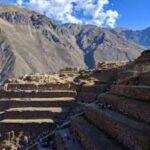
- Pumahuanca Inca site plus a possible stop at Ollantaytambo and its agricultural terraces
- Yanacocha Black Water Lake for reflective, moody Andean scenery
- Hotel in Aguas Calientes plus round-trip bus to Machu Picchu
- Included comfort and safety touches like Thermarest mattresses, oxygen bottle, and an on-trail first aid kit
Lares Trek route: the quiet Peru you came for
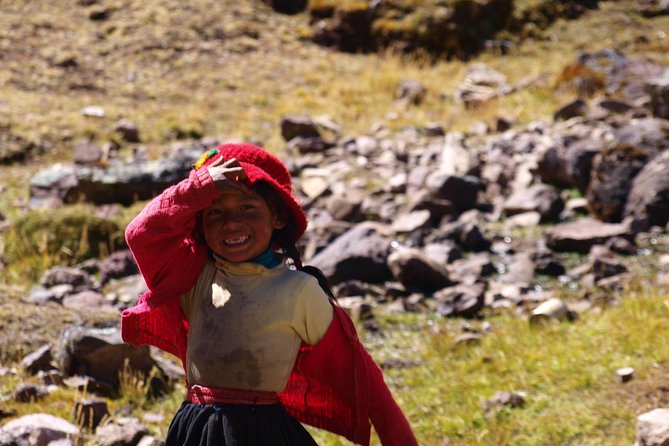
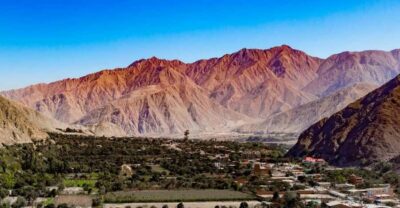
If you want Peru that feels less like a conveyor belt, the Lares route delivers. Instead of marching with the largest crowds, you spend your days on a rugged, scenic trail through smaller Quechua communities and high Andean scenery that’s harder to reach any other way.
I love how the trip keeps your attention on what matters: walking time, local life, and Inca history in the places it actually happened. You’re not rushing from one photo stop to the next; you’re moving through valleys, forests, and lakes, then meeting sites like Pumahuanca for context on what you’re seeing.
There’s also a smart pacing choice in the route. You get a big ascent on Day 1, a demanding-but-rewarding high-point moment on Day 2, then a steadier day that lets you connect with people and end with hot springs. That rhythm helps you enjoy the trek instead of just surviving it.
You can also read our reviews of more hiking tours in Cusco
Day 1 in the Sacred Valley: Pumahuanca ascent at altitude
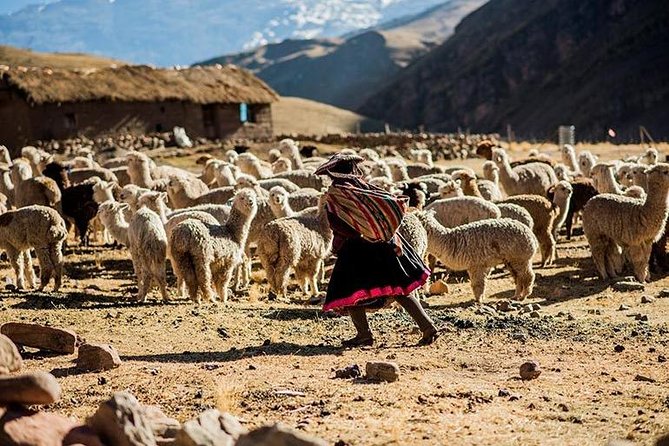
Your morning starts early, with pickup from your Cusco hotel and a 5:00 am start time. From there, you ride through the Sacred Valley of the Incas, passing Andean villages and snow-capped peaks before you reach Pumahuanca (about 2,950 masl / 9,678 ft.), the starting point of your hike.
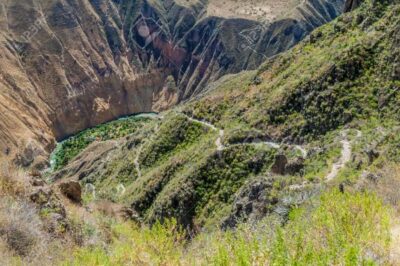
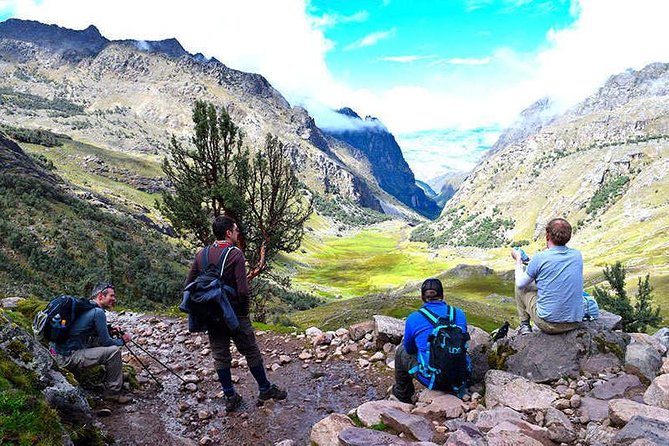
The first day hike is about 14 km with a gain of roughly 1,150 m (3,773 ft.). Expect a gradual climb through a valley with native forests and streams. This is the day where you’ll feel altitude the most, especially if you’re still adjusting from Cusco.
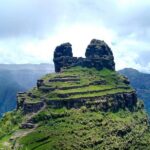
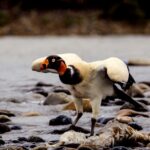
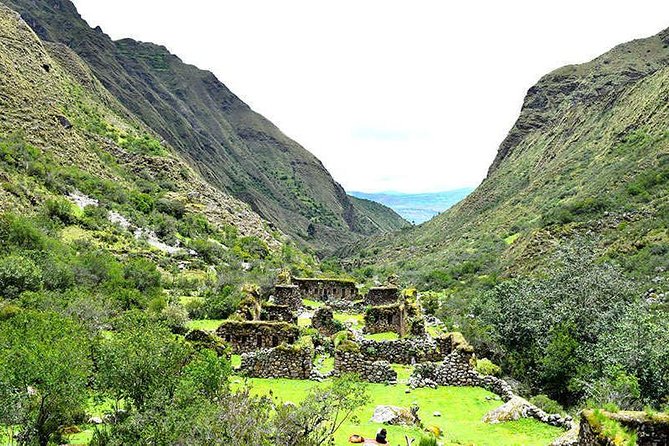
One of my favorite details here is the stop at Pumahuanca, the Inca site. Your guide doesn’t just point out stones; they explain the region’s history and talk about flora and birdlife. It’s a small moment, but it helps you understand the landscape as something living and used by people over time, not just a backdrop for your photos.
Practical note: water is included later, but you may need to bring it during the first portion of the trek (the plan says water is provided after the first 4 hours). That’s an easy thing to miss if you pack loosely, so plan to carry what you need early.
Day 2 over the highest pass and Yanacocha Black Water Lake
Day 2 is framed as the most dramatic day of the trek, and it earns that reputation. You start from your high-altitude campsite at Puyoc, then hike about 13 km toward Cuncani (around 3,900 masl / 12,795 ft.). Most of the route trends downhill after an initial push, which is good news for your legs after Day 1.
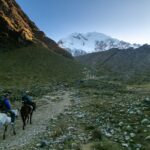
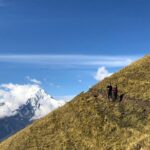
Still, you don’t get an easy ride. The day includes a two-hour climb to the highest pass of the trek. This is the moment where the views feel huge and the air feels thin. It’s also where a good guide can make the difference between stress and confidence. One review praised Edgar by name for exactly this kind of encouragement when altitude made walking tough. Having someone who knows your pace and keeps you moving matters more than people think.
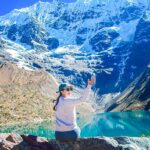
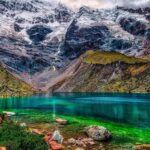
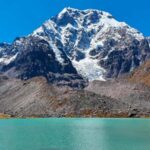
After the pass, you descend and get rewarded with mountain lakes, including Yanacocha, often described as a Black Water Lake because the reflections look dark and mirror-like. It’s not just scenic—it’s a reminder that this isn’t a tourist loop. You’re seeing high Andean ecology up close, and it looks different than the lowland Peru most first-timers picture.
You finish the day at a high camp near Cuncani, ready for the more human side of Lares on Day 3.
Day 3 Quechua families, quinoa fields, and Lares hot springs
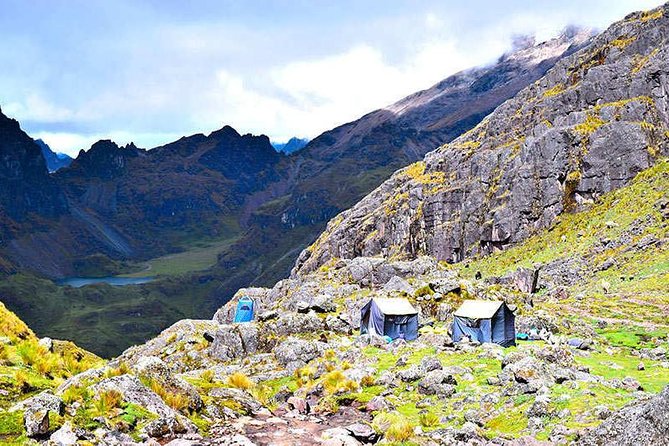
Day 3 is about people. After an early start, you visit a local home where an Andean family shares their traditions. You get time to talk, learn, and see how daily life works up here. It’s also the kind of stop where you might use a few Quechua phrases, and yes, it tends to make everyone smile.
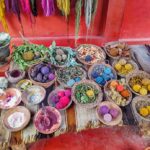
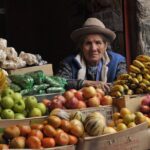
You’ll also have chances to offer small gifts and browse handwoven alpaca textiles. This is the kind of buying experience that can actually feel respectful—because you’re meeting the makers before you’re spending money. If you’re thinking of bringing home a scarf or small woven item, this is the right time and place on the route.
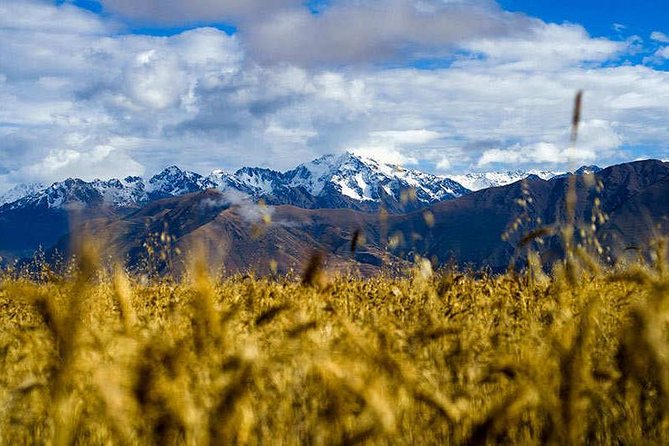
Then you hike from Cuncani down about 6 km toward the Lares hot springs (around 3,150 masl / 10,334 ft.). The trail passes quinoa and tarwi fields, and you’ll have opportunities to spot agriculture and everyday patterns shaped by altitude.
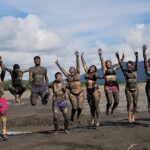
You end with the hot springs experience, which is more than a nice reward. After two high days, warm water gives your body a reset and makes the final travel day feel more manageable.
Machu Picchu in the morning: guided temples plus room to wander
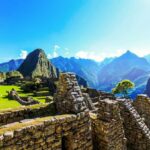
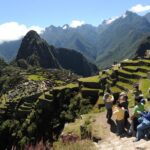
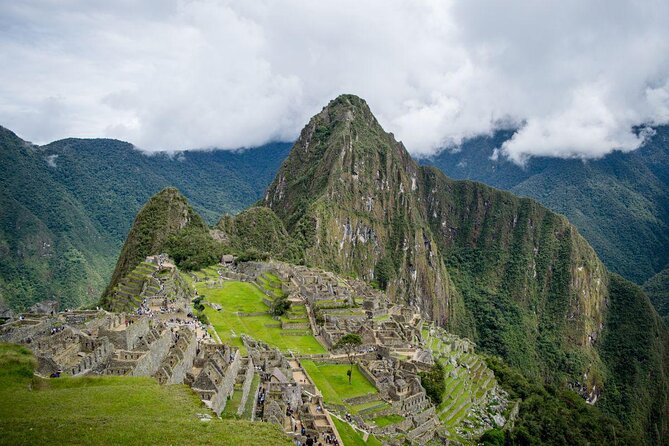
Day 4 begins early again with breakfast, then buses to Machu Picchu. The plan has you arriving in time for a morning visit, which is the best way to see the citadel before the heaviest crowd surges. You enter the Historic Sanctuary of Machu Picchu and get a guided tour that covers temples, ceremonial areas, terraces, and storage structures.
Here’s what I like about this format: you’re not left alone with guidebooks, but you also don’t spend the whole time on a leash. After the guided portion, there’s time with your group to head back toward Aguas Calientes, and the structure includes a chance to explore on your own as well.
If you’ve secured an extra ticket in advance, you can add Huayna Picchu or Machu Picchu Mountain for panoramic views. Those hikes aren’t included, so they’re a decision you’ll make based on your fitness and how much time you want at the top.
One more useful detail: the trip includes round-trip transport by bus to and from Machu Picchu, so you’re not trying to solve logistics with tired legs and a short window. That matters on the final day, when timing is everything.
You can also read our reviews of more tours and experiences in Cusco
Price and what is really included (and what costs extra)
At $656.42 per person, this is not a bargain trek in the cheap-and-cheerful sense. But it’s also not just paying for a hike. You’re getting an all-in package with real support: meals across the trek, a bilingual guide, a chef, camping gear logistics, and transfers tied directly to getting you to Machu Picchu smoothly.
What’s included that you’ll feel in practice:
- All meals for the trek days (with two notable gaps: no breakfast on Day 1, and no lunch on Day 4)
- Hotel in Aguas Calientes on Day 3
- Mules that carry cooking and camping equipment plus up to 7 kg of personal items
- Tent setup (4-person tents for every 2 trekkers), plus Thermarest inflatable sleeping mattress
- Oxygen bottle and a first aid kit for altitude readiness
- Entrance fees and guided Machu Picchu tour, plus bus round-trip to the citadel
- Return train and bus to Cusco
What you should budget for outside the package:
- Sleeping bag rental (available through the operator)
- Huayna Picchu or Machu Picchu Mountain tickets if you want the extra viewpoint
- Tips
- Travel insurance, which is strongly recommended
- Your own breakfast Day 1 and lunch Day 4
My rule of thumb: if you’d otherwise have to rent camping gear, pay for private guides, and assemble transportation to Aguas Calientes and up to Machu Picchu, this package often starts looking like good value. The trip is set up to run smoothly so you can focus on the trek instead of logistics.
What to pack, and how physically ready you need to be
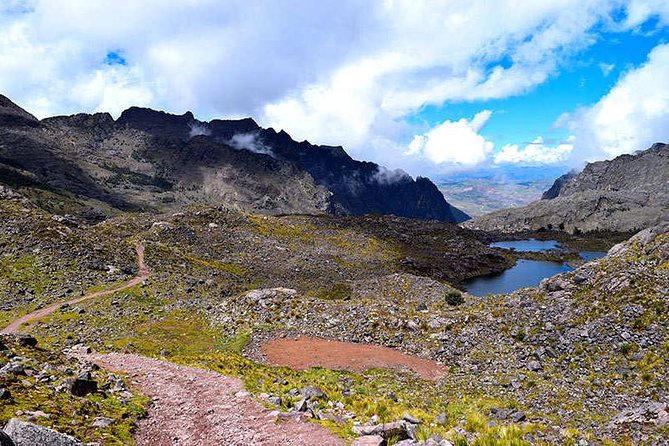
This is a serious high-altitude trek. The itinerary reaches nearly 14,000 feet (4,400 m) at the high pass. The operator specifically asks for a strong fitness level, and the trek includes multiple climbs and steep changes in altitude over consecutive days.
Still, the structure is designed to be manageable. There are set hiking segments with camp nights, and mule support reduces the load you carry. That’s how you enjoy the route rather than getting wrecked by logistics.
What to bring (based on the stated packing list):
- Walking boots
- Waterproof jacket or rain poncho
- Warm jacket, plus hat and gloves
- T-shirts and comfortable trousers
- Sunscreen factor 35+, insect repellent
- Toiletries and hand sanitizer
- Personal medication
- A torch with spare batteries
- Camera supplies
- Your original passport, and your ISIC card if you want a student discount
A practical note on comfort: a sleeping setup is provided (tents and Thermarest-style mattress), but you still need the right clothing layers for cold nights. If you run cold easily, rent a sleeping bag or plan carefully—dry comfort matters when your body is already working overtime at altitude.
Should you book this 4-Day Lares Trek to Machu Picchu?
Book it if you want Machu Picchu without the loudest crowd vibe and you’re excited by small Quechua villages, high passes, and the feeling of earning your way there. This route also appeals if you like guided context—your Machu Picchu tour is planned—and you still want some space to explore on your own after the guide’s walkthrough.
Skip it (or consider another option) if altitude and long days are a stress point. Even with oxygen and support, the high pass near 14,000 feet is the real deal. Also, note the price includes a lot, but you’ll still pay extra for optional summit hikes and cover the missing meals on Day 1 and Day 4.
FAQ
What time does pickup and the trek start?
The start time is 5:00 am, with pickup from your Cusco hotel.
How long is the Lares Trek to Machu Picchu?
It’s listed as 4 days (approx.).
Is Machu Picchu entrance and the guided tour included?
Yes. Entrance fees are included, and you’ll have a guided tour of Machu Picchu.
Do I need extra tickets for Huayna Picchu or Machu Picchu Mountain?
Yes. Entrance to Huayna Picchu Mountain and Machu Picchu Mountain is not included, so you need an additional ticket in advance if you want one.
What meals are included?
Breakfast (3), lunch (3), and dinner (3) are included, but breakfast on Day 1 and lunch on Day 4 are not included.
Is there camping gear and sleeping equipment provided?
Yes. You’ll have tents and an inflatable sleeping mattress (Thermarest). Sleeping bag rental is available but not included.
How do you handle altitude safety?
The trip includes an oxygen bottle and a first aid kit.
Is there luggage support on the trek?
Yes. Mules carry cooking and camping equipment and up to 7 kg of your personal items.
How many people are in the group?
The maximum group size is 15 travelers. An assistant guide is included for groups of 9+.