REVIEW · CUSCO
Ancascocha Trek To Machu Picchu 4 Days And 3 Nights
Book on Viator →Operated by Action Peru Treks · Bookable on Viator
Machu Picchu, minus the stampede. This 4-day Ancascocha trek takes you away from the big-name routes and into quieter Inca ruins, Andean villages, and big mountain views, starting right from Cusco. I especially liked the small-group feel, which keeps the day moving and your guide close by, and the first-day waterfall lookout that sets the tone fast.
I also love the way the crew handles the tough parts for you: camps are set up when you arrive, and the chef turns a high-altitude hike into real meals that keep you going. One thing to take seriously: this trek runs high, with a pass around 14,599 ft, so you need strong fitness and good altitude sense to enjoy it (not just survive it).
In This Review
- Key points worth knowing before you go
- Cusco to Soqma: the trek kicks off at real altitude
- Day 1 trail highlights: Perolniyoc waterfall, Inca ruins, and Rayan lunch
- Kuychiccasa pass and Chancachuco Valley camp: the payoff day
- Days 2–3: the quieter Ancascocha rhythm with two nights camping
- Aguas Calientes night: getting positioned for Machu Picchu day
- Day 4 Machu Picchu: guided ruins, planned timing, and a better pace
- Guides and crew: why the team makes the trek feel smooth
- Price and value: what $730 covers and what you’ll likely add
- Fitness, altitude, and packing: the small things that matter a lot
- Who should book this Ancascocha trek?
- Should you book this Ancascocha trek?
- FAQ
- How long is the Ancascocha Trek to Machu Picchu?
- What’s the route like on day one?
- What altitude should I expect?
- What’s included in the price?
- What is not included?
- How big are the groups?
- Is cancellation free?
Key points worth knowing before you go
- Small group (max 30): more attention on the trail when you’re breathing hard.
- Remote trail style: you avoid the Inca and Salkantay crowd vibe.
- Altitude climbs early: you’ll hit high passes and long uphill stretches.
- Meals are planned: breakfast plus buffet lunch and dinner, with camping included.
- Machu Picchu, guided: you get a guided visit to the ruins once you arrive.
- Day-4 bus not included: you’ll budget for the Aguas Calientes to Machu Picchu round-trip.
Cusco to Soqma: the trek kicks off at real altitude
Your first morning starts with a hotel pickup in Cusco, then a drive of about 1 hour 45 minutes to Soqma (around 10,512 ft). This is one of those details that matters. You’re not hiking from sea level, and you’re not easing into altitude slowly. You’re starting with your lungs already working.
The drive also helps with pacing. You’re not spending the day sorting logistics. Instead, you step out and start walking. You’ll meet your team, then the hike begins with a steady rhythm that’s more “get your bearings” than “race the mountain.”
You can also read our reviews of more hiking tours in Cusco

Day 1 trail highlights: Perolniyoc waterfall, Inca ruins, and Rayan lunch
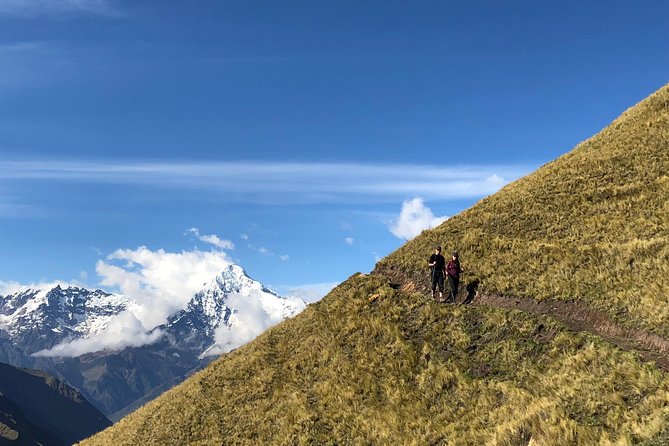
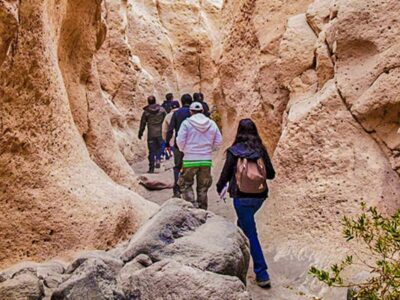
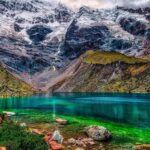
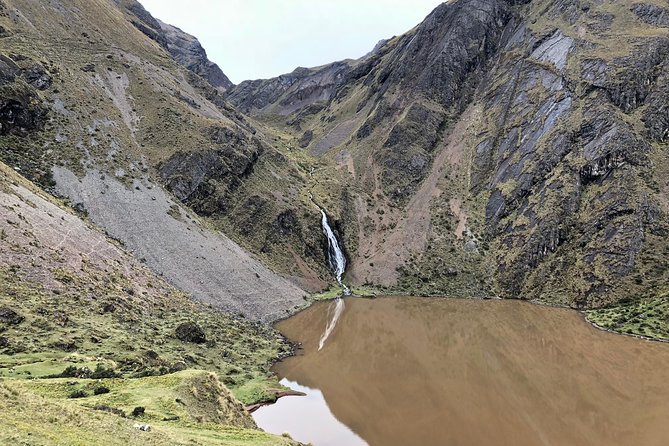
The first big hit is the trek to the Perolniyoc cascade lookout. It’s about 2 hours of hiking, and it’s a classic setup: a long enough climb to warm up your legs, then a payoff when the waterfall comes into view. Even if you think you’ve already seen waterfalls in Peru, this one feels different because you’re high and surrounded by dramatic terrain.
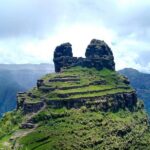
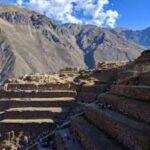
From there, you hike about 45 minutes to the Inca site also called Perolniyoc. This is not a quick photo stop. Your guide shares what you should look for, and you’re free to wander through the ruins at your own pace. Expect a cliff-top feel and wide valley views. It’s the kind of ruin where you quickly understand why the Incas built in places you can see.
Then comes the work: a steep ascent of about 1 hour up to lunch at Rayan (about 12,139 ft). This is where the chef earns their keep. The lunch spot is high enough that eating becomes part of the acclimation plan—fuel in, energy out. You’ll feel how altitude changes your appetite and your pace, so having a planned meal beats improvising.
Kuychiccasa pass and Chancachuco Valley camp: the payoff day
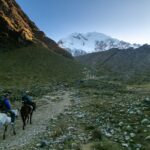
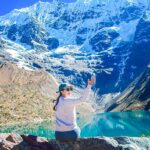
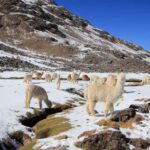
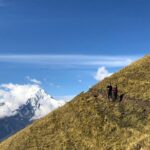
After lunch, the afternoon shifts into harder hiking. There’s an uphill stretch of about 3 hours to reach Kuychiccasa pass (around 14,599 ft). The trail passes rustic houses of farmers, and you’ll get frequent views of snow-capped peaks (called the Nevadas) along the way. Llamas show up too, which always feels like a reminder that this isn’t a theme park—people and animals share the same high-country routes.
When you top the pass, you don’t just keep going. You pause for views over the Chancachuco Valley. This break is more than scenic. It’s also practical: you let your breathing settle before the descent.
From the pass, it’s about 45 minutes downhill to your camp in the Chancachuco Valley (around 14,147 ft). When you arrive, the campsite is prepared already. You can change into warmer layers (altitude and nighttime temperatures can be a surprise), then reset for the evening.
This is the part I think people underestimate. A trek like this isn’t only about walking. It’s about recovery. Having camp set up when you reach it is what keeps you from turning day one into a misery marathon.
Days 2–3: the quieter Ancascocha rhythm with two nights camping
The trek is designed to keep you moving past ancient Inca ruins, through traditional Andean villages, and across stunning scenery without the packed feeling of the more famous routes. Your second and third days are where that “remote” character really comes through.
You’ll spend two nights camping total, so you can expect more time on foot between meal breaks, plus regular camp routines at the end of the day. The big idea is simple: the trail keeps you in contact with the land—valleys, high viewpoints, and the sense that you’re passing through working mountain communities, not just scenery.
Altitude is still the main factor on these days. Even if the exact schedule of every stop isn’t listed here, the pattern will feel similar to day one: climbing sections, flatter breaks, then another push. If you’re the type who hates long uphill stretches, you’ll still find your rhythm. If you’re the type who enjoys steady effort, these days can feel like your best ones.
Aguas Calientes night: getting positioned for Machu Picchu day
You’ll have one night at a B&B in Aguas Calientes. This is a smart transition. After nights in the mountains, you shift to a more comfortable base before visiting Machu Picchu.
Aguas Calientes is also where the final logistics line up for day four. You’re not hiking directly from camp to Machu Picchu on the same schedule every trek uses. Instead, you’ll head up from Aguas Calientes to Machu Picchu, and the guided ruins visit is what you’re really gearing up for.
One detail that affects your budget: the round trip bus tickets from Aguas Calientes to Machu Picchu on day 4 are not included. Everything else is handled, but this part is on you.
You can also read our reviews of more tours and experiences in Cusco

Day 4 Machu Picchu: guided ruins, planned timing, and a better pace
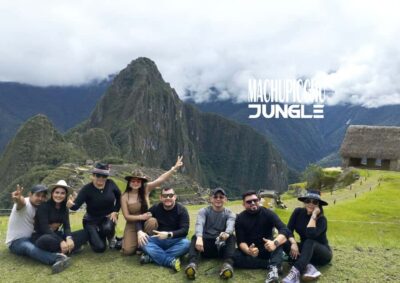
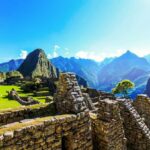
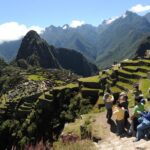
On day four, you reach Machu Picchu for a guided tour of the ruins. The value here isn’t only access—it’s understanding. Machu Picchu can be stunning and confusing at the same time, especially if you don’t know what you’re looking for. A guide helps you connect structures to Inca thinking, and you’ll also learn what features matter.
Because this trek is on the Ancascocha route, the pacing tends to feel different than the high-volume itineraries. You’re arriving after days in the mountains rather than jumping straight from Cusco. That changes how you experience the site. You’ve already earned your wow moments.
And yes, you’re still going to be amazed. Machu Picchu is Machu Picchu. But the real win is that you’re more prepared—physically and mentally—for what you see.
Guides and crew: why the team makes the trek feel smooth
This trek is run by a full working crew: a local guide and a chef, plus support for horses/mules and camp tasks depending on the group setup. In the field, your experience is hugely tied to who’s leading you and how the camp team works.
From the names that show up repeatedly, you may trek with guides like Lino, Eddie, Eddy, Christian, or Edison (and some trips include additional named crew members such as Oskar, Elsa, Joel, Eliquin, and Mario). The point isn’t which name you get. The point is that the guides are active, hands-on, and focused on explaining what you’re walking past.
A small group also means you’re more likely to get attention when you need it—whether that’s adjusting pace, pointing out a ruin feature, or making sure the day stays organized.
And the chefs matter. High altitude turns food into energy and morale. The camp meals described here aren’t treated like an afterthought. They’re part of the plan.
Price and value: what $730 covers and what you’ll likely add
The price is $730 per person. Here’s how that tends to translate into value for you:
Included value you can feel:
- Two nights camping, with camping gear and national park fees covered
- Meals: breakfast, plus buffet lunch and dinner
- Local guide and hotel pickup and drop-off
- One night B&B in Aguas Calientes
- A guided visit at Machu Picchu
Not included costs to plan for:
- Round trip bus tickets from Aguas Calientes to Machu Picchu on day four
- Alcoholic drinks
- Excess luggage charges if they apply
- Extra food and drinks beyond what’s listed
So the real value question is this: you’re paying for guided hiking, camp setup, meals, and a Machu Picchu visit structure. That’s usually cheaper than cobbling it together on your own with separate vendors, especially when you factor in the time you’d spend coordinating. The one budget gap you should clearly expect is the day-4 bus.
Fitness, altitude, and packing: the small things that matter a lot
The trek requires strong physical fitness. That doesn’t mean you need to be an athlete. It means you should be comfortable with uphill hiking and long walking days, and you should respect altitude.
A few practical truths based on the route:
- You’ll be climbing to a pass around 14,599 ft
- You’ll want layers for camp nights, since temps drop
- You should expect steep sections and plan your pace for breathing, not speed
Packing wise, focus on things that keep you warm and moving. You know the basics, but for this itinerary, warm layers matter because you’ll change at camp. Also, if you’re carrying extra weight, excess luggage charges can happen where applicable—so traveling light is a win.
Who should book this Ancascocha trek?
This trek fits best if you want:
- A quieter Machu Picchu approach with less crowd energy than the big Inca-style routes
- A small-group hike where the guide stays engaged
- Real hiking days plus planned meals and camp support
It might not be ideal if:
- You’re unsure about high-altitude hiking
- You don’t handle steep climbs well
- You want a fully hands-off experience with zero physical effort
That said, the way the trip is structured (camp set up, meals planned, guide support) makes it more manageable than you might expect from the numbers on the map.
Should you book this Ancascocha trek?
If your goal is Machu Picchu with more mountain time and less crowd stress, I’d lean yes. The value here is the combination: guided ruins, two nights camping with meals and park fees covered, plus the Ancascocha trail’s quieter feel. You’ll earn the view and arrive at Machu Picchu ready to actually take it in.
Before you commit, be honest about altitude and uphill hiking. If you’re willing to take the pace seriously and pack for cold nights, this can be one of those Peru trips you remember for the feeling of the mountains, not only the final site.
FAQ
How long is the Ancascocha Trek to Machu Picchu?
It’s listed as about 4 days (approximately), with 3 nights total—two nights camping and one night at a B&B in Aguas Calientes.
What’s the route like on day one?
After pickup in Cusco, you drive about 1 hour 45 minutes to Soqma, then hike to the Perolniyoc cascade lookout, continue to the Perolniyoc Inca site, climb to the Rayan lunch spot, then hike to Kuychiccasa pass before descending to camp at Chancachuco Valley.
What altitude should I expect?
The trek includes elevations around 10,512 ft at Soqma, climbs to about 12,139 ft for lunch at Rayan, reaches about 14,599 ft at Kuychiccasa pass, and camps around 14,147 ft.
What’s included in the price?
The package includes two nights camping, national park fees, breakfast, buffet lunch, buffet dinner, a local guide, hotel pickup and drop-off, and one night at a B&B in Aguas Calientes. Camping gear is also listed as included.
What is not included?
Not included are excess luggage charges (if applicable), alcoholic drinks, and food/drinks unless specified. Also, round trip bus tickets from Aguas Calientes to Machu Picchu on day 4 are not included.
How big are the groups?
The maximum group size is 30 people.
Is cancellation free?
Yes. You can cancel up to 24 hours in advance for a full refund, and free cancellation is listed as available.