REVIEW · CUSCO
Excursion + Sillar and Culebrillas Route in Arequipa
Book on GetYourGuide →Operated by Inspires Viagens · Bookable on GetYourGuide
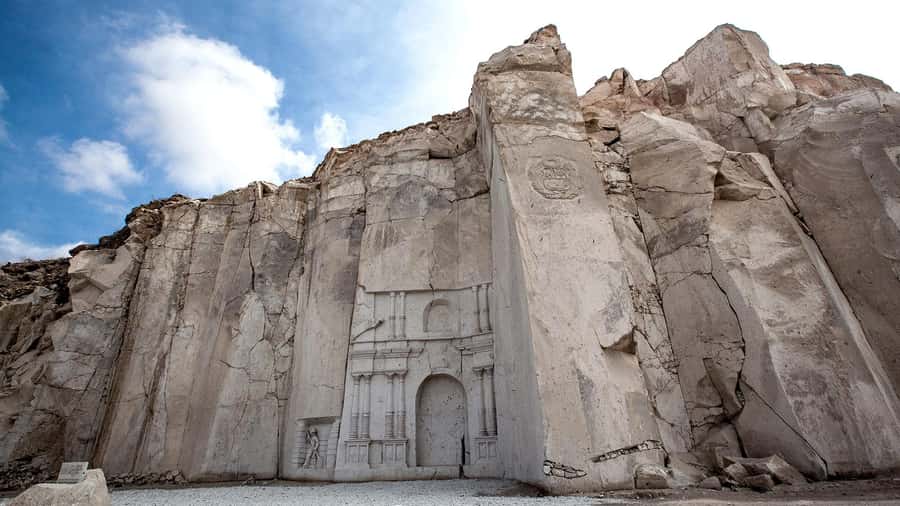
Stone, canyons, and petroglyphs outside Arequipa. This tour pairs the Sillar Route with a real working quarry stop, including the stonemasons’ Mega-carving of the Church of the Society of Jesus.
I also like the Culebrillas canyon walk: it’s short, scenic, and ends with Wari petroglyphs plus the layered Apachetas stone piles. One possible drawback: you may deal with group timing delays, and the bus can feel warm since air conditioning isn’t guaranteed.
In This Review
- Key highlights
- Sillar Route: why this stone story matters
- Volcano views and the first cultural pause
- Añashuayco Quarry: the working side of sillar
- The Mega-carving and the stonemasons behind it
- Culebrillas canyon: slot-walk energy with petroglyph pay-off
- Apachetas before you head back
- Price and logistics: does $14 feel fair?
- Timing options and where you’ll end up
- What to expect on the ground (and who this fits best)
- Should you book the Sillar and Culebrillas route?
- FAQ
- How long is the excursion?
- What time does the tour start?
- What’s included in the price?
- Are entrance tickets included?
- What languages does the guide speak?
- How much walking is involved at Culebrillas?
- Can I cancel for a full refund?
- Where will I be dropped off at the end?
Key highlights
- Working Añashuayco Quarry with active quarrymen doing their jobs early
- The massive Mega-carving of the Church of the Society of Jesus, created by local stonemasons
- Hands-on stone work possibility, including cutting a block yourself with a quarryman’s guidance
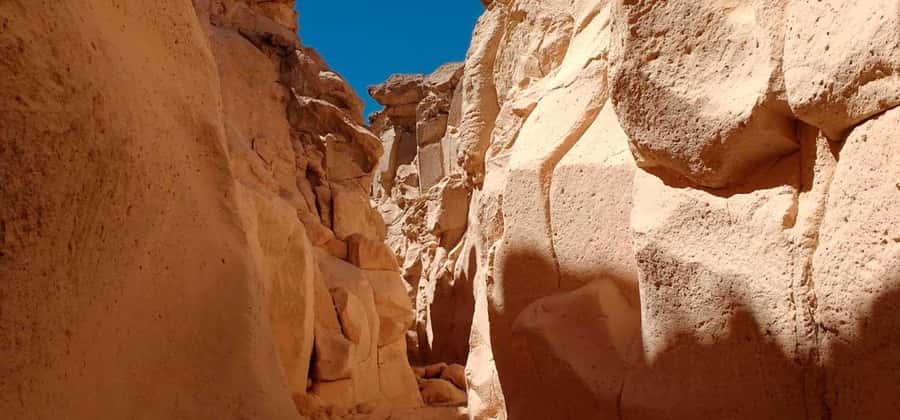
- Culebrillas canyon walk through a water-carved slot with walls rising to 15–20 meters
- Wari petroglyphs more than a thousand years old inside the canyon area
- Apachetas stone formations that locals link to gratitude and good luck
Sillar Route: why this stone story matters
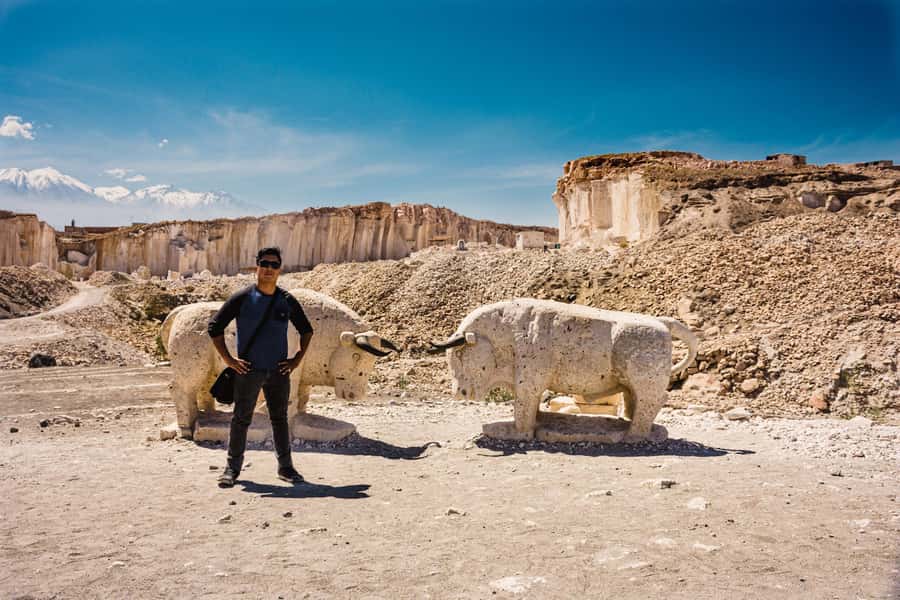
Arequipa’s famous white stone, sillar, isn’t just a pretty building material. It’s tied to how people here worked the land, how they extracted stone, and how they shaped the city over time. On this excursion, you don’t just look at the result. You trace the route back toward where the sillar comes from, and you see the quarry logic in the actual places that produced it.
Before you even reach the quarries, you stop at a strategic viewpoint. From there, you can look out at the volcanoes and the Chilina Valley, which helps you understand why the Sillar extraction and settlement patterns make sense in this terrain. Depending on the time of year, the tour may also include an alternate traditional viewpoint at the start—so you get a little variety instead of repeating the exact same sight every day.
What I like about starting this way is that it sets context fast. When you later stand beside immense quarry walls, you’re not wondering where the stone came from. You can already read the region’s clues: altitude, valleys, volcanic geology, and the way a canyon can form and shape routes.
You can also read our reviews of more tours and experiences in Cusco.


Volcano views and the first cultural pause
The early part of the day moves at a comfortable pace. You set off around 09:15, and the first stop is more than a quick photo moment. It’s a brief introduction to the region’s geography—one of those “now I get it” stops.
You’ll be able to see the surrounding volcanoes and the Chilina Valley from an emblematic point, and if the season allows, you might switch to another traditional viewpoint at the beginning. That flexibility matters in Arequipa because weather and light can change how useful a viewpoint is. Even if you’ve visited viewpoints before, this one is tied into the day’s bigger theme: the landscape that surrounds the stone.
Keep in mind: because this is a group tour, you’re at the mercy of the schedule getting everyone lined up. That doesn’t mean the day is ruined—just go in with patience. A calm mindset makes the first hour feel smooth instead of rushed.
Añashuayco Quarry: the working side of sillar
The heart of the Sillar experience is the stop at Añashuayco Quarry. You’ll reach it in about 45 minutes, and it’s currently in operation, not a staged museum. That’s a big part of the value here. You’re watching quarrymen do early work, so the site feels alive instead of frozen behind glass.
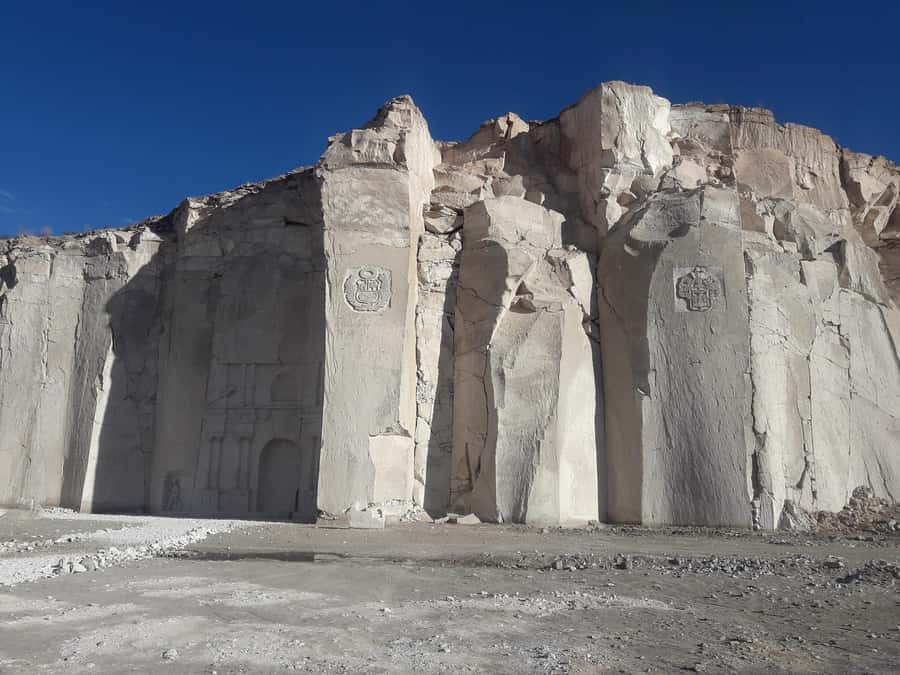
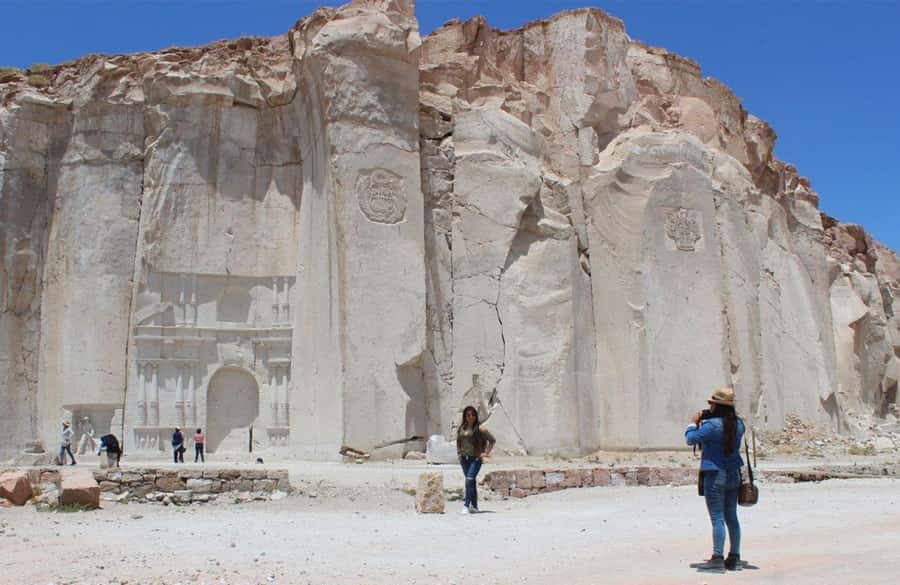
At Añashuayco, you’ll see an immense canyon-like space carved by extraction: ignimbrite walls—cliffs formed as material was removed for the production of sillares. Standing near those vertical faces is the moment when sillar becomes more than a name. You can see the scale of the process and why the stone ended up being used so widely.
This is also where you learn the practical story of sillar: how it’s produced, and how it has been used in Arequipa over time. The guide’s explanation is key because it turns visuals into understanding. You can stand there all you want, but you’ll remember it more if someone connects the geology to the city’s architecture and craft.
The Mega-carving and the stonemasons behind it
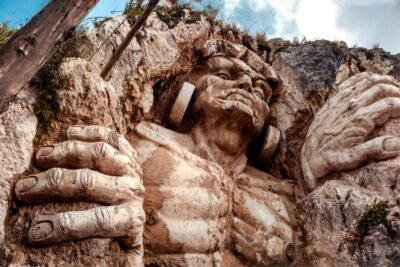
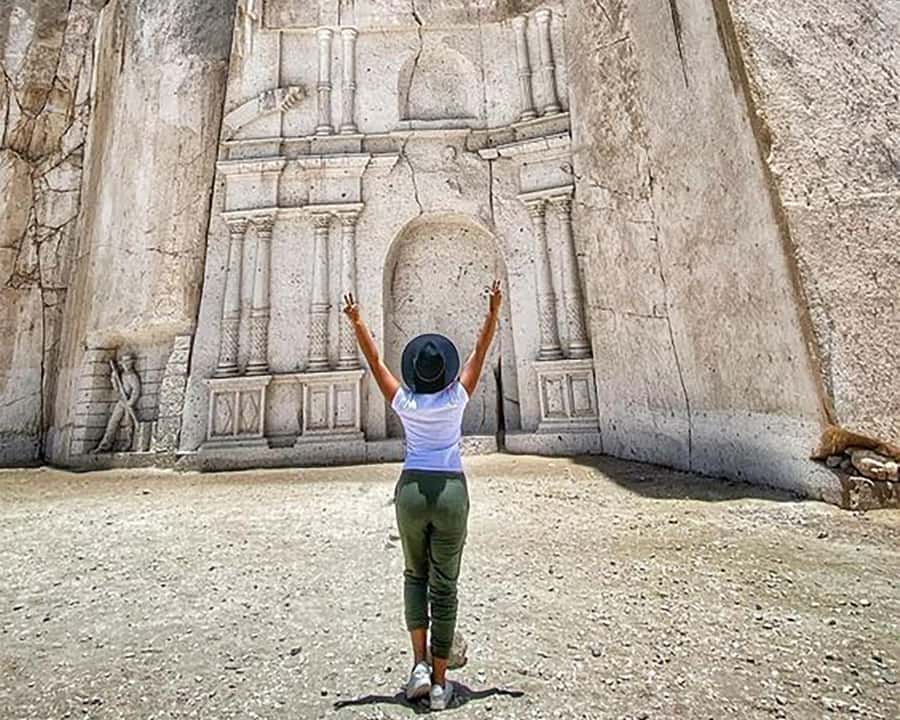
One of the most compelling details is the Mega-carving made by the stonemasons themselves: it depicts the Church of the Society of Jesus. This isn’t a generic carving. It’s a full-on, large-scale stone work shaped by the same hands that quarry the material.
And here’s where the tour gets especially human. You’ll be able to visit one of the quarrymen so they can explain their daily work. The best part is that you can experience cutting one of the stone blocks yourself. I’d treat this as a short, supervised try rather than a full skill session, but even a brief hands-on moment can make the whole sillar story feel real.
If you’re the kind of traveler who likes crafts, tools, and process, this stop will likely be the highlight. If you’re only chasing views, you might find the quarry a bit less scenic—but it’s still impressive in its own way because of the scale.
Culebrillas canyon: slot-walk energy with petroglyph pay-off
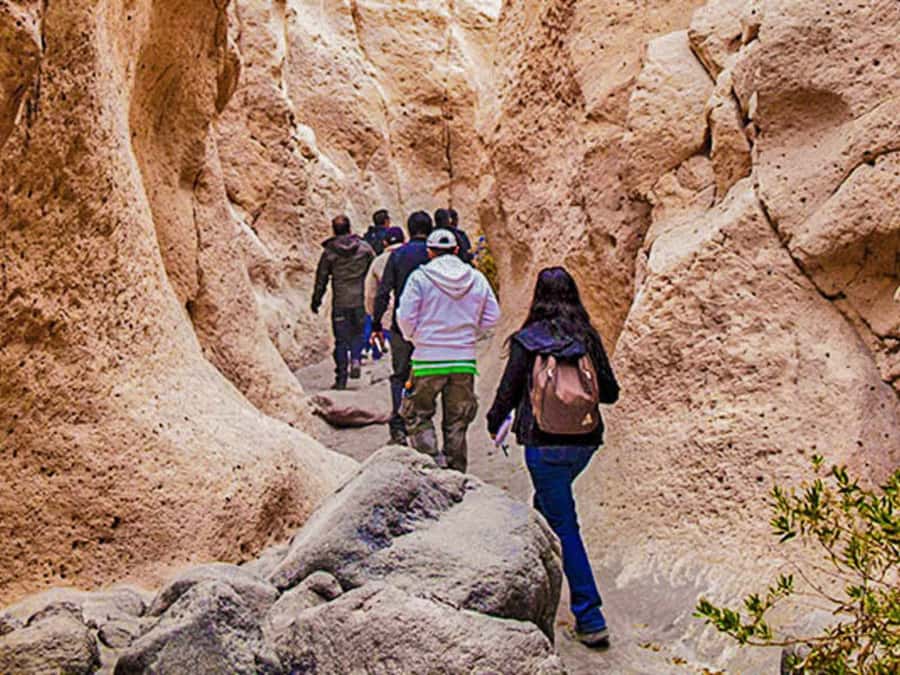
After Añashuayco, you head to Quebrada de Culebrillas, about 30 minutes away. Then comes a walk of roughly 20 minutes inside a small canyon formed by the passage of water. This is one of those stretches where you feel the canyon narrowing around you as you go deeper.
The canyon walls rise as you continue: they’re around 15 to 20 meters and then increase in height further in. That change in scale makes the walk worth doing slowly. It also makes for better photos because the angle shifts as the canyon tightens.
Then, at the end of the walk, you reach a major payoff: petroglyphs made by the Wari culture, dated to more than a thousand years ago. Seeing the markings in the canyon setting matters. The petroglyphs aren’t placed on a platform for convenience—they’re embedded in the same environment that shaped the canyon itself.



Apachetas before you head back
Before returning to the city, you’ll observe Apachetas, the stacked stone formations placed one on top of another. Locals connect these piles to gratitude toward nature and also to good luck. Even if you’re not into the spiritual side, they’re still visually memorable: a quiet, human layer on top of a rugged place.
I like having Apachetas at the end of the tour because it slows things down. After quarry scale and canyon scale, the layered stones feel small in comparison—like a reminder that people have been relating to this environment for generations.
Price and logistics: does $14 feel fair?
At $14 per person for a 4-hour guided excursion, this tour can be good value—especially because transport and a professional guide are included. You’re not just paying for entry to one site. You’re paying for a full route: viewpoint, quarry explanation, canyon walk, and cultural stops.
There is one extra cost to plan for. Entrance tickets to the places cost 10 soles, and they are not included in the price. So your realistic budget is closer to whatever the 10 soles covers, plus any small personal purchases you choose along the way.
Two practical things to remember about logistics:
- The day includes travel time between stops, plus guided explanations. That’s why it stays within a half-day window.
- The experience depends on group timing. In one case, there can be delays waiting for group members, so you should not schedule a tight next appointment right after the drop-off.
On the plus side, the tour does provide Spanish and English guiding, which helps a lot for comfort and understanding. The itinerary is built around clear, timed segments, and you’re back in the city by early afternoon.
Timing options and where you’ll end up
This route runs with a 09:15 start, and the full day timing is laid out clearly. You return in time to arrive back around 1:30 pm in central Arequipa, with drop-off near Plaza de Armas.
There’s also a 2:00 pm shift option, so if your morning is packed, you have a chance to catch a later departure. That flexibility can be a big deal in Arequipa, where plans often evolve around weather and altitude fatigue.
When the tour ends near Plaza de Armas, it’s a convenient anchor point. You can easily pivot to lunch or to another nearby activity without losing time crossing town.
What to expect on the ground (and who this fits best)
This tour balances geology and culture. You’ll spend time at a working quarry, then do a short canyon walk, and then take in Apachetas. The walking involved is described as about 20 minutes inside the canyon area.
If you like hands-on craft, the quarry portion is a strong match. The possibility to meet a quarryman and try cutting a stone block adds texture that typical “look and leave” tours often miss.
If you’re sensitive to heat or you prefer comfort during rides, consider that the bus may not have air conditioning. It’s not a dealbreaker, but it’s smart to plan for it—especially in the warmer months. Also, because group pickup can cause waiting, a flexible attitude will make the experience smoother.
Should you book the Sillar and Culebrillas route?
I think this is worth booking if you want a compact Arequipa outing that connects sillar to real stone work and then rewards you with the canyon walk and Wari petroglyphs. The hands-on quarry moment, the mega-carving detail, and the short slot-walk inside Culebrillas create a good mix of craft, history, and scenery without eating your whole day.
Skip it only if you’re mainly chasing viewpoints and don’t care much about quarries or stone craft. The core of the tour is about how sillar is made and where it came from, so that theme is non-negotiable.
FAQ
How long is the excursion?
The tour lasts about 4 hours.
What time does the tour start?
It begins at 09:15. There is also a 2:00 pm shift option.
What’s included in the price?
The price includes tourist transport and a professional guide.
Are entrance tickets included?
No. Entrance tickets to the places cost 10 soles and are not included.
What languages does the guide speak?
The guide offers Spanish and English.
How much walking is involved at Culebrillas?
You’ll take a walk of about 20 minutes inside the canyon.
Can I cancel for a full refund?
Yes. You can cancel up to 24 hours in advance for a full refund.
Where will I be dropped off at the end?
You’ll arrive back in central Arequipa around 1:30 pm and be dropped off near Plaza de Armas.