REVIEW · AREQUIPA
Arequipa|| The Sillar Route+Culebrillas Canyon
Book on GetYourGuide →Operated by Transporte Chullos Travel · Bookable on GetYourGuide
Sillar stone and canyon rock meet in one 4-hour loop. This tour mixes the craft of Arequipa’s stonemasons with a walk through Culebrillas Canyon where water carved the gorge and ancient petroglyphs sit on the rock. If you like places where geology and human work overlap, this is a smart choice.
What I like most is the focus on the stone itself. You’ll learn how ashlar masonry uses sillar—stone tied to the lava of volcanoes around Arequipa—and why the work has to be manual so the pieces don’t crack. I also like the photo angle: canyon walls about 15 to 20 meters high make the walk feel dramatic, even in a short time.
One thing to consider: the tour description emphasizes the stonemasons’ craft, but you may not actually see artisans actively carving in the quarry during your visit. If you’re hoping for a front-row view of stonework in action, plan for more explanation than hands-on watching.
In This Review
- Key things to know before you go
- Meeting at the Cathedral Door and getting rolling
- Ashlar quarries on the Uchumayo Road: where the stone starts
- Sillar Route meaning: volcanic stone turned into building blocks
- The walk to Culebrillas Canyon: a calm lead-in to the big views
- Inside Culebrillas Canyon: water-carved walls for photos
- Wari petroglyphs: ancient symbols with a mystery
- How the pacing really feels in 4 hours
- Price and value: what your $35 covers (and what it doesn’t)
- Who this tour suits best
- Should you book The Sillar Route + Culebrillas Canyon?
- FAQ
- What time should I arrive?
- Where does the tour meet?
- How long is the tour?
- What’s included in the price?
- What’s not included?
- What language will the guide speak?
- Do I need to pay entrance fees on the day?
- How much walking is there?
- How tall are the canyon walls?
- What is the cancellation policy?
- Is reserve and pay later available?
Key things to know before you go
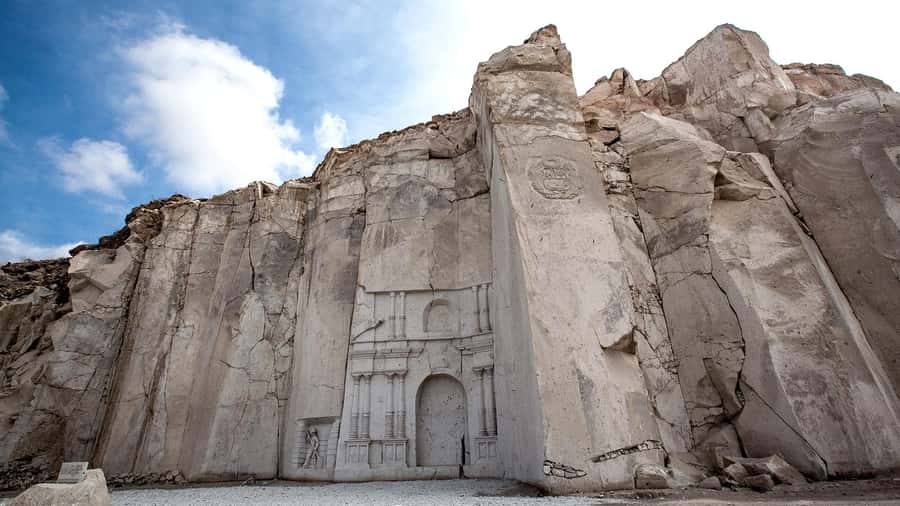
- Sillar Route focus: guided time in ashlar stone quarries tied to Arequipa’s signature building material
- Volcanic origin lesson: sillar comes from lava associated with the volcanoes around Arequipa
- Short canyon walk: about a 30-minute walk segment to reach Culebrillas Canyon, then time inside the gorge
- Canyon scale: walls roughly 15 to 20 meters high for strong views and photos
- Wari petroglyphs: engraved symbols in the rock, with meaning left as an enigma
- Extra entry fees: quarry entrances cost extra (Añashuayco and Culebrillas)
Meeting at the Cathedral Door and getting rolling
Your tour starts at the Cathedral Door, Main Square of Arequipa. The start time runs in a tight window—aim to be there between 1:45 and 1:55 PM—so you’re not rushed at the end.
From there, you’ll connect with the pickup and return plan that gets you back near Plaza de Armas when the 4-hour tour is finished. Transportation is by bus or minibus depending on group size, which is practical in Arequipa when roads and parking can get tight.
You can also read our reviews of more tours and experiences in Arequipa.
Ashlar quarries on the Uchumayo Road: where the stone starts
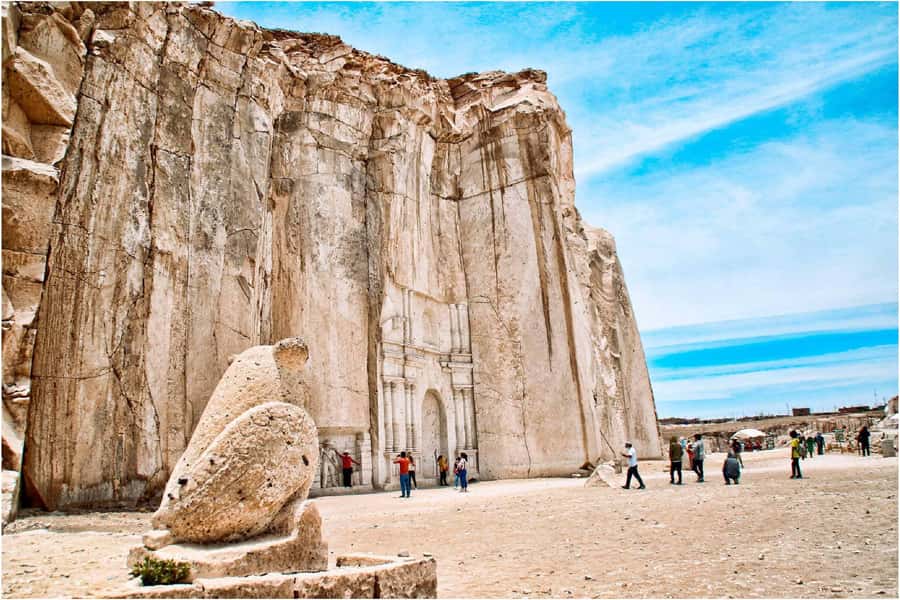
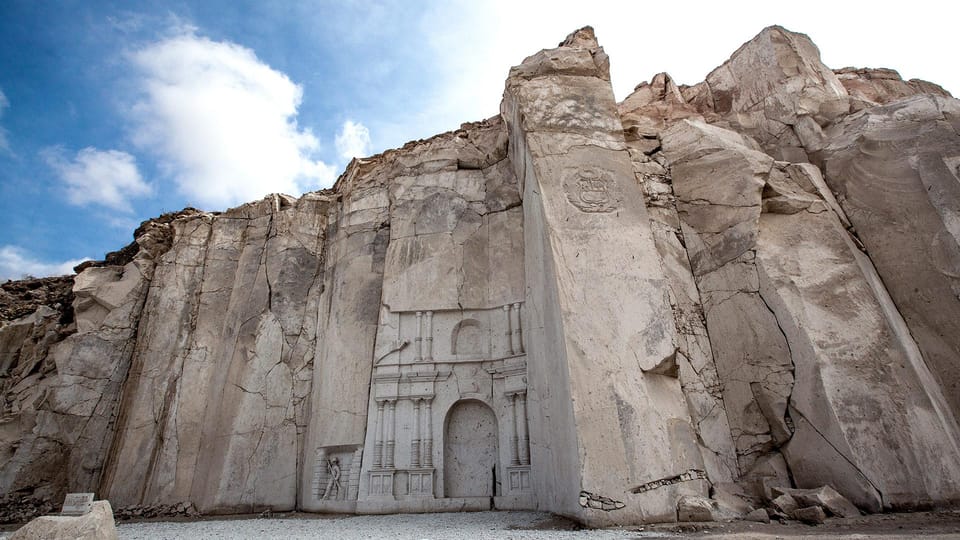
After pickup, the route follows the Uchumayo road until you reach the ashlar stone quarries. This is the tour’s first big purpose: show you how the raw material becomes the building stone that defines so much of Arequipa’s look.
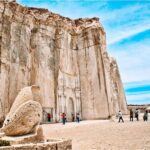
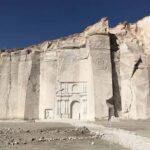
Then comes the guided quarry visit. You’re not just walking around rocks; you’ll be guided through the art of stonemasonry—one of those jobs that’s older than most modern institutions. The key detail to listen for is how the process is described: the stone requires careful, exclusive manual work because otherwise the pieces can break. That’s the kind of practical craft logic that makes the whole area feel more intentional.
It’s also worth mentally shifting your expectations. You’ll likely see the quarry setting and get an explanation of how the stones are shaped into ashlars used in local construction. If you hoped for seeing continuous carving by active artisans, that may not happen every day. This matters if you’re the type who wants to watch the work happening in real time.
Sillar Route meaning: volcanic stone turned into building blocks
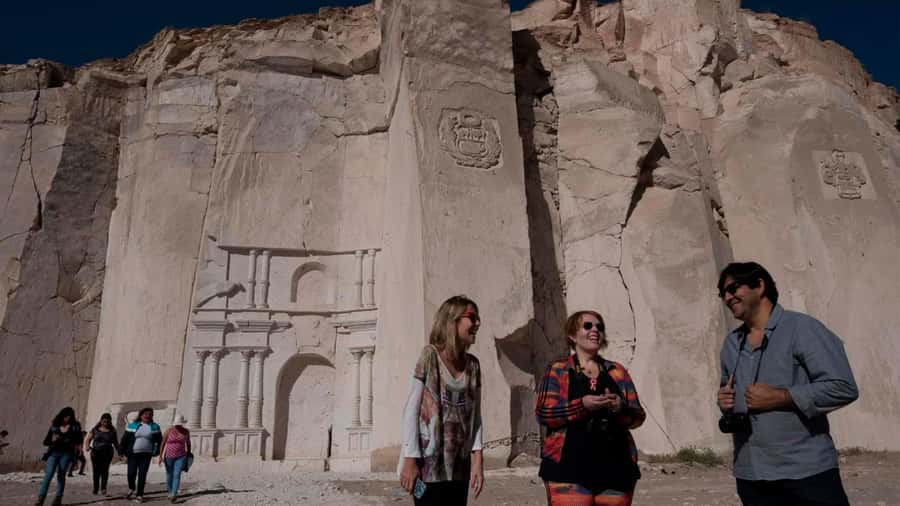
This is the part I think you’ll remember later when you’re back in town. Sillar looks like a pale, smooth stone from a distance, but the tour’s explanation ties it to geology: it comes from the lava of the volcanoes surrounding Arequipa.
That detail gives you a new way to see the city. When you spot sillar facades later, you can imagine the chain: volcano → lava → stone → quarry → manual cutting into workable pieces → ashlar blocks → typical regional constructions. Even if you’re not a geology nerd, that cause-and-effect story helps the material feel real, not decorative.
The tour also frames stonemasonry as a profession built around precision. The description highlights that manual work is essential to avoid breaking the stones. For me, that’s the core takeaway. The beauty of Arequipa’s buildings isn’t just about appearance—it’s about technique and control.
The walk to Culebrillas Canyon: a calm lead-in to the big views
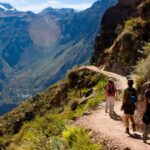
Next you’ll walk for about 30 minutes to get to the canyon area. It’s not an all-day hike; it’s more like a connective section where you transition from quarry-focused learning to landscape-focused photography and rock details.
What makes this leg useful is how it sets your timing. In many short tours, you rush to the main attraction and then run out of time. Here, the walking time functions like a buffer: you’ll reach the gorge area feeling ready to slow down and look carefully.
Still, it’s a real walk. If you have mobility issues or get tired quickly, factor in that 30-minute stretch before the canyon portion begins.
Inside Culebrillas Canyon: water-carved walls for photos
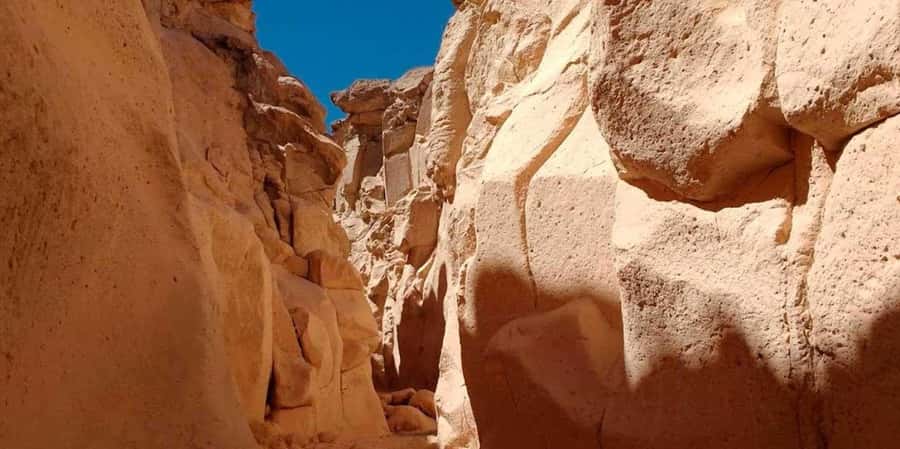
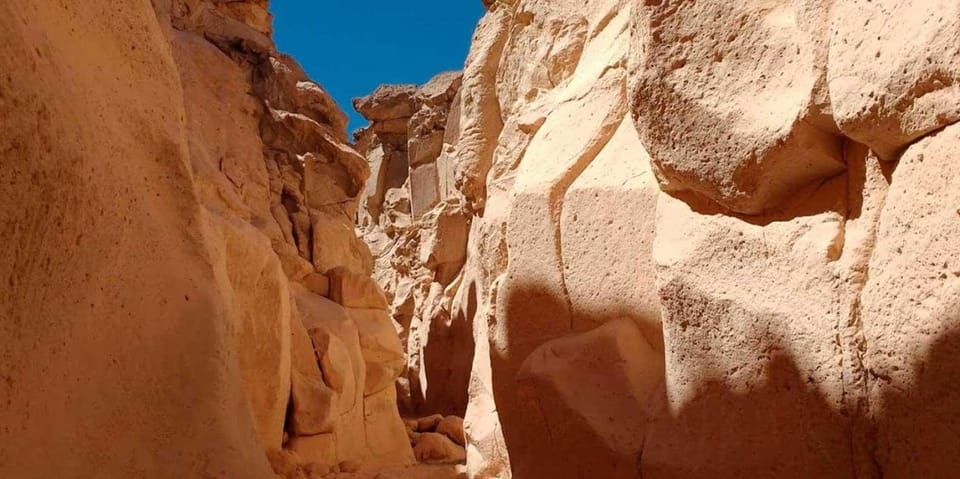
Culebrillas Canyon is described as a gorge sculpted by nature and the passage of water. Once you’re there, you’ll walk between impressive walls roughly 15 to 20 meters high.
That size changes the mood. The canyon walls give you strong framing for photos, and the tight space makes it easier to focus on rock textures and engraved details. If you like pictures with depth—layers, angles, shadow lines—this is a good setup.
The tour is short, so you won’t feel like you’re stuck in a long trek. Instead, it’s structured to let you enjoy the gorge while still getting back to Arequipa center within the 4-hour timeframe.

Wari petroglyphs: ancient symbols with a mystery
One of the most intriguing parts is the chance to contemplate ancient petroglyphs—symbols engraved in the rock by the Wari culture more than a millennium ago. Importantly, the tour notes that their meaning remains an enigma.
That matters. You’re not being sold a neat story with zero uncertainty. Instead, you get to look at the symbols and sit with the idea that we don’t fully decode them. In a place like this, that’s actually a good thing. It makes your attention sharper because you’re not waiting for a guaranteed explanation to finish.
If you’re traveling with someone who likes archaeology but hates dry lecture fatigue, this is a nice balance. You’ll have guided context, then time to observe the rock itself.
How the pacing really feels in 4 hours
This tour lasts 4 hours from pickup to return near Plaza de Armas. That duration is part of the value: it’s long enough to do two meaningful stops (quarries plus canyon), but short enough to fit into your afternoon without burning a whole day.
The day’s flow goes like this:
- Start with pickup and travel toward the quarries along Uchumayo road
- Guided quarry time focused on ashlar stone and sillar basics
- About a 30-minute walk to reach Culebrillas Canyon
- Time inside the canyon for photos and petroglyph viewing
- Return to Arequipa center, finishing near Plaza de Armas
If you’re someone who hates rushed check-ins and long transfer times, this structure helps. And if you’re trying to see more than one Arequipa-themed site in a single outing, it’s efficient.
One small consideration: since there are extra entry fees at the quarry sites, you’ll want to plan that moment in your head so it doesn’t surprise you in the middle of the tour.
Price and value: what your $35 covers (and what it doesn’t)
The listed price is $35 per person for a 4-hour guided experience. That includes hotel pickup and return to the center, transportation by bus or minibus, and a guide who speaks English and Spanish.
The not-included costs are the big practical line item:
- Añashuayco Quarries entrance: S/. 10.00 per person
- Culebrillas Quarries entrance: S/. 5.00 per person
- Food (not included)
So your real budget is the $35 plus those two local entrance fees. Even so, the value can still be strong because the tour combines several things people usually pay separately for: guided quarry learning, transport, and guided canyon time.
To judge if it’s worth it for you, ask one question: do you want a guided walk through both geology and ancient rock art? If yes, $35 for a half-day with transport and bilingual guide can feel fair. If you mainly want active stonemasons working on-site, you may want to temper expectations because visibility of active carving isn’t guaranteed based on at least one booking experience.
Who this tour suits best
I’d send you on this tour if you:
- Want an Arequipa experience that’s more than a quick viewpoint
- Like learning how local materials shape the city’s look (sillar and ashlar masonry)
- Enjoy short guided walks where you also get time for photography
- Are curious about Wari-era petroglyphs, even when the meaning isn’t fully solved
I’d think twice if you:
- Want a purely hands-on craft demo with artisans carving in front of you
- Need a longer time in the canyon for slow, unhurried exploration (this one is designed to fit into 4 hours)
Should you book The Sillar Route + Culebrillas Canyon?
Book it if you want a compact, guided mix of Arequipa’s stone craft and the Culebrillas Canyon photo walk, with bilingual explanations and a stop for Wari petroglyphs. The timing is efficient, the route is designed for short attention spans, and the geology-to-building connection is a useful way to understand the city.
I’d hold off or ask extra questions before booking if you specifically want to witness stonemasons actively working during your visit. One verified experience highlighted disappointment on that point, plus a sense that the stone-work details weren’t as deep as expected. If that’s your priority, it could be frustrating.
If you go in with the right mindset—guided learning, strong canyon views, and rock-art contemplation—you’re likely to enjoy this half-day outing.
FAQ
What time should I arrive?
You should be at the meeting point between 1:45 and 1:55 PM.
Where does the tour meet?
The meeting point is the Cathedral Door at the Main Square of Arequipa.
How long is the tour?
The duration is 4 hours.
What’s included in the price?
Pickup at your hotel and return transfer to the center of Arequipa, transportation by bus or minibus, and a guide who speaks English and Spanish.
What’s not included?
Entrance fees to Añashuayco Quarries (S/. 10.00) and Culebrillas Quarries (S/. 5.00), food, and travel insurance.
What language will the guide speak?
The guide speaks English and Spanish.
Do I need to pay entrance fees on the day?
Yes. Quarry entrances are listed as extra charges: Añashuayco (S/. 10.00) and Culebrillas (S/. 5.00).
How much walking is there?
There’s about a 30-minute walk to reach the canyon, plus time walking inside the gorge.
How tall are the canyon walls?
The canyon walls are described as between 15 and 20 meters high.
What is the cancellation policy?
You can cancel up to 24 hours in advance for a full refund.
Is reserve and pay later available?
Yes. The option is reserve now and pay later.