REVIEW · PUNO
Puno: Full-Day Tour of Lake Titicaca and Uros & Taquile
Book on GetYourGuide →Operated by Peru & U · Bookable on GetYourGuide
Reed islands on Lake Titicaca feel unreal. This full-day Puno tour takes you to the inhabited Uros islands made of tortora reeds, then onward to Taquile for lunch and a real taste of local culture.
What I like most is how much of the day is built around people, not just scenery: you’ll spend time with residents on Uros and then see skilled craft work up close at a cooperative on Taquile. One possible drawback: your time on Taquile may feel more focused on certain areas than on the island’s town core, so you might want to set expectations if you’re hoping for a lot of strolling.
In This Review
- Key things that make this tour worth your time
- How the Day Feels From the Moment Pickup Starts
- Uros Islands: Tortora Reeds and Real Inhabited Life
- A practical note on boats
- Continuing to Taquile: A Different Culture on the Same Lake
- Lunch on Taquile: Why This Stop Feels Like Value, Not Just Fuel
- Weavers at Work: Watching Craft Skills, Not Just Finished Souvenirs
- Price and Value: Getting a Lot Included for $33
- Timing, Weather, and What to Pack for 11 Hours on the Lake
- Smooth Pickup, Clear Guidance, and the Small Rules That Matter
- Who This Tour Is Best For (and Who Should Consider Another Option)
- Should You Book the Puno Uros and Taquile Tour?
- FAQ
- FAQ
- Is pickup included on this tour?
- What’s included in the $33 price?
- Will the guide speak English?
- What should I wear for an 11-hour Lake Titicaca day?
- Is there an optional reed boat ride?
- Are pets allowed?
Key things that make this tour worth your time
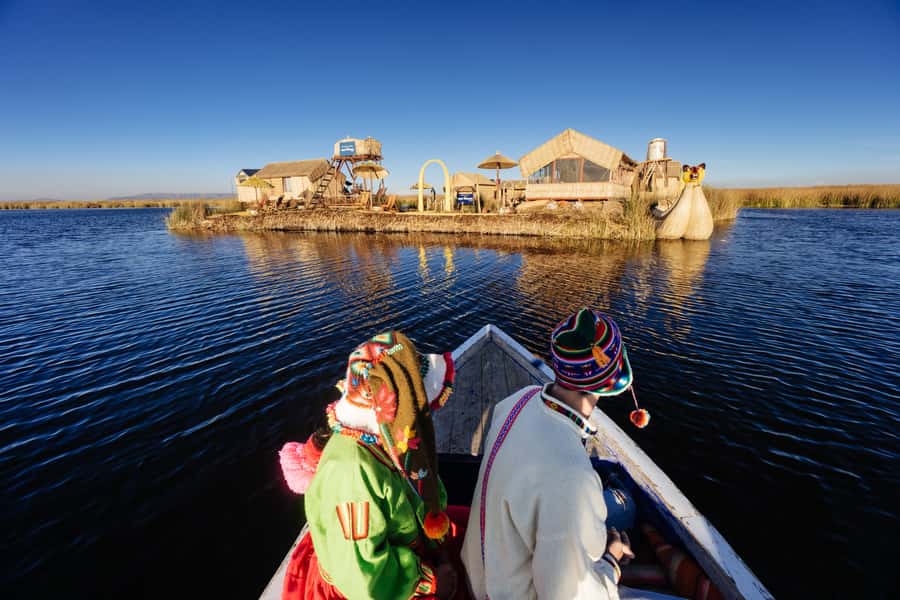
- Uros reed islands that people still live on: Entire structures made from tortora reeds, not a staged show.
- A genuine meeting with island residents: You’ll have time to interact, not just pass through.
- Lunch on Taquile: Locally prepared food as part of the experience, not an afterthought.
- Weavers’ cooperative visit: Watch skilled craft work in action.
- Practical guide support: English-speaking guidance with clear, short instructions.
- Optional reed boat ride (extra): A small add-on that helps community income.
How the Day Feels From the Moment Pickup Starts

This is a full-day outing designed around one simple idea: getting you onto Lake Titicaca early enough to actually enjoy two distinct island cultures, without turning the day into a frantic sprint.
You’re picked up in the morning from your accommodation within Puno City Center (and the pickup is not guaranteed outside that zone, unless you choose the meeting point option). An English-speaking guide rides with you and keeps the day organized, which matters on a long 11-hour schedule where weather and lake conditions can shift how comfortable you feel.
The pace is usually steady rather than rushed. You’ll be traveling between the mainland and the islands, then switching from one cultural stop to the next. That flow is a big part of the value here: you’re not just collecting photos, you’re collecting context.
You can also read our reviews of more tours and experiences in Puno

Uros Islands: Tortora Reeds and Real Inhabited Life
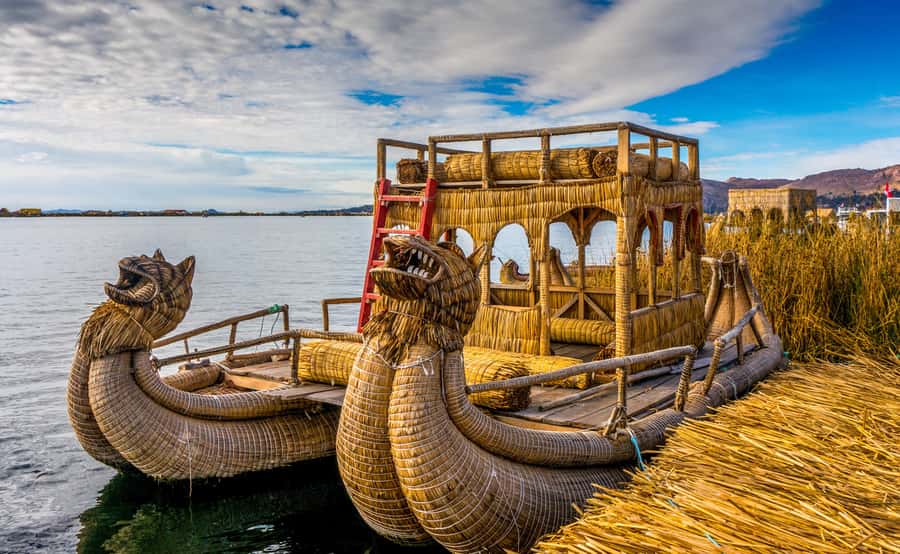
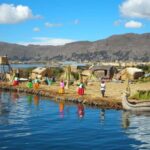
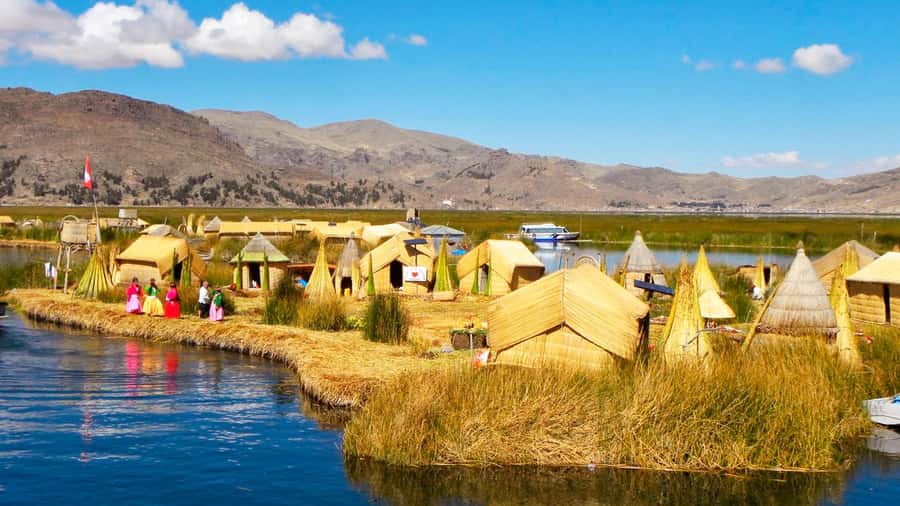
The Uros part is the headline for many people, and for good reason. These are inhabited islands made from tortora reeds, including structures that are built using the same material. It’s not “a hut on stilts” or a single decorative reed roof. The island itself is part of the construction system.
You’ll see how the community has kept this lifestyle going over generations, with roots that trace back to pre-Inca times. That matters because it changes the way you look at what you see. You’re not just watching an activity; you’re witnessing a survival-and-adaptation approach that shaped daily life around the lake.
During your time there, you’ll have a chance to interact with local residents. This is one of the best moments of the day if you like direct conversations and human-scale experiences—ask questions, watch how people move through their homes and communal areas, and take your time. You’ll learn faster when you’re seeing daily habits, not only hearing broad explanations.
A practical note on boats
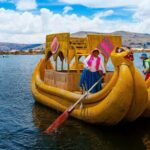
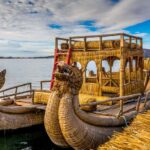
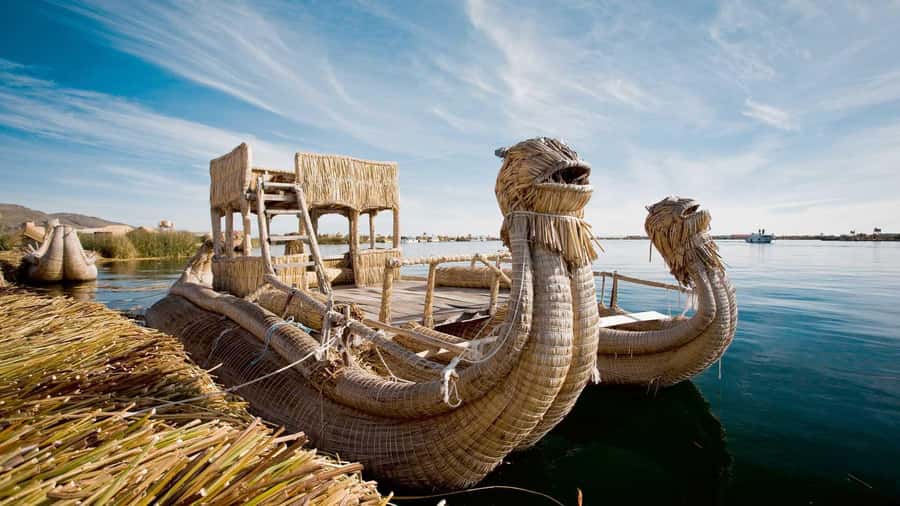
You might be offered the chance to take a typical reed boat, which costs around 10 Soles per person. It’s optional, and the cost contributes to community income. If you want the full “on-the-water” feel, it’s a nice add-on. If you’re already feeling lake motion, you can skip it and still enjoy the island experience.
Continuing to Taquile: A Different Culture on the Same Lake
After Uros, the day shifts. Taquile feels culturally distinct, even though you’re still on Lake Titicaca. The island culture has close ties to the Aymara people of Bolivia, and you’ll feel that difference in the way people live, how crafts get taught and practiced, and how the community organizes daily life.
Taquile is also where the tour becomes more “day-on-an-island” rather than “quick stop.” You’ll get lunch on the island, and that single change makes a big difference. Eating on-site gives you a calmer rhythm and a more grounded sense of place—less transportation pressure, more time to absorb the island’s tempo.
One more thing: Taquile is the stop where you may notice you’re getting a guided interpretation of the island rather than full freedom to roam everywhere. That’s not bad, just different. It helps you cover the key cultural moments, but it also means your experience depends on how your tour routes the island.
Lunch on Taquile: Why This Stop Feels Like Value, Not Just Fuel
Lunch is locally prepared on Taquile, and the fact that it’s included matters for cost and convenience. At 11 hours, a paid lunch elsewhere can quietly add up—so having it bundled keeps the day feel like one ticketed experience, not a money puzzle.
But beyond the math, this is about timing. Since you’re already on the island, lunch becomes part of the cultural immersion. You’re not eating while rushing back toward a dock or hunting for something near a bus terminal. You sit down where the day is happening.
What I suggest: plan for a realistic hunger level. Lake tours can make you feel colder than you expected, and cold plus movement can spike appetite. If you’re the type who snacks often, bring water and keep small sips going through the day so you don’t feel wiped out after the island transfer.


Weavers at Work: Watching Craft Skills, Not Just Finished Souvenirs
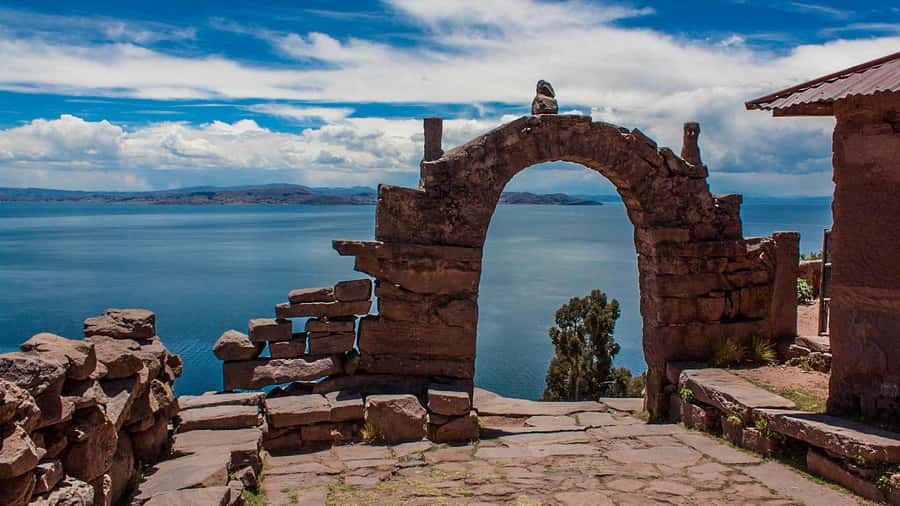
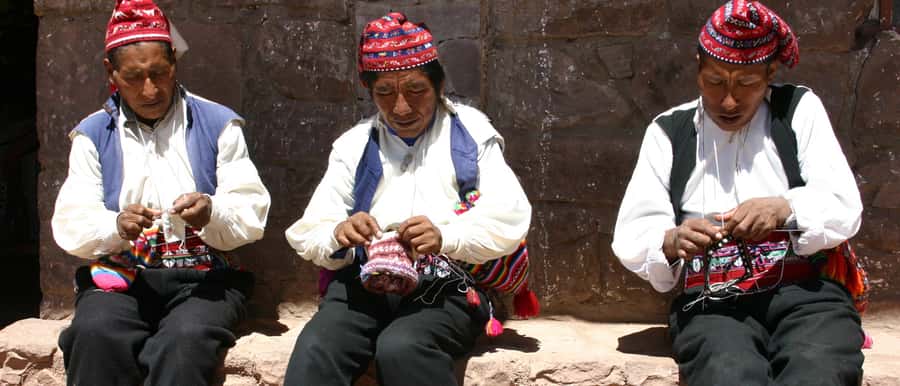
The cooperative visit on Taquile is one of the most meaningful parts of the tour. This is where you get to watch skilled weavers at work, which makes the difference between buying a craft and understanding a craft.
When you see people working, you notice the structure of technique: how threads are prepared, how patterns get built, and how skill gets practiced through repetition. The cooperative setting also helps explain why these textiles matter to the community—craft isn’t only decoration. It’s knowledge you can see.
This stop is ideal if you like hands-on understanding. Even if you don’t buy anything, you’ll leave with a clearer sense of what you’re looking at later in shops or museums. If you do buy, you’ll make better choices because you’ll know what you’re paying for: time, training, and a living tradition.
Price and Value: Getting a Lot Included for $33
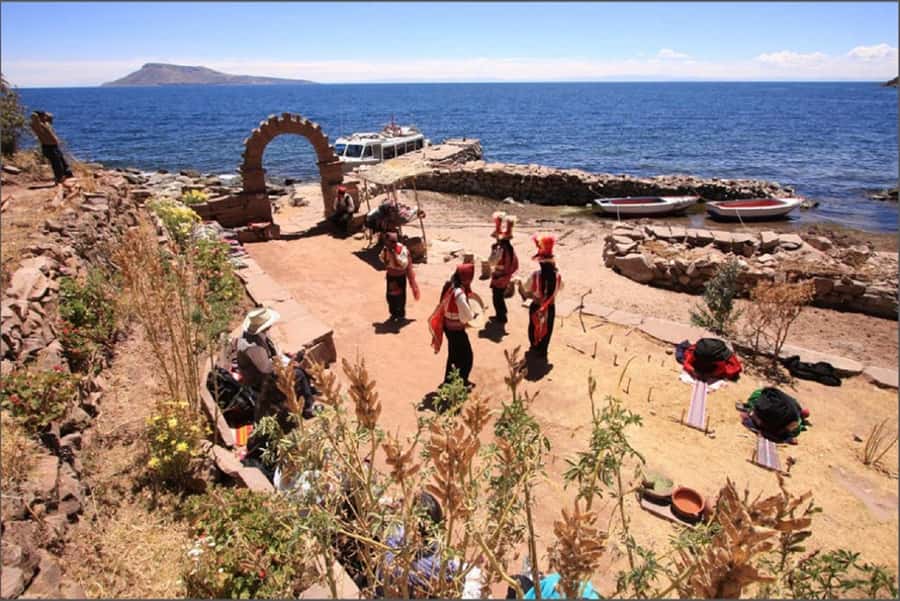
At $33 per person, the value is strong—mostly because a lot of the “hidden” costs are already handled.
Here’s what you’re getting in that price, based on what’s included:
- pickup and transfers within Puno City Center hotels
- the guided tour
- an English-speaking guide
- lunch
- entrance fees
What that means for you: you can plan a predictable day without worrying about adding tickets for each stop. On an itinerary like this, those entrance fees and guide services can add up fast.
The main potential cost surprise is optional, not required:
- the typical reed boat ride (about 10 Soles per person) if you choose to do it
So if you want the “basic cultural day,” the $33 covers the core. If you want the extra boat experience, budget a little more. Either way, this is one of the cleaner value setups I’ve seen for Lake Titicaca island culture, especially because lunch is included.
Timing, Weather, and What to Pack for 11 Hours on the Lake
This tour runs about 11 hours, which means comfort matters. Lake conditions can change quickly, and you’ll be outdoors more than you might expect.
Bring:
- comfortable shoes (you’ll want stable footing)
- warm clothing (especially winter months, May to September)
- a sun hat
- water
Also, dress by season:
- During the rainy season (October to April), plan on rainwear
- During the winter season (May to September), plan on layers that keep you warm
Why this matters: cold wind on the lake can make the day feel longer. If you under-pack, you’ll spend part of your tour thinking about how uncomfortable you are instead of what you’re seeing.
One more logistics tip: if you have heavy luggage, ask your hotel if they can store it safely. That service is usually free, and it’s an easy way to keep the day smoother.
Smooth Pickup, Clear Guidance, and the Small Rules That Matter
This is built to be straightforward for people staying in Puno City Center. Pickup and transfers happen within that zone. If you’re outside that area or you didn’t book a hotel pickup, you’ll need to select the meeting point option.
The guide’s language support is also a plus. The tour provides a live guide who speaks Spanish and English, and you’ll have an English-speaking guide for this experience.
A couple of “know before you go” rules that help the day run cleanly:
- No pets
- Avoid oversize luggage
- If you need help with luggage storage, ask ahead
The upshot: you can keep your focus on the island stops rather than dealing with last-minute confusion at the dock.
Who This Tour Is Best For (and Who Should Consider Another Option)
This tour is a great fit if you want:
- a first visit to Lake Titicaca without having to plan every boat connection yourself
- a strong cultural focus (reed island life, then Taquile culture)
- time to eat lunch on the island
- a craft stop where you can watch weaving skills in action
You might consider another option if:
- you want maximum freedom to wander Taquile’s town core for hours
- you’re hoping for a “deep roaming” Taquile experience instead of a guided cultural circuit
- you’re very sensitive to cold and long days, since this is an 11-hour outing that benefits from solid warm layers
In other words: if you like guided structure and you care about learning how people live, this day fits well. If your priority is open-ended exploring, set expectations and confirm what parts of Taquile are included on your exact departure.
Should You Book the Puno Uros and Taquile Tour?
I’d book this tour if you’re visiting Puno for the first time and you want a balanced day: reed-built Uros life, then Taquile lunch, then a cooperative weavers visit that helps you understand what you’re seeing.
It’s also a smart choice if you like practical value. For $33, you get the guide, lunch, and entrance fees, plus pickup within Puno City Center. That bundle reduces the annoying add-ons that often creep into lake tours.
I’d hesitate only if you’re specifically chasing lots of open time on Taquile’s busiest or central town areas. In that case, ask before you go about how much time you’ll spend there versus quieter areas.
FAQ
FAQ
Is pickup included on this tour?
Pickup and transfers are included within Puno City Center hotels. If you’re staying outside that zone, you should select the meeting point option.
What’s included in the $33 price?
The price includes the tour, an English-speaking guide, lunch, all entrance fees, and pickup/transfer within Puno City Center hotels.
Will the guide speak English?
Yes. The tour provides a live guide who speaks Spanish and English, with an English-speaking guide for this experience.
What should I wear for an 11-hour Lake Titicaca day?
Wear comfortable shoes and bring warm clothing. You should also pack sun protection (a sun hat) and water. If you’re traveling in the rainy season (October to April), bring rainwear.
Is there an optional reed boat ride?
Yes. You can take a typical reed boat for about 10 Soles per person, and it contributes to community income.
Are pets allowed?
No, pets are not allowed on this tour.