REVIEW · PUNO
Floating Islands of the Uros
Book on GetYourGuide →Operated by Titicaca Travel Peru · Bookable on GetYourGuide
Floating reed islands on Lake Titicaca feel like a world on its own, and the Uros tour is the quick way to see how it works. I love the hands-on feel of totora-reed life and the way guides focus on Aymara culture in a clear, respectful way. The only real drawback is that the visit is short, so you’ll see a lot of highlights but not every detail of daily life.
I really like how smooth the day runs: pickup in Puno, a mix of van and boat, then a guided walk and time on the islands. If you want the full experience, plan for the fact that the totora raft ride is not included, and that extra stops time if you add it.
In This Review
- Key Things to Know Before You Go
- Puno-to-Uros Logistics: how the 3-hour schedule actually feels
- Life on totora: what you’re seeing when the reeds are the home
- Your guide makes or breaks it: Roly, Freddy, and Aymara language moments
- The on-water part: ferry time, boat comfort, and photo opportunities
- Totora reed raft ride: the add-on you should consider
- Respect on the reeds: how to get the best interaction
- Value and price: what $7 buys, and what costs extra
- Who this tour suits best (and who might want a longer visit)
- Should you book the Floating Islands of the Uros?
- FAQ
- How long is the Uros floating islands tour?
- Where does the tour start in Puno?
- How far are the Uros islands from Puno?
- Is the totora reed raft ride included?
- What’s included in the price besides the tour itself?
- Are meals included?
- What languages are available for the guide?
- Is the tour wheelchair accessible?
- What should I bring to the tour?
- Are there any rules about smoking?
Key Things to Know Before You Go

- 3 hours total is perfect if you have limited time in Puno
- Guided tour with English/Spanish so the culture makes sense, not just photos
- Life jackets and first aid kit on the boat ride for peace of mind
- Totora reed culture: men build and drive rafts; women embroider rugs
- Aymara language community focus on skills like fishing and bird hunting
- Raft ride is extra if you want that signature on-water moment
Puno-to-Uros Logistics: how the 3-hour schedule actually feels
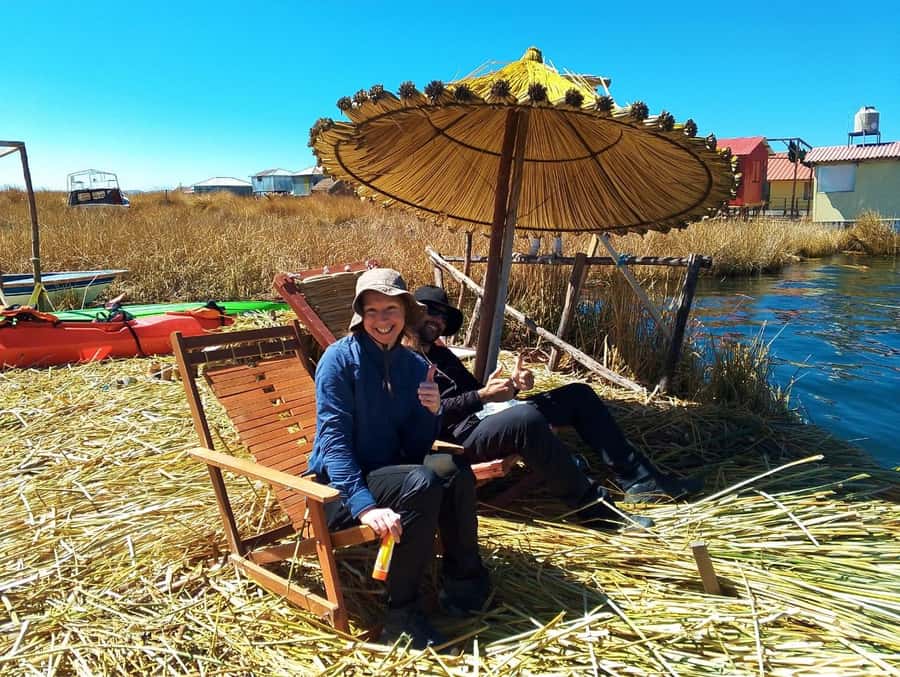
This is a short outing, designed for people who want the main Uros experience without losing a half day to transit. You’ll start with hotel pickup in downtown Puno, then head toward the port area by van. After that, the trip uses a ferry across the lake, with another quick van transfer along the way before you reach the floating reed islands.
Once you arrive, the best part is that you don’t just “look at” the islands—you get a guided visit with a bit of sightseeing time built in. Plan on roughly 2 hours on the Uros islands itself, with time for photos and free time. Then it’s back the same way: ferry, a short van ride, and you’re back in Puno.
What matters here is pacing. If you’re the type who hates rushed stops, this can feel quick. But if you’re using Puno as a base and want a meaningful cultural stop that stays budget-friendly, the timing is a win.
You can also read our reviews of more tours and experiences in Puno.



Life on totora: what you’re seeing when the reeds are the home

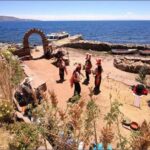
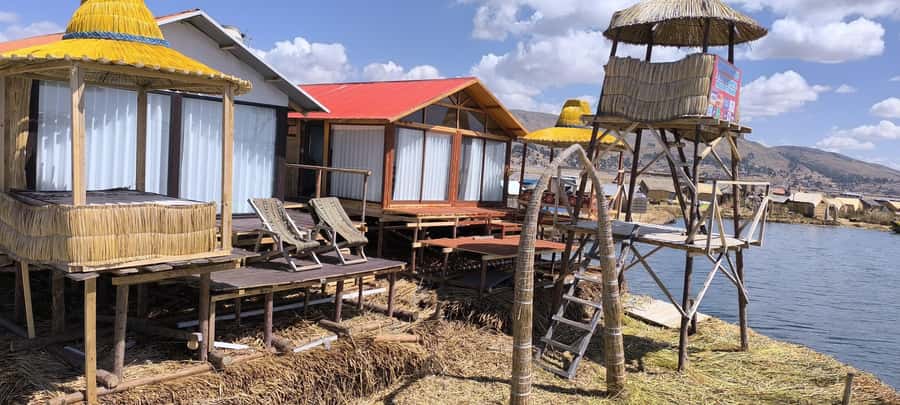
The Uros live on floating islands made from totora reeds, plants that grow in Lake Titicaca. The point of the visit is to see how a community can build a home, maintain it, and build a daily routine around a material that floats.
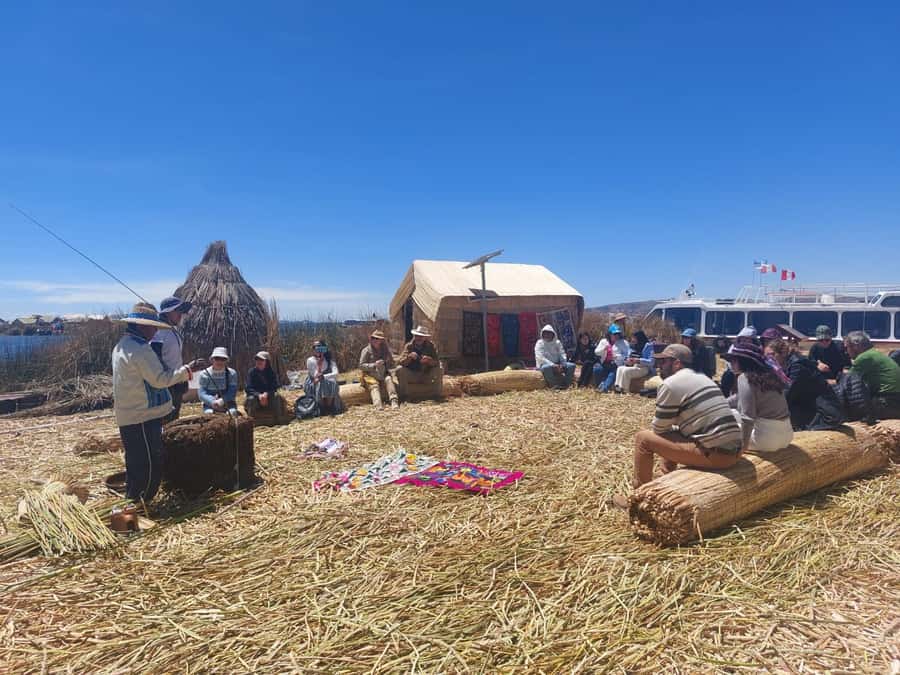
During your guided time on the islands, you’ll learn how skills are divided and passed along. The tour describes men as skilled builders and drivers of totora reed rafts, while women are known for embroidery of rugs. That mix—practical construction plus textile craft—helps you understand that this isn’t just a scenic stunt. It’s work, knowledge, and ongoing maintenance.
You’ll also hear about how the community’s Aymara ties show up today, including traditional activities like fishing, hunting birds, and collecting eggs. Even if you don’t catch every cultural nuance in a short visit, you’ll leave with a real sense of how everyday tasks shape the rhythm of life on the reeds.
Your guide makes or breaks it: Roly, Freddy, and Aymara language moments
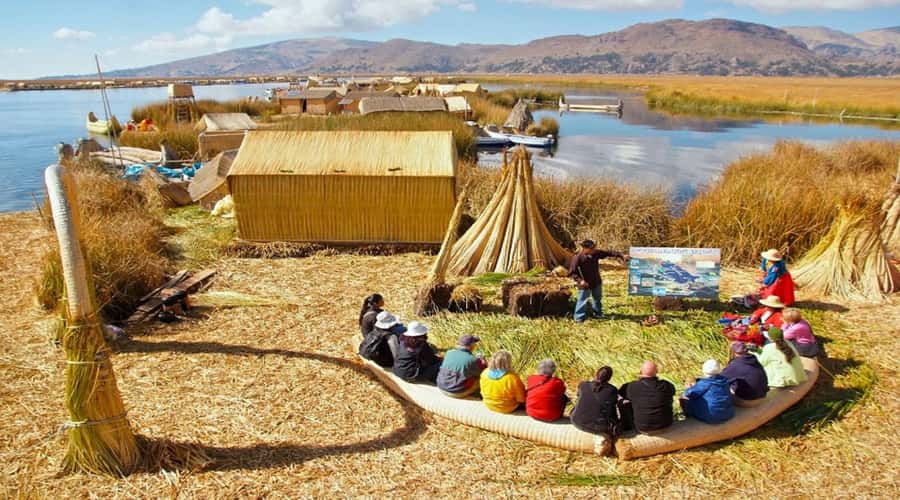
With this kind of visit, the guide is the translator of the whole experience. When the explanation is clear, you see past the novelty and start understanding the logic of the lifestyle.
One standout detail: some guides are known for making Aymara greetings feel doable. For example, you might get a quick language assist from guides like Roly, who helps visitors learn a few ways to say hello on the island. Another guide name you may see with this style of tour is Freddy, who’s praised for being informative and well organized.
You may also meet island leaders during the visit. One itinerary included a chat with the president of a small reed island, Olga—that kind of interaction is memorable because it turns the trip from viewing to conversation.
Bottom line: if you care about understanding what you’re looking at, prioritize a guide who talks through both the past and the present. This tour’s bilingual format (English/Spanish) is there so you don’t miss the meaning.
The on-water part: ferry time, boat comfort, and photo opportunities
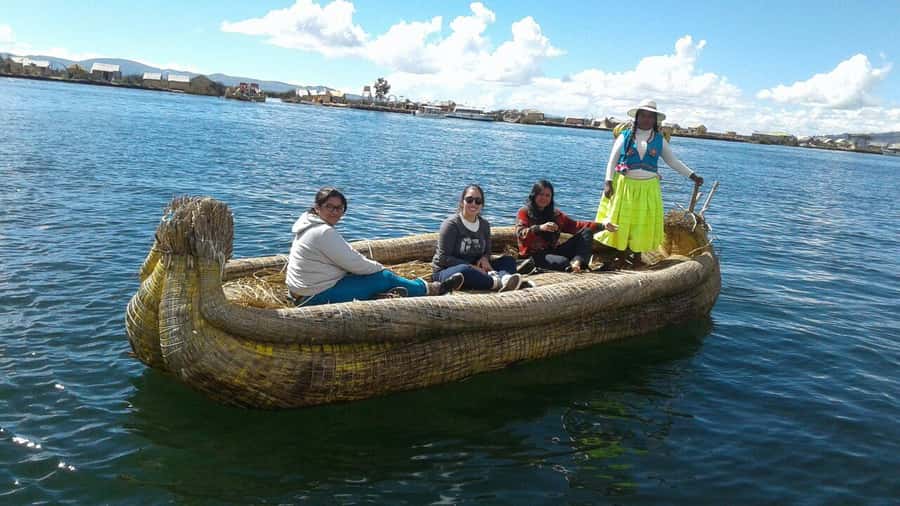
You’ll be on the water from early on. The route uses a normal boat with comfortable seats, plus life jackets and a first aid kit. That safety detail matters more than people expect, especially on a lake day when weather can change fast.
Also, the day isn’t a single long boat ride. It’s a pattern: van, ferry, van, then island time, then ferry back. That structure is part of why the total duration stays around 3 hours. You get enough time on the water for the views and the experience without turning it into a slog.
For photos, think in terms of layers. The signature image is the reed islands, but you’ll also want shots that show how the islands sit on Lake Titicaca. If you’re choosing a departure time, one review specifically called out sunset timing as a great moment for the trip. If your operator offers different departure windows, late-day light can make a big difference.
Totora reed raft ride: the add-on you should consider
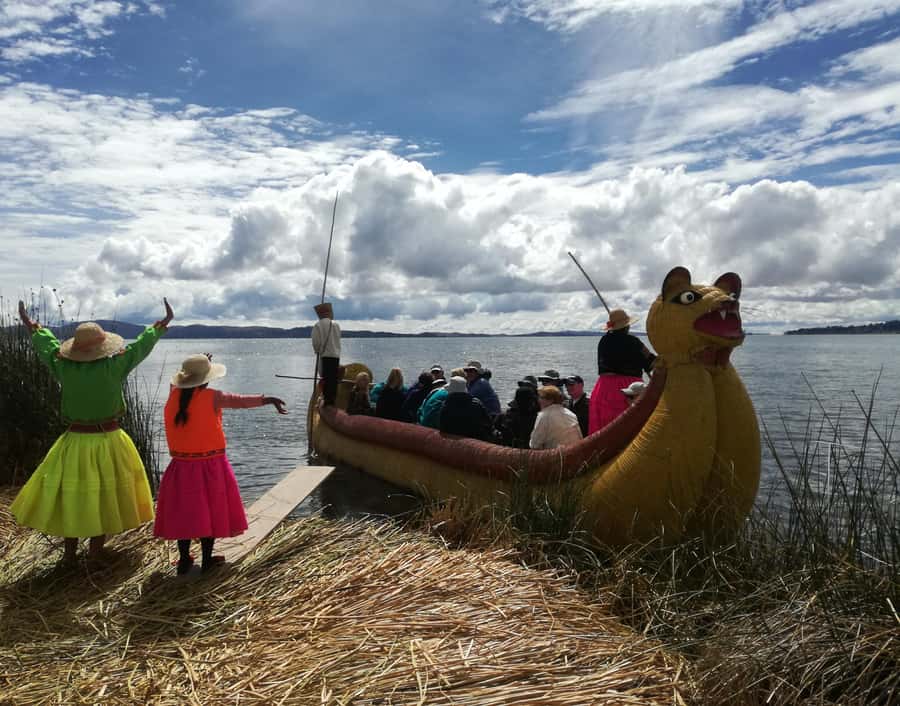
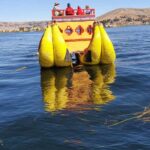
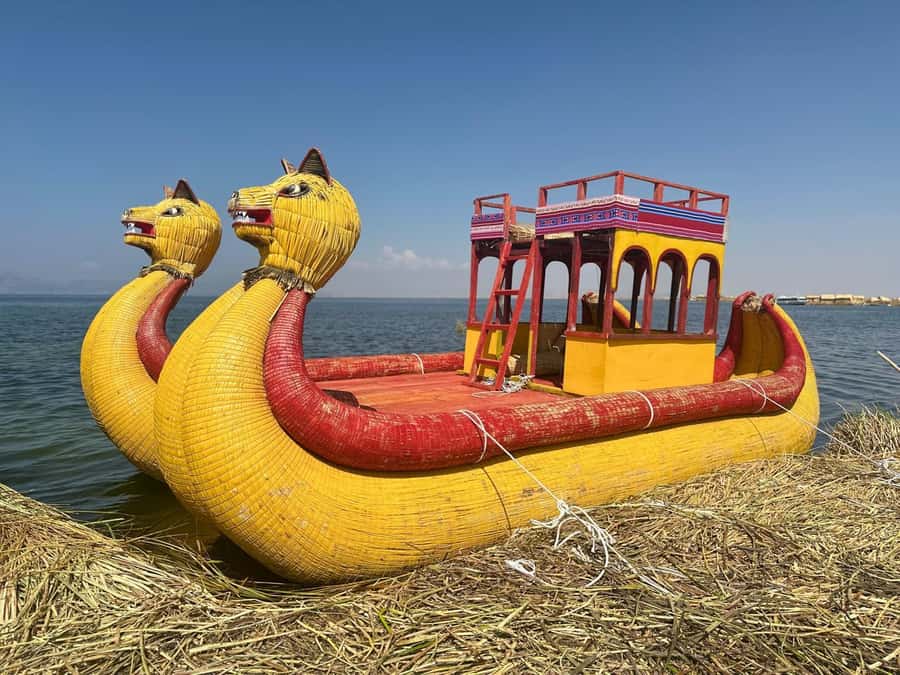
The totora reed raft ride is not included in the base price. That’s not a small footnote—it’s the most “signature” activity for many people. If the idea of being out on the reeds with the raft is a must, budget for it and decide in advance so you don’t feel rushed once you’re there.
Why it’s worth considering: you don’t just watch how rafts work. The tour description sets you up with the basics by explaining that men are the skilled drivers and builders. Then the raft ride gives you the physical sense of how the material moves on water.
Why you might skip it: since the tour is already compact, adding extra activity time can reduce your island free time. If you’d rather spend more time asking questions, watching embroidery, or getting better photos from land, that can be the better use of your limited window.



Respect on the reeds: how to get the best interaction
A successful Uros visit comes down to simple respect. The tour guidance is clear: wear comfortable clothes and shoes for walking, and be mindful of the environment.
Bring practical basics:
- Sun hat and sunscreen (the sun on the lake can be strong)
- Water
- Camera for the reed-and-lake visuals
- Comfortable clothes suited for walking
Also, follow the rule: no smoking during the experience.
One more tip that’s not about gear—about attitude. This isn’t a zoo. If you ask questions and listen to answers, your guide can help you connect the dots faster. The language-learning moments (Aymara greetings) are a good example of how you can make the interaction feel human, not transactional.
Value and price: what $7 buys, and what costs extra
Let’s talk money, because this tour is priced to be accessible. The listed cost is $7 per person, and for that you typically get a lot of the heavy lifting:
- Hotel transfer (downtown Puno to port, round-trip)
- Entrance ticket to the Uros islands
- Boat transport with comfortable seats, life jackets, and first aid kit
- An official guide in English/Spanish
- Time for guided visit, sightseeing/photo stop, and free time on the islands
- Skip the ticket line, which saves you energy when you’re short on time
What’s not included:
- Totora raft ride
- Meals
- Anything not explicitly mentioned
So the value is strongest if you want a guided overview and don’t mind treating the raft ride as an optional upgrade. If you’re the type who likes to linger—asking lots of questions, visiting more than one island stop, or doing every activity—then the trip’s short duration may feel a bit tight once you add extras.
Who this tour suits best (and who might want a longer visit)
This Uros tour is ideal if you:
- Are in Puno with limited time
- Want a first look at the floating reed islands with a guide
- Prefer a short, structured experience rather than a long day
- Care about hearing how traditions work in daily life, including Aymara community skills
It may be less ideal if you:
- Want a deeper, slower, day-long immersion into Uros culture and day-to-day challenges
- Plan to add multiple activities (because the schedule is compact)
- Are hoping for lots of downtime on the water or lots of island variety
If you’re on the fence, think of this as a high-impact sampler: enough to understand the basics and ask good questions, with the option to add more on the spot if you want.
Should you book the Floating Islands of the Uros?
Yes, book it if you want an honest cultural snapshot from Puno that’s well structured and budget-friendly. The guided explanation and bilingual setup help you understand what you’re seeing, and the short 3-hour format makes it workable even on a busy travel schedule.
Skip or reconsider if you need a long, unhurried visit, because the tour gives highlights rather than deep immersion. And if you really care about that signature experience of riding a reed raft, plan on paying extra, since it’s not included.
FAQ
How long is the Uros floating islands tour?
The tour lasts about 3 hours.
Where does the tour start in Puno?
Pickup is from your hotel in downtown Puno, and you’ll be taken to Puno Port.
How far are the Uros islands from Puno?
The islands are about 8 km from Puno.
Is the totora reed raft ride included?
No, the raft ride is not included.
What’s included in the price besides the tour itself?
You get hotel transfers (downtown Puno to port, round-trip), the Uros entrance ticket, boat transport with life jackets and a first aid kit, and an official guide in English/Spanish.
Are meals included?
No meals are included.
What languages are available for the guide?
The guide is available in English and Spanish.
Is the tour wheelchair accessible?
Yes, it is listed as wheelchair accessible.
What should I bring to the tour?
Bring a sun hat, camera, sunscreen, water, and comfortable clothes.
Are there any rules about smoking?
Smoking is not allowed.