REVIEW · PUNO
From Puno: 4h tour to Sillustani
Book on GetYourGuide →Operated by Lago del Cielo Sociedad Anonima Cerrada · Bookable on GetYourGuide
Sillustani is Puno’s tomb-and-sky photo hour done right. This trip pairs the Puma Uta viewpoint with Inca and Pre-Inca chullpas rising above Lagoon Umayo, so you get two very different kinds of high-altitude beauty in one afternoon.
What I like most is the clear focus: a guided walk where the stone tombs make sense, and the setting where the lake turns calm and reflective. I also like that you leave Puno with enough daylight left for great light and fewer crowds.
One thing to keep in mind: pickups can be a little chaotic. In at least one case, the start involved moving to a bus, then switching, then waiting before departure, so I’d plan to arrive at the pickup spot a bit early and keep some patience handy.
In This Review
- Key things to know before you go
- Why Sillustani feels different from other Puno day trips
- Puma Uta viewpoint: your quick “Puno 101” over the rooftops
- The altiplano drive north: grasslands, llamas, and slow altitude changes
- Sillustani and Lagoon Umayo: chullpas up to 12 meters tall
- What you’re seeing
- The setting matters as much as the stones
- A note on walking comfort
- Optional farmhouse visit: an Andean routine, not a staged show
- Timing and crowds: why the afternoon works
- Price and value: what $25 really covers
- Guide quality and language: Veronica, Esteban, and clear explanations
- Group size and who this suits best
- Logistics to watch: pickups, buses, and keeping it calm
- Should you book this Puno to Sillustani tour?
- FAQ
- Where does the tour pick you up in Puno?
- What time does the tour start?
- How long is the tour?
- What language is the guide available in?
- What does the tour include?
- Are meals included?
- Is the farmhouse visit part of the tour?
- What should I bring?
- What kind of group size is offered?
- Is there a cancellation option?
Key things to know before you go
- Puma Uta first, then Sillustani, so you get quick orientation over Puno and Lake Titicaca
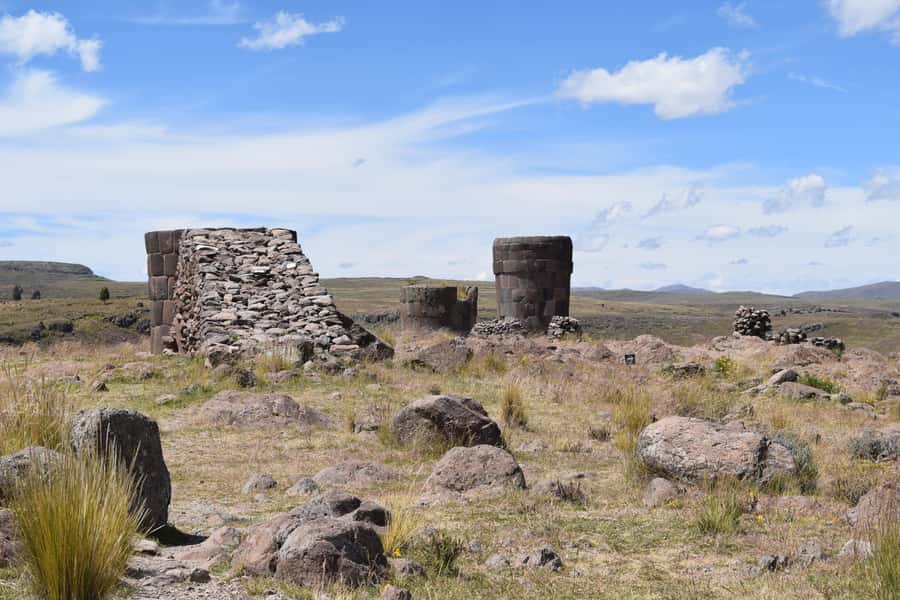
- Chullpas up to 12 meters tall on a ridge above Umayo Lagoon, with guided explanations of Colla and Inca use
- A guided walk through the archaeological complex along a peninsula trail
- Optional farmhouse visit to see everyday Andean routines (quinoa, cheese, animal care)
- Afternoon timing means golden light and typically a quieter feel than earlier departures
- You’ll reach about 3,900 meters, so move at a steady pace and dress for cool air
Why Sillustani feels different from other Puno day trips
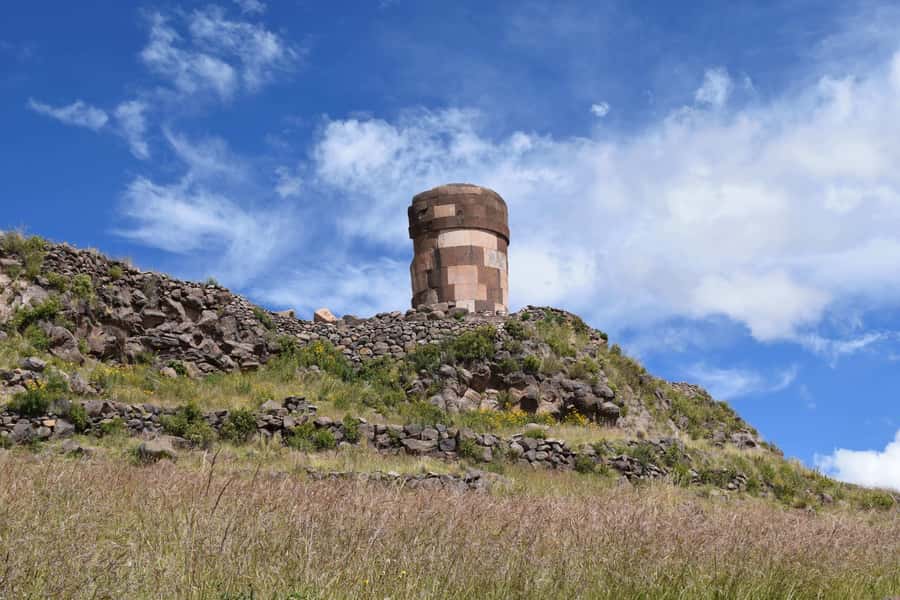
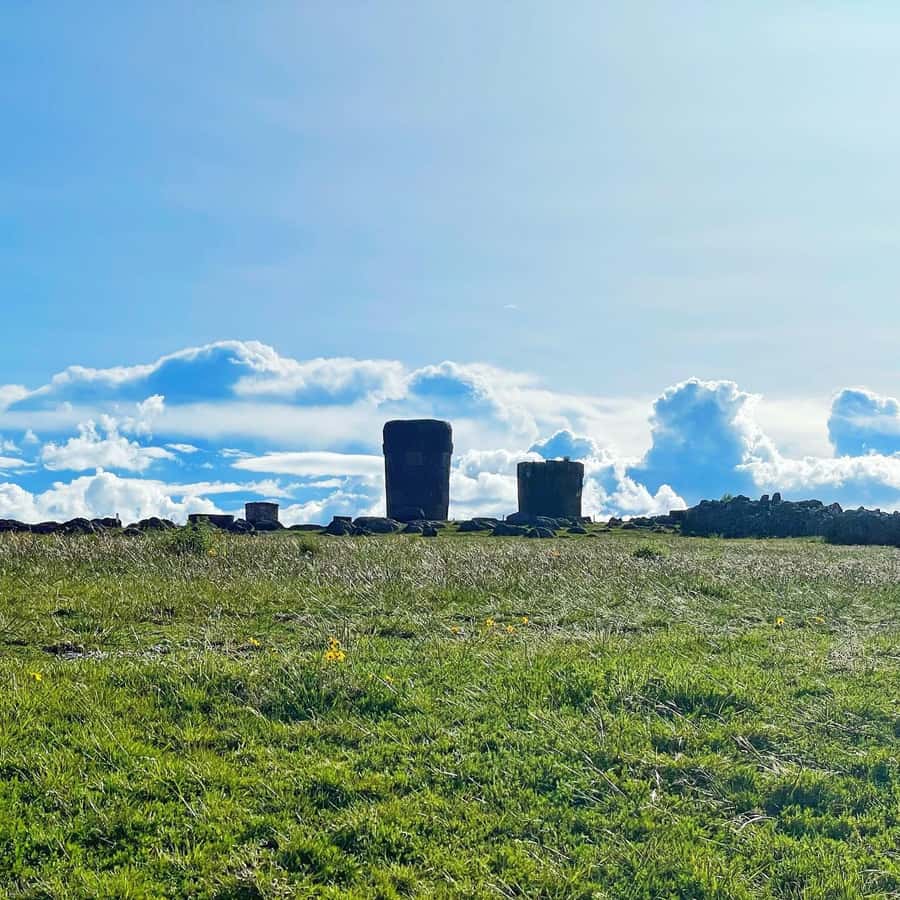
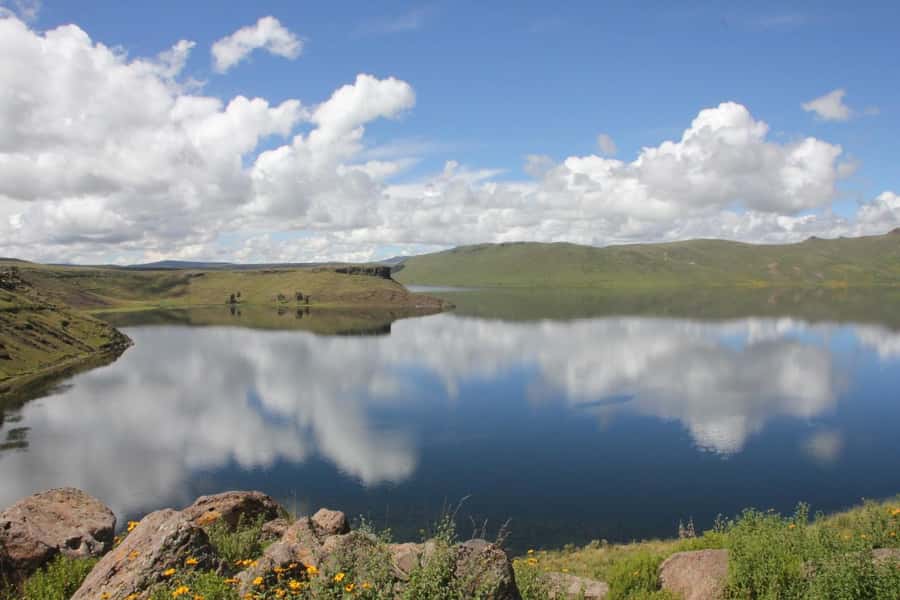
Sillustani is often sold as tombs, and yes, that’s the headline. But what makes it memorable is how the stone architecture connects to the water and the sky. The chullpas aren’t just scattered ruins. They rise from the ridge like a long vertical story, and when Lagoon Umayo is calm, their shapes bounce off the reflection line below.
I also like that this tour spends time on interpretation, not just sightseeing. You’ll get a guided explanation of the Colla funerary practices and how those customs changed after the Incas absorbed the region. That context turns the shapes and construction choices into something you can actually understand, not just photograph.
Finally, it’s built for an afternoon rhythm. Starting in the early afternoon (around 1:40 PM) means you’re traveling while the highlands are awake and you still have a good window for light at Sillustani.
You can also read our reviews of more tours and experiences in Puno.


Puma Uta viewpoint: your quick “Puno 101” over the rooftops
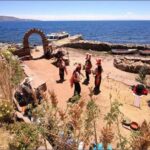
Before you even reach Sillustani, you’ll stop at Mirador Puma de Puno. It’s perched above the city, with a big puma sculpture watching over Puno. This is a short stop, about 15 minutes, but it’s a smart one.
From here you’ll see Puno’s rooftops, surrounding hills, and Lake Titicaca stretching out in the distance. It’s a helpful first layer because Sillustani is remote-looking once you’re there. Seeing the wider geography first helps you understand why this area feels so open and windy, and why the lake matters to the entire region.
Practical tip: use this stop to get your bearings fast. If you’re arriving from the lakefront and streets, this viewpoint gives your brain the big picture quickly.
The altiplano drive north: grasslands, llamas, and slow altitude changes
After Puma Uta, the drive continues roughly 40 minutes across open altiplano. You’ll travel through grasslands with grazing llamas and pass adobe homesteads along the way.
The route also climbs gently to around 3,900 meters above sea level. That matters more than people think, especially if you’re coming straight from Puno’s everyday pace. You won’t need to panic about altitude, but you should expect your body to ask for slower movement: fewer big bursts, more steady effort, and no rushing for the perfect shot.
If you get a window seat, this drive is part of the experience, not just transportation. The scenery is wide, and that openness sets you up for Sillustani’s ridge-and-lagoon view.
Sillustani and Lagoon Umayo: chullpas up to 12 meters tall
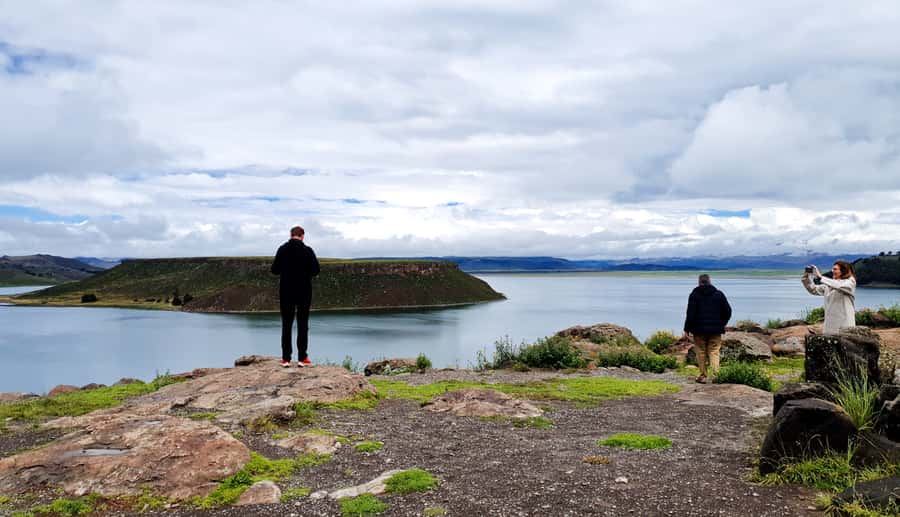
This is the main attraction, and you’ll spend about 1.5 hours total at Sillustani, including time to explore, take photos, and do a guided visit with walking along a peninsula trail of roughly 30 minutes.
What you’re seeing
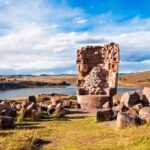
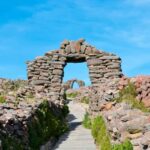
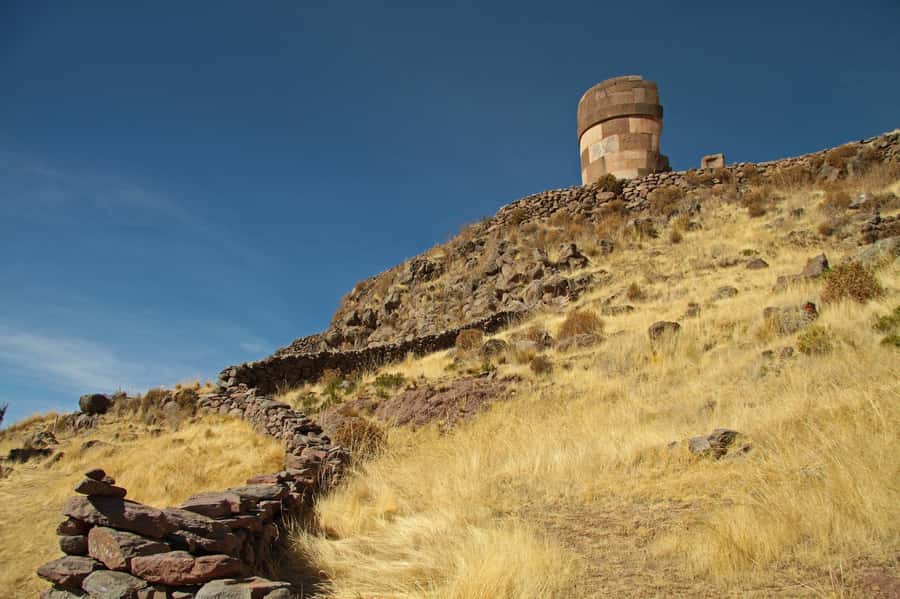
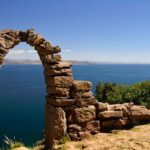
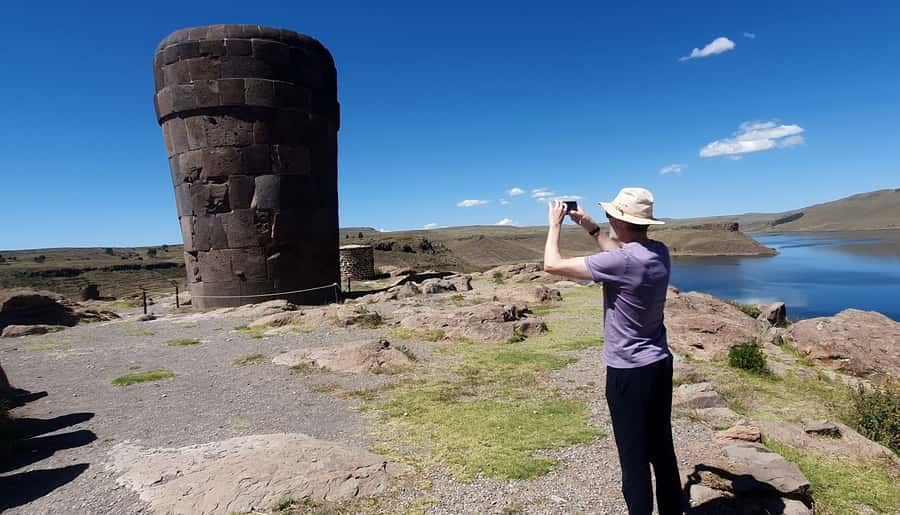
The big draw is the chullpas—cylindrical stone burial towers built first by the Colla and later by the Incas. Some towers reach up to 12 meters tall, and the construction is striking because these structures were assembled without mortar.
Your guide will explain a few details that make the site click:
- why the towers were built in this form
- why they narrow toward the base
- how Colla funerary practices shifted once the Incas took control of the area
That kind of explanation is the difference between seeing towers and understanding why the towers look the way they do.



The setting matters as much as the stones
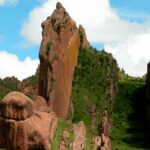
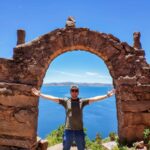
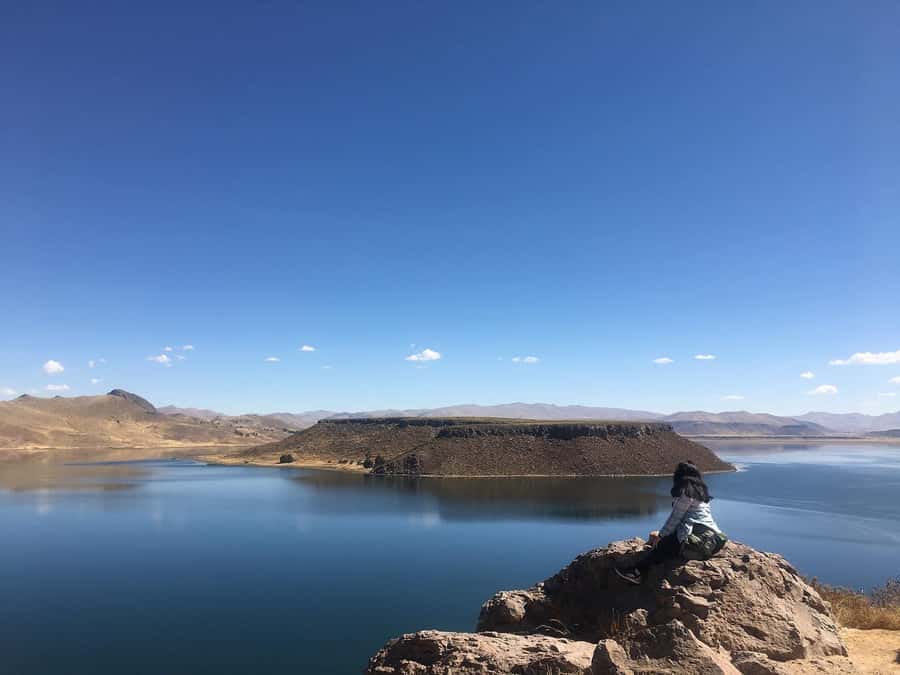
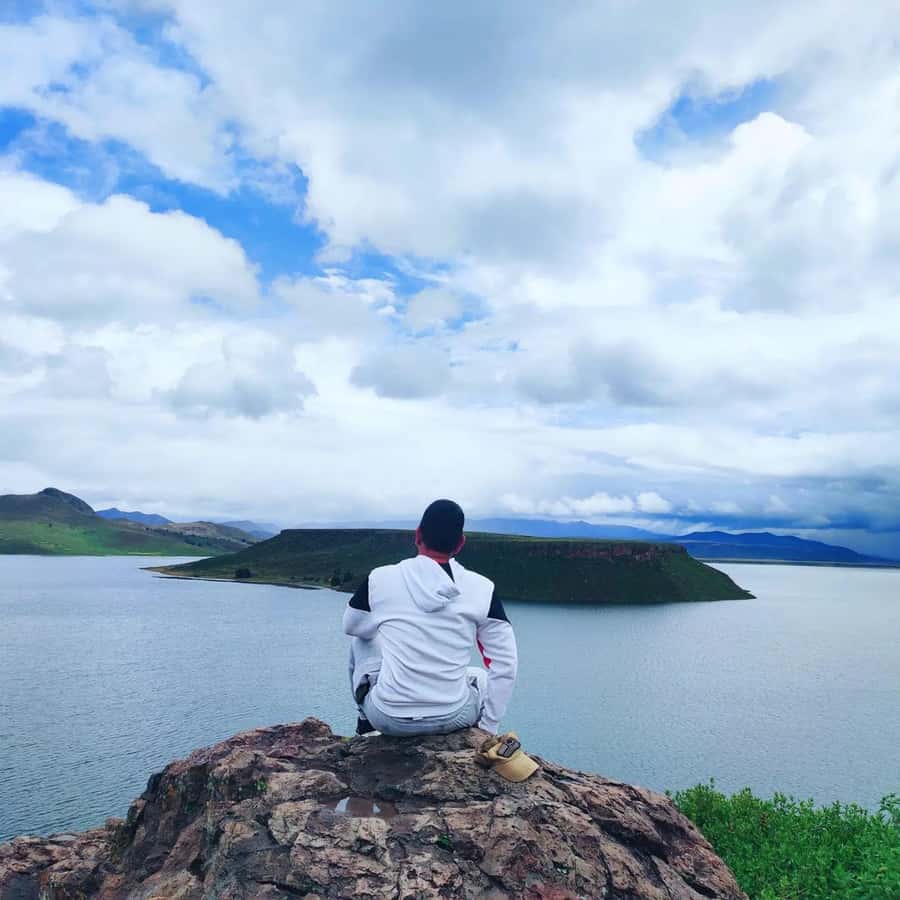
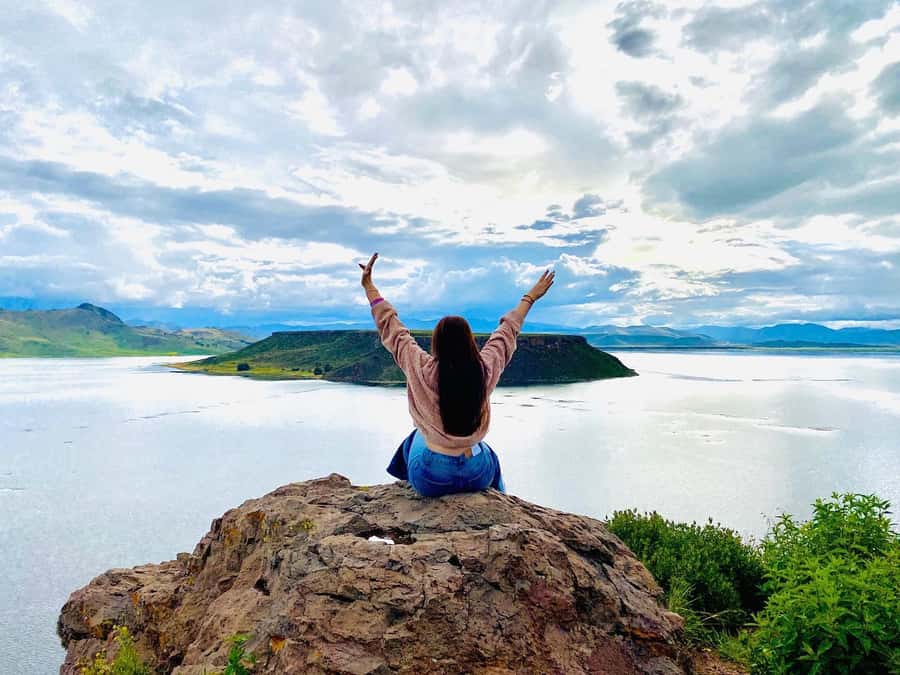
The chullpas sit on a ridge overlooking Lagoon Umayo. On calm days, you can get reflections of both the hills and the towers. Even when it’s not perfectly mirror-smooth, the lagoon still gives the site a “quiet gravity” that you don’t get at every ruin.
Take your time here. The light and silence at altitude can feel almost unreal, especially because there’s less of the constant city noise. Photos help, but you’ll likely want a minute or two just to watch the view change as clouds drift.
A note on walking comfort
The trail isn’t described as extreme, but you are on a peninsula ridge. Wear footwear you trust on uneven ground. And remember: you’re above 3,900 meters, so any uphill shuffle feels longer than you expect.
Optional farmhouse visit: an Andean routine, not a staged show
On the way back, you can add a stop at a nearby farmhouse in the surrounding community. This isn’t presented as a performance. The idea is to see daily life and daily work.
What you might see and hear includes:
- preparation of quinoa dishes
- making or preparing fresh cheese
- tending animals
One review also mentioned tasting potatoes with clay sauce, which is the kind of small detail that can make this visit feel genuinely local. I can’t promise every family will offer the same exact tasting, but the overall pattern is clear: you’re getting a window into routine, not a rehearsed dance.
If you like hands-on cultural stops, this is the part that can turn a good archaeology tour into something more personal.
Timing and crowds: why the afternoon works
This tour runs in the afternoon, starting around 1:40 PM and returning to Puno by late afternoon. That timing has real benefits.
First, golden light: you’re more likely to get softer color on the stones and better warmth around the lagoon area. Second, fewer crowds: Sillustani can get busy, and arriving later typically reduces the feeling of rushing through photo stops.
There’s also a simple rhythm benefit. You’re not trying to do every major Puno activity early in the morning. Instead, this becomes a calmer second half of your day, which is handy if you want time for lake views, lunch, or just resting at altitude.
Price and value: what $25 really covers
At $25 per person, this tour is priced for people who want a guided Sillustani visit without paying for a full-day private driver-and-guide setup. The value comes from what’s included:
- Guide
- Entrance tickets
- Transportation
Meals are not included, so plan to handle food on your own. I’d treat this like a half-day outing: bring water, and consider a snack you can eat before or during the breaks if you tend to get hungry quickly.
What you’re buying for the price is mostly the structure: getting out of Puno, reaching the Sillustani ridge efficiently, and having an English- or Spanish-speaking guide explain the chullpas and the cultural shift between Colla and Inca traditions. If you’re the kind of traveler who enjoys understanding what you’re looking at, this is where the money goes.
Guide quality and language: Veronica, Esteban, and clear explanations
The tour runs with a live guide in Spanish and English, and the guide’s role is central here. At Sillustani, the site becomes far more interesting when someone can walk you through what you’re seeing.
Two guide names came up in reviews: Veronica and Esteban. One comment praised Veronica for explaining things well, and another praised Esteban for detailed explanations with passion. That matches the format here: guided walk, guided interpretation, then time for your own photos.
If you want to maximize your experience, ask your guide one or two simple questions early, like what to focus on visually in the chullpas or how the Colla and Inca funerary practices differed. Doing that helps you notice the site more sharply.
Group size and who this suits best
The tour offers private or small groups. That’s a good setup for a site like Sillustani because you can move at a reasonable pace, stop when you want, and still get a guided explanation without feeling swallowed by a large crowd.
This works especially well if you:
- want a guided Sillustani visit but don’t need an all-day outing
- enjoy architecture and cultural interpretation, not just scenic viewpoints
- like the idea of an optional community stop afterward
- prefer afternoon plans for calmer light and a quieter vibe
It may be less ideal if you hate any walking at altitude or you’re very sensitive to any potential pickup delays, which leads to the one logistics area I’d watch.
Logistics to watch: pickups, buses, and keeping it calm
Pickup options in downtown Puno include Plaza Mayor de Puno, Parque De Las Aguas, and Plaza de Armas de Puno. The departure is early afternoon (around 1:40 PM), and the tour returns with drop-offs at similar central spots.
In one review, pickup was described as a little weird: getting walked from a hotel to sit on a bus, switching buses without going anywhere, then waiting about 20 minutes. In another case, there was a tire blowout on the way back, and the crew handled it safely and arranged a replacement bus.
So here’s my advice: build in a little flexibility. Be ready to show up slightly early at your selected pickup point, keep your phone charged, and don’t plan a tight next activity for right after return.
Should you book this Puno to Sillustani tour?
If you want a guided Sillustani experience with context, this is an easy yes. The combination of Puma Uta for orientation plus chullpas by Lagoon Umayo is efficient, and afternoon timing is a smart choice for light and comfort.
Book it if:
- you care about understanding the Colla and Inca connection behind the chullpas
- you want a small-group feel and guide interpretation
- you’d enjoy an optional farmhouse glimpse into daily Andean life
- you like fewer-crowd timing and golden views
Skip it if:
- you hate any chance of pickup shuffling or waiting
- you’re not comfortable with altitude at around 3,900 meters
- you’re expecting meals to be included (they’re not)
Bottom line: this tour fits travelers who want both meaning and scenery, without turning Sillustani into an all-day grind.
FAQ
Where does the tour pick you up in Puno?
Pickup is available from downtown areas around Plaza de Armas and also from Plaza Mayor de Puno and Parque De Las Aguas, depending on your option.
What time does the tour start?
You’re picked up in the early afternoon, around 1:40 PM.
How long is the tour?
The total duration is about 4 hours (270 minutes).
What language is the guide available in?
The live guide works in Spanish and English.
What does the tour include?
It includes a guide, entrance tickets, and transportation.
Are meals included?
No. Meals are not included.
Is the farmhouse visit part of the tour?
A farmhouse visit is optional on the way back.
What should I bring?
You should bring a passport or ID card.
What kind of group size is offered?
You can join a private or small group.
Is there a cancellation option?
Yes. You can cancel up to 24 hours in advance for a full refund.