REVIEW · PUNO
From Puno: Floating Islands of the Uros Half-Day Tour
Book on GetYourGuide →Operated by SuriExplorerEIRL · Bookable on GetYourGuide
Three hours on floating reeds sounds unreal.
This half-day Uros tour from Puno is one of the quickest, most hands-on ways to see Lake Titicaca from inside a living tradition—floating islands built from totora and used as homes and community spaces today.
I especially like the chance to go with guides who grew up there or know it from the inside. People like Freddy (born and raised at the Uros community) can bring a rare mix of English, Spanish, and local Aymara context, which makes the story feel real instead of scripted.
One heads-up: once you arrive, you should expect extra opportunities to spend money, including an on-the-spot fee for the traditional reed boat ride (15 Soles per person). If you’re trying to keep things tight, go in with a clear budget.
In This Review
- Quick hits before you go
- How the half-day from Puno really plays out
- Meeting the Uros: totora islands that actually work
- Totora craft, history, and what you’ll notice on the ground
- Walking time and shopping: how to enjoy it without stress
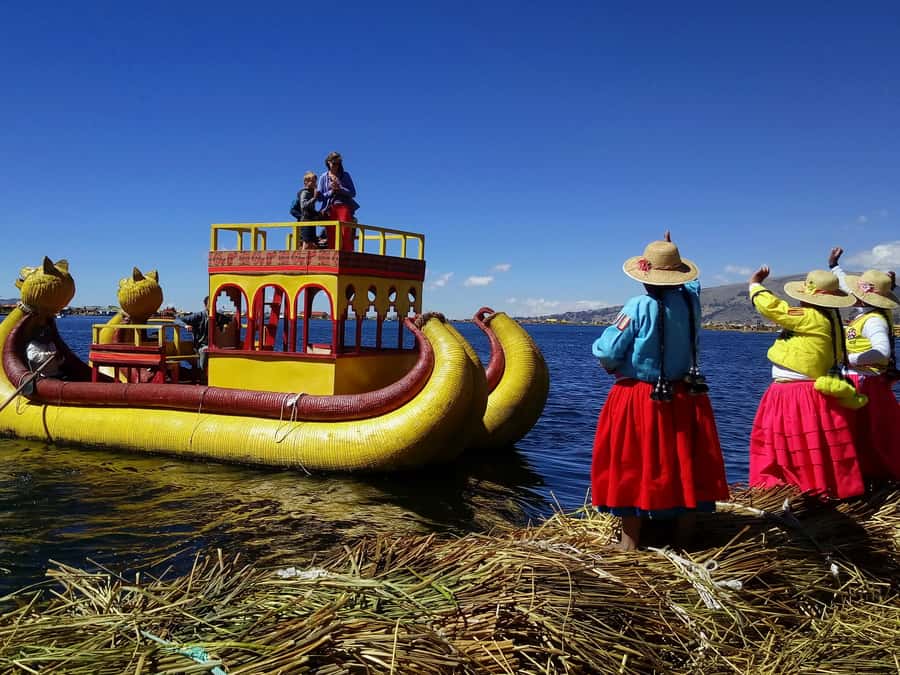
- Reed boat ride: the one extra fee that changes the experience
- Guide and captain skills: why the names matter
- Weather and comfort: shine or rain on the lake
- Practical logistics you’ll want to plan around
- Value: what you get for about $10
- Who this Uros half-day tour is best for
- Should you book this Uros half-day tour?
- FAQ
- How long is the Uros Half-Day Tour from Puno?
- Where does the tour start and end?
- Is hotel pickup and drop-off included?
- What languages are the guides?
- Is entrance to the Uros island included?
- Is the reed boat ride included in the price?
- What should I bring with me?
- Does the tour run in rain?
- Is the tour suitable for people with mobility impairments?
- Can I cancel for a refund?
Quick hits before you go
- Totora engineering on display: you’ll see how aquatic plant layers become a floating surface.
- Local guides matter: Freddy and guides like Rolly/Roly and Franky show up in the experience mix.
- A true half-day pace: enough time for walking and photos without eating your whole day.
- Lake Titicaca water time: you’ll do transfers by boat, not just a quick peek.
- Reed boat ride costs extra: the traditional reed transport ticket isn’t included.
- Small and relaxed vibe is common: some departures feel intimate or even private.
How the half-day from Puno really plays out
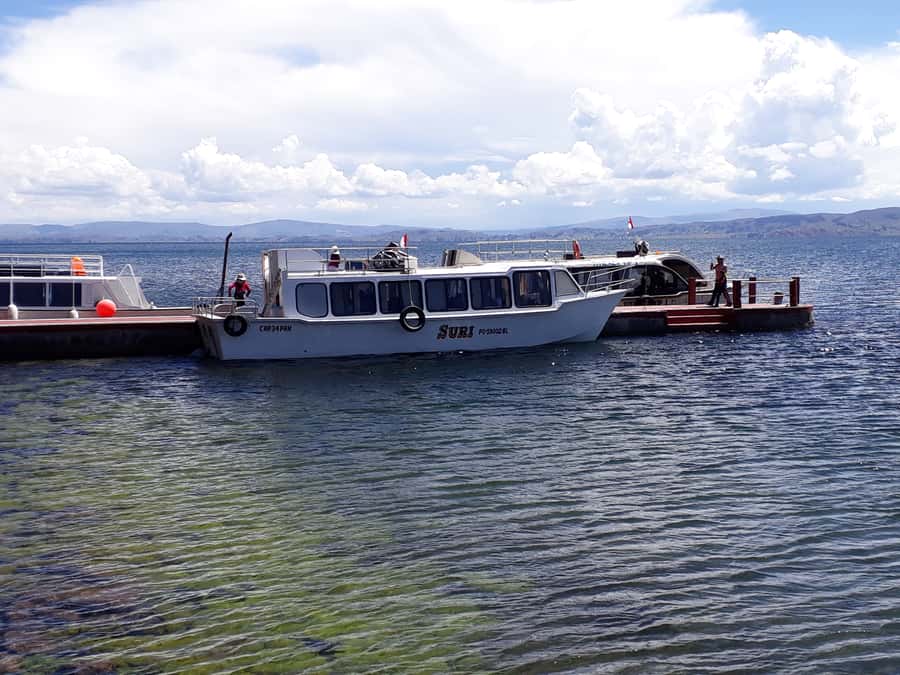
This tour is designed for people who want the Uros without committing to a full day of travel. You start in Puno, then you’ll get a short van ride to the pier area, followed by a boat ride out onto Lake Titicaca—because the Uros islands are, quite literally, floating out on the water.
The timing is tight but not rushed. Once you reach the islands, you’ll spend about 105 minutes walking and touring with your guide, plus a window for photos and browsing, before you head back the same way—more water transfer, then a final short van ride into Puno.
The water segments are part of the fun. Even if you’re only on a boat for a portion of the half-day, you’re changing your viewpoint of Titicaca from the moment you leave the shore. That alone can make this feel more like an experience than a checklist.
You can also read our reviews of more tours and experiences in Puno

Meeting the Uros: totora islands that actually work
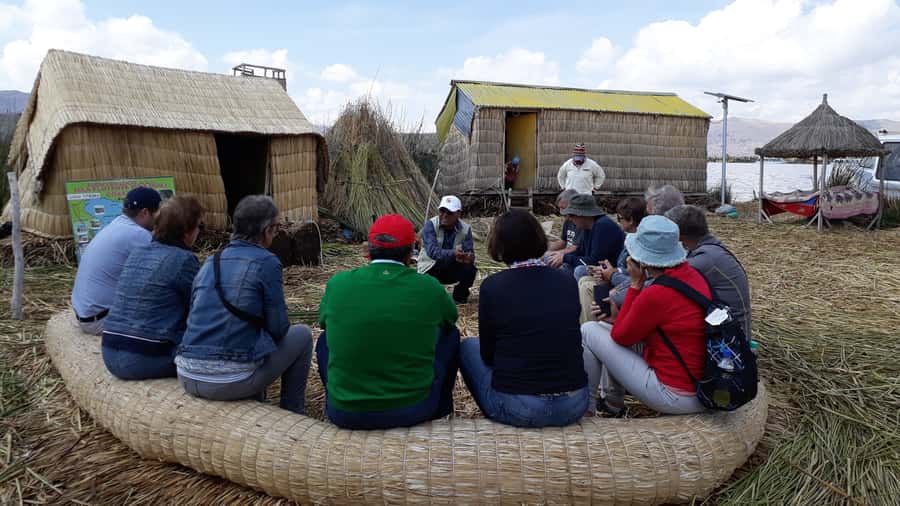
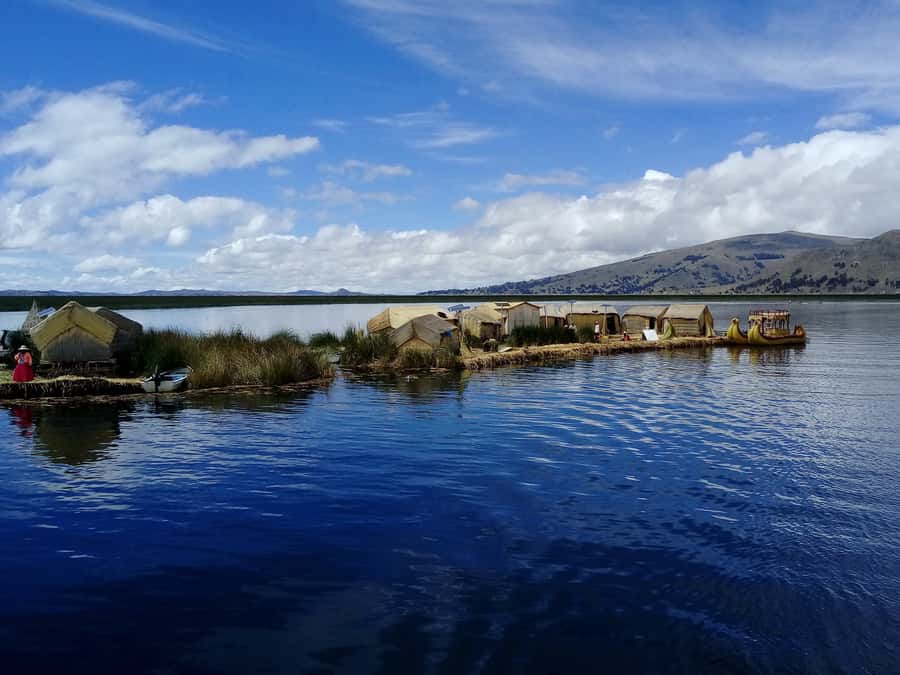
The core of this visit is the floating-island design, built from totora (an aquatic plant that grows on the lake). On the islands, you’ll learn how the material is woven, then layered to create a surface that holds up enough for people to live and move around.
What I find most useful for planning is this: the floating part isn’t treated like a gimmick. It’s explained as a practical craft—something the community maintains and rebuilds over time, using the plant not just for floors but also for boats, houses, cooking, and everyday needs.
And because the tour is guided in bilingual English and Spanish, you’re not stuck with vague explanations. Guides like Freddy and others described as very welcoming and encouraging can help you connect the dots between the plant, the island structure, and how life on the water changes routines.
Totora craft, history, and what you’ll notice on the ground
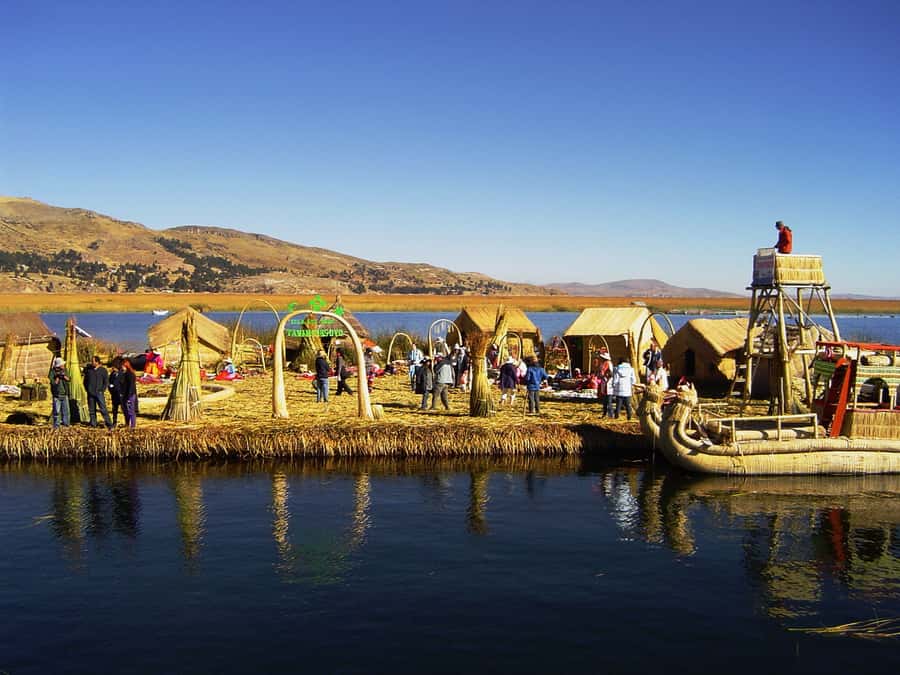
You’ll get a window into a culture that goes back over 3,000 years, with the Uros living around the highest navigable area of the lake. The tour doesn’t just point at the islands—it frames why this way of life developed and how it keeps going.
On your island visit, you should expect a mix of learning and low-pressure walking. The guide typically covers island construction, how totora is layered, and how the plant supports daily life. You’ll also see how many islands exist in the area—often described as dozens of floating units—so the scale helps you understand that this isn’t a single art project floating on a pond.
One thing to watch for during the visit: the Uros island experience is also an interaction with real residents. That means you’ll often see people ready to show you household details, answer questions, and share what life is like—plus you may be invited to buy crafts or other items as part of sustaining the community.
Walking time and shopping: how to enjoy it without stress
During the island portion (about 105 minutes), you’ll usually have time to walk around, take photos, and browse what’s offered. This is where the tour can feel extra satisfying because you’re not just peeking from a boat—you’re stepping onto the surface and seeing how everything sits.
At the same time, plan for the sales element. Some visitors specifically note it can turn into a bit of a sales pitch, and that crafts may feel similarly priced across different stops. If you want to keep it comfortable, set a small “souvenir budget” before you go and treat purchases as optional, not part of a test of how friendly you can be.
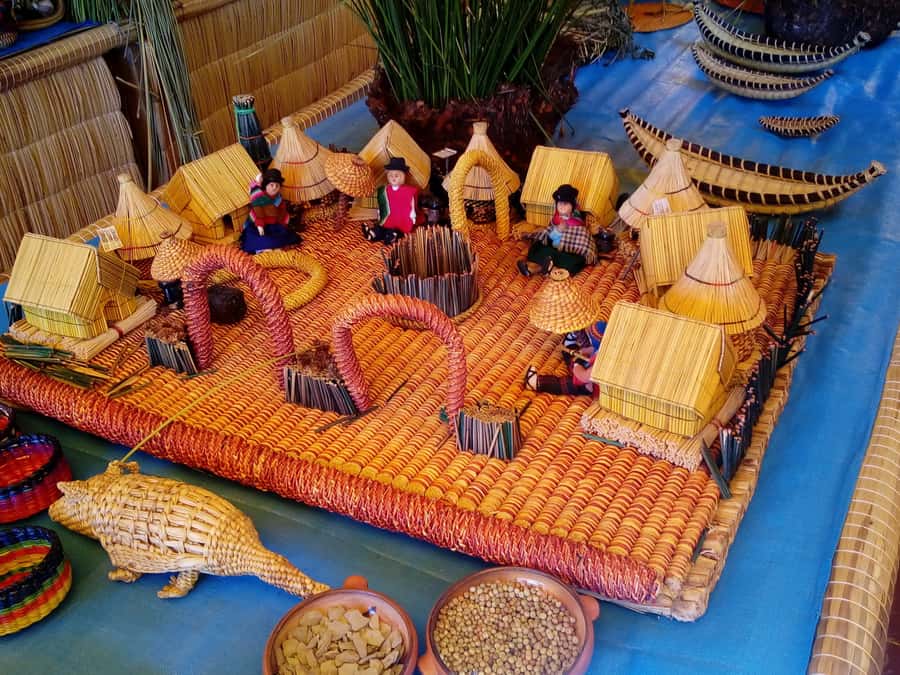
The upside is that the items you see are often tied to daily life—things made from locally sourced materials and carried out as practical work. If you like supporting artisans directly and you’re okay with quick, friendly negotiation, the shopping time can feel like part of the exchange rather than an interruption.
Reed boat ride: the one extra fee that changes the experience
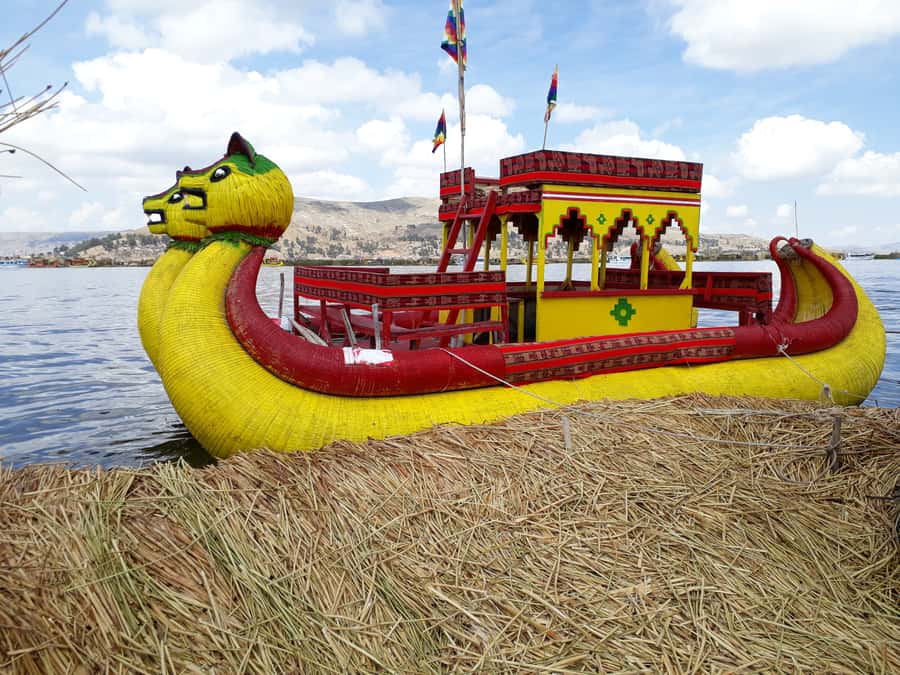
This tour includes boat transfer and entrance to the Uros island, but the traditional reed boat ride ticket is not included. The on-the-spot cost is listed as 15 Soles per person.
You’ll also see this described in two ways in the tour info: there’s an optional “Balsa de Totora” style ride described as a traditional aquatic transport made from totora. In practice, the reed boat can feel like a required add-on depending on how your specific visit is structured, so treat the fee as likely if you’re curious about doing it.
Should you pay? If you want the extra Lake Titicaca feel—movement on totora, not just a motorized transfer—then yes, it’s worth earmarking the 15 Soles. If you’d rather keep costs low and you mostly care about walking the islands and learning the totora-building process, you can still get a lot from the included parts.




Guide and captain skills: why the names matter
On this kind of water tour, the guide and boat crew can make or break the vibe. A frequent theme in the experience is how helpful, welcoming, and clear the guides are—especially when they have roots in the community.
You may be guided by people like Freddy, Rolly/Roly, or Franky, and captains can include names like Bryan/Brian or Christian/Christopher in the tour mix. That’s not just trivia; a strong guide keeps your questions flowing and keeps the tour from turning into a rushed walk-through.
If you speak only a little Spanish, don’t panic. Since the tour includes bilingual interpretation (English and Spanish), you should be able to follow the main story about totora construction, lake life, and the community’s routines. And if your guide offers local phrase teaching, that can make the visit feel more personal—one of the small extras people appreciated.
Weather and comfort: shine or rain on the lake
The tour runs in sunshine or rain, which matters because the lake weather can shift. Bring a plan for staying comfortable: something you can layer, and gear you don’t mind getting damp. Even if it’s not a full storm, rain on a boat day can feel chilly.
Also remember this isn’t a long hike with lots of time to rest in buildings. Your comfort is tied to the walk and the boat transfers, so you’ll enjoy it more if you dress for standing, walking on uneven surfaces, and moving between transport types.
Practical logistics you’ll want to plan around

A few rules help set expectations:
- No pets
- No luggage or large bags
- You’ll need a passport or ID card
The tour is also marked as not suitable for people with mobility impairments, which is important. Floating surfaces, steps near docks, and boat boarding can create challenges that the tour doesn’t adjust for.
On the good side, the overall pacing works well for short schedules. If you’re in Puno and want the Uros without turning your day into a travel marathon, this fits neatly.
Value: what you get for about $10
At roughly $10 per person, this tour is trying to be an affordable entry point to the Uros experience. The value isn’t just the price tag—it’s what’s included.
Included elements are:
- Boat transfer
- Entrance to the Uros island
- A bilingual English/Spanish tour guide
- Hotel pickup and drop-off from the city center if you select that option
Not included:
- Foods and drinks
- The fee to ride the traditional reed boat (15 Soles per person)
So the real cost may be a bit higher if you want the reed boat ride. But even with that add-on, you’re still in a range that many people find reasonable for a guided, water-based cultural visit—especially since it’s only about 3 hours total.
One more value angle: it’s a half-day format. If you’re trying to balance La Paz or other parts of the region, a short Titicaca outing can be a smart use of time. You get the headline experience (floating islands + totora craft + local context) without sacrificing an entire day.
Who this Uros half-day tour is best for
This tour is a great match if you want:
- A quick, guided introduction to the Uros floating islands from Puno
- Time to walk the islands and take photos
- A guide who can explain the totora building process in English or Spanish
- A calmer alternative to longer Lake Titicaca day trips
It’s less ideal if you:
- Need accessibility accommodations for mobility limitations
- Want zero on-the-spot spending beyond the tour price
- Prefer experiences where shopping pressure is minimal
If you’re traveling with kids or friends and you want an activity that doesn’t run your schedule into the evening, the short duration is a big win. For solo travelers, the bilingual guide and the small-group feel described in some departures can make it easier to ask questions.
Should you book this Uros half-day tour?
I’d book this tour if you’re in Puno and you want the Uros floating islands without a full-day commitment. The totora construction lessons, the chance to learn from guides tied to the community (like Freddy), and the included boat transfers make it feel like more than a photo stop.
I’d think twice if your budget is strict and you don’t want the likely extra reed boat fee, or if accessibility is a concern. Also, go in knowing shopping and craft sales are part of the on-island interaction, and decide your souvenir plan before you step onto the reeds.
If you want, tell me your travel month and whether you’re considering the reed boat ride. I can help you decide if this is the right short outing for your schedule and style.
FAQ
How long is the Uros Half-Day Tour from Puno?
The duration is listed as 3 hours.
Where does the tour start and end?
Pickup is from Puno, and the tour returns to Puno after the transfers.
Is hotel pickup and drop-off included?
Hotel pickup and drop-off from city center is included if you select that option.
What languages are the guides?
The tour guide provides bilingual interpretation in English and Spanish.
Is entrance to the Uros island included?
Yes. Entrance to the Uros island is included.
Is the reed boat ride included in the price?
No. The fee to ride the traditional reed boat is not included, and it is stated as 15 Soles per person to pay on the spot.
What should I bring with me?
Bring a passport or ID card.
Does the tour run in rain?
Yes, the tour takes place in shine or rain.
Is the tour suitable for people with mobility impairments?
No, it is not suitable for people with mobility impairments.
Can I cancel for a refund?
Yes. Free cancellation is available up to 24 hours in advance for a full refund.